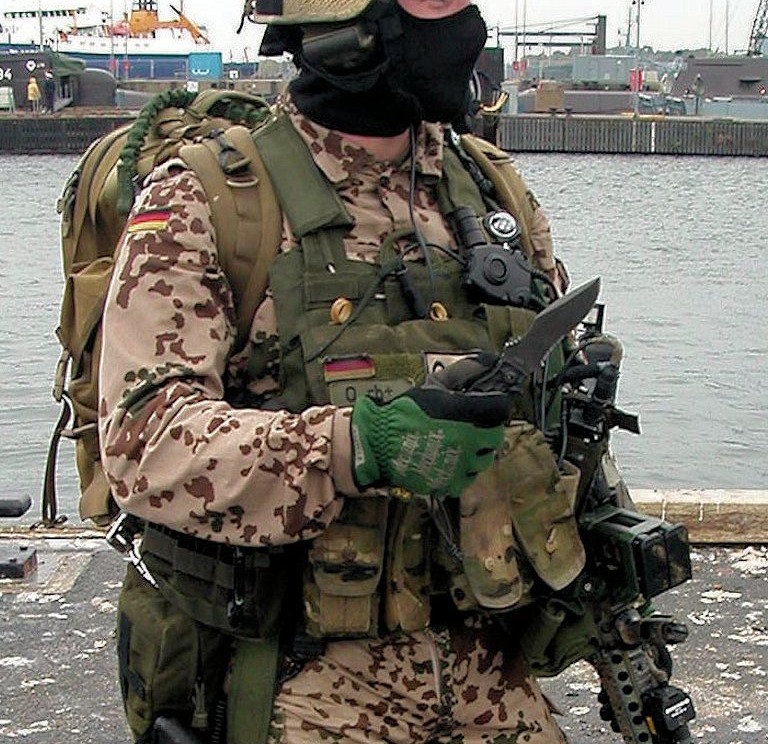
A few weekends, late nights, a powdery mess of raw ingredients and a 3-foot-long ( 0.944-meter- long) immersion blender working up a storm later ,it’s become more than apparent that our friends lab at kommandostore has been cooking up another big batch.…Of Versengtarn & Acidtarn.We get it, they’re in South Dakota, USA but what did you think we were talking about? Tabs?
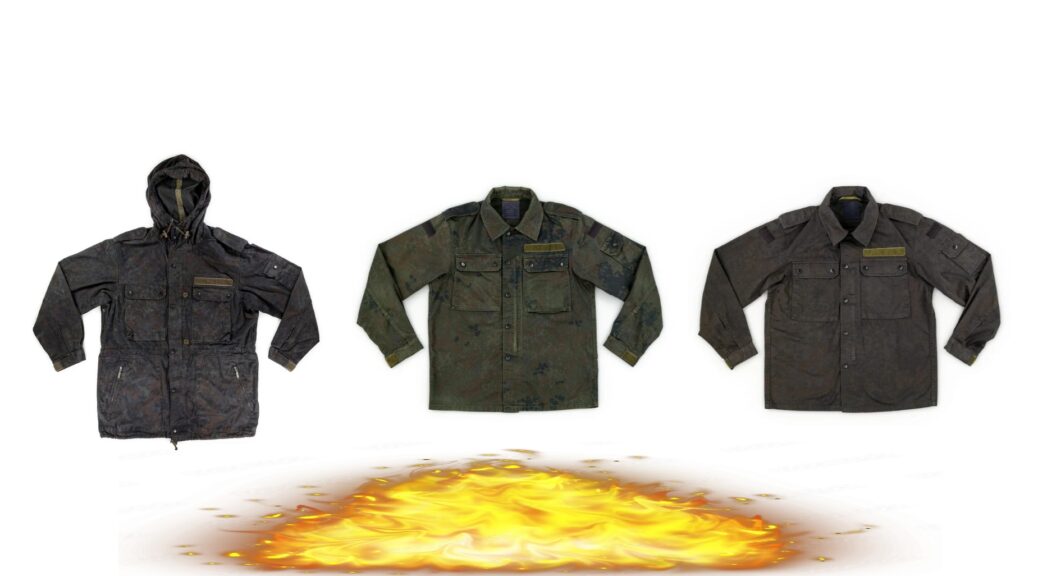
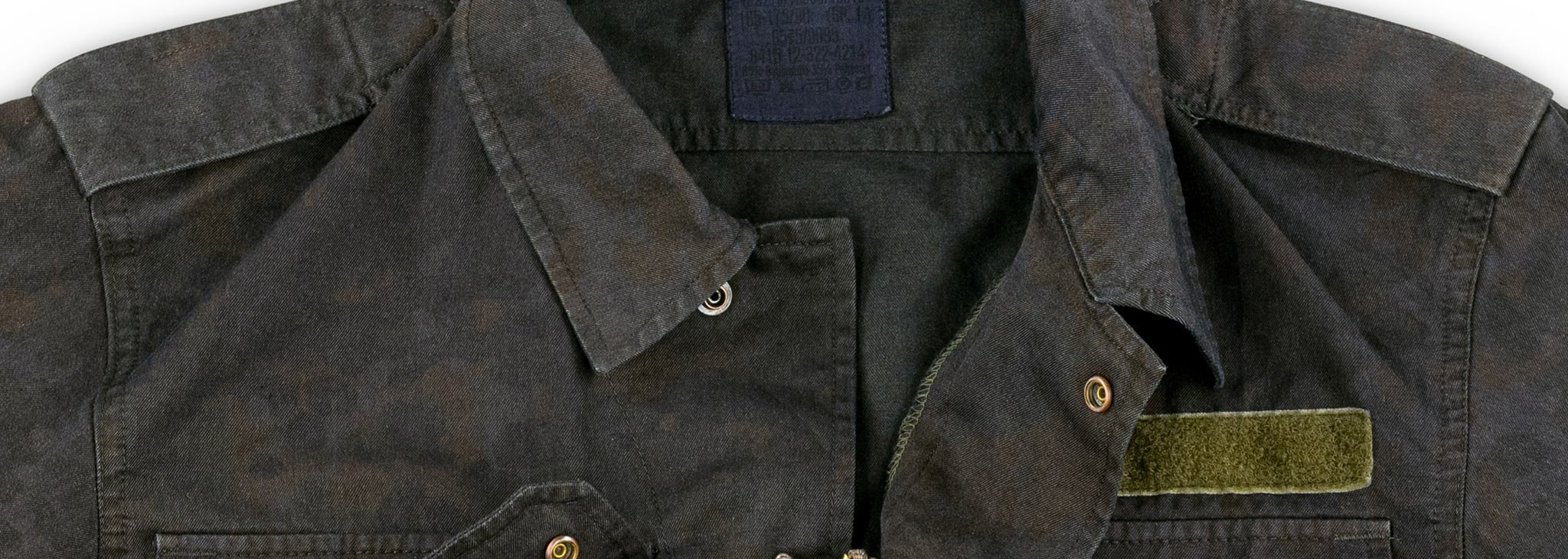
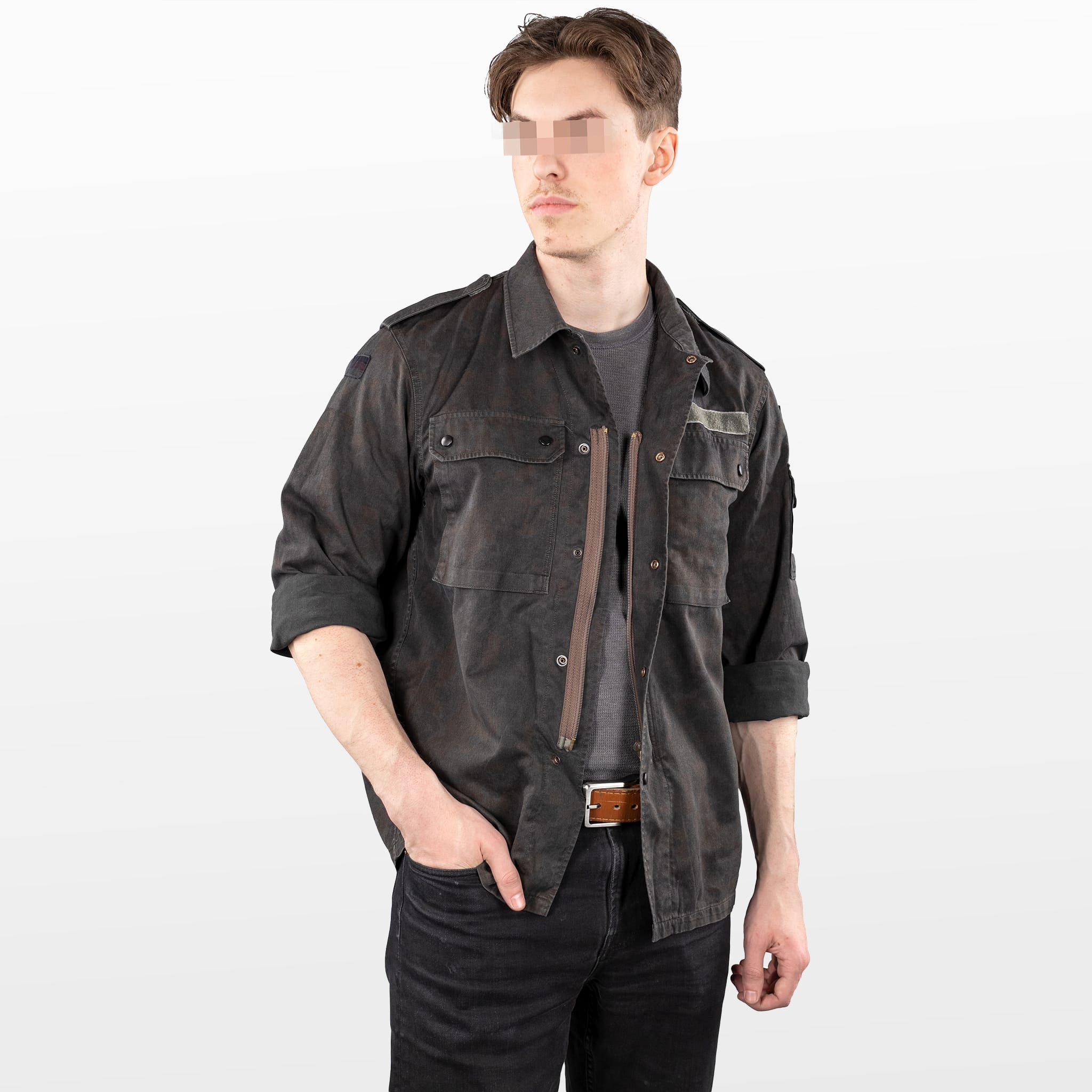
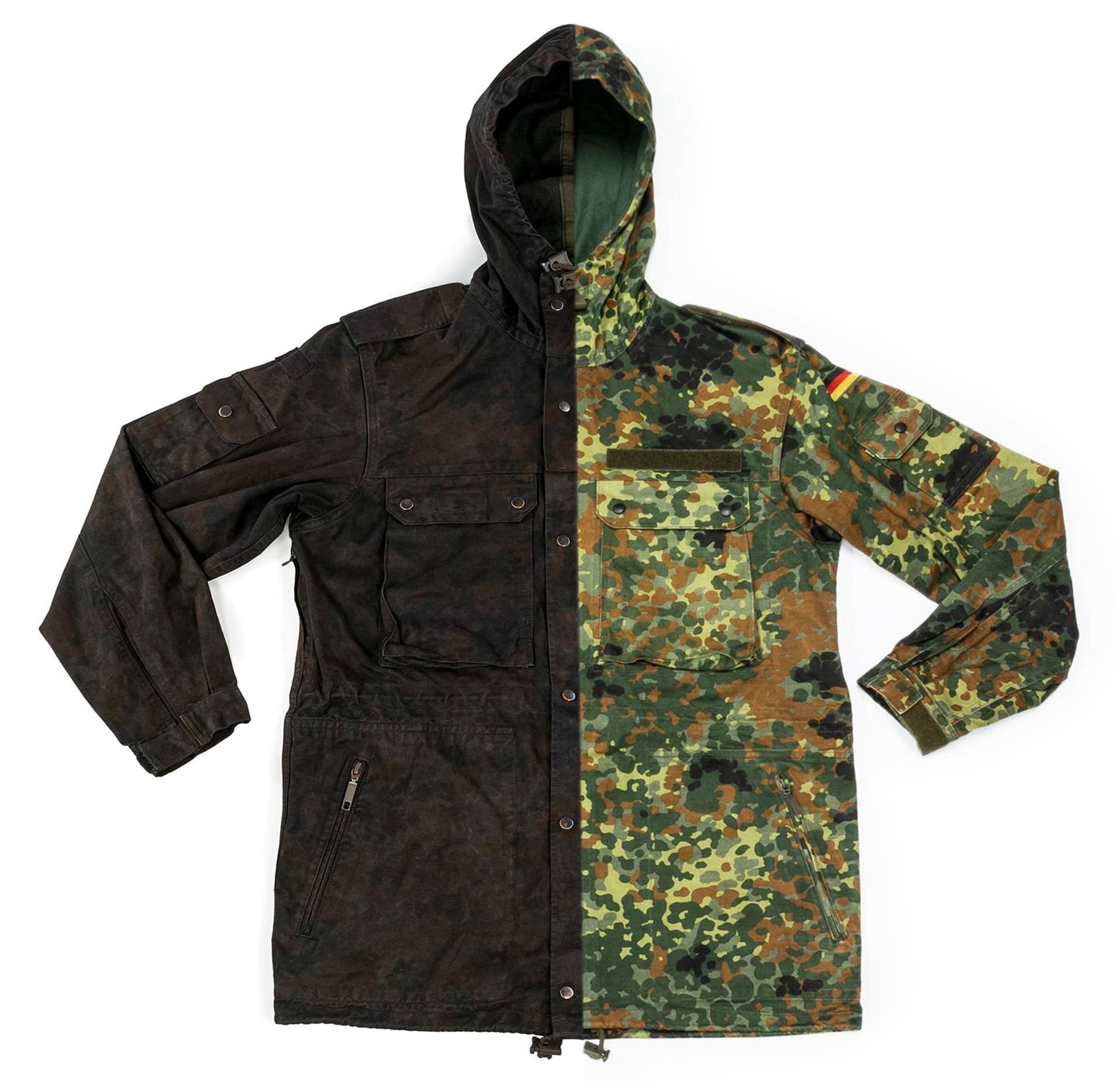
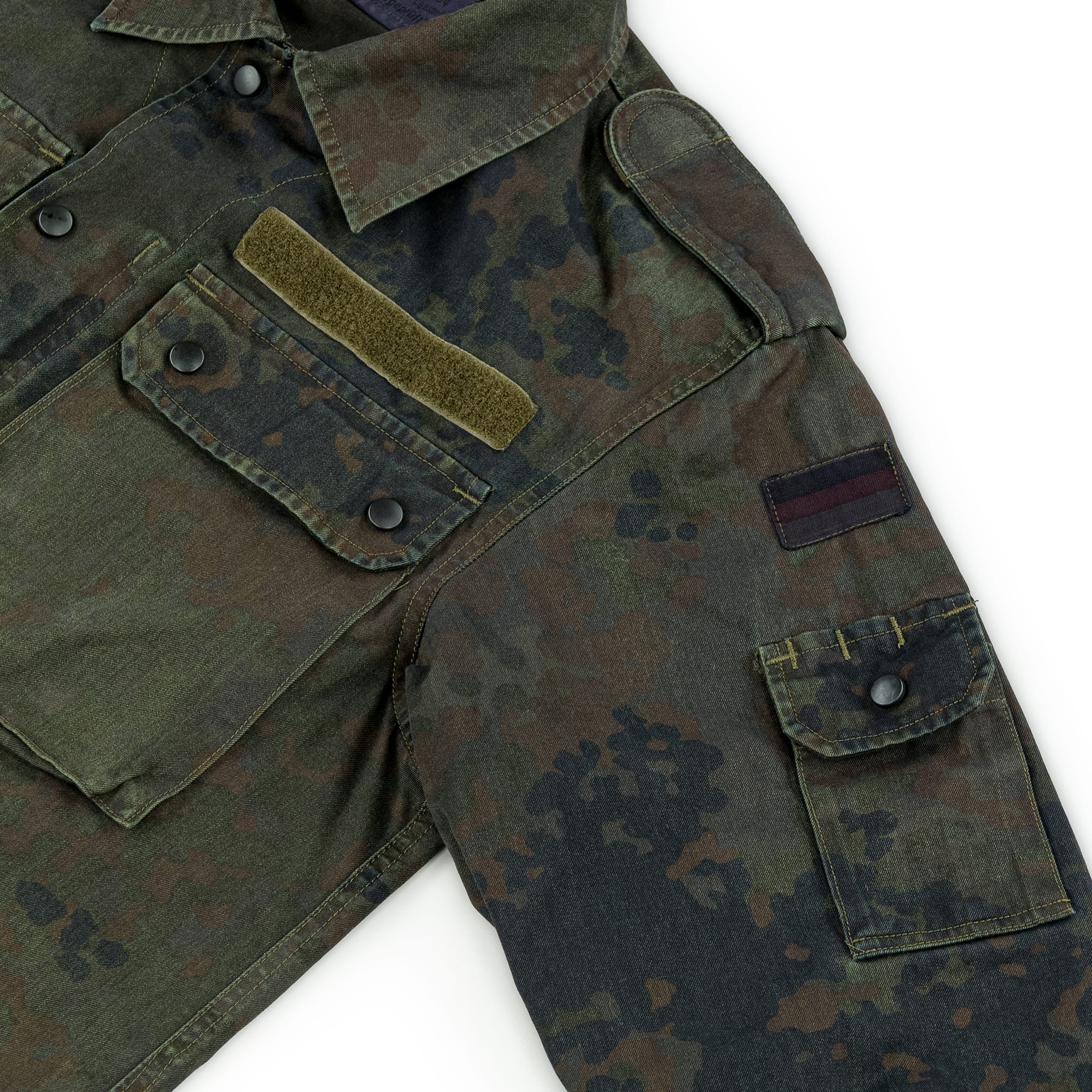
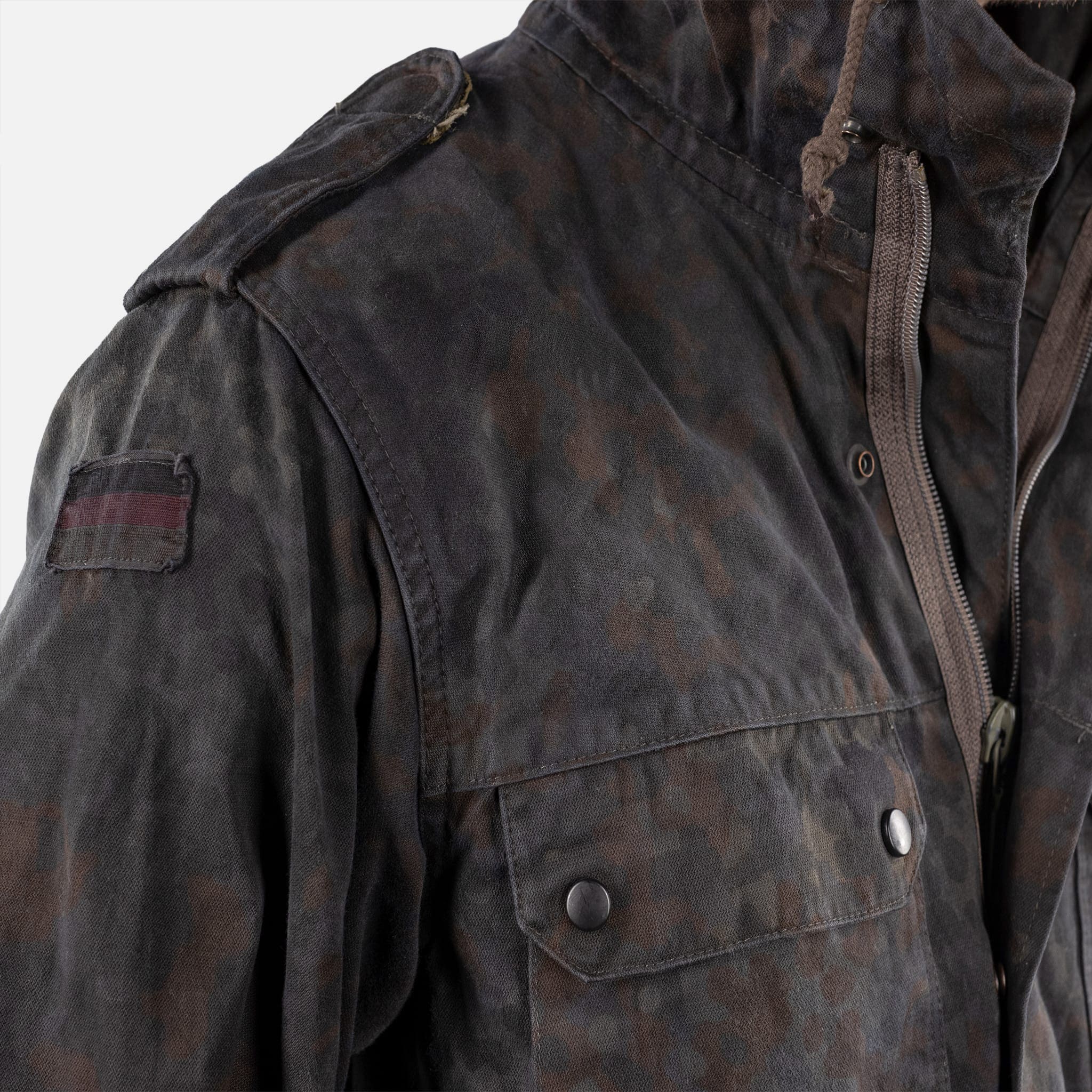
“Versengtarn” and “Acidtarn” are their most popular dyed-in-house military surplus garments by a longshot and it’s easy to see why. They use a special reactive dye that lasts far longer than most off-the-shelf compounds & a top-secret DJ routine on a washing machine for a shadowy redux of Flecktarn Field Shirts & Parkas that you just can’t find anywhere else. Being pre-inspected and laundered during the dye process, they’re ironically some of the best quality flecktarn pieces you can buy from kommandostore.
Versengtarn is the classic, an almost Multicam-black-esque variant of flecktarn that’s been created that quiets down the classic camo pattern to a whisper, giving it an ashy appearance that’s fantastic for working in to your daily wardrobe or just being a little edgelord who loves buying black stuff. Acidtarn is much of the same but has a green-er overtone. It retains the subtlety, and a bit of the original military looks of the Flecktarn Field Shirt.
With the first batch a few months ago being a massive success, kommandostore heard you guys loud and clear. The perpetual dyeing industrial supercomplex in their warehouse now cannot be stopped .
So, whether this is your first time dyeing with them or you missed out on the last batch, today’s the day to click the link above and get an order it. They’ve got plenty of other dye projects to do before circling back to good ol v-tarn so it might be a while before it’s back…
The Lore Drop
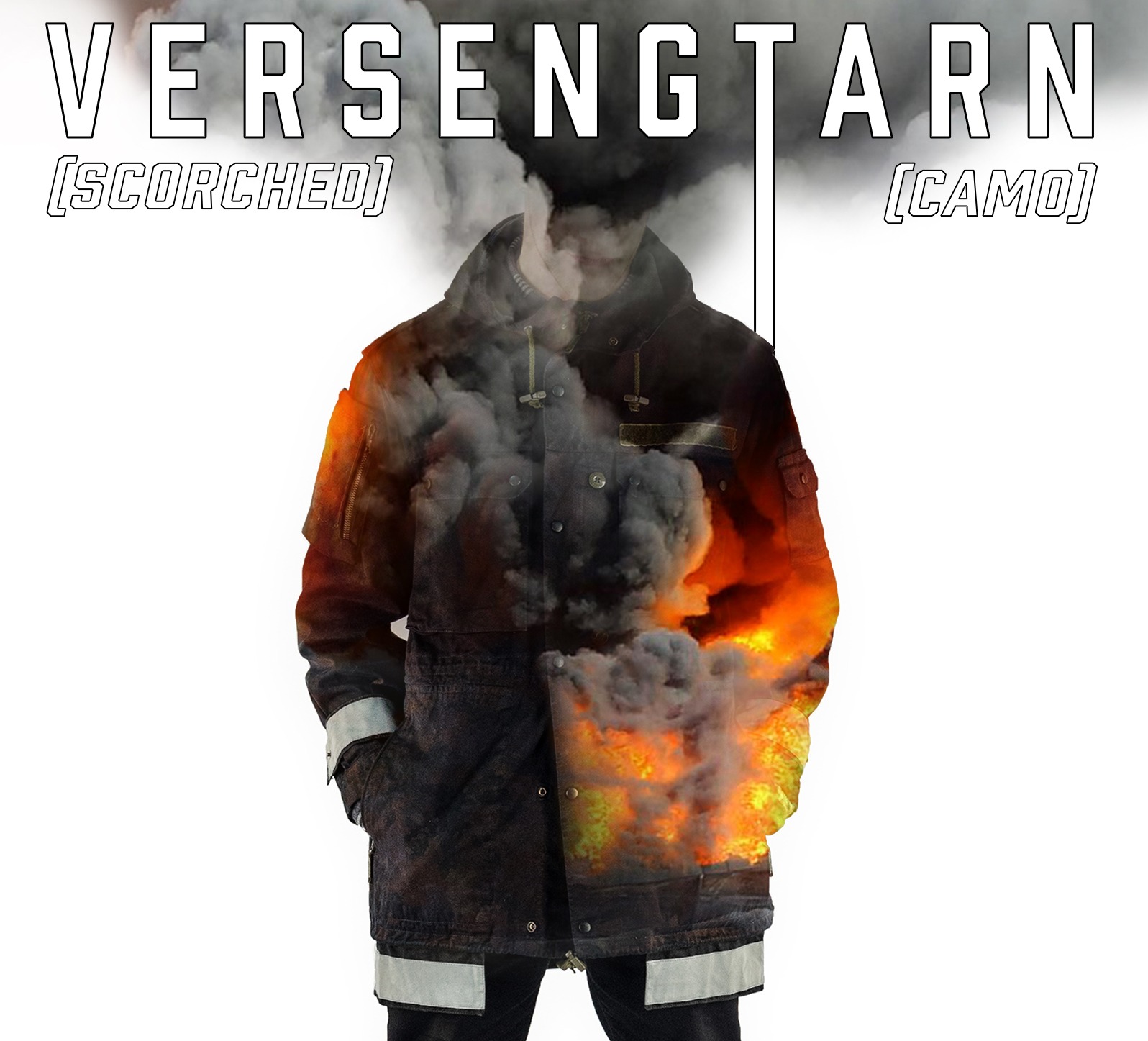
What watching the first season of True Detective does to a mfer… If you cant tell how excited we were after learning about dyed flecktarn, the double-exposure edit above should give you enough of a hint. It goes hard in a way we just can’t match one for one these days.
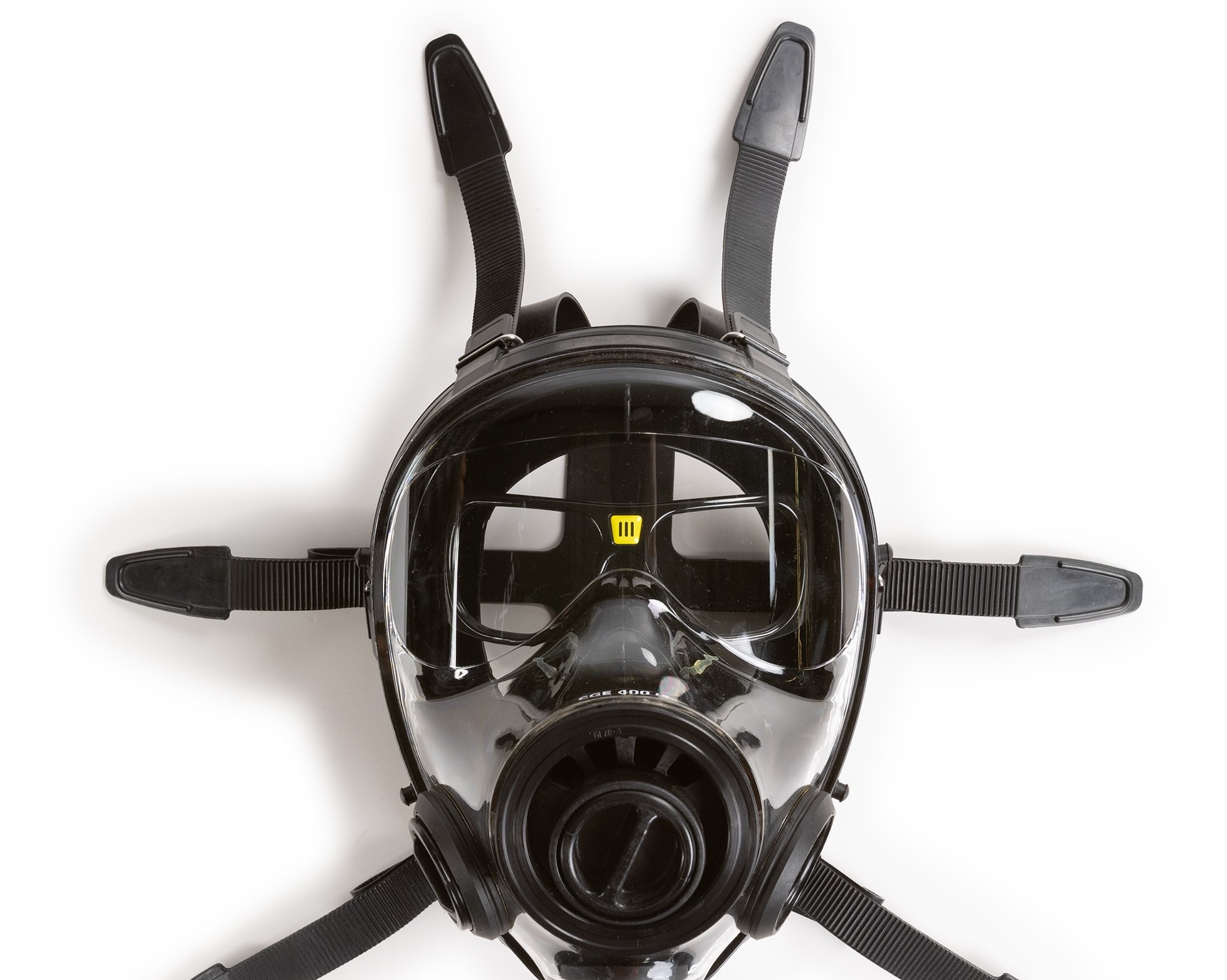
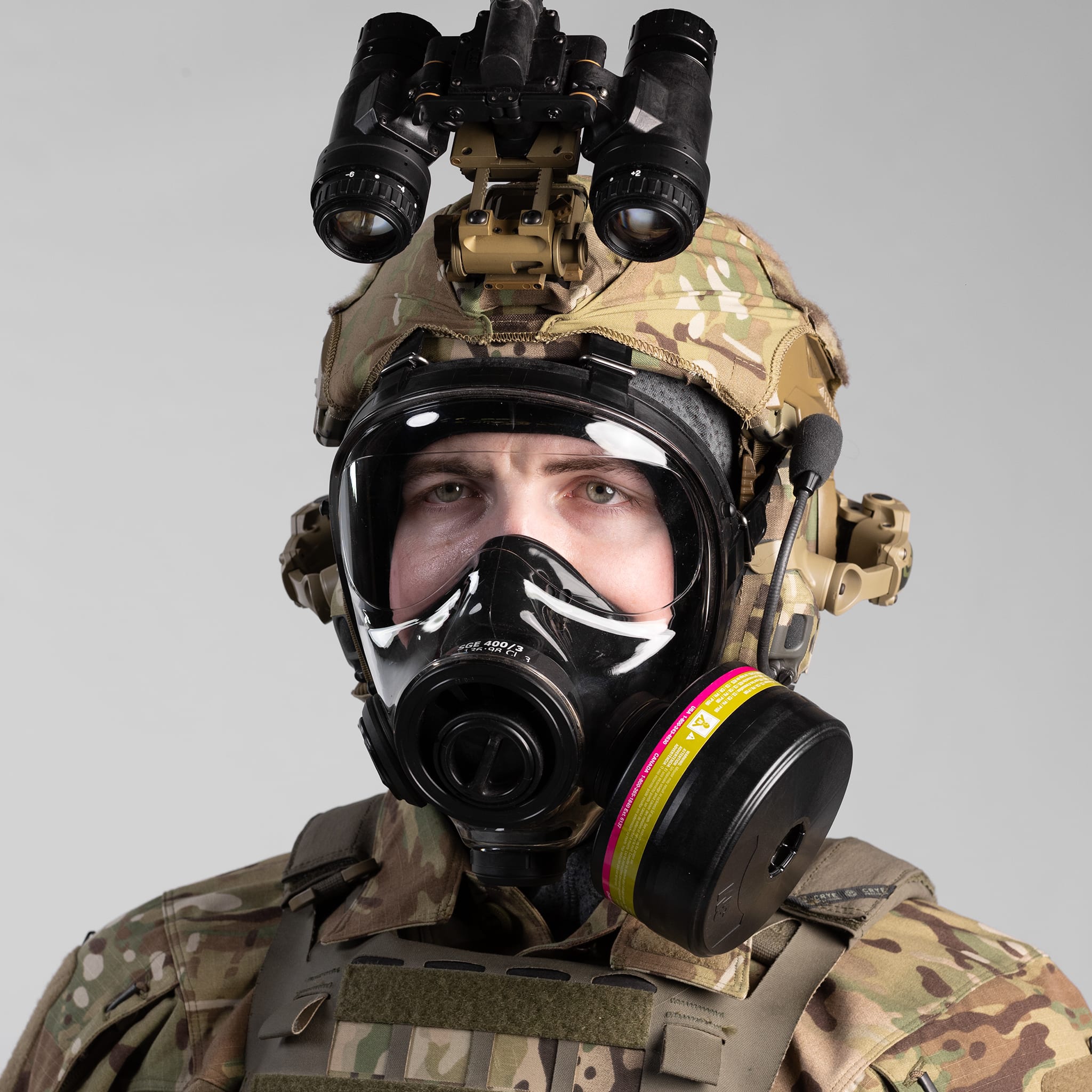
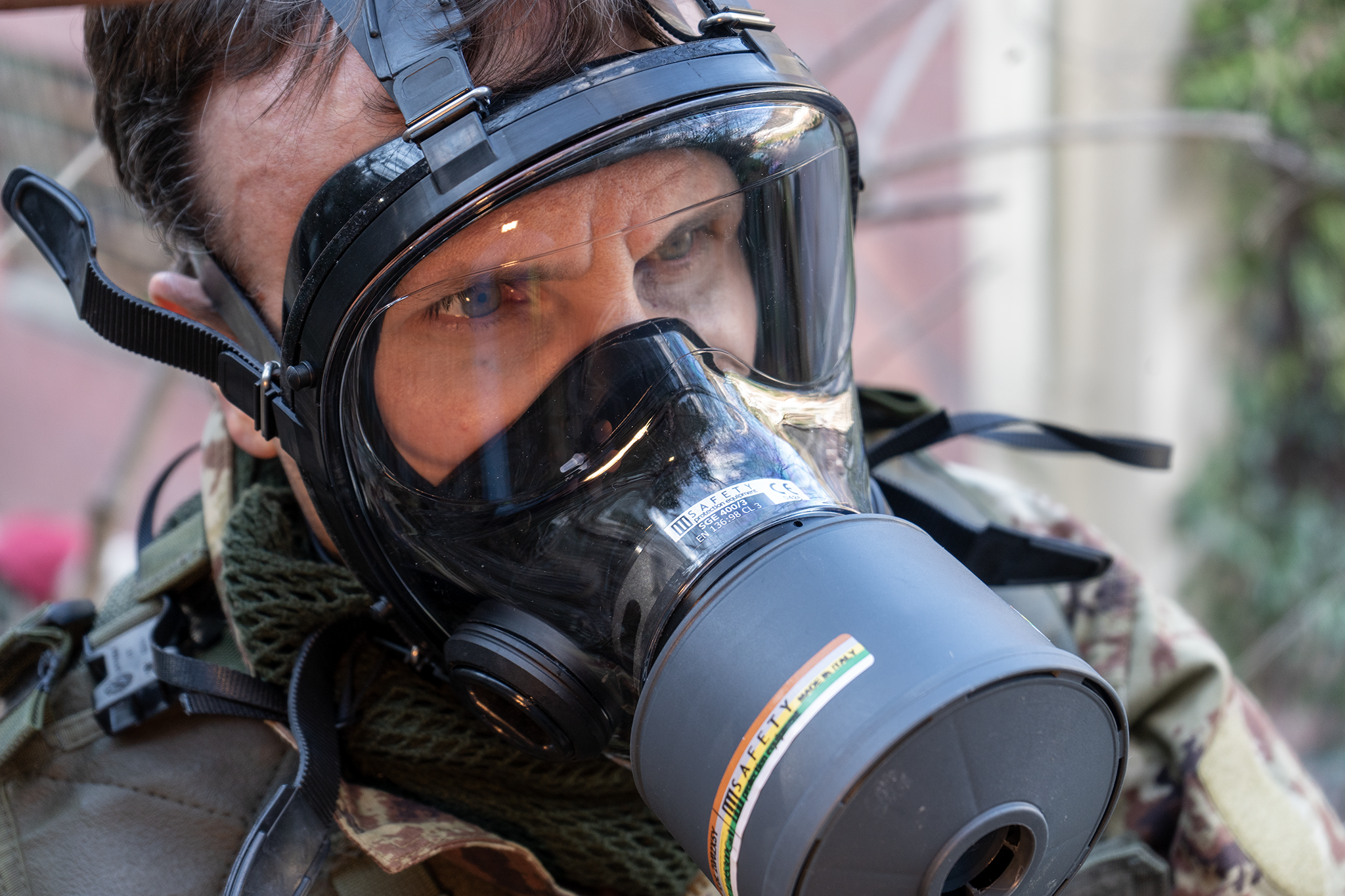
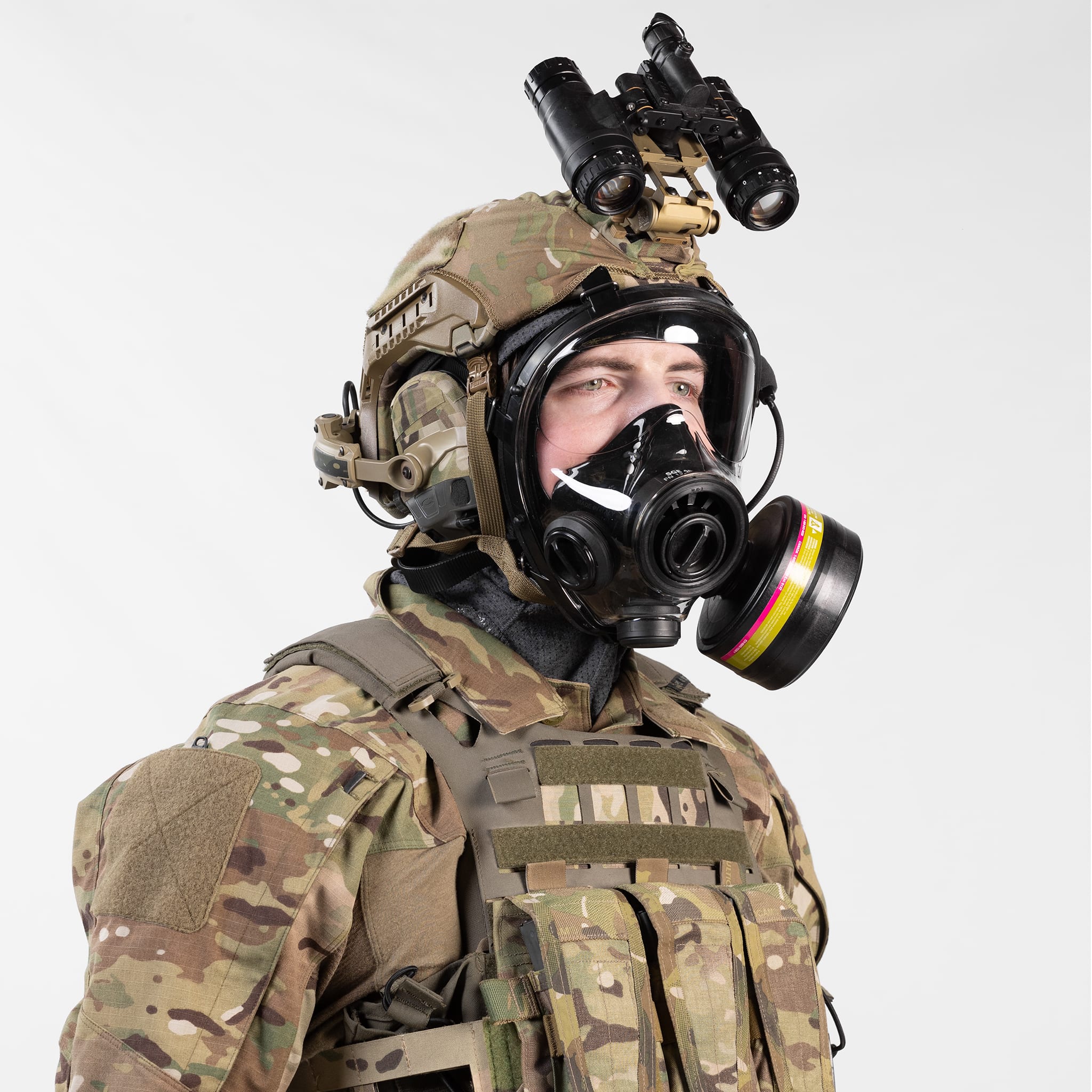
Sometimes great things can come from unexpected places. When our friends at kommandostore.com were hit up by an Italian scuba diving company for CBRN-Rated Gas Masks a few years back, they were very intrigued. Mestel Safety, under ‘Ocean Reef Group’, makes the “SGE 400-3” — a gas mask that thinks completely outside the box — a favorite all-rounder on the gas mask market.
SEE THINGS CLEARER.
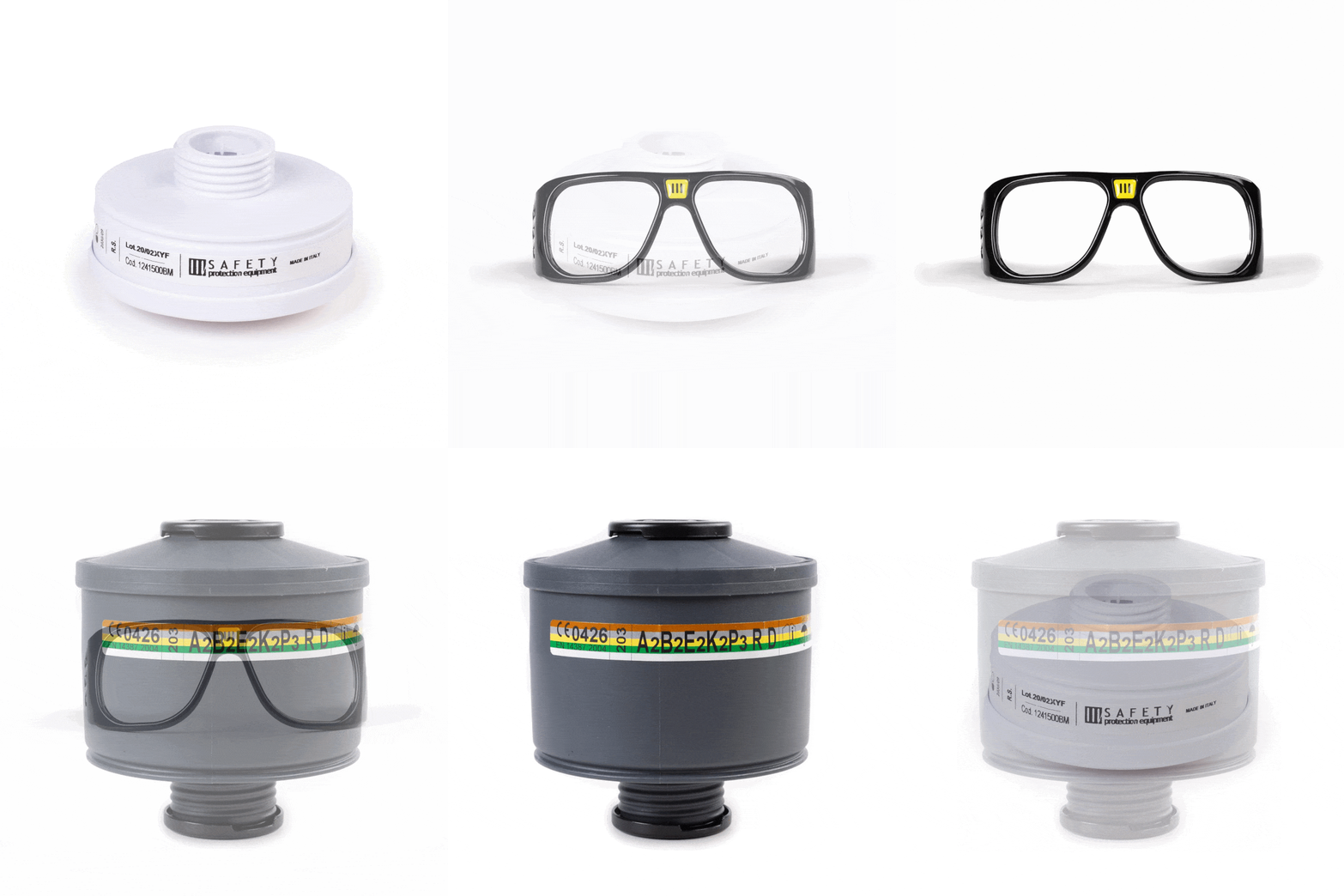
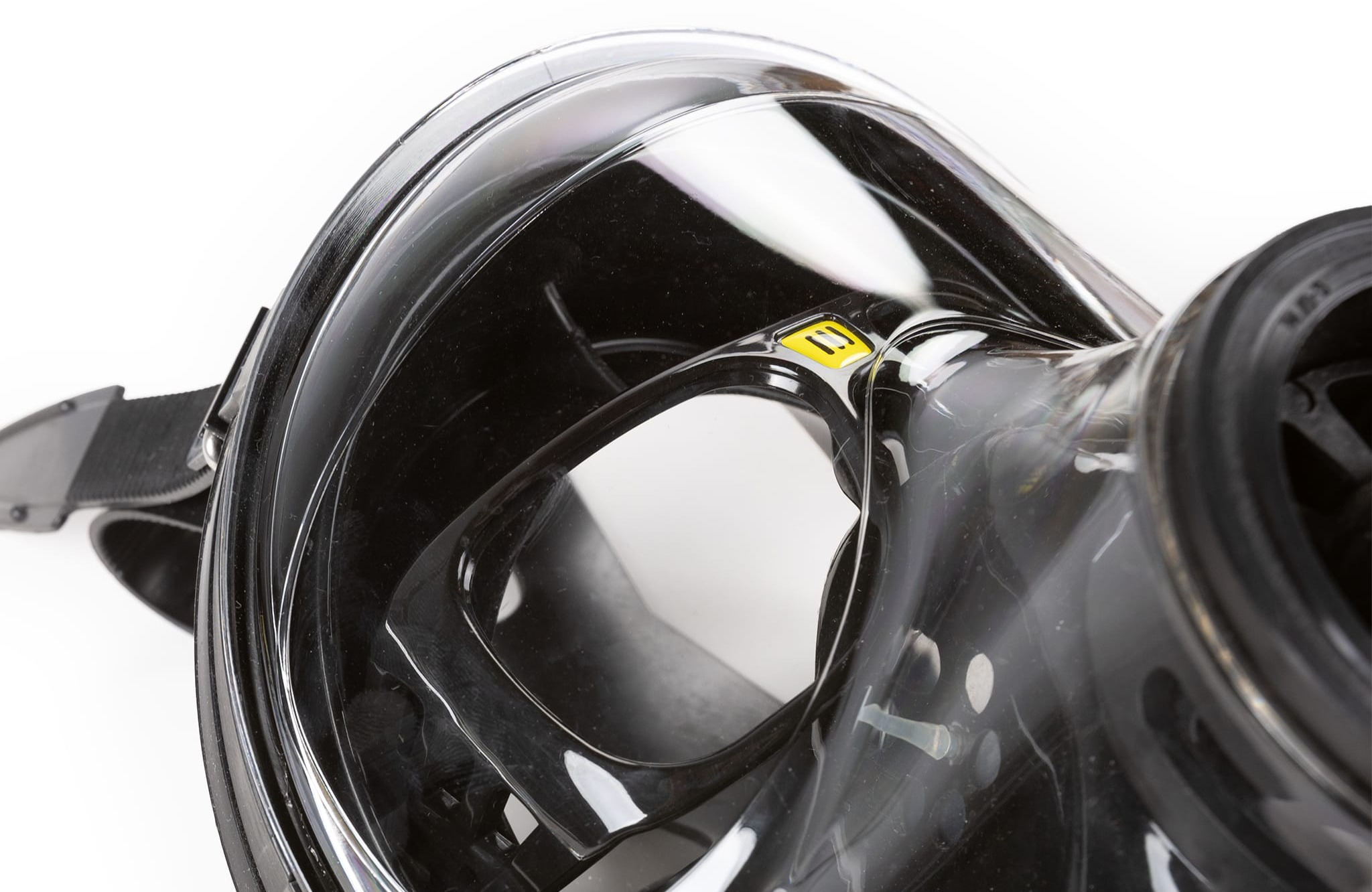
As usual, kommandostore will be offering the full suite of masks (a CBRN-approved and non-CBRN approved version*), filters, and eyeglass inserts.*More on that later below
A look under the sea – how military scuba diving had an important impact on the design of this unorthodox gas mask…
UNDER-WATER ORIGINS
Ocean Reef Group, Mestel Safety’s parent company, actually specializes in all kinds of equipment for undersea exploration. AndiIt all started with rubber — Giorgio, Ruggero, and Gianni Gamberini worked at a tire repair shop in Genoa, Italy. During their experimentation with rubber compounds at the time, they were approached by pioneer of scuba diving and legend of the Italian Navy, Luigi Ferraro. He wanted to make rubber masks and fins for scuba diving based off his experience. From the successful designs that resulted, a sprawling Italian scuba industry was born.
Commander Luigi Ferraro pictured in his diving gear. He was part of the “Gamma” sapper group, who performed some of the first major underwater stealth operations in WWII with the aid of very-early SCBA equipment. He would go on to sink 3 enemy ships by himself during a long sabotage operation, becoming one of the few people to have received Italy’s highest Naval honor (the Gold Medal) and live to tell the tale. The gif shows examples of some of the equipment he really used, including a damaged Panerai dive watch, and the aforementioned scuba fins. Quite the backstory.
But like all good materials sciences, one of its breakthroughs resulted from a mistake. An “Incorrect” mix of rubber ended up also being the first buoyant rubber compound, incredibly important in the making of flippers.The Gamberini brothers would also pioneer some of the first rubber watch straps, which were a massive upgrade in comfort & security in comparison to leather straps that would degrade in the salty depths.
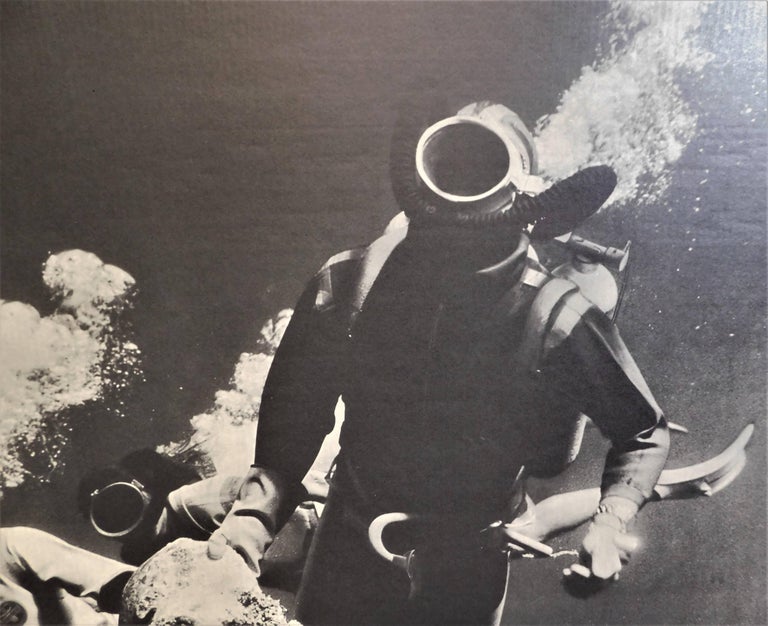
This is about as good as scuba gear got in the 50s and 60s. On this gentleman’s left hand, you can see his dive watch with a stainless steel wrist strap. While still incredibly popular today even amongst avid scuba divers, they weren’t ideal for military use due to their reflectivity.
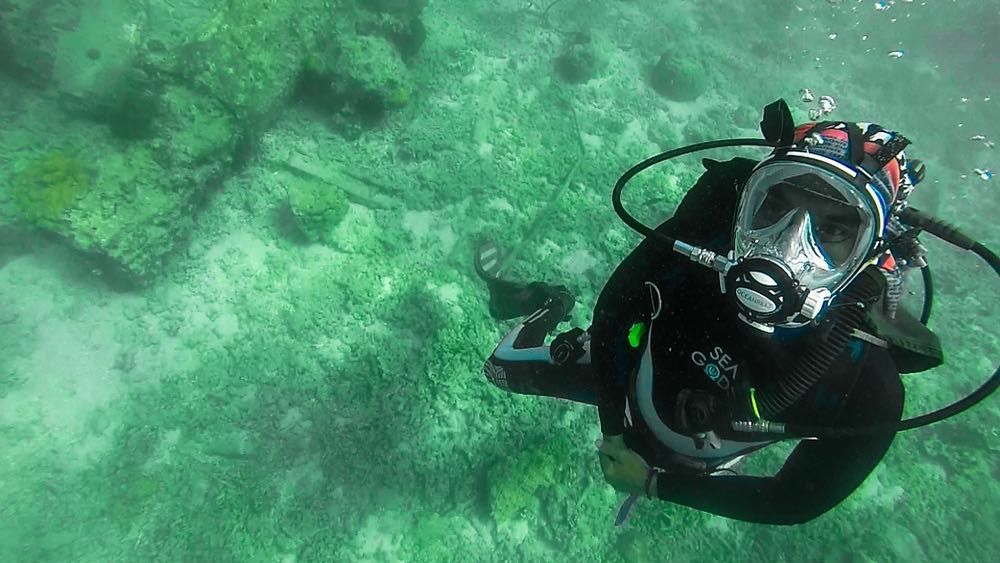
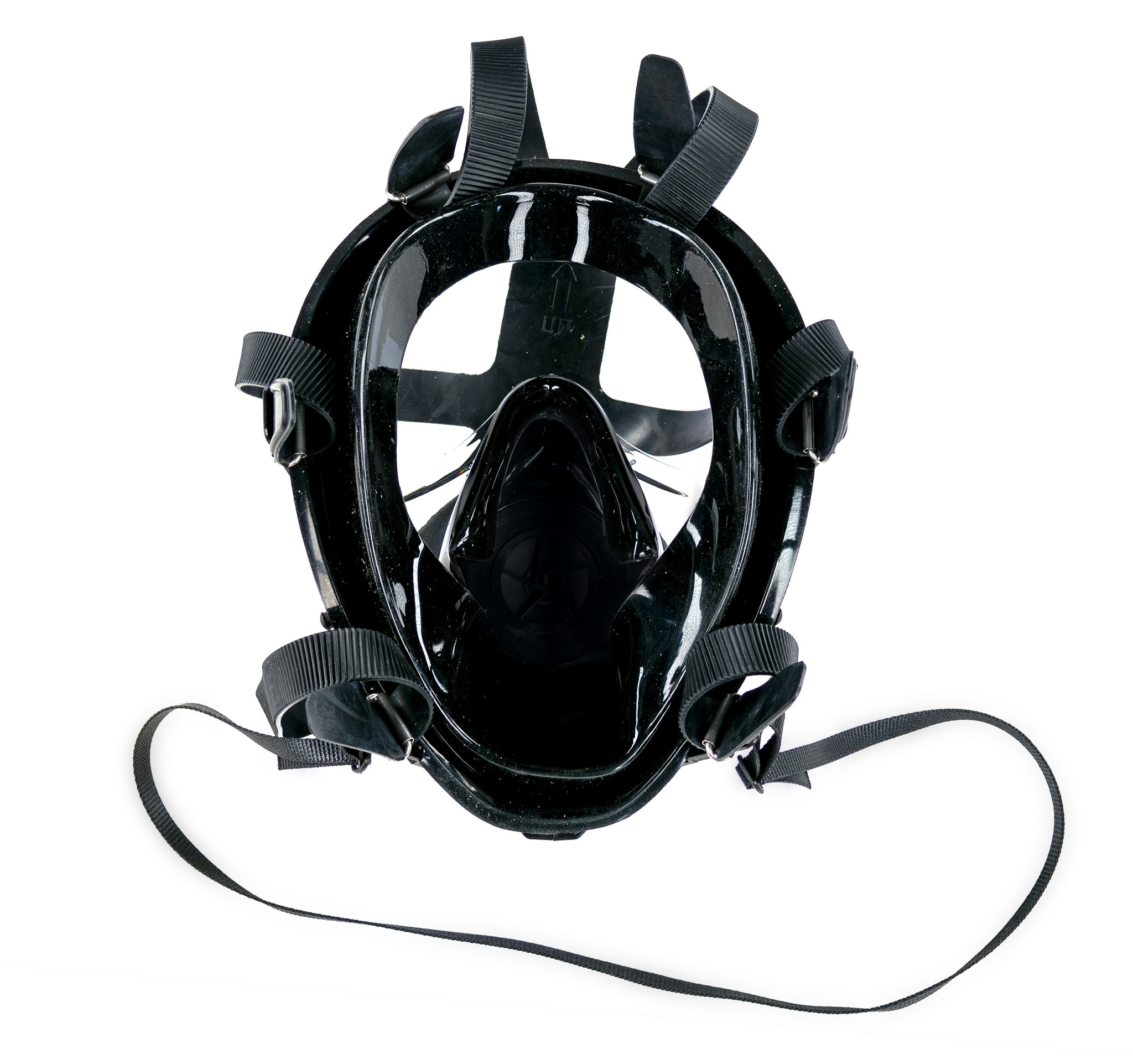
Their company Ocean Reef would go on to pioneer the design of the first ever full-face mask for snorkeling use. It featured an almost entirely transparent facepiece with an incredible field of view, which would “float” in front of the rubber that sealed to your face, reducing felt weight. Sounds like these would be great features on a gas mask, eh? They had the same feeling too…
“Mestel Safety”, their medical & safety division, would use everything they learned with their pedigree in undersea engineering, and the very gas mask we’re presenting today would be born. From the depths of the Mediterranean to a position of respect in military & civil applications, Ocean Reef has come a long way, and they definitely earned their spot amongst the best.
COMBAT CAPABILITY
Don’t be spooked by the unconventional design — these masks are tough as nails.Mestel safety tested their masks by barraging the facepiece with, quote, “6.35mm steel spheres going over 300 mph”. For some reason the specificity makes it sound hilarious, but that’s practically like being shot directly in the face with a BB gun over and over and shrugging it off – not bad one bit. So, rest assured, this thing can probably handle some projectiles from common workshop incidents and Airsoft matches.
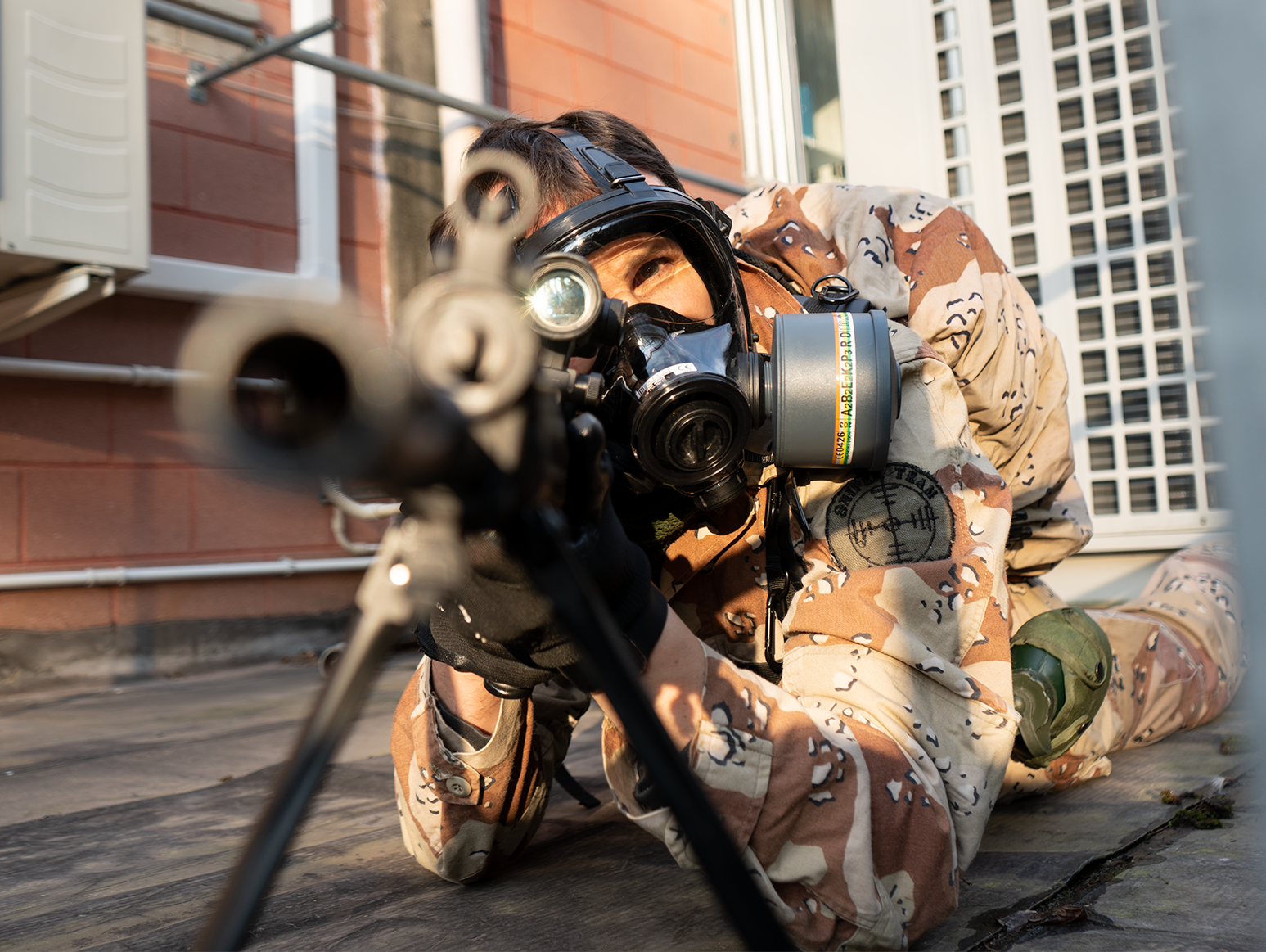
Probably its most visually obvious feature is, once again, the insane Field of View.It preserves nearly 90% of your vision without significant “warping” and makes it pretty usable with firearms like many mil-contract masks on the market. But when you put on the average military mask, you’ll be stunned at how much you can’t see in comparison.
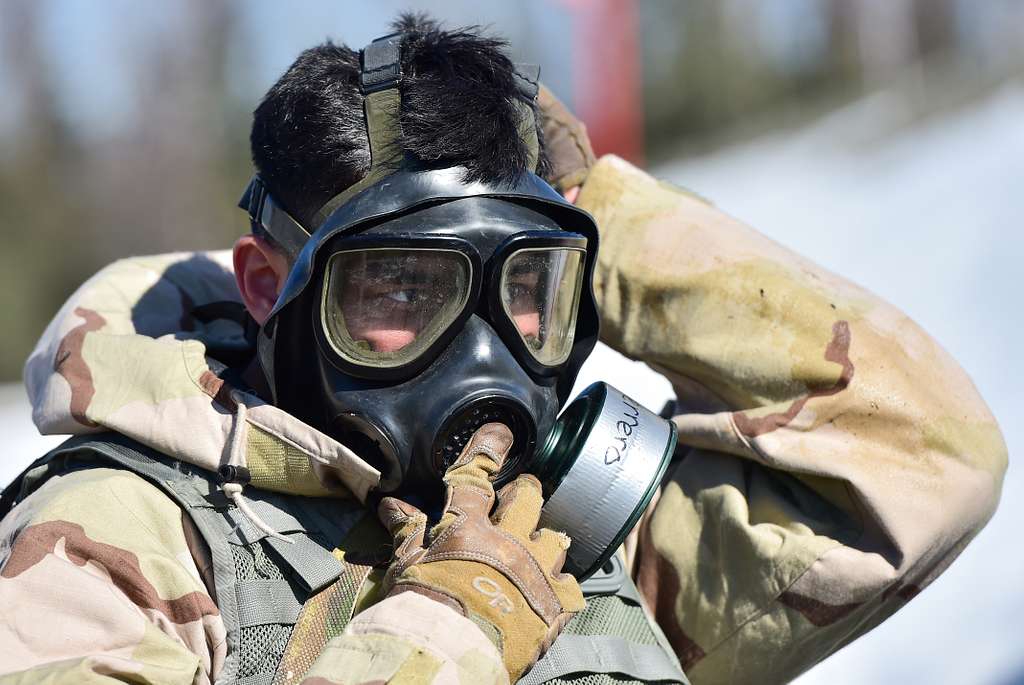
Having a massive split in the mask reduces the ocular overlap for your eyes and does, in fact, impede your vision right away. It’s why masks like the Avon M50 feature a single unified eyepiece instead of the classic two-piece styled masks of the cold war.
Lastly, these are comfortable to wear over very long durations thanks to the “floating” facepiece design. It allows the rubber to seal perfectly to the shape of your face, and takes the “felt weight” off of your face and onto the harness, where it should be.
We could go on about the cool factor of this mask for a lot longer but if you want to take a closer look at the mask you should investigate the product pages 👇
KNOW THE DIFFERENCE!
An important side note on “CBRN” capability: If you’re looking for the model with 90% of the capability at a reduced price, the silicone-rubber based model is what you’re going to want to pick up. So what’s that other 10%? We’ll keep it simple: the butylated rubber, or just “butyl rubber” adds the ‘R’ and ‘N’ protections to CBRN, (Chemical, Biological, Radiological, Nuclear) *. *If you’re actually planning on dealing with those extra threats or the ‘blister agents’ that can also bypass a silicone seal, you’re going to need way, way more than just the mask to protect yourself anyways. Think a full HAZMAT suit with chemical tape, gloves, booties. And that’d only be for an hour or two of exposure to some of these more deadly agents. In addition to having the right equipment, the best plan is to simply GTFO.
The TL;DR is that this mask will cover you (literally) in most other incidents where a civilian might want full-face protection, from civil unrest to forest-fire evacuation, and of course common household projects.It’s simple: pick up the ‘BB’ model if you are interested in having the full ‘CBRN’ capability at the cost of slightly reduced comfort.And remember: A gas mask is only as good as the filter you’re breathing through, and we have a plethora of information about the excellent filters we’re also stocking from Mestel.
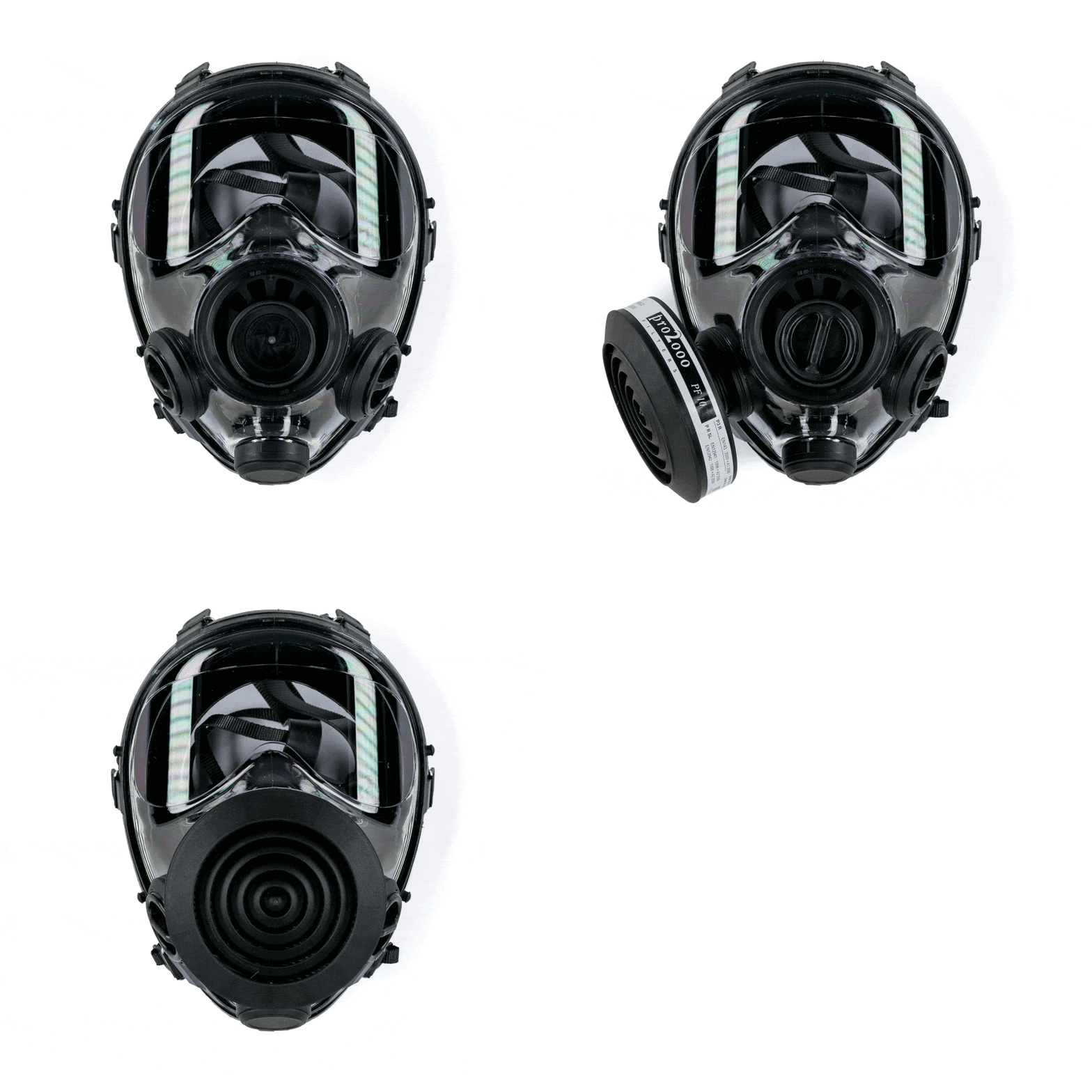
Another cool feature: there’s 3 different positions for filters to be placed to your heart’s desire.
One other note: the lack of ‘NIOSH’ approval for these masks is a bit misleading. Since these are European-made masks, they fall under ‘CE’ standards, which work a bit differently than NIOSH approval. An explanation of these standards can be found on kommandostore’s product page.
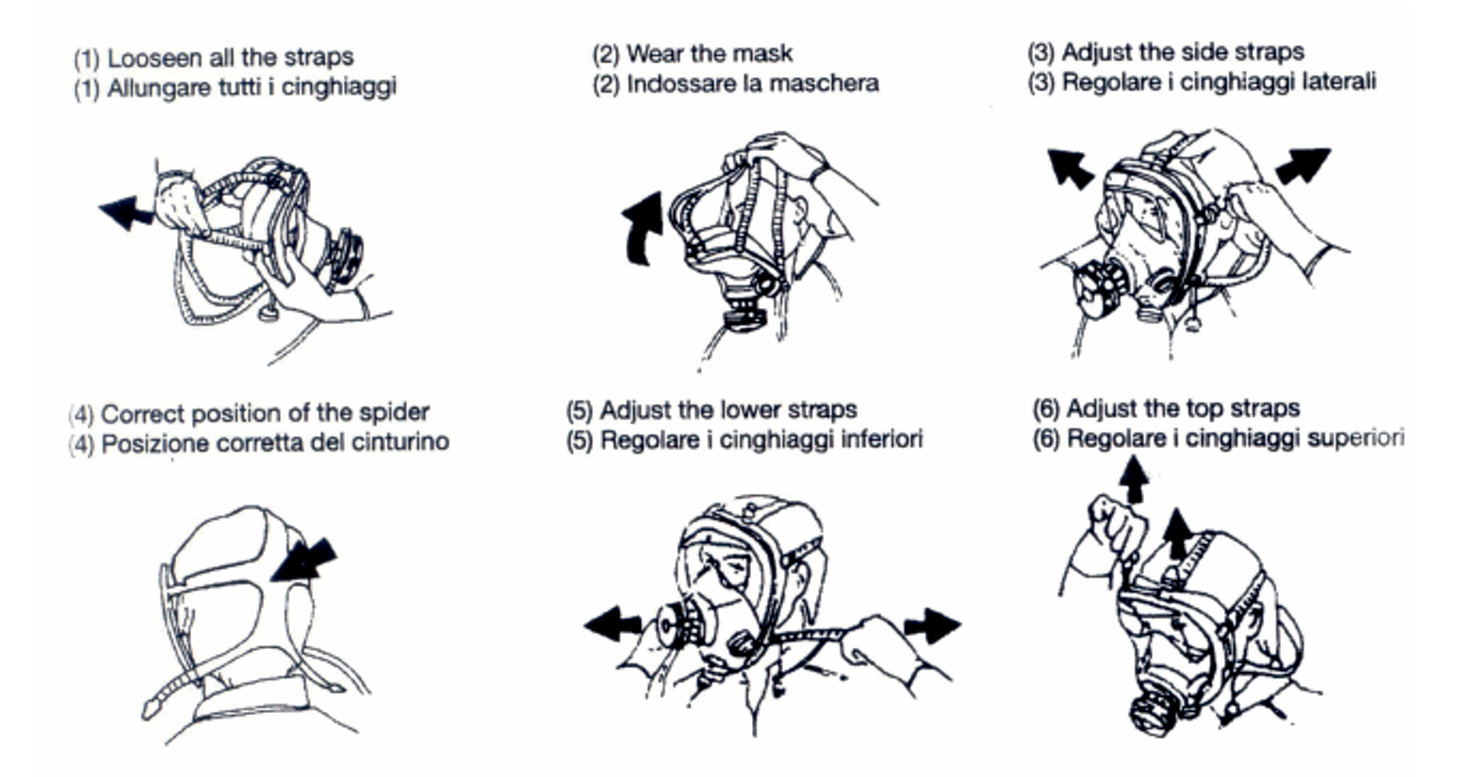
Whether this is your first serious use gas mask with actual pedigree or you’re looking for an affordable alternative to the mil-contract priced (expensive) masks, we’re confident that the SGE 400/3 will be the baby bear’s porridge. Once again, take a look at the product pages — you’ll find everything from sizing info to a free copy of the user’s manual if you’d like to read up.
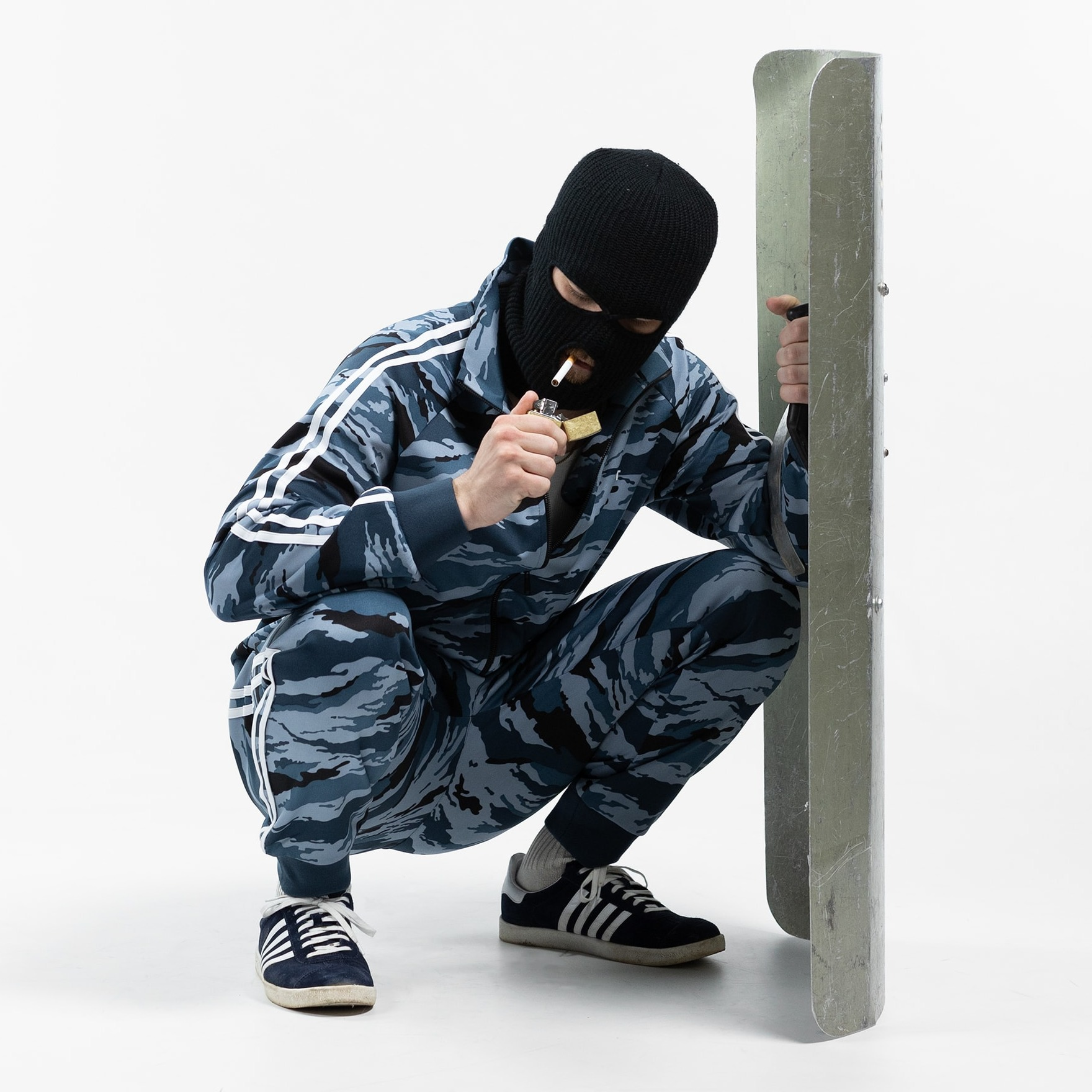
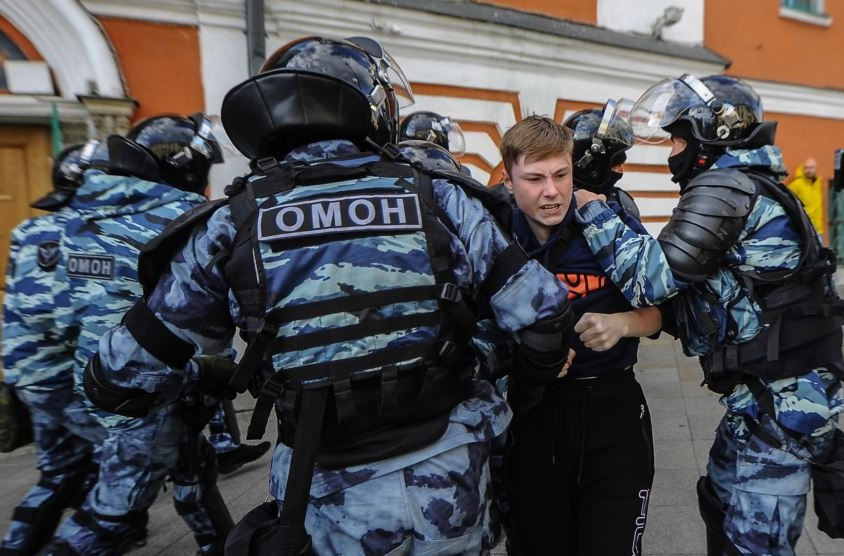
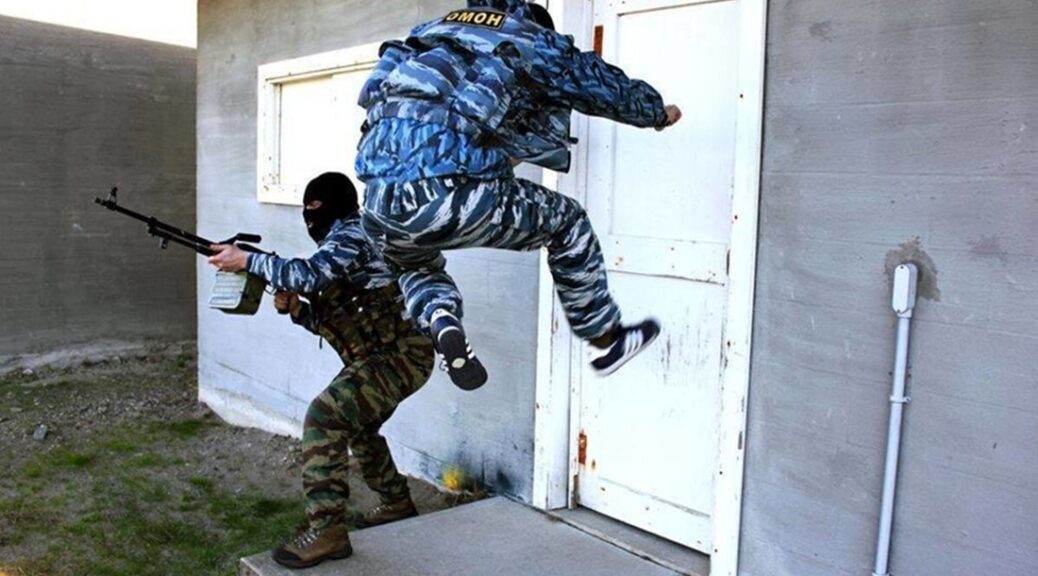
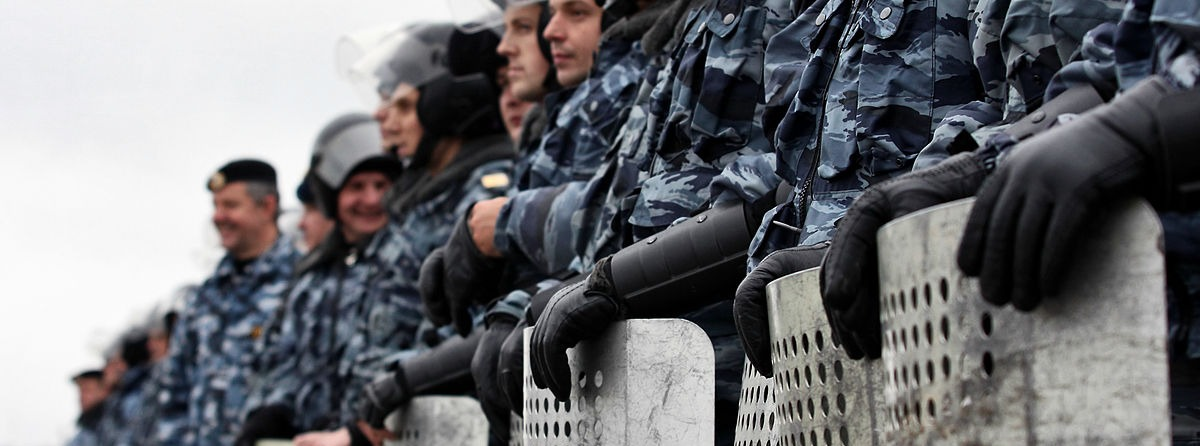
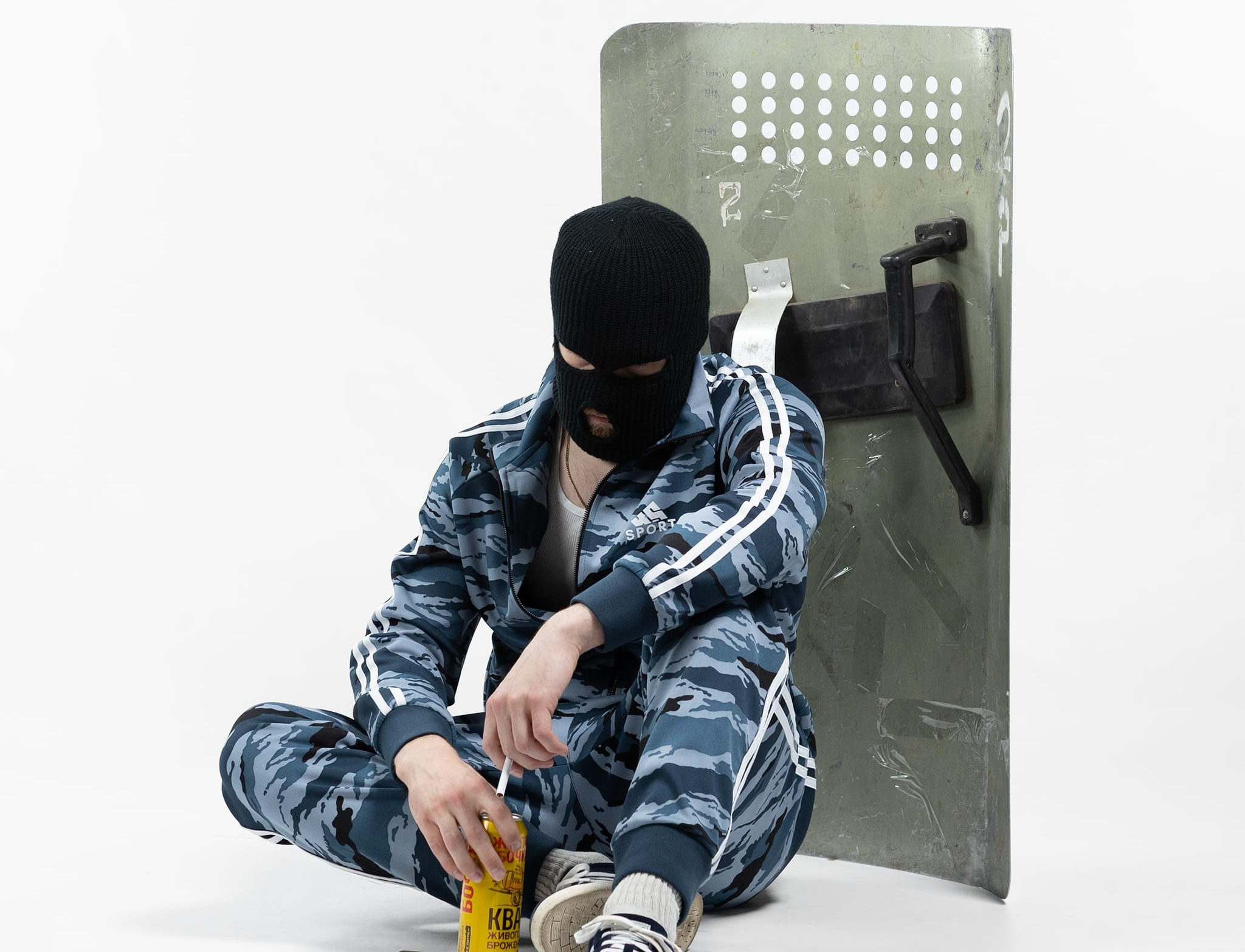
While our friends at kommadostore.com have been busy in the warehouse doing a bit of spring cleaning, how about something really special this weekend?In their back pocket, they’ve been having a chat with their Gorka-making friends in Uzbekistanand they’re once again expanding the Slav tracksuit extended cinematic universe. The camo is called “Kamysh” kamush? kamiish?, and its art. They heard that YOU LIKE STRIPES…So they put stripes on your stripes. For the uninitiated, this tracksuit features a faithfully rendered version of a real camouflage that Russia used on a militarized police force for decades.The blue tiger striped camo “Kamysh” became as infamous as it was eye-catching, so they figured why not take this work of madness and give it the full slav tracksuit treatment? But the tracksuit is as much of a work of art as the camo itself —It’s got all the features you’d expect in a premium pairing with sewn-on instead of printed stripes, zipped pockets, ultra-cozy fabric, and a “goldilocks” athletic fit you’ll love. As expected, the same people who made the Gorkas absolutely nailed it. Current ETA is mid-June. For more about what is undoubtedly the most insane camouflage ever sold surplus or not, keep on scrolling for the scoop… Not that long ago- It was the post-soviet-union collapse. Russia couldn’t make up their mind, so they finally lost it instead. The camo-of-the-week for Russia’s primary military force was “VSR”, a vertical-dominant pattern. But there was a horizontal pattern that also started to see use around the same time in the mid 90s, Tiger Stripe. It’s obviously different to US tiger stripe from Vietnam but it was deployed for the same reasons. In built up tall grass, marshlands, and water-adjacent flora, it excels. But hold on, how the heck did it turn blue? It’s obviously different to US tiger stripe from Vietnam but it was deployed for the same reasons. In built up tall grass, marshlands, and water-adjacent flora, it excels.But hold on, how the heck did it turn blue? ? Kamysh is actually a bit of a blanket term for ALL tiger stripe camos from Russia, its sometimes just called “Tigr” too. With increasing police presence during former-soviet-state separatist conflicts, Russia’s ‘MVD’ came into play, but there was a problem — they didn’t want to make it look like their internal security forces were literally the military. Normal VSR was a no-go because then it’d look like Russia’s primary military. Then they had a crazy idea: Give different police/emergency response units a different shade of the camo to soothe any accusations of paramilitary activity. Blue tiger striped camo would be given to “OMON”, a top mobile police unit in the MVD. Curiously, they’d even adopt the Siberian tiger as a mascot on some of their unit patches.What exactly does OMON do? Think of them like the US’s militarized federal police forces for the FBI, DEA, Homeland Security, and everyone’s favorite, the IRS. Except Russia liked to use them outside the country quite a bit, too. They were seen in many armed conflicts. So for decades the MVD and it’s definitely-not-military units would show up to the function wearing knockoffs of DPM, M81, Flecktarn, or this crazy tiger stripe all to not raise too much suspicion that they were militarized forces of the Kremlin… Yeah… A litany of blue-ish tigerstripe-ish commercial camos would become the face of OMON for decades. Infamously, a suspiciously similar blue tiger stripe was also used by “Berkut” units during the “Revolution of Dignity” in Ukraine c.2014. Was it a true “Urban camo”? or just an identifying mark of the unit? Does Russia know “OMON” in Cyrillic is “HOMO” backwards? It seems like it’s anyone’s best guess. And we couldn’t neglect to mention what made this camo popular to us gun-toting autists in the west. At MilSim West, an iconic photo of a man performing a flying kick into a door wearing what appears to be genuine “OMON” garb was taken.It was only in recent years that people actually figured out it wasn’t really OMON doing that, which just goes to show you how crazy that police unit is. It made that camo go “viral” amongst the surplus-sphere, and with the state of Russian unobtanium, we decided to take a new spin on it by making a brand-new garment out of a pre-existing camo. It was only fitting that kommando approached their gorka-maker to bring back this piece of Russian obscura — and they did a fantastic job to boot..MVD! OPEN UP! 🚓
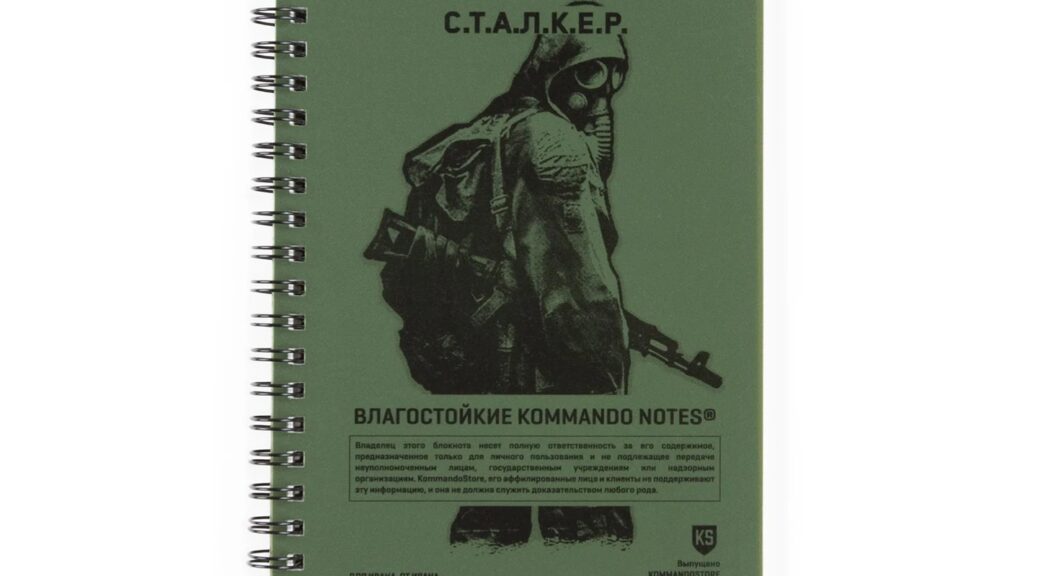
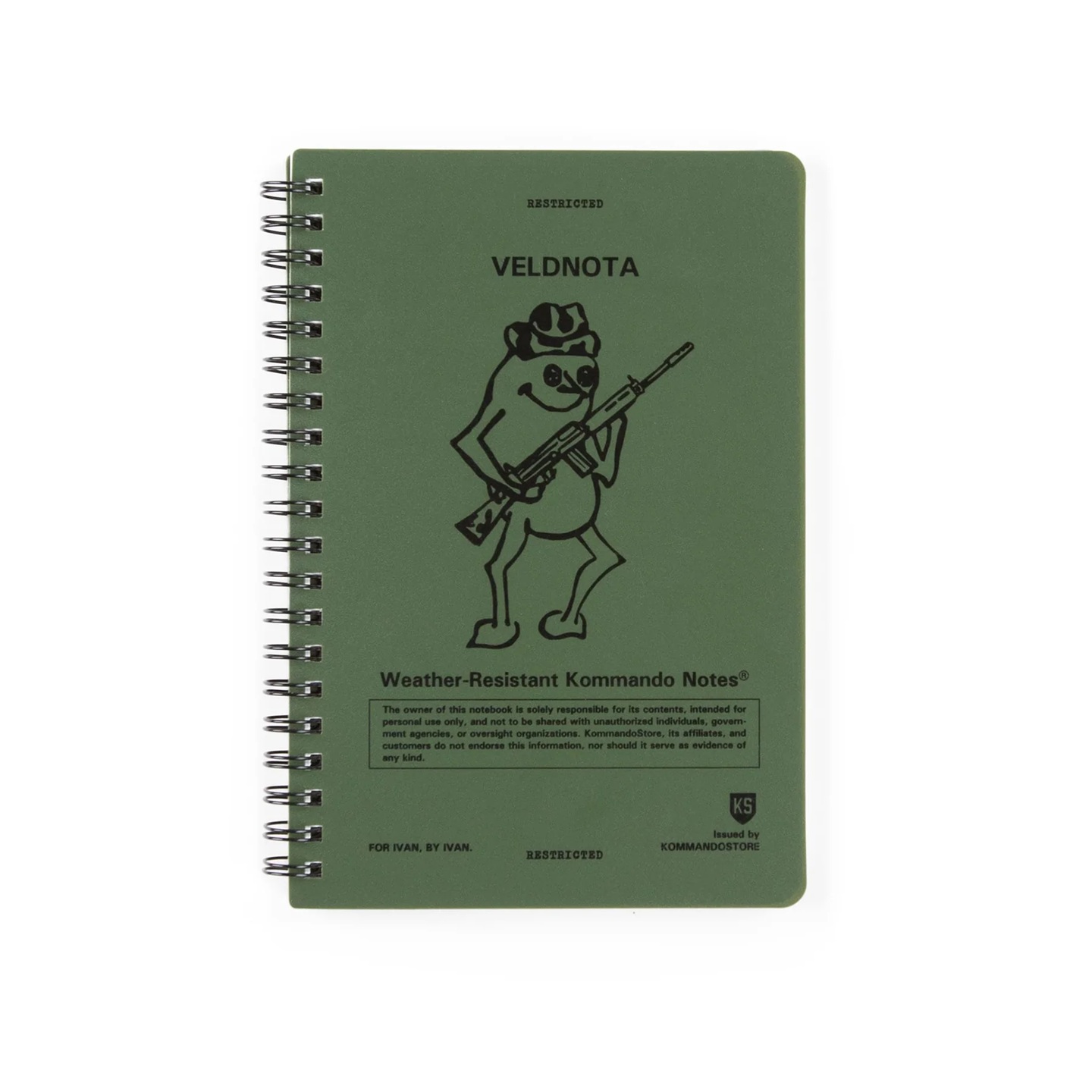
Our usual milsurp article is a bit different this time around- a little less about gear in the typical sense and more about the introduction of a side project our friends at kommandostore.com have been working on for months:The long-awaited return of EDC “Range Notes”, now better than ever in any weather. It might be nearing the end of April but let’s face it rainy weather never really goes away and if you are planning on an outdoor adventure the odds are you will need to plan for the possibility of getting wet.
Why this makes sense
Maybe you are a writer or a journaling die hard or the sort of person that likes to jot things down while they are outside. Perhaps the elements stir something and help fuel your creativity. I get it. There may be waterproof smartphone screens out there but nothing beats the mind-thought-write -it-down connection between good old fashioned paper and pencil (or pen).
KommandoNotes V2 have arrived!
Do you need to write in the rain? Or when you’re covered in warm, viscous liquids, preferably non-human in origin? Look no further than KommandoNotes waterproof range notes! Seriously, DON’T KEEP LOOKING. With ten times the autism and twice the schizo-posting capacity (double the pages!) of comparable field notes, you can record far more information than anyone needed or wanted no matter where you go, and it’ll survive the sweaty, unventilated confines of your flecktarn (check out my quick review of one of my favs here)parka pocket.
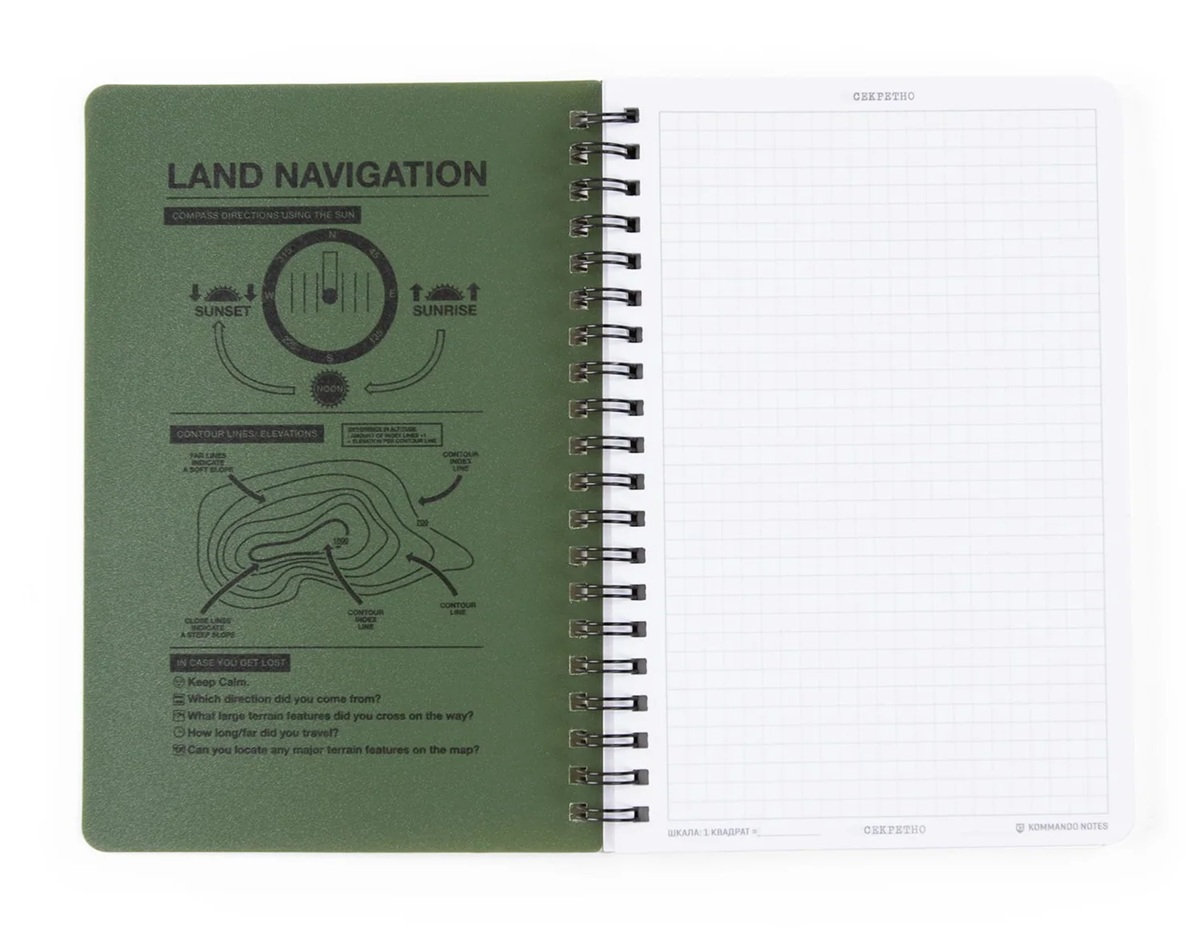
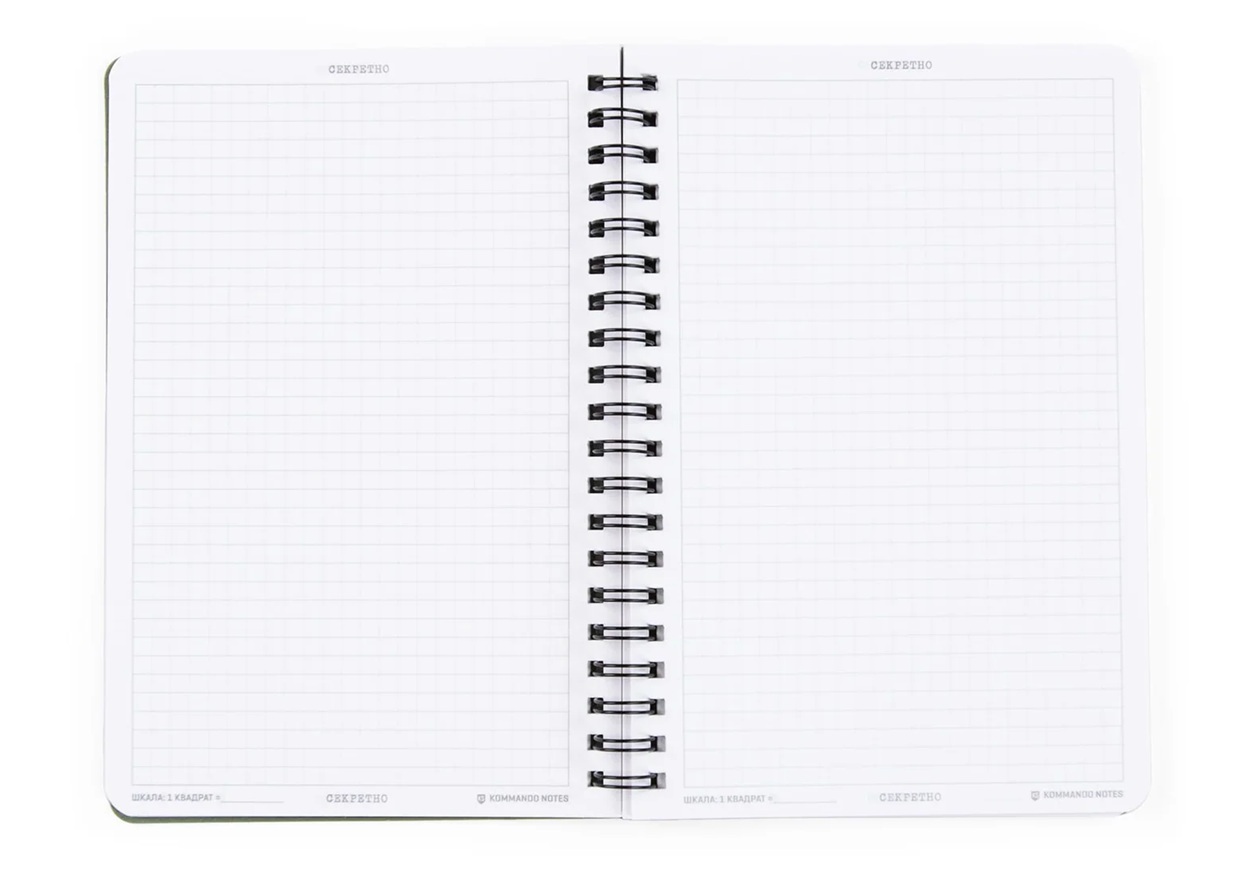
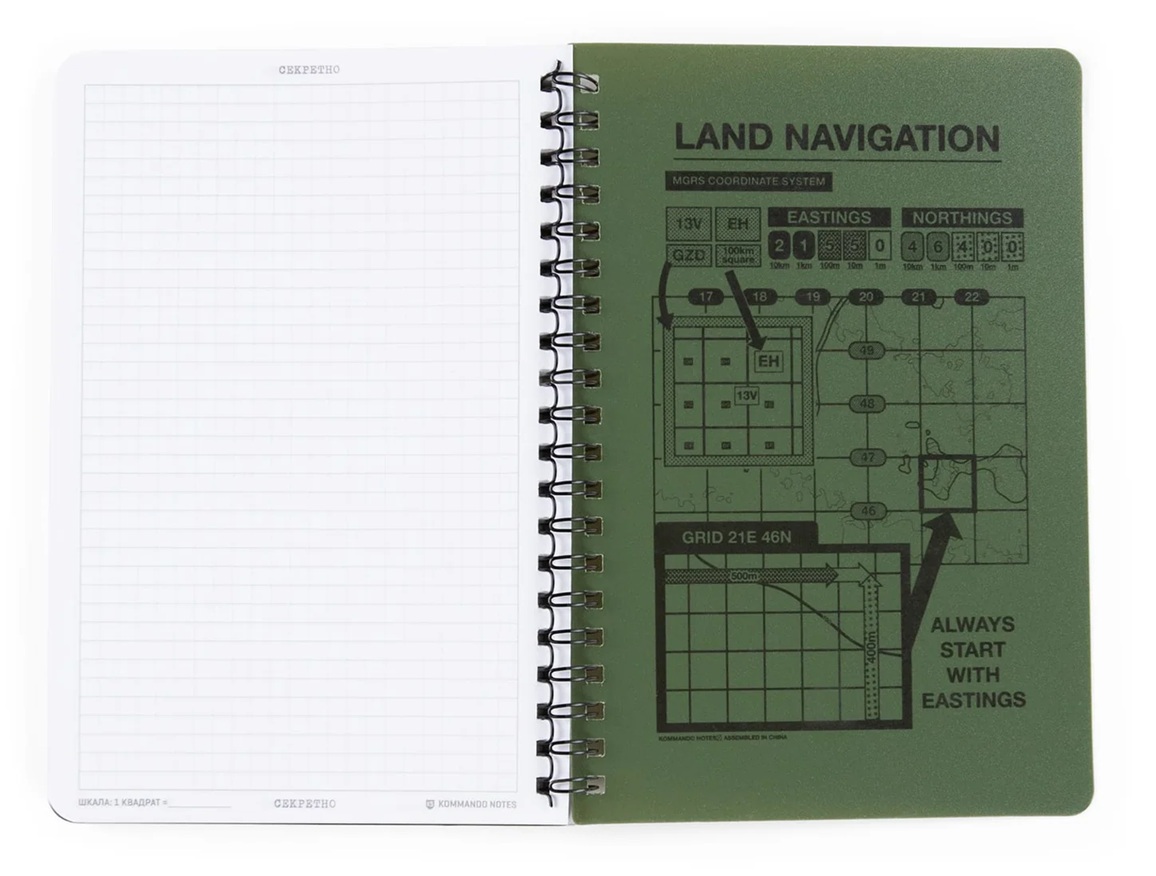
The binding is a heavy-duty spiral that lets pages flip easily, even with gloves on, and the cover is a thick, weather-resistant plastic printed with our sharply honed autism. Each notebook measures 4.75″ x 7″, with gridded pages for precision mapping or quick notes. This lightweight notebook is light enough to toss in your pack and sturdy enough to take endless beatings. Whether you’re scoping out land to squat or tracking recalcitrant livestock, KommandoNotes keep your data dry and legible (if you write legibly–that’s really on you).
Specs
Weather-resistant coated paper with plastic “pretty much everything-proof” cover
4.75″ x 7″ (12 x 18 cm for non-moon visiting nations)
64 sheets (128 pages)
Land Navigation & Military Grid Reference System Cheat Sheet by Redbeard Tactical
Spiral bound
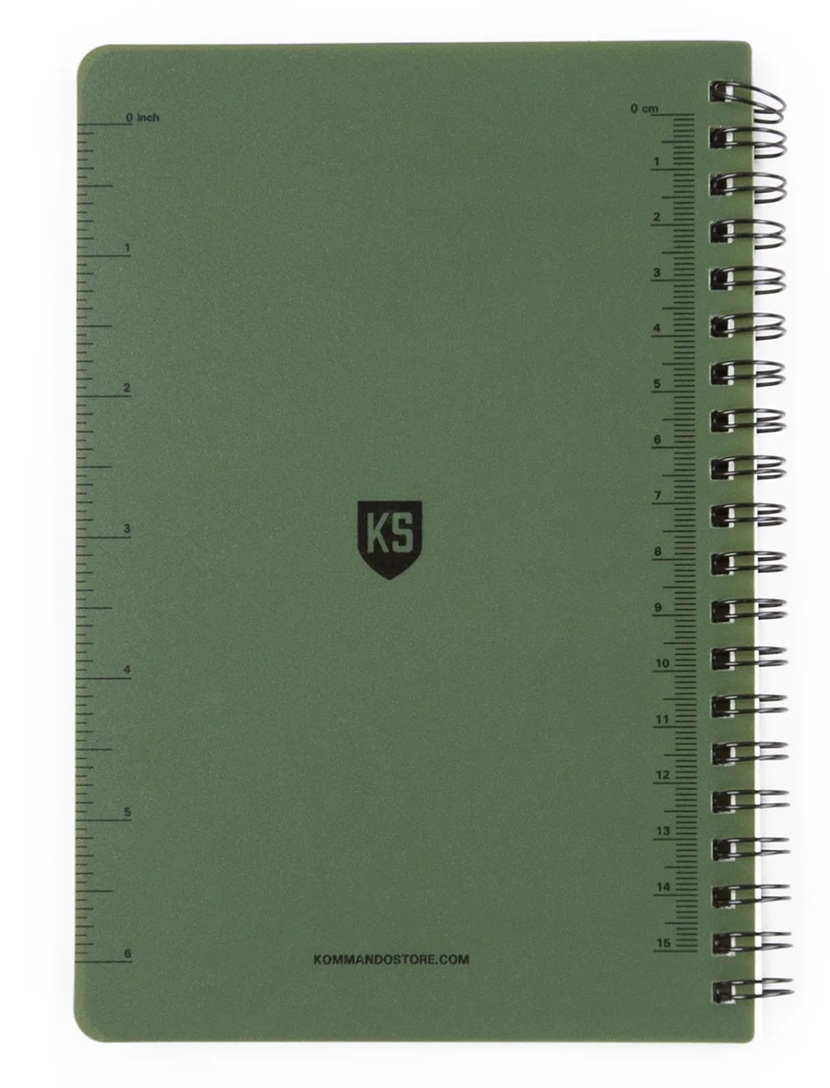
Ruler edge, land nav guide, and compass rose for orientation and measurements
Available in “A Magical Place,” STALKER, and Cashel Valley Bean Man designs
A RIG THAT’S SEEN IT ALL (And would probably rather not have)
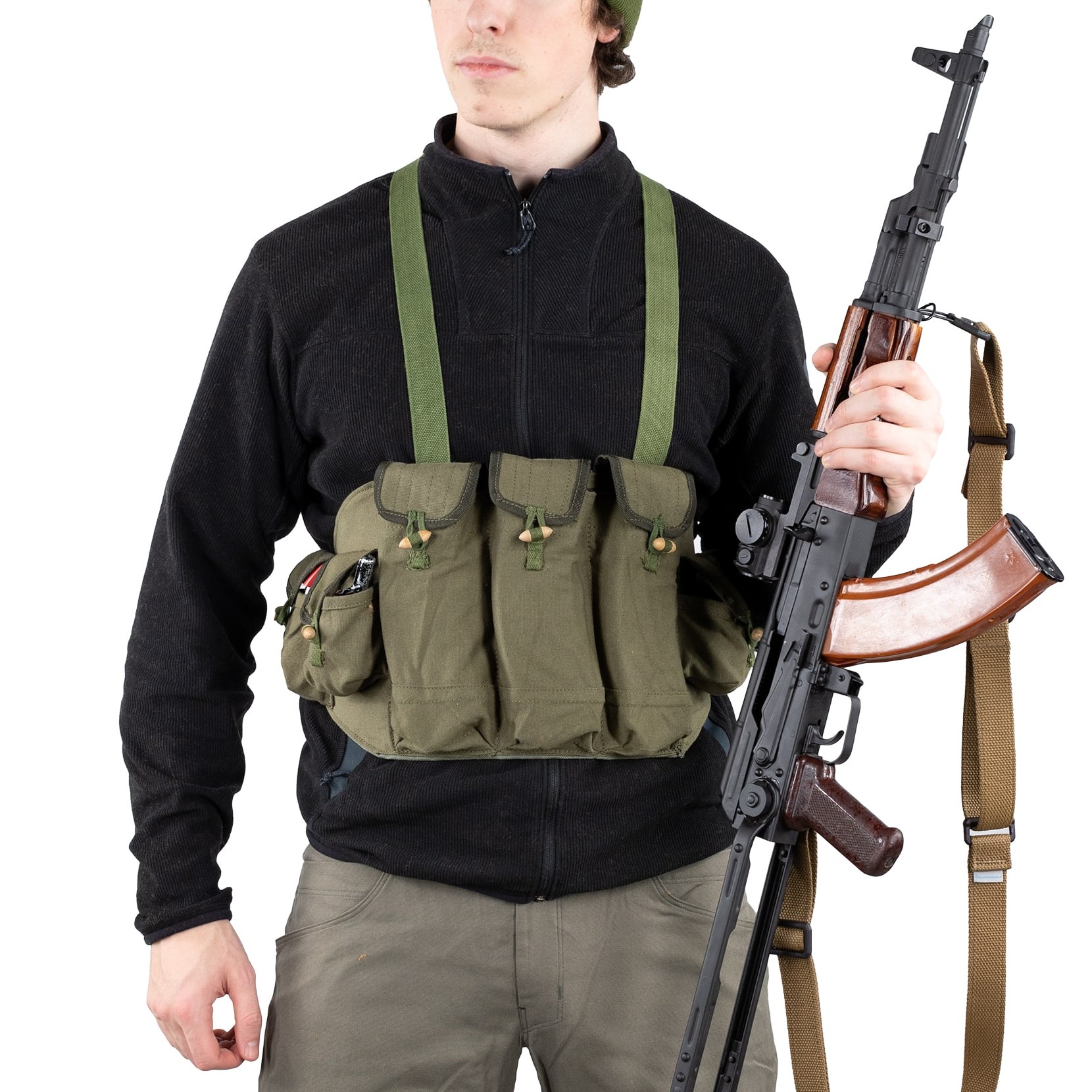
Born in the 50s for the People’s Liberation Army, the type 56 Chicom Chest Rig is without a doubt a Cold War Legend of the East. The Viet Cong rocked it in Vietnam, Soviet Spetsnaz snagged it in Afghanistan, and every commie-aligned rebel and LARP-ist from Rhodesia to the borders of South Africa copied it.
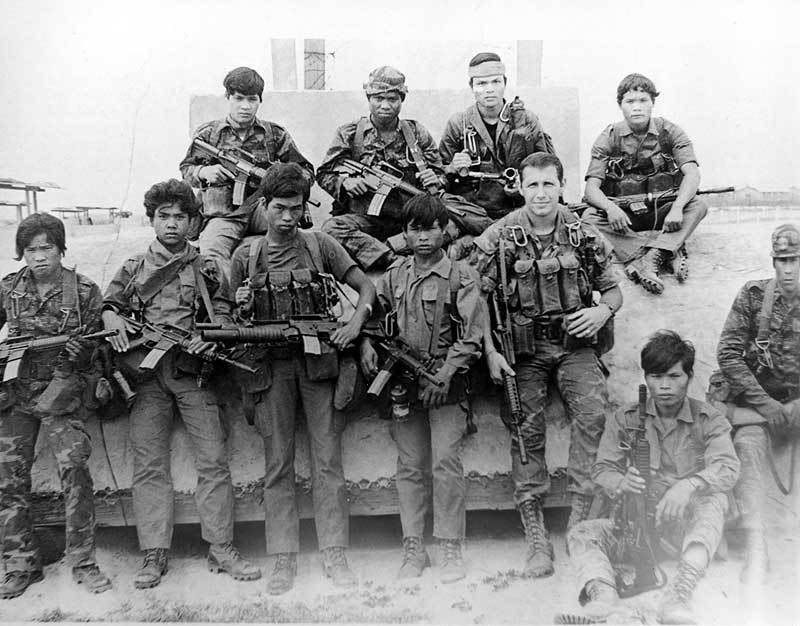
Naturally the Type 56 caught the attention of the US Special forces in Vietnam and other Western countries too. The US used the rig in conjunction with the family of AKMs borrowed from downed VCs & blend in with the enemy as much as a 6’4 Iowan MACVSOG commando could – it’s high speed and ease of use changed the western world’s opinions on belt-mounted kit as a means of combatting Insurgency.
A spiritual evolution to the bandoleers of old, the Type 56 would go on to inspire the Russian Lifchik, and spread the gospel of chest-stowed-ammo to the western world via Soldiers of Fortune in Rhodesia & South Africa. It still saw use deep within enemy territory in the past few decades. And of course, we could even credit the USA’s very own Pattern 84 rig to the Type 56’s legacy.
To us Zoomers It’s been made famous again by its depictions in cyberspace and on the big screen – CoD Black Ops, Escape from Tarkov, and hit films like Apocalypse Now & Platoon all show the influence of the OD canvas OG.
So stay loaded, unhinged and within the limits of Xi Jinping’s social credit system with the type 56.Or go hog wild and modify it. It’s only $30usd / $42.94cad from our friends at kommandostore.com and is great to get your sewing and seam ripping practice in. Just make sure the party isn’t watching, they don’t like when us filthy capitalists misuse their gear, we wouldn’t want a Cold War II: 电动布加洛.
In case this message is seen by CCP members: Zǎo shang hǎo zhōng guó! Xiàn zài wǒ yǒu Chicom rig—wǒ hěn xǐ huān! We love TEMU, Alibaba, and Xiaohongshu!
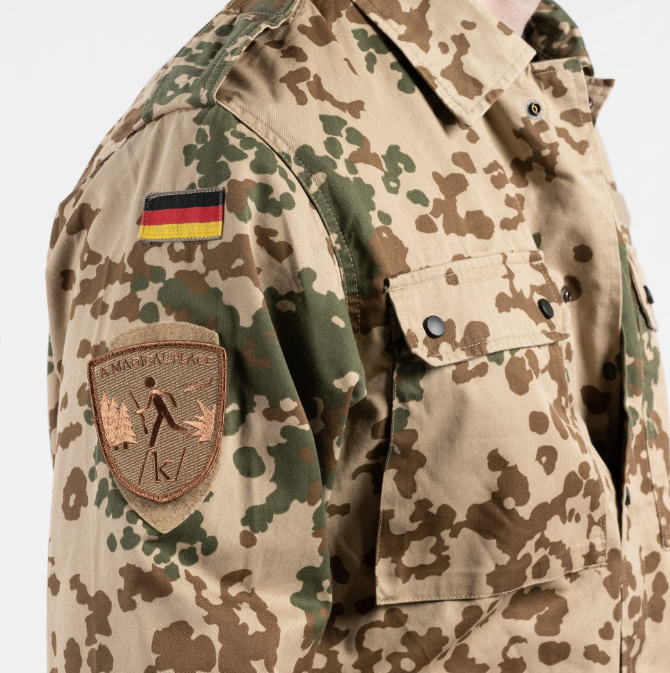
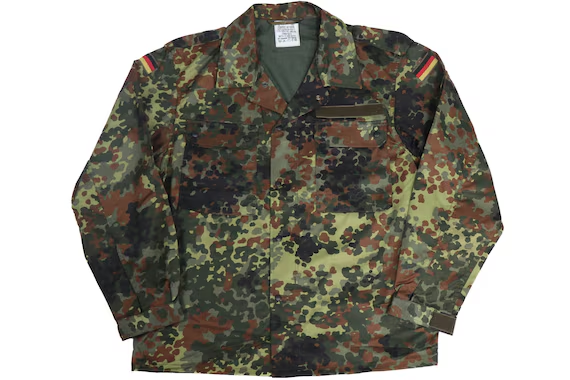
Flecktarn is one of the most ubiquitous camouflage patterns in every military surplus enthusiast’s closet and I bet many of you guys and gals already own some. But every now and then, our friends at Kommandostore get in something arguably even more special: Flecktarn’s tropical cousin Tropentarn. Wait…what? What the heck are Germans doing making a desert camo?
via ufpro.com– Just like M81 Woodland and DPM, 5FT Flecktarn decisively influenced the development of other camouflage patterns and their adaptation by other countries. One might say these three patterns inspired the next generation of camouflage patterns, much as the three were inspired by the WW2 patterns that preceded them. Accordingly, several countries merit mention:
The People’s Republic of China outfitted its Border Defence Units with an unlicensed copy of Flecktarn. Also, utilized in Tibet and the Bejing Military Region was a recolored, brown-dominant variation (which is highly sought-after by collectors).
Belgium interpreted German 5FT Flecktarn in a variant that was worn by its Airbase Security Personnel until 2000.
Denmark developed a green-dominant variation using only three instead of five colors. Tested in 1978, it today calls attention to the close cooperation of textile companies back then, since it is rumored to have been jointly developed with the French company Texunion.
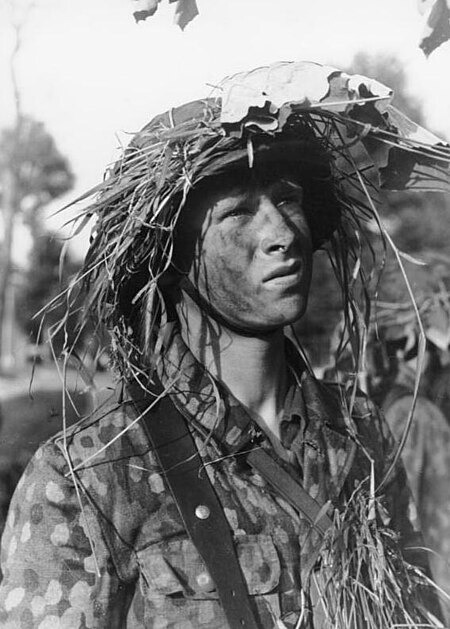
The Netherlands briefly considered fielding Flecktarn as a camouflage pattern, but for political reasons decided against it (Dutch decision-makers felt there was too close a resemblance to the patterns used by the SS during the Second World War).
Japan created its own Flecktarn version and in 1991 fielded it within the JNSDF.
And before you go and say- “Hey buddy, the Germans have had a bit of a history fighting in the desert”, Tropentarn comes from trials after the successful implementation of Flecktarn. Good ol ‘Fleck had a bit of a hard time getting fully fielded as Germany was a bit sensitive to using any kind of pattern that resembled the various Waffen SS experiments in the 40s for obvious reasons. This was back in the late 70s after all.
But after ‘fleck got through the filter, Germany’s increased presence as peacekeeping forces brought them to the doorstep of everyone’s favorite sandbox, the middle east. A new camo was needed. As early as ’93, Tropentarn would appear as a reduced 3-color (vs 5 colors in normal flecktarn) arid version of the now beloved pattern. Unlike many desert patterns of the era, the Germans tastefully sprinkled in a few specs of green to really make the camo versatile beyond the dunes in Iraq.
If you’re not aroused by the typical brown, brown and more brown nature of a lot of desert camos, Tropentarn might be the right one for you. It even has a few bonus features over the normal field shirt that make it a little more breathable in the summer if you live in the south or simply yearn for temperatures over 70 Fahrenheit in polar vortexes like today’s…
It even works wonders in the great plains since everything turns tan come the wintertime and it gets just as much attention from fellow milsurp enjoyers and normies alike. So if you’re in the mood for another flavor of flecktarn in your wardrobe you’ll definitely want to dive in and grab one on the kommandostore site while you can, they’re always popular…and stock won’t last long. For the Silo, Jarrod Barker.
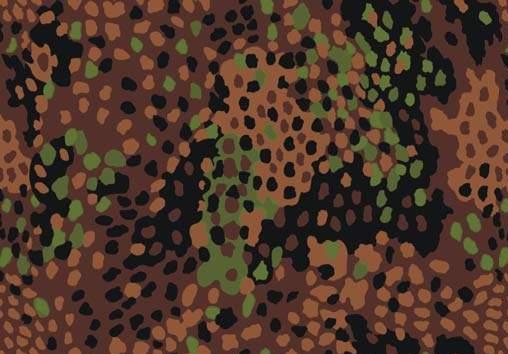
Featured image- Erbsentarn 44 dot peas pattern German WW2 Waffen SS standard camouflage pattern.
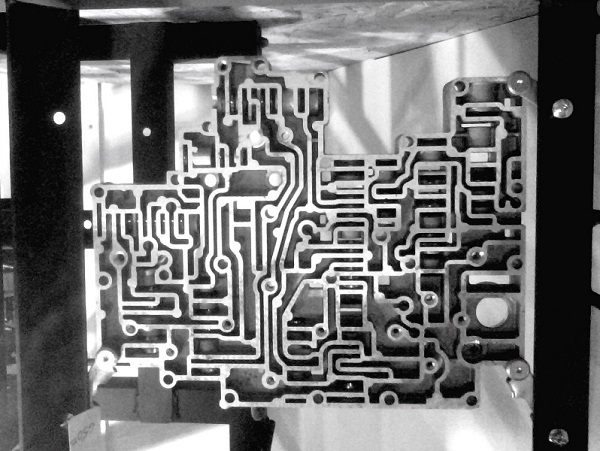
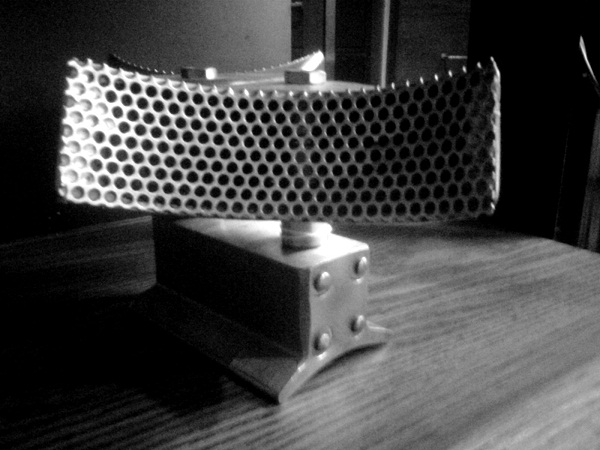
In 1968 Simon Kotsch got into the army surplus business. It was good to him, but in ways you might not expect. Something began to happen to Simon as he sorted through his bounty of obsolete engine parts and electrical fittings: he noticed that he found the pieces beautiful. An excitement took hold of him. And then he went to work, drilling and cutting and fitting metal components together to make new things. Beautiful things. He felt “caught up,” he says simply. So began a love affair with military-industrial cast-offs that continues to this day. This was the birth of a sculptor and of a mecha artist.Let us throw aside, officially and forever, the artifice of journalistic objectivity.
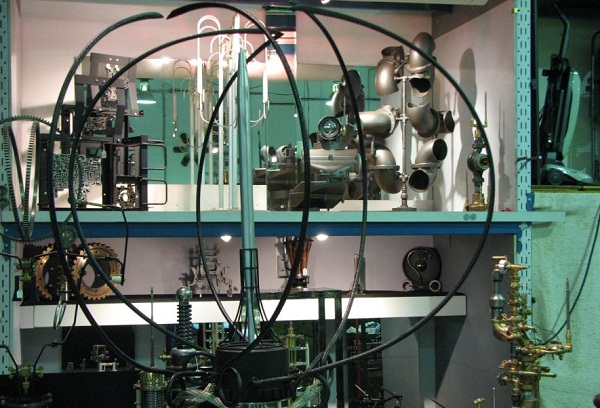
I like this guy’s passion and I like his work. When we visited Kotsch’s Victoria St. Studio in Simcoe, Ontario we were greeted with warm smiles that never went away. Taking joy from your work is one thing, but when you combine joy with the sensibility of a true artist who respects, even loves his materials, the results can be magical.Some of Kotsch’s sculptures look like they could have come from the mind of Jules Verne—grand, monumental machines whose functions border on the mysterious, infused with Kotsch’s concern for symmetry and his acute sense of balance, proportion, and pattern. Others have a strong vertical momentum, like castles or rockets with many levels. But not everything has a sci-fi feel.
Kotsch uses the heft and gravity of larger pieces to create powerful and interesting earthbound sculpture. His ability to recognize, or create, striking patterns makes some of his metal works quite decorative to my eye—and that in no way infringes on their status as works of art.
Kotsch says he “savours the natural colour” of each item, whether it’s aluminum, copper, brass or porcelain (used as insulation in old electrical systems). You will not find much (any) painting here. You will also not find much welding. This, by his own admission, is because he’s not very good at it, and mediocre welding would make a sculpture look awful. He cuts and drills to make pieces fit. One technique he has developed is to take slices out of solid machine parts with a band saw, revealing patterns of copper wire within, like opening a geode.
An example of influence: years of working with Army surplus ephemera have inspired Simon’s forms
Simon Kotsch takes obsolete machinery—all of his extensive catalogue of parts predate metric—and turns it into stimulating works of art. We spent about an hour with him, and I left both excited and energized. I, too, had been “caught up.” This is one of the miracles of art for me: through active engagement with an artist’s work a kind of interface occurs between creator and appreciator, mediated through the work itself. I certainly appreciated the skill and imagination of Simon Kotsch, but I think I caught a bit of his love as well. For the Silo, Chris Dowber.




 While our friends at
  For more about what is undoubtedly the most insane camouflage ever sold surplus or not, keep on scrolling for the scoop…