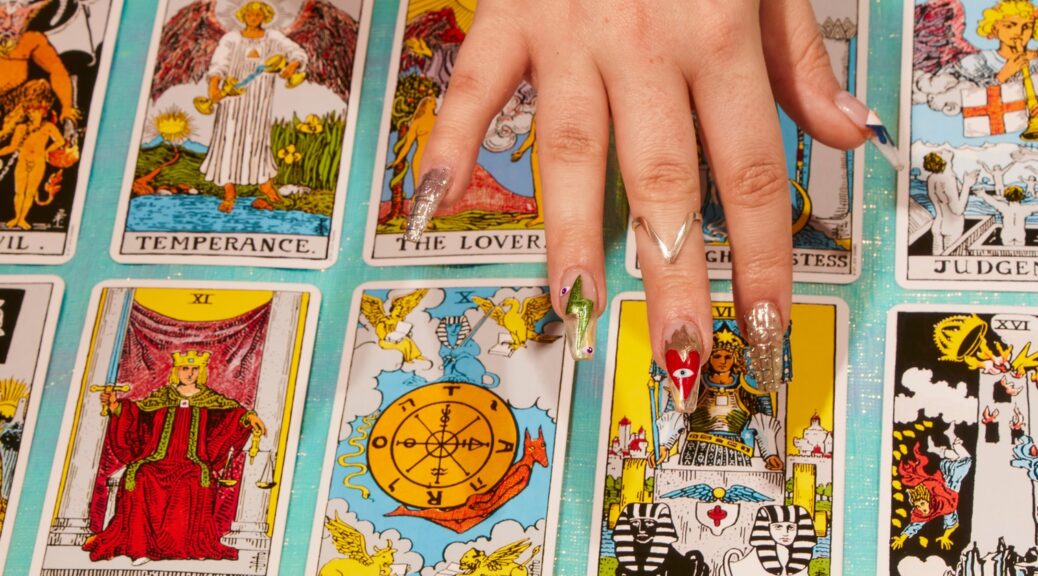
Conventional, creative, and centering uses of the cards to help you get inspired and come home to yourself.
Tarot imagery has inspired artists for centuries and continues to do so today. The iconography, the storytelling element, and, of course, the mystery of the unknown have a huge pull for any creative.
I personally came to this field later in life, or you could say that it found me.
As a kid, I wasn’t allowed to dabble in such tools. Growing up in the church, these kinds of practices were considered ungodly, and I ended up with a complicated relationship to magic, metaphysical, and occult items, even in a strictly artistic sense. On one hand,, they fascinated me and drew me in; on the other, they felt wrong and uncomfortable due to past programming. As I explored the cards more, they showed me a few interesting paths that surprised me, inspired me, and helped me see them in a whole new way.
I ordered a deck during COVID, when many of us were naturally drawn to healing tools and modalities. To be honest, the cards felt intimidating and even scary, especially when confronting some of the more intense ones like the Tower, Death, the Devil, and others. I set it aside, unsure of how to engage.
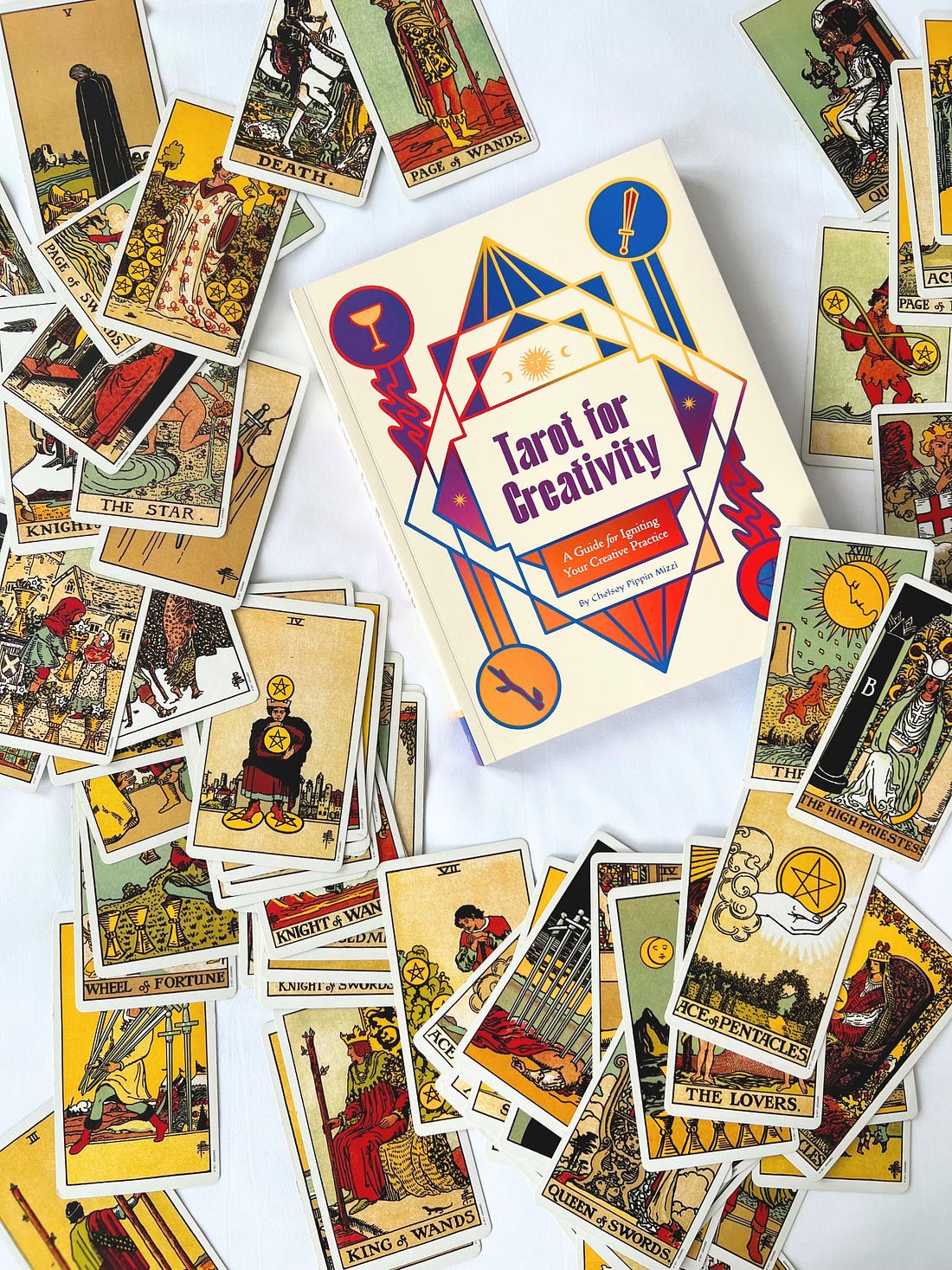
A few years later an amazing author and fellow Substacker, Chelsey 🔮 Tarot for Creativity, found me through our commn publisher Chronicle Books. I recorded an episode about her book Tarot for Creativity, and her framework for journaling and self-reflection rather than divination took me in a new direction that was gentle, curious, and non-condemning. I still use her brilliant book today, and it opened doors to even more resources and creatives that inspire me.
 |
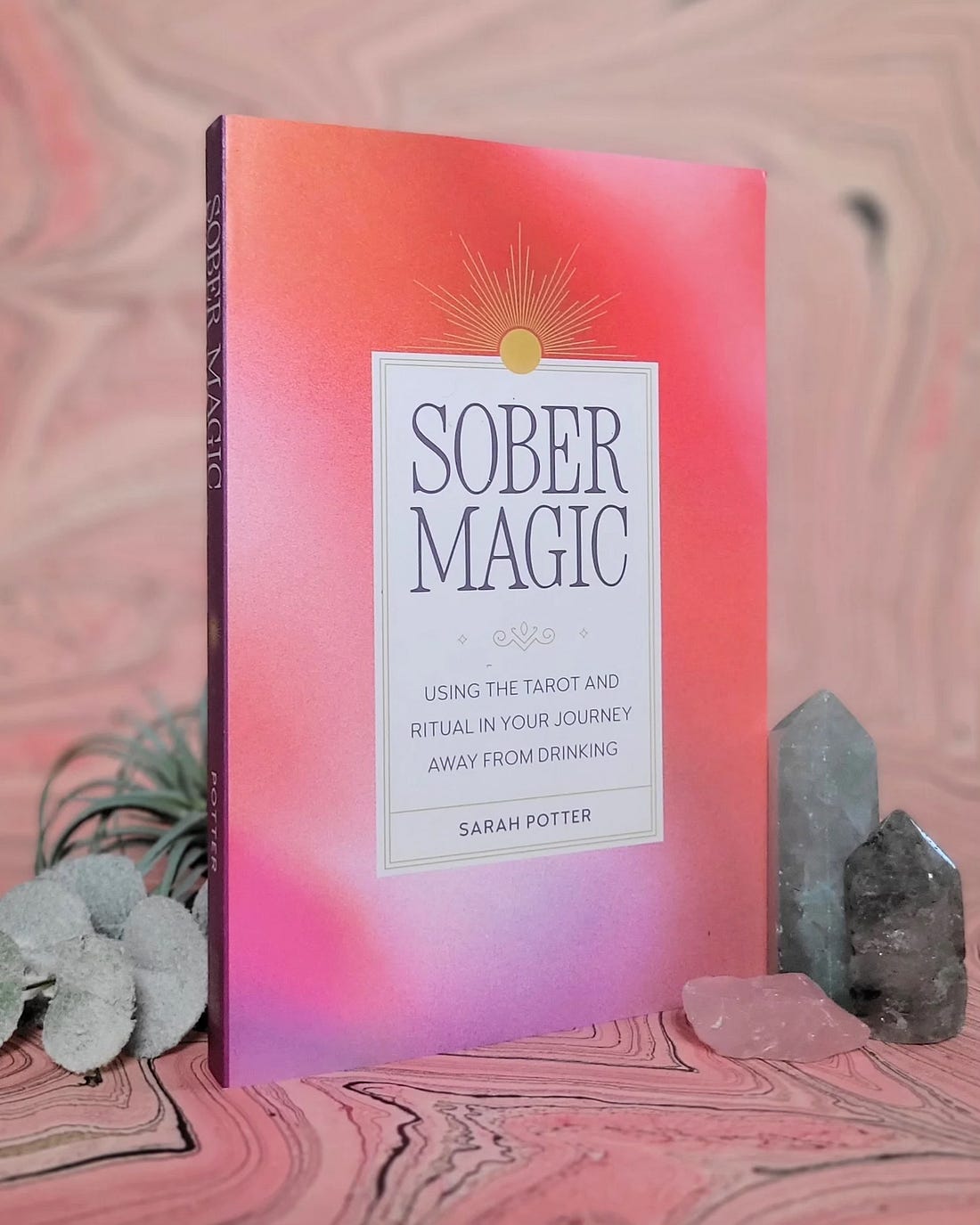
My friend Sarah Potter Sarah Potter , a celebrity tarot reader, changed my life. Her book Sober Magic uses the tarot journey combined with the 12 steps to help individuals (myself included) move away from drinking and into more presence, self-awareness, and healing. Thanks to Sarah and her tarot guidance, it has been 10 months since I had my last drink.
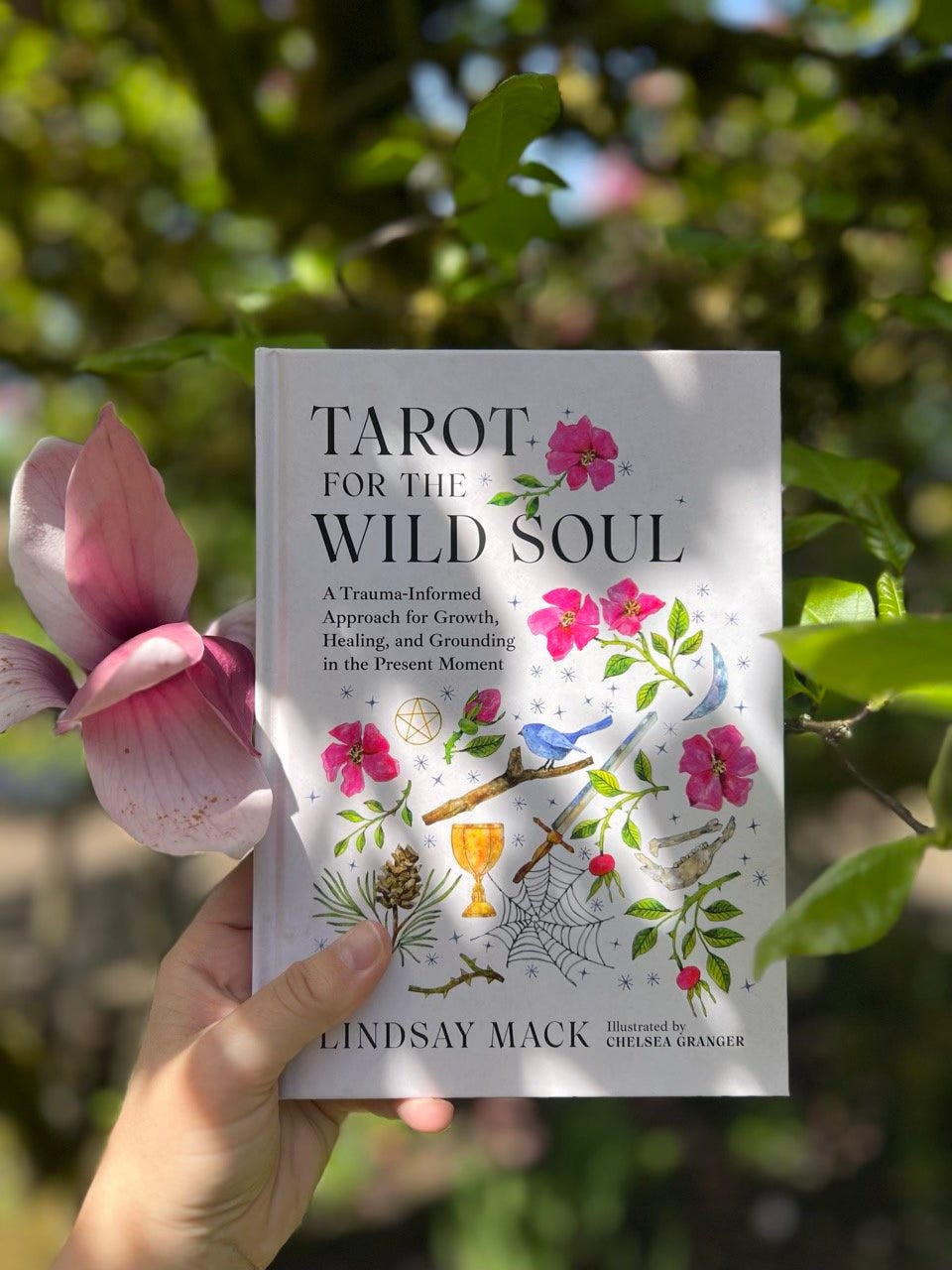
In terms of navigating the scary cards, I have to shout out Tarot for the Wild Soul Lindsay Mack. The “bad cards” no longer intimidate me, and I found compassion, curiosity, and a deeper, less obvious meaning when interacting with certain images and messages. There are no doubt millions of amazing creators, experts, and readers who can guide you on how to use this tool, but I appreciate pracitioners who bring a gentle, trauma-informed angle.
 |
Today I want to share a snippet of visual art history of this practice based on a beautiful exhibition I visited at the Morgan Library.
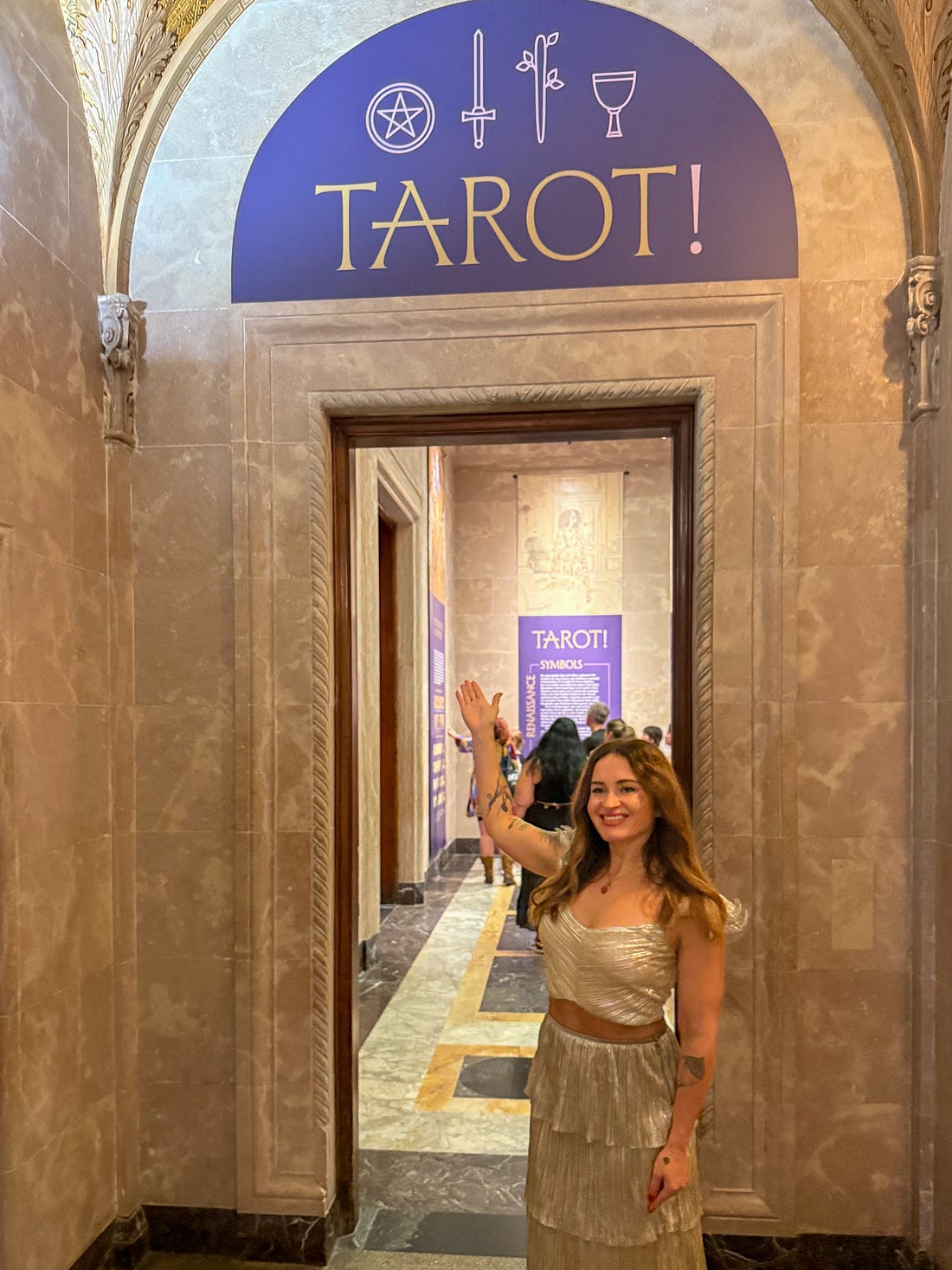 |
Artist and Writer Ekaterina Popova at the Morgan Library
 |
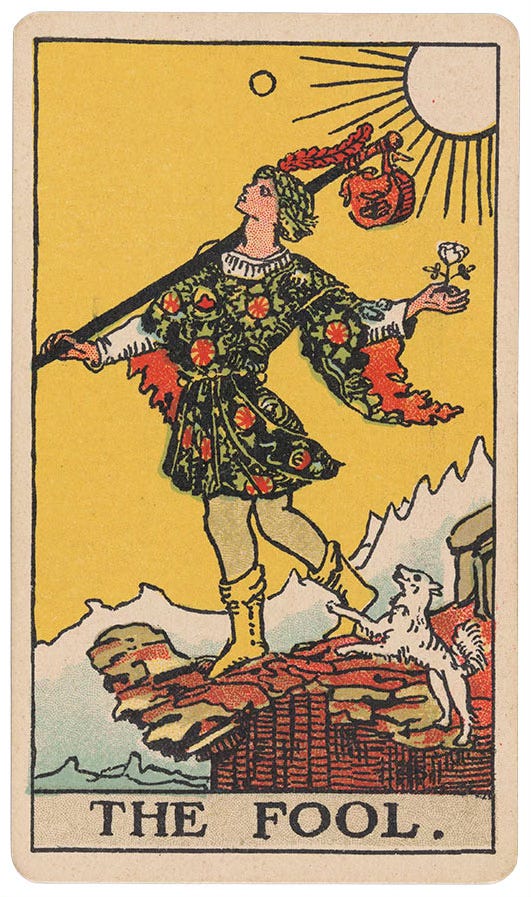 |
Pamela Colman Smith (1878–1951) and Arthur Edward Waite (1857–1942). The Fool, from the Rider-Waite-Smith Tarot (Deck “C”). London: William Rider & Son, ca. 1921–31 (first published in 1909). Chromolithograph. New York, The Morgan Library & Museum, PML 199373.
The show consists of two parts. The first explores the origins of tarot in Renaissance Italy, and the second its contemporary interpretations by artists of the twentieth and twenty-first centuries. Among these creators are familiar names like Pamela Colman Smith (1878 to 1951), Leonora Carrington, and Chris Ofili.
According to the museum, “Created as a courtly game of skill, tarot was not associated with occult secrets, divination, or the power of fate until centuries later. By the twentieth century, the cards came to serve as a source of inspiration for artists, offering an alternative to the strictures of modernist aesthetics and allowing them to explore other universes and imaginative possibilities.”
As I got more interested in the world of Tarot, I started to notice the influence of the cards on artists. At a surrealism exhibition at the Philadelphia Museum of Art, the gift shop featured a deck by Dalí. And it wasn’t until I visited a Leonora Carrington exhibition at L Space in NYC earlier this year that I realized the artist herself had made a stunning deck.
Remedios Varo, Leonora’s best friend, is featured at the Morgan Library as well.
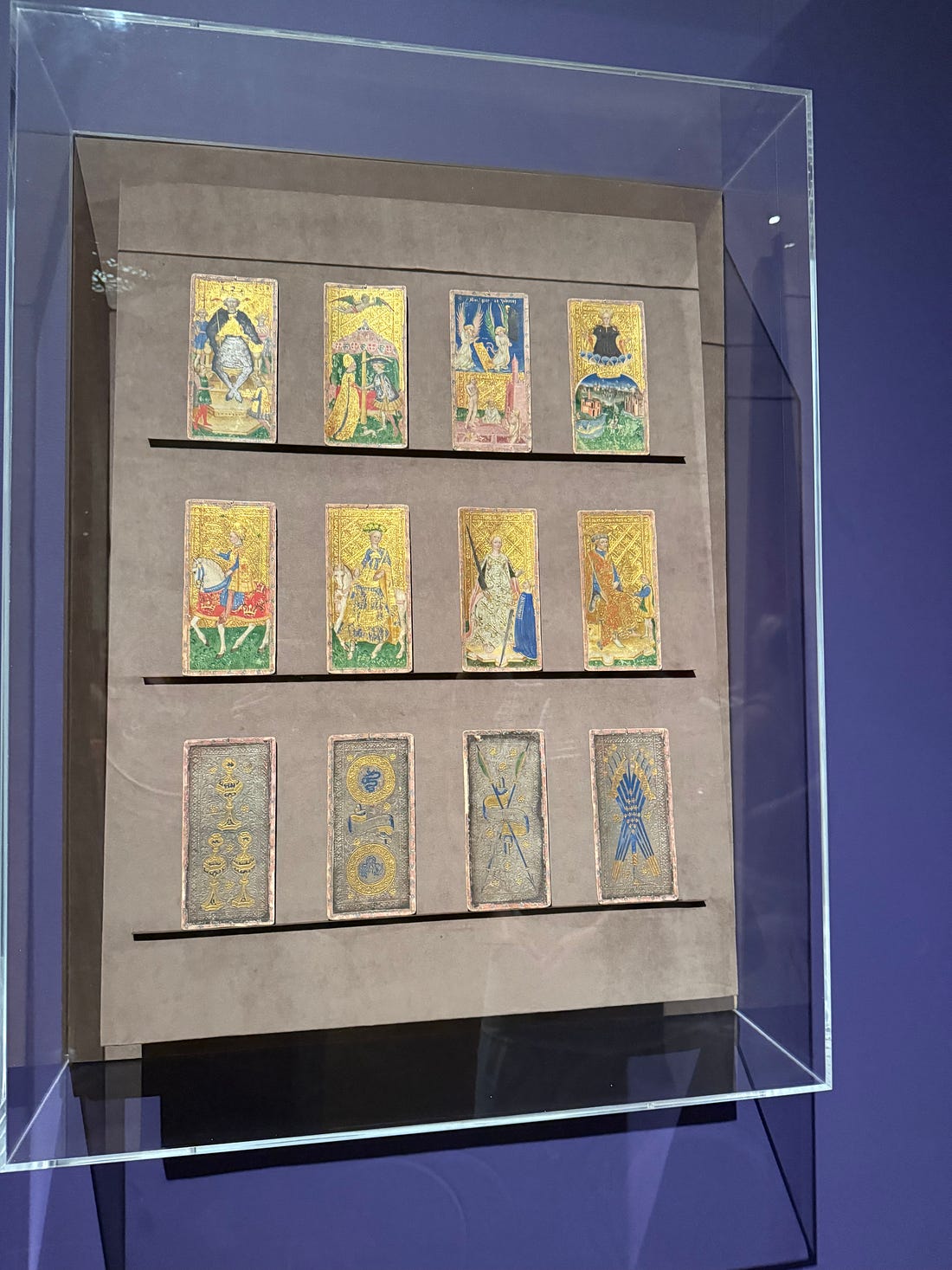
The inspiration for this exhibition was the Morgan’s Visconti-Sforza Tarot cards, the most famous deck to survive from the Renaissance.
Below, I am sharing a few of my favorites from the show.
I am curious. Do you use Tarot in your creative practice? If so, how?
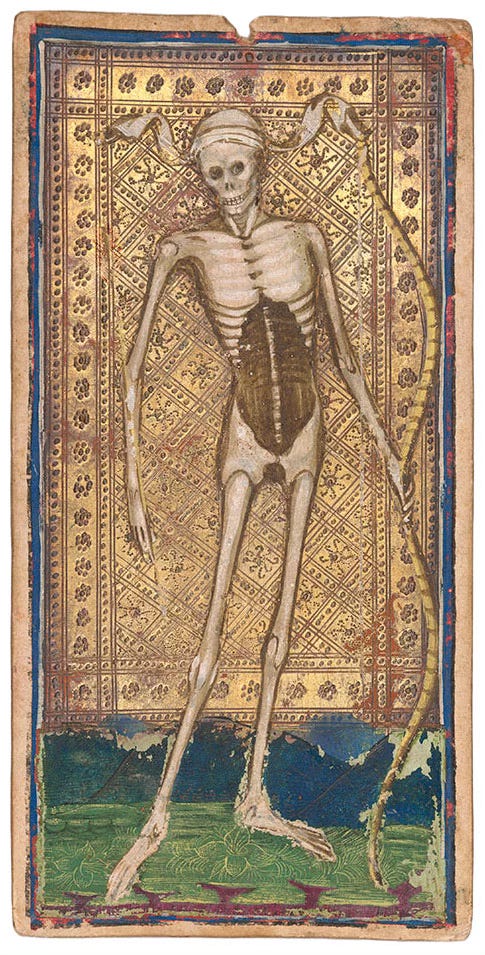 |
Bonifacio Bembo, Death from the ViscontiSforza Tarot Cards. Italy, Milan or Cremona, ca. 1456-58. The Morgan Library & Museum
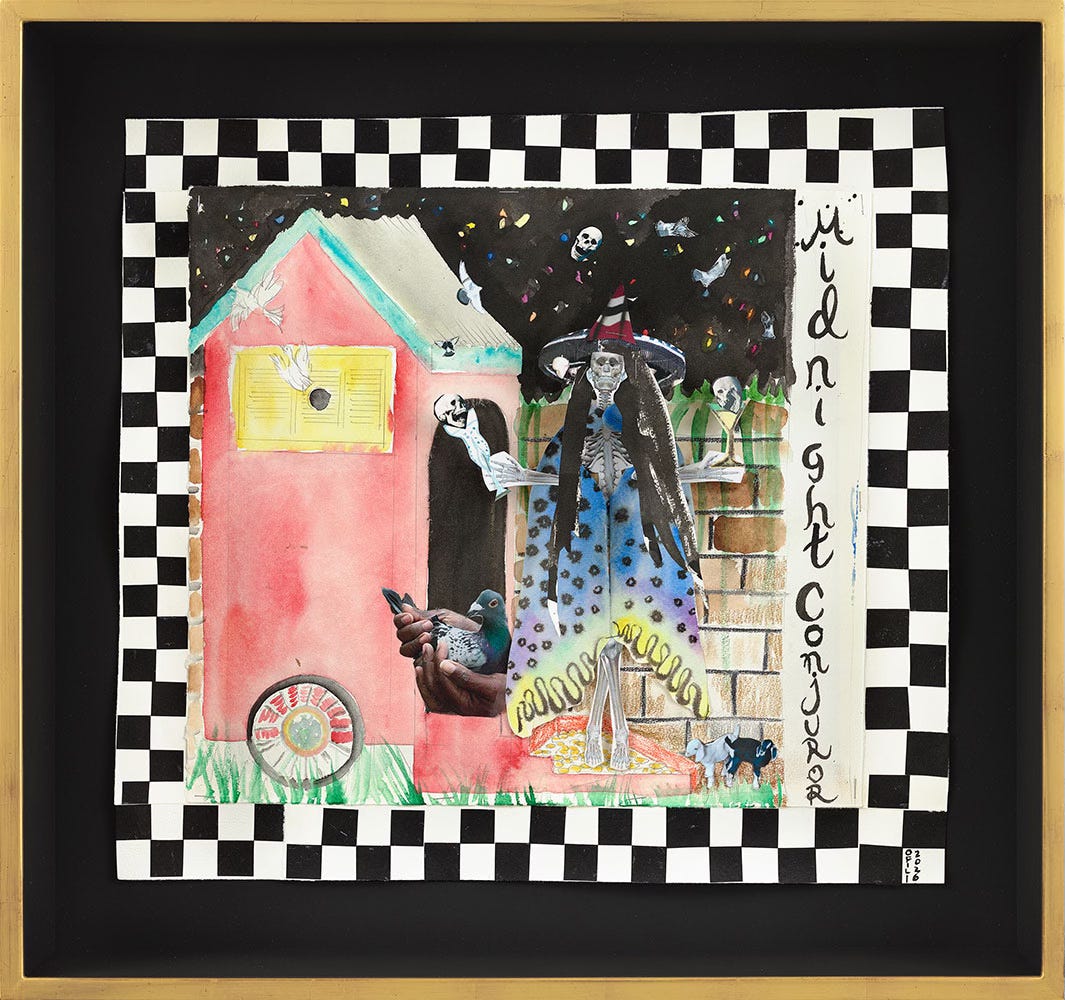 |
Chris Ofili (b. 1968). Midnight Conjurer, 2026. Ink, watercolor, staples, and paper collage on paper © Chris Ofili. Courtesy the artist and David Zwirner.
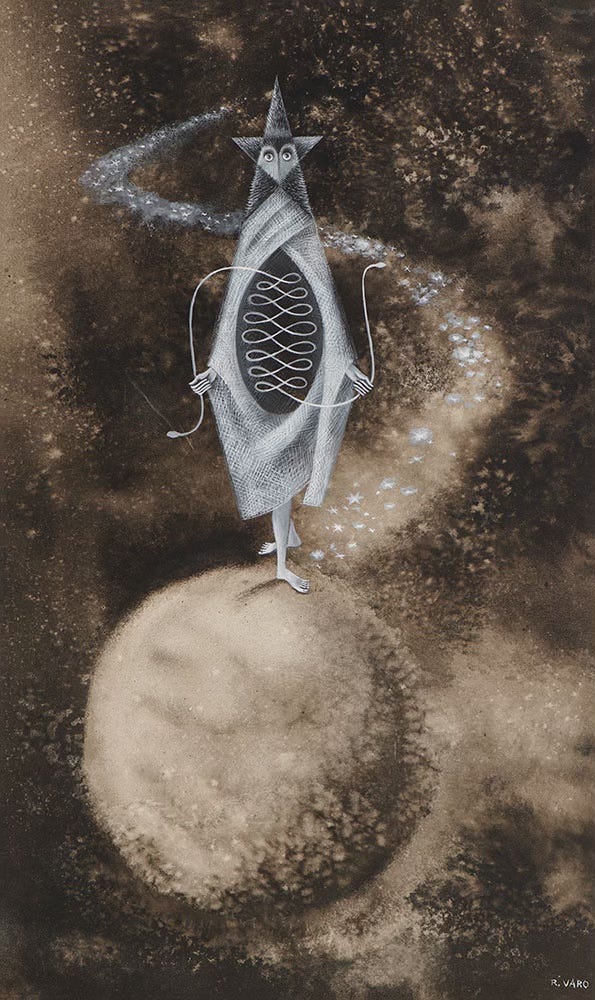 |
Remedios Varo (1908–1963) The Other Clock (El otro reloj), 1957 © 2026 Remedios Varo, Artists Rights Society (ARS), New York / VEGAP, Madrid. Courtesy of Wendi Norris Gallery
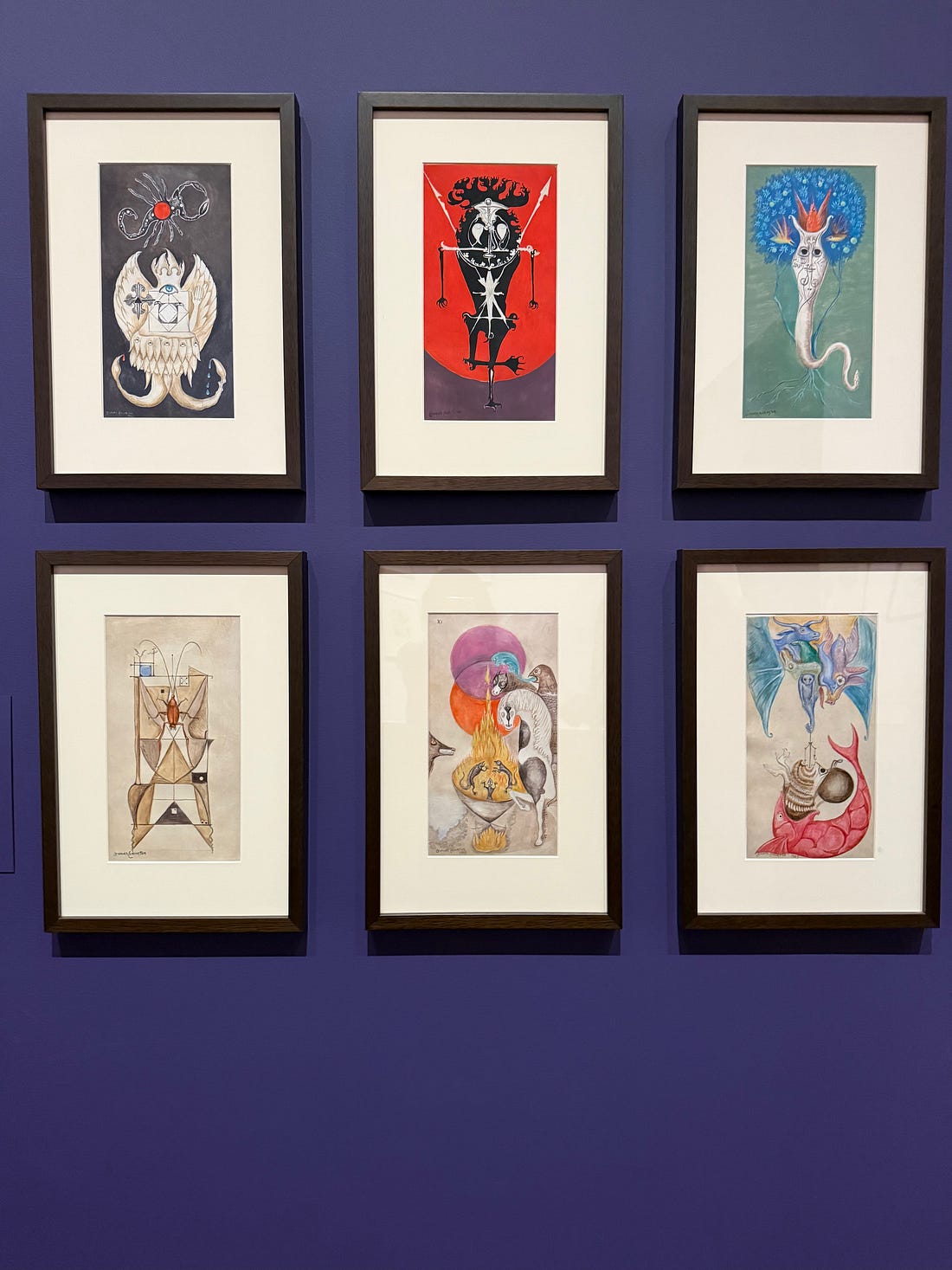 |
Leonora Carrington at the Morgan Library
For The Silo, Create! Magazine and Ekaterina Popova.