Tag Archives: ice

The Inimitable Mezger Engine

Take it from our friends at rennlist, Porsche has built some truly remarkable engines over the years. The air-cooled 911/83 engine that powered the 1973 911 2.7L Carrera RS is just one example. But if you were asked to go on and list the ten all-time greatest Porsche engines there is a good chance the list would be dominated by various Mezger engines.

The 12-cylinder found in the Le Mans-winning Porsche 917? That’s a Mezger. The 3.6L flat six in the 996 GT3? That’s a Mezger. The 4.0L in the 997 GT3 RS 4.0? That’s a Mezger.

How about going all the way back to the original 901/911 engine? Yup, that’s a Mezger.

But what is a Mezger engine, and why are they so special? That is what we are going to discuss here today. We have come up with 9 reasons why the Mezger engine is so special. And there is no other place to begin the discussion than the legendary man behind these engines, Hans Mezger.
1. Hans Mezger

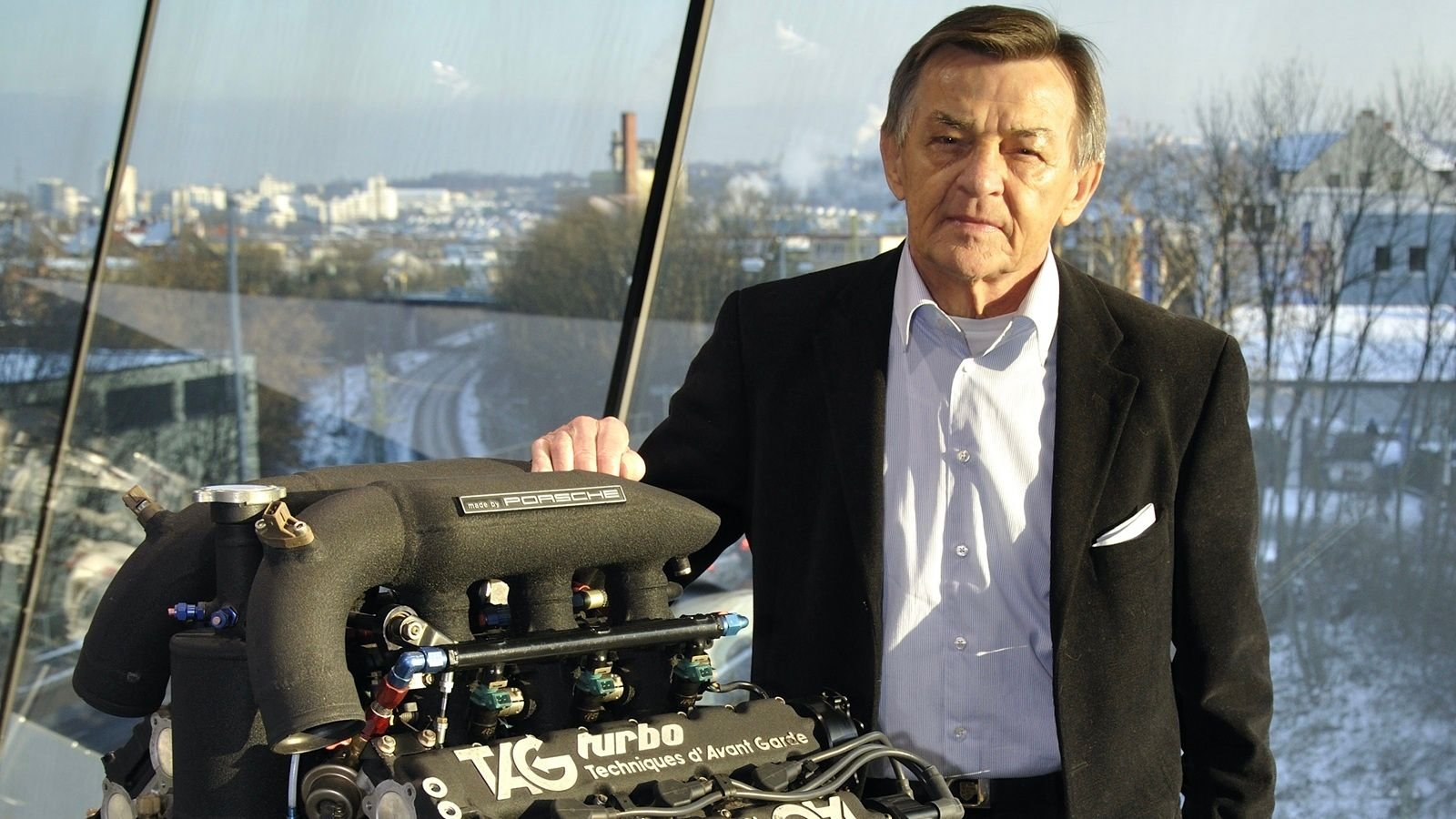
A single slide can in no way capture all that the legendary Hans Mezger accomplished. He joined Porsche back in October of 1956. He loved Porsche sports cars, but his first job was working on diesel engine development. In 1960, he began to work on the type 753 flat-eight engine for Porsche’s first Formula 1 car. Soon after he designed the 6-cylinder boxer engine for the 901/911. He was then promoted to the head of race car design. He was responsible for the 917 and the 12-cylinder engine that powered it to Porsche’s first Le Mans victory in 1970. He then was responsible for the turbocharged 917/10 and 917/30 cars that dominated Can Am. He designed and developed the six-cylinder turbo engines for the Type 935 and 936 race cars.

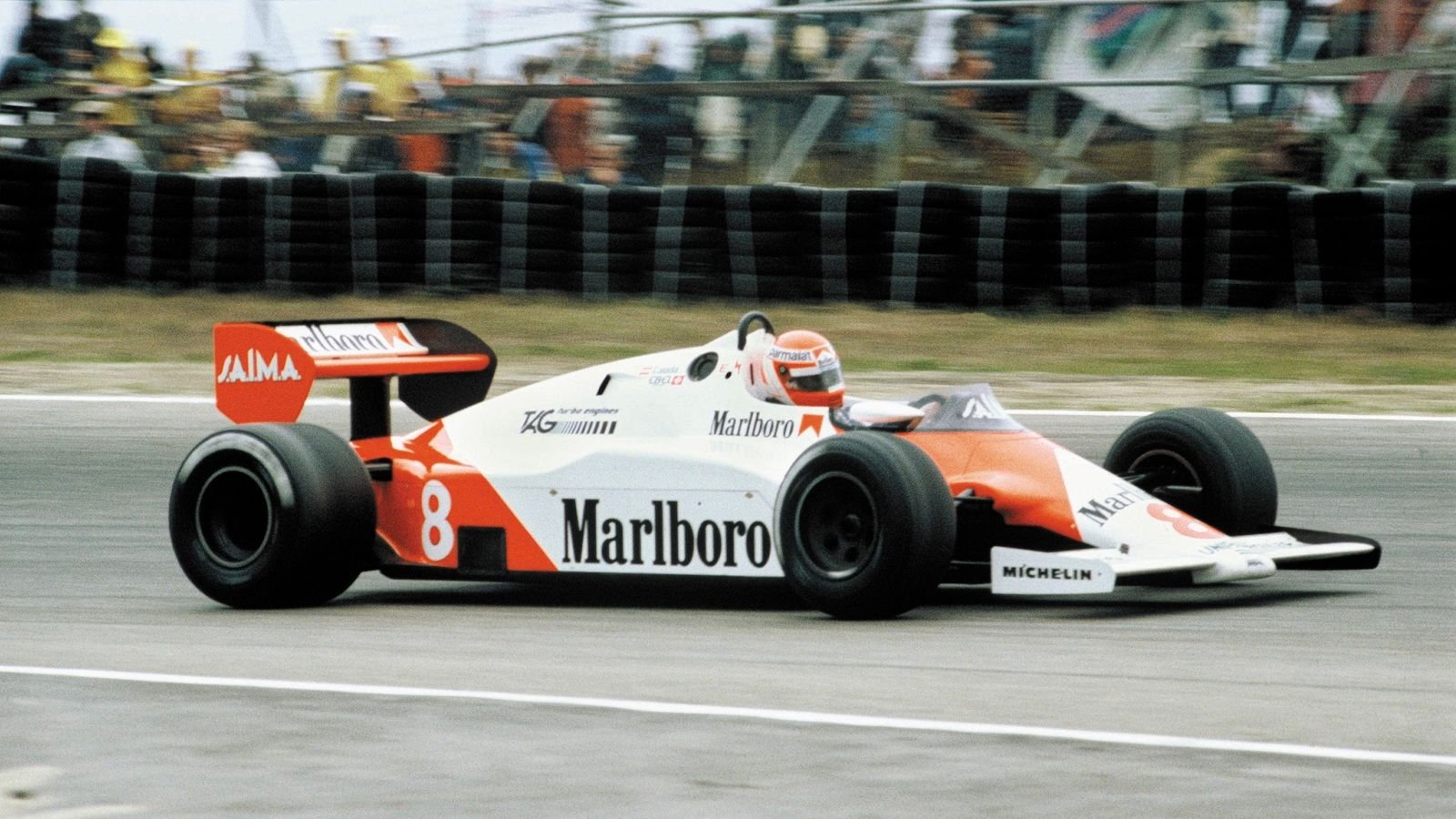
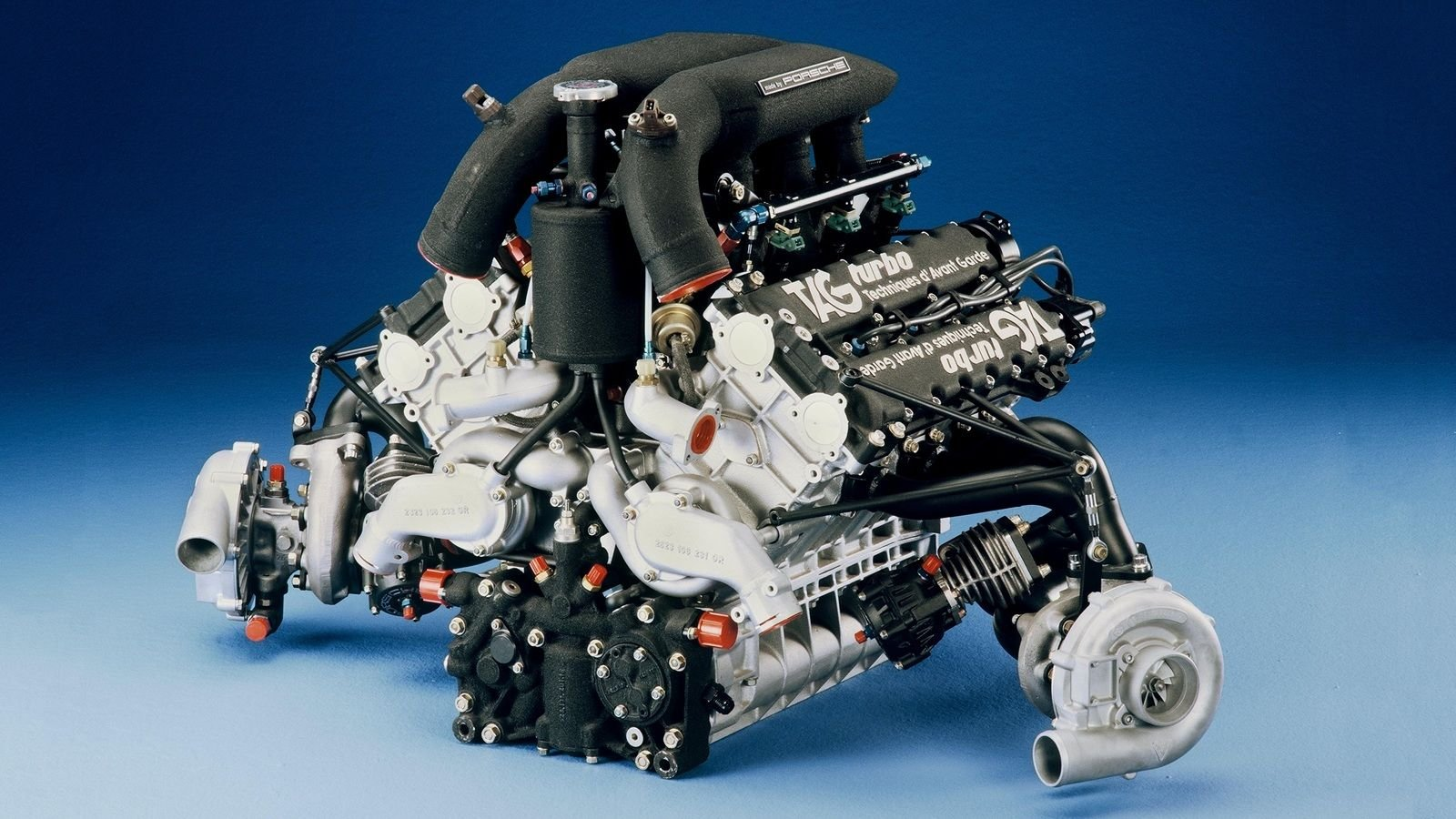
Mezger designed the 1.5L V6 engine known as the TAG Turbo that powered the McLaren Formula 1 cars to championships in 1984, 1985 and 1986. His engines would eventually be found in the most performance-oriented Porsche road cars such as the 996 GT3, GT2 and Turbo. Mezger remained closely connected with the Porsche brand until he passed away on June 10, 2020, at the age of 90.
2. Motorsport Pedigree

Mezger built engines for the most demanding races in the world. His engines that were put into Porsche road cars have the same engineering approach. These engines are designed for long-term high performance. They are essentially overbuilt for road use. These engines were not designed to meet a certain price point. They were designed to provide the best performance. There were no corners cut with any Mezger engine.
3. Birth of the GT3

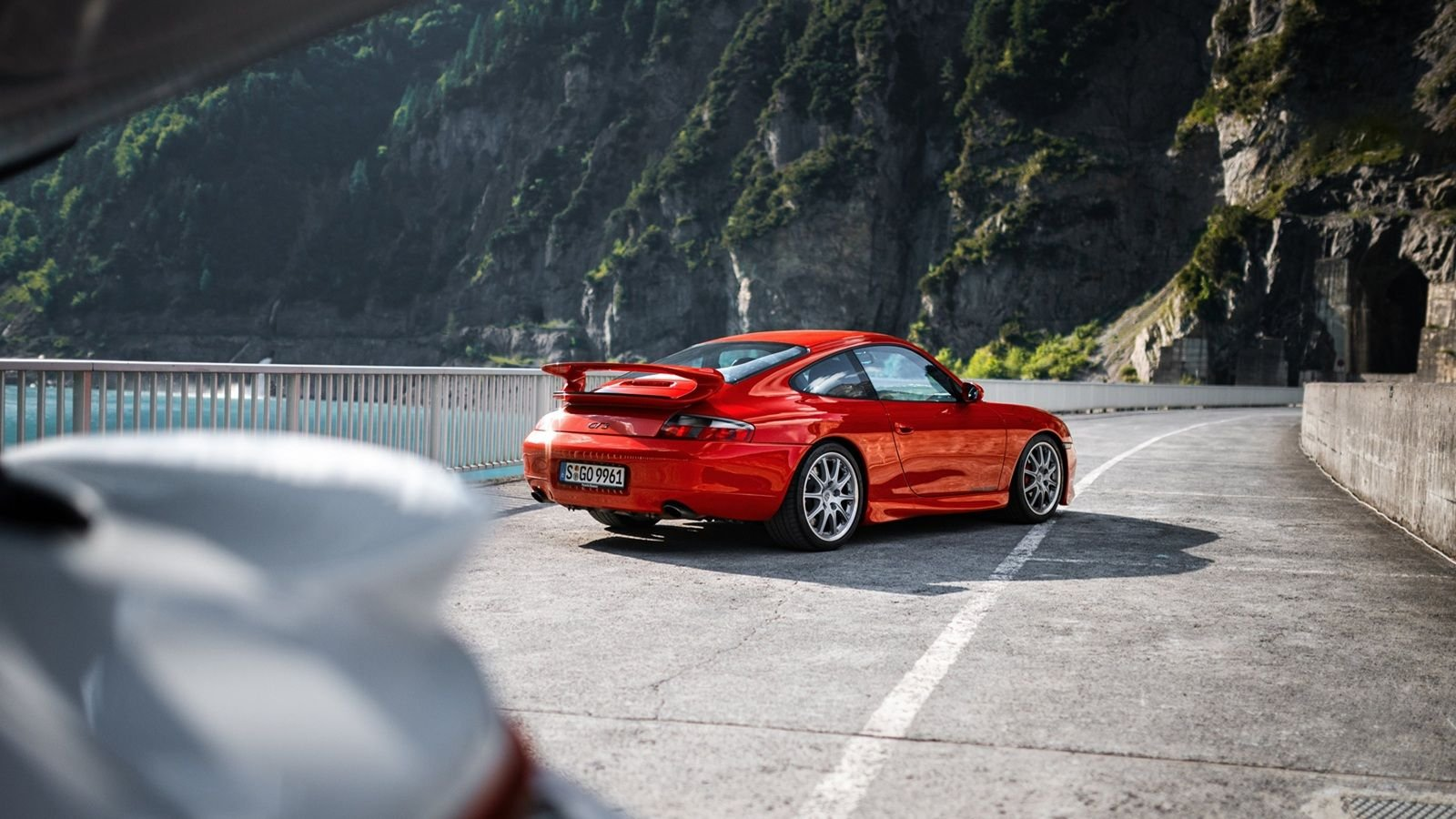
Many people view the 911 GT3 models as the pinnacle of the 911 range. One of the main reasons why is because of the track-focused, high-revving flat-six engine out back. It all started with the M96.79 engine found in the 996 GT3. The European market got the GT3 a few years before us and had the M96.76 engine, but the point is the same. The GT3 legend began in large part because of the incredible engine that powered it. This dry sump engine could rev to 8,200 rpm all day long. The engine was derived from the Porsche 911 GT1-9,8 which happened to win a little race called the 24 Hours of Le Mans. The street version of this engine is nearly bulletproof,f and the GT3 legend was born.
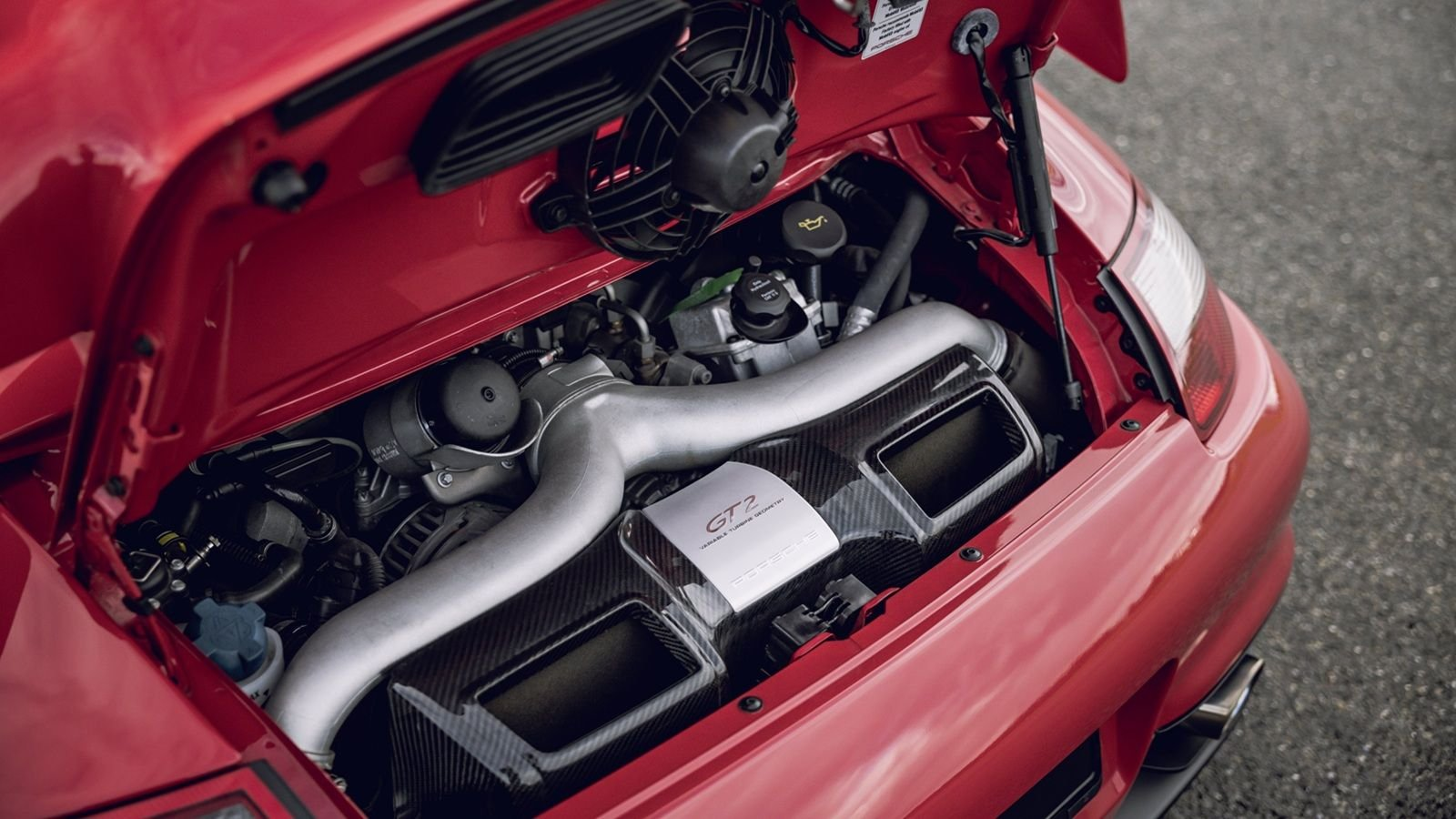
4. Turbocharged Versions

If the GT3 was just not powerful enough for you, Porsche had a solution. The GT2 and Turbo also used Mezger engines, but with a pair of turbochargers. They are not as high-revving as the normally aspirated units, but they offer more power and a lot more torque. And these engines are just as reliable.
5. Reliability

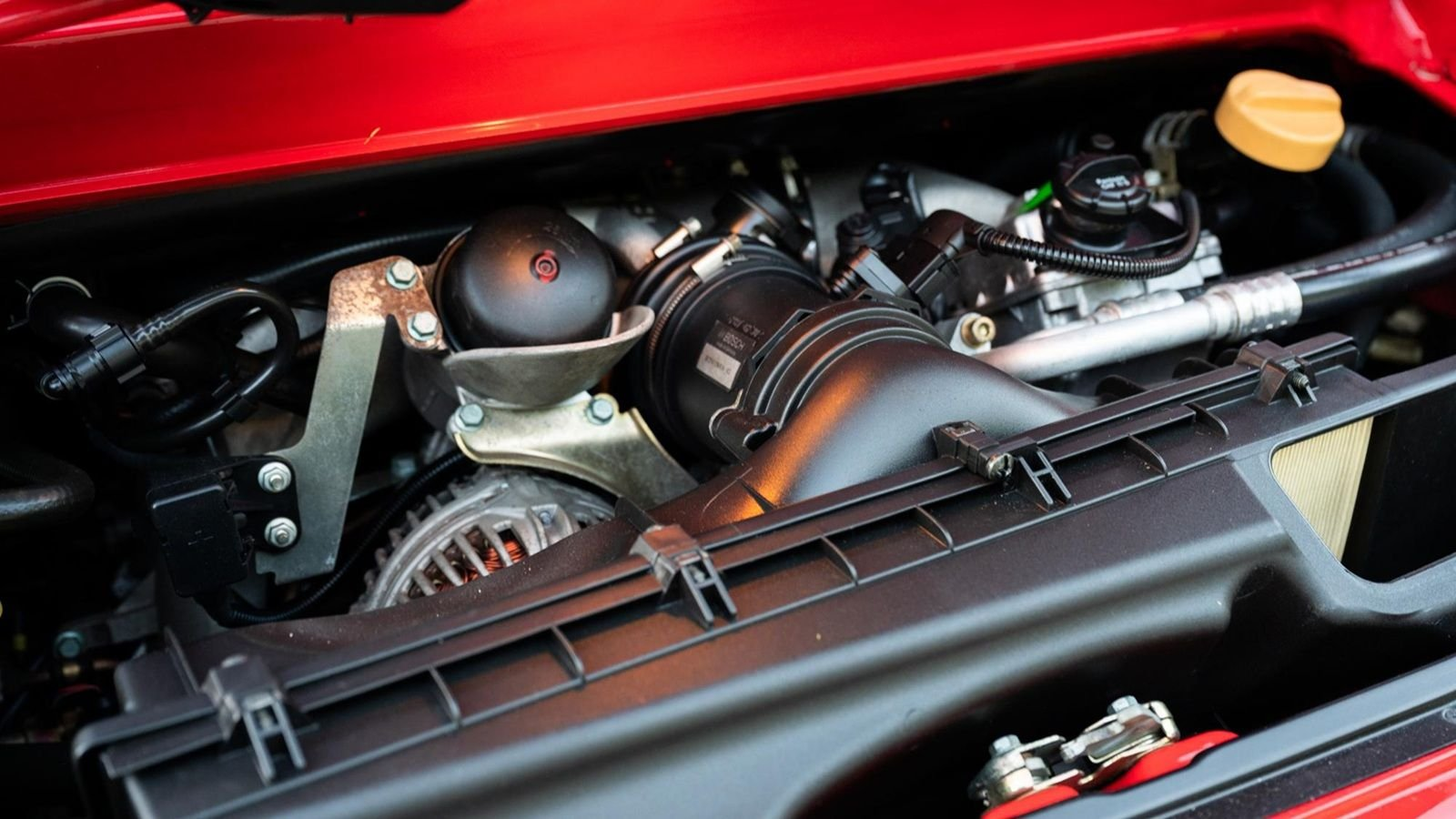
The Mezger engines are not just more powerful but also more reliable. The knock on the M96 and M97 engine series has long been the IMS bearing. But the Mezger versions don’t have the same design. Instead, they use plain bearings that are pressure-fed engine oil for lubrication. These bearings don’t fail. That alone makes the Mezger significantly more reliable.

6. Sound

Even if these engines were not more durable and powerful, people would buy them for their sound alone. It is not just their high-revving nature in naturally aspirated form. But the design of the engine itself, with features such as dual timing chains that give these engines a more characterful sound. They are more gravely and “motorsporty” sounding than the non-Mezger engines.
7. Power Upgrades

These engines were overbuilt and as such, are typically able to comfortably handle more power if you want to modify them. The turbo versions can easily be tuned to reliably make more power. Of course, every engine has its limitations, but the Mezger engine is robust enough to make more power without hurting reliability.
8. The 997 GT3 RS 4.0

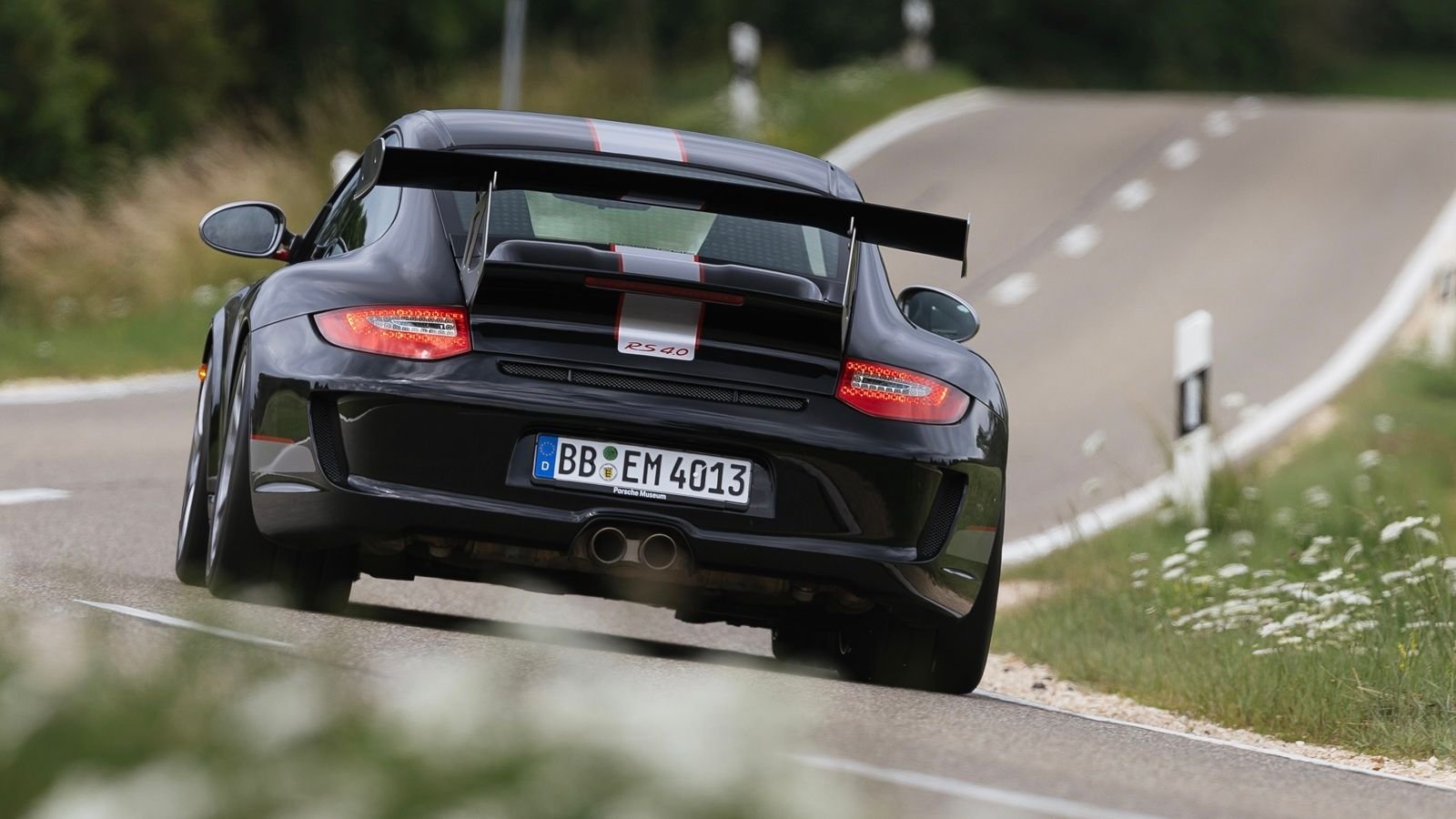
Many people consider the 997 GT3 RS 4.0 to be the best Porsche 911 road car of all time. It just so happens to be equipped with the last Mezger engine. A 4.0L jewel making nearly 500 naturally aspirated horsepower. The engine revs to 8,500 rpm and has more character in it than an entire truckload of new 992.2 Carreras. The 4.0L marked the end of an era. It is the last and possibly the best road-going Mezger engine ever produced.

9. Rarity and Desirability

Not every Porsche got a Mezger engine. Technically, all the air-cooled 911s have a Mezger-designed engine, but they have been out of production for over a quarter of a century now. Only a small percentage of water-cooled Porsche engines were a Mezger design. And Porsche is not building any more of them. So, what is out there today is all that will ever be out there. These engines are found in the most desirable Porsche models, and these cars are collectible today and will continue to be collectible for the foreseeable future. If you buy a Porsche with a Mezger engine today, the chances are good that it will be worth the same or even more tomorrow. For the Silo, Joe Kucinski.

Images: Porsche

>>Join the conversation about the Mezgar engine right here via our friends at Rennlist.com.
Porsche Commit Long Term To Gasoline Engines

Change of Plans

There was a time, not terribly long ago, when it seemed like the automotive industry was on the fast track to total electrification.

Ahead of Their Time

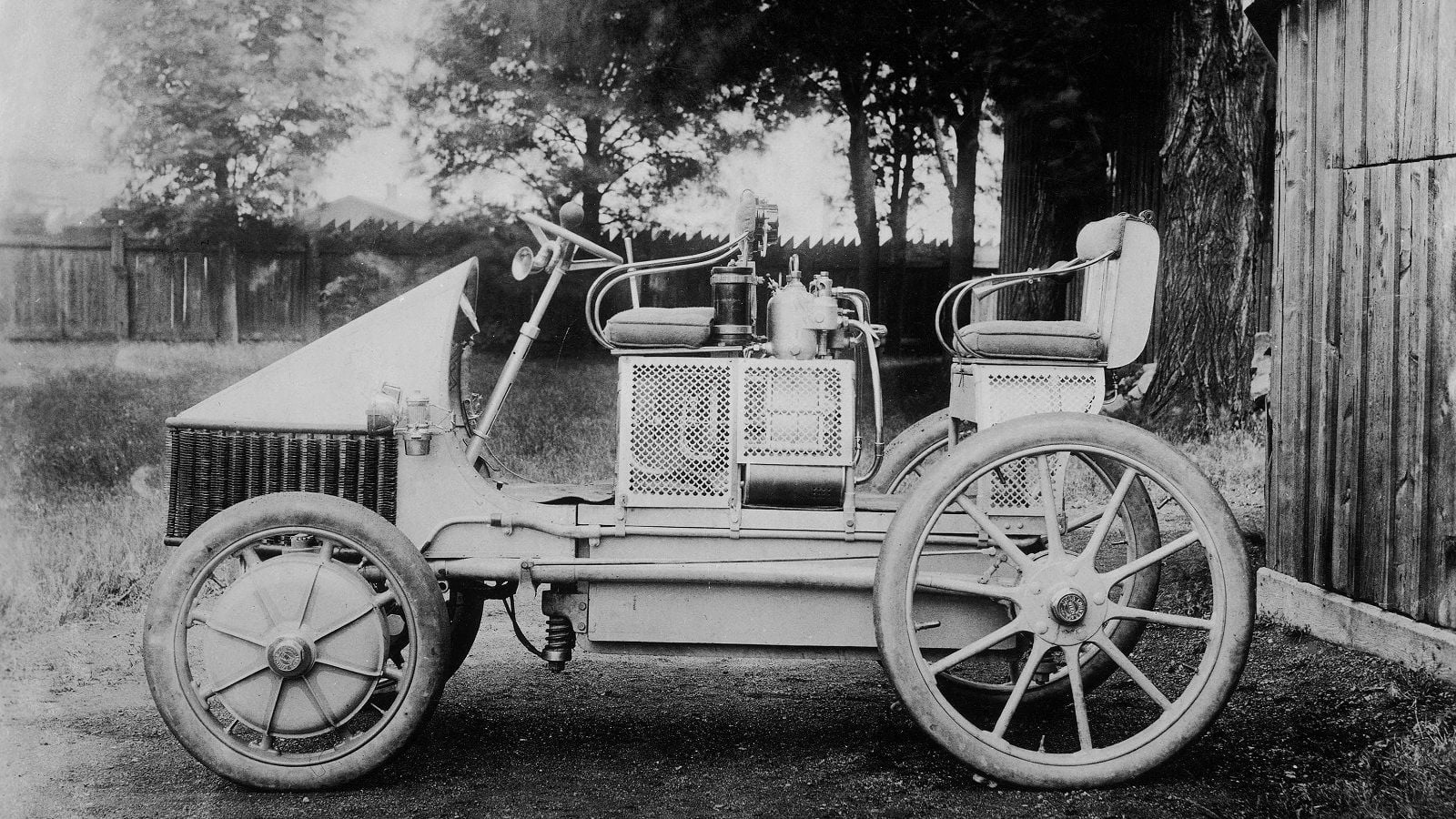
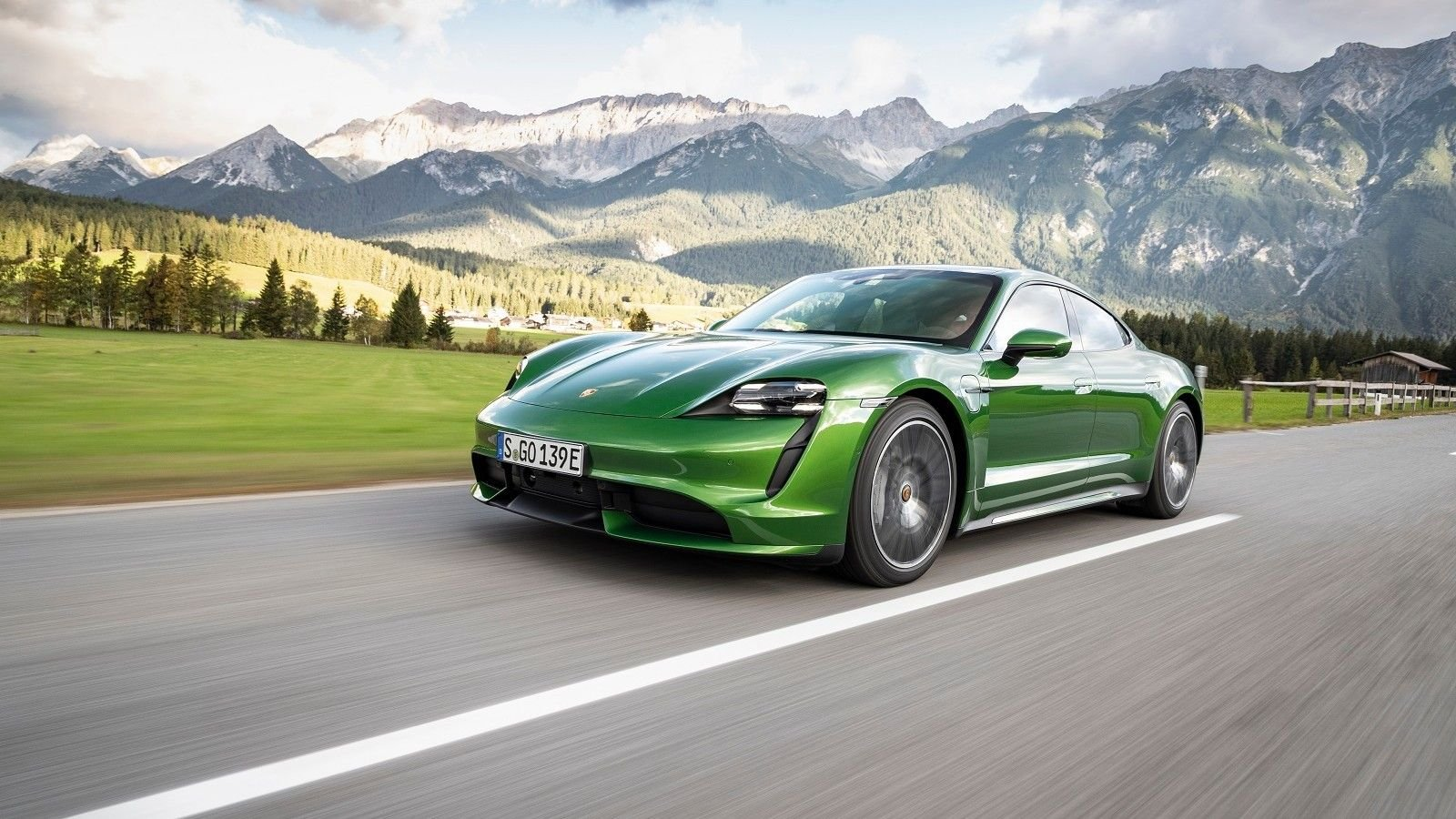
Many of us think of hybrid or all-electric power as a relatively new technology. After all, Porsche just introduced its very first production EV, the Taycan. But in reality, electricity has been around in the automotive world for over a century. And Ferdinand Porsche was one of very first pioneers to embrace this technology. When Porsche was a teenager back in 1893, he installed an electric lighting system in his parents’ house. Even the very first vehicles he designed had electric drives. After toying around with a few different ideas, Porsche designed the world’s first functional hybrid car, the Semper Vivus (Latin for “always alive”), in 1900. But due to its modest power output, heavyweight, and lack of infrastructure, the idea was relegated to the back burner for many years. 

Amid concerns over global warming, governments around the globe began floating regulations that sought to ban ICE vehicles outright – but in recent months, with demand falling behind expected levels of growth, a lot has changed, and now, those same plans are being scaled back.

Up To and Beyond

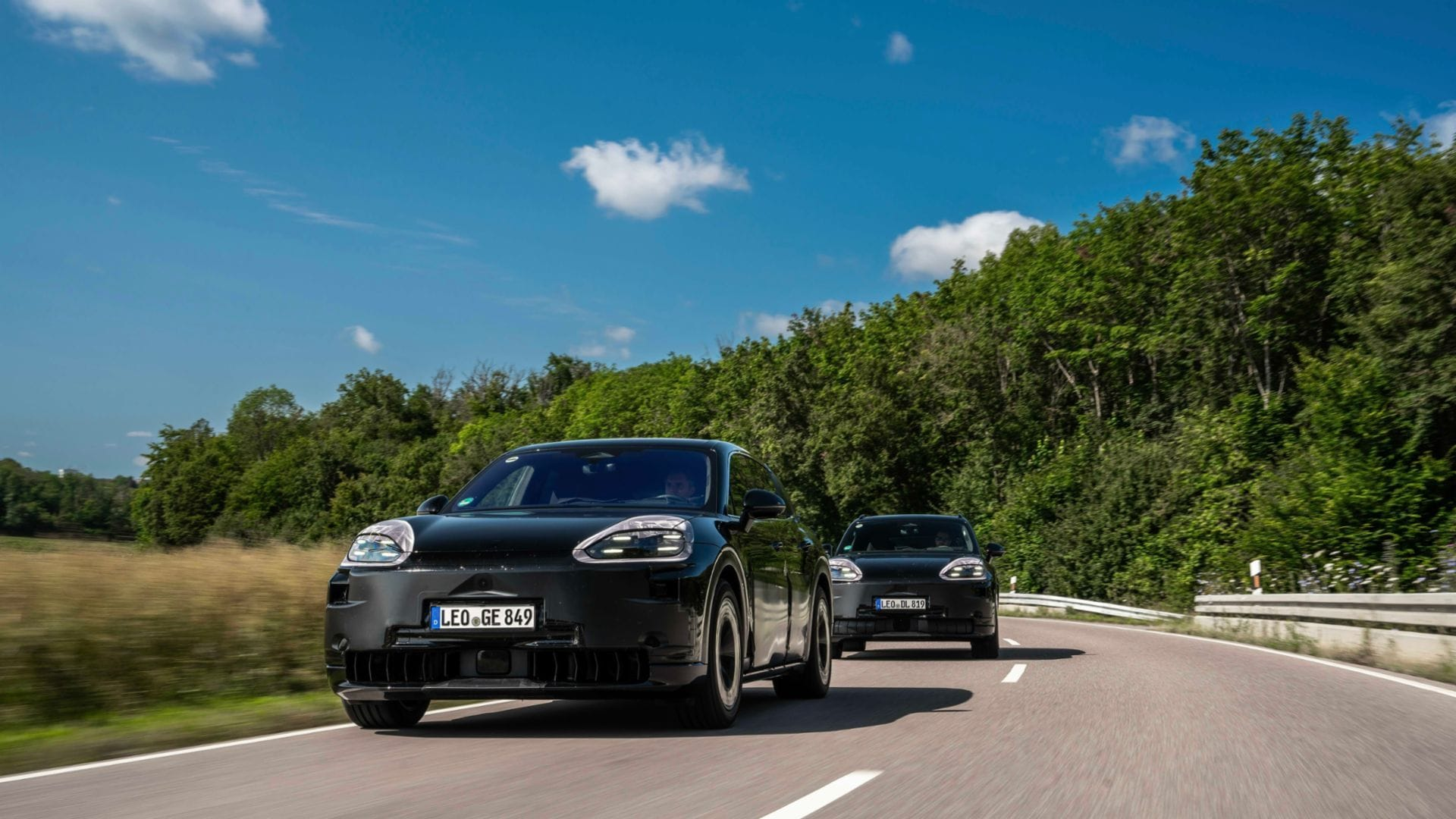
While Porsche recently revealed that it continues to develop the all-electric version of its Cayenne crossover, it also plans to continue to offer hybrid and combustion engine-powered examples of that same model – “up to and beyond 2030,” in fact.

Keeping the V8

Interestingly, Porsche also noted that the currently, third generation of the Cayenne will be upgraded and will continue to be offered alongside the fourth, all-electric generation model. Engineers will focus on the Cayenne’s ICE powertrains, however, including its twin-turbocharged V8, which it will need to tweak to ensure that it meets increasingly stringent emissions standards.

Still Focused

This is obviously great news for fans of ICE powertrains and the V8 in general, but also note that Porsche remains focused on an electrified future, regardless. “Our product strategy could enable us to deliver more than 80 percent of our new cars fully electrified in 2030 – depending on the demand of our customers and the development of electromobility in the regions of the world.” Oliver Blume CEO Porsche AG.

As such, Porsche plans to continue making gas engines for some time, it seems. 

Watch For Polar Expeditions Features Northern Lights Coating

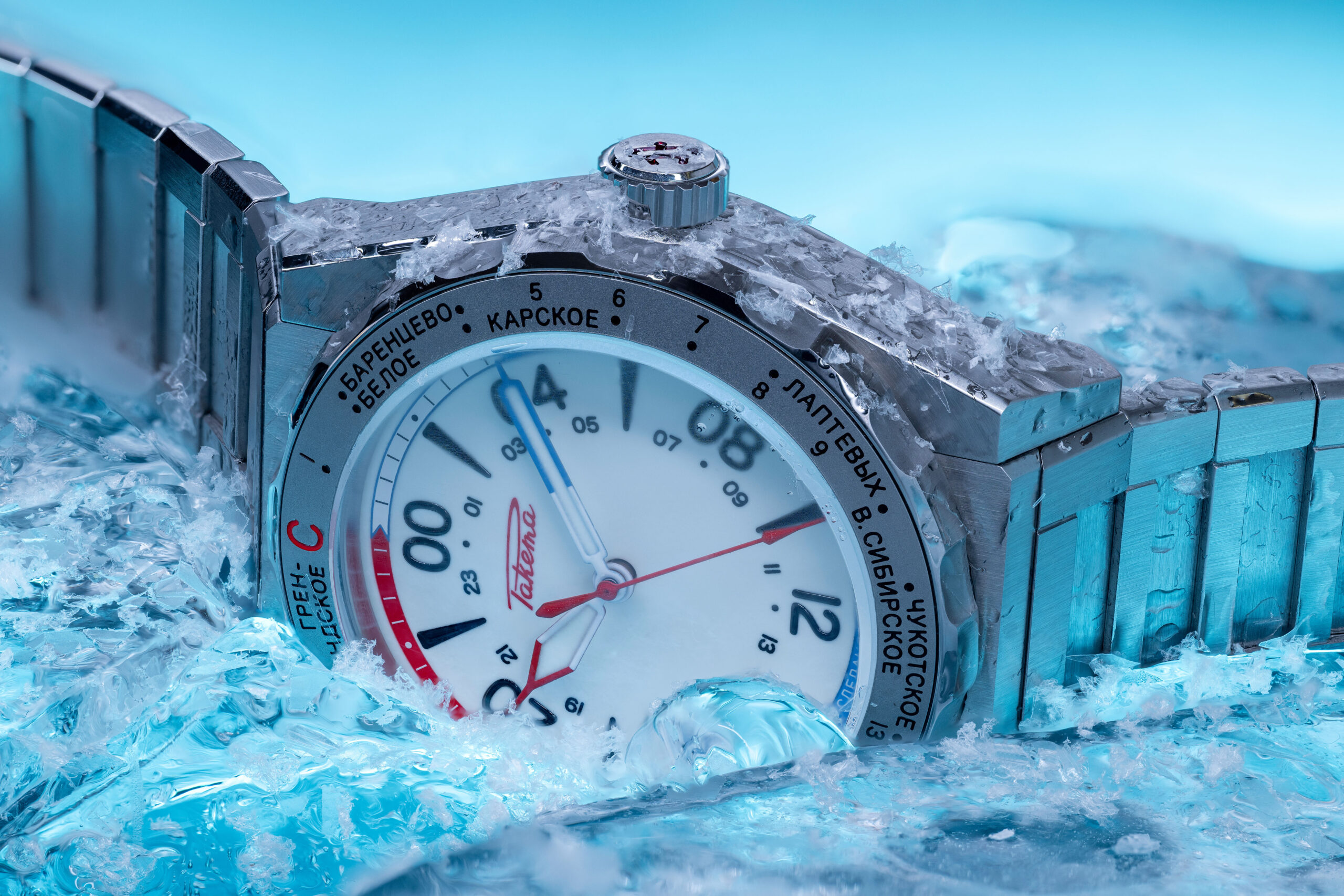
Saint-Petersburg, Russia. April 2024. Raketa Polar – a watch created specially for polar expeditions – is back in Raketa’s permanent collection with a new design.

The journey beyond the polar circle is thorny and difficult: it requires great strength and long distances travelled in extreme conditions, both by land and sea. Following its long tradition of making watches for polar explorers, Raketa has developed a model for people who are ready to set out to conquer these boundless spaces.

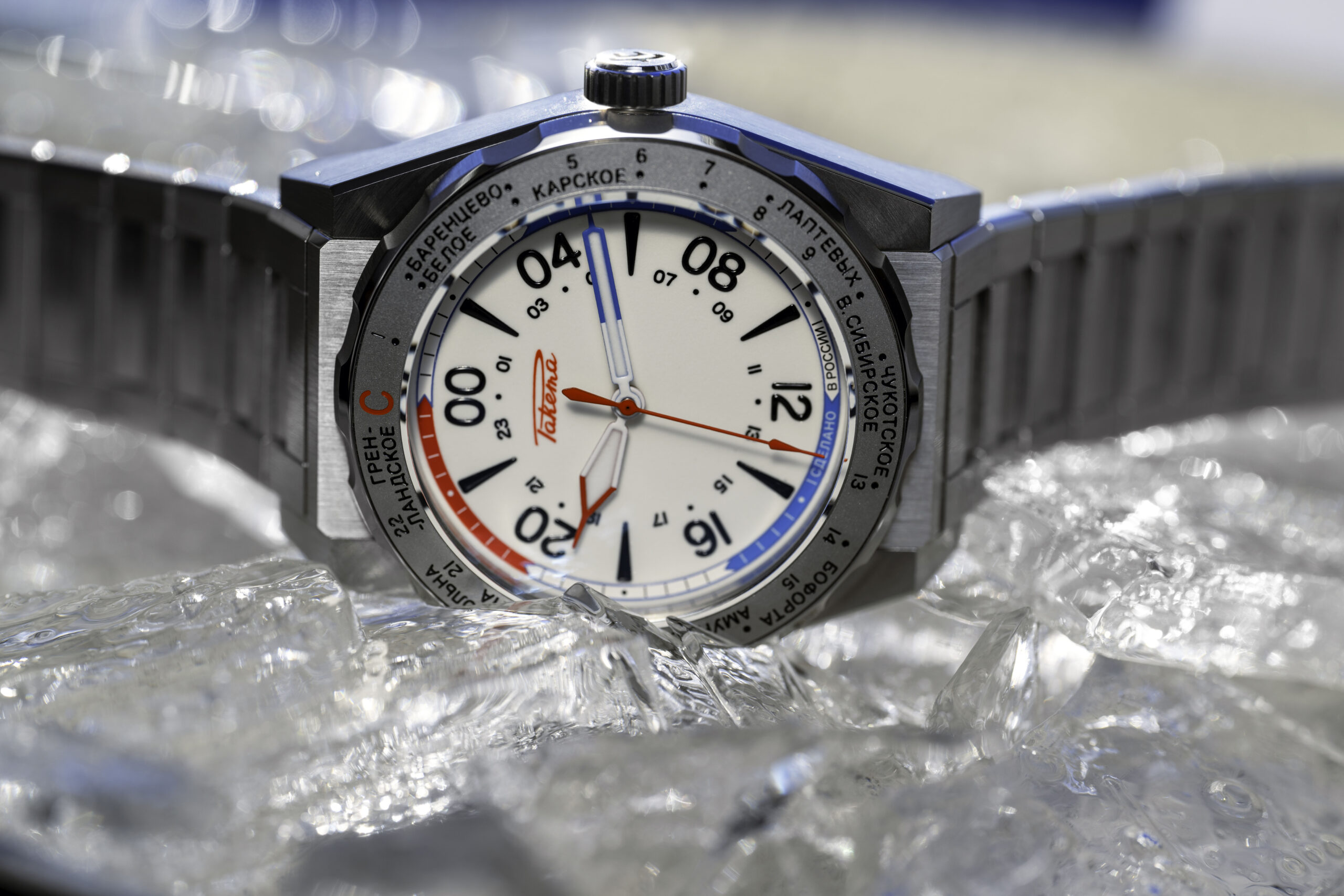
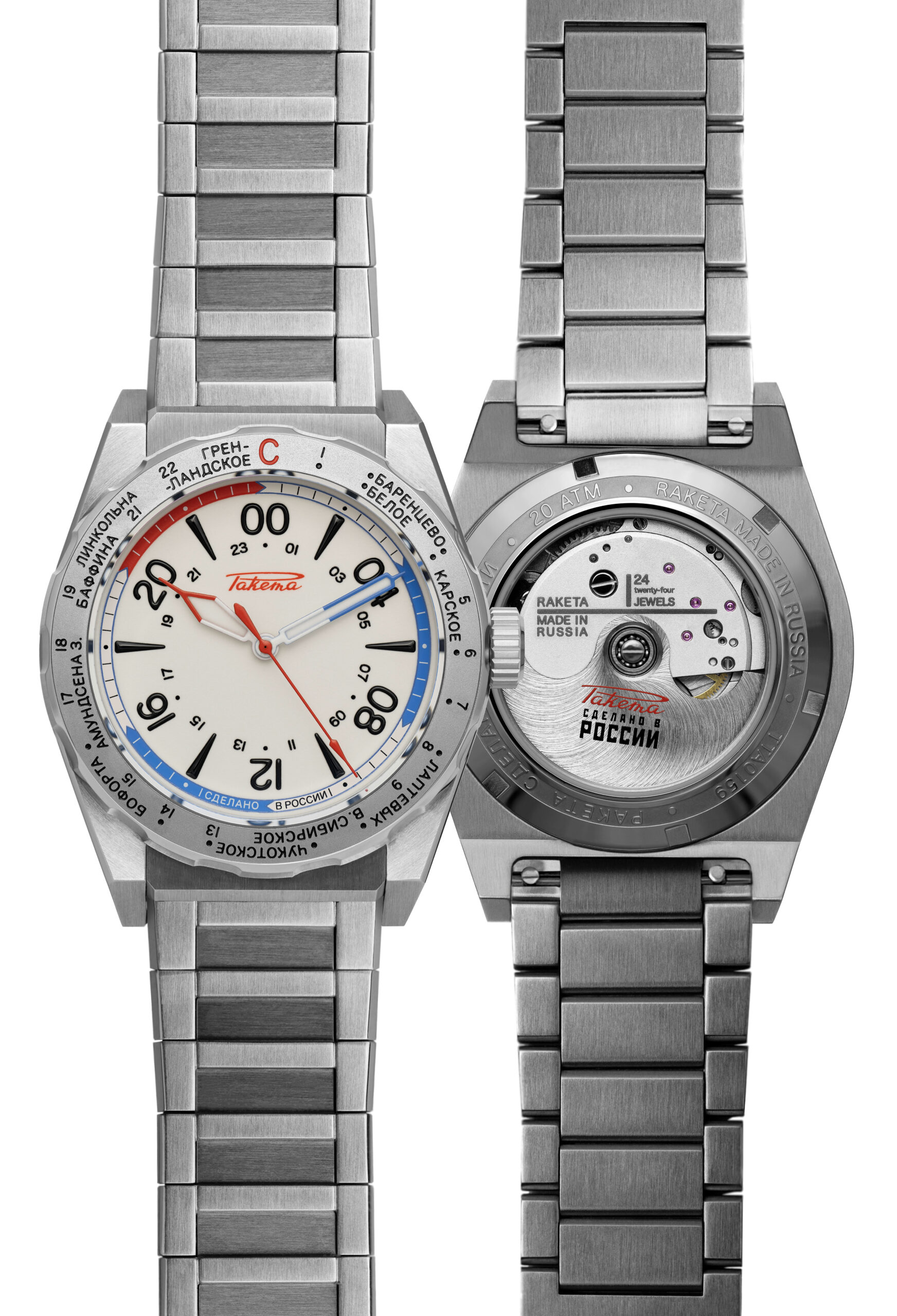
The 24-hour dial is essential for time-reading beyond the polar circles where polar day and polar night can last for up to 6 months each. Six lines divide the perimeter of the dial into 6 quarters (4 hours each) allowing each crewmember to keep count of his watches/shifts during maritime expeditions. Another unique feature of the dial is the special Superluminova coating that reminds northern lights. It covers the entire surface of the dial and hands, ensuring perfect legibility even in total polar darkness.

The solid and robust case, with straight facets and sharp angles, is particularly adapted to the rigours of polar expeditions. The design of this case is harmoniously completed with a stainless-steel bracelet emphasising the masculine character of this timepiece.

The rotating bezel is engraved and enamelled with the name of all the Arctic ocean seas and their respective time zones, which allows using the GMT function. This 24-hour watch with a rotating bezel can be also used as a solar compass both in the northern and southern hemispheres.

The back of the watch reveals the beautifully decorated automatic movement which is entirely produced by the Raketa Watch Factory in Saint-Petersburg. The finishing of the rotor is reminiscent of northern lights.

Each Raketa Polar watch has a certificate confirming its technical fitness for use in the harshest natural conditions of polar regions. The certificate is issued within the frame of the “Arctic voluntary certification system” by the Nizhny Novgorod Testing Centre.

The price

The cost of the watch is 2.000 EUR (VAT included)/ $2,930 CAD. For the comfort of our customers, Raketa watches are delivered worldwide free of charge by DHL directly up to their front door.

Specifications

Factory:Raketa Watch Factory (Saint-Petersburg)
Movement:
Calibre:2624A
Functions:Automatic
Number of jewels:24
Testing positions:4
Average rate (s/d):-10+20
Average running time (h):40
Frequency/hour:18.000 / 2.5Hz
Bi-directional automatic windingYes
Stopper of self-winding unit activated during manual winding:Yes
Decoration:Polar lights
Case:
Material:Stainless steel
Size:41,6 mm
Front glass:Sapphire 
Back glass:Sapphire 
Rotating bezel:Yes
Crown:Screwed-in crown
Water resistance:20 АТМ
Hands:Superluminova
Dial:Superluminova
Strap/bracelet:
Material:Stainless steel bracelet
Width:22 mm
Sex:Male

Alten’s Book VOSTOK Warned President Obama Against UFO Investigation?

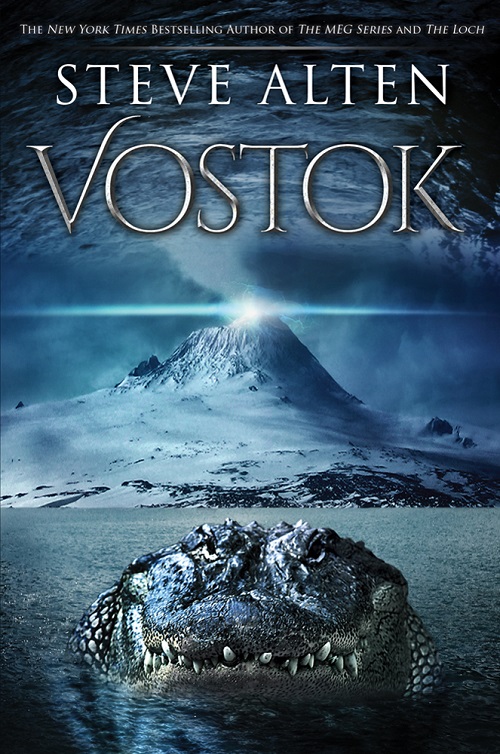
Vostok By Steve Alten Rebel Press February 17, 2015 ISBN-10: 1681020009 ISBN-13: 978-1681020006
Vostok
By Steve Alten
Rebel Press
February 17, 2015
ISBN-10: 1681020009
ISBN-13: 978-1681020006

What is it about the idea of UFOs that makes people nervous? While there have been many documented incidents over the years (with no other logical explanation), the government still won’t discuss it – and even pilots rarely report sightings for fear of losing their job. Steve Alten, New York Times bestselling author, isn’t afraid to talk about it. In fact, he weaves classified information on UFOs throughout his latest riveting book, Vostok.

In 2015, Obama Advisor John Podesta revealed that his biggest regret since leaving office was “keeping the UFO issue a secret.”  Now, a shocking book by NY Times bestselling author Steve Alten, has blown the lid off those secrets. The author’s source – Steven M. Greer, M.D., the world’s foremost authority on Extraterrestrial Intelligence (ETI) and the same person who provided the extensive briefing to John Podesta on UFOs shortly after President Obama took office in 2009.

Dr. Greer, an emergency room physician who left his medical career to dedicate his life to disclosing the truth about UFOs, also briefed James Woolsey, President Clinton’s first CIA director, along with the heads of the Defense Intelligence Agency, the Head of Intelligence Joint Staff, members of the Senate Intelligence Committee, and a select number of Congressmen.

Best-selling author Steve Alten incorporated over thirty hours of private interviews with Dr. Greer into the storyline of Vostok (Rebel Press). Fans of thrillers will be drawn into the story – Vostok is a very real 15 million-year-old sub-glacial lake located beneath two-and-a-half miles of ice in East Antarctica. Incredibly, there is also a magnetic anomaly inside the lake that has baffled experts as to what it could be. Three scientists are selected to venture into this underwater realm in a submersible. What they discover will keep readers frantically turning pages…  

 
But Vostok is much more. The thriller exposes a secret transnational Cabal which draws an estimated $80 billion Black Ops budget from US taxpayers with no congressional oversight. Made up of bankers, oil oligarchs, and members of the military industrial complex, the Cabal has used its influence to improperly seize over 5,100 US patents, many for new energy devices that would replace fossil fuels. As a result, clean free energy systems that would literally transform the planet (and the dominant U.S. macro-economy) have been black-shelved, their inventors threatened… and worse.
 
According to the author and his source, “presidents Clinton and Obama were both ‘warned off’ pursuing their UFO investigations; Clinton when CIA Director William Colby was murdered after he decided to cross the powers-that-be, and Obama on his trip to Norway to accept his Nobel Peace Prize when a Scaler weapon blast (an ET technology reverse-engineered decades ago) caused the Oslo night sky to light up with a blue spiral.” Vostok names names, along with the locations of super secret military bases where ARVs (Alien Reproduction Vehicles) are harbored and may one day be used in the ultimate false flag event.
 
Yes, truth is stranger…and far scarier…than fiction.


Supplemental- BBC’s The Lost World of Lake Vostok

Purchase VOSTOK E-book from Amazon

UK’s “ICE Totally Gaming” A Must Visit In The Gaming And Technology Sector

ICE TweetThe ICE Totally Gaming exhibition returns to London in the UK next month, but it’s a huge event for the industry worldwide where innovation comes to the fore and the future is literally paraded in front of our eyes. The three-day event offers conferences, seminars, networking and much more from companies around the world, and, of course, Canada is represented.


There’s a reason why the reach of Totally Gaming is so vast, as it encompasses online casinos, sports betting, social gaming and street gaming amongst other areas, bringing together the best minds and freshest technology into one place. Last year there were 23,506 attendees from 156 countries, and although Canadians represented just 0.93% of that, the fact that 218 of us (yes, I did the math) were willing to make that trip shows just how important it is to the industry, even over 6,000km away.

But why is that trip worthwhile, and will 2015 be value for money if you’ve got vested interests in gaming, technology and the business behind it? With the amount of knowledge on offer for the ticket price, I’d have to say yes.

ICE Totally Gaming 2014 Recap
This year’s seminars – which are all free to attend – include information on emerging and growing markets such as Bitcoins and Cryptocurrencies, expert knowledge from the likes of the International Masters of Gaming, and informative start-up workshops which can help build networks with mentors and even open business-to-business dialogue. You can pitch your own business to ICE to get some floor time, and there are heads of industry there that make it a must for anybody with an idea or a business plan, or even just a desire to make it in the field.

One of the seminars sure to be a big hit is the aforementioned Bitcoins and Cryptocurrencies offering, with notable industry figures taking to the podium for various sessions. As the world of money online is constantly changing, arming yourself with knowledge is one of the best weapons. Jon Matonis, board director of the Bitcoin Foundation, will open things up and delve into why cryptocurrencies have been so well adopted. Further to that, you can learn about risk management, boosting business, regulation and more. Having all this information in one place would be invaluable.

The Bright Group's Raif Oymen
The Bright Group’s Raif Oymen

It’s not the only one sure to instill potentially revolutionary ideas on the attendees, however. The workshops and mentorship for start-ups feature some successful names already well embedded in the gaming industry, who will be dispensing advise on getting your business of the ground and, more importantly, keeping it afloat.  Martyn Evans of Unboxed Consulting talks lean start-ups, Phil Smith of Joelson Wilson will discuss the merits of London for a new business, and there are more workshops for crowdsourcing, licencing and finances. For more details on all of these information-packed seminars, you can look here.

Leading companies like IGT choose the event as a premiere for their freshest ideas, and the big internationals make sure it’s a part of their calendar. “ICE is a really good opportunity,” said The Bright Group’s Raif Oymen, who will be exhibiting after travelling all the way from Australia.

If you have to be at the forefront of emerging technology and know where the cutting edge of the gaming markets is then it should be a key date in your calendar. Even more importantly, if your career aspirations or business future relies on the gaming sector then there won’t be a bigger, more beneficial way to spend three days in the whole year.

Supplemental- Mapping the Future of Gaming