Tag Archives: home renovation

Residential Reinvention In North America

Maximizing Property Potential Via Popular Home Expansions 

maxadd1.png

For many homeowners, the need for more space arrives long before the desire to move. Growing families, remote work, multigenerational living, and changing lifestyles are pushing homeowners to rethink how their existing homes can evolve. Home additions have become one of the most practical ways to gain space, improve comfort, and increase property value without starting over in a new location. Yet deciding which type of addition makes sense requires a clear understanding of costs, construction complexity, and long term return on investment.

Across the United States as in Canada, home addition costs vary widely depending on region, labor availability, building codes, and design choices. In America, the average cost of a home addition often exceeds the commonly cited figure of $51,000 usd/ $70,000 cad, especially for projects involving plumbing, structural changes, or second story construction. Per square foot costs typically range from roughly $100 usd/ $137 cad to $500 usd/ $684 cad, depending on the type of addition and level of finish. Understanding these ranges helps homeowners plan realistically and avoid budget shock midway through construction.

A dry addition or a wet addition?  

One of the most important distinctions in home additions is whether a project is considered a dry addition or a wet addition. Dry additions include spaces such as bedrooms, living rooms, offices, or sunrooms that do not require plumbing. These additions are generally less expensive because they avoid water lines, drains, and complex waterproofing requirements. Wet additions include kitchens, bathrooms, and laundry rooms, which add cost due to plumbing work, additional permits, and stricter building code requirements. Knowing which category your project falls into is one of the most reliable ways to estimate overall expense early in the planning process.
maxadd2.png

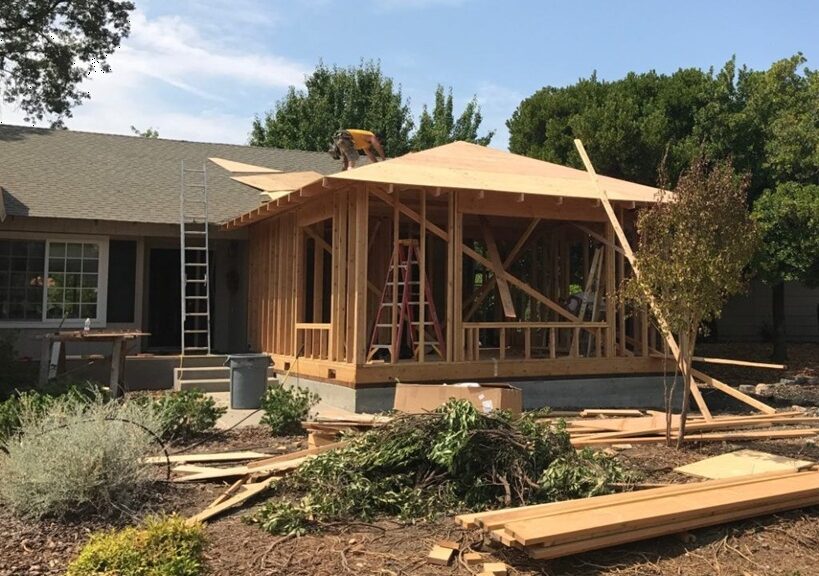
Room additions, often called bump outs, are among the most approachable projects for homeowners looking to add space without a full-scale renovation. These additions typically extend an existing room by a few feet to create more usable square footage. Nationally, bump outs often cost between $250 usd/ $342 cad and $500 usd/ $685 cad per square foot, depending on size and finish. While smaller in scope, they can dramatically improve daily living by relieving cramped layouts and improving functionality.

Adding a second story

Second story additions represent one of the most transformative but also most expensive home addition options. By building upward rather than outward, homeowners can double their living space without sacrificing yard area. These projects often range from $300 usd/ $410 cad to $500 usd/ $685 cad per square foot and require extensive structural reinforcement. Foundations, load bearing walls, and framing may need upgrades to support the added weight. Plumbing, electrical systems, and roofing are also typically impacted. While the upfront cost is significant, second story additions can deliver substantial long term value, particularly for homeowners committed to staying in place for many years.

Sunrooms offer a different kind of expansion, focusing on light, comfort, and connection to the outdoors. These spaces are often used as family rooms, dining areas, or quiet retreats. Costs typically fall between $200 usd/ $274 cad and $400 usd/ $547 cad per square foot, with total project budgets ranging from $40,000 usd/ $55,000 cad to $90,000 usd/ $123,000 cad or more. Three season sunrooms tend to be less expensive, while fully insulated, climate controlled spaces cost more but offer year round usability. Energy efficiency requirements and insulation quality play a major role in pricing.

maxadd3.png

The most cost effective way to add livable space

Garage conversions are one of the most cost-effective ways to add livable space because they utilize an existing structure. Nationally, these projects often range from $120 to $200 per square foot, with total costs commonly between $20,000 usd/ $27,300 cad and $50,000 usd/ $68,400 cad. Conversions typically involve insulation, drywall, flooring, electrical upgrades, and heating or cooling systems. Adding a bathroom increases both cost and value, but requires plumbing work and additional permits. For homeowners seeking flexibility without major exterior changes, garage conversions often deliver strong value.

Over the garage additions combine vertical expansion with efficient land use. These projects create new living space above an existing garage and commonly cost between $250 usd/ $340 cad and $400 usd/ $550 cad per square foot. Structural reinforcement is often required, and design integration with the main house is critical. When executed well, over the garage additions add bedrooms, guest suites, or home offices without reducing yard space, making them appealing in many suburban and urban settings.

ADU- aka the accessory dwelling unit
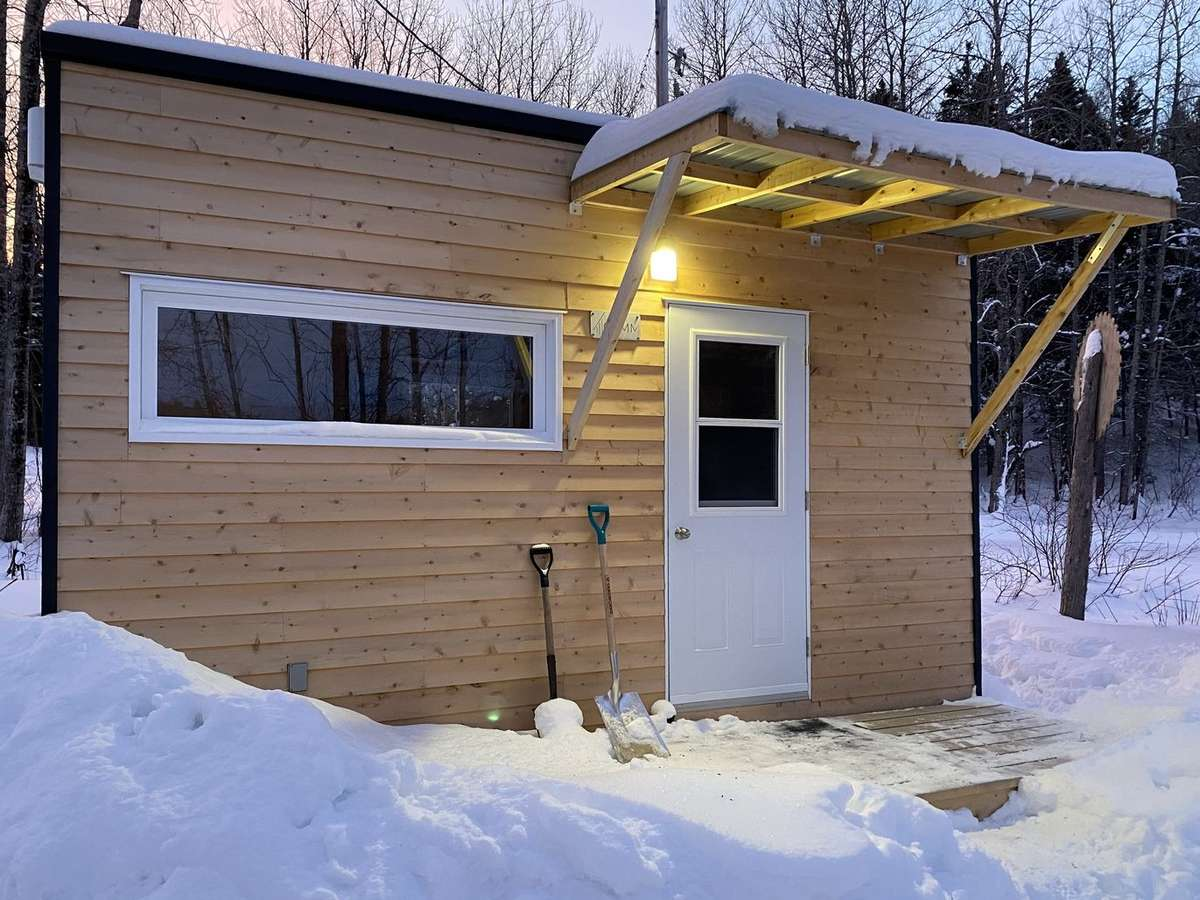
Accessory dwelling units have become increasingly popular as homeowners look for rental income opportunities or space for extended family. ADU costs vary widely but often fall between $100,000 usd/ $137,000 cad and $300,000 usd/ $410,400 cad depending on size, design, and site conditions. Well planned ADUs can generate significant returns through rental income while increasing overall property value. In many markets, returns between 50 and 80 percent are possible when long term income and appreciation are considered together.

The most complex home improvement

maxadd4.png

Kitchen expansions and additions are among the most complex home improvement projects. Building a new kitchen or expanding an existing one typically ranges from $50,000 usd/ $68,400 cad to $150,000 usd/ $205,200 cad or more. These projects involve plumbing, gas lines, electrical systems, ventilation, and often structural changes. High quality finishes, appliances, and cabinetry can significantly increase costs, but kitchens consistently rank among the highest value improvements for resale.

Expensive to be sure

Bathroom additions and expansions also carry meaningful costs but deliver strong returns. Adding a new bathroom often ranges from $30,000 usd/ $41,000 cad to $75,000 usd / $102,600 caddepending on size and plumbing complexity. Expanding an existing bathroom typically costs less but still requires careful planning around waterproofing, ventilation, and fixture selection. Bathrooms add both daily convenience and resale appeal, particularly in homes with limited existing bath space.

What type of addition should you choose?

Choosing the right type of home addition requires balancing personal lifestyle needs with financial considerations. Homeowners should assess how they use their space today, how that use may change in the future, and which additions offer the greatest functional improvement. Equally important is considering how future buyers might perceive the added space. Additions that align with common buyer preferences tend to deliver stronger returns.

maxadd5.png

Successful home additions are built on careful planning. Hidden costs such as permit fees, utility upgrades, and structural repairs can emerge once construction begins. Understanding local building requirements, maintaining detailed budgets, and setting aside contingency funds are critical steps. Consulting experienced professionals early in the process helps homeowners avoid delays, unexpected expenses, and design mistakes that can be costly to correct later.

It’s not just about square footage

Ultimately, home additions are not just about adding square footage. They are about adapting a home to better serve the people who live there. When thoughtfully planned, an addition can improve daily life, increase long term property value, and allow homeowners to remain in communities they love. With clear expectations, realistic budgets, and informed decision making, home additions can be one of the most rewarding investments a homeowner makes. For the Silo, Jon Grishpul/ Greatbuildz.com.
AI Shows 10 Home Reno Bid Red Flags

Did you know that, every year, home renovation projects are derailed by hidden costs, vague language, and inconsistent contractor bids—pushing 78% of jobs over budget and forcing two-thirds of homeowners into debt? It’s not just homeowners who feel the pain: contractors, property managers, real estate agents, investors, and flippers all struggle to assess and compare bids quickly and accurately.

The problem is that contractor quotes are rarely “apples to apples,” often missing critical details or disguising inflated charges—making it hard to identify true scope, cost, and risk. Now, the free-to-use and industry first BidCompareAI  tool analyzes and compares multiple contractor bids, instantly identifying missing scope items, unrealistic allowances and other red flags before any work begins … often with tens of thousands of dollars on the line. In minutes, the AI generates a clear, line-by-line report that standardizes bids into transparent, actionable insights—helping homeowners avoid costly overruns, while enabling industry pros to quote with confidence, negotiate smarter, close deals faster, and protect ROI. Interest in this innovation raising industry transparency standards?

AI Reveals These Top 10 Home Renovation Bid Red Flags


First-of-its-kind free AI tool turns confusing, inconsistent contractor bids into clear, side-by-side insights—helping homeowners avoid costly overruns and enabling industry pros to quote, negotiate and close with confidence 

female-hands-counting-money-over-blueprints-at.jpg

Renovations are one of the most expensive and stressful decisions a homeowner makes. Yet 78% of projects blow their budgets, and 2 in 3 homeowners go into debt just to pay for them. Why? Because contractor bids are often riddled with hidden costs, vague language, and missing work that leave you paying more than you bargained for. Thankfully, new AI technology is now making these red flags impossible to ignore—saving homeowners thousands before a hammer is even swung. BidCompareAI is the first-ever AI tool that lets homeowners upload multiple bids and get a fast, detailed report comparing scope, pricing, and red flags—no construction expertise needed and no signup or payment required.

“Homeowners have been forced to make major financial decisions based on unclear or incomplete bids,” says GreatBuildz Co-CEO Jon Grishpul. “BidCompareAI adds instant transparency and clarity—saving people from costly mistakes before a project even starts. For contractors, property managers, and real estate professionals, it’s a credibility and efficiency tool that streamlines communication, builds trust and helps win more business.”

BidCompareAI Tight.png

Here are the top 10 red flags often hiding in contractor bids, and how the BidCompareAI tool reveals them instantly:

1. Missing Scope Items — “Surprise” Costs Waiting to Blow Your Budget

Your contractor’s quote doesn’t include demolition, cleanup, or critical tasks? That’s a ticking time bomb. Now, homeowners can catch these omissions so you never get hit with surprise charges.

2. Vague Allowances — The Fine Print That Drains Your Wallet

Ambiguous line items like “fixtures” or “materials” can mean anything. The AI tool flags vague terms so you can demand specifics upfront.

3. Unrealistically Low Bids — Too Good to Be True? Usually Are

Low-ball bids often mean corners will be cut or costs will balloon later. This AI exposes these dangerously low estimates before you get stuck with change orders.

4. Pricing Inconsistencies — Comparing Apples to Oranges?

Quotes come in all formats with wildly different terminology. This advanced technology standardizes and compares them side-by-side, so you’re not left guessing.

5. Hidden Fees — The Black Box of Renovation Budgets

Permits, procurement, and labor fees sometimes get lumped in mysteriously. The AI reveals these “hidden” charges clearly in its summary report.

6. Overlapping or Duplicate Charges — Paying Twice Without Knowing It

Some bids unknowingly charge for the same work twice. The AI delivers a line-by-line analysis that spots these costly errors fast.

7. Unclear Project Timelines — When Delays Lead to Extra Costs

Vague or missing timelines can spiral into costly delays. While timelines aren’t priced, spotting missing info helps you demand accountability.

8. Missing Cleanup and Disposal — Don’t Get Stuck with the Mess

Quotes that don’t include cleanup leave you responsible for hauling debris and disposing of waste. This AI highlights these crucial omissions.

9. Discrepancies in Material Quality — Low-Quality Where You Expected Premium

One bid may specify high-end fixtures while another hides “allowances” that could mean anything. The AI tool flags these differences so you know exactly what you’re paying for.

10. Inconsistent Labor Charges — Watch for Inflated or Unexplained Fees

Labor costs vary widely, and some bids overcharge or include unnecessary markups. This user-friendly technology points out these red flags clearly.

“This is about more than just tech,” added Paul Dashevsky, Co-CEO of GreatBuildz. “It’s about empowering homeowners to feel confident and in control of their renovation projects—and helping contractors better serve their clients.”

Renovations don’t have to be a financial nightmare. As consumer-facing AI tools proliferate across industries, the BidCompareAI innovation demonstrates how artificial intelligence can bring real-world value by making complex, high-stakes decisions—like selecting the right contractor—faster, clearer and far less stressful. For the Silo, Marsha Zorn.

Fabulous  Mid-Century Modern Home Hits The Market

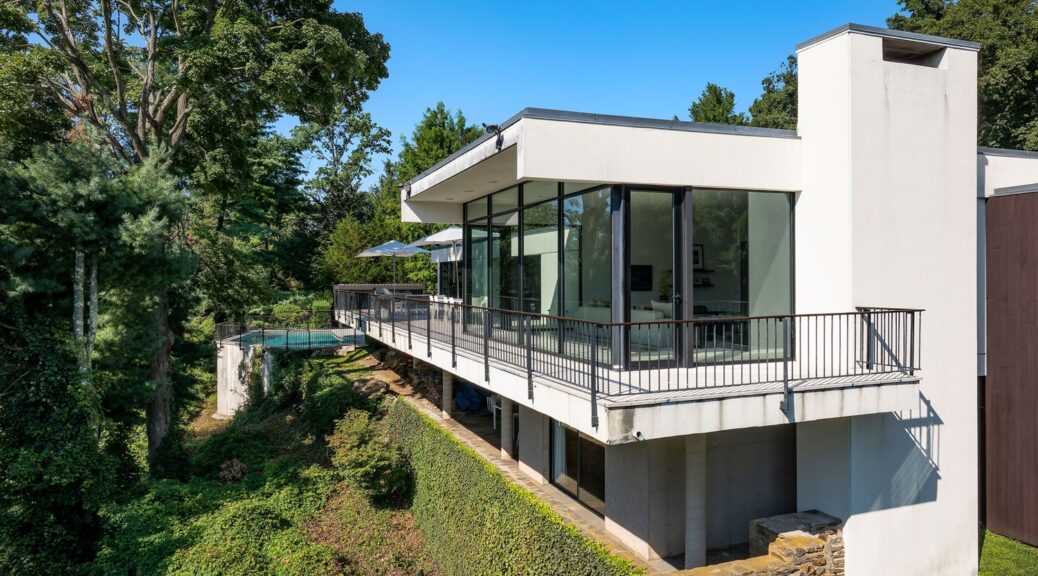
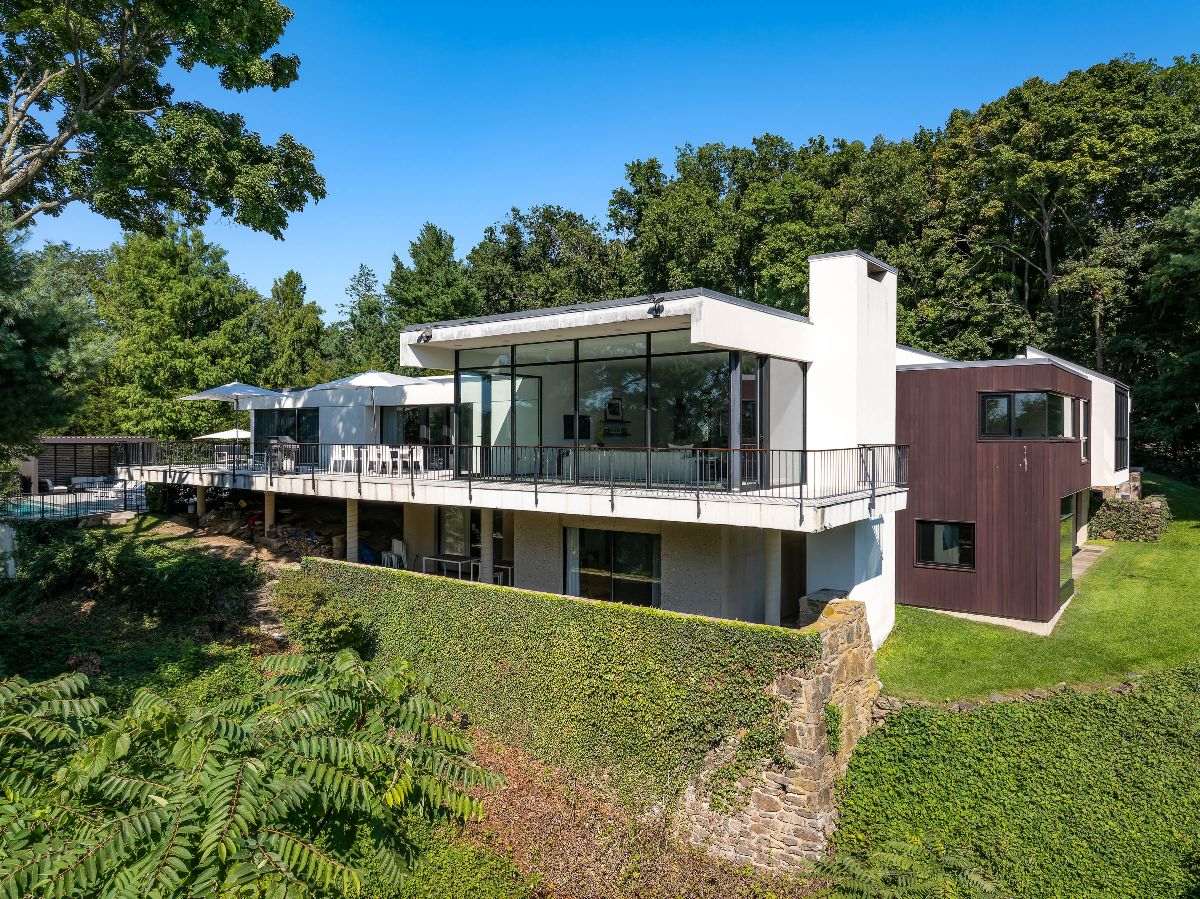
Yale School of Architecture’s Dean, Deborah Berke, is an accomplished and decorated architect. The founder of the TenBerke firm, she is responsible for such notable projects as the Residential Colleges at Princeton University, the Cummins Indy Distribution Headquarters, the Rockefeller Arts Center at SUNY Fredonia, the Yale School of Art in New Haven, Connecticut, and the 21c Museum Hotels across the South and Midwest. She is the winner of the Topaz Medallion, the highest honor for architectural education, the Berkeley-Rupp Prize at the University of California at Berkeley, which is given to an architect who has advanced the position of women in the profession, and the AIA Gold Medal Award for a lasting impact on the theory and practice of architecture. In 2014, the venerable architect completed a bespoke renovation of a stunning mid-century-modern home in Rye, NY, winning the 2015 Hudson Valley Design Award. That home has now hit the market for $4.95 million usd/ $6.89 million cad.

Originally built in 1969 by notable architect Milton Klein, the 6,500-square-foot residence is a classic California-style modern with the walls of glass, steel-frame construction, stark lines, and an open floor plan characteristic of the coveted aesthetic. As described in her book, House Rules: An Architect’s Guide to Modern Life, Berke was primarily inspired by nature in her home renovation, a philosophy in keeping with the ethos of the modern design movement. She chose materials like warm mahogany to act as a deep contrast to the concrete and stucco features. 

Signs That You Need A Drywall Repair

If you notice anything on your drywall that doesn’t seem right, then it may be time to contact a professional who can help you identify the problem and ensure everything is repaired properly. 

Here are signs that you need a drywall repair

Cracks and indentations in walls and ceilings

If you notice cracks and indentations in your home’s walls, ceilings, and floors, it could be a sign of bigger problems. Cracks are often caused by settling or shifting. When this happens over time (and it can happen very quickly), there’s usually nothing you can do but patch up the crack as best as possible before continuing with other repairs on your home.

The same goes for indentations—if they’re too deep or wide-spread to fix easily with paint or filler material like spackle (which is designed to fill holes), then they may indicate that something more serious has happened, like water damage from pipes breaking under pressure inside them; this would require professional help from professionals such as an inspector who inspects homes after major storms pass through an area, so he knows what kind of work needs doing before further progress takes place on any given project!

Sticking doors or windows

  • Check for loose hinges or screws: If your door is sticking, you might notice that the door has been sticking for a while. This could be because of loose hinges or screws on either side of the door.
  • Look for cracks in the frame: If there are cracks in your frame, they could cause your doors to stick. Look at them close up with a magnifying glass (if necessary). If they look damaged, consider having them fixed by a wall repair professional so that they don’t cause any more trouble later down the road!

Water stains on ceilings or walls

If you notice water stains on your ceiling or walls, it’s a sign of a leak in your home. Leaks can be caused by many different sources, including plumbing and roofing. If you have leaks on both sides of the wall, two leaks are likely happening at once—and both need to be fixed!

If you find that one side of an area has been affected by rainwater and condensation (from heating or cooling), contact an expert to help determine what needs fixing before further damage occurs.

Paint chips easily off drywall

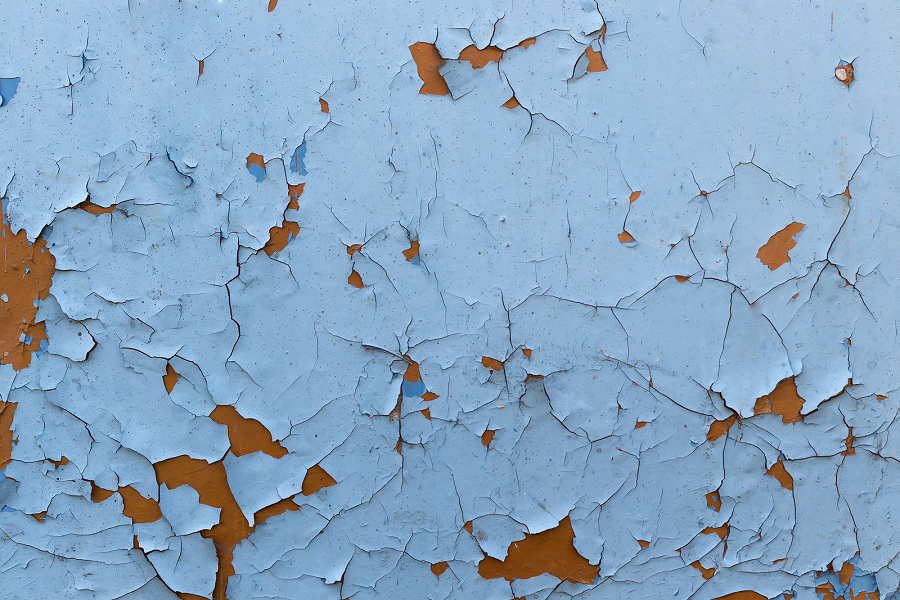
Chipping paint is a sign of drywall damage. If you notice that your paint chip easily, it’s time to call a professional. You don’t want to spend money on repairs when there are signs that could have been caught before the problem occurred.

If you have chipped walls or ceilings and wonder what caused them (and how long ago), pay attention! If the damage was caused by water seeping through cracks in the foundation or other parts of your house, then this is most likely the cause of your chipping paint problems—especially since ceiling panels tend to crack more than wall surfaces do due to their thicker construction material and weight distribution issues with hanging objects like lights fixtures and fans above them.”

Mold growth

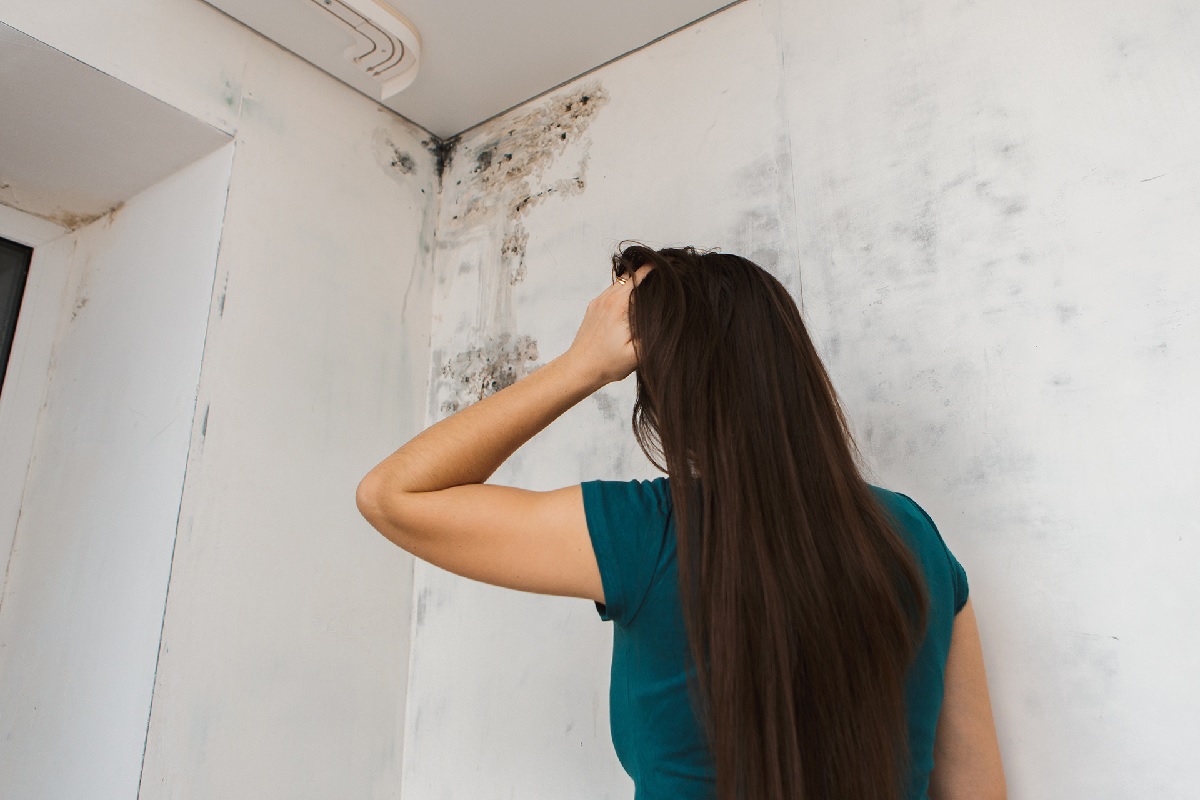
Mold growth is a sign of water damage. Water can seep in through the smallest crack and cause mold to grow. If you notice that your walls are covered in black or white spots, it could indicate that your drywall has been affected by mold.

Mold can spread easily because:

  • It grows very fast; within 24 hours, it may be two feet thick!
  • It’s resistant to many cleaning products and chemicals (soaps, detergents) that are designed for other purposes, such as cleaning up spills on kitchen countertops or floors where kids have been playing soccer all day long without any protection whatsoever; these products don’t work well against molds because they leave behind residues which support continued growth once again.

Drywall repairs are more complex than you may be tempted to think, and that’s why you need an experienced repair company to do the work. For the Silo, Anna Kendrick.

How Improper Tiling Will Wreak Havoc On Home Value & Your Health

ICYMI: Poorly installed tile can cause serious health issues due to mold, and significantly decrease  home values. Gregory Norman, founder of BathMasters, highlights the advantages of hiring a professional for tiling projects and encourages homeowners to resist cutting corners.

(Clearwater, FL) —The homeowner improvement and repair market reached $317 billion USD in 2017 alone and continued to hover around that mark right up to this year-even when factoring in Covid, (1) and the number of homeowners utilizing DIY and unlicensed contractors for renovations is also on the rise.

13% of all households undertook a bathroom remodel or replacement project in the past 5 years, and of those, 42% failed to use a licensed contractor.(2)

The risks associated with improper renovations—especially tiling—can not only slash a home’s value, but also prove hazardous for homeowners’ health, warns bathroom renovation company BathMasters.

When it comes to bathroom overhauls, homeowners are generally unprepared for surprises, such as mold or leaks that can be hiding inside walls and beneath floors.(3) Improper tiling performed by a homeowner or unlicensed contractor can inadvertently allow water to seep in, facilitating accumulation of mold spores and thereby causing serious damage to a homeowner’s house and personal health.(4) Per BathMasters founder, Greg Norman, statistics show that in all remodeling projects, tile showers are the number one botched renovation.

Norman says the room for error is vast; if the underside of the shower pan is not waterproofed, or the membrane going to the drain is improperly installed, costly leaks and mold can – and likely will – occur.

(3) And the risks are alarming: mold and water damage under shoddily-installed tiles can cause heightened asthma problems, skin rashes and even autoimmune diseases.(4) Per Norman, preserving health and the value of the home are invaluable to cutting corners on a renovation project.

“No home renovation project in the world is worth putting one’s health at risk,” said Norman. “Additionally, home renovations are intended to increase the value of a home; DIY projects or renovations done by unlicensed contractors run completely contrary to that.”

Although it may seem like homeowners can save money by not using a licensed contractor, even a small defect can significantly devalue a property. Most cities require homeowners to tear out walls, along with any ceramic wall tiles, if the renovation project wasn’t inspected by the city beforehand. Also, a home appraiser may not include a non permitted addition in the square footage for the home value, which could cost homeowners thousands of dollars.

When considering home renovation projects that include electrical work, plumbing jobs, tiling or knocking down walls, hiring a licensed contractor is key.” Norman went on to say that when hiring a contractor, homeowners need to do their homework by checking reviews and ensuring that permits are being pulled consistently.

“BathMasters regularly replaces showers that have been done incorrectly by unlicensed contractors, generally within five years of installation.

The company is dedicated to providing the highest quality work; as such, its team is equipped with specialized training from the Tile Council of North America in South Carolina, enabling its contractors to offer customers the highest standard of work for all bathroom renovations. For the Silo, Ashley Richardson.

About BathMasters:

BathMasters is a Virginia plumbing, electrical and building contractor with showrooms and warehouses in Northern Virginia and the Tampa Bay Area (Florida). BathMasters is rapidly expanding to meet the demand of its customers for high-quality, full-service bathroom renovations and tub-to-shower conversions built to withstand the test of time. With thousands of custom bathroom remodel jobs under its belt, BathMasters has become the premier choice for all bathroom renovation needs.

Co-founders and brothers Gregory and David Norman grew up in a family of masters: their father was a master plumber, and their uncles worked as a master electrician, master carpenter, and class A home builder. The Norman family legacy has always been about high-quality work, never cutting corners, and an unparalleled commitment to communication, honesty and integrity in their dealings with homeowners. It is this legacy that Gregory and David carry forward at BathMasters. Their mission is to improve the skill level of bathroom installers through their extensive workforce training programs, to the benefit of homeowners and the industry itself. Visit BathMastersVirginia.com and BathMastersFlorida.com.

  1. Donahue, Kerry. “STRONG AND STABLE GROWTH PREDICTED FOR HOME IMPROVEMENT AND REPAIR MARKET IN 2017.” Joint Center for Housing Studies. N.p., 19 Jan. 2017. Web.
  2. Webb, Craig. “Homeowners Hired Pros to Remodel 66% of Kitchens, 58% of Baths, NKBA Survey Finds.” Remodeling. N.p., 11 Jan. 2017. Web. 09 Mar. 2017.
  3. LaPonsie, Maryalene. “7 Reasons to Back Away From DIY Home Improvement Projects.” Money Talks News. N.p., 22 Apr. 2015. Web. 28 Feb. 2017.
  4. Is Your Home a Death Trap? How Mold Affects Your Health and Your Home’s Value. N.p., n.d. Web.