When designing the Great Seal of the United States, the Founding Fathers wanted a symbol to convey the strength and independence of the new nation. So they chose the bald eagle.
On the seal — used to authenticate treaties and other official documents — the white-crowned eagle clutches an olive branch (representing peace) in one talon and arrows (representing war) in the other. The eagle faces the olive branch, symbolizing America’s preference for peace.
After the adoption of the seal on June 20, 1782, the bald eagle quickly spread through American culture as a symbol of freedom, patriotism and power , says Preston Cook, a collector of eagle memorabilia and author of American Eagle: A Visual History of Our National Emblem.
The majestic bird, with a wingspan of 1.8 to 2.3 meters (6 feet to 7.5 feet), can spot prey 5 kilometers (3 miles) away, making it a match for a country of natural grandeur and vast, wild landscapes.
The bald eagle has become a decorative motif for everything from furniture and textiles to metalwork. U.S. gold coins have been known as eagles since 1795. Eagle-inspired hood ornaments adorned classic American cars of the 1930s through the 1950s. Philadelphia, which served as the first U.S. capital, has adopted the eagle as its professional football team’s mascot.
Eagles have symbolized power since ancient times, when Roman legions decorated their battle flags with images of the raptors. The Founding Fathers chose the bald eagle to represent their nation because the bird is indigenous to North America, according to Jack E. Davis, author of The Bald Eagle: The Improbable Journey of America’s Bird. But by the 20th century, bald eagles’ numbers in the wild had declined from habitat loss, illegal hunting and the pesticide DDT.
Conservation measures, including the U.S. government’s 1972 DDT ban, increased bald eagle populations. The species was removed from the endangered species list in 2007 and now lives in every U.S. state except Hawaii and in many areas of Canada as well.
The National Eagle Center , located in Wabasha, Minnesota, showcases bald eagles and highlights their connection to American values of freedom and courage. Visitors can meet live birds and, in the summer, take river cruises to spot bald eagles in their natural habitat.
Cook, the collector, donated some 40,000 eagle-related items to the National Eagle Center, including a drum from the U.S. Civil War painted with a bald eagle.
Eagle art on a Civil War drum (Courtesy of National Eagle Center)
After years of researching the bald eagle’s ties to American culture, Cook was surprised to learn the bird had never been officially recognized as a national symbol.
Members of the U.S. Congress from his home state of Minnesota offered legislation he drafted to make the bald eagle the U.S. national bird. In December 2024, Congress unanimously passed the bill and it was signed into law.
Cook continues working with the National Eagle Center and with curator Alex Lien on bald eagle exhibits. The center is planning a new educational exhibit for the United States’ 250th anniversary in 2026.
Eagles, especially bald eagles, “are in every aspect of American culture throughout the past 250 years,” Lien
For the Silo, Lauren Monsen/ShareAmerica. Featured image via State Dept./S. Gemeny Wilkinson.
It’s been 44 years since Save the Manatee Club was created by Jimmy Buffett, the renowned singer/songwriter, and former Florida Governor and U.S. Senator, Bob Graham, to raise public awareness about the threats to manatees and their aquatic habitat. With support from you, we can continue to make a big difference.
Even Florida Congressman Buchanan has been working hard to ensure that Manatees remain on the endangered species list-
———————————————————————————————————————————-
Buchanan Files Formal Protest to Manatee “Survival” Plan
WASHINGTON – In a formal objection letter sent today to the U.S. Fish and Wildlife Service, Congressman Vern Buchanan, R-FL, urged the agency to withdraw its plan to strip the manatee of the highest protection afforded under the Endangered Species Act.
The public comment period on the agency’s proposal opened Jan. 7 and closes this Thursday.
Buchanan’s letter is a formal challenge to the proposed downgrading of the manatee from “endangered” to “threatened” under the Endangered Species Act (ESA).
The manatee has been listed as an endangered species since 1966.
Buchanan expressed his strong opposition, noting that the agency’s analysis is based on outdated information. Buchanan pointed to the FWS’s failure to take into account manatee deaths since 2012, as well as the unpredictable nature of threats facing these creatures. He noted that 16% of the Florida manatee population died in 2013 as a result of a massive bloom of red tide algae as well as a mysterious ailment that killed a number of manatees along the state’s east coast.
“I’m concerned that weakening protections will lead to a decline in the manatee population,” Buchanan said. “Manatees are iconic residents of Florida. We should be doing all we can to ensure the survival of these gentle giants.”
Buchanan has previously written to the Fish and Wildlife Service to emphasize that any push to weaken protections for the manatee would be “misguided and premature.” In 2014, following a three-year period in which 1,600 manatees died of cold weather or red tide, Buchanan called on FWS to maintain federal protections for manatees.
Manatees face a variety of threats to their existence, including watercraft collisions, habitat loss and red tide. Additionally, the warm water springs manatees depend on during the winter months for survival are disappearing.
Buchanan also noted that the FWS underestimates the negative consequences that a downlisting will have on importantprotections that have helped limit manatee deaths. Despite the agency’s assertion that a downlisting would not affect federal protections for the manatee, Buchanan noted the plan is “already exposing dangers” and that a move from endangered to threatened could cause a broader reassessment of state and local protections for the animals.
Just days after the proposed rule was announced, the Brevard County commissioners approved a resolution requesting that the Florida Legislature review slow-speed zones currently in place for boats and called for a reconsideration of the state’s Manatee Sanctuary Act, which established protections for manatees and their habitats in several counties, including Sarasota and Manatee.
“The manatee population has started to rebound because of the protections put in place by the Endangered Species Act,” Buchanan said. “But based on the data provided, it’s clear that we can’t assume that manatees are safe – so I’m urging caution.”
Full text of Buchanan’s letter below:
The Hon. Daniel Ashe
Director
U.S. Fish and Wildlife Service
Department of Interior
1849 C St. NW, Room 3359
Washington, D.C. 20240
Dear Director Ashe:
I write in strong opposition to the U.S. Fish and Wildlife Service’s (the Service) proposal to downlist the West Indian manatee under the Endangered Species Act (ESA) from endangered to threatened status. This decision is based on outdated information and underestimates the effect that a downlisting will have on protections that have helped limit manatee deaths. As a result, I urge you to withdraw this proposed rule.
Manatees are special for many Floridians. In addition to being the state’s official marine mammal an entire county – which I represent – is named after these gentle giants.
Just 25 years ago, there were barely over 1,000 manatees in the state of Florida. That number is now estimated to be around 6,000. The Service points to this as good news and rightfully credits the species’ listing as endangered under the ESA for this increase. The ESA has worked to help manatees overcome multiple threats to their existence. These challenges are not static, nor are they predictable. The Service should be taking a precautionary approach when it comes to the recovery of the manatee, and in light of the following concerns, the Service should withdraw its down listing proposal and retain the manatees’ endangered status.
The basis for the Service’s proposal to reduce the status of manatees is said to be an analysis of the population’s viability. It is cited in the proposal as “Runge, 2015.” However, the Service’s proposal acknowledges that this analysis contains outdated data and information. For example, adult survival rates are based on data only through the winter of 2008-2009 and, elsewhere, the most recent information cited in the report is from 2011-2012.
Since the years used in the analysis, manatees have suffered a catastrophic die-off in the Indian River Lagoon that the U.S. Geological Service Representatives have stated cost the lives of five percent of the manatees on the U.S. east coast. During that same time, toxic algae (red tide) killed a record number of manatees on the state’s west coast. According to the Florida Fish and Wildlife Research Institute, the statewide death toll of manatees was 803 as of 2013; or around 16 percent of the state’s entire population. Yet none of this information was considered in the Service’s outdated analysis.
In addition, in its analysis, the Service assumes that the current level of mortality in each category (e.g., watercraft collisions, cold stress, red tide, etc.) will stay approximately the same indefinitely. However, this is unlikely. The likelihood of deaths from both red tide events and from unknown pathogens has not been adequately analyzed when projecting the future for manatees. Additionally, as noted by the Service itself, there will be a continued loss of artificial sources of warm water in the winter and, as a result, manatees in the Southwest and Northeast regions of the state will show “long-term decline” as a result of the loss of these warm water winter refuges.
In its January 6, 2016 press release, the Service stated that “[t]he proposal to down list the manatee to threatened will not affect federal protections currently afforded by the ESA.” If all protections will remain the same, it is not apparent that a change in the listing status is necessary. In fact, down listing the manatee may open the door to future erosions of protections for these unique animals.
The Service cites the existence of federal and state laws such as the Marine Mammal Protection Act and Florida Manatee Sanctuary Act as sufficient in providing the animals with the protections they need. Yet there is no guarantee that such other laws will remain in place to protect the species even if manatees are downlisted under the ESA.
Approximately fifty manatee protection areas are set up by federal, local, and industry leaders and many of these areas or their protective restrictions can be altered or removed if a downlisting goes forward. For example, despite the Service stating in its proposal that on the east coast of Florida “watercraft-related mortality is the major threat to this population,” five days after the proposed reduction in protections, the Brevard County commissioners approved a resolution requesting that the Florida Legislature review slow-speed zones for boats to determine whether they are effective or still necessary. The resolution also called for reconsidering the need for the Manatee Sanctuary Act, stating that it has “become a hindrance to effective manatee management.”
Manatees are iconic residents of Florida. Their presence drives a robust tourist industry.
Their unhurried progress in my state’s waters is a reminder to us all to slow down and appreciate the world around us. Manatees deserve better than a premature determination that they have recovered when so many threats still face them and cloud our understanding of their future. I urge continued endangered status for manatees under the ESA, and ask you to immediately withdraw the Service’s proposal to downlist manatees to threatened status.
——————————————————————————————————————————————–
Save the Manatee Club is an international nonprofit organization. Funds from our adoption program go toward emergency rescue response for sick and injured manatees, and for waterway signage, public awareness and education, research and more. Read about our manatee conservation efforts at: savethemanatee.org/smcinfo.
Ontario Government Strips 106 Species at Risk of all Provincial Recognition
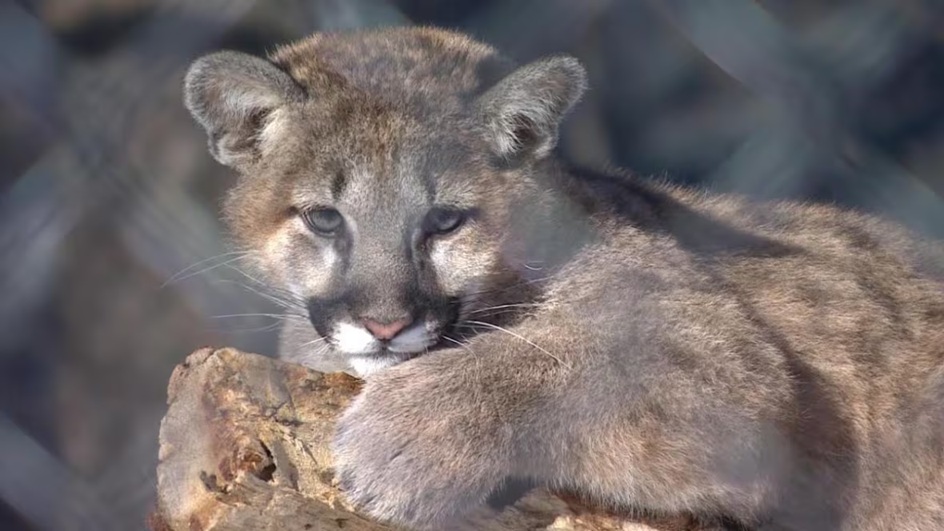
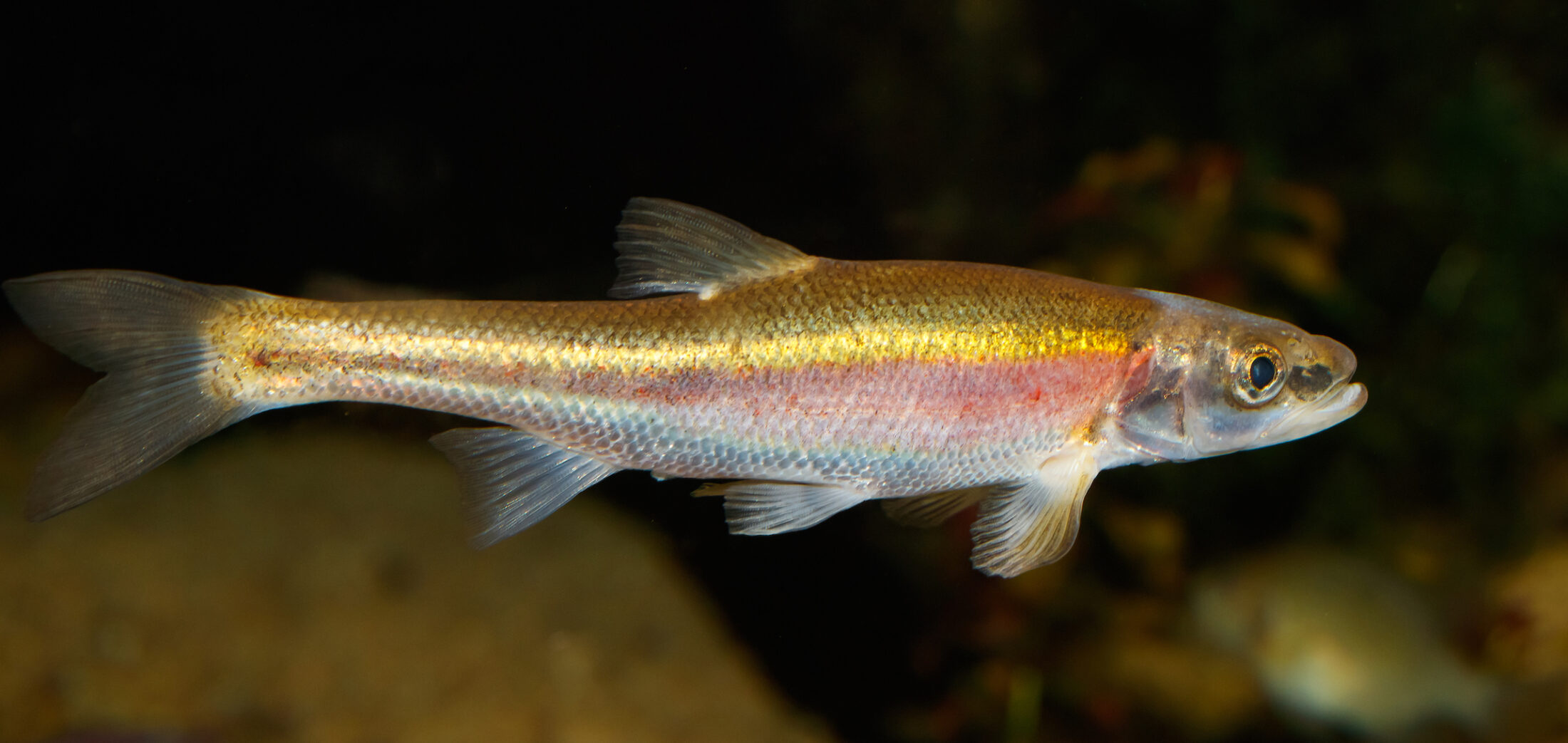
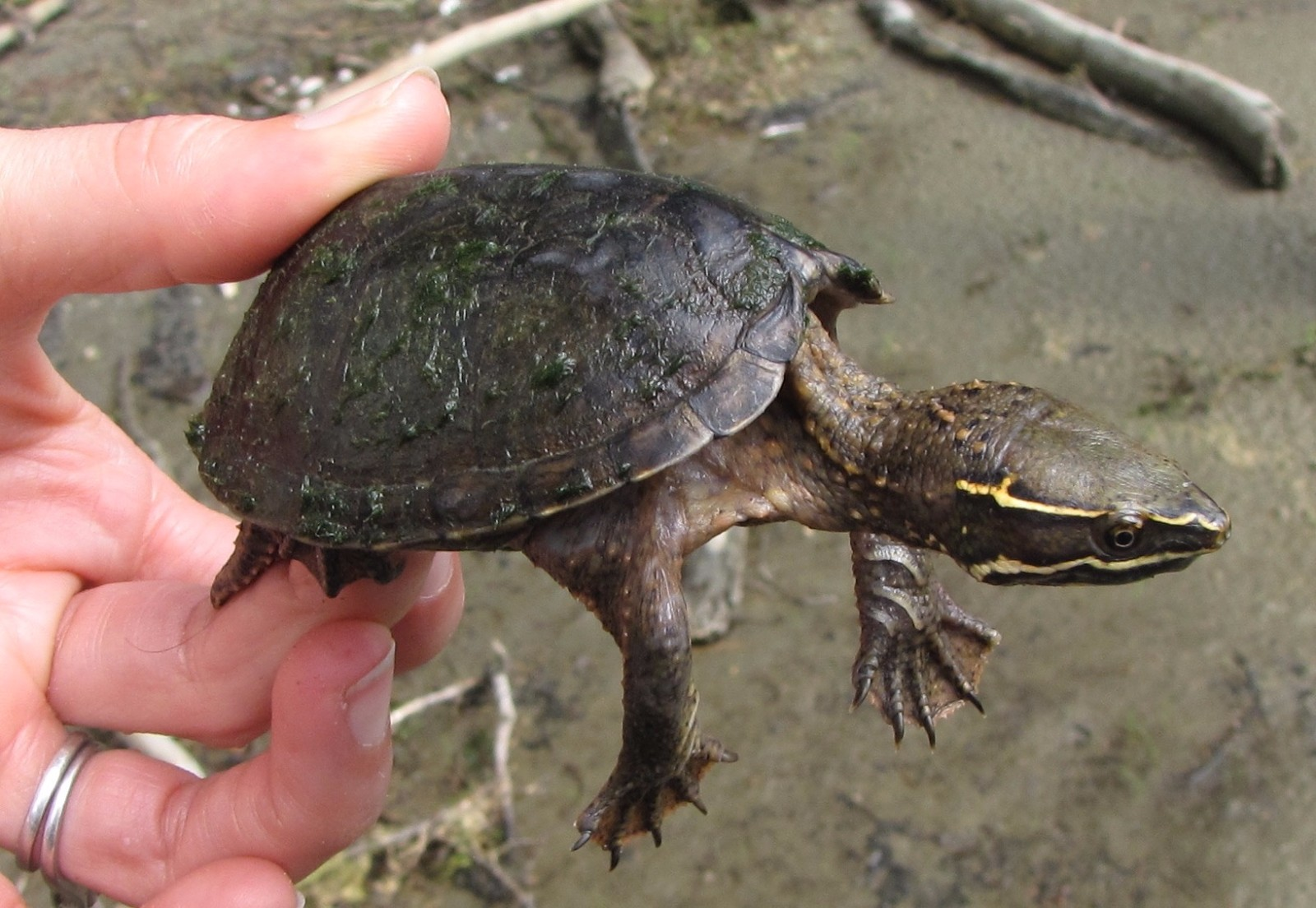
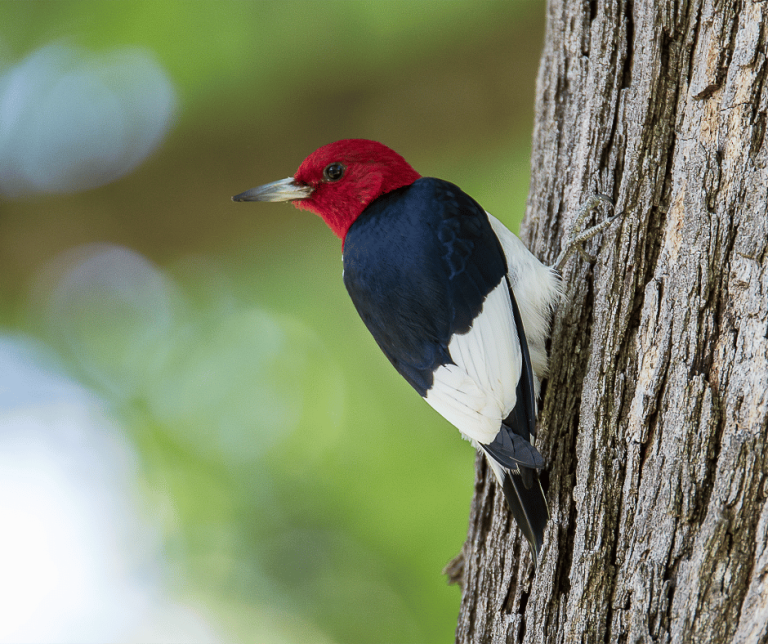
Late last week, it was announced that the Ontario government will cease to recognize more than 106 different species at risk, ranging from the Eastern Mole, Eastern Musk Turtle and Cougars, to the endangered Red Side Dace and Red-Headed Woodpecker. This is directly related to the passing of Bill 5 six months ago.
Do you disagree with this decision?
There’s still time to make comments on the amendments to the Species Conservation Act, 2025 on the Environmental Registry of Ontario. The commenting period is open until November 16.
Statement from Phil Pothen, Counsel and Ontario Environment Program Manager, and Rebecca Kolarich, Water Program Manager
Toronto | Traditional territories of the Mississaugas of the Credit, the Anishinaabeg, the Haudenosaunee, and the Wendat – Nearly 4 months after Progressive Conservative MPPs forced approval of a law that will repeal Ontario’s Endangered Species Act, the Ontario government is confirming experts’ gravest warnings about what it will mean for at-risk plants and wildlife. The Ontario government has announced that once the law comes into force, it will cease even to recognize more than 106 different species at risk, ranging from the Eastern Mole, Eastern Musk Turtle and Cougars, to the endangered Redside Dace, and Red-headed Woodpecker.
This decision should light a fire under the federal government to strictly enforce the existing federal Species at Risk Act and existing habitat protection orders in Ontario, but also to expand and broaden federal protections and monitoring. Federal protections will now be the only real protection for many habitats. In particular, because the Ontario government will remove all provincial recognition of endangered and threatened birds and fish, the government of Canada should issue emergency protection orders that extend to all species and habitats previously protected provincial habitat regulations and the Ontario Species at Risk list.
The Ontario government also intends to remove all recognition of species that are currently recognized as being of “special concern” and monitored due to their susceptibility to identified threats. This means that federal agencies will step up their monitoring of these species’ federal jurisdiction.
Premier Ford has shown a pattern of constantly prioritizing his developer friends and unnecessary projects over wildlife and nature. The federal government must not do the same. Now more than ever, it is crucial that the federal government uphold and enforce the appropriate federal laws and deny the approval of permits that would allow harmful development projects to destroy critical habitat. For the Silo, Tim Gray/Environmental Defence.
ABOUT ENVIRONMENTAL DEFENCE (environmentaldefence.ca): Environmental Defence is a leading Canadian environmental advocacy organization that works with government, industry and individuals to defend clean water, a safe climate and healthy communities.
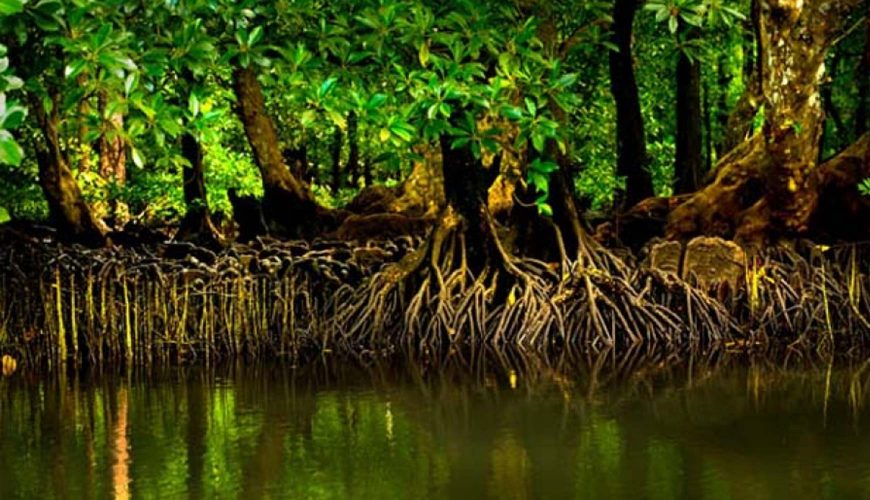
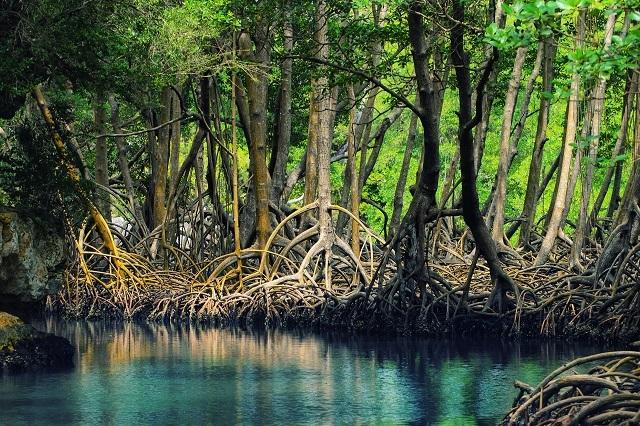
Mangroves are disappearing at an alarming rate, with conservationists across the Commonwealth striving to save them from local extinction.
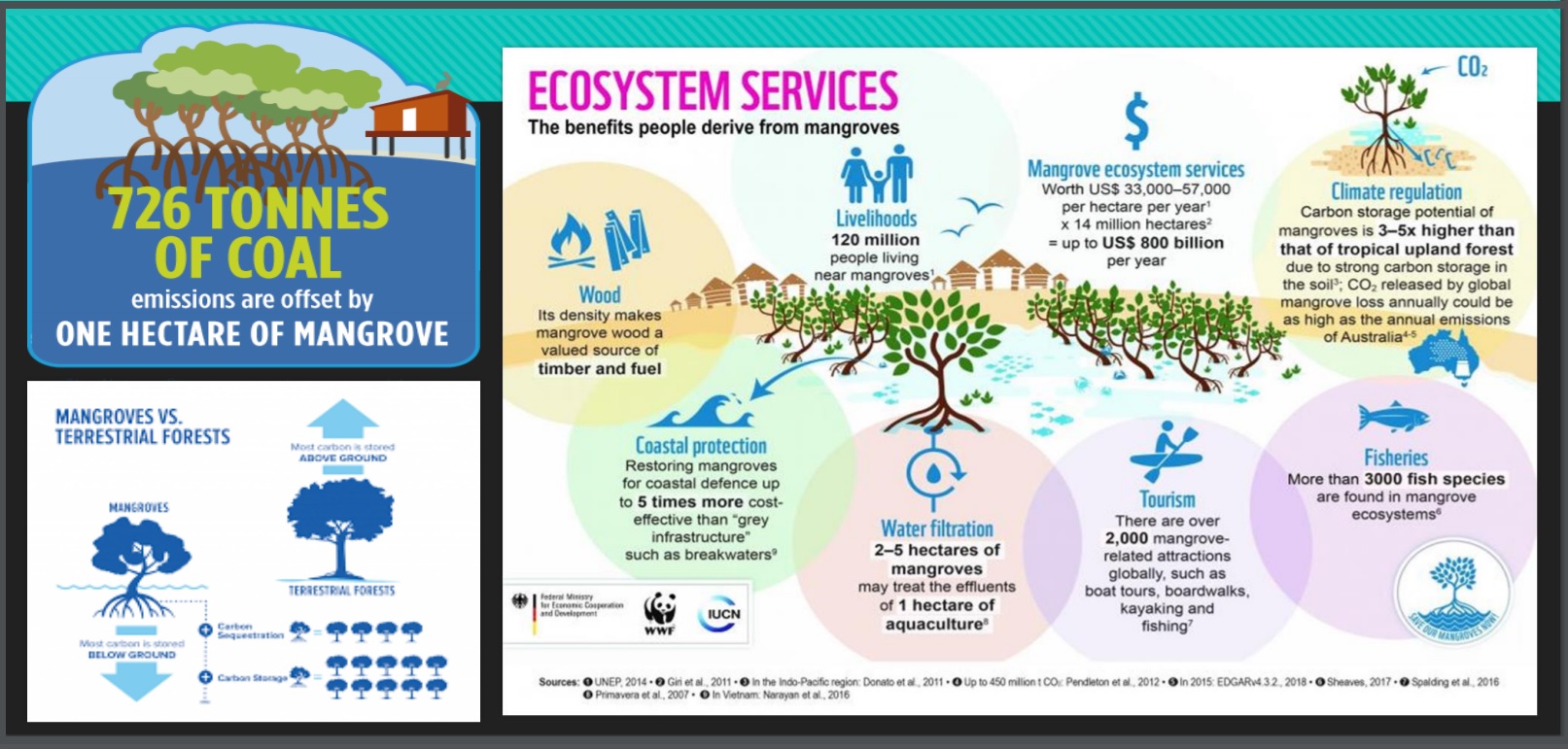
These nearshore forests that straddle land and sea provide a range of vital services to both humans and fish, such as coastal protection.
In a recent webinar organized by the Commonwealth Secretariat to mark World Mangrove Day , scientists and policy experts discussed how to “unlock” the wealth of mangroves, by regenerating these extraordinary ecosystems.
Rare ecosystems
Hasanthi Dissanayake, Director of Ocean Affairs, Environment and Climate Change at the Ministry of Foreign Relations of Sri Lanka, set the scene: “Mangroves are rare ecosystems that support the rich biodiversity and provide a valuable nursery for fish and crustaceans. There is a range of livelihoods connected to mangroves, ranging from fisheries to tourism.
“They also act as form of natural coastal defence against tsunamis, rising sea levels, storm surges and erosion. Their soils are highly effective carbon sinks, sequestering vast amounts of carbon.”
Despite their ecological and economic value, mangroves are perishing at least three to five times faster than overall global forests. Half of the world’s mangroves have already been lost over the last 50 years due to human activity such as coastal development and pollution.
Reversing this decline has not been easy and is one of the main focus areas of the Commonwealth Blue Charter – an agreement by 54 countries to actively work together to solve some of the world’s most pressing ocean issues.
Case studies, lessons learned
During the webinar, experts shared their experiences in preserving and regenerating mangroves around the world.
Rahanna Juman, Deputy Director at the Institute of Marine Affairs in Trinidad and Tobago cited a mangrove-replanting project in an area that had been cleared to construct a pipeline. To bring back the mangroves, her team first restored the natural topography and flow of water to the area, then replanted more than 260 seedlings.
However, very few survived in comparison to mangroves that naturally recolonised the area, once it was back to the original environmental conditions. Dr Juman advised: “Mangrove planting should be the last option”.
Achini Fernando, a specialist at Sri Lanka’s Marine Environment Protection Authority, showed how “rapid assessing techniques” can be used to map species diversity as well as vulnerability of mangroves.
She added that this leads to better decisions on eco-tourism plans in Sri Lanka, saying: “Scientific data forms the foundation for good management.”
Leah Glass, global lead on mangroves from Blue Ventures, explained how her organization is working with the UK Government to empower coastal communities to manage mangroves in a way that also fights climate change.
This is done by placing a monetary value on the carbon stored by mangroves and selling these “carbon credits” to global buyers who want to make a positive impact on the environment. The returns are then used to fund community-led mangrove conservation, restoration and management.
Judith Okello, an ecologist from Kenya’s Marine and Fisheries Research Institute, echoed the importance of engaging local communities. In her research, local actors have been a key source of information to guide mangrove restoration work.
Collaboration
The Commonwealth Blue Charter lead at the Commonwealth Secretariat, Jeff Ardron, welcomed the insights shared by panellists, and encouraged countries, partner agencies, and all interested to further collaborate through the Blue Charter Action Group focused on mangroves.
He said: “The work Commonwealth Blue Charter is driven by 10 action groups, led or co-led by 13 champion countries. These action groups are valuable platforms to share experiences, strategies and best practices – both what works and what doesn’t – to make country actions more effective.”
Up to 15,000 dolphins are being killed every year in Peru’s waters — for bait to catch endangered sharks. A new report has forced the government to respond but they’re not taking enough action yet and meanwhile the dolphins and the sharks are being killed. We can stop the massacre by threatening Peru’s international reputation as a tourism destination. Sign now and share:
I just saw a report on the news in Peru showing how fishermen are slaughtering up to 15,000 dolphins every year — for bait to catch endangered sharks. The entire story made me sick — and now I’m fighting to end this nightmare.
My government is starting to react, but they’re not taking enough action yet. Dolphin hunting is already illegal and punishable with several years in prison, but authorities are turning a blind eye — allowing thousands of dolphins and sharks to be butchered. The government cares a lot about Peru’s international reputation, especially for tourism, and if we can make them feel embarrassed with a massive global campaign, I’m sure they’ll start taking action to end the massacre.
Once I deliver a million signatures from all over the world to the government of Peru,Avaaz will place ads in tourism magazines in countries where most of our tourists come from and the government won’t be able to ignore us! Help me stop the brutal slaughter by signing now:
When I saw this horrific hunt I realised I needed to do something about it before our dolphins and sharks are gone forever. So I decided to set up a petition and shared it with my friends and in less than 24 hours over 10,000 people had signed it!
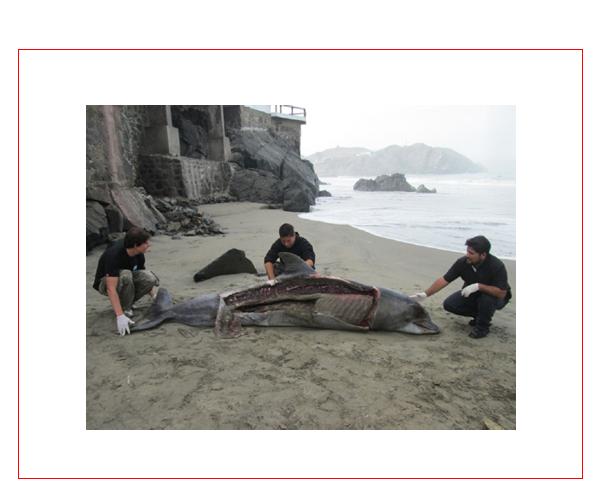
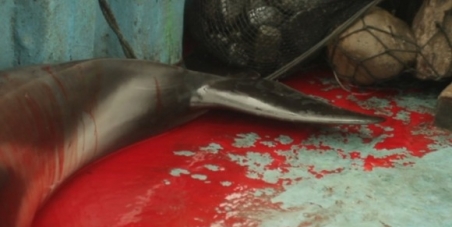
Partially butchered Dolphin, found on Bujama beach on 1.24.13 image: bluevoice.org
Our oceans are under attack. Sharks and dolphins already face threats from pollution, climate change and entanglement in fishing gear. They play an important role as ocean predators and need to be protected — not butchered. Many marine ecosystems are on the verge of collapse from which they won’t recover and they will not wait while our politicians dither around making empty statements.
Tourism is Peru’s third largest industry, growing faster than any other South American country. Visitors are coming to see our pristine wilderness and eco-tourism is very important. We can create a serious threat by taking out hard-hitting ads in key countries where most visitors are coming from. Our government will realise people not only love our country because of the Machu Picchu and local gastronomy but also because they love our oceans and wildlife. Sign now and share this with everyone:
As an Avaaz member I’ve been truly amazed at our ability to help protect our oceans. At first, I wanted to get 15,000 signatures to represent the 15,000 dolphins that are killed every year but together we can represent all the dolphins and the sharks that can be saved in Peru’s waters!
With hope and excitement,
Zoe — together with the Avaaz Community Petitions Team



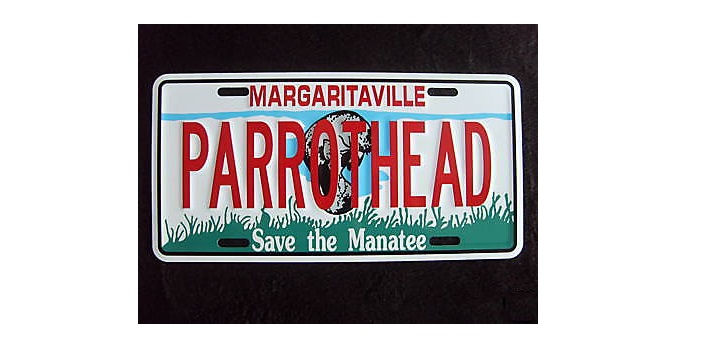
 It’s been 44 years since Save the Manatee Club was created by Jimmy Buffett, the renowned singer/songwriter, and former Florida Governor and U.S. Senator, Bob Graham, to raise public awareness about the threats to manatees and their aquatic habitat. With support from you, we can continue to make a big difference.
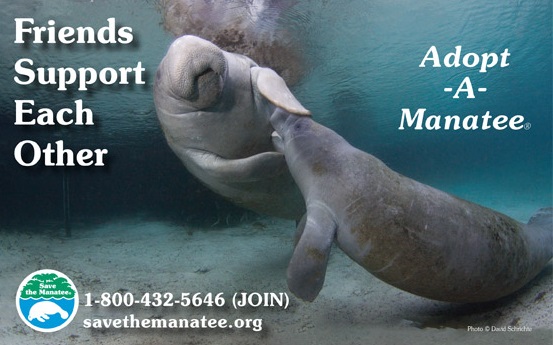 The manatee has been listed as an endangered species since 1966.
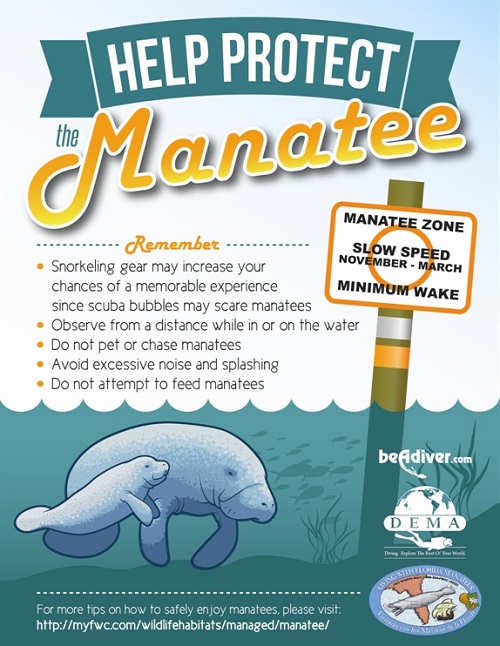 Buchanan has previously written to the Fish and Wildlife Service to emphasize that any push to weaken protections for the manatee would be “misguided and premature.” In 2014, following a three-year period in which 1,600 manatees died of cold weather or red tide, Buchanan called on FWS to maintain federal protections for manatees.