Tag Archives: Diving

44 Years Of Marine Protection With Jimmy Buffett Save the Manatee Club

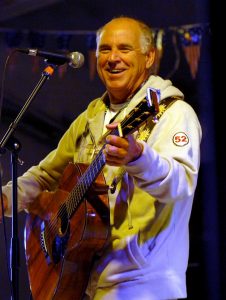
Jimmy BuffettIt’s been 44 years since Save the Manatee Club was created by Jimmy Buffett, the renowned singer/songwriter, and former Florida Governor and U.S. Senator, Bob Graham, to raise public awareness about the threats to manatees and their aquatic habitat.  With support from you, we can continue to make a big difference.

Even Florida Congressman Buchanan has been working hard to ensure that Manatees remain on the endangered species list-

———————————————————————————————————————————-

Buchanan Files Formal Protest to Manatee “Survival” Plan

Save The Manatee Club Ribbon

WASHINGTON – In a formal objection letter sent today to the U.S. Fish and Wildlife Service, Congressman Vern Buchanan, R-FL, urged the agency to withdraw its plan to strip the manatee of the highest protection afforded under the Endangered Species Act.

The public comment period on the agency’s proposal opened Jan. 7 and closes this Thursday.

Buchanan’s letter is a formal challenge to the proposed downgrading of the manatee from “endangered” to “threatened” under the Endangered Species Act (ESA).

Adopt A Manatee Club May2016The manatee has been listed as an endangered species since 1966.

Buchanan expressed his strong opposition, noting that the agency’s analysis is based on outdated information. Buchanan pointed to the FWS’s failure to take into account manatee deaths since 2012, as well as the unpredictable nature of threats facing these creatures. He noted that 16% of the Florida manatee population died in 2013 as a result of a massive bloom of red tide algae as well as a mysterious ailment that killed a number of manatees along the state’s east coast.

“I’m concerned that weakening protections will lead to a decline in the manatee population,” Buchanan said. “Manatees are iconic residents of Florida. We should be doing all we can to ensure the survival of these gentle giants.”
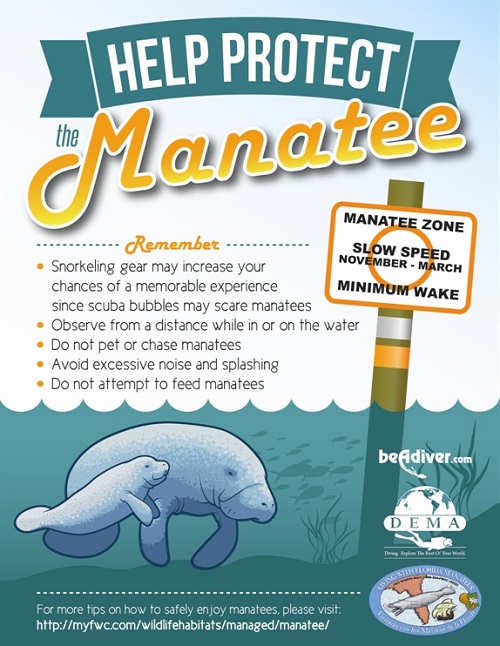
Help Protect Manatee Be A Diver Dot ComBuchanan has previously written to the Fish and Wildlife Service to emphasize that any push to weaken protections for the manatee would be “misguided and premature.” In 2014, following a three-year period in which 1,600 manatees died of cold weather or red tide, Buchanan called on FWS to maintain federal protections for manatees.

Manatees face a variety of threats to their existence, including watercraft collisions, habitat loss and red tide. Additionally, the warm water springs manatees depend on during the winter months for survival are disappearing.

Buchanan also noted that the FWS underestimates the negative consequences that a downlisting will have on importantprotections that have helped limit manatee deaths. Despite the agency’s assertion that a downlisting would not affect federal protections for the manatee, Buchanan noted the plan is “already exposing dangers” and that a move from endangered to threatened could cause a broader reassessment of state and local protections for the animals.
Just days after the proposed rule was announced, the Brevard County commissioners approved a resolution requesting that the Florida Legislature review slow-speed zones currently in place for boats and called for a reconsideration of the state’s Manatee Sanctuary Act, which established protections for manatees and their habitats in several counties, including Sarasota and Manatee.

“The manatee population has started to rebound because of the protections put in place by the Endangered Species Act,” Buchanan said. “But based on the data provided, it’s clear that we can’t assume that manatees are safe – so I’m urging caution.”

Full text of Buchanan’s letter below:

The Hon. Daniel Ashe
Director
U.S. Fish and Wildlife Service
Department of Interior
1849 C St. NW, Room 3359
Washington, D.C. 20240

Dear Director Ashe:

I write in strong opposition to the U.S. Fish and Wildlife Service’s (the Service) proposal to downlist the West Indian manatee under the Endangered Species Act (ESA) from endangered to threatened status. This decision is based on outdated information and underestimates the effect that a downlisting will have on protections that have helped limit manatee deaths. As a result, I urge you to withdraw this proposed rule.

Manatees are special for many Floridians. In addition to being the state’s official marine mammal an entire county – which I represent – is named after these gentle giants.

Just 25 years ago, there were barely over 1,000 manatees in the state of Florida. That number is now estimated to be around 6,000. The Service points to this as good news and rightfully credits the species’ listing as endangered under the ESA for this increase. The ESA has worked to help manatees overcome multiple threats to their existence. These challenges are not static, nor are they predictable. The Service should be taking a precautionary approach when it comes to the recovery of the manatee, and in light of the following concerns, the Service should withdraw its down listing proposal and retain the manatees’ endangered status.

The basis for the Service’s proposal to reduce the status of manatees is said to be an analysis of the population’s viability. It is cited in the proposal as “Runge, 2015.” However, the Service’s proposal acknowledges that this analysis contains outdated data and information. For example, adult survival rates are based on data only through the winter of 2008-2009 and, elsewhere, the most recent information cited in the report is from 2011-2012.

Since the years used in the analysis, manatees have suffered a catastrophic die-off in the Indian River Lagoon that the U.S. Geological Service Representatives have stated cost the lives of five percent of the manatees on the U.S. east coast. During that same time, toxic algae (red tide) killed a record number of manatees on the state’s west coast. According to the Florida Fish and Wildlife Research Institute, the statewide death toll of manatees was 803 as of 2013; or around 16 percent of the state’s entire population. Yet none of this information was considered in the Service’s outdated analysis.

In addition, in its analysis, the Service assumes that the current level of mortality in each category (e.g., watercraft collisions, cold stress, red tide, etc.) will stay approximately the same indefinitely. However, this is unlikely. The likelihood of deaths from both red tide events and from unknown pathogens has not been adequately analyzed when projecting the future for manatees. Additionally, as noted by the Service itself, there will be a continued loss of artificial sources of warm water in the winter and, as a result, manatees in the Southwest and Northeast regions of the state will show “long-term decline” as a result of the loss of these warm water winter refuges.

In its January 6, 2016 press release, the Service stated that “[t]he proposal to down list the manatee to threatened will not affect federal protections currently afforded by the ESA.” If all protections will remain the same, it is not apparent that a change in the listing status is necessary. In fact, down listing the manatee may open the door to future erosions of protections for these unique animals.

The Service cites the existence of federal and state laws such as the Marine Mammal Protection Act and Florida Manatee Sanctuary Act as sufficient in providing the animals with the protections they need. Yet there is no guarantee that such other laws will remain in place to protect the species even if manatees are downlisted under the ESA.

Approximately fifty manatee protection areas are set up by federal, local, and industry leaders and many of these areas or their protective restrictions can be altered or removed if a downlisting goes forward. For example, despite the Service stating in its proposal that on the east coast of Florida “watercraft-related mortality is the major threat to this population,” five days after the proposed reduction in protections, the Brevard County commissioners approved a resolution requesting that the Florida Legislature review slow-speed zones for boats to determine whether they are effective or still necessary. The resolution also called for reconsidering the need for the Manatee Sanctuary Act, stating that it has “become a hindrance to effective manatee management.”

Manatees are iconic residents of Florida. Their presence drives a robust tourist industry.

Their unhurried progress in my state’s waters is a reminder to us all to slow down and appreciate the world around us. Manatees deserve better than a premature determination that they have recovered when so many threats still face them and cloud our understanding of their future. I urge continued endangered status for manatees under the ESA, and ask you to immediately withdraw the Service’s proposal to downlist manatees to threatened status.

——————————————————————————————————————————————–

Save the Manatee Club is an international nonprofit organization.  Funds from our adoption program go toward emergency rescue response for sick and injured manatees, and for waterway signage, public awareness and education, research and more.  Read about our manatee conservation efforts at: savethemanatee.org/smcinfo.

Thank you!

For the Silo and the  manatees, Janice Nearing

Adopt-A-Manatee!  Go to www.savethemanatee.org/adoptpag.htm

What Makes A Gas Mask A Great Gas Mask?

Sometimes great things can come from unexpected places. When our friends at kommandostore.com were hit up by an Italian scuba diving company for CBRN-Rated Gas Masks a few years back, they were very intrigued.
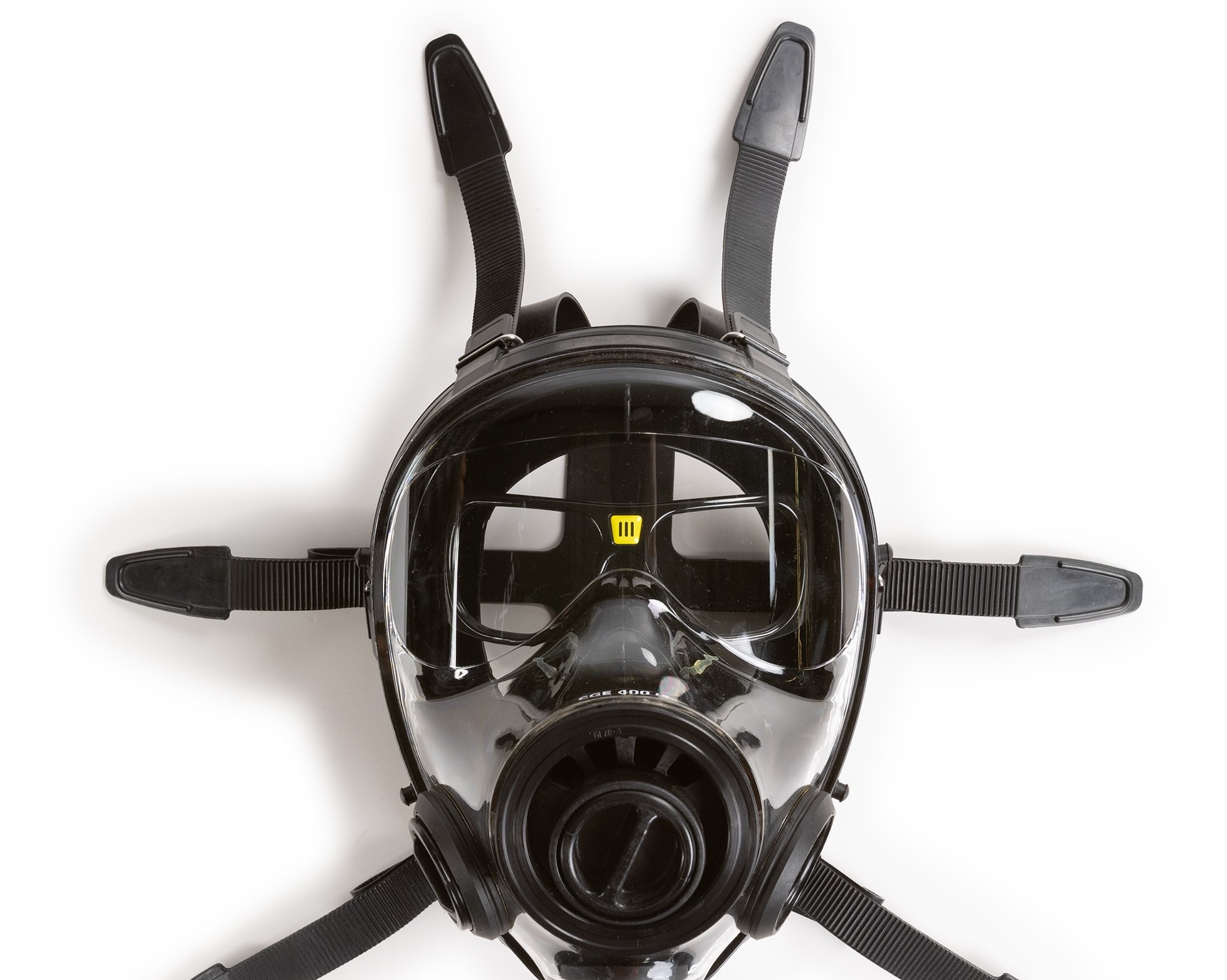
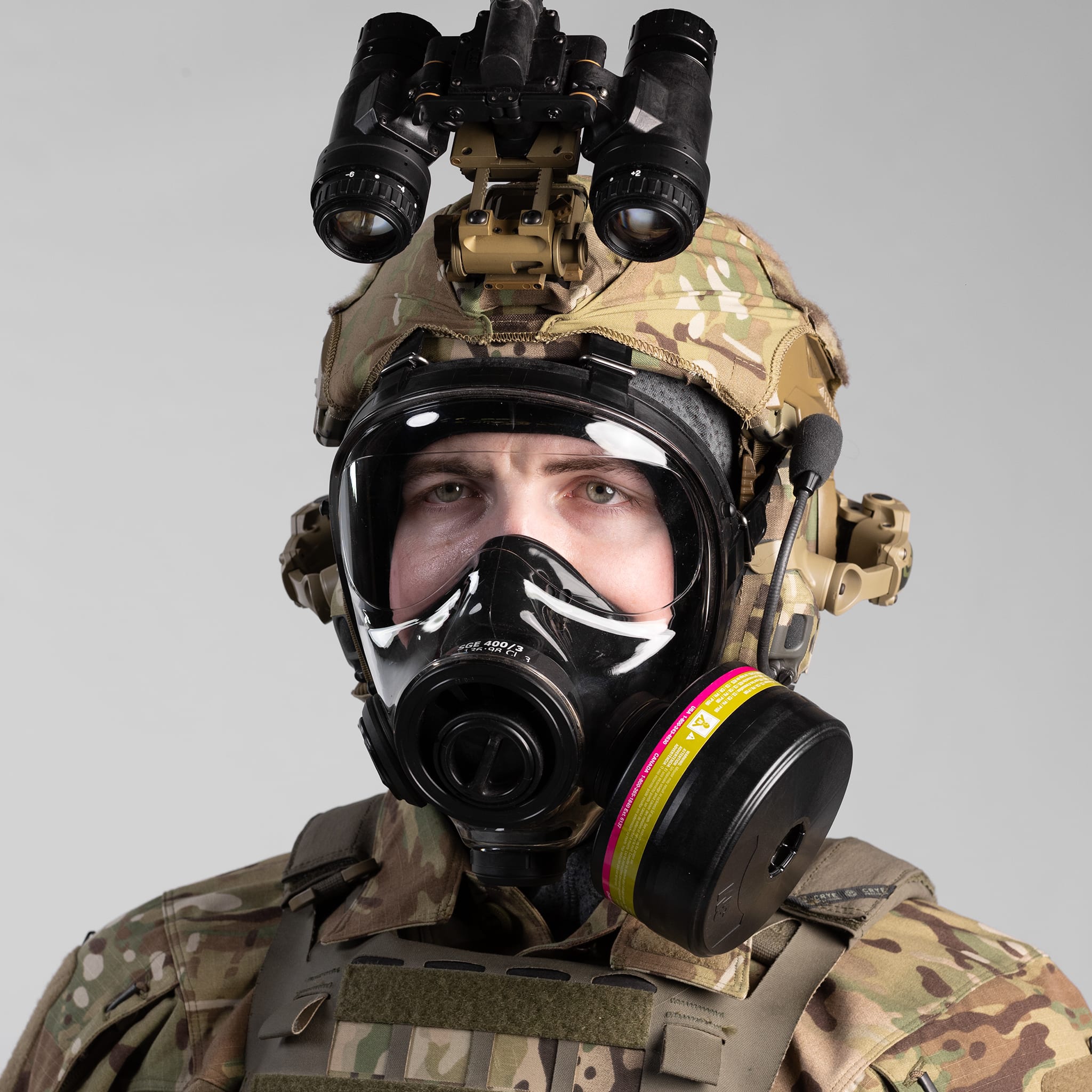
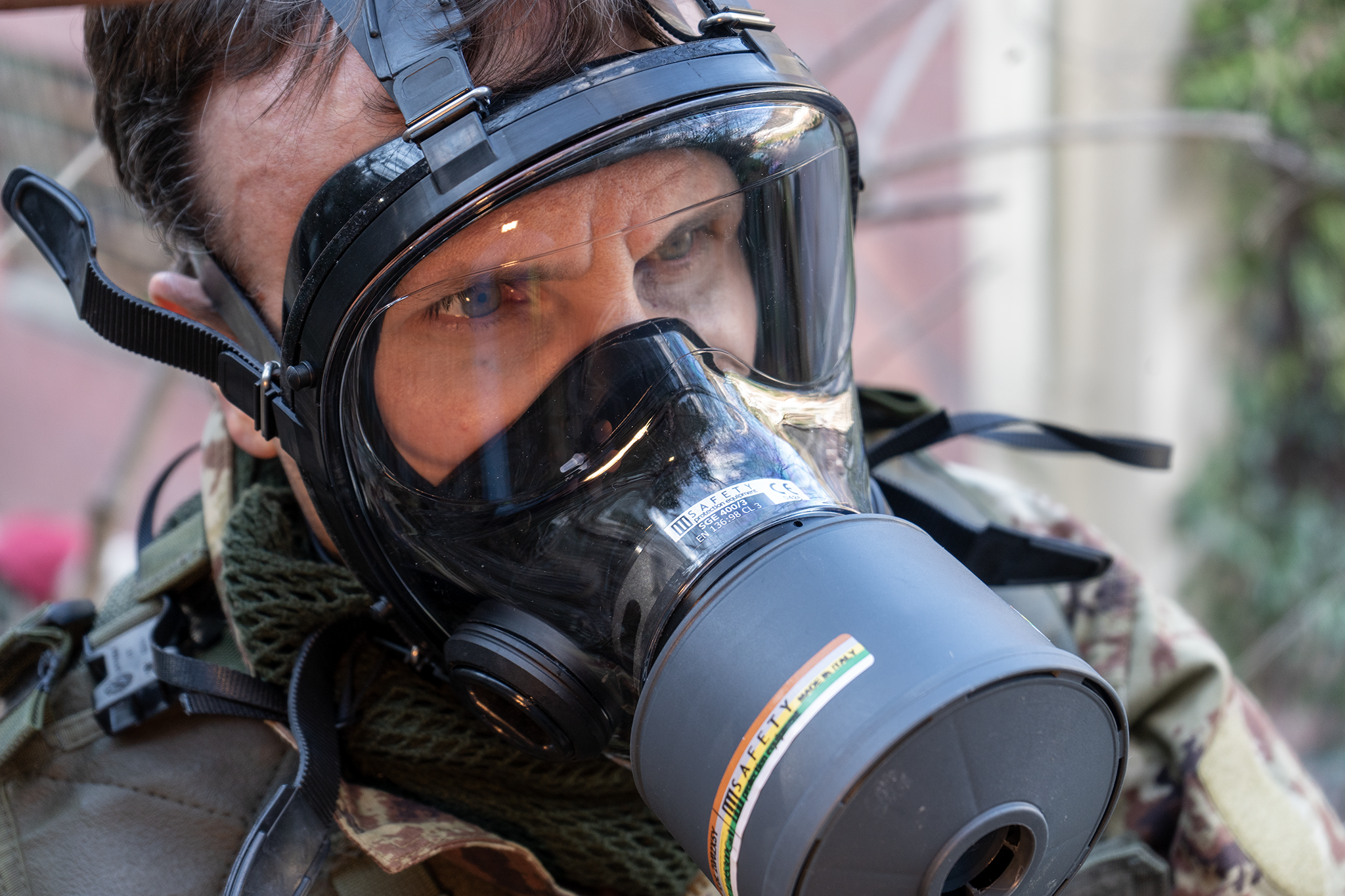
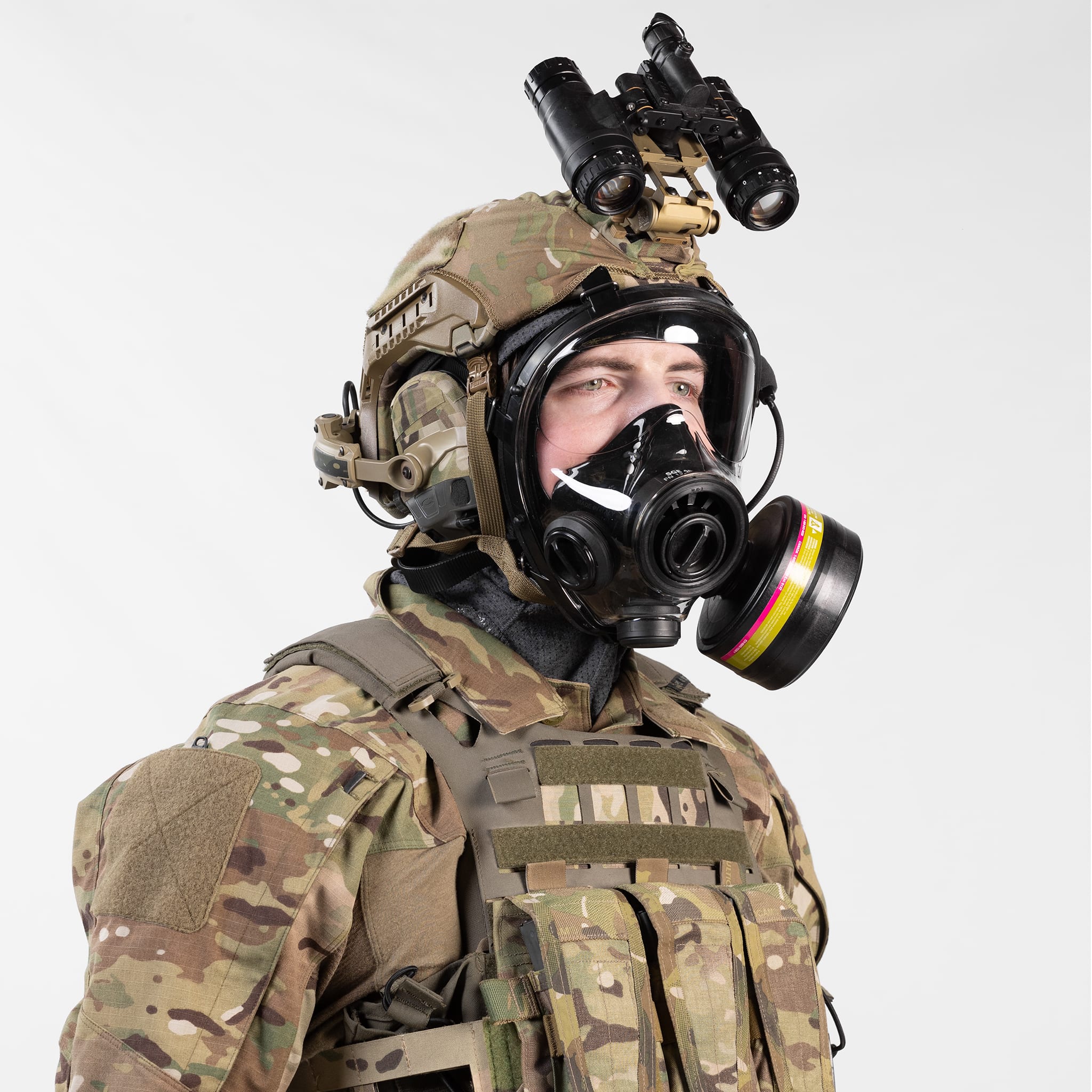
Mestel Safety, under ‘Ocean Reef Group’, makes the “SGE 400-3” — a gas mask that thinks completely outside the box — a favorite all-rounder on the gas mask market. 
SEE THINGS CLEARER.
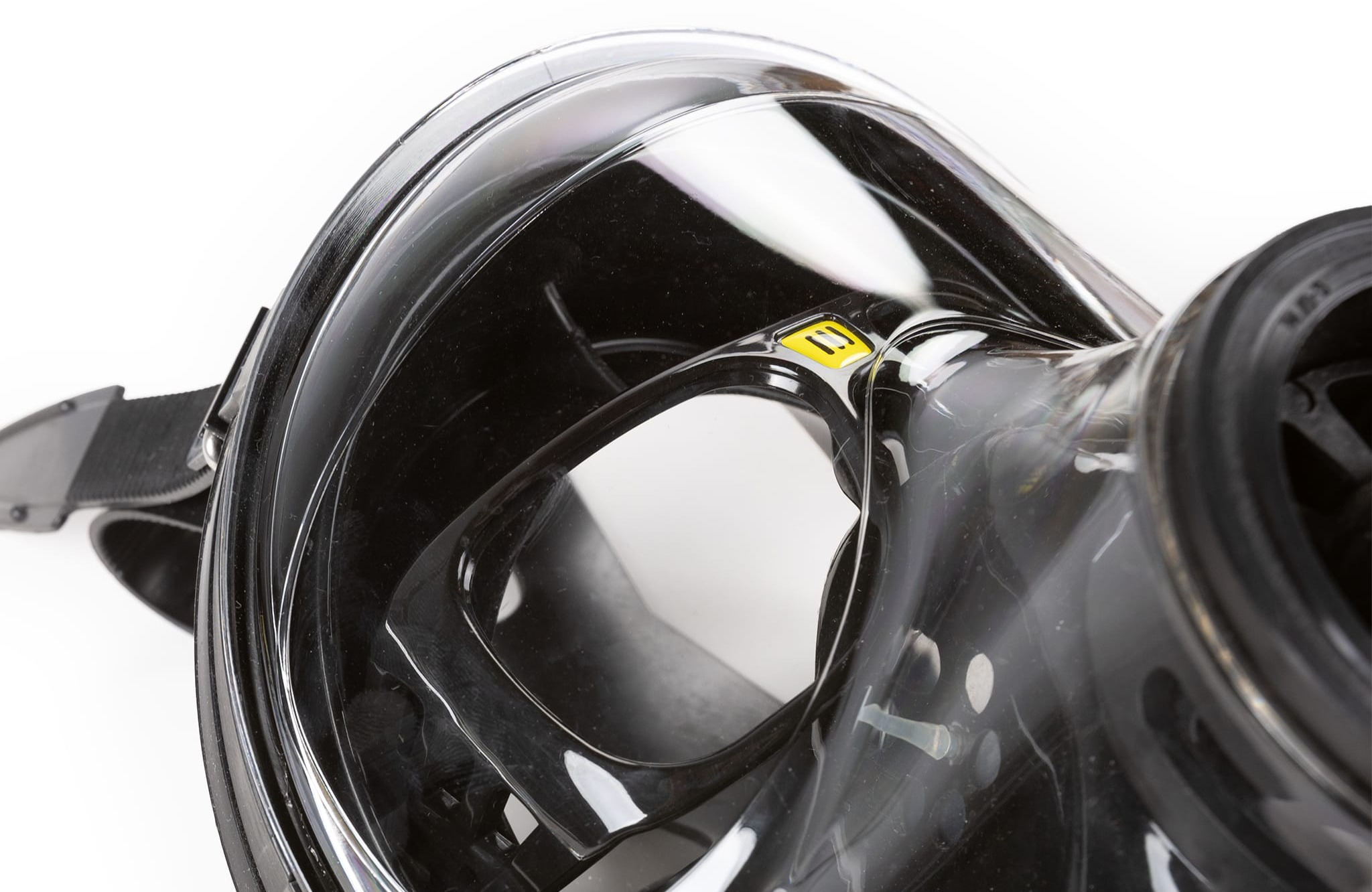
 As usual, kommandostore will be offering the full suite of masks (a CBRN-approved and non-CBRN approved version*), filters, and eyeglass inserts.*More on that later below
A look under the sea – how military scuba diving had an important impact on the design of this unorthodox gas mask… 
UNDER-WATER ORIGINS
Ocean Reef Group, Mestel Safety’s parent company, actually specializes in all kinds of equipment for undersea exploration. AndiIt all started with rubber — Giorgio, Ruggero, and Gianni Gamberini worked at a tire repair shop in Genoa, Italy.​ During their experimentation with rubber compounds at the time, they were approached by pioneer of scuba diving and legend of the Italian Navy, Luigi Ferraro. He wanted to make rubber masks and fins for scuba diving based off his experience. From the successful designs that resulted, a sprawling Italian scuba industry was born. 

Commander Luigi Ferraro pictured in his diving gear. He was part of the “Gamma” sapper group, who performed some of the first major underwater stealth operations in WWII with the aid of very-early SCBA equipment. He would go on to sink 3 enemy ships by himself during a long sabotage operation, becoming one of the few people to have received Italy’s highest Naval honor (the Gold Medal) and live to tell the tale. The gif shows examples of some of the equipment he really used, including a damaged Panerai dive watch, and the aforementioned scuba fins. Quite the backstory.
 But like all good materials sciences, one of its breakthroughs resulted from a mistake. An “Incorrect” mix of rubber ended up also being the first buoyant rubber compound, incredibly important in the making of flippers.The Gamberini brothers would also pioneer some of the first rubber watch straps, which were a massive upgrade in comfort & security in comparison to leather straps that would degrade in the salty depths. 
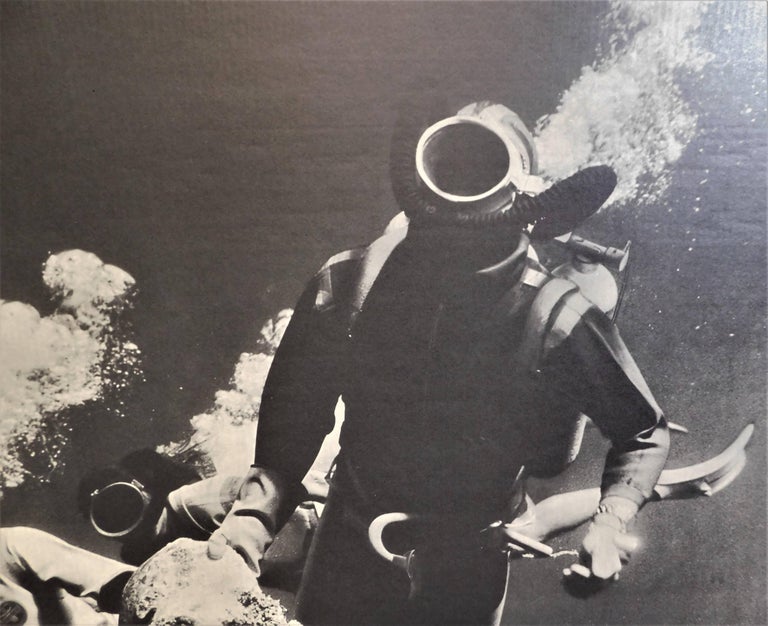
This is about as good as scuba gear got in the 50s and 60s. On this gentleman’s left hand, you can see his dive watch with a stainless steel wrist strap. While still incredibly popular today even amongst avid scuba divers, they weren’t ideal for military use due to their reflectivity.
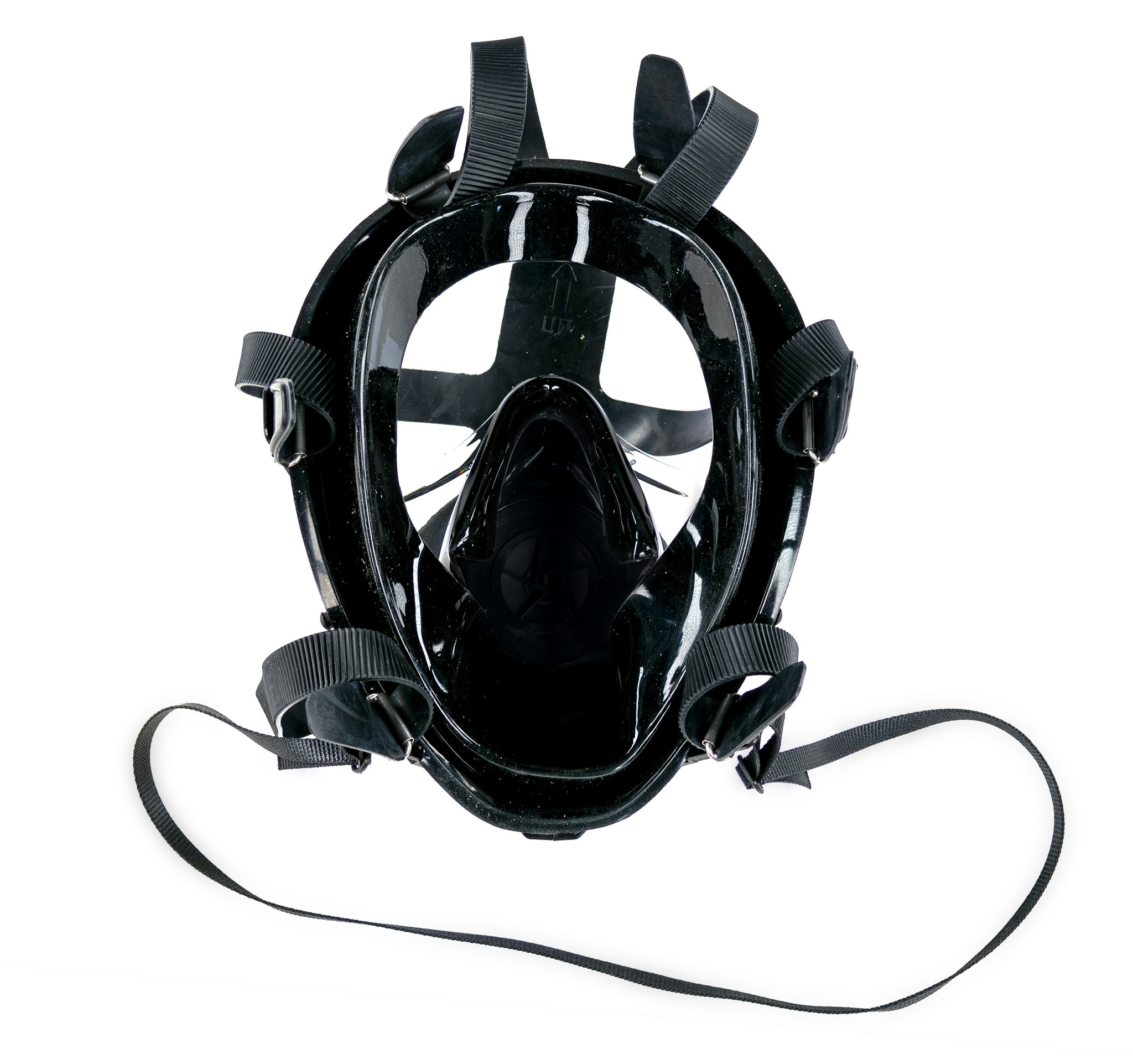
 Their company Ocean Reef would go on to pioneer the design of the first ever full-face mask for snorkeling use. It featured an almost entirely transparent facepiece with an incredible field of view, which would “float” in front of the rubber that sealed to your face, reducing felt weight.  Sounds like these would be great features on a gas mask, eh? They had the same feeling too… 
 “Mestel Safety”, their medical & safety division, would use everything they learned with their pedigree in undersea engineering, and the very gas mask we’re presenting today would be born. From the depths of the Mediterranean to a position of respect in military & civil applications, Ocean Reef has come a long way, and they definitely earned their spot amongst the best. 
COMBAT CAPABILITY
 Don’t be spooked by the unconventional design — these masks are tough as nails.Mestel safety tested their masks by barraging the facepiece with, quote, “6.35mm steel spheres going over 300 mph”. For some reason the specificity makes it sound hilarious, but that’s practically like being shot directly in the face with a BB gun over and over and shrugging it off – not bad one bit. So, rest assured, this thing can probably handle some projectiles from common workshop incidents and Airsoft matches. 
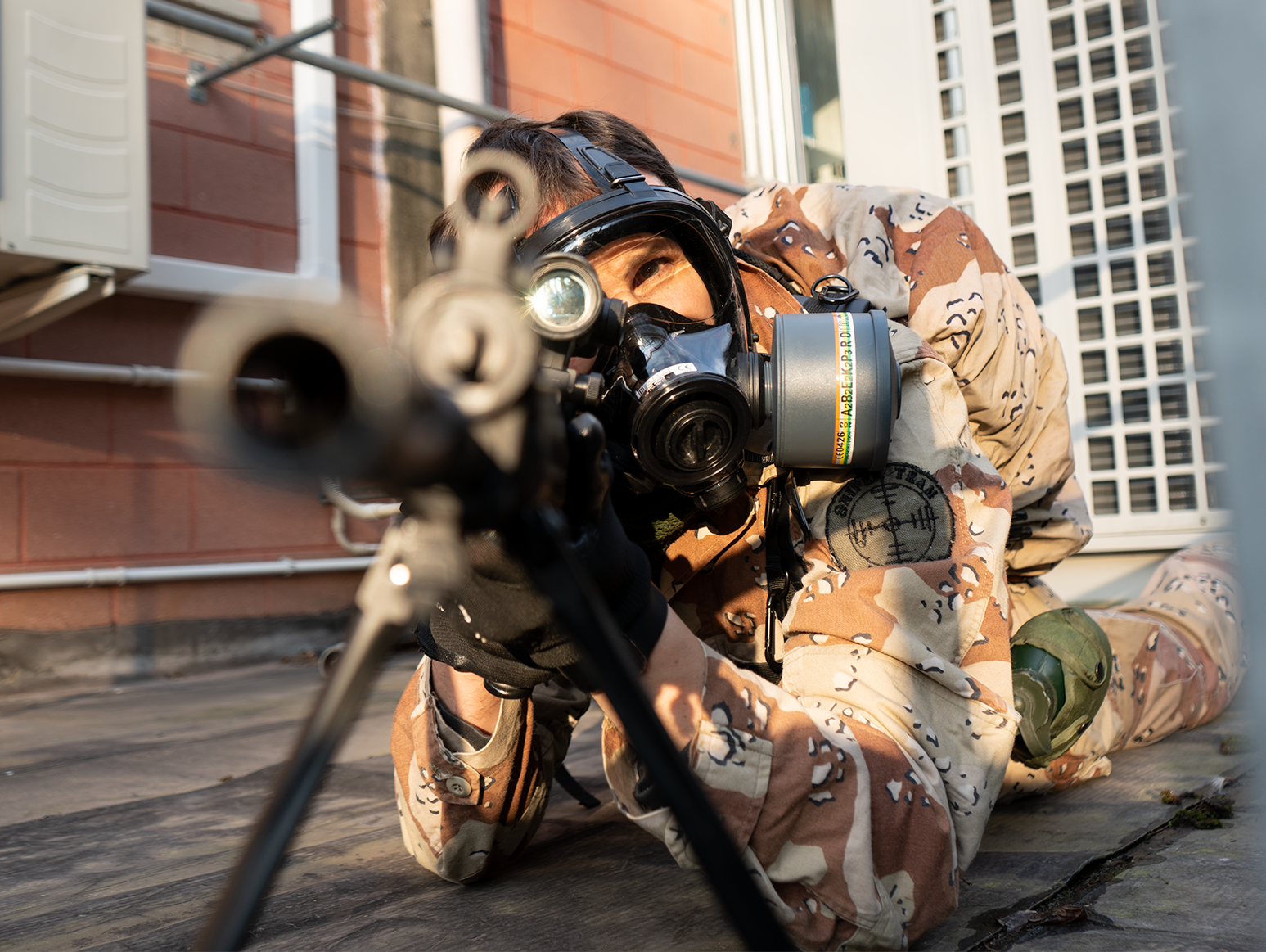
 Probably its most visually obvious feature is, once again, the insane Field of View. It preserves nearly 90% of your vision without significant “warping” and makes it pretty usable with firearms like many mil-contract masks on the market. But when you put on the average military mask, you’ll be stunned at how much you can’t see in comparison. 
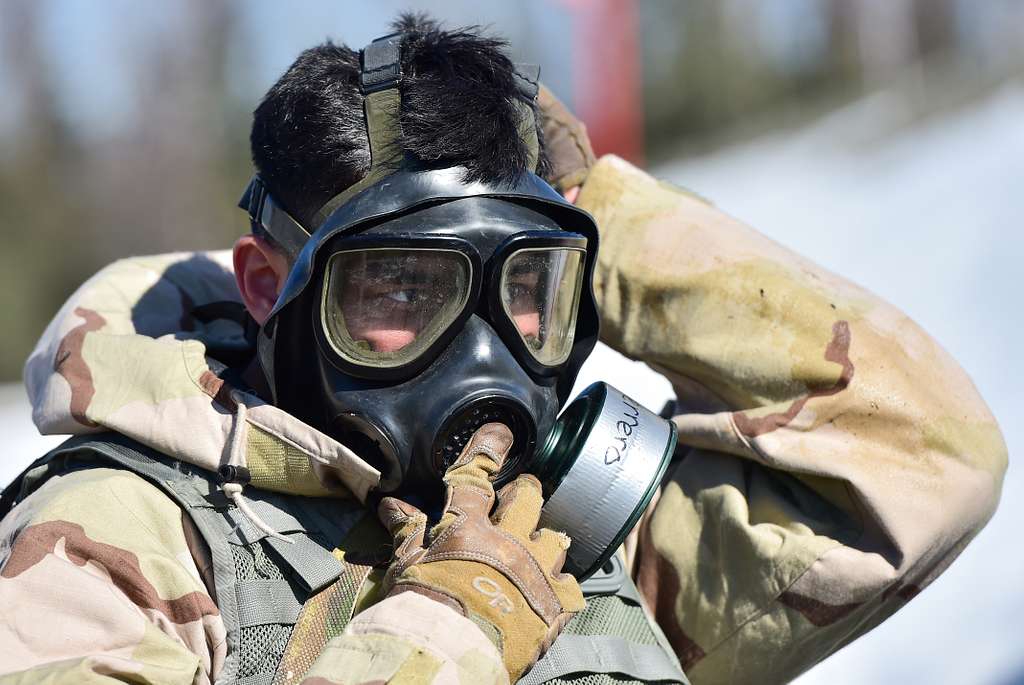
Having a massive split in the mask reduces the ocular overlap for your eyes and does, in fact, impede your vision right away. It’s why masks like the Avon M50 feature a single unified eyepiece instead of the classic two-piece styled masks of the cold war.
 Lastly, these are comfortable to wear over very long durations thanks to the “floating” facepiece design.  It allows the rubber to seal perfectly to the shape of your face, and takes the “felt weight” off of your face and onto the harness, where it should be. 
 We could go on about the cool factor of this mask for a lot longer but if you want to take a closer look at the mask you should investigate the product pages 👇 
KNOW THE DIFFERENCE!
 An important side note on “CBRN” capability: If you’re looking for the model with 90% of the capability at a reduced price, the silicone-rubber based model is what you’re going to want to pick up. So what’s that other 10%? We’ll keep it simple: the butylated rubber, or just “butyl rubber” adds the ‘R’ and ‘N’ protections to CBRN, (Chemical, Biological, Radiological, Nuclear) *.  *If you’re actually planning on dealing with those extra threats or the ‘blister agents’ that can also bypass a silicone seal, you’re going to need way, way more than just the mask to protect yourself anyways. Think a full HAZMAT suit with chemical tape, gloves, booties. And that’d only be for an hour or two of exposure to some of these more deadly agents. In addition to having the right equipment, the best plan is to simply GTFO. 
 The TL;DR is that this mask will cover you (literally) in most other incidents where a civilian might want full-face protection, from civil unrest to forest-fire evacuation, and of course common household projects.It’s simple: pick up the ‘BB’ model if you are interested in having the full ‘CBRN’ capability at the cost of slightly reduced comfort.And remember: A gas mask is only as good as the filter you’re breathing through, and we have a plethora of information about the excellent filters we’re also stocking from Mestel. 
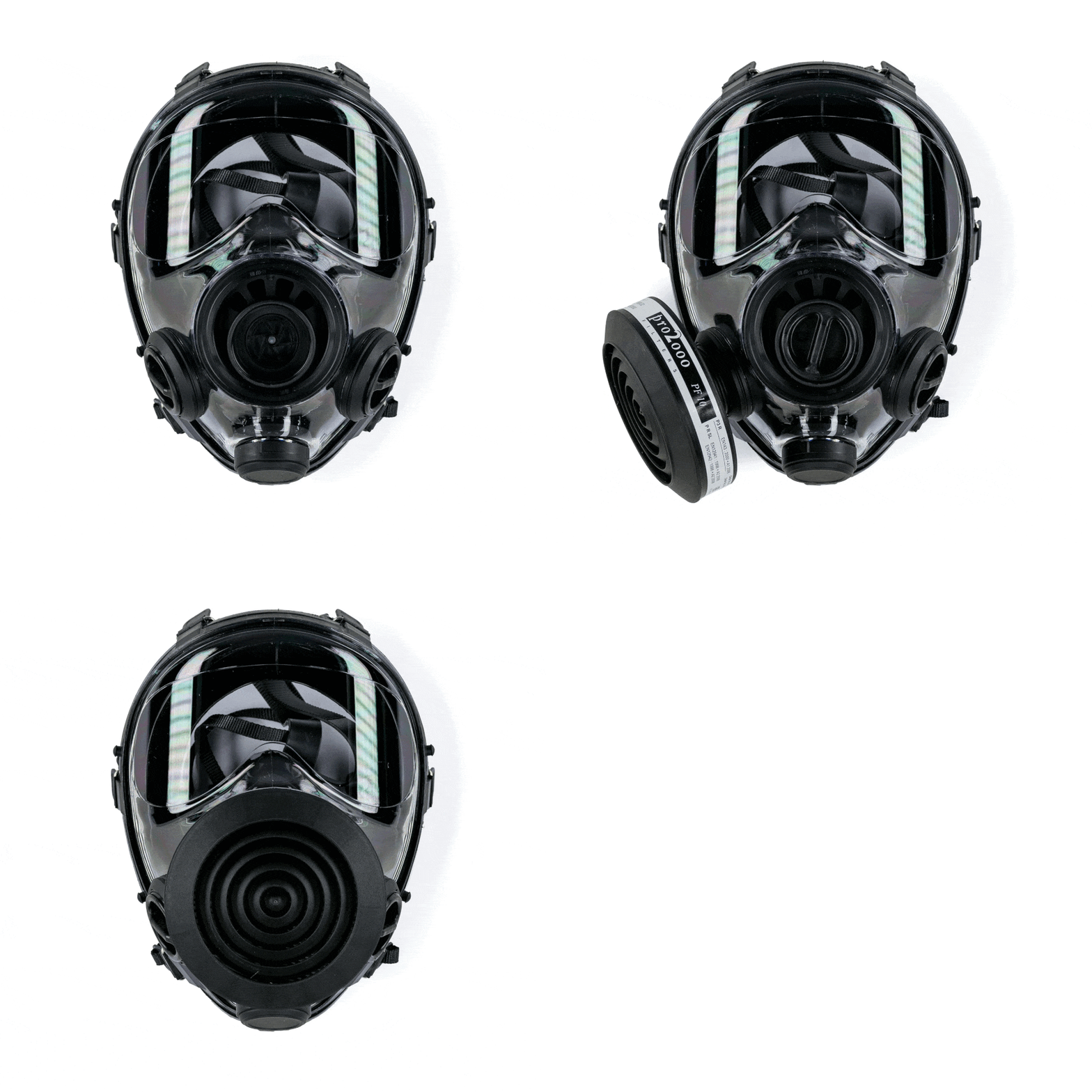
Another cool feature: there’s 3 different positions for filters to be placed to your heart’s desire.
 One other note: the lack of ‘NIOSH’ approval for these masks is a bit misleading. Since these are European-made masks, they fall under ‘CE’ standards, which work a bit differently than NIOSH approval. An explanation of these standards can be found on kommandostore’s product page. 
 Whether this is your first serious use gas mask with actual pedigree or you’re looking for an affordable alternative to the mil-contract priced (expensive) masks, we’re confident that the SGE 400/3 will be the baby bear’s porridge. Once again, take a look at the product pages — you’ll find everything from sizing info to a free copy of the user’s manual if you’d like to read up. 

For the Silo, Jarrod Barker.

Underwater Bimini Road Suggests Advanced Ancient Humans?

There is something very strange about the crystal blue waters in the Caribbean Sea, dotted with white sand islands and coconut trees, that seems to attract unsolved mysteries.

But unless the minds behind Wikipedia or mainstream science have a change of heart, the ever-mysterious underwater highway known as Bimini Road will likely remain case-closed.

Thereby hangs a tale common to throngs of mysterious places in the Atlantic Ocean east of the Florida Keys wherein ships, divers, and other witnesses speak of the unexplained—only to be scoffed at, derided, and scorned.

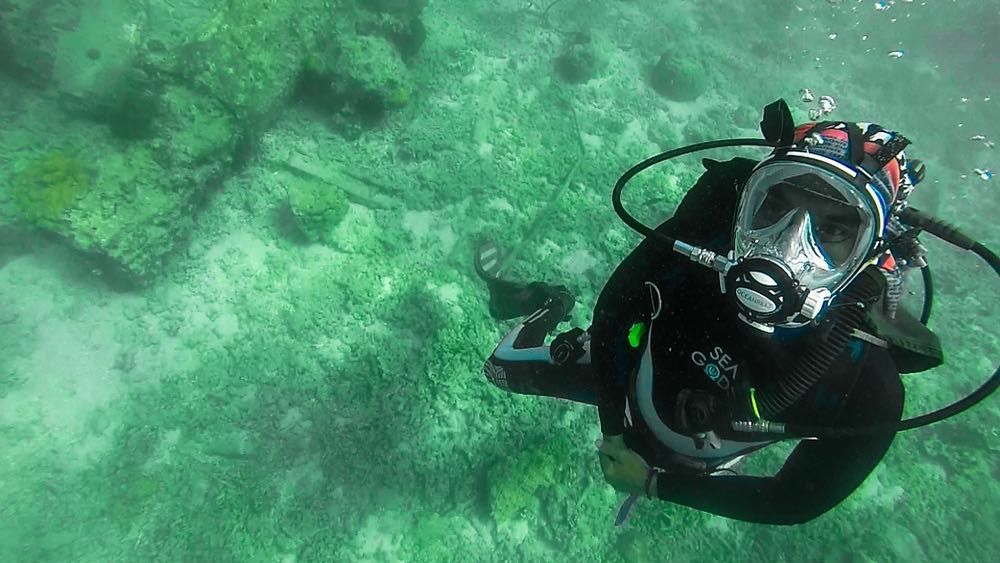
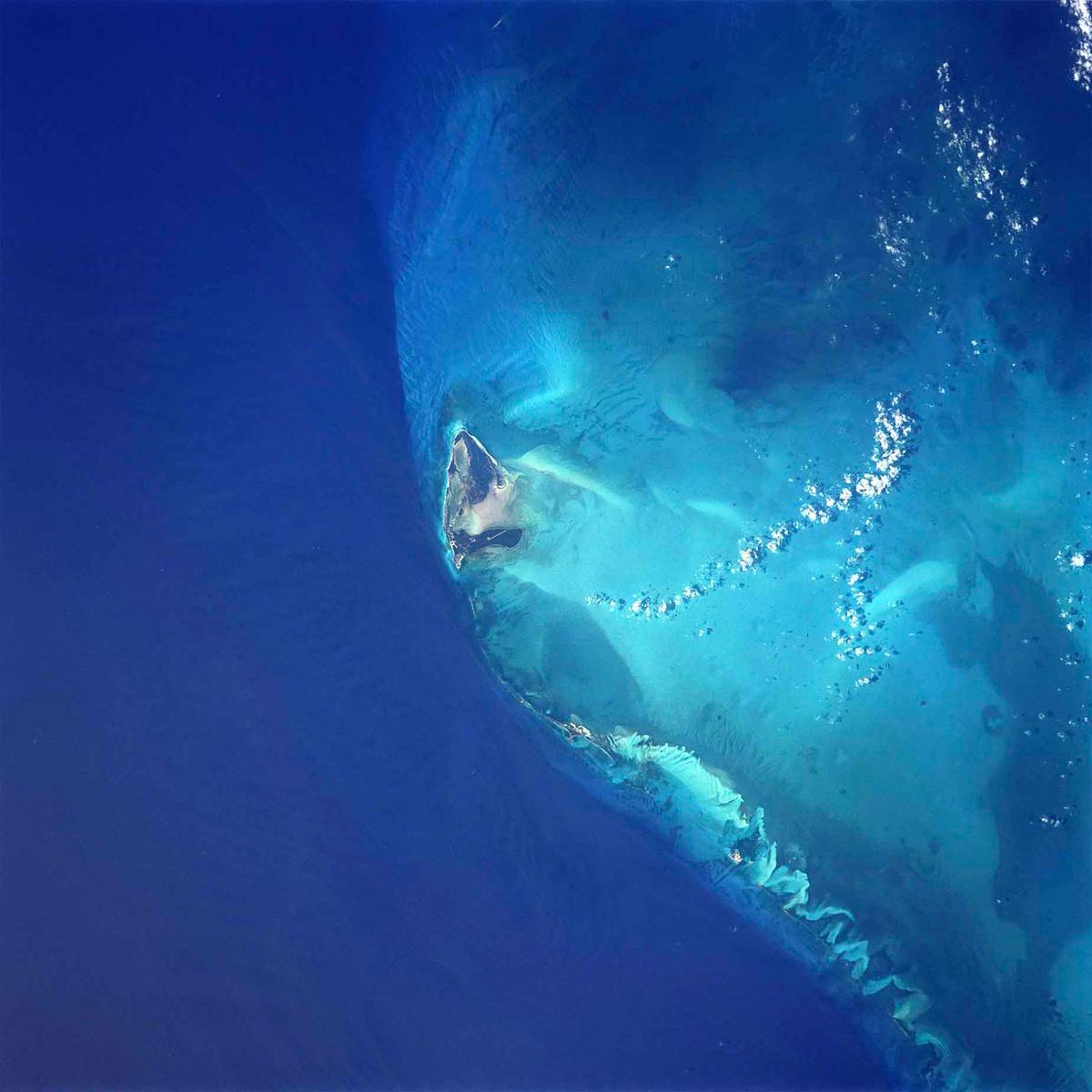
As with the Bermuda Triangle, Atlantis, and the fountain of youth, the Bimini Road joined the list of Caribbean enigmas when, in 1968, Joseph Manson Valentine, Jacques Mayol, and Robert Angove dove 18 feet underwater about a mile off of North Bimini, some 80 miles northwest of the Bahamas, and saw what they described as “pavement” on the ocean floor.

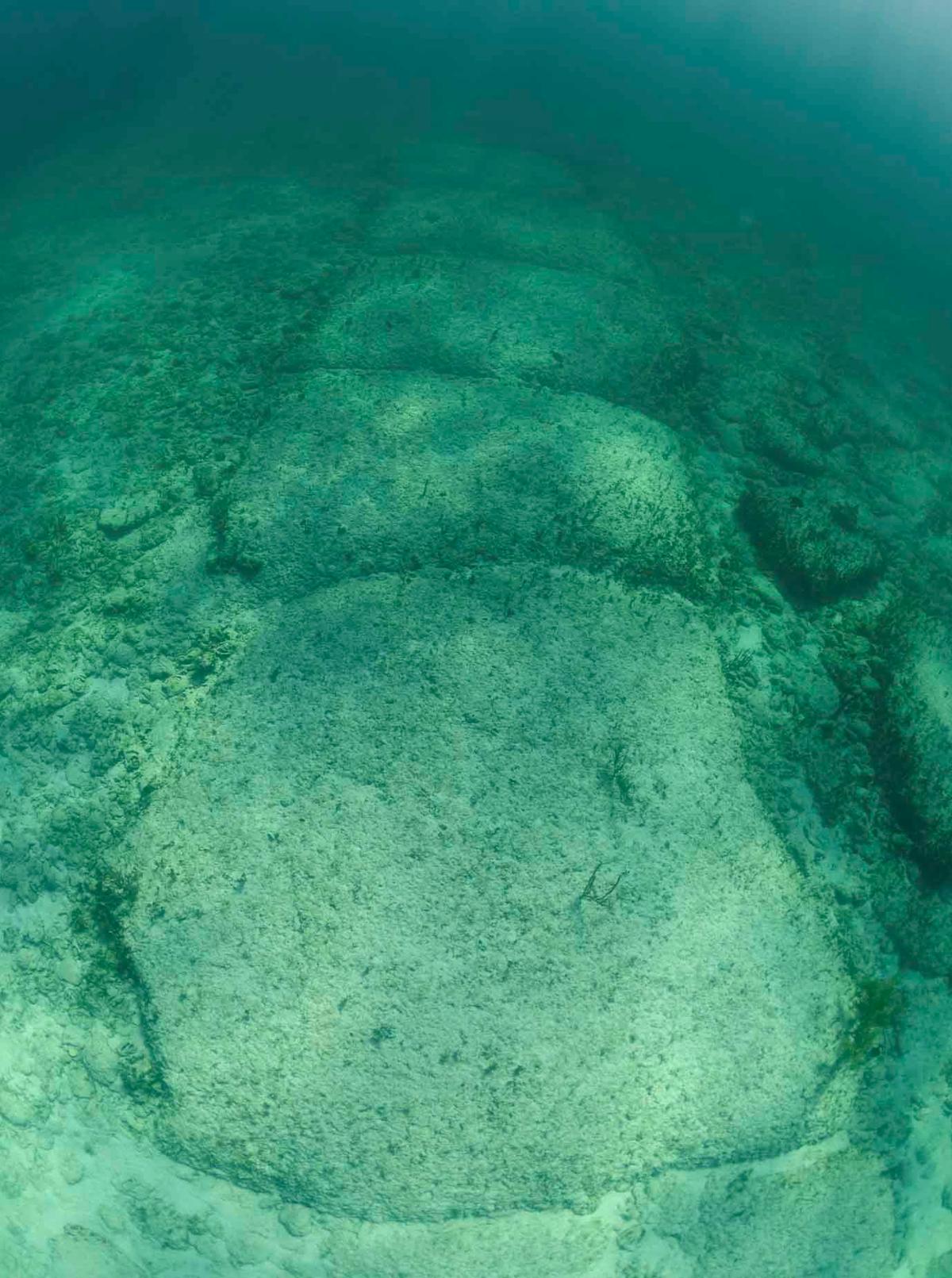
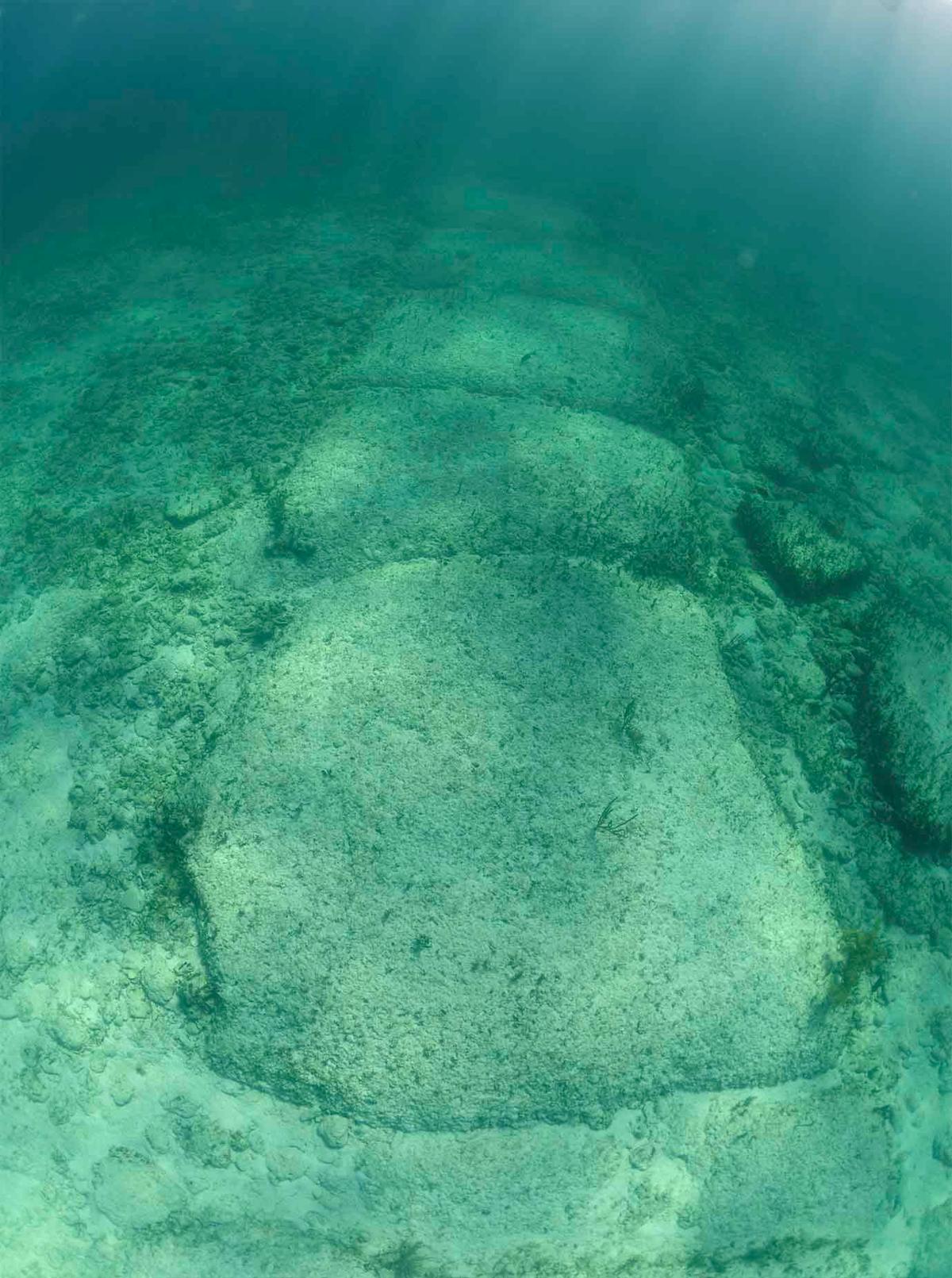
A host of roughly rectangular stone slabs, they reported, rounded like loaves of bread by the sand and current over centuries, formed a flawlessly straight line. Its main feature stretched over 2,600 feet and curved like a “J” at one end. There were two smaller line features. Megalithic in size, the blocks were each 7 to 13 feet wide with right angles and seemed laid level by human hands.

A satellite view of Bimini. (<a href="https://commons.wikimedia.org/wiki/File:Bimini_island.jpg">Public Domain</a>)
A satellite view of Bimini. Public Domain
A map of North Bimini showing Bimini Road. (Rainer Lesniewski/Shutterstock)
A map of North Bimini showing Bimini Road. Rainer Lesniewski/Shutterstock

The anomaly posed many questions to scientists.

How did it form? Was it made by man or nature? Could advanced civilizations have existed so early as to make this—in the Ice Age? Before the region sank beneath the sea 10,000 years ago? Or could nature have created something so fine-tuned? Thus began a clash of ideas.

There were two camps.

One dove down and saw a man-made road. Scientists and amateurs alike looked, and their eyes told them enough: this could not be natural.

The other camp was more skeptical. To avoid rocking the boat (figuratively speaking), they used science to explain the road to fit the foregoing research: it was natural.

As discoveries go, this one saw funded scientists fly in to investigate. Eugene Shinn from the University of Miami’s Department of Geology was foremost among them. Mr. Shinn dove down in 1978 and took radiocarbon core samples. Ultimately, he stated, it was beachrock—a mix of sand, shells, and cement—created by nature.

Megalithic blocks form a line on the seafloor off North Bimini. (FtLaud/Shutterstock)
Megalithic blocks form a line on the seafloor off North Bimini. FtLaud/Shutterstock

The so-called “consensus” of science that grew out of Mr. Shinn’s research, more or less, says this: Bimini Road formed under the surface of the island.

It was exposed by coastal erosion some 2,000 years ago. Its gaps at regular intervals were opened by natural jointing. This view is widely held and amplified on Wikipedia today.

The other camp is less uniform. Visiting Bimini Road, the notion was put forward: there was “overwhelming evidence that the road is made-made.” Their voices spoke from less lavish soapboxes: alternative media, websites, books, anecdotes. Much of it smacks of “New Age” and probably is sprinkled (or drenched) with misinformation to smear those brave voices speaking truth to orthodoxy. And there were voices whose minds changed.

Among the theorists, archaeologist William Donato suggested that Bimini Road isn’t a road; the line of stones forms a wall known as a breakwater, built to protect a prehistoric settlement from waves. This engendered its alter ego: Bimini Wall.

One of the strongest arguments for a man-made Bimini Road comes from Gavin Menzies’s (former British Submarine Commander and amateur historian) book, “1421: The Year China Discovered the World.” He writes: “Small stones are placed underneath larger ones, apparently to make the sea-bed level;” the structure “contains arrow-shaped ‘pointers’ that can only have been man-made;” and “some small square stones have tongue and grooved joints.”

Mr. Menzies, considered an outlier in both camps, believes ancient Chinese explorers anchored here and built the road as a slipway to repair a ship.

In 2022, British author Graham Hancock appeared on Joe Rogan’s podcast to discuss the road. He said it was artificially “propped up” and “leveled out” with smaller rocks. “When you dive on it,” he told Mr. Rogan, “it’s impossible to believe it’s entirely the work of nature.”

And there have been accounts that got their wires crossed.

Stones ranging from 7 to 13 feet in width pave the underwater road at North Bimini. (FtLaud/Shutterstock)
Stones ranging from 7 to 13 feet in width pave the underwater road at North Bimini. FtLaud/Shutterstock

Ironically, both Wikipedia and Mr. Menzies offer polar opposite arguments but cite the same man.

Mr. Menzies noted David Zink, who explored Bimini Road in 1974, mentioning “small stones” under the larger ones being a second layer beneath the Bimini Road. Wikipedia also cited Mr. Zink but with a reversal: the conclusion about this second layer “was likely incorrect.”

Amid all the clashing, we managed to obtain exclusive insight into the debacle.

Bimini Road, also called Bimini Wall, is believed to have been built to protect a prehistoric settlement from waves. (FtLaud/Shutterstock)
Bimini Road, also called Bimini Wall, is believed to have been built to protect a prehistoric settlement from waves. FtLaud/Shutterstock

Psychologist Greg Little, author of “Edgar Cayce’s Atlantis,” revealed to the newspaper another flip-flop. He claims to have evidence of scientists altering core samples to support that Bimini Road was naturally formed. He says they admitted being pressured to do so by “all the craziness” surrounding Bimini Road, that it was “done for fun,” and it was done “to make a good story.”

To verify Mr. Little’s claims, the scientist in question was contacted directly who replied they were “not going to nit-pick over Little’s concerns.”

If true, the claim raises questions: Why would the orthodoxy mislead? What do they stand to gain by disproving ancient man’s involvement in the creation of Bimini Road?

This was posed to Mr. Little, who drew on psychology to explain:

“All contradictions to their beliefs are probably perceived as a direct threat to them professionally and psychologically,“ he said. ”The long history of science has countless examples of widely held beliefs that were proven wrong by research. But even in the face of incontrovertible proof that these beliefs were wrong, many so-called scientists refused to accept the new evidence.”

As for Bimini Road—whether it’s case-closed, as the “consensus” says, or mysterious as ever—there’s perhaps a way to know: Visit Bimini Road. Swim the crystal blue waters. Witness its wonders yourself with your eyes. For the Silo via Michael Wing & friends at theepochtimes.com.

New Divers Watch Is Art As Functional Timepiece

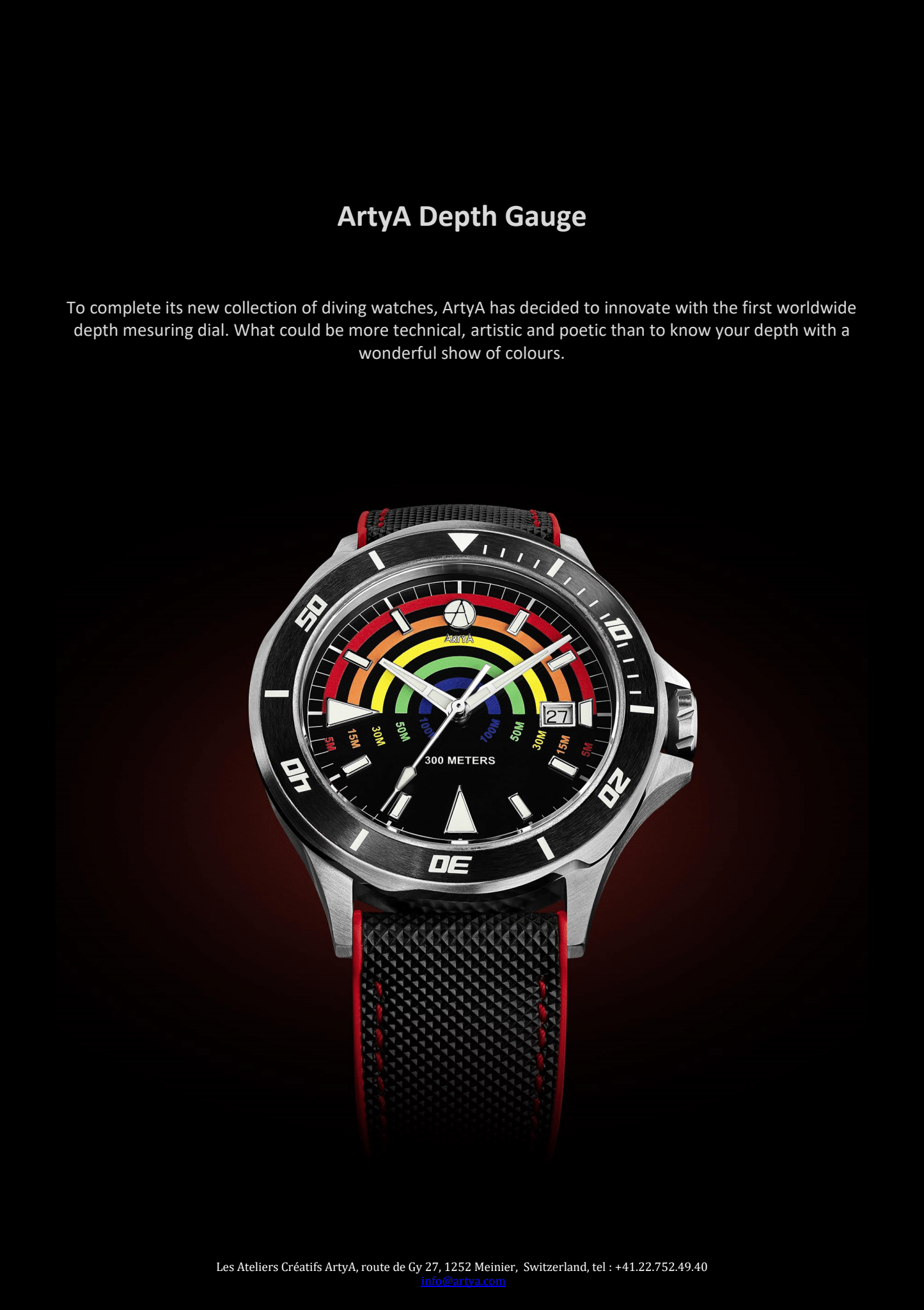
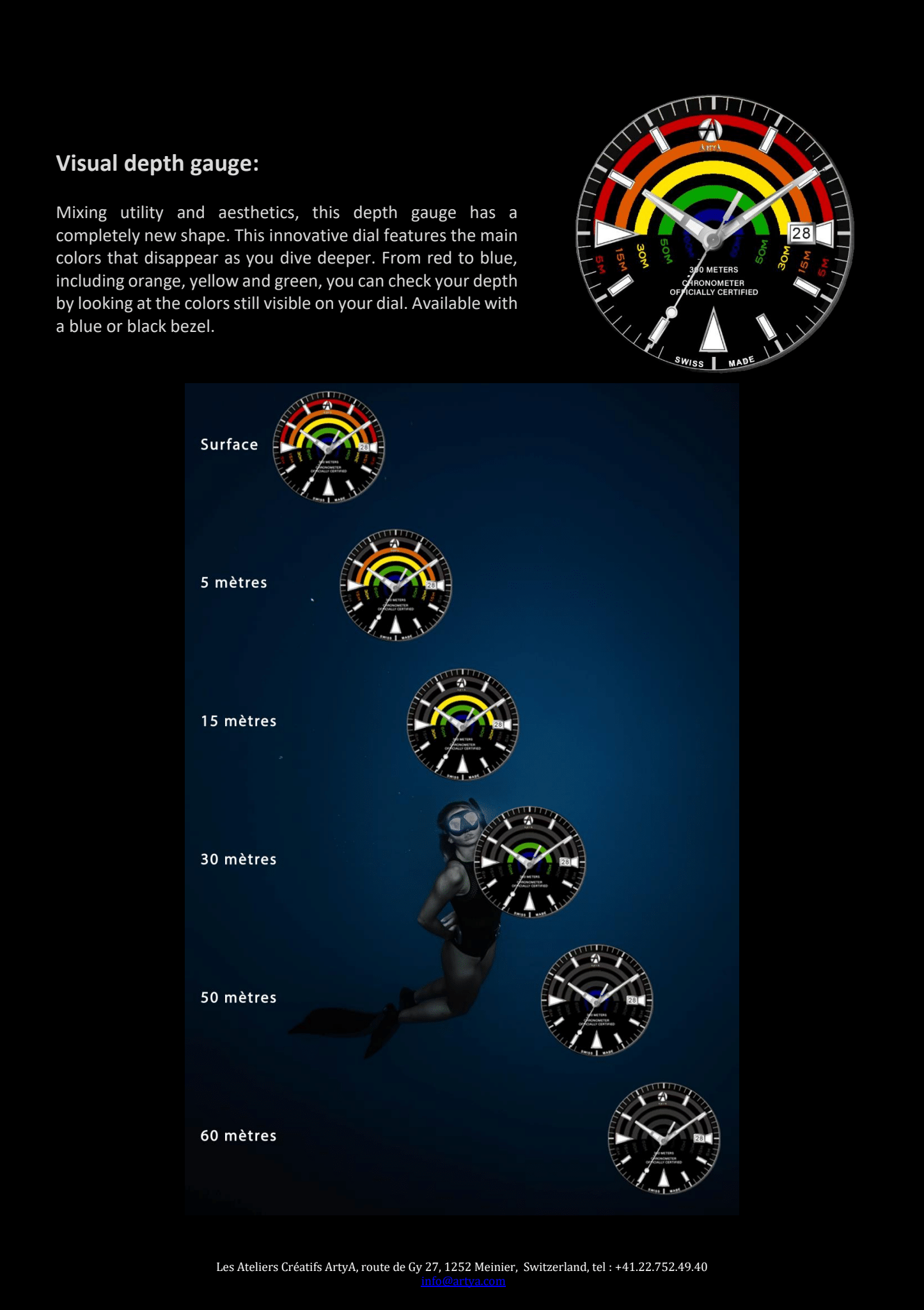
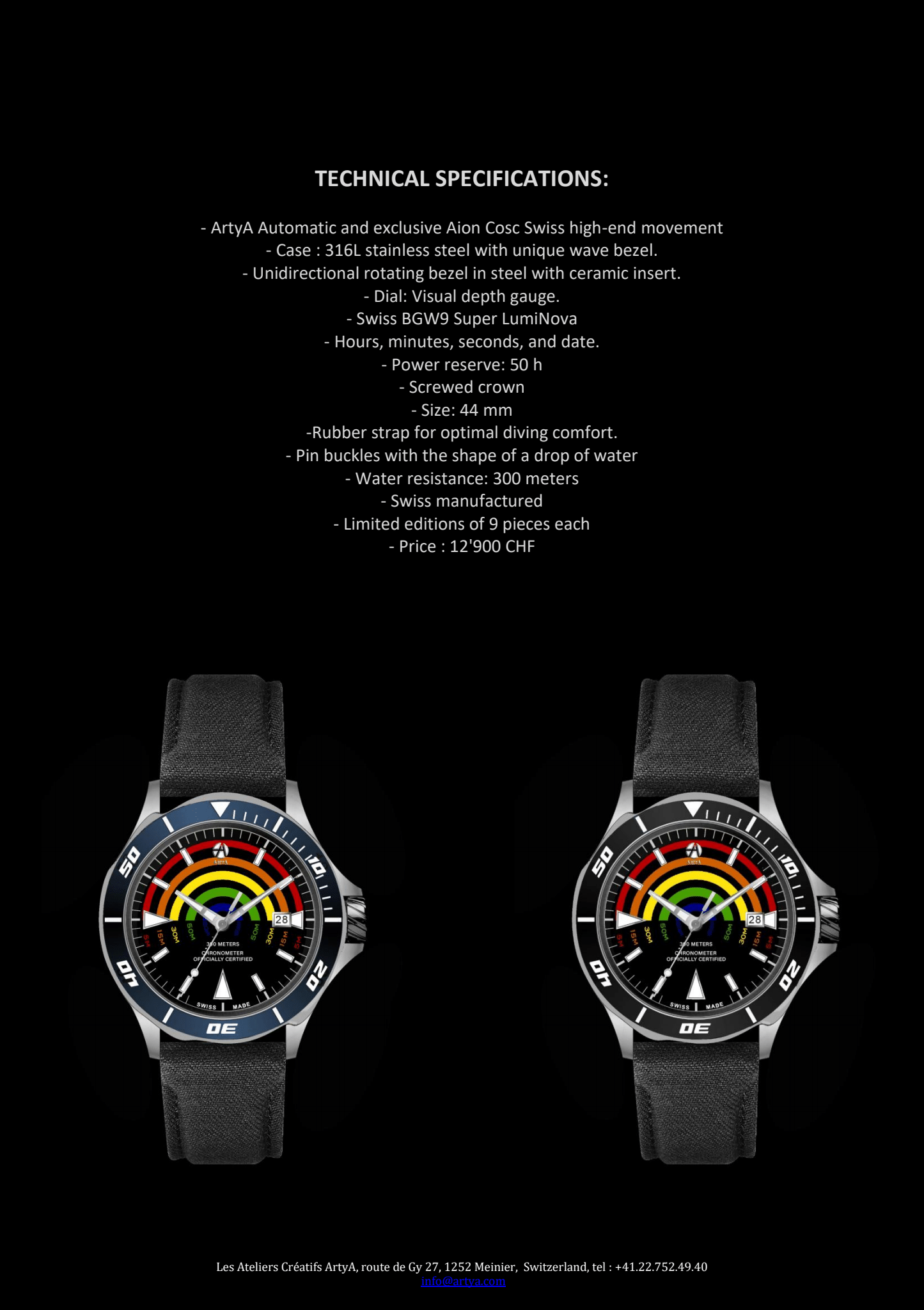
Modeled with forms borrowed from water itself, ArtyA’s newest divers watch will look amazing on your wrist…..above and below the waves.

At time of publication, 12,900 Swiss Francs= $17,338 cad or $13,357 usd.