Stay up to speed with stories from our friends at Hagerty– written by drivers, for drivers.
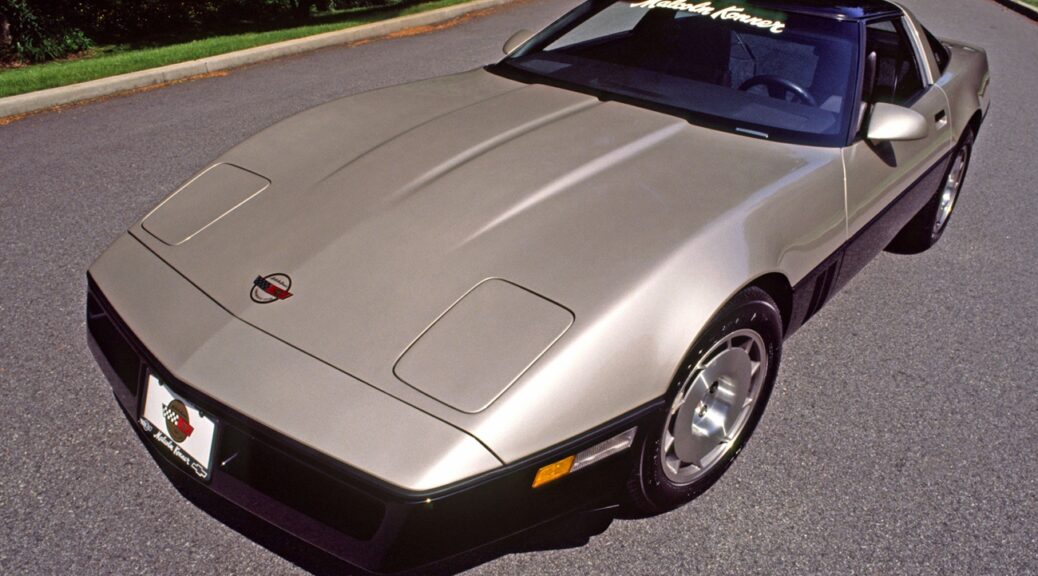
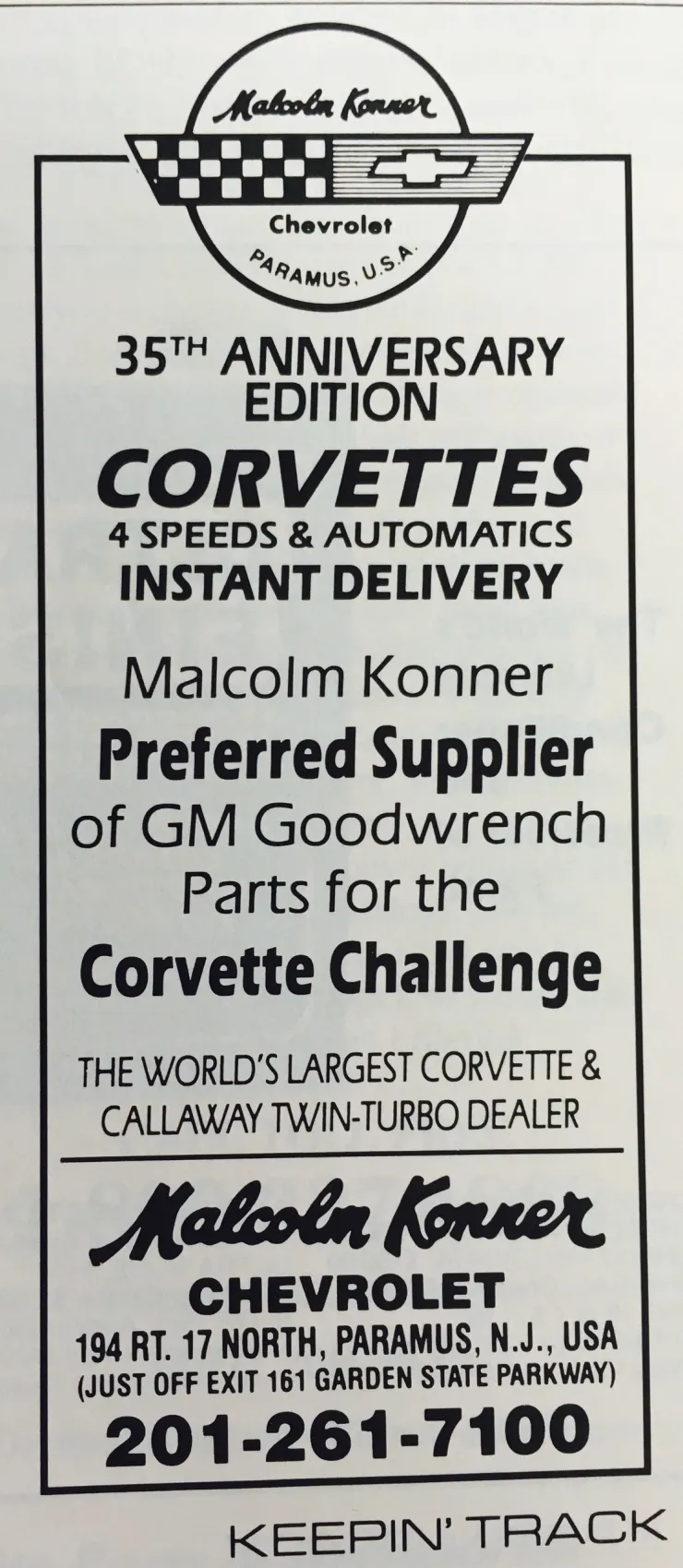
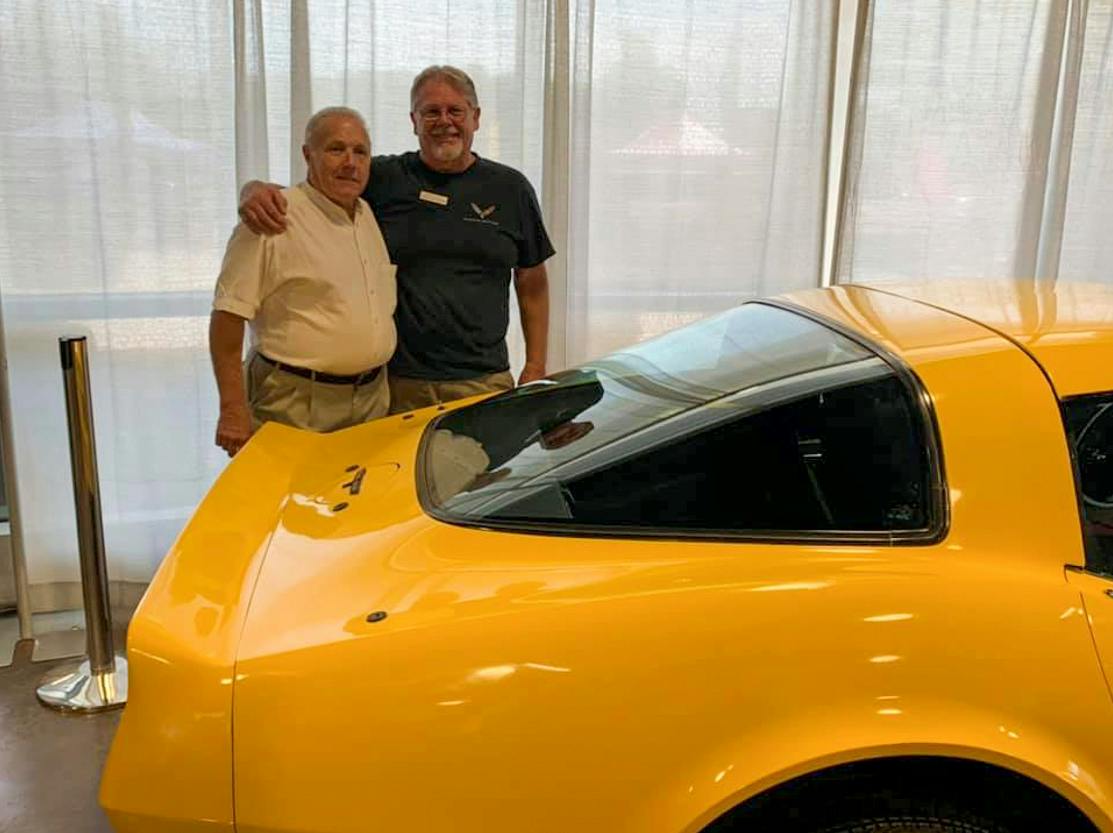
Glance at the photos from the National Corvette Museum’s current exhibit, called “Driven to Preserve,” and likely you won’t even notice the inconsequential yellow 1979 Corvette C3, presently perched on a lift above a Chevy C4, painted “Silver Beige,” that is one of the “Malcolm Konner Commemorative Edition Corvettes.” The model was a formal tribute to the man billed as “the world’s largest Corvette dealer,” whose store was in Paramus, New Jersey. Konner died from a heart attack in 1983, and Chevrolet built 50 special-edition Corvettes in his honor.
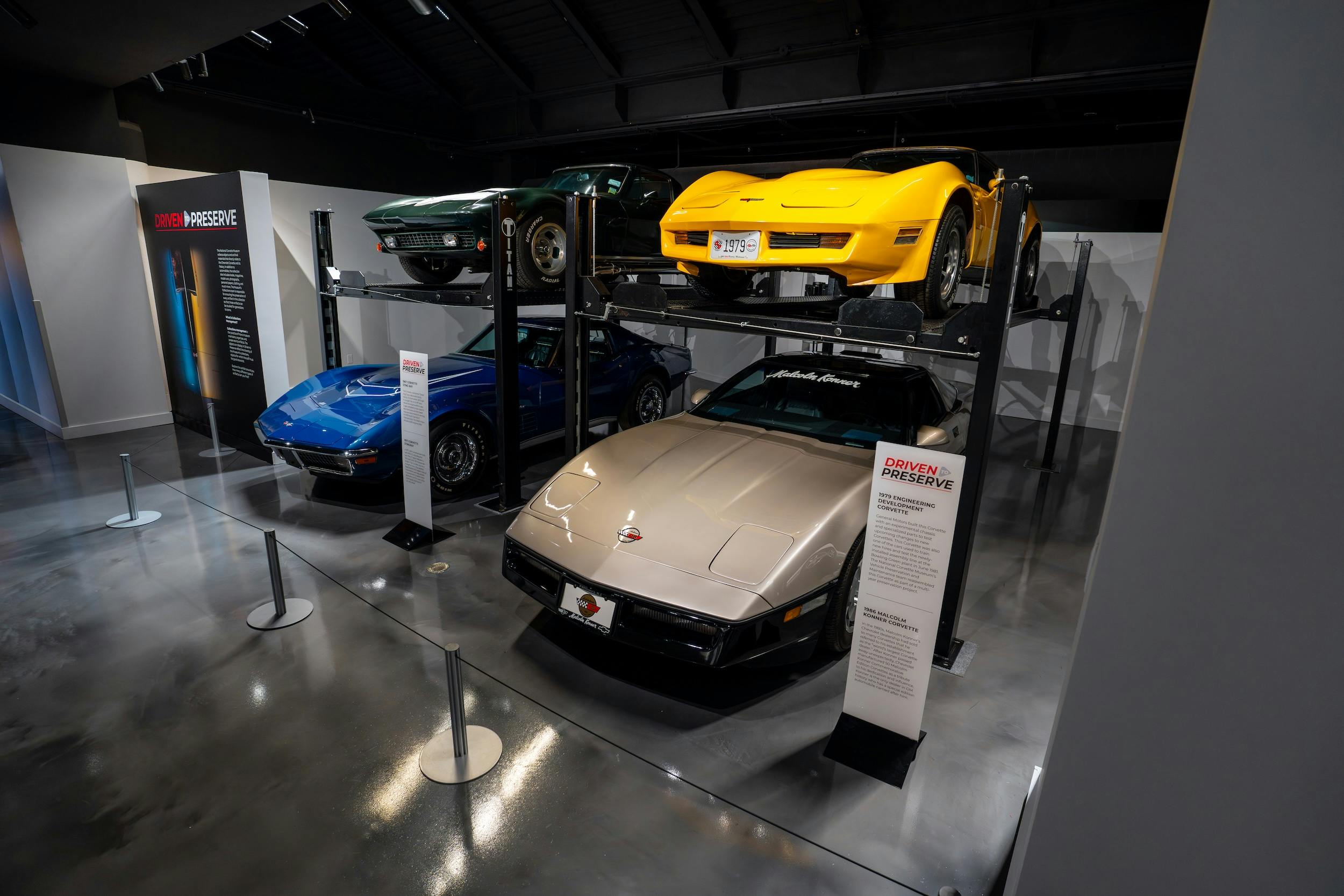
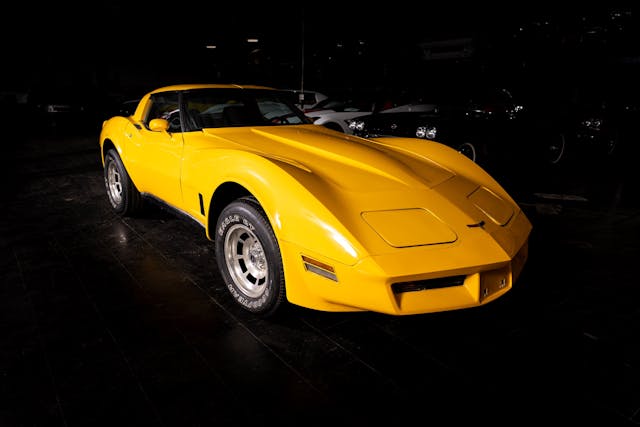
As pedigrees go, the Konner Commemorative may be among the lesser known, but at least it has a pedigree, something that yellow ’79 Corvette does not. It spent its life as a feral lab rat, poked and prodded and then left for dead. It has a tale to tell, though, and a pretty good one, confirming that it belongs in this Driven to Preserve exhibit, located at the National Corvette Museum next to the Corvette plant in Bowling Green, Kentucky. The exhibit runs through January of 2027.
The yellow ’79’s story is recalled here by 76-year-old Ralph Montileone, who, at 18 and on summer break from classes at the University of Missouri took a temporary job at the legendarily large General Motors assembly plant in St. Louis. In its three million square feet, as many as 35,000 employees built everything from GMC pickups to Buick Roadmasters.
And, beginning with the 1954 model year, they built the Corvette. Be aware that the story Montileone tells does not turn out the way it should. But there’s some appropriate automotive redemption at the end.
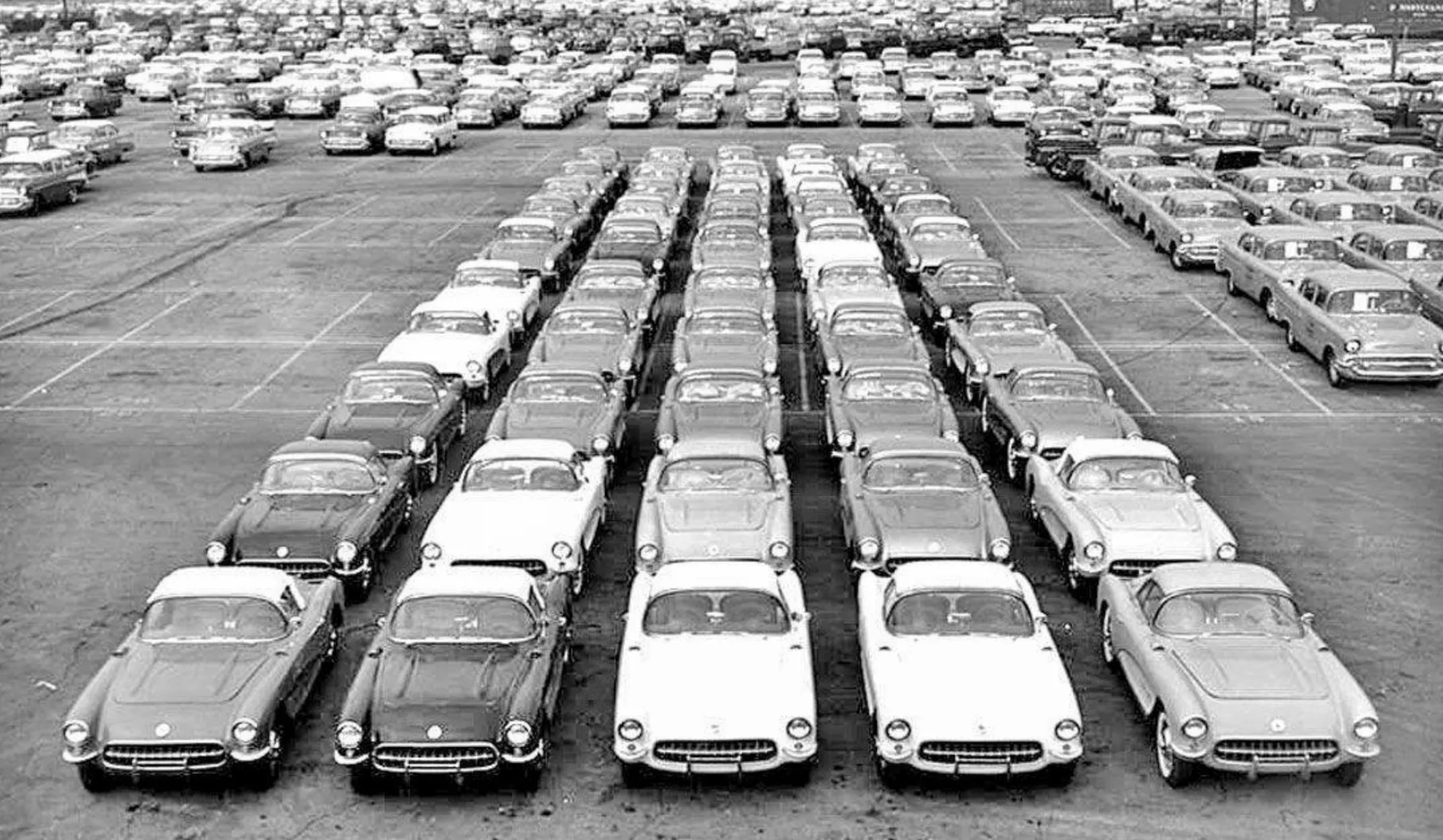
Montileone was initially pleased when he was assigned to Corvette assembly, where he was instructed to drive new Corvettes off the assembly line, perform several tests on them, then drop the cars at the next station. It seemed like a plum gig for a rookie, but the Corvette plant was ancient and cramped, originally used to make wooden parts for GM products—doors, floors, wheels, you name it. The building became a warehouse after that mission was complete, overhauled decades later to welcome the 1954 ‘Vette. The 1953 Corvette had been built in a makeshift factory in Flint, Michigan, which was dismantled after producing that first-year model of the car.
Montileone said the building was chilly in the winter, scorching in the summer: “It would get to be a hundred degrees in there.” Even cranking the partly-glass roof open was little help. There was a lot of fiberglass dust in there, and any breeze would blow it into the air.
Summer ended but Montileone stayed on, figuring he could return to school later if he wanted. He didn’t. He stuck with Chevrolet and Corvette for 52 years.
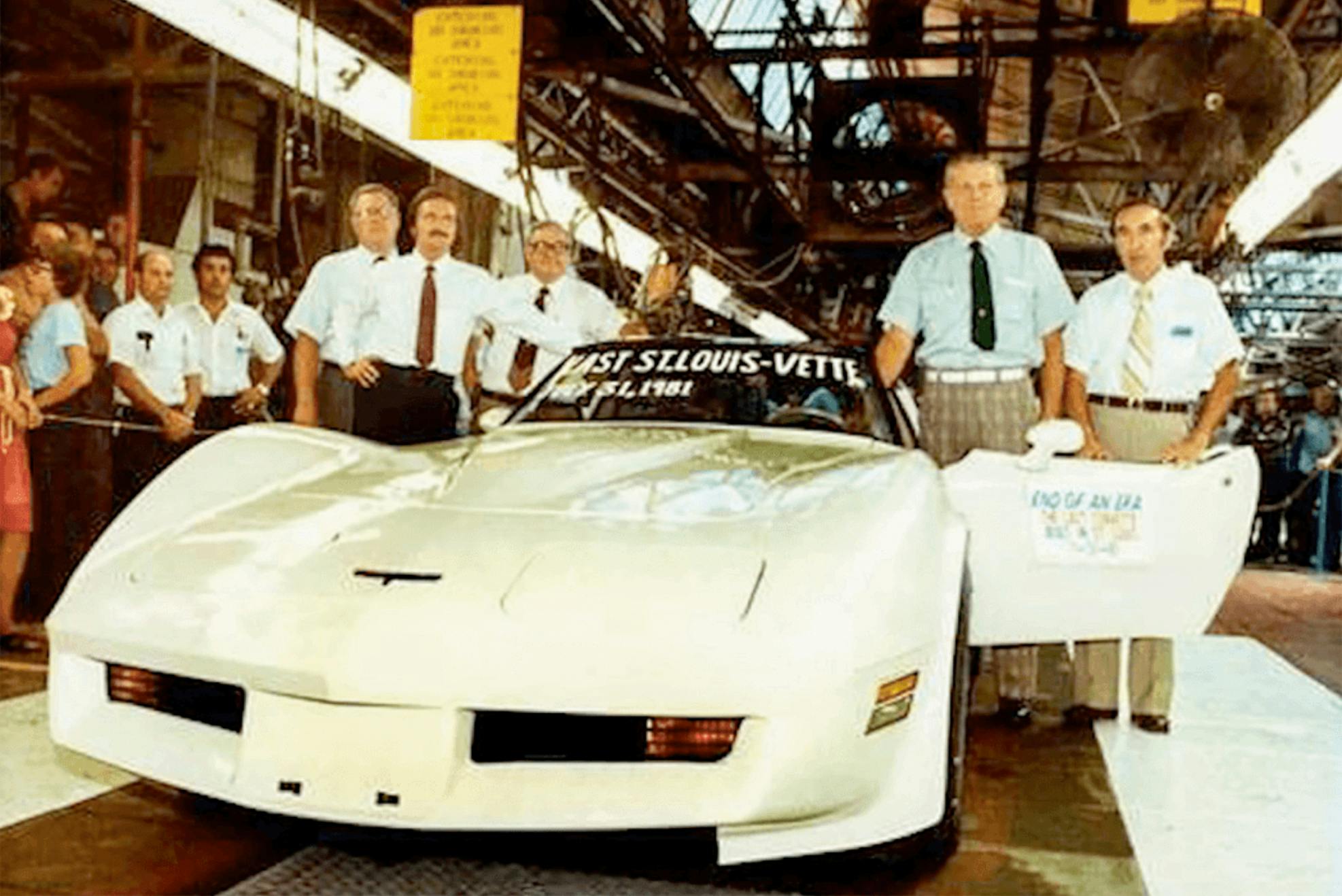
Despite its history, General Motors eventually decided to close the St. Louis plant, which had sprouted from a Chevrolet factory built there in 1919. It would be gradual, taking six or seven years, until the last car rolled off the line in 1986. Corvette would leave St. Louis much sooner than that.
Corvette’s immediate future was complicated and had multiple moving parts.
Chevrolet wanted an entirely separate factory for Corvette, not something that piggybacked on other brands. And GM wanted to put some distance between the Corvette and St. Louis. Chevy was “trying to bring back the reputation of Corvette,” said Montileone. “In St. Louis, it was known that the quality of the car leaving the plant was not the best.”
Also, the St. Louis GM workforce was mercurial, given to periodic strikes and perennial labor issues. The plan, Montileone said, was to “get away from the stereotypes that had been out there for decades about big car plants, be they Ford, Chrysler, GM,” and inevitable issues with the United Auto Workers union. “We were told to go in and build this state-of-the-art facility, because there were people, visionary guys up in Detroit, who could see a future for the Corvette.”
The strategy included dumping the St. Louis employees, then hiring locally for the workers they’d need for a clean-sheet Corvette plant. “There was no agreement then that the people who built Corvettes in Missouri would be able to transfer to Kentucky,” Montileone said. “We actually believed that we were going to have to hire the entire workforce. We’d need 400 to 600 people,” and they all needed to be trained on, well, everything.
So Montileone was among the first to pack up and move 350 miles away to Bowling Green, Kentucky, which had been chosen over several other locations, including Mississippi, Kansas City, and Waco, Texas. “I was one of a very small group of people who actually got the keys to the building.”
That building, a former Chrysler Airtemp air conditioning plant, was the difference between Bowling Green and the other locations. Bowling Green, Montileone recalled, was a “brownfield” site, meaning it had a building that was zoned and ready to go. The other possible locations were “greenfield” sites, meaning GM would have to build a factory from the ground up.
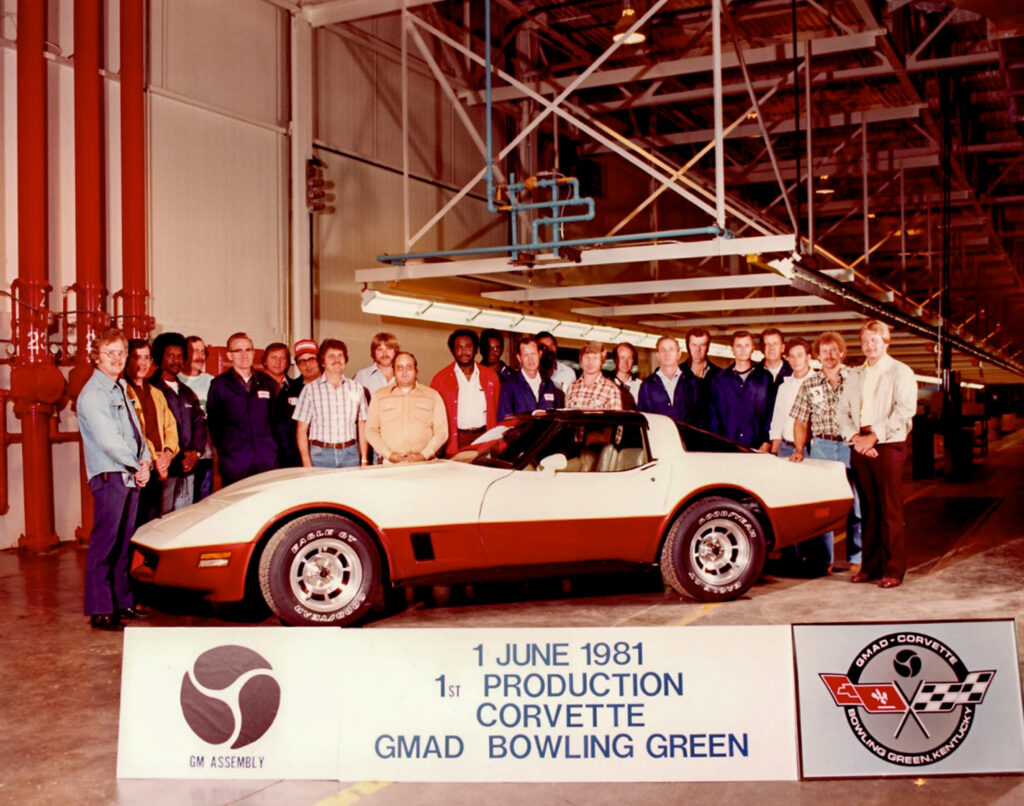
So the air conditioning factory, which was only seven years old when it closed, changed over to build Corvettes, starting with the 1981 model. Montileone’s job as head of quality control was to recruit talent and train them on what everything does and where everything goes.
They scrounged frames and engines and seats and wheels, and had them delivered to a closed-down Chevrolet dealership in Bowling Green that was repurposed to handle training. But there was a problem: Montileone needed a complete working, driving Corvette to demonstrate how all those parts worked in concert.
Finding a proper Corvette that moved under its own power doesn’t sound like much of a problem, but apparently it was. There was no budget for ordering a new Corvette or buying one off the lot. He was told to find one within the company. “It was a popular belief at General Motors that somebody would have had some Corvettes just sitting around,” Montileone said, but nobody did.
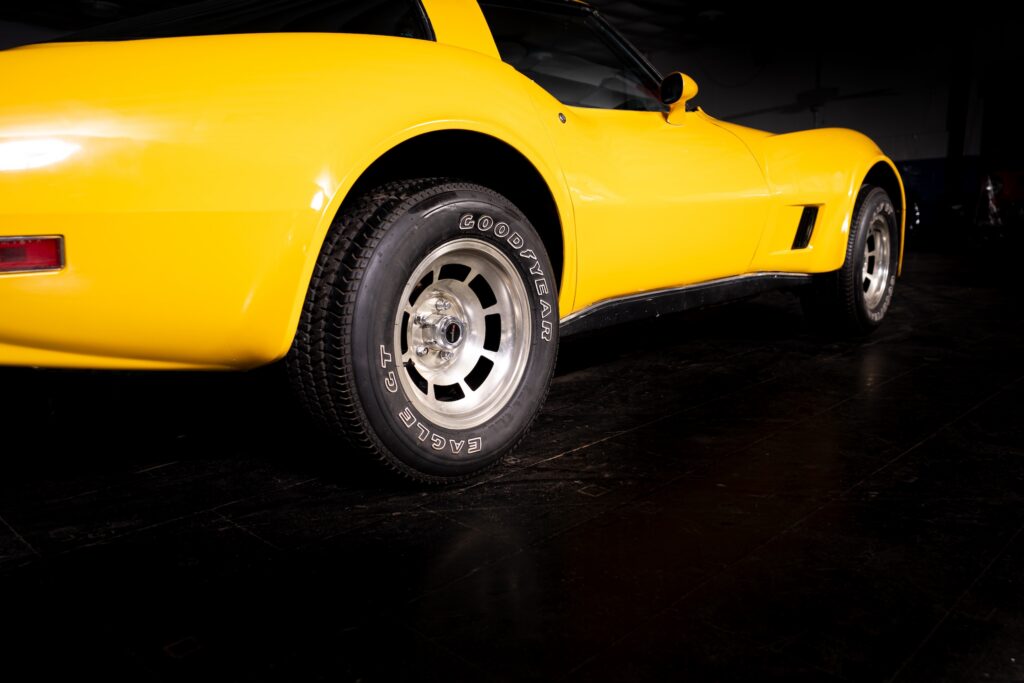
Finally, he heard about this yellow 1979 model, located up at the Milford Proving Grounds in Michigan. He called, and the person he talked to told him the car was “kind of a hybrid. It’s actually a ’79, but we started doing some development for 1980 on it, so there are some parts on that car that are a little bit different.” Montileone was told he could have it if he wanted it, “and I said, well, beggars can’t be choosers.”
The Bowling Green plant and the St. Louis Corvette plant would both be building 1981 models—it was a tossup as to whether a customer would be better off buying a brand-new factory’s first product, or the last car from a doomed factory, built by workers who were likely to lose their jobs.
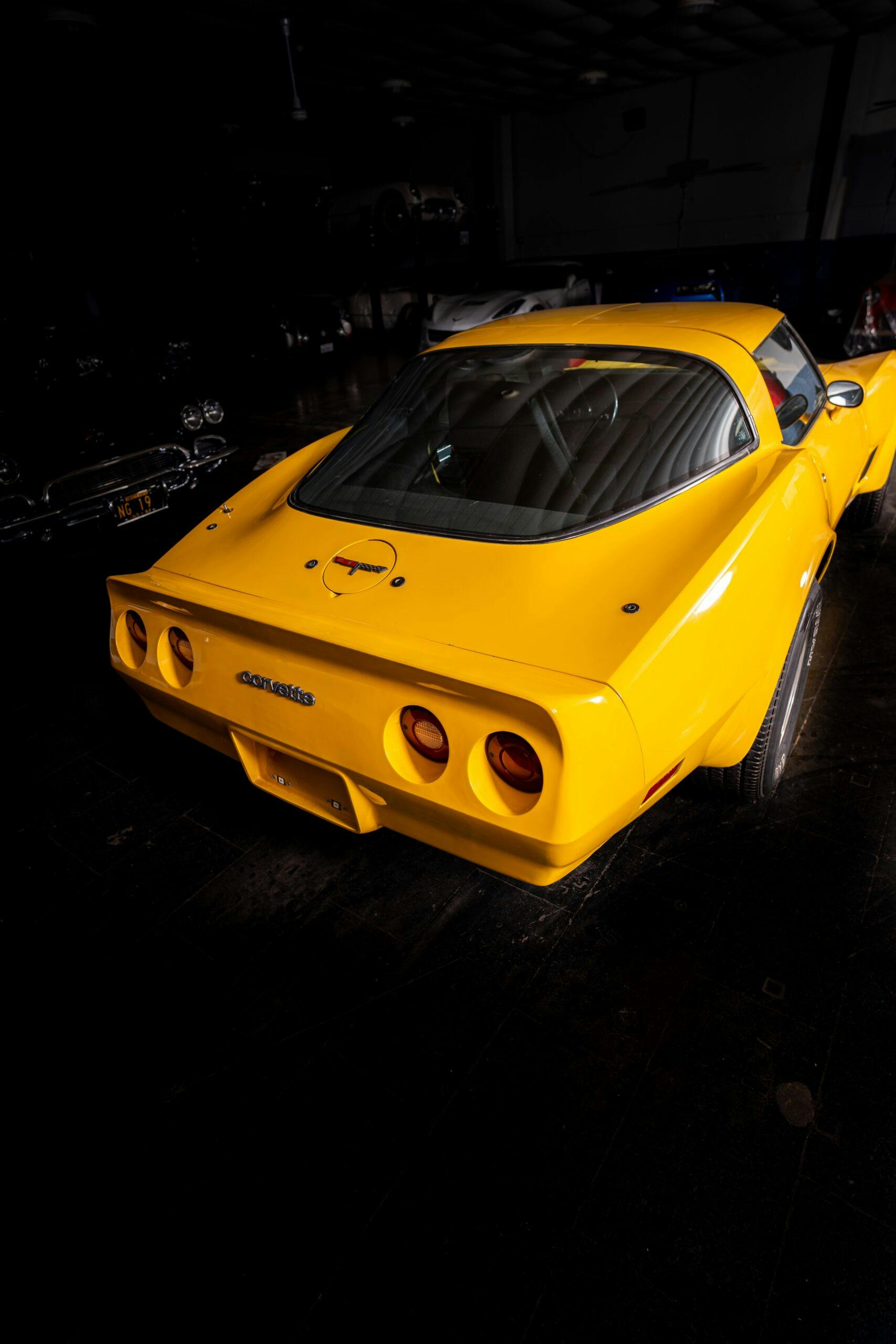
The yellow ’79 was retrofitted with all the proper parts. It was the only fully functioning Corvette that Montileone had. “I trained hundreds of people on that car,” he said. “We had to hire at a high level, people who were somewhat self-directed but who could still follow the rules and guidelines on how to assemble a car.” Bowling Green did not have a manufacturing economy, so few applicants—aside from farmers, who maybe knew how to work on tractors—brought the requisite experience. After all, the leading industry in town was the Union Underwear Company, a Bowling Green staple since 1941.
But Montileone and the others in charge of hiring and training got the job done. Bowling Green was ready.
And then came the news we warned you about.
“There is a sad part to this story,” Montileone said. “All the people we trained during that year and a half—we didn’t hire a single one of them. Between 400 and 600 people, and we didn’t hire a single one.
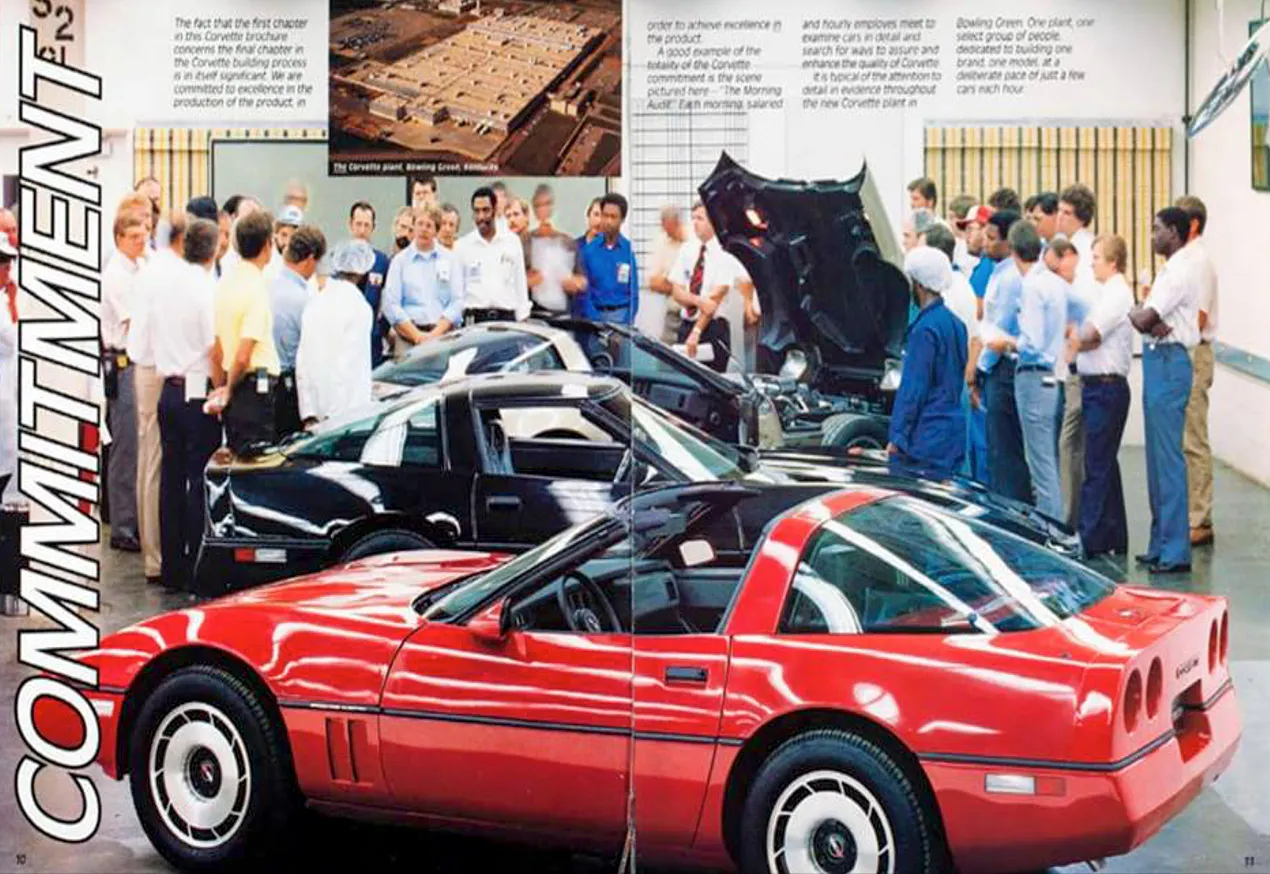
“There were negotiations going on up in Detroit,” Montileone said, and it involved a backlash to the GM plan to lay off everybody in St. Louis. “But back then, that was the practice. It could have been at any of the 40-odd plants GM had across the country: You did not get to transfer with your job like you can today.” The thought, he said, was that “We’ve got to hire new people who don’t have bad habits.” Still, the UAW and GM came to an agreement that the Corvette plant would be staffed by St. Louis workers. Period.
“It was very emotional for both places—St. Louis was losing this big giant plant that had been there since the ‘20s, and Bowling Green was going to hire all these people we’d trained and pay them a good salary,” Montileone said.
And as for the yellow ’79?
Abandoned again, parked out back, unwanted. Eventually it was donated to a local vocational school’s automotive program, but before long even they didn’t want it any longer. GM told them to disassemble it, take the body off the frame, the engine out of the car, because that Corvette could never be titled and driven on the street for liability reasons, so it could only be sold for parts. “GM couldn’t guarantee the quality of the car, so it had to be taken apart,” Montileone said.
Those parts were sold at auction, and that was that for the yellow ’79.
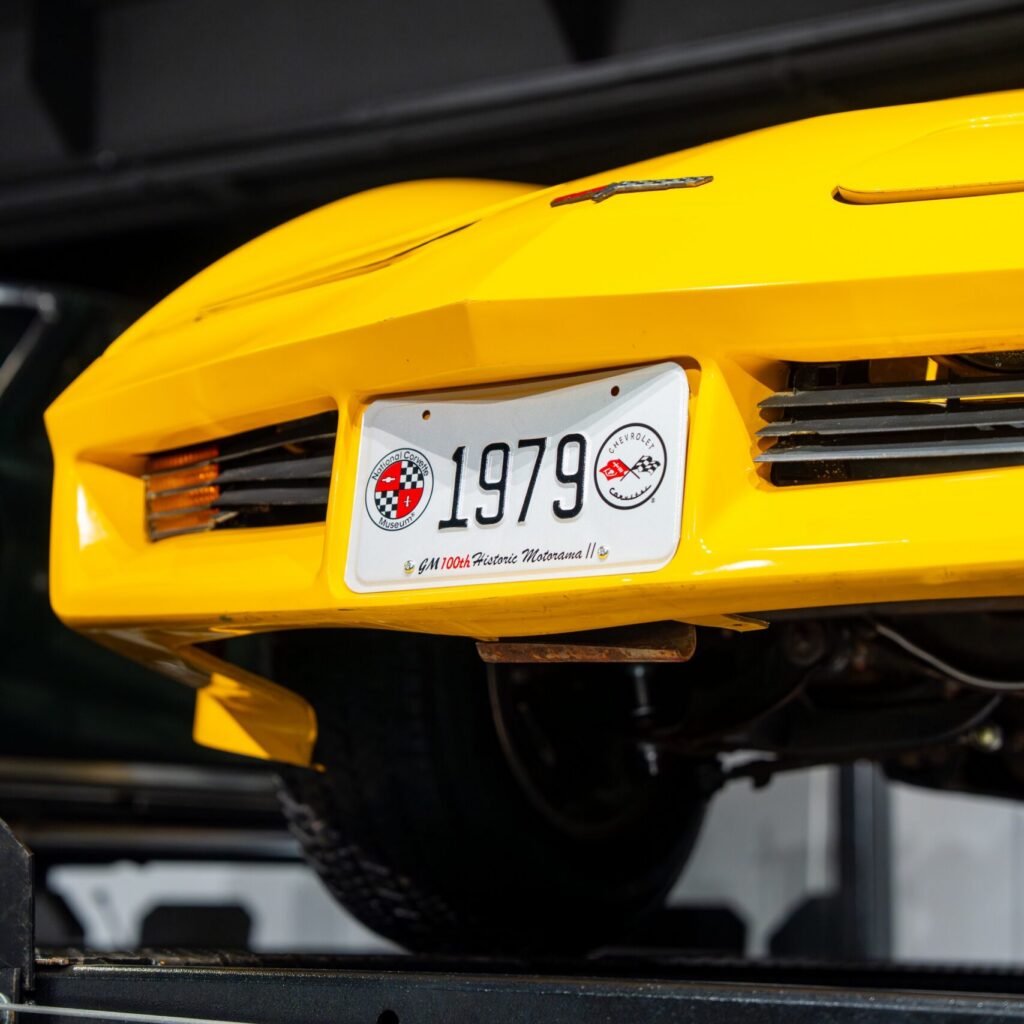
Or was it? A local Bowling Green man named Johnny Griffin, who loved Corvettes—“He probably knew as much about them as any of us,” Montileone said—trained to work at the Corvette plant, his dream job, but was never hired. His affection for Corvettes never wavered, though, and he remembered the yellow ’79, and for years, kept asking Montileone what happened to it.
When Griffin learned it was being auctioned off, part by part, he bought it and stored it all away. He tried to convince the Corvette Museum that it should be saved, that it was a legitimate part of the Bowling Green plant’s history, and they finally listened. The yellow ’79 ended up with the museum’s restoration team, which reassembled and restored it. And now, it lives in a pretty high-rent neighborhood.
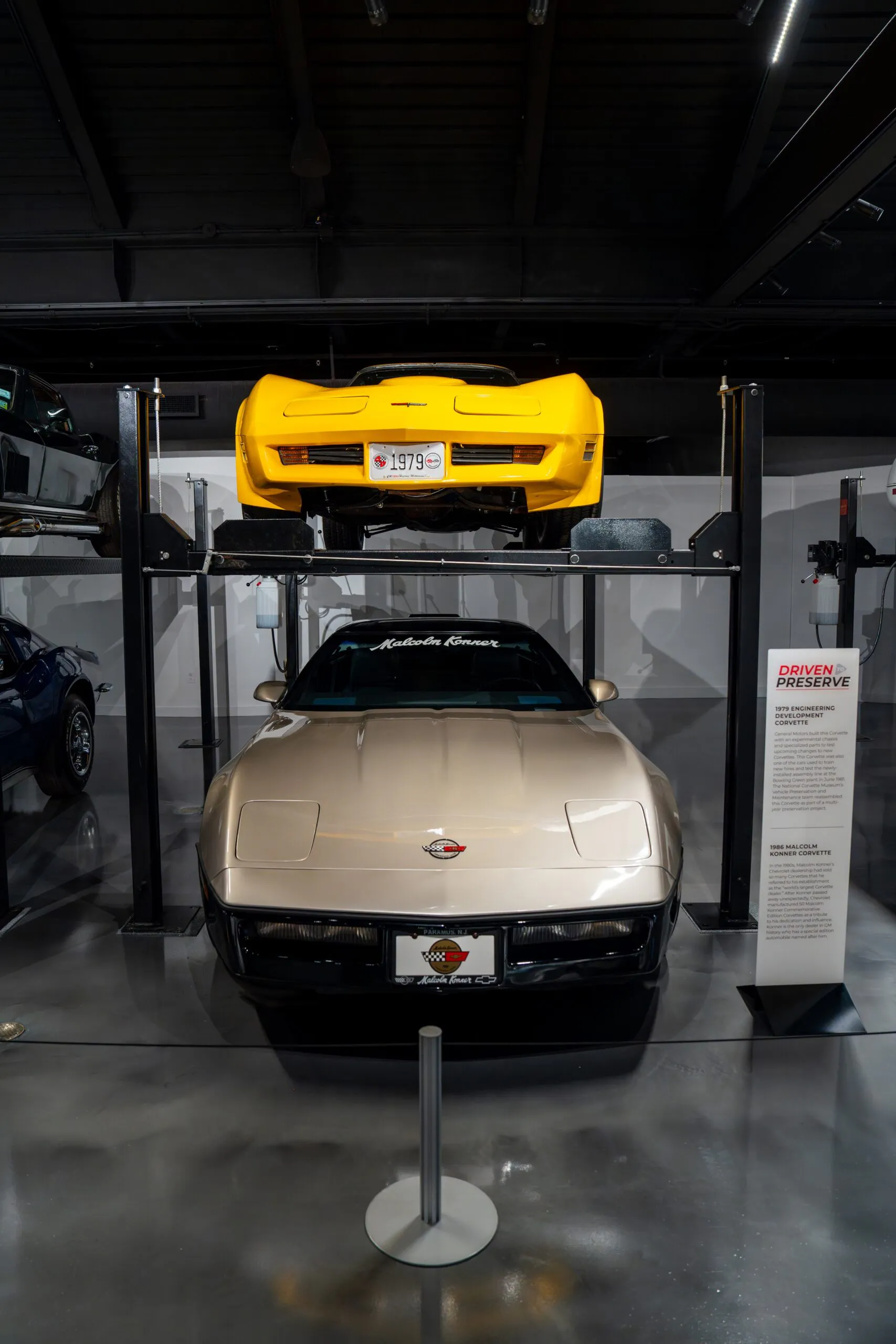
Appropriately so, said Ryan Eichler, director of the museum’s marketing and communications.
“People come to the Corvette Museum, and they see the cars on display and the artifacts we’ve saved, but they’re left wondering about the process we use to preserve and maintain it all. That’s what this exhibition is about. Because even in the case of that yellow ’79, the car came to the museum in parts, and our preservation team put it all together, which allowed us to put it on display.”
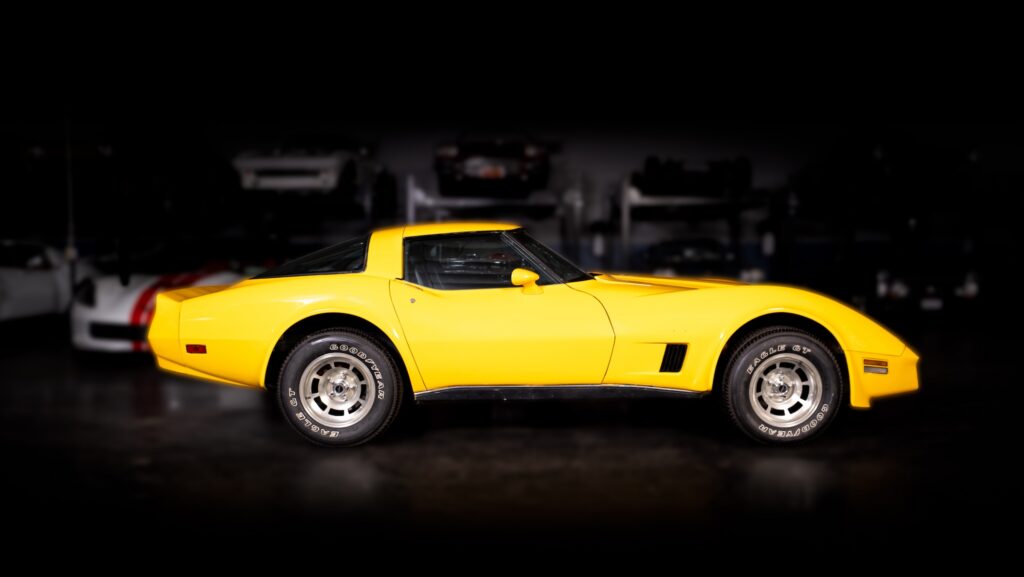
Good, said Montileone. He moved away to Tennessee, but he’s a frequent visitor to the museum and a major supporter of the heritage it represents. “Corvette is better than ever. Just like we hoped it would be.”
For The Silo, Steven Cole Smith/Hagerty