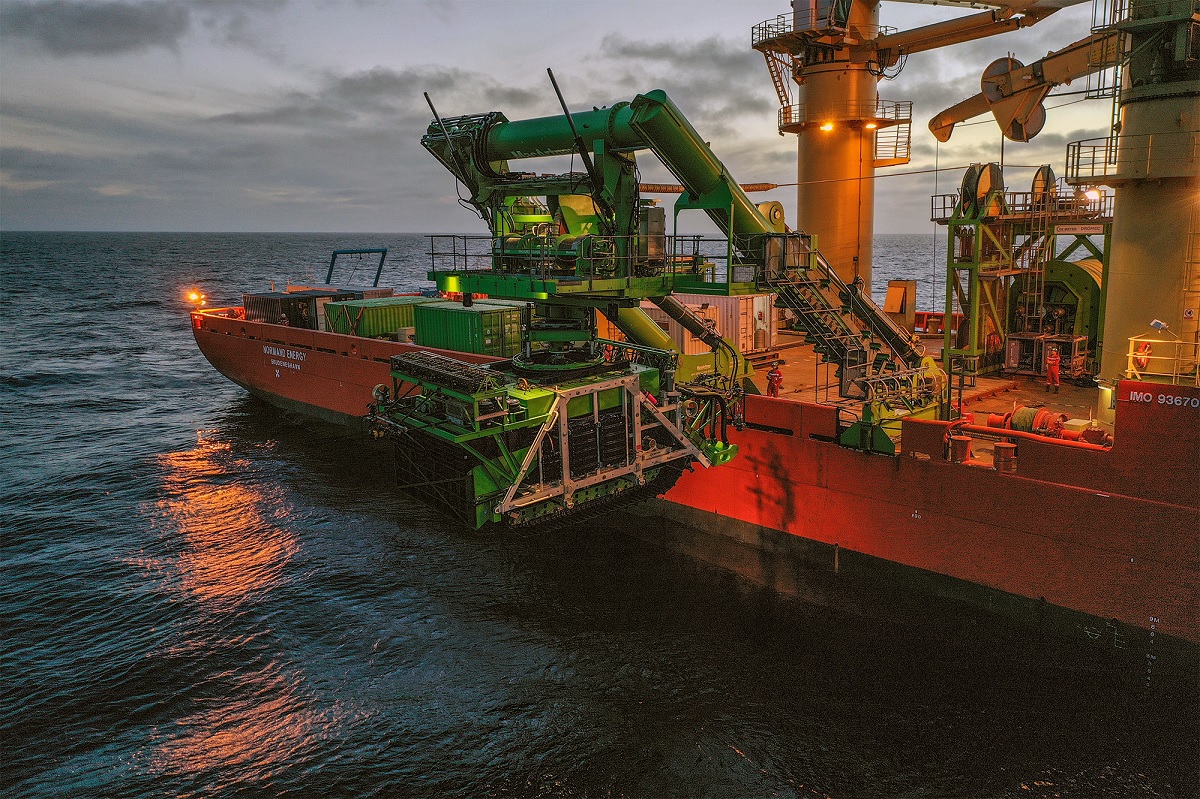
For years the ‘bad ones’ have poisoned rivers, devastated forests and displaced communities, and now massive companies are rushing to dig up the seabed for precious metals.
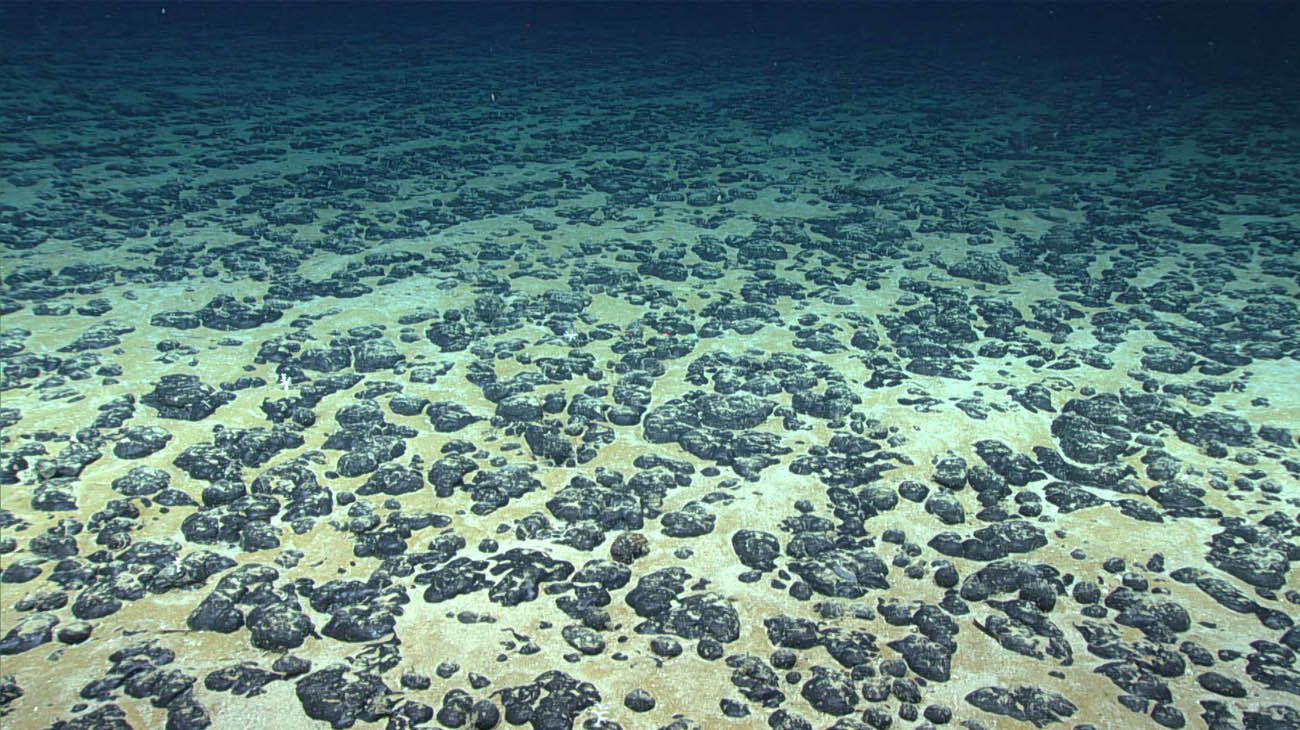
MIT: “The ocean’s deep-sea bed is scattered with ancient, potato-sized rocks called “polymetallic nodules” that contain nickel and cobalt — minerals that are in high demand for the manufacturing of batteries, such as for powering electric vehicles and storing renewable energy, and in response to factors such as increasing urbanization. The deep ocean contains vast quantities of mineral-laden nodules, but the impact of mining the ocean floor is both unknown and highly contested.”
And yet, only twenty-four people have the regulatory powers to stop this type of plunder in our planet’s most fragile places: The International Seabed Authority. You’ve likely never heard of them because this group attracts as little attention as an underwater mine miles offshore.
A few countries have agreed to full or partial bans, and leading scientists have appealed for a freeze on deep sea mining contracts.
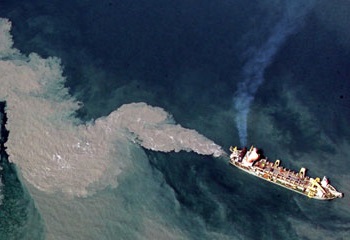
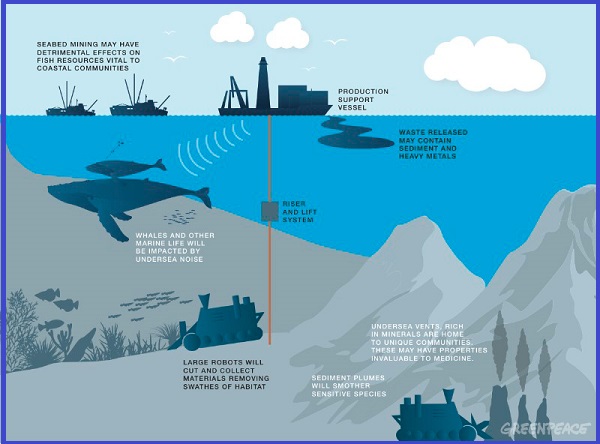
Mining companies claim they can mine the seabed safely, but authorities in Namibia, Australia and New Zealand have blocked seabed mining projects. Scientists point out that many deep water species are being discovered quite regularly, and that the ocean floor can take decades to recover from disturbances such as the creation of sediment plumes from deep sea floor bed mining.
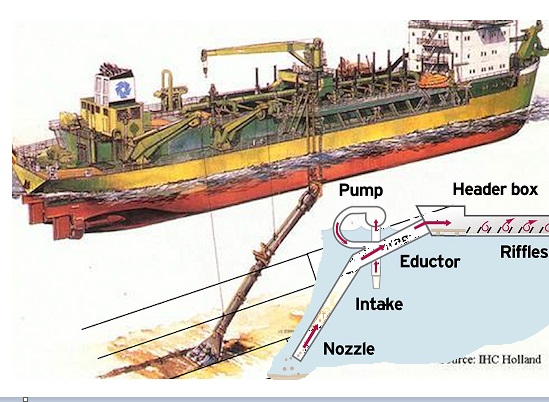

The International Seabed Authority has already issued licenses for exploratory mining across 1.2 million square kilometers of ocean floor. As mentioned earlier, this regulatory body is almost unknown, and its 24-person Legal and Technical Committee is solely responsible for the detailed scrutiny of proposals and environmental safeguards.
Supplemental:
Deep sea mining: the new resource frontier? (Al-Arabiya)
http://english.alarabiya.net/en/views/news/world/2014/11/12/Deep-sea-mining-the-new-resource-frontier-.html
Marine mining: Underwater gold rush sparks fears of ocean catastrophe (The Guardian)
http://www.theguardian.com/environment/2014/mar/02/underwater-gold-rush-marine-mining-fears-ocean-th…
New Interest in Seafloor Mining Revives Calls for Conservation (National Geographic)
http://voices.nationalgeographic.com/2013/12/11/new-interest-in-seafloor-mining-revives-calls-for-co…
Deep sea mining hopes hit by New Zealand decision (Financial Times)
http://www.ft.com/intl/cms/s/0/6edaeea8-b894-11e4-a2fb-00144feab7de.html#axzz3VFC8Wm1y
Scientists call for temporary halt on new deep sea mining projects (Popular Science)
http://www.ft.com/intl/cms/s/0/6edaeea8-b894-11e4-a2fb-00144feab7de.html#axzz3VFC8Wm1y
Shedding some light on the International Seabed Authority (University of Southampton)
http://moocs.southampton.ac.uk/oceans/2014/03/09/shedding-some-light-on-the-international-seabed-authority/

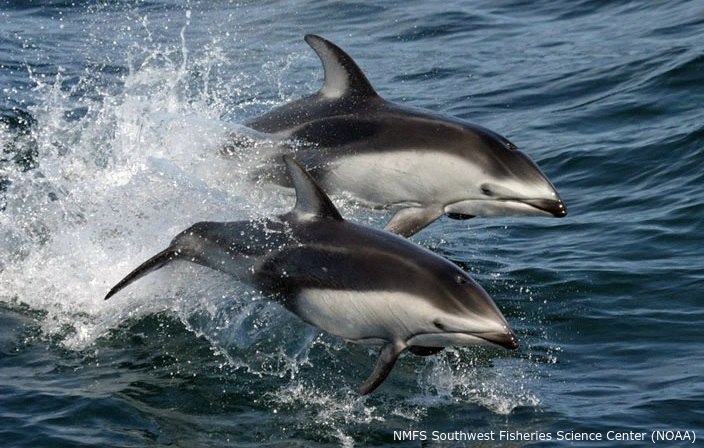
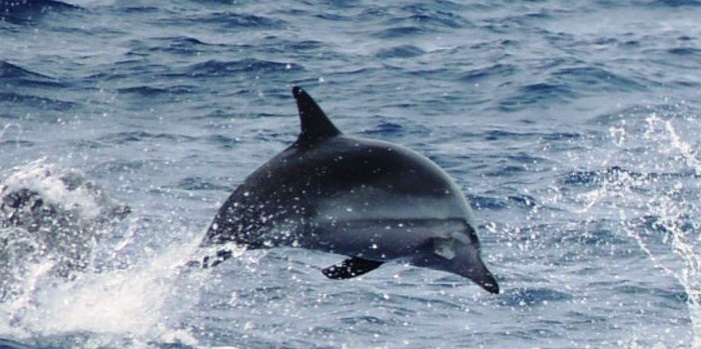
 Major public opposition has been building against the planned dolphin exhibit at the Mississippi Aquarium in recent months. Over 15,000 In Defense of Animals supporters have written to Hewes and Meadows since the plans were revealed. A former dolphin trainer at Gulfport’s Marine Life Oceanarium has amassed almost 160,000 supporters for her petition calling on Mississippi Governor Bryant not to redirect $17 million of BP deepwater drilling disaster restoration funds to build the Aquarium.
 While opposition to dolphin captivity grows in Mississippi, a sea-change is being felt across the country and around the world. SeaWorld ended orca breeding last year and announced that it is phasing out orca captivity in all three of its parks in Florida, Texas, and California. Last month, the Vancouver Aquarium was banned from keeping or breeding cetaceans, and now the