Tag Archives: snapshot

How Your Headshot Forms Impressions In Milliseconds And What To Do About It

In today’s uber-competitive, rapid-fire workforce, a headshot isn’t about looking good; it’s about being believed. ..in an instant.  From LinkedIn profiles and resumes to professional biographies and press mentions, your professional photo becomes the stand-in for you when you’re not in the room. Psychology shows that people form impressions in milliseconds, and your image carries the weight of that decision. The difference between forgettable and compelling is rarely accidental. And the implications can be make-or-break consequential.

The Career Accelerator Headshot:
How to Convey Trust, Authority & Likability in a Single Frame


studio1.png

In business, first impressions often happen before a word is spoken. This is what makes your headshot is more than a picture; it’s a visual handshake, a silent introduction that conveys confidence, likability, and professionalism in a single frame. Like a handshake, it can be firm and reassuring, or limp and forgettable. The difference often lies in small but critical choices.

It Lives Everywhere

A headshot lives everywhere a professional’s reputation does—LinkedIn, websites, pitch decks, press releases. Before colleagues, clients, partners, vendors or hiring managers meet you, they meet your image. That photograph carries cues about how trustworthy you appear, how engaged you seem, and whether you project authority or warmth. Research in psychology consistently shows that people form judgments of competence and likability in milliseconds. Your headshot is the first test of that instinct.

Here are some tips to best ensure your photo visually conveys your desired personal brand image:

Do’s: Making the Most of Your Visual Handshake

  • Do use genuine expression. Confidence is communicated through the eyes; likability through the mouth. Together they create the balance of authority and warmth that makes people lean in. Forced smiles or stiff stares fail that test. If your smile doesn’t reach your eyes, it is fake.
  • Do consider the message you want to send. A corporate board member may want gravitas; a startup founder may want energy. There is no right answer other than the one you decide on. The headshot should serve that purpose, not just “look good.”
  • Do refresh periodically. If your appearance has changed meaningfully, update your headshot. Mismatched expectations can erode trust before you’ve even said hello. A ten year old shot or an AI shot is professional catfishing.

Don’ts: Pitfalls That Undermine Presence

  • Don’t rely on selfies or casual snapshots. What may work for personal social media rarely translates into professional credibility.
  • Don’t over-edit. Excessive retouching may erase authenticity and make you look like you lack confidence. A headshot should present the best version of you, not an unrecognizable one.
  • Don’t ignore body language. Slight posture cues—a tilt, crossed arms, leaning too far back—can signal defensiveness or disengagement. Tilting your head towards the shoulder closest to the camera makes you look weak. 

The Broader Impact

A strong headshot doesn’t just open doors; it can also align a team’s brand. When a company or firm presents cohesive, polished headshots across its leadership, it communicates unity, credibility, and attention to detail. Conversely, mismatched or outdated images suggest inconsistency and a lack of care and resources. In an age where clients, investors, and partners often vet online before meeting, those subtle cues matter.

Think of your headshot the way you’d think of a handshake in a critical meeting: intentional, practiced, and aligned with the impression you want to leave. Done well, it can become one of the simplest yet most effective tools in your professional arsenal.

For the Silo, Chris Gillett.

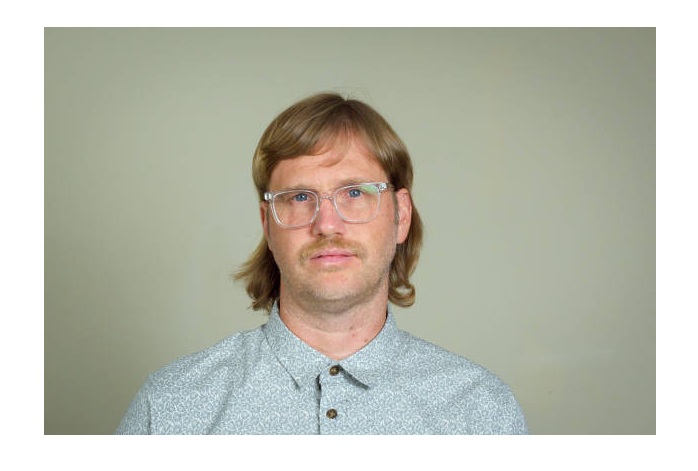
Famed headshot photographer and expression coach Chris Gillett is nationally-regarded for his work helping executives, entrepreneurs and attorneys master the “visual handshake” by combining confidence and likability in every image. Connect with him at www.liketherazor.com
A Review Of Joan Lyons At Stephen Bulger Gallery Toronto

When I first walked into Stephen Bulger Gallery to see Joan Lyons’s retrospective exhibition, I exclaimed without much thought: These are so contemporary!

A truly inane statement on my part, for many reasons. First, Joan Lyons is a contemporary artist who continues to make work into her 80s. Secondly, the work I was referring to was made in 1973, not the 1700s. And lastly, why would something being “contemporary” necessarily be a compliment?

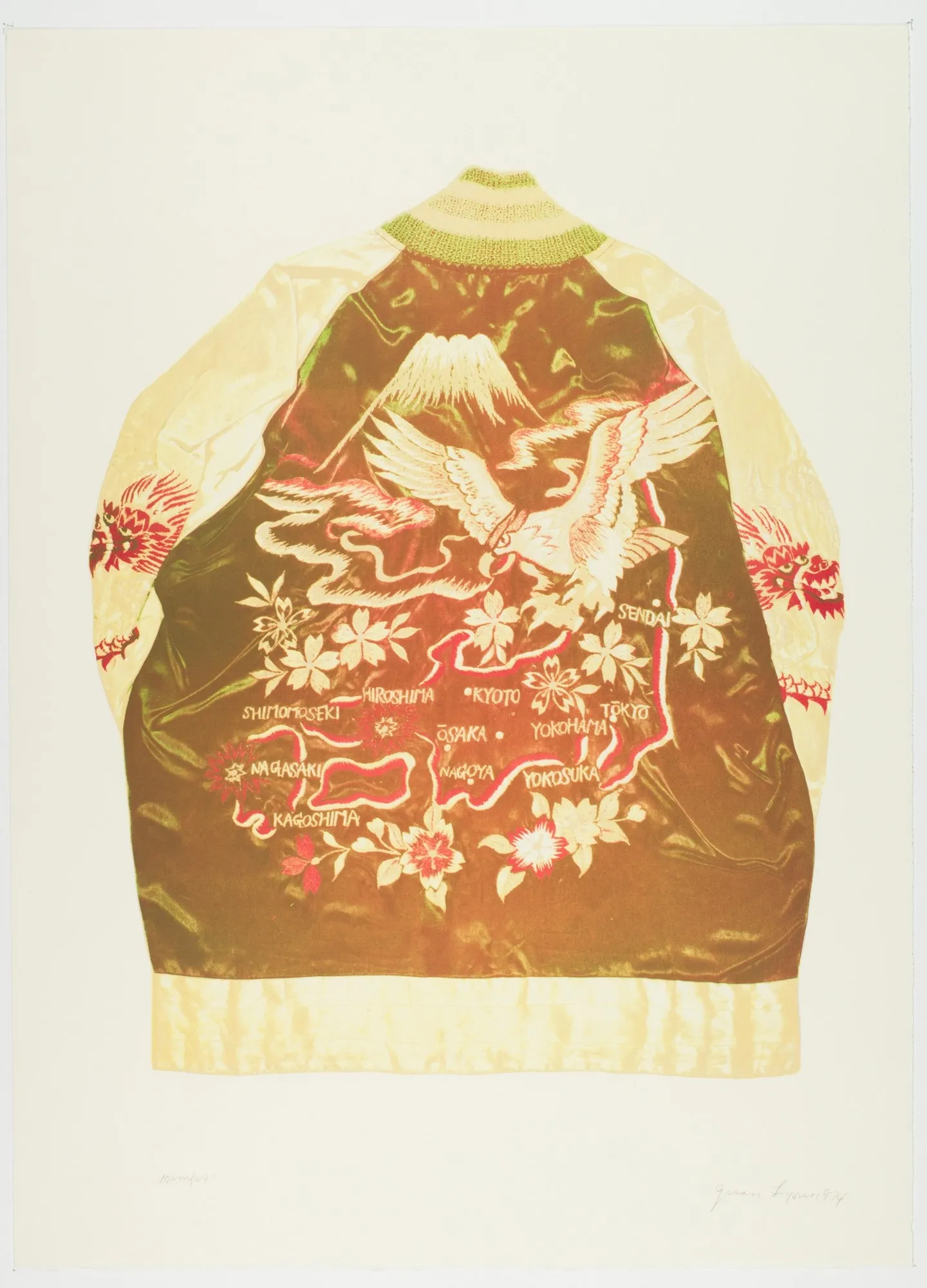
Untitled (from the Artifacts Portfolio), 1973 © Joan Lyons / courtesy Stephen Bulger Gallery

I guess what I meant is that there’s an enduring quality to the work.

Photography, at its best, can capture something fundamental about the human condition. This is exactly what Lyons does. I look at her photographs, and I see myself, despite the half-century of time between us. Whether a frustrating conversation with a male doctor, a jacket that I could see myself wearing, or the faces of a woman staring unwaveringly at the camera—there I am.

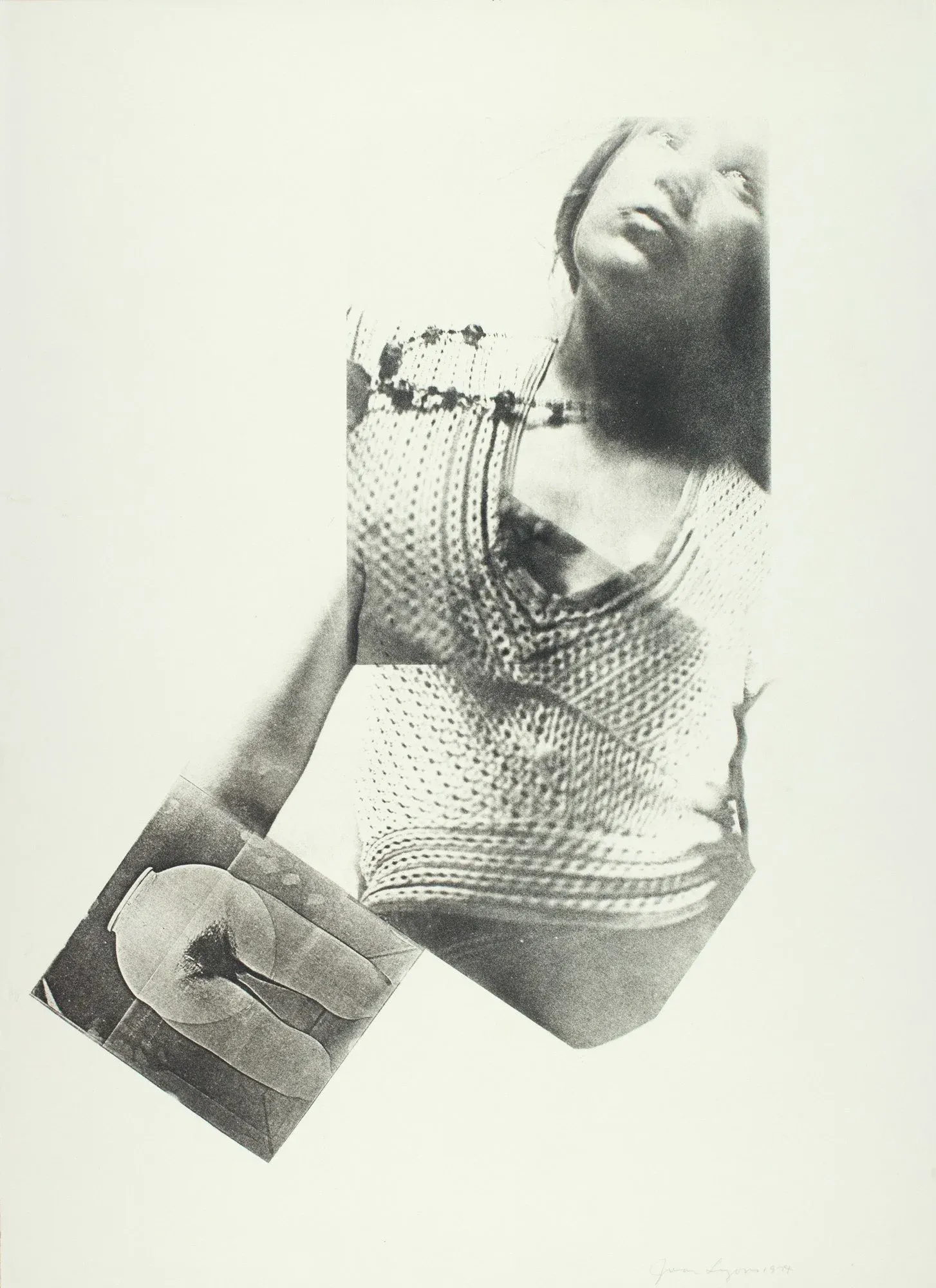
In “Xerox Transfer Drawings: Women’s Portrait Series,” which spanned from 1972-1980, Lyons set out to capture historical representations of women, by women. Through multiple transfers of the Xerox machine—I recall creating similar portraits as a young girl visiting my mom at work—a single image is constructed. “They are not naturalistic, but awkward in gesture, immobile and flattened—women frozen in their representations,” writes Lyons in the accompanying description of the work. “They countermand the idea of a photographic portrait as the record of a fleeting moment. In the 1970s, I was seeking to find myself as a woman within my culture and to locate my art practice within the history of artmaking.”

“Untitled (from Womens’ Portrait Series)” 1974. © Joan Lyons / courtesy Stephen Bulger Gallery

In these photographs, the image plane is skewed at an unnatural angle.

It’s like gravity doesn’t exist. The portraits feel close, as if the bodies are pressed up against the other side of the glass. The lack of any telling historical or geographic information in these images creates an artifact that exists outside of time.

Lyons writes that she was interested in “constructing,” rather than “taking,” a photograph. This construction of a photographic image is central to most, if not all, of Lyons’s work. Her exhibition at Stephen Bulger Gallery through February 28 feels like a journey through the history of photography.

Lyons wasn’t precious about what camera she used or pledged a relentless allegiance to one brand.

Instead, she used various techniques and equipment—including Xerography, screen-printing, Diazo paper, large-format Polaroids, digital cameras and pinhole photography—as a way to communicate. Through the quirks and features of each, Lyons leans into the medium’s uses and misuses, wielding the camera to best capture not only the reality of life but also its undercurrents of emotion.

Polaroids

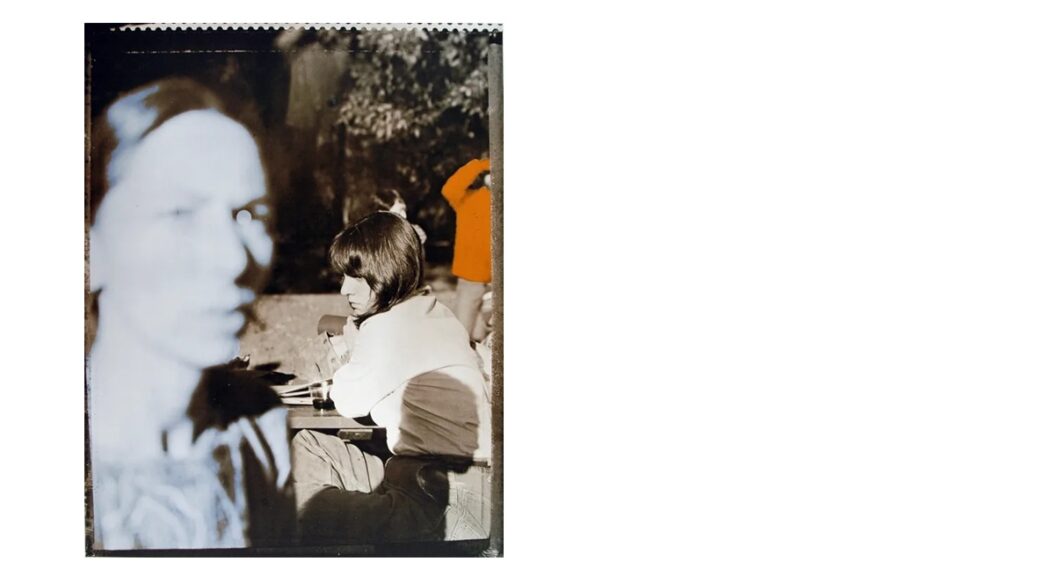
About her series of large-scale Polaroids from 1980, Lyons writes: “ ‘Presences’ is an investigation of photographic portraiture. The images have a lot to do with multiple selves and with faces as masks. In these long exposures, bodies move, and backgrounds are stationary.” The images are jarring at times; my mind can’t compute how they were achieved. A face is slightly disfigured with motion or seemingly collaged together. In another, a woman in the foreground is oversaturated and blurry, whereas the background is crisply in focus and well saturated. The blend of abstraction and realism compresses time. These photographs are not snapshots meant to capture a single moment. By shunning this style of capture, they capture something more viscerally close to the unusual reality of life.

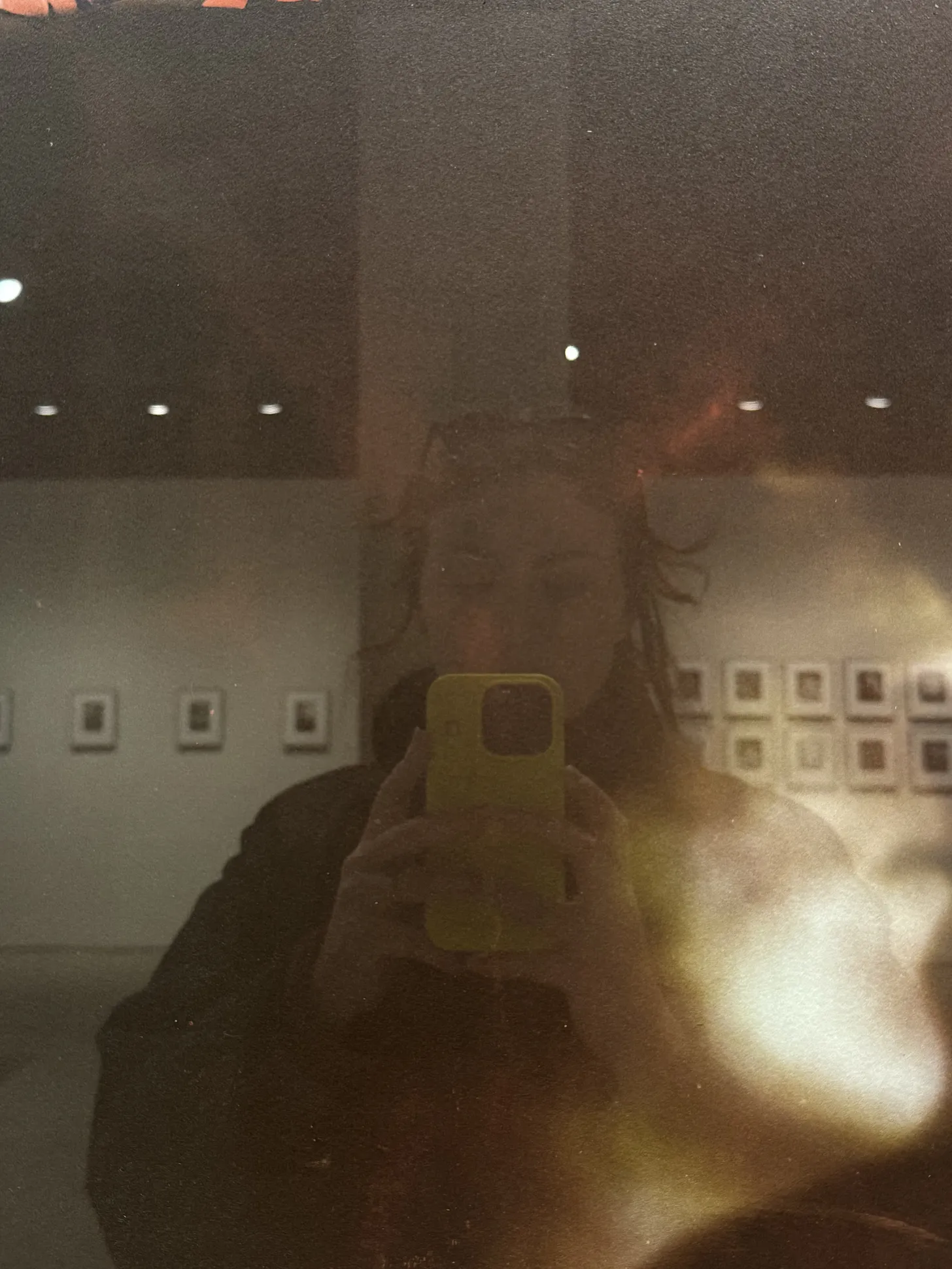
Me, reflected

I couldn’t help but photograph myself within the negative space of one of the Polaroid photographs, layering my face on top of the subjects. A mask on a mask. A photograph of a photograph. Another layer of history. For the Silo, Tatum Dooley/artforecast.

Featured image- Untitled, from the “Presences” portfolio, 1980 © Joan Lyons / courtesy Stephen Bulger Gallery