Tag Archives: MCM

The Met to Present a Major Exhibition Dedicated to the Careers of Lee Krasner and Jackson Pollock

Featuring over 120 works from more than 80 U.S. and international lenders, this exhibition marks the first major New York presentation of either artist’s work in over two decades—and their first at The Met.

Exhibition Dates: October 4, 2026–January 31, 2027
Exhibition Location: The Met Fifth Avenue, Gallery 899, The Tisch Galleries


(New York, February, 2026)—Krasner and Pollock: Past Continuous at The Metropolitan Museum of Artis a major exhibition that charts the full arc of the careers of Lee Krasner (1908–1984) and Jackson Pollock (1912–1956) in parallel, examining the distinct yet connected practices of these artistic peers and life partners. On view October 4, 2026, through January 31, 2027, it marks the first major New York presentation devoted to either artist in more than 20 years, introducing their work to a new generation while reassessing their enduring impacts on modern and contemporary art.

A meeting of two great artists


Krasner and Pollock were emerging artists in New York when they met on the occasion of being included in a 1942 exhibition organized by the artist John Graham. They married in 1945 and moved to Springs, Long Island, where they remained entwined personally, artistically, and professionally until Pollock’s death in 1956. Pollock’s life’s work had secured his legacy, while the nearly three decades that Krasner survived him marked some of the most transformative years of her career. Drawing its subtitle, Past Continuous, from a 1976 painting by Krasner, the exhibition traces parallel lives and practices, first forged by lived experience and then shadowed by memory. It foregrounds the range and art historical significance of Krasner’s work while offering a sustained examination of Pollock’s rich and complex practice.

Number 31. 1950. Jackson Pollock

Outstanding philanthropy


The exhibition is made possible by Kenneth C. Griffin and Griffin Catalyst, Marina Kellen French, and the Barrie A. and Deedee Wigmore Foundation.
Additional support is provided Trevor and Alexis Traina, the Aaron I. Fleischman and Lin Lougheed Fund, The Huo Family Foundation, and Joyce Kwok.

Number 11. 1952. Jackson Pollock

A novel way of reexamining modern art


“With its distinctive premise and scope, Krasner and Pollock: Past Continuous exemplifies The Met’s commitment to reexamining modern art through rigorous scholarship and fresh perspectives,” said Max Hollein, Marina Kellen French Director and Chief Executive Officer of The Metropolitan Museum of Art. “By considering each artist on their own terms while also foregrounding their consequential relationship, the exhibition situates Krasner’s and Pollock’s work within a broader cultural and artistic context—an approach central to the mission of The Met’s Department of Modern and Contemporary Art and to the vision of the forthcoming Oscar L. Tang and H.M. Agnes Hsu-Tang Wing, opening in 2030. This project affirms Krasner and Pollock not only as defining figures of their moment, but as artists whose work continues to shape and inspire future generations.”

What makes an artist revolutionary?


Krasner and Pollock: Past Continuous begins with the fundamental premise that these artists are equals, partners in life, giants in the history of art, and revolutionaries who defined what abstraction could be,” said David Breslin, Leonard A. Lauder Curator in Charge, Department of Modern and Contemporary Art, The Met. “Each found a partner who would insist on the primacy of art over life; and they both aspired to an art that was forged out of historical connections but that also promised freedom and radical possibility in a world forever changed by war. The exhibition concerns entwined lives but is also about how different artistic directions come from shared terrain.”

Krasner and Pollock: Past Continuous approaches these artists not as a single story, but as two practices unfolding in proximity over time,” said Brinda Kumar, Associate Curator, Department of Modern and Contemporary Art, The Met. “The exhibition examines how Krasner and Pollock shared a commitment to testing the possibilities of abstraction—through shifts in scale, material, and form—and how those investigations continued to evolve along distinct trajectories.”

Krasner and Pollock: Past Continuous follows each artist’s life and work.

The exhibition highlights their differences as much as their interrelation, with some galleries that place the artists together and others where they are presented independently. Krasner and Pollock were shaped by their distinct upbringings and formative trainings. Krasner adopted and negotiated the tenets of the European avant-garde, particularly Pablo Picasso, Henri Matisse, and Piet Mondrian. Her training under Hans Hofmann was key to her development. Pollock’s network of broad influences included Thomas Hart Benton and American Regionalism, Mexican mural traditions, Surrealism, and even his own family of artists.

Their early paths unfold as complementary divergences, tracing distinct strands of American modernism that would ultimately converge in the rupture known as Abstract Expressionism. For Pollock, his breakthrough was the “drip” technique, a radical mode of painting that flourished in a condensed but prolific period from 1946 to 1951. Krasner’s varied practice was typified by ceaseless explorations of abstraction, often cued by her abiding interest in the possibilities of nature and color. This manifested in bold collages, gestural canvases and vividly hued hard-edge painting. Historically, Pollock’s reputation has eclipsed Krasner’s. LIFE Magazine asked in 1949 if Pollock was “the greatest living painter in the United States.” His early death and posthumous media attention further amplified his fame and eclipsed critical appraisal of Krasner’s contributions. Today, both artists’ practices are rightly recognized as key to the innovations of art from the mid-20th century onwards. This exhibition continues and amplifies this reevaluation.

Rarely loaned works
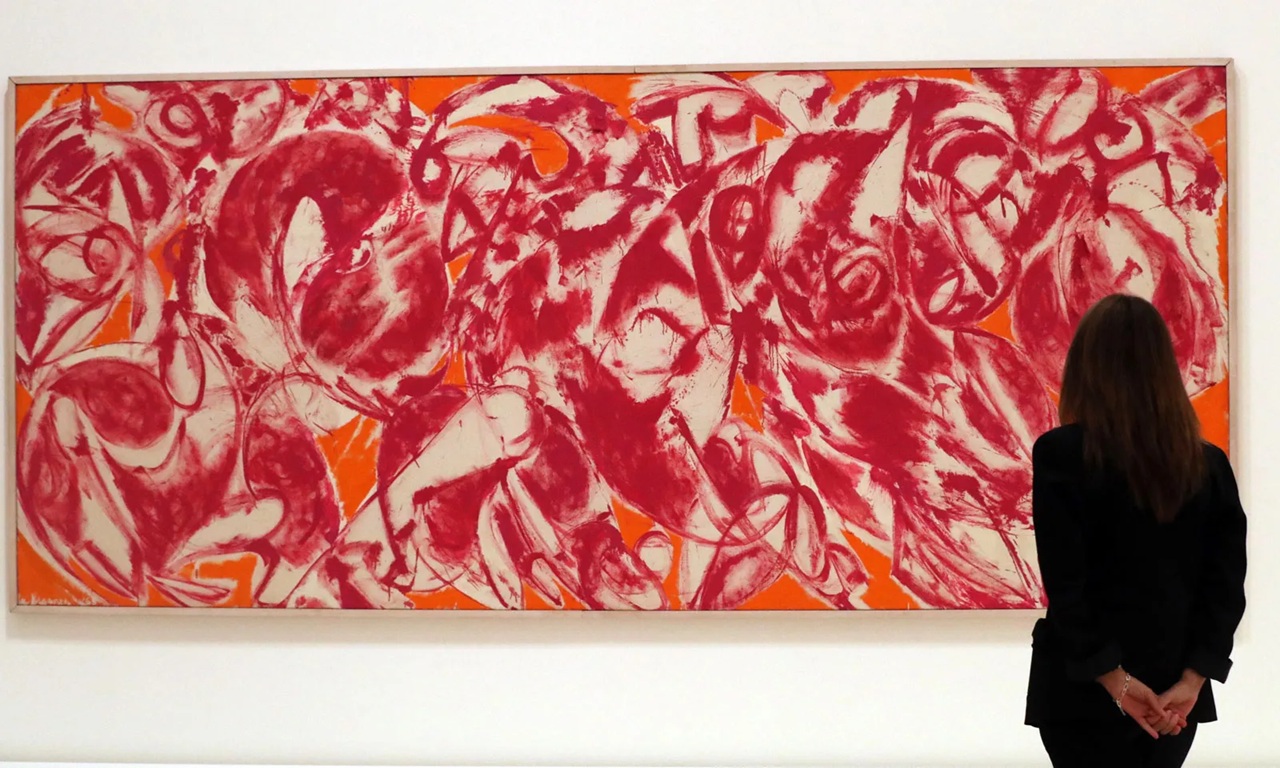
Combat. 1965. Lee Krasner


The exhibition draws on The Met collection and rarely loaned works from more than 80 U.S. and international lenders, bringing together over 120 paintings, works on paper, and ephemera to reconsider Krasner’s and Pollock’s careers—both on their own terms and in dynamic relation to each another and their shared artistic context. Major institutional lenders include Peggy Guggenheim Collection, MoMA, the Whitney Museum of American Art, Tate, National Gallery of Art, National Gallery of Victoria, Centre Pompidou, Buffalo AKG Art Museum, Dallas Museum of Art, The Art Institute of Chicago, and SFMoMA. The exhibition will also include several rarely seen works from important private collections.

Organized into 12 chapters that span each artist’s career and are punctuated by defining moments, Krasner and Pollock: Past Continuous unfolds from the 1930s through the postwar years to the end of their respective lives, moving between moments of convergence and difference. The exhibition’s design, informed in part by historic spaces and installations, enhances moments of exchange—across time and practices—while allowing for discrete encounters with works by each artist, from Krasner’s Little Images series and Pollock’s drip paintings of the late 1940s to his monumental canvases in the 1950s and Krasner’s Umber and Earth Green series. The exhibition charts ongoing dialogues—Pollock’s late return to earlier motifs in the mid-1950s and Krasner’s extended engagement through the 1960s and 1970s with artists such as Klee, Picasso, Mondrian, and Matisse. This presentation will reveal two artists in constant negotiation with each other, themselves, and the cultural, political, and aesthetic stakes of their time.

A constellation of landmark works anchor the exhibition’s exploration of both artists’ practices, including Lee Krasner’s Composition (1949), The Seasons (1957), The Eye is the First Circle (1960), and Combat (1965), along with Jackson Pollock’s Stenographic Figure (1942), Guardians of the Secret (1943), Number 1, 1950 (Lavender Mist) (1950), and The Deep (1953). Two earlier exhibitions, Krasner/Pollock: A Working Relationship (co-organized by Guild Hall and Grey Art Gallery, 1981) and Lee Krasner-Jackson Pollock: Kunstlerpaare Kunstlerfreunde (Kunstmuseum Bern, 1989–90), concentrated on the approximately 15-year overlap in the artists lives, from 1941, when they met, until Pollock’s death in 1956. Krasner and Pollock: Past Continuous is the first exhibition to consider both artists’ practices, in their full chronological sweep, together.

The Met has long been significant for both Krasner and Pollock.

Pollock first exhibited a painting at The Met in 1943 in an exhibition in support of World War II. By the end of the decade, he would be among the artists—The Irascibles—who mounted a notable critique of the Museum’s then-prevailing attitude to contemporary art. However, a short while after Pollock’s death, The Met acquired the landmark painting Autumn Rhythm (Number 30) (1950). The Met’s collection of works by Lee Krasner—from her earliest self-portraits to her late magnificent Rising Green (1972)—includes important gifts to the Museum by the artist during her lifetime. The Met was notably also the venue for Krasner’s memorial service in 1984. Krasner and Pollock: Past Continuous builds on this history, marking the Museum’s first major exhibition devoted to either artist. A focused survey, the exhibition traces the arcs of their artistic developments, offering fresh perspectives on two of the most influential figures of 20th-century art.

The exhibition also reflects The Met’s commitment to showcasing artists whose work continues to shape how art is made and understood today. Krasner’s and Pollock’s contributions to modernism and their serious engagement with the possibilities of painting continues to be significant for the work of contemporary artists. In advance of the opening of the Tang Wing for Modern and Contemporary Art, opening in 2030, Krasner and Pollock: Past Continuous models a curatorial approach that reexamines canonical narratives and connects 20th-century innovations to the concerns of today’s artists and audiences.
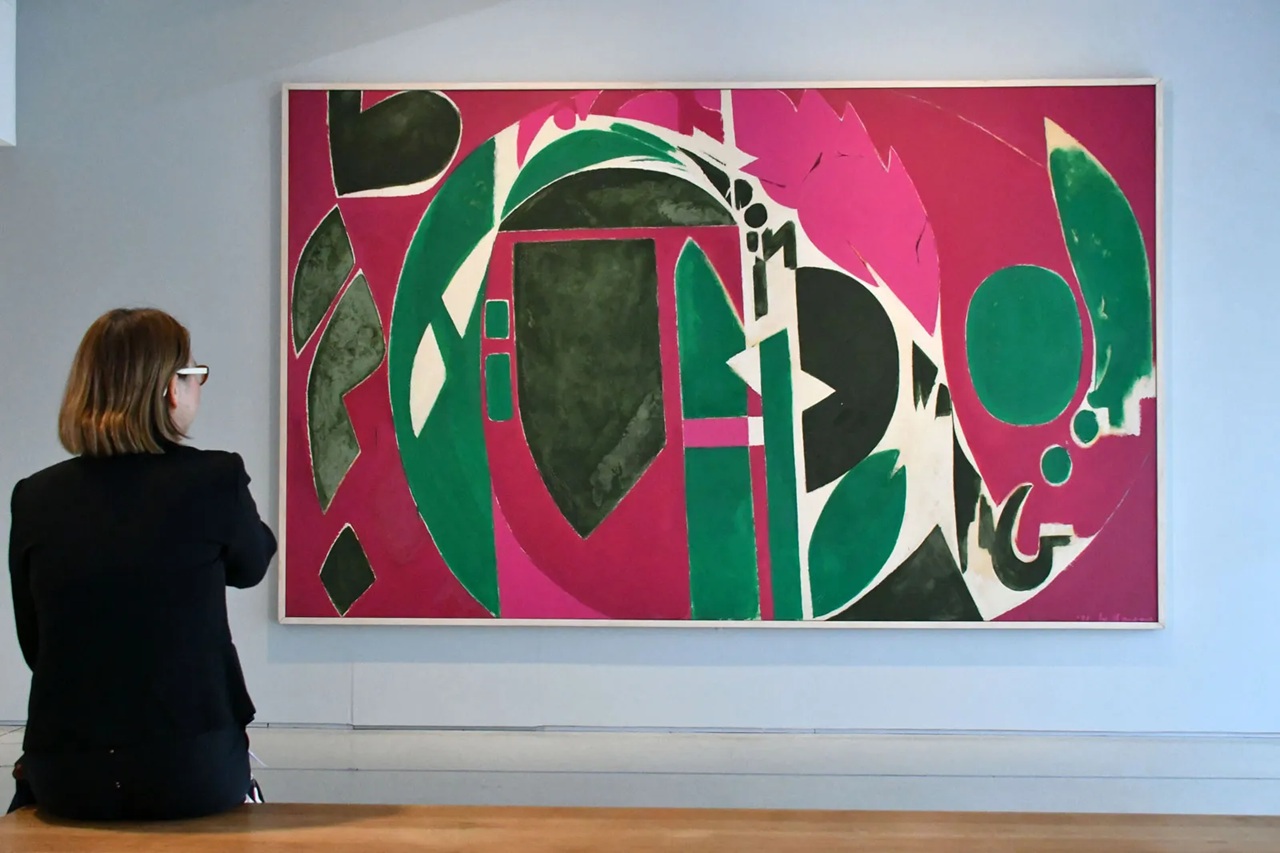
Palingenesis. 1971. Lee Krasner

Exhibition Catalogue


The exhibition’s accompanying catalogue, Krasner and Pollock: Past Continuous, expands the project’s central themes through newly commissioned texts. Featured essays by the exhibition’s curators as well as Johanna Fateman, Prudence Peiffer, and Matthew Holman consider a range of topics, including Krasner and Pollock’s intertwined creative lives as an artist couple, their strategies of abstraction in the 1950s, and the transatlantic reception of their work, while artist Amy Sillman offers a contemporary painter’s perspective on artistic breakthrough and legacy. The volume also includes an illustrated, interwoven chronology as well as reflections by leading contemporary artists, underscoring the enduring resonance of Krasner’s and Pollock’s work across generations.

The catalogue is made possible by the Pollock-Krasner Foundation.

Additional support is provided by the Aaron I. Fleischman and Lin Lougheed Fund, The Robert David Lion Gardiner Foundation, Karen and Sam Seymour, the Wyeth Foundation for American Art, Suzanne Deal Booth, and Kelly Williams and Andrew Forsyth.

For the Silo,  Julie Niemi.

Credits and Related Content
Krasner and Pollock: Past Continuous is curated by David Breslin, Leonard A. Lauder Curator in Charge, and Brinda Kumar, Associate Curator, with the assistance of CJ Salapare, Research Associate, all of the Department of Modern and Contemporary Art, The Met.

The Met will host a variety of exhibition-related programs, to be announced at a later date.

Featured Image: Lee Krasner (American, 1908–1984), Bald Eagle, 1955, Oil, paper, and canvas collage on linen, 77 × 51 1/2 in. (195.6 × 130.8 cm), ASOM Collection © 2026 Pollock-Krasner Foundation / Artists Rights Society (ARS), New York

LA’s Famous Atomic Age Stahl House For Sale

LA’s Stahl House – Most Famous US Modern Home Since Fallingwater – Lists $25 Million usd/ $34.3 Million cad

In 1945, Arts and Architecture magazine commissioned major architects to create the Case Study Homes, an experiment in architectural design intended as a creative solution to the impending post-war housing boom. Constructed from industrial materials, these homes would help to define the mid-century modern movement, none more so than Case Study House #22, known as the Stahl House.

The Pierre Koenig masterpiece is cantilevered over a Hollywood hillside, which had been deemed unbuildable by previous architects. The home was immortalized by renowned photographer Julius Shulman in an image that shows two women in white party dresses lounging in the living room that seems to float above the glittering city.

It is perhaps the most famous modern-style US home and architectural photograph since Frank Lloyd Wright’s 1930s Fallingwater. A true cultural landmark, the home is a City of Los Angeles Historic-Cultural Monument and listed on the National Register of Historic Places. 

Owned by the Stahl family since its inception, this one-of-a-kind icon of modern design has hit the market for the first time.

Representing the optimism of the atomic age, the Stahl House features the steel-and-glass construction so emblematic of the modern movement. Its legendary glass walls were created from the largest glass panels commercially available when it was built between 1958 and 1960. They offer sweeping 270-degree views of Los Angeles. A picture window in the primary bathroom frames the Hollywood Sign. 

An airy open floor plan connects the living spaces in the 2,200-square-foot home, anchored by a central fireplace with natural stone details. Blonde wood enhances the charming kitchen, which features a spacious island with counter seating that ingeniously tucks away when not in use. The concrete floors sport radiant heating for ultimate comfort. Sliding doors open onto the gorgeous pool deck with an expansive swimming pool and more awesome views. Situated at the end of a gated drive, the property offers a rare combination of discretion, security, and serenity high above the city. Since 2007, the house has offered public tours, and the family seeks not just a buyer but a custodian who will honor the house’s history, respect its architectural purity, and ensure its preservation for generations to come. 

Located in the Hollywood Hills, the house is about a mile from the legendary Sunset Strip, the epicenter of LA’s rock-and-roll scene in the 1960s and still home to top-notch venues for music, comedy and food. The neighborhood is very popular with celebrities, with A-listers like Leonardo DiCaprio, Keanu Reeves, Halle Berry and Taylor Swift owning homes in the hills. The Stahl House is a celebrity in its own right, having been featured in numerous films and TV shows, including ColumboNurse Betty and Galaxy Quest For the Silo, Jarrod Barker.

Tim Allen playing Jason Nesmith in 1999 Galaxy Quest – The Stahl house

The listing is held by William Baker of the Agency Beverly Hills.

Photo Credit: Cameron Carothers; Original Photos by Julius Shulman, courtesy of The Getty Museum

Coming To Streaming & Disc- Eileen Gray & The House By The Sea

She designed a sanctuary for herself.
Unfortunately, it turned out to be a modern masterpiece.

E.1027
Eileen Gray and the House by the Sea
Streaming & DVD Launch September 9, 2025!
Coming to Amazon, Apple & Kanopy
 
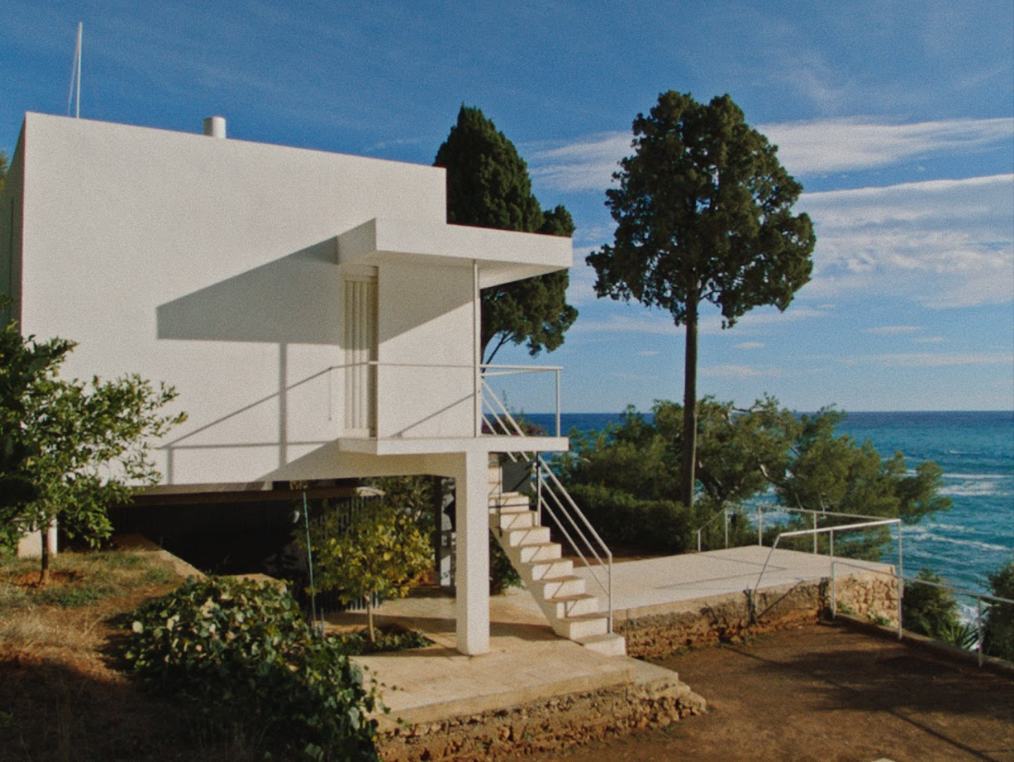
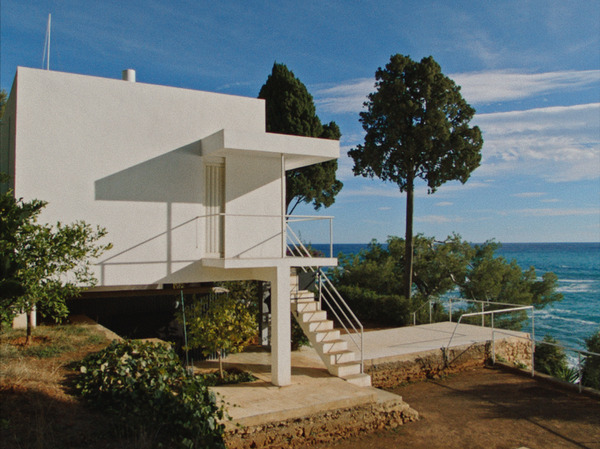
In 1929, Irish designer Eileen Gray created E.1027 on the sun-soaked Côte d’Azur – a bold and hidden gem of avant-garde architecture. This striking house was meant to be a personal refuge.

But when the legendary architect Le Corbusier stumbled upon it, fascination turned to obsession. He covered its walls with his murals, completely disregarding Gray’s wishes and her vision. His defiant act ignited a battle for creative control, with Gray demanding restitution for the destruction of her work. He ignored her wishes and instead built his famous Cabanon house directly behind E.1027.

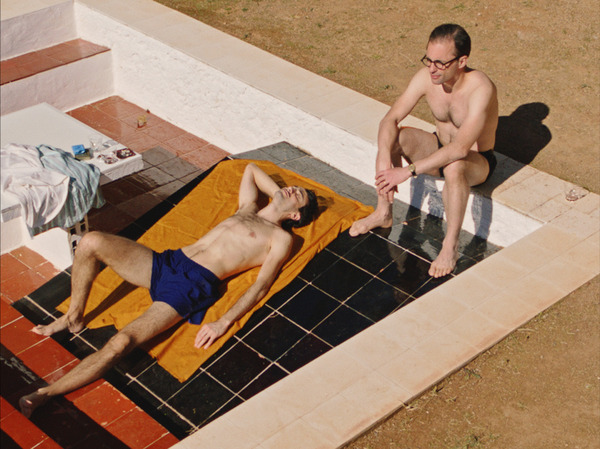
E.1027 – Eileen Gray and the House By the Sea is an unusual hybrid docu-fiction film that tells a story about the power of one woman’s creative expression and a man’s desire to control it.
“A unique and uniquely satisfying experience…a bold movie because it takes a deep dive on characters and a house that may not widely known, at least for American audiences. There is nothing quite like it.”
– John Soltes, Hollywood Soapbox
A story of passion, craft, and betrayal…aesthetically beautiful and a great summer watch.” – Fiona Rae, Film Threat
“Shot on location at E.1027, this feature-documentary hybrid matches the sleekness of its setting – its serenity, its surface poetry, its fragments of grace.” – Barlo Perry, ParisLA
“Eileen Gray was a creative genius and the first woman to conquer the world of architecture at a time when men controlled it all. This new film reflects on Gray’s impressive career and her stunning modernist house on the Cote d’Azur.” – Meredith Taylor, Finito World

“The directors put architecture in dialogue with cinema in order to bring to life the sensibility of a woman who was a visionary yet is too rarely celebrated. Elegant and well thought-out, the film uses the cinematic medium to enrich a discourse.” – Giorgia Del Don, Cineuropa

“Based on the memoirs of Eileen Gray, this meticulously crafted docu-drama, where poetry slips into frames, angles and tones, almost feels like a hallucination.” – Maroussia Dubreuil, Le Monde
A First Run Features / Architecture & Design Film Festival Release
E.1027 – Eileen Gray and the House By the Sea

Written & Directed by Beatrice Minger
Co-Directed by Christoph Schaub
With Natalie Radmall-Quirke, Axel Moustache & Charles Morillon
90 minutes, color, 2024 | English & French w/English subtitles

Streaming & physical media disc Launch Date: September 9, 2025
Streaming Platforms: Amazon, Apple & Kanopy
DVD SRP: $19.95 usd| DVD UPC: 7-20229-91843-5

For the Silo, Kelly Hargraves/ First Run Features.

Historic Mid Century Modern Case Study House #16

Los Angeles’s Case Study House #16
Vintage mid-century modern homes are as popular today as they were when built in the 1950s and ’60s. Arts & Architecture magazine’s post-war Case Study Houses, for example, rarely come up for sale, and when they do, are usually snapped up by aficionados almost as quickly as the listing goes into print. Case Study House #16 is now for sale and priced at $5.4 million usd/ $7.4 million cad.

When World War II ended and the American troops were returning home, it was the start of the baby boom and a monumental housing shortage. Well-known architects in the country were asked to design simple, affordable homes that could be built en masse.


The magazine Arts & Architecture put out a challenge to architects that included Richard Neutra, Raphael Soriano, Craig Ellwood and Ray Eames. The Case Study Houses were numbered 1 through 28, and two apartments were included. They were built from 1945 sporadically through 1966. Thirteen were never built, and from the ones that were, at least three were later demolished. A couple of them have been renovated rather than restored, and the rest are lived in and cared for today.

NUMBER 16

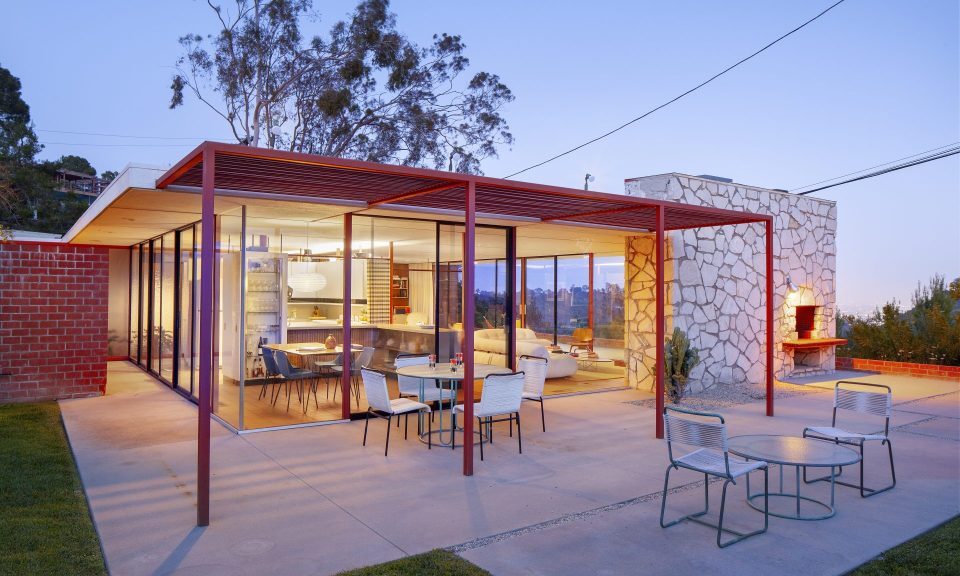
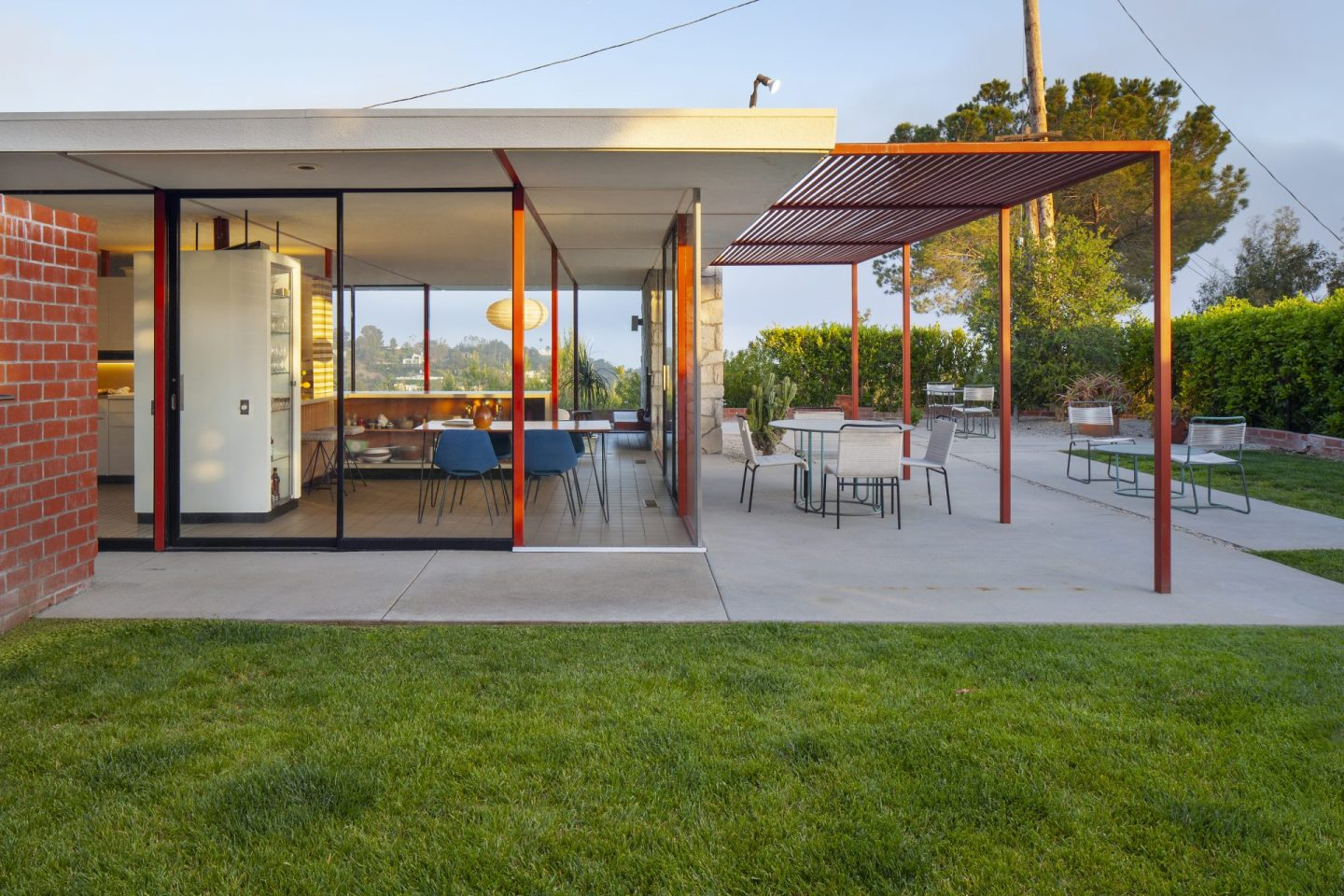
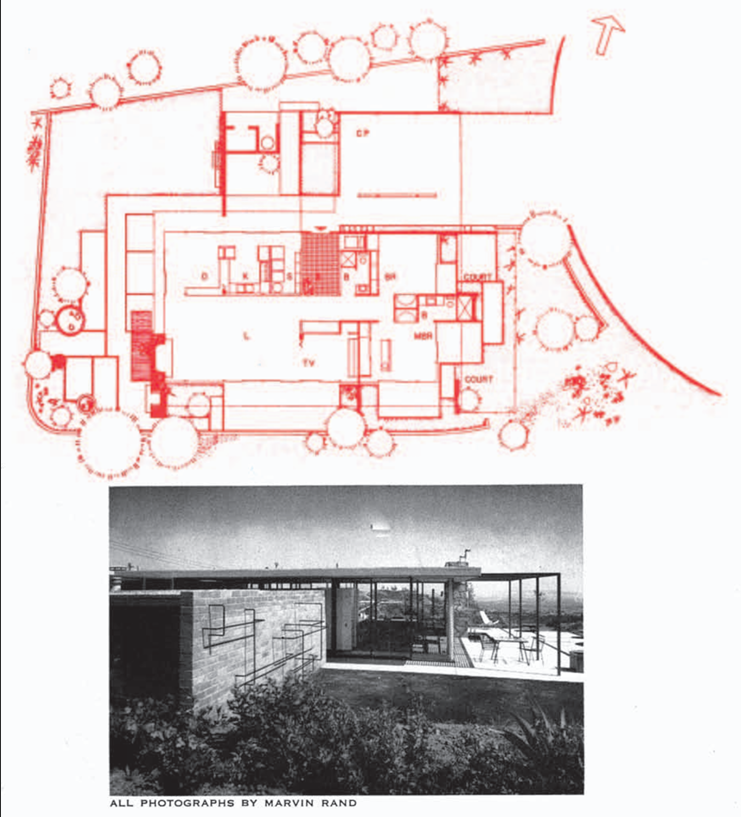
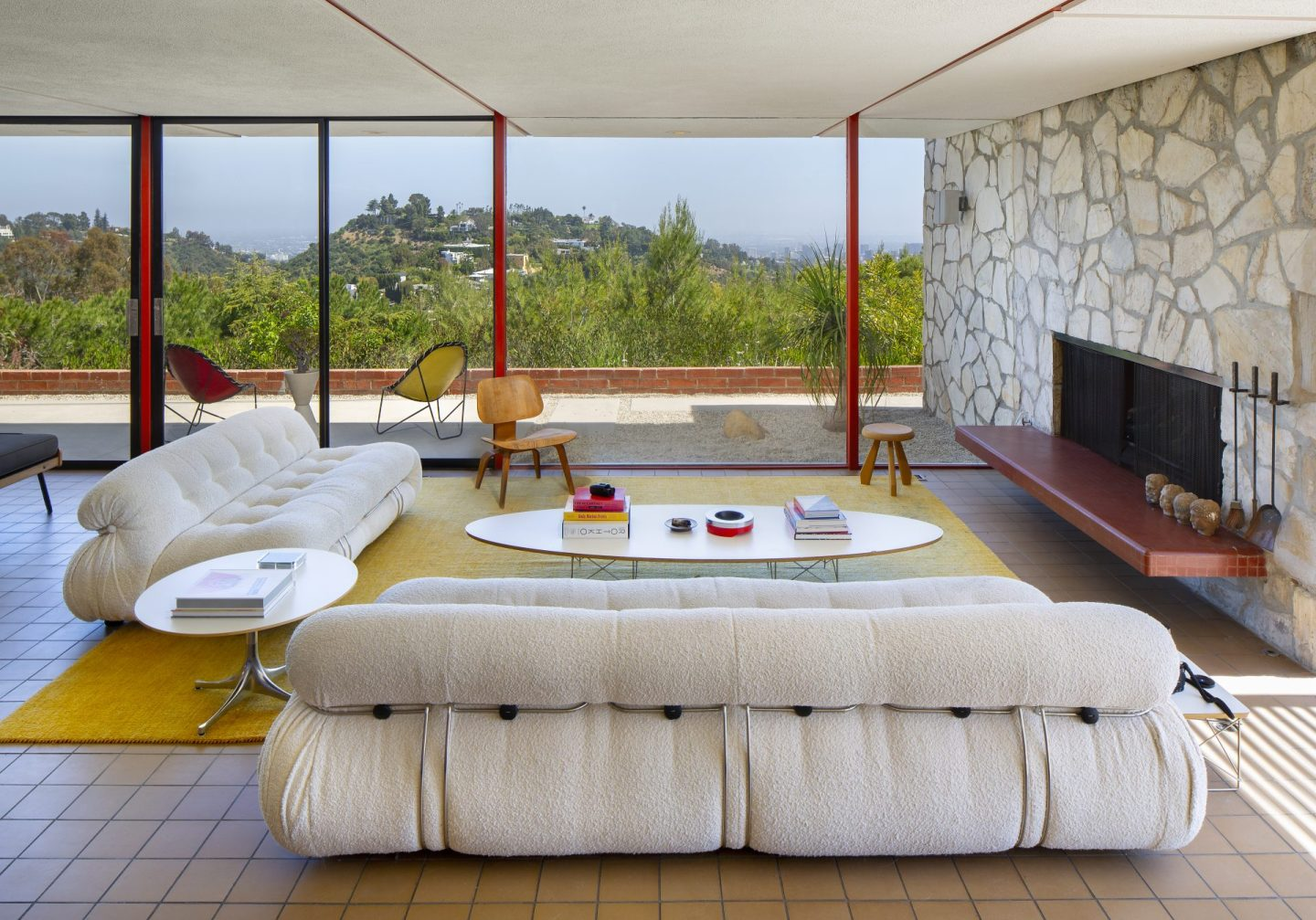
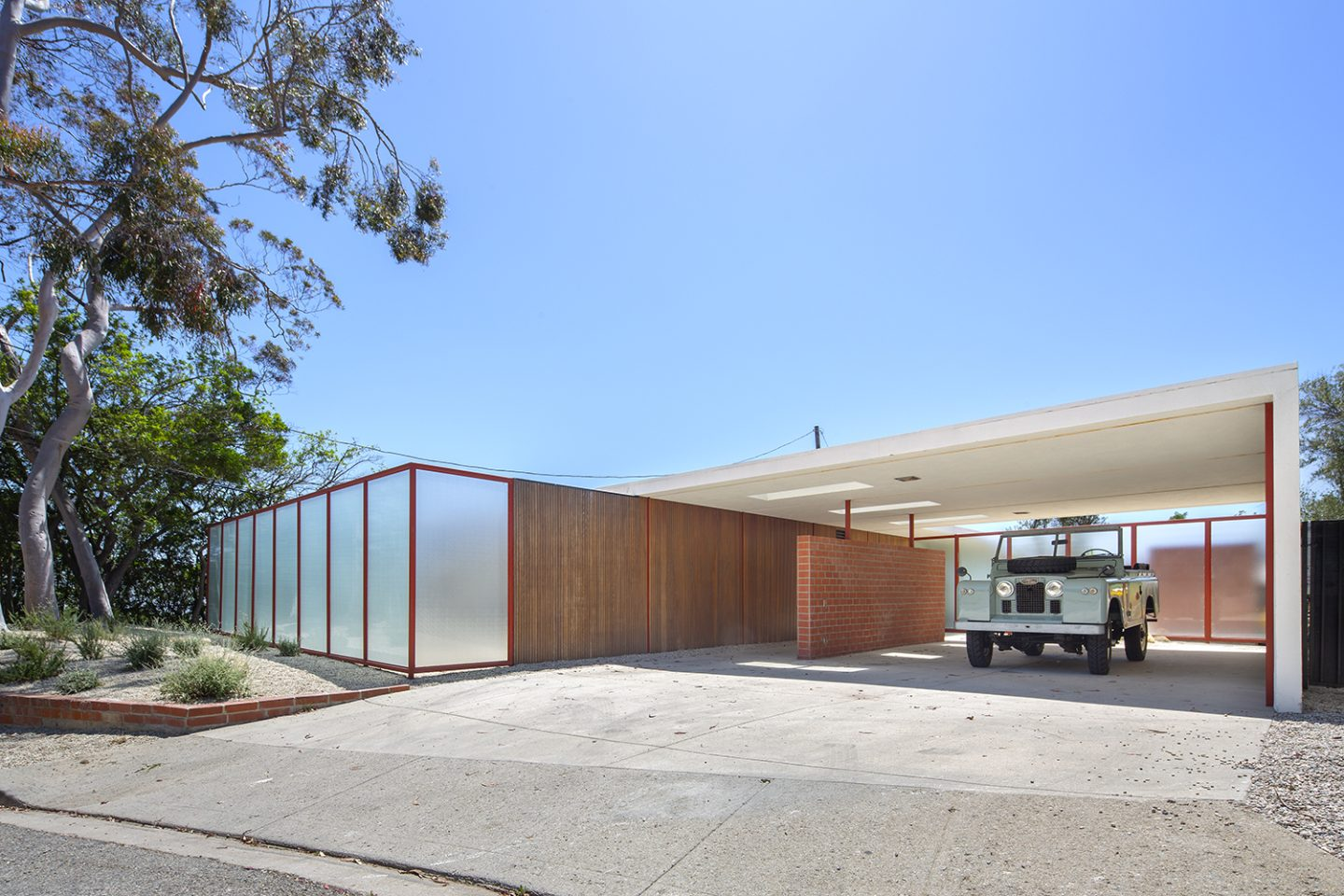
Number 16 was the first of three Case Study Houses designed by Craig Ellwood. Completed in 1953 in Bel Air, the house was innovative in its use of exposed steel-structural framing and floor-to-ceiling glass walls to optimize the views and open to the grounds, making it feel twice the size.

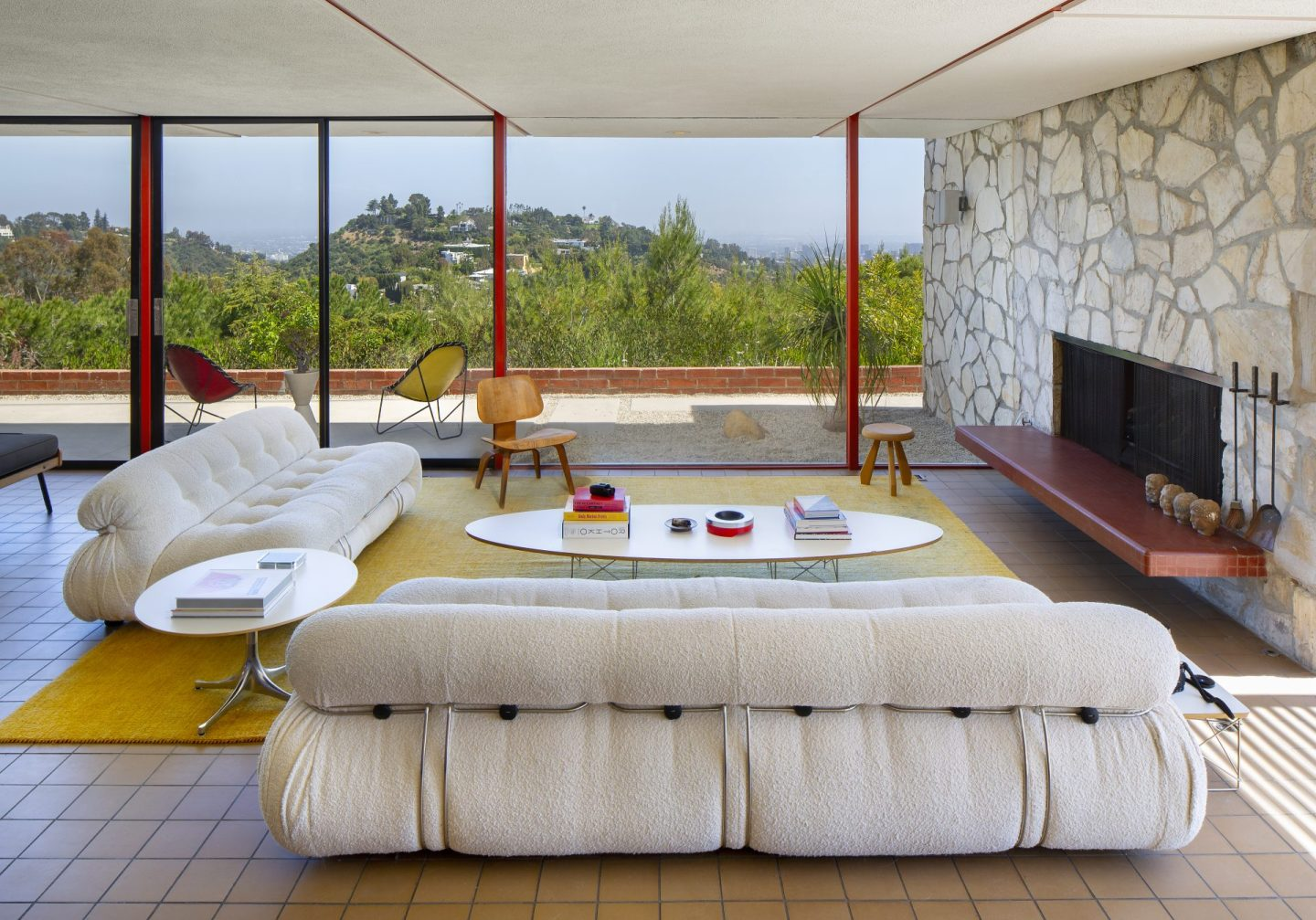
Ellwood was actually an engineer rather than an architect, and placed a lot of emphasis on the stability of the structure using steel, glass, and concrete built on a slab. The 1,664-square-foot home with two bedrooms and two baths is just as contemporary today as when it was built. The living room has a dramatic stone fireplace set into the glass wall that extends beyond it into a terraced area. Set into mature landscaping, the house appears to rest on a cushion of greenery.

The historic Case Study House #16 is for sale in Bel Air, Los Angeles, California. Priced at $5.4 million usd/ $7.4 million cad, the listing agent is Veronika Sznajder with Crosby Doe Associates. For the Silo, Bob Walsh/ toptenrealestatedeals.com

Fabulous  Mid-Century Modern Home Hits The Market

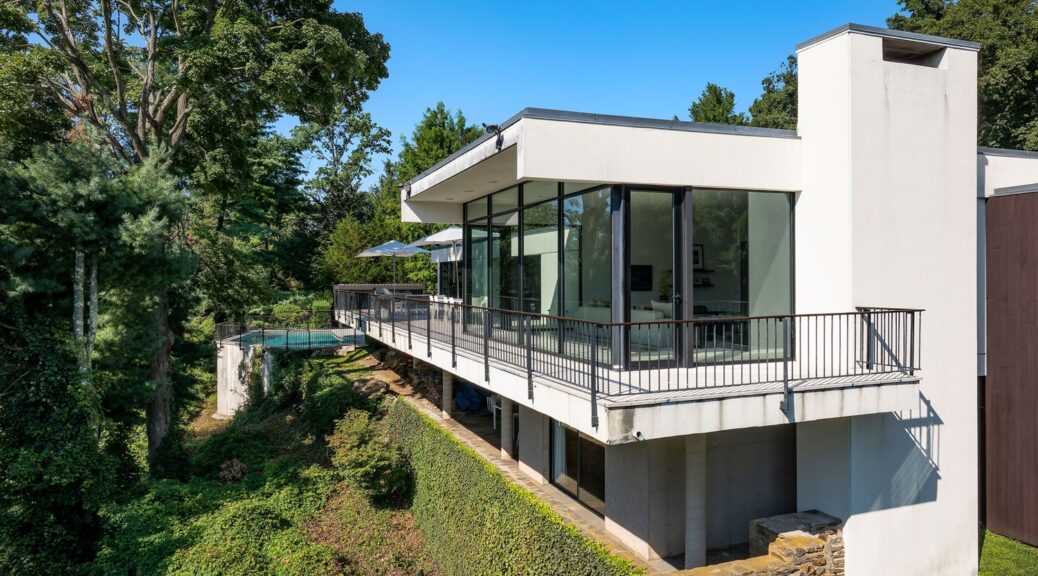
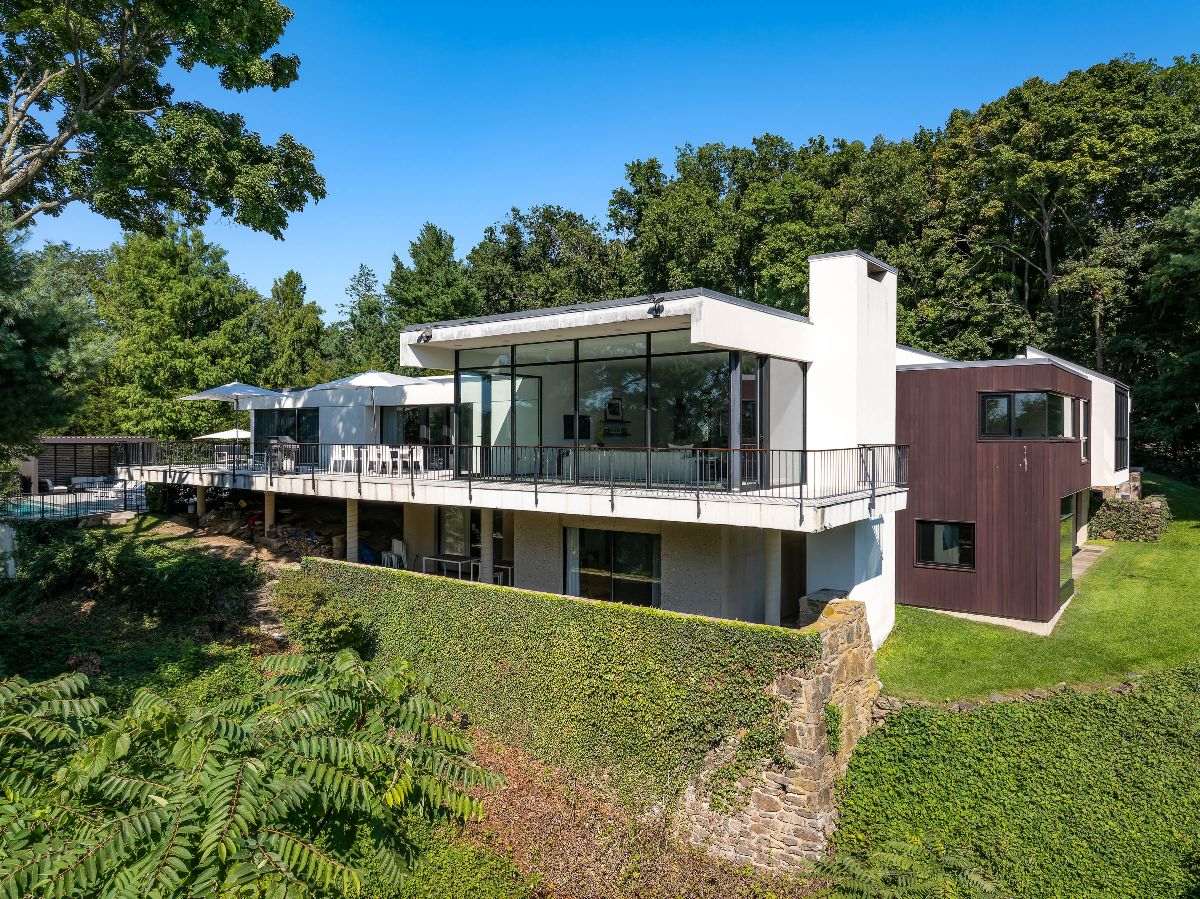
Yale School of Architecture’s Dean, Deborah Berke, is an accomplished and decorated architect. The founder of the TenBerke firm, she is responsible for such notable projects as the Residential Colleges at Princeton University, the Cummins Indy Distribution Headquarters, the Rockefeller Arts Center at SUNY Fredonia, the Yale School of Art in New Haven, Connecticut, and the 21c Museum Hotels across the South and Midwest. She is the winner of the Topaz Medallion, the highest honor for architectural education, the Berkeley-Rupp Prize at the University of California at Berkeley, which is given to an architect who has advanced the position of women in the profession, and the AIA Gold Medal Award for a lasting impact on the theory and practice of architecture. In 2014, the venerable architect completed a bespoke renovation of a stunning mid-century-modern home in Rye, NY, winning the 2015 Hudson Valley Design Award. That home has now hit the market for $4.95 million usd/ $6.89 million cad.

Originally built in 1969 by notable architect Milton Klein, the 6,500-square-foot residence is a classic California-style modern with the walls of glass, steel-frame construction, stark lines, and an open floor plan characteristic of the coveted aesthetic. As described in her book, House Rules: An Architect’s Guide to Modern Life, Berke was primarily inspired by nature in her home renovation, a philosophy in keeping with the ethos of the modern design movement. She chose materials like warm mahogany to act as a deep contrast to the concrete and stucco features. 

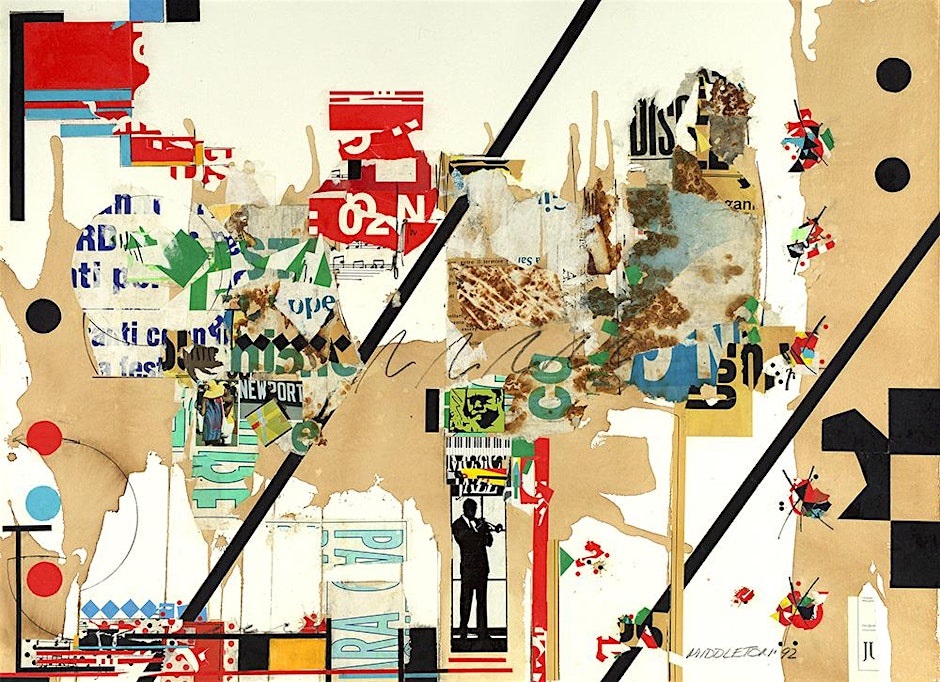
“Rhythm and Resilience: The Artistry of Sam Middleton” Exhibition

If you are able to travel to Georgia this Spring, the Hammonds House Museum located at 503 Peeples St SW Atlanta, GA continues its 2024 exhibition season with “RHYTHM AND RESILIENCE: THE ARTISTRY OF SAM MIDDLETON”. Curated by Halima Taha.

About the Exhibition

You’re invited to embark on a mesmerizing journey through the life and works of Sam Middleton, a pioneering mixed-media artist whose vibrant creations echoed the rhythms of Harlem jazz and the landscapes of Europe’s Low Countries. Born in New York in 1927, Middleton’s artistic odyssey transcended borders and he left an indelible mark on both sides of the Atlantic. Rhythm of ResilienceThe Artistry of Sam Middleton opens at Hammonds House Museum on May 17 and runs through August 18, 2024.
In Rhythm of Resilience, Middleton’s artistic evolution unfolds, tracing his self-taught beginnings amidst the vibrant culture and pulsating beats of jazz and classical music in Harlem. His encounters with creativity at the Savoy Ballroom ignited a lifelong passion for self-expression.

Venturing beyond his hometown, Middleton’s voyages with the US Merchant Marines provided him with inspiration, infusing his art with a global perspective. From the sun-soaked shores of Mexico to the tranquil landscapes of Sweden, each destination left an imprint on his ever-evolving aesthetic. Moving to the Netherlands in 1961, Middleton, joined a wave of African American artists drawn to its creative environment. Settling in Schagen, amidst the serene North Holland polder landscape, Middleton’s work blossomed, blending the vibrancy of jazz with the tranquility of his surroundings.

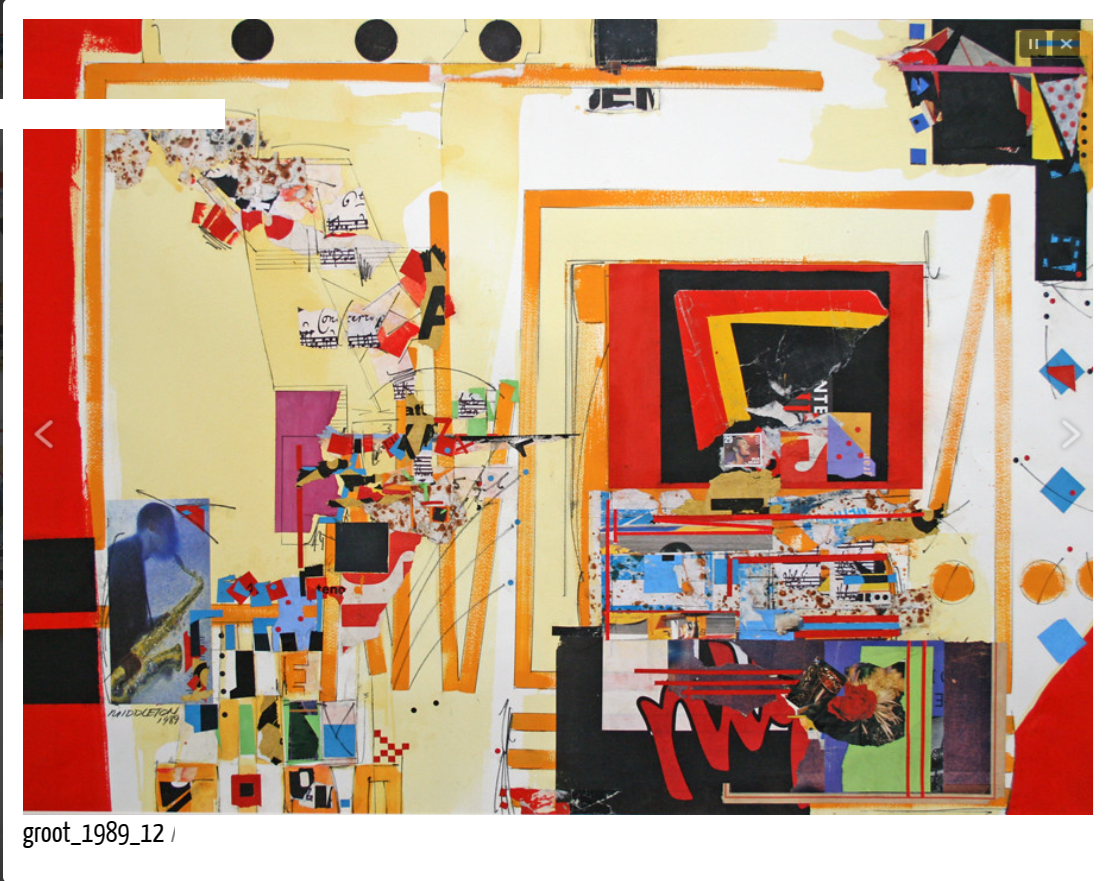
A master of collage, Middleton’s compositions pulsate with energy, weaving together musical scores, photographs, and graphic elements in a dance of color and form.

His art is a testament to the enduring influence of jazz, intertwining with the visual influence of his adopted homeland.

Through teaching positions at esteemed institutions Atelier 63 in Harlem and the Royal Academy of Visual Arts in ‘s-Hertogenbosch, Netherlands, Middleton’s legacy extended beyond his own creations, nurturing a new generation of artistic talent.

Featured Image: Newport by Sam Middleton, 1992.

Iconic Mid-Century Modern Home For Sale

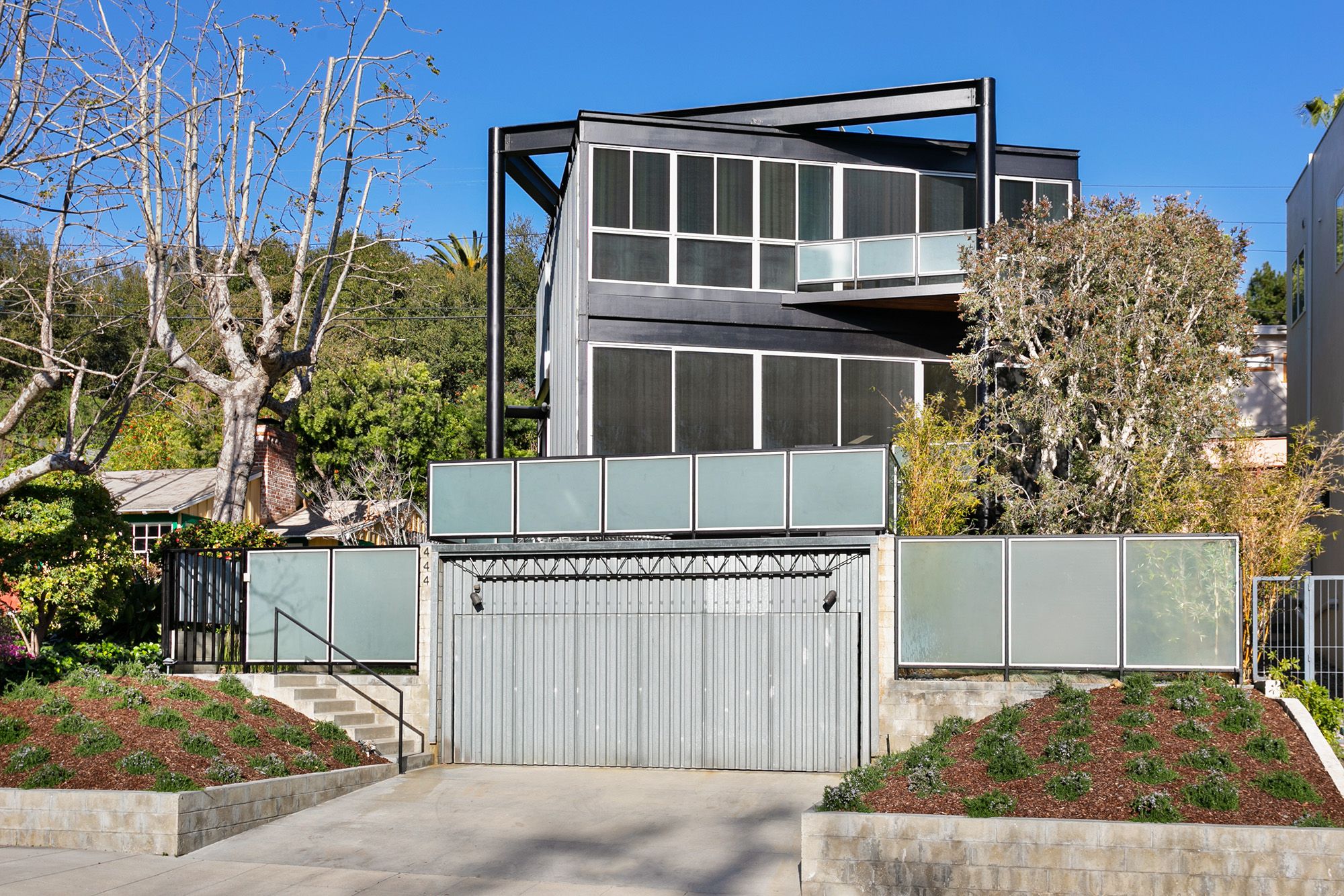
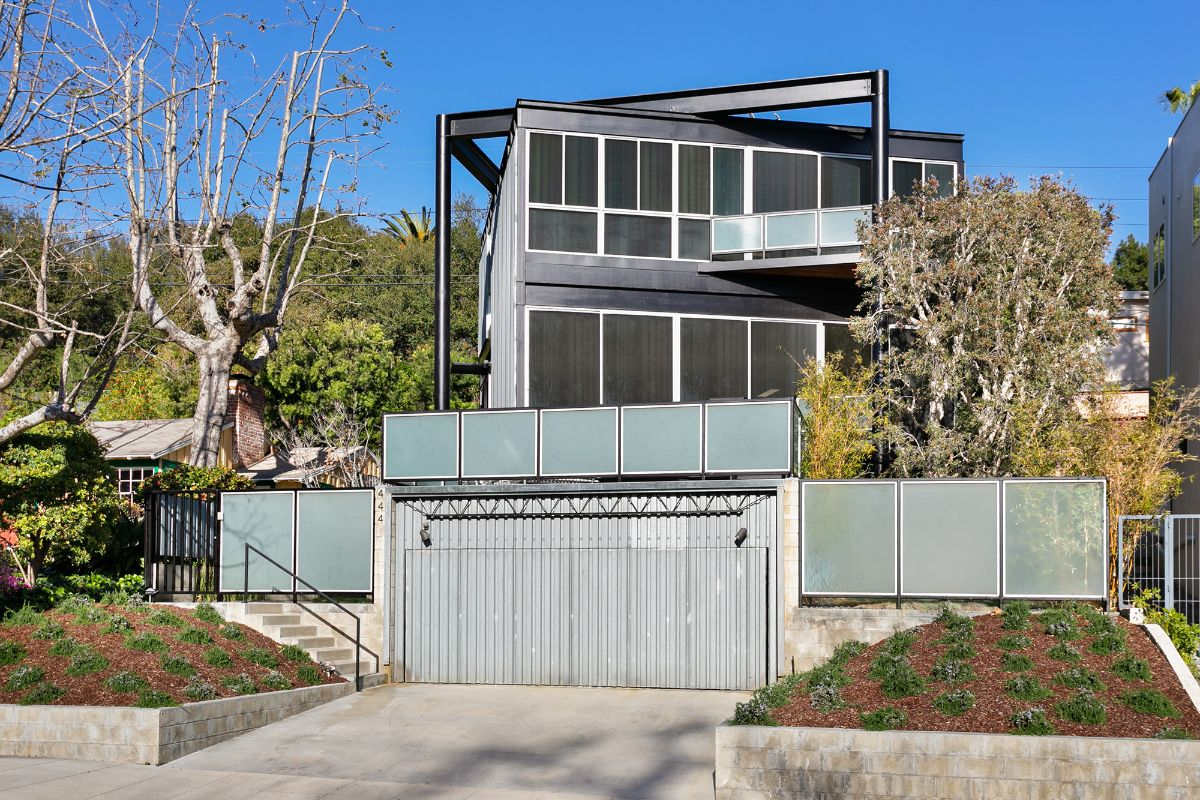
Pierre Koenig was one of the most iconic architects of the mid-century modern movement, which focused on functional designs, harmony with nature, geometric lines, and the use of steel and glass. Koenig’s final project, a gorgeous geometric home in Santa Monica known as the Schwartz House, has been listed for sale at $4.55 million usd / $6.13 million cad. 

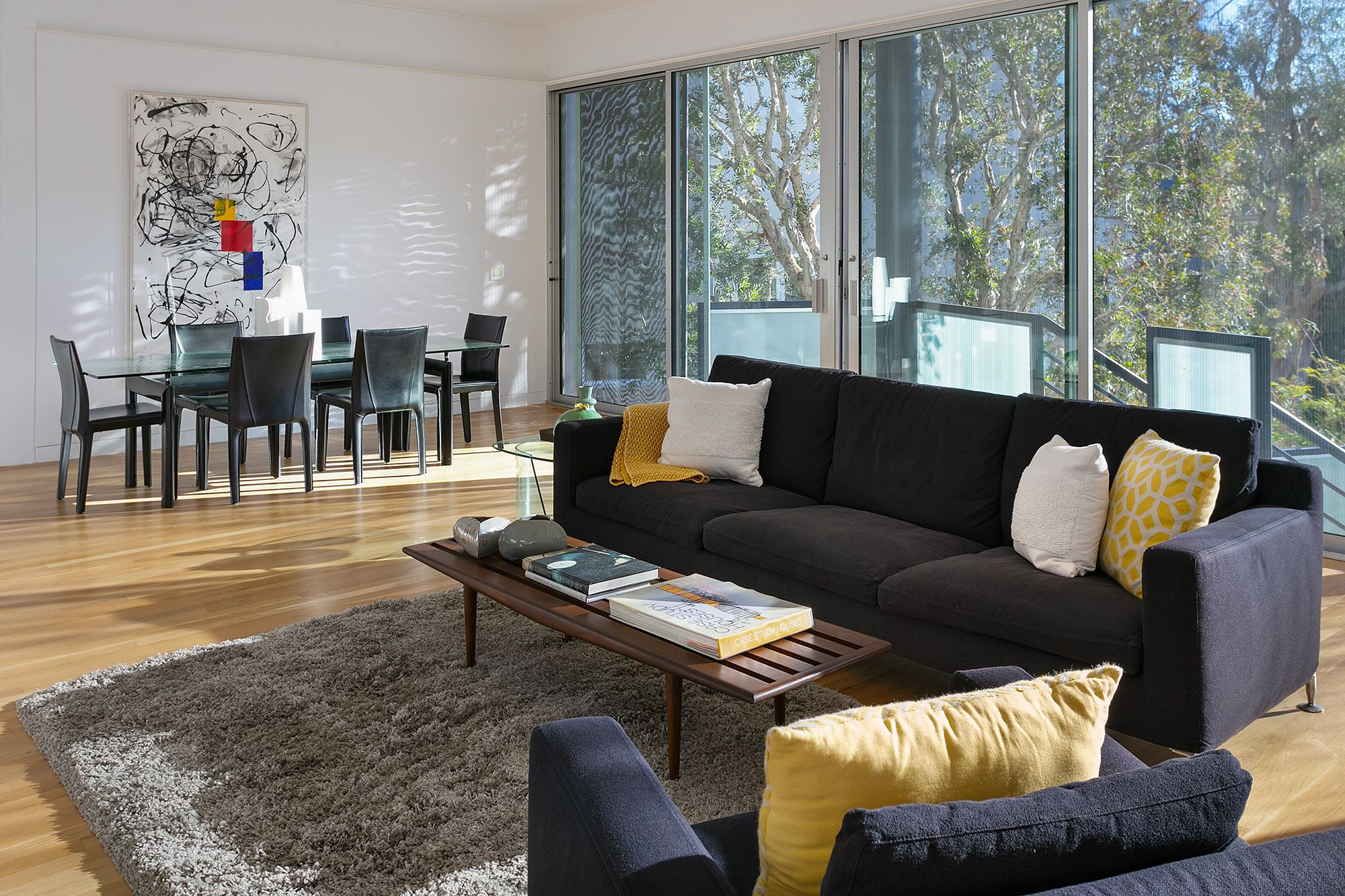
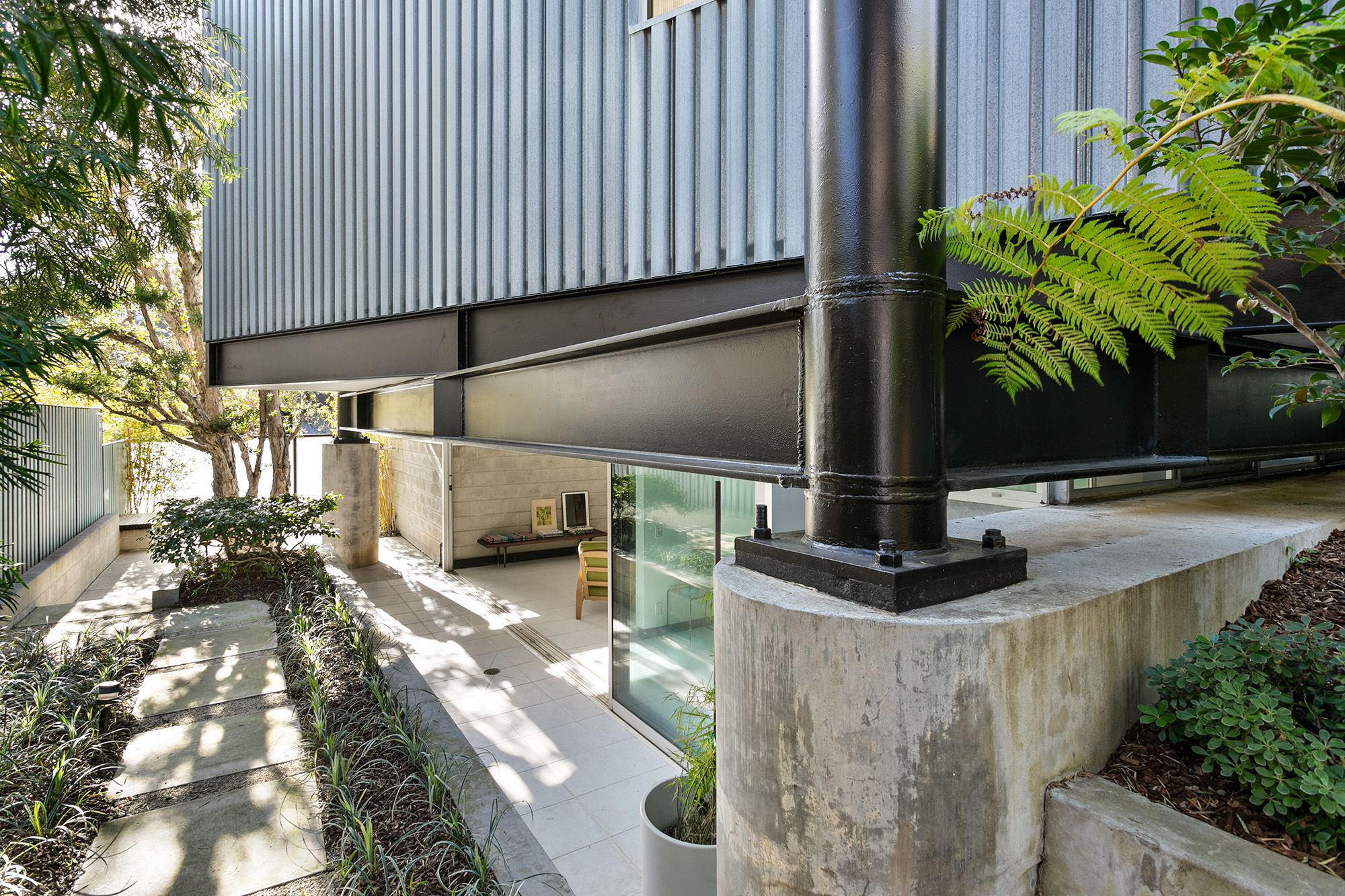
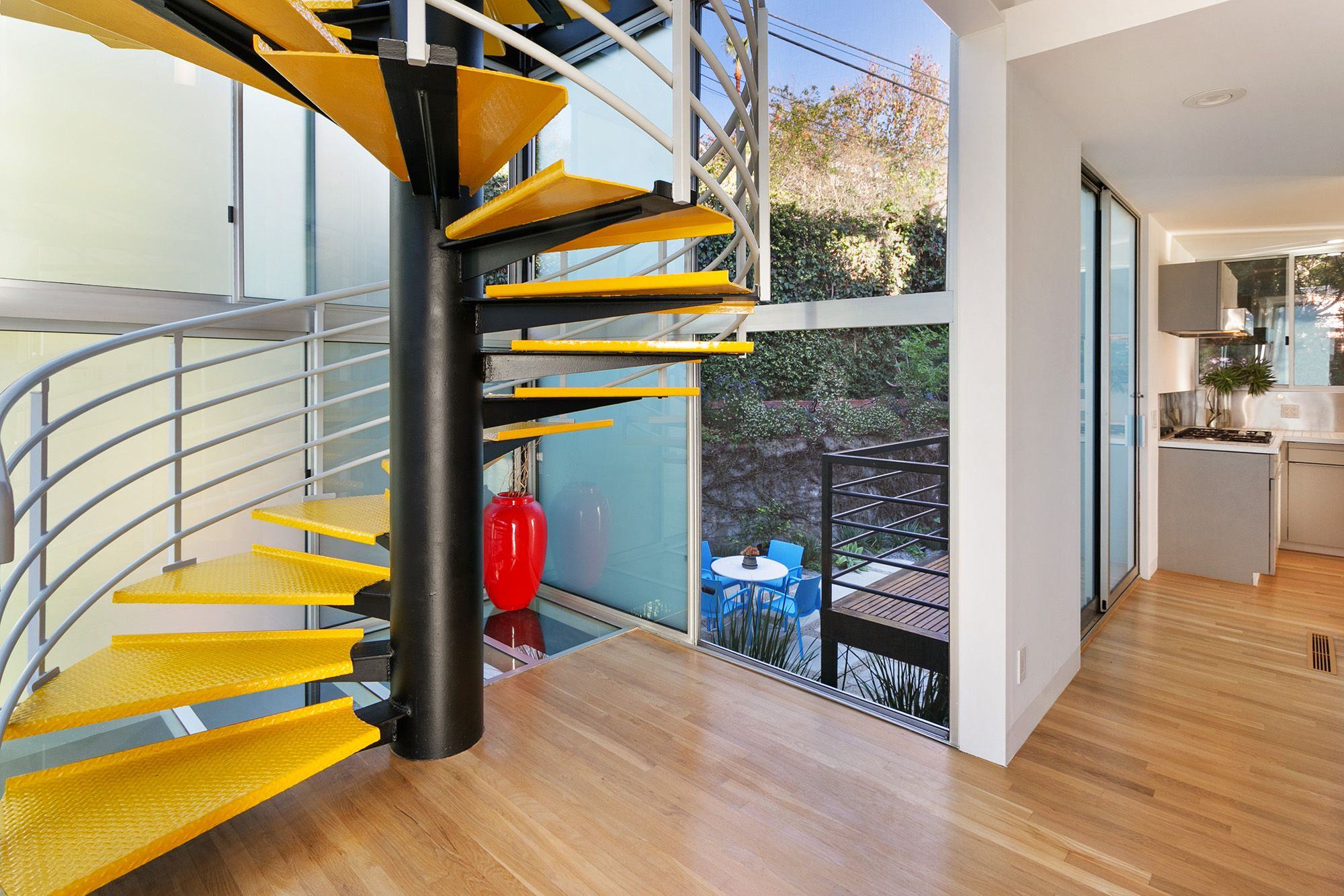
More like a work of art than a typical house, the rare historic home sits atop four structural steel columns, designed to minimize the home’s ecological impact and promote a harmonious relationship with nature. The residence’s rotated design is focused on southern exposure and capturing the sea breezes to conserve energy but also offers an attention-getting look. Stark lines, black-steel framing, galvanized wall panels, and floor-to-ceiling glass provide the classic mid-century modern aesthetic for which Koenig is so famous.

More from our friends at toptenrealestatedeals.com. Photos by Cameron Carothers.