Tag Archives: Katie Nolan

Poland Signs Fur Ban Law to End Reign as EU’s Largest Producer

WARSAW, Poland (Dec., 2025) — In a monumental victory for animals and a devastating blow to the global fur trade, Poland has officially enacted a ban on fur farming. The legislation, signed into law by President Karol Nawrocki, marks the end of an era for the European Union’s largest remaining fur producer.

The victory comes after intense international pressure, including a campaign by In Defense of Animals, which rallied supporters to write thousands of letters to President Nawrocki and Marshal of the Senate Małgorzata Kidawa-Błońska. While initial reports suggested leadership might block the ban, the overwhelming global outcry helped ensure the measure was signed into law.

The timing of this legislation sends a shockwave through the fashion industry, arriving just days after activists across the U.S. rallied for Fur Free Friday, and as major fashion institutions, including Vogue, increasingly pivot toward coverage of ethical, cruelty-free alternatives.

Anti-fur demonstrators rally outside the Louis Vuitton flagship store in Beverly Hills, California, on Fur Free Friday, Nov. 28, 2025

“This is a watershed moment in the history of animal protection. By dismantling the fur industry in its largest European stronghold, Poland has effectively dealt a devastating blow to the global fur trade,” said Katie Nolan, Wild Animals Campaign Specialist for In Defense of Animals. “Just last week, Americans marched for Fur Free Friday, and today, we see the results of that global momentum. Whether it is the pages of Vogue or the halls of the Polish Parliament, the message is clear: the future of fashion is fur-free.”

Poland’s exit from the industry holds significant weight for the American market. As the European Union’s largest producer, the country’s ban will drastically reduce the volume of animal pelts available to global fashion houses, disrupting the supply chain and accelerating the industry’s decline in the United States and abroad.

Beyond economics, the ban addresses severe public health risks that transcend borders. Polish fur farms have recently been identified as hotspots for COVID-19 and avian influenza, posing a global threat that this legislation helps mitigate. This victory also reinforces the ethical momentum building stateside, aligning with legislation already passed in California and bans in major fashion cities to further isolate the few remaining supporters of the fur trade.

The new law mandates a phase-out of the industry, ending the confinement of millions of mink, foxes, and raccoon dogs. These animals, in particular the semi-aquatic mink, have historically been forced into barren wire cages, denied their natural needs, and subjected to gruesome deaths via gassing or electrocution.

In Defense of Animals celebrates this victory with its supporters and coalition partners who refused to let this ban die in the US Senate.
Last-Minute Win Spares Alaska’s Bears From Aerial Gunning- For Now

https://lh7-rt.googleusercontent.com/docsz/AD_4nXcaFCuAK3CEH6LnyifCImET2BDuU3n3ZEvuDFGdVBwtFe76IpYOuZyrDHLnTKziK8jd6L8llUsLEkveGzzXckaLcgJcl3Qxhhn6lXnIUrB-DvWYJy50w3PYfut5601c_DjbpVXIBQ?key=ArHp4kXIyrWLvYHpom9uYQ

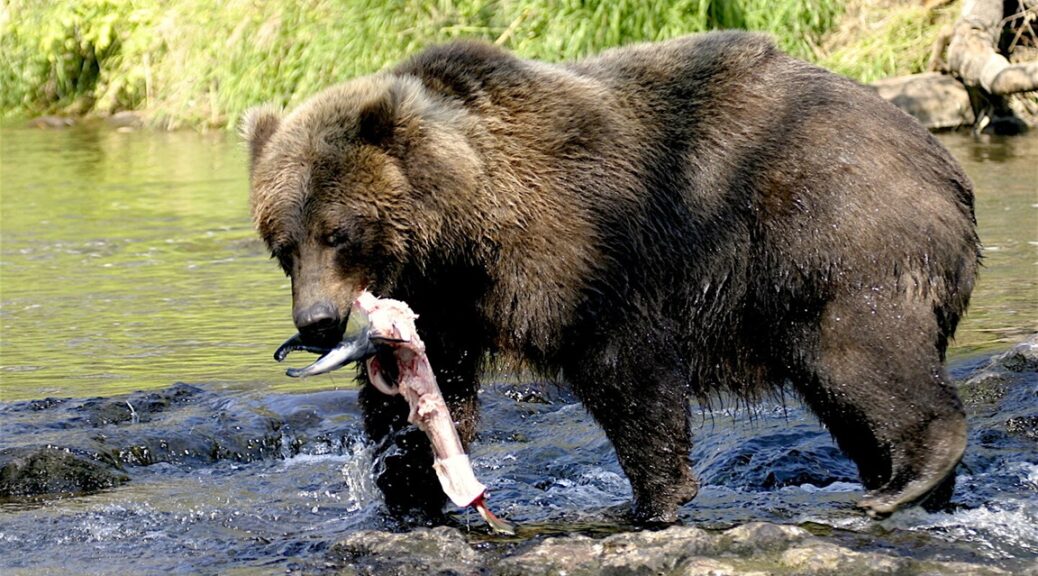
ANCHORAGE, Alaska (May, 2025) — In a major win for Alaska’s brown bears and their advocates, a US state court issued an injunction halting the controversial Mulchatna aerial gunning program just as the 2025 bear-killing season was set to begin. The ruling follows legal action by Alaska Wildlife Alliance, which argued the predator control program violates Alaska’s Constitution and due process. In Defense of Animals supporters flooded officials with over 7,000 messages urging them to abandon the program and protect Alaska’s bears.

Injunction

The injunction, granted just as the killing resumed resulting in the deaths of 11 bears, pauses aerial gunning in Units 17 and 18 of Western Alaska, where nearly 200 brown bears were killed under the program in 2023 and 2024. The court’s decision brings a wave of relief to advocates who have spent months pushing back against the scientifically unsupported and ecologically reckless killings.

“This is a crucial win for Alaska’s bears, and for everyone who believes in science-based, ethical wildlife management,” said Nicole Schmitt, Executive Director of Alaska Wildlife Alliance. “The court has again made it clear that the state cannot steamroll legal protections or ignore its own constitution in the name of predator control.”

Mulchatna Predator Control Program

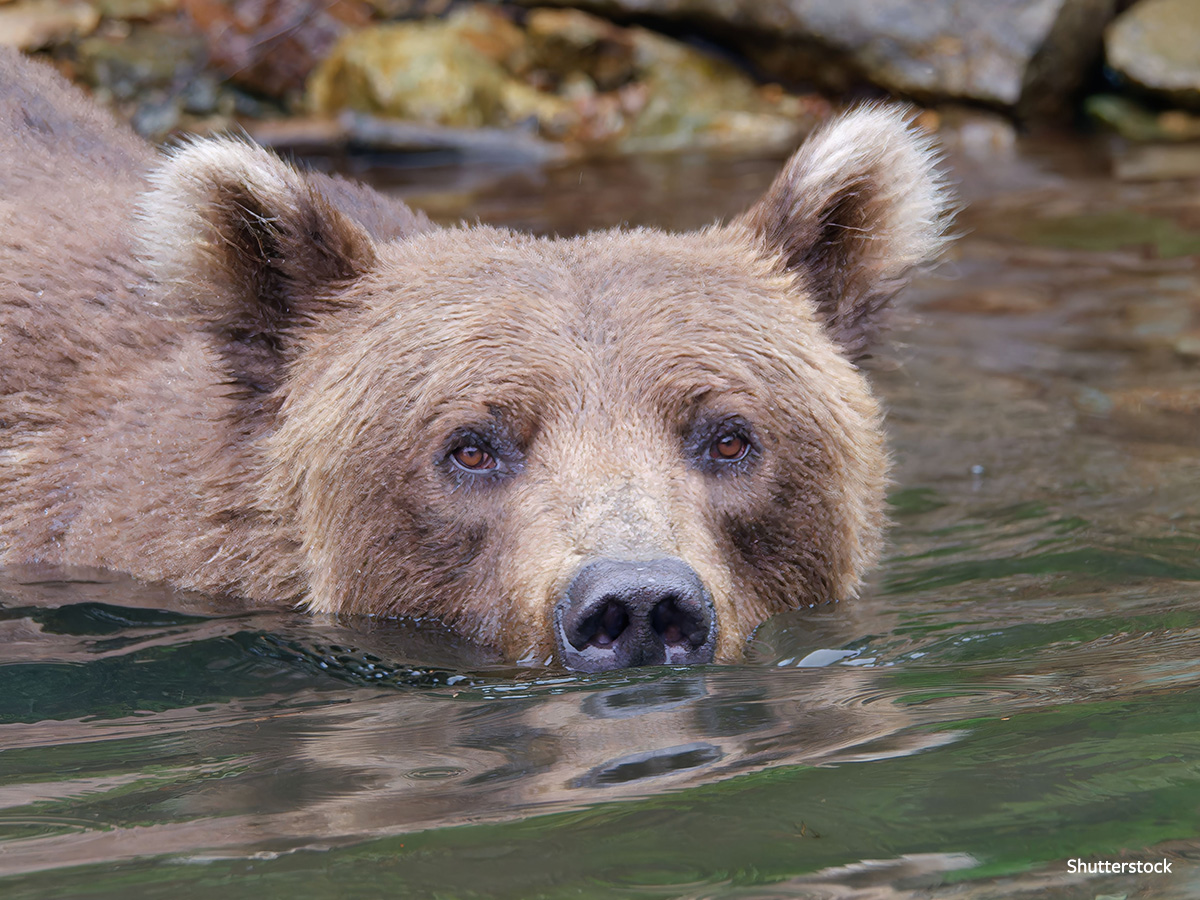
The Mulchatna predator control program has faced mounting criticism for allowing indiscriminate killing of bears with no scientific basis, threatening not only individual bears but entire bear communities. Research shows older brown bears play key roles in teaching younger bears how to fish, forage, and survive — knowledge that’s lost when experienced bears are killed.

Local businesses and Alaska state senators were also urged to take a stand against the killings. Thousands of advocates pledged to boycott travel to Alaska until the aerial gunning program ends, and called on tourism organizations encouraging them to publicly oppose the practice and support ethical alternatives.

“This court decision gives Alaska’s brown bears a much-needed reprieve,” said Katie Nolan, Wild Animals Campaigner for In Defense of Animals. “Killing programs ignore the ecological importance of bears and the values of people who want to see them protected. It’s encouraging to see the courts recognize that what’s lawful also needs to be responsible.”

In Defense of Animals will continue to support Alaska Wildlife Alliance in its efforts to end the Mulchatna predator control program for good and ensure Alaska’s wild animals are treated with the respect they deserve. For the Silo, Lisa Levinson.

In Defense of Animals is a friend of The Silo and is an international animal protection organization with over 250,000 supporters and a history of defending animals, humans, and the environment, through education and campaigns as well as hands-on rescue facilities in India, South Korea, California, and rural Mississippi. www.idausa.org/wildanimals 

North America’s Largest Convention Center Installs Bird Saving Window Film

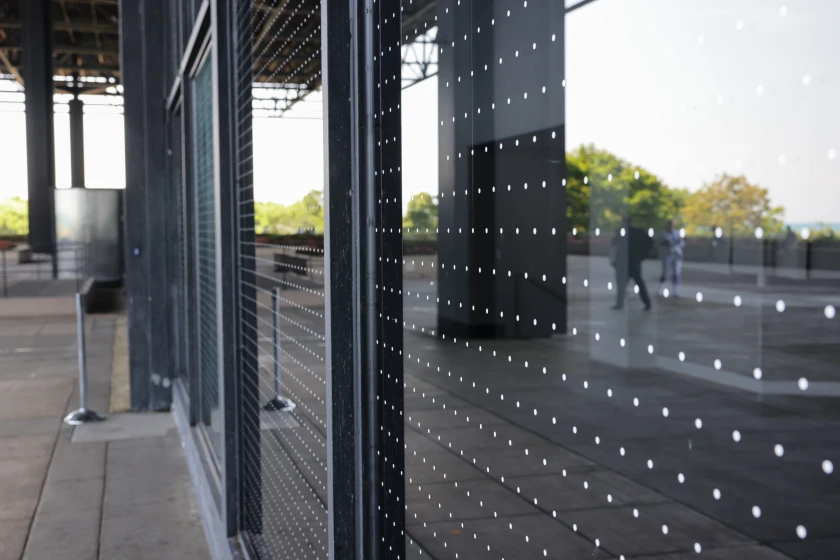
CHICAGO (October, 2024) After receiving nearly 50,000 emails from In Defense of Animals supporters, McCormick Place Lakeside Center has taken a crucial step in safeguarding migratory birds by installing bird-safe window film on its iconic glass walls. This renovation addresses the soaring number of bird deaths caused by window collisions at the convention center, which claimed the lives of over 1,000 birds in a single night last fall.

“Windows collisions rank among the deadliest threats to birds,” said Katie Nolan, Wild Animals Campaigns Specialist for In Defense of Animals. “With wild birds in steep decline — over 3 billion lost in the past 50 years — we are delighted that the Metropolitan Pier and Exposition Authority has taken a crucial step by installing bird-safe window film at McCormick Place. This sets a new standard for all North American buildings to follow. Building managers can save millions by installing bird-safe window film and turning off lights.”

McCormick Place, situated along the Mississippi Flyway — a crucial migration route — has long been a site of concern for bird collisions, particularly during spring and fall migrations. In Defense of Animals and its Interfaith Vegan Coalition witnessed the devastating impact firsthand when attending a conference at McCormick Place in 2023.

“The bird deaths we witnessed at McCormick Place were heartbreaking,” said Lisa Levinson, Campaigns Director for In Defense of Animals. “While a member of our Interfaith Vegan Coalition was able to rescue one injured bird, many more had perished in a single night. We couldn’t be happier that McCormick Place has stepped up to protect these vulnerable birds.”

The Metropolitan Pier and Exposition Authority, which manages McCormick Place, announced the $1.2 million usd/ $1.62 million cad project to install bird-safe film has been completed, covering two American football fields’ worth of glass / or approximately 1.3 Canadian football fields’ worth of glass. The newly installed bird-safe window film is a critical part of reducing bird collisions, along with measures such as dimming or turning off lights during peak migration seasons. These actions help protect migratory birds, many of whom face deadly threats from light pollution and reflective windows.

McCormick Place’s efforts align with broader city initiatives like Lights Out Chicago, which aims to reduce bird deaths by encouraging buildings to dim their lights during migration periods. The installation of bird-safe window film will go a long way in ensuring that migratory birds continue to travel safely through the city. For the Silo, Jarrod Barker.