Tag Archives: John Carpenter

A Synth Holy Grail- Oberheim FVS-1

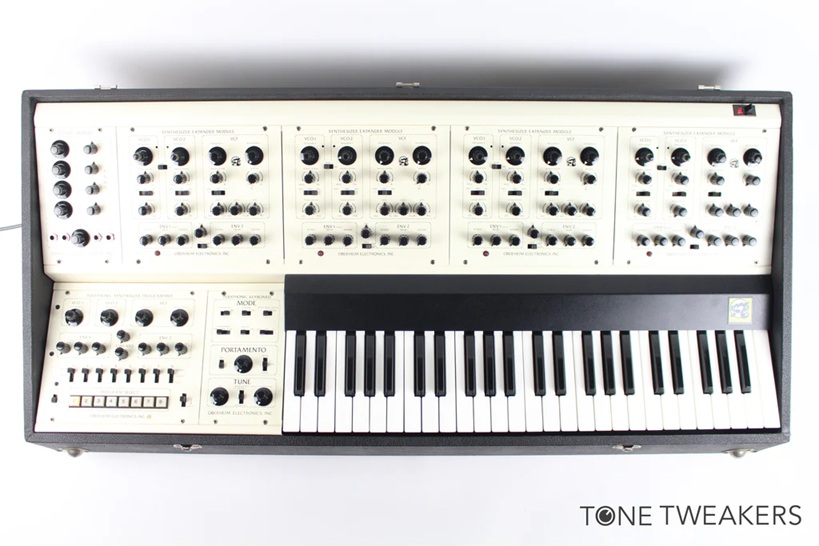
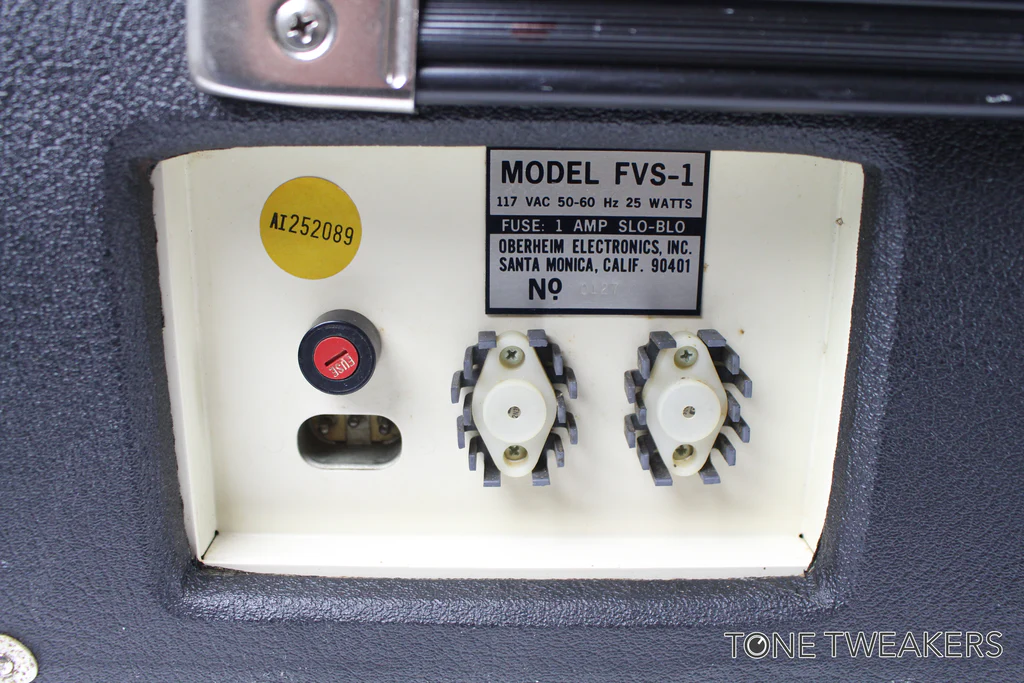
Considered by many to be The Holy Grail of Polyphonic Synthesis, this meticulously refurbished Oberheim FVS-1 took 88 hours of skilled vintage synth tech time via our friends at tonetweakers to perfect. The FVS-1 contains 4 classic Oberheim SEM modules, each providing a single dual oscillator voice. Sounds are dialed in manually on each module, with global control over the most tweaked parameters via the programmer module, where patches are also saved and recalled. Since each SEM is manually adjusted, it’s hard to get them sounding exactly the same. The result is a much more organic, slightly detuned, richer, truly magical sound than you’d get out of most other poly synths.

Famous users include Lyle Mays, 808 State, Depeche Mode, Styx, Pink Floyd, The Shamen, Gary Wright, Joe Zawinul and John Carpenter (yep the film director of The Thing, Big Trouble in Little China, Starman, Escape From New York and other classics often composed and recorded music for his movies). You won’t find a better example of this beautiful classic synthesizer, so if you’re looking for an exceptional 4 voice, now’s the time. Visit our friends at tonetweakers.com to learn more.

The OB Four Voice contains 4 SEMs and a mixer module. This beautiful instrument can play up to 8 oscillators at once, for insanely humongous sounds. 
One of the first

The 4 voice was one of the first polyphonic synths. Each of the four Synthesizer Expander Modules ( SEM ) can be assigned to a different note. Splitting voices between modules is also possible, as is a monophonic unison mode. A single voice is surprisingly powerful, offering 2 oscillators, 2 envelopes (1 for filter, 1 for volume), an LFO, pulse width modulation and a real sweet multimode filter with sweep-able mode (which few synths offered). The programmer module allows fast saving and recall of programmed sounds. With a combined 8 oscillators, these sound unbelievably fat. Even a single SEM sounds great. In unison mode, play all VCOs on one key for one of the most powerful vintage synth sounds ever. Nothing sounds like it to us and we’ve played everything. This is a personal favorite. This FVS-1 has the standard configuration of modules: 4 x Synthesizer Expander Module ( SEM ) Keyboard Output module Polyphonic Keyboard module Programmer module.

No clangs or zaps


If you are an analog synth head who makes musical sounds, you need one of these. To avoid disappointment though, we would recommend anyone looking for a dedicated sound effects machine to go for something else. This 4 voice is fabulous at musical tones and can make some interesting sound effects but there are better choices for clangs, zaps, explosions and similar atonal timbres. 

Other famous users include: Joe Zawinul, Chick Corea, Larry Fast (Synergy), Jan Hammer, Herbie Hancock, Human League, Michael McDonald / Doobie Brothers, Patrick Moraz, Steve Porcaro, The Shamen, Tim Simenon, Depeche Mode, Vince Clarke / Erasure, Tangerine Dream, Stevie Wonder and many other influential musicians who could afford one – this was a very expensive instrument when it came out! 
The Importance Of Fog In Film

Weather has been used for dramatic effect since fiction began, so much so that the term ‘pathetic fallacy’ is probably one of the main things you remember from your English Literature classes. But how does this apply to Hollywood cinema and film?

Hands down, the most dramatic of all meteorological phenomenon is fog.

It can be used to ratchet up tension, conceal terrifying creatures and even provide important characters with a suitably dramatic entrance.

Spanning genres from horror to sci-fi, mist and fog are more versatile than mere set dressing; they dominate scenes and often make them the most memorable part of their respective movies.

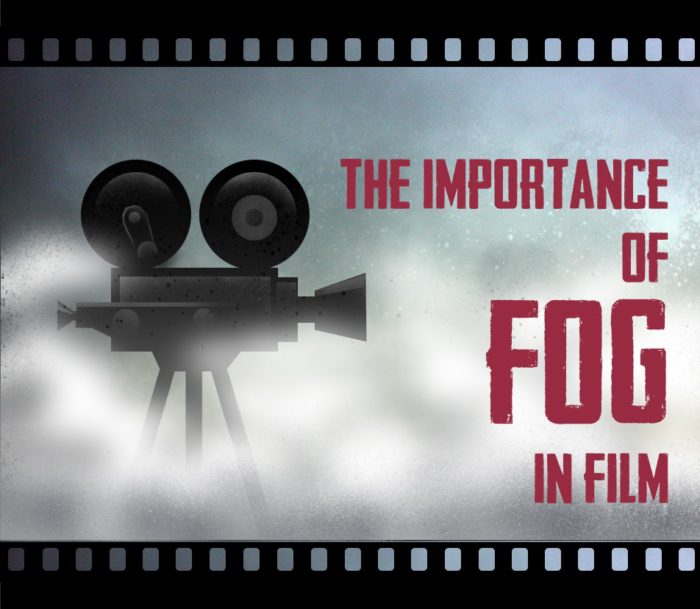
So, without further ado, let’s investigate the importance (not forgetting the scare-factor) that fog brings to the silver screen in this infographic from our friends at vapingman.

Which films are we missing? Which scenes have stood out for you? Please comment below.

Our Vintage Computer Was Used In The Thing Prequel

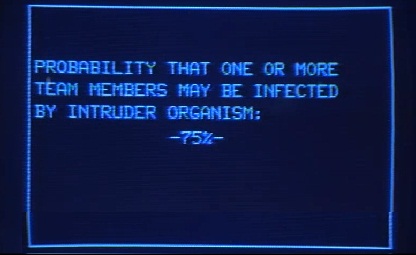
Computer display in John Carpenter’s 1982 sci-fi classic The Thing,

Getting Into Hollywood Accidentally…When I conceived the idea of a computer and technology museum around 25 years ago I didn’t concern myself with things like revenue models and how the place would be funded. Instead, I just worried about getting the coolest (and oldest) pieces of technology I could in order to have the best displays possible and appeal to the widest range of people.
Fortunately, I still think like that. However, the reality of having to pay bills for storage and electricity and all of the other things that come with running a proper business (and make no mistake, a museum is a business) means that on top of having some of the greatest technology pieces in the world to look at I must find ways of making money along the way.

A couple of years ago a production company called me asking for some early computers to use in a documentary about the origins of the internet that was going to run on the Discovery Channel (or was it the History Channel?) The guy was such a quick talker that I never really got a chance to get concrete information on what the show was going to be called or when it was going to air. To this day, I still don’t know if it ever did.

Then the CBC called. They were looking for an older computer running DOS with WordPerfect, the de facto standard in word processing – in 1989. An upcoming episode of “The Fifth Estate” required a computer recreation from the 80’s and they wanted to know if I could help. I missed the initial call and by the time I had gotten back to them, they had located something locally. It was at this time, however, I started thinking differently about our collection.

Some time had passed, and then the television show “Design By Decade” called. They needed some pictures of machines from the 90’s (and yes, in terms of computers, these are now quite ancient) and then Wired magazine asked for pictures as well. People writing Wikipedia articles were asking for permission to use some of our unique photos of machines to enhance their submissions. I started to think that we were really onto something.

When I first heard about a remake of 1982’s “The Thing” I never knew I would have something to do with it. A production designer called about putting computers from that time period into the 2011 remake. The only unfortunate part, because of the nature of the film, was that they would require purchasing the computers, not just renting them. “I can’t very well rent them from you and potentially return them with fake blood on them now can I?” I recall her saying. I had to agree. In the end, none of our computers actually made it into the film but I did my part as a consultant and helped steer the production in the right direction.

Earlier this year (2012), someone from Cineflix Media called. I recognized the name from the American Pickers and Canadian Pickers shows I somehow ended up addicted to. They required a recreation of a 70’s something office with computers and related materials. Dubbed as the “world’s most heroic airborne combat missions” it seemed like the furthest subject matter from computers I could think of, but hey, everyone needs to have an office, right? Getting paid for renting out our equipment was a real bonus, plus we got to be part of something cool. Now I found myself thinking about what the television and movie houses might want and have started acquiring those machines. Typewriters and old cell phones are now filling the nooks and crannies of our storage units.

Most recently a Toronto production company called, producing a film called “Public Service”. A short film that will make its rounds in the film festivals next year, it stars Gil Bellows (“Ally McBeal”) and Sheila McCarthy (“Little Mosque on the Prairie”). The majority of the film takes place in a government office in the mid 70’s and required some hard to find computers. A large one that normally sits in storage because it’s too big for even us to display was used during filming. We are excited to see how it all turned out, but we now feel like we’re pros at renting our stuff out to production companies.

We are presently working on expanding our website to included film and television production rentals as part of our service offering. It has not only become a nice revenue stream for the museum but it’s also exciting being involved in television and film. From the CRT screen, to the LCD screen, to the Silver screen we go!    For the Silo, Syd Bolton.