 |
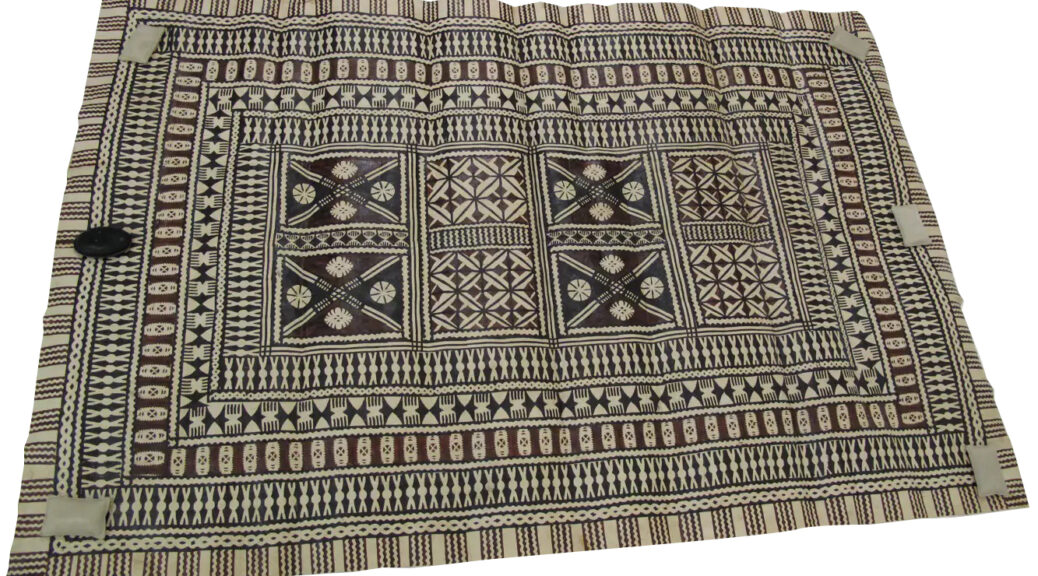
| Exhibition Dates: November 2, 2026–December 12, 2027 Exhibition Location: The Met Fifth Avenue, Gallery 359 (Fijian artists; interior Viti Levu. Masi kesa (bark cloth panels). Mid–late 19th century. Bark cloth, pigment. The Metropolitan Museum of Art, New York, Gift of Adelaide and Edmund Carpenter, 1990 (1990.333.9, .10) |
New York, October, 2026)—At the heart of cultural and political diplomacy in the islands of Polynesia are vibrant bark cloth textiles, known as tapa that signify status and play a central role at all major ceremonial events. Known locally as masi, siapo, or hiapo the cloth is produced from the softened inner bark of trees, and is characterized by its unique materiality and the dynamic geometric designs that are painted, stamped, or stenciled onto its surface. Part of a textile tradition developed in the islands of Southeast Asia over 3,500 years ago, the transformation of individual strips of fiber into an entirely new surface evokes the reproductive potential of land (vanua; fanua), encapsulating its abundance and agency. Opening on November 2, 2026, Tapa: Art of the Gift in Polynesia will bring together 13 impressive works from the islands of Fiji, Samoa, Futuna, and Niue, highlighting spectacular, supple, and finely produced examples of bark cloth from The Met collection in addition to sculpted works and an exceptional hiapo on loan from Te Papa Tongarewa, the National Museum of New Zealand.
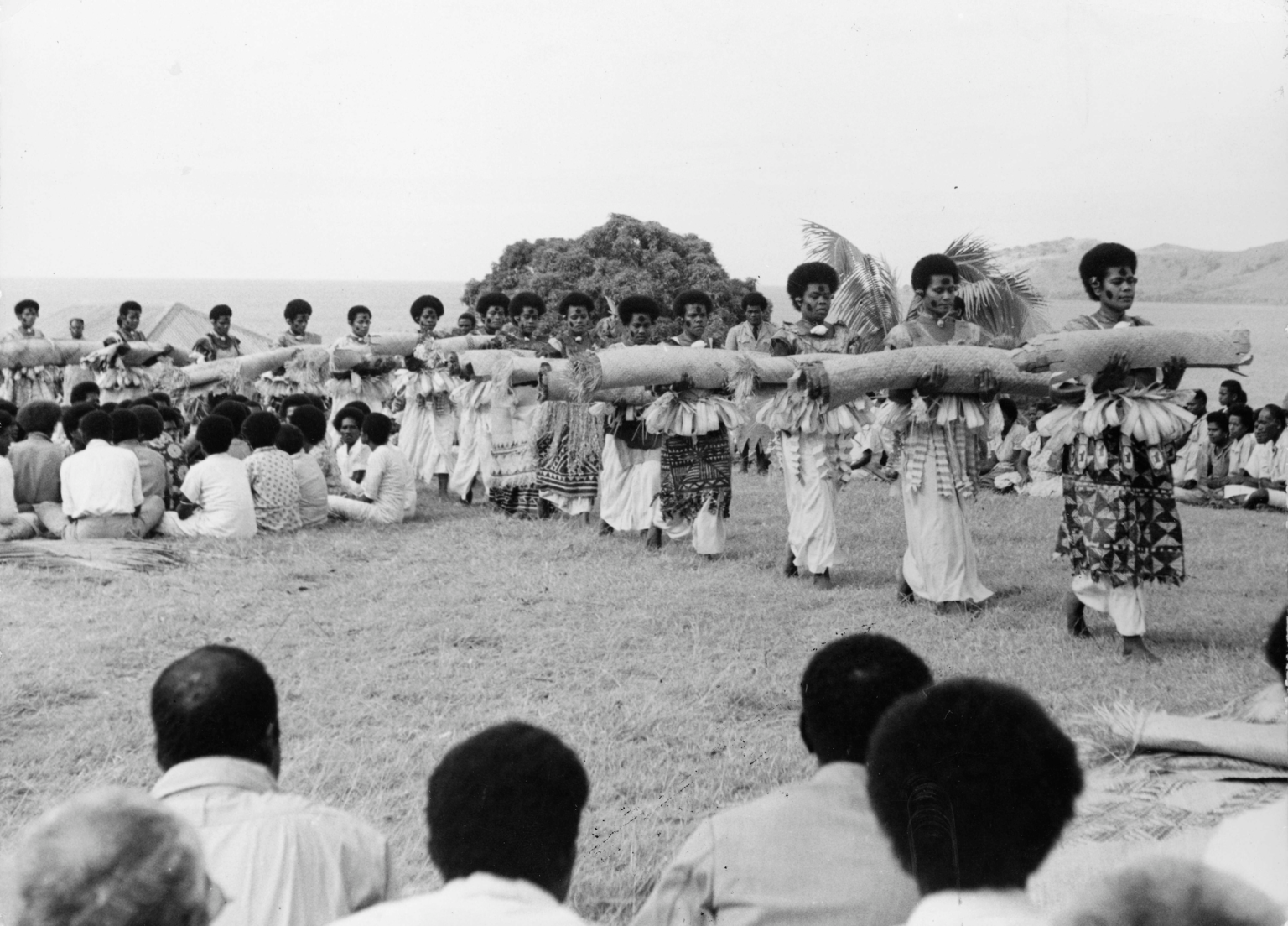
Presentation of Fijian mats and tapa cloths to Queen Elizabeth II during the 1953–54 royal tour, silver gelatin print, 16.5 x 22 cm (Alexander Turnbull Library, Wellington, New Zealand)
Tapa: Art of the Gift in Polynesia is the second show to be presented in the In-Focus gallery of the Museum’s Michael C. Rockefeller Wing, part of the major reenvisioning of The Met’s collection celebrating the arts of Africa, the ancient Americas, and Oceania, which reopened in May 2025 and has since welcomed over 2.8 million visitors. The exhibition will illuminate the variation in stylistic traits that appear across islands and are informed by distinct cosmological meaning and will also offer a nuanced appreciation of the networks of ancestral agency and influence that were, and continue to be, shaped by ceremonial gifting and exchange.
“This exhibition gives us the opportunity to showcase the Museum’s collection of Polynesian bark cloths, not simply as skillfully designed and crafted objects but as active instruments of diplomacy and exchange,” said Max Hollein, The Met’s Marina Kellen French Director and Chief Executive Officer. “The works on view speak powerfully to the deep knowledge, expertise, and continued vitality of this tradition across the Pacific Islands.”
“We are delighted to feature an exceptional set of 19th-century tapa produced by women in the islands of Fiji, Samoa, Futuna, and Niue as the second exhibition in our recently inaugurated In-Focus gallery. The works are remarkable for their visual dynamism and acuity, a vivid expression of the generative power of women who manifest their ancestral associations with the land through the medium of hand-painted bark cloth, which embodies its abundance. We look forward to sharing this important genre of Oceanic art with our visitors,” said Maia Nuku, Curator for the Arts of Oceania in The Michael C. Rockefeller Wing.
Among the works on view in the exhibition—many for the first time—is a selection of six textiles that were diplomatic gifts presented by high-ranking Samoan chiefs to the Scottish writer Robert Louis Stevenson and his wife Fanny.
Best known for the novels Treasure Island and Strange Case of Dr Jekyll and Mr Hyde, Stevenson lived in Samoa during the last years of his life and penned A Footnote to History: Eight Years of Trouble in Samoa (1892), which sharply critiqued German, British, and U.S. political interference and strongly advocated for Samoan chiefs (matai) and the maintaining of their customary structures of governance. The intentional gifting of these bark cloths to Stevenson and his family recalibrates the role of Samoan leaders who were active participants in the complex network of 19th-century colonial expansion unfolding in the Pacific at that time, while also exemplifying the strategic ways Islanders adapted the parameters of existing ceremonial frameworks as a tool to accommodate newcomers into their cultural and political relationships.
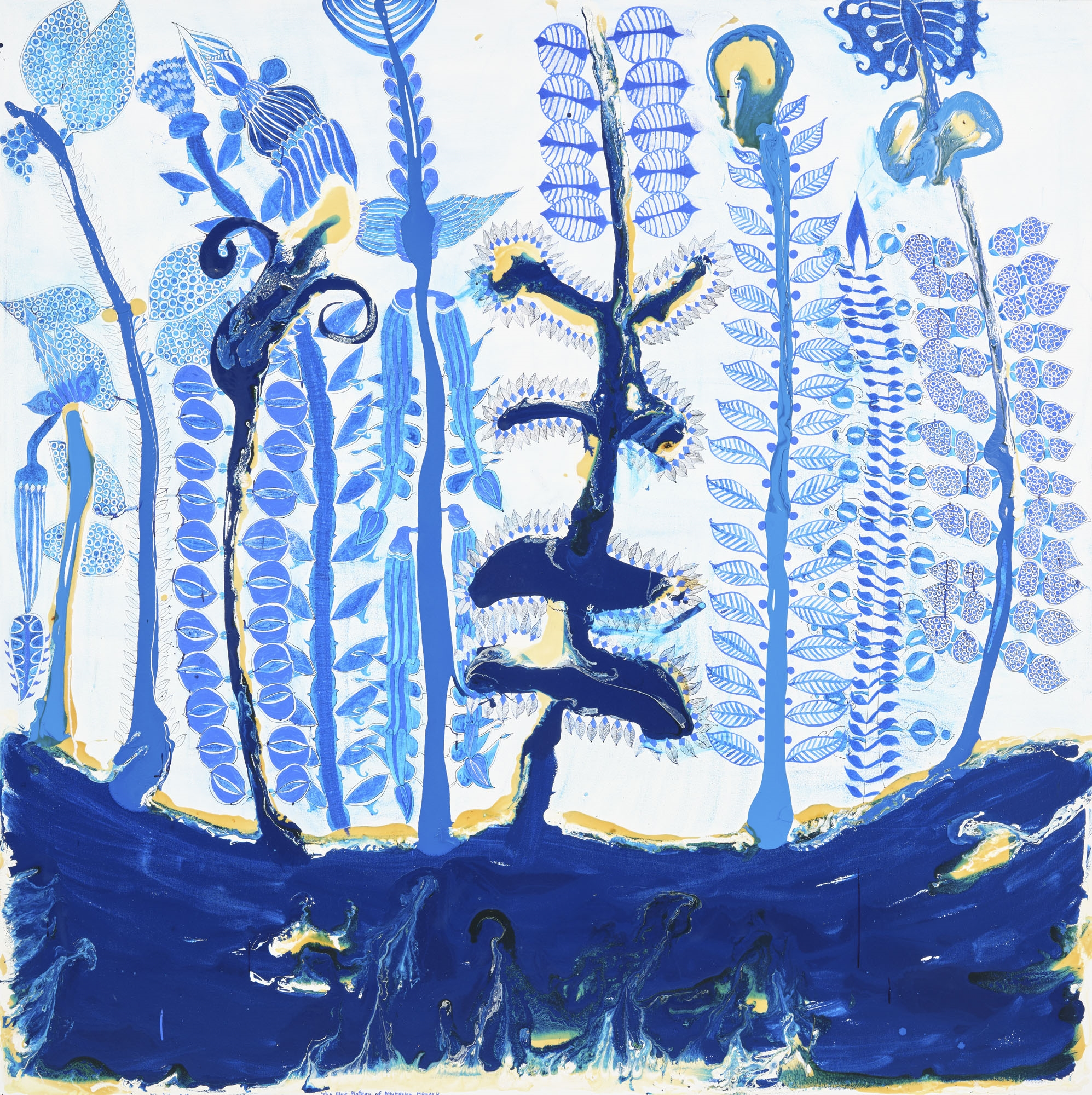
The Blue Plateau Of Polynesian Memory by J. P. Puie
The show will also feature a large contemporary monochrome painting by renowned Niuean poet and painter John Puhiatau Pule (born 1962), whose early paintings drew inspiration from the dynamic hiapo designs that the island of Niue is famous for and that became for him a foundation for his own deeply personal iconography, which confronts the ways in which Islanders met these irrevocable forces of change with creative ingenuity.
Credits and Related Content
Tapa: Art of the Gift in Polynesia is organized by Maia Nuku, Evelyn A. J. Hall and John A. Friede Curator for the Arts of Oceania at The Met.
The exhibition is featured on The Met website, as well as on social media.
Featured image– Masi, Fiji, date unknown, barkcloth, 185 x 122.5 cm (Auckland War Memorial Museum)
For the Silo, Jarrod Barker.