Fake Photo? Manipulated Video? How to Spot Sham AI
This to preserve the credibility of digital media and safeguard users from falling victim to scams. As synthetic media becomes more sophisticated, identifying AI-generated manipulations presents a unique challenge, but numerous free apps and toolsare readily available allowing users to validate photo and video authenticity with ease—a major step forward in safeguarding trust in a world increasingly influenced by AI-generated visuals, ensuring transparency and security in the digital age. More below.
How AI Drives Misinformation
Amid the onslaught of highly concerning news headlines spotlighting how deepfake AI-generated photo and video scams are driving rampant misinformation and wreaking havoc across digital, cultural, workplace, political and other societal frameworks, solutions are emerging combat AI-driven misinformation and fraud before people fall victim to scams.
One AI disruptor transforming the fight against AI fraud is BitMind—an AI deepfake detection authority that offers a suite of free apps and tools that instantly identify and flag AI-generated images before you fall victim.
Built by AI Engineers
Built by a team of AI engineers hailing from leading tech companies like Amazon, Poshmark, NEAR, and Ledgersafe, BitMind’s instant detection of deepfakes helps uphold the credibility of the media, guaranteeing the authenticity of the information we use. A strong deepfake detection enhances digital interactions, supports better decision making and strengthens the integrity of the modern digital world—serving to protect reputations, shield finances and maintain trust for celebrities, politicians, public figures … and everyone else.
For both B2C and B2B use, these 5 BitMind tools are free and accessible to anyone:
AI Detector App: A simple web page where users can drag-and-drop suspicious images for fast deepfake detection results;
Chrome Extension: Flags AI-created content in real-time, while browsing.
X Bot: Verifies if images on X/Twitter are real or AI-generated;
Discord Bot: Verifies if images are real or AI-generated via its Discord Integration;
AI or Not Game: Fun Telegram bot that tests your ability to distinguish between AI-generated and human-created images.
“Recognizing the need to integrate deepfake detection into everyday technology use, our applications fit seamlessly into users’ lives,” notes Ken Miyachi, BitMind CEO. “For example, the BitMind Detection App is a user-friendly application that allows individuals to upload images and quickly assess the likelihood of them being real or synthetic. Additionally, the Browser Extension enhances online security by analyzing images on web pages in real time and providing immediate feedback on their authenticity through our subnet validators. These tools are designed to empower users, enabling them to navigate digital spaces with confidence and security.”
As the world’s first decentralized Deepfake Detection System, BitMind is an open-source technology that enables developers to easily integrate the technology into their existing platforms to provide accurate real-time detection of deepfakes.
“Deepfake technology has emerged as both a marvel and a menace,” continued Miyachi. “With the capacity to create synthetic media that closely mimics reality, deepfakes present unprecedented challenges in privacy, security, and information integrity. Responding to these challenges, we introduced the BitMind Subnet, a breakthrough on the Bittensor network, dedicated to the detection and mitigation of deepfakes.”
According to Miyachi, here are key reasons why BitMind technology is a game changer:
The BitMind Subnet, which represents a pivotal advancement in the fight against AI-generated misinformation. Operating on a decentralized AI platform, this deepfake detection system employs sophisticated AI models to accurately distinguish between real and manipulated content. This not only enhances the security of digital media but also preserves the essential trust in digital interactions.
The BitMind Subnet is equipped with advanced detection algorithms that utilize both generative and discriminative AI technologies to provide a robust mechanism for identifying deepfakes.
BitMind employs cutting-edge techniques, including Neighborhood Pixel Relationships, ensuring competitive accuracy in detection. The operation of the subnet is decentralized, with miners across the network running binary classifiers. This setup ensures that the detection processes are widespread and not confined to any centralized repository, enhancing both the reliability and integrity of the detection results.
Community collaboration is a cornerstone of the BitMind Subnet, actively encouraging the community to contribute to our evolving codebase, and by engaging with developers and researchers, the subnet is continuously improved and updated with the latest advancements in AI.
BitMind combines its extensive industry expertise, cutting-edge academic research, and a deep passion for technology. The team has a proven track record in AI, blockchain, and systems architecture, successfully leading tech projects and founding innovative companies.
What truly sets BitMind apart is their commitment to creating a safer, more transparent digital world where AI benefits humanity, driven by their passion for innovation, security and community engagement. Their technologies are expressly designed to safeguard the integrity of digital media and foster a trustworthy digital ecosystem.
In the modern world full of fake news and increasing cyber threats, BitMind’s innovations are paving the way for a future in which digital trust is not an option, but a necessity. As the threats increase, the global community must be equipped with the means to ingest digital information in a reliable and authentic in order to realize AI’s true potential safely and efficiently. For the Silo, Marsha Zorn.
While generative AI transforms how Americans shop, it’s also quietly powering a counterfeit crisis now spiraling out of control. A groundbreaking new report from Red Points and OnePoll, The Counterfeit Buyer Teardown, reveals that AI is no longer just helping consumers find the best deals—it’s helping them find fakes. From influencer-driven “dupe culture” to hyper-realistic fake storefronts, the study exposes a booming underground economy that’s been supercharged by technology. With 28% of counterfeit buyers now using AI tools to seek out knock-offs, and fraudulent social media ads spiking 179% in just one year, the findings deliver a wake-up call for brands, regulators, and shoppers alike. Red Points execs are available to break down the data, discuss solutions, and explain why this rapidly evolving trend is both a technological and ethical crisis for the digital marketplace. Interest here as we hope?
AI Supercharging U.S.and Other E-Commerce Counterfeit Crisis
An explosive new report, “The Counterfeit Buyer Teardown, ” paints a concerning picture of a rapidly evolving and increasingly sophisticated counterfeit goods market, driven by a new factor: Artificial Intelligence. Forget the back alleys; findings from the research—conducted by market research firm OnePoll and AI company Red Points in February 2025—highlight that the future of fakes is digital, AI-assisted, and alarmingly mainstream.
The convergence of technology, social media, and shifting consumer mindsets is reshaping e-commerce—and not always for the better. As AI accelerates both the spread and appeal of counterfeit goods, the challenge is no longer just spotting fakes—it’s confronting a counterfeit economy that’s growing smarter, faster, and harder to contain.
“As counterfeiters adopt advanced tools like AI, the fight against fakes is becoming more complex and more urgent,” said Laura Urquizu, CEO & President of Red Points. “We’re now seeing AI shape both the threat and the solution. In 2024 alone, our firm detected 4.3 million counterfeit infringements online—an alarming 15% increase year-over-year.”
Alarming indeed. Here are 5 key revelations from the study.
1. AI is the New Enabler of Counterfeiting – A Two-Sided Threat:
The Counterfeiters’ Edge: AI is dramatically lowering the barrier to entry for bad actors. They can now mimic brand listings, and impersonate social media accounts with unprecedented ease and speed. They can also effortlessly create professional-looking fake websites—a situation that, according to Red Points’ data, is projected to surge 70% in 2025.This isn’t just about cheap knock-offs anymore; it’s about sophisticated deception at scale.
The Consumers’ Assistant: Shockingly, 28% of online shoppers who bought fake goods used AI tools to find them. This isn’t a fringe behavior; it’s a growing trend, especially among Gen X, suggesting consumers are actively leveraging AI in their pursuit of cheaper alternatives. This fundamentally shifts the narrative – it’s not just about being tricked; some are actively seeking fakes with AI’s help.
2. Accidental Counterfeiting is a Major Problem – Trust Signals are Being Hijacked:
1 in 4 luxury counterfeit purchases are unintentional. This shatters the perception that buyers knowingly seek out high-end fakes. Realistic pricing, secure payment promises, and active (but fake) social media presence are successfully deceiving consumers. AI-generated legitimacy cues are becoming indistinguishable from the real deal.
Brands are Paying the Price for These Mistakes: A staggering one in three shoppers stop buying from the genuine brand after an accidental counterfeit experience. This highlights the significant damage to brand loyalty and future sales, even when the brand isn’t directly selling the fake. High-trust categories like luxury and toys are particularly vulnerable.
3. The “Dupe Economy” is Real and Influencer-Driven:
Nearly a third (31%) of intentional counterfeit buyers were swayed by influencer promotions. Social media is driving the demand for “dupes” – budget-friendly replicas. Authenticity is taking a backseat to price and perceived identical appearance, especially among younger demographics.
This isn’t just about saving money; it’s a shift in consumer mindset. The report suggests a growing acceptance of fakes as clever alternatives, fueled by social validation and influencer endorsements.
4. Marketplaces Remain Key, But Social Media and Fake Websites are Surging:
Marketplaces (both US and China-based) are still the primary channels for counterfeit purchases. However, fake websites (accounting for 34% of unintentional purchases) and social media are rapidly gaining ground as sophisticated avenues for distribution, amplified by AI’s ability to create convincing facades.
Social media ads redirecting to infringing websites saw a massive 179% year-over-year growth. This highlights the increasing sophistication of counterfeiters in leveraging advertising platforms to drive traffic to their fake storefronts.
5. Younger Generations are More Vulnerable in Key Categories:
Millennials are significantly more likely to have their personal data stolen after purchasing from fake websites (44% vs. 34% average). This suggests a higher susceptibility to sophisticated phishing scams disguised as legitimate e-commerce sites.
Gen Z and Millennials are 2-4 times more likely to accidentally purchase counterfeit luxury goods and toys compared to Baby Boomers. Their online savviness might be a double-edged sword, making them more exposed to deceptive listings.
This study serves as both a consumer alert and a brand wake-up call. The rise of AI as a tool for both counterfeiters and consumers is a seismic shift that demands urgent attention. With compelling data and a clear-eyed look at accidental purchases, influencer-driven “dupe culture,” and the growing sophistication of fake storefronts, the findings paint a stark warning for the future of online shopping.
“Counterfeiting poses a serious and evolving threat to innovative businesses and consumer safety,” notes Piotr Stryszowski, Senior Economist at the Organization for Economic Co-operation and Development (OECD). “Criminals constantly adapt, exploiting new technologies and shifting market trends—particularly in the online environment. To effectively counter this threat, policymakers need detailed, up-to-date information. This study makes an important contribution to our understanding of how counterfeiters operate and how consumers behave online.” Ultimately, The Counterfeit Buyer Teardown report underscores a new reality: counterfeiting is no longer confined to shady sellers or easily spotted scams—it’s embedded in the very technologies shaping modern commerce. As AI continues to blur the lines between real and fake, the pressure is on for brands, platforms, and policymakers to respond with equal speed and sophistication. Combating this growing threat will require more than just awareness—it demands collaboration, innovation, and a commitment to restoring trust in the digital marketplace before the counterfeit economy becomes the new normal. For the Silo, Merilee Kern.
Merilee Kern, MBA is a brand strategist and analyst who reports on industry change makers, movers, shakers and innovators: field experts and thought leaders, brands, products, services, destinations and events. Merilee is a regular contributor to the Silo. Connect with her at www.TheLuxeList.com and LinkedIN www.LinkedIn.com/in/MerileeKern.
There are nowadays millions of single men, and among those, many dream of meeting a woman from Eastern Europe. Indeed, these women are known to be extremely attractive, faithful, and ready to do anything to come to live in Europe. Many dating and marriage agencies have been created to cater for this niche, specializing in so-called international marriages.
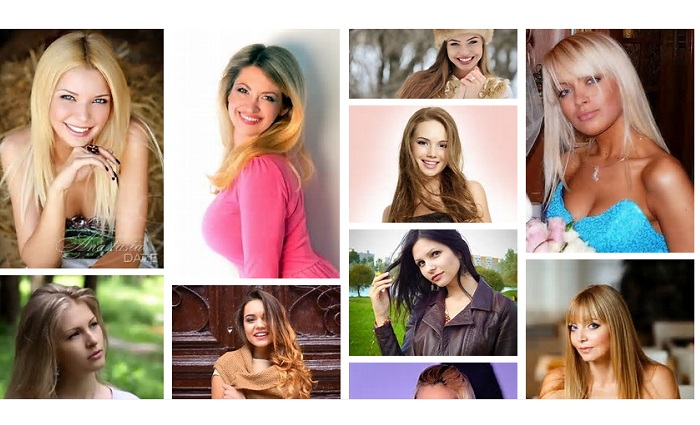
Unfortunately, many scams are hidden among these agencies. The websites use the faces of superb young women as bait. Once the vulnerable bachelor is hooked by some carefully worded emails, he is asked for money to cover the cost of a plane ticket as well as the visa fee. The sums involved can go up to 1,500 or 2,000 €, depending on the naivety of the man, and there is generally no way to fight it legally.
Anti Arnaques, the First community dedicated to fight Eastern Europe romance scams
That’s why Anti-Arnaques was created, in order to provide a reliable verification platform to any man who has doubts about the sincerity of the person he is speaking to. It includes:
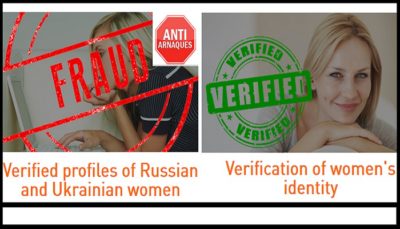
A unique identity verification system in 2 steps: the Express Background Verification, through the four major Russian social networks, and the Official Background Verification, through the public and private databases of Russian and Ukrainian citizens that are reserved to the official authorities.
A black list containing names and pictures of women known to have practiced scams.
Practical advice to identify risk scenarios.
A forum to exchange ideas on potential risky encounter situations.
Testimony of a scam victim
“Hello, I am Rui, I live in Portugal and I was a victim of a scheme. Nastya or Anastasiya Vorozhnina, living at Lomonosova 97-64, 428000 Novopokrovskoe Russia, deceived me. By mere chance, I only lost 200 €, as well as 24 photos. This scheme lasted about 5 months, but I always resisted to send the full amount of money she requested, which was around 800 € to start with.
I hope to my testimony will help someone, and prevent him to fall into such scheme. These women can be very sweet at the beginning: only after 2 or 3 months she started to ask money. She was an authentic professional, who already appears in your list with other names: if I had knew Antiarnaques.org back then, I would not have wasted so much time.”
Rui, 48 years old, scammed by A.V.
The website Antiarnaques.org (which means Antiscams in French) allows anyone who wants to date a Russian, Ukrainian or Slav women to check the identity of a specific woman. Antiarnaques.org also offers the possibility to check the reliability of any marriage agency, and to consult the black list of Russian women known for fraud.
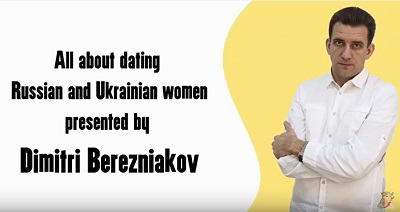
About Dimitri Berezniakov, the creator of Anti Arnaques
Dimitri Berezniakov launched UKReine.com in 1998: it was the first dating site specializing in international marriages between men from France, Belgium, Switzerland and Canada, and Ukrainian women.
This allowed him have a ringside seat to witness the rise of Russian romance scams: he used to receive emails from men victims of these scams almost daily. Because of the magnitude of the problem, he decided to create Anti Arnaques in 2010, in order to offer a reliable solution to individuals wishing to verify the identity of Russian and Ukrainian women.
Anti Arnaques, le premier site francophone de lutte contre les escroqueries sur le marché de la rencontre russe
Le site Antiarnaques.org permet à tout individu souhaitant trouver l’amour auprès d’une femme russe, ukrainienne ou slave de vérifier l’identité d’une femme spécifique. Antiarnaques.org offre également la possibilité de vérifier le sérieux de l’agence matrimoniale choisie, et de consulter la liste noire de femmes russes connues pour escroquerie.
La rencontre de femmes russes, ukrainiennes et slaves : un marché florissant mais présentant de nombreux risques
On compte aujourd’hui dans l’Hexagone de 16 millions à 18 millions de célibataires, divorcés et veufs, ce qui représente un marché attractif et porteur (CIDJ.com). Et ce nombre ne cesse d’augmenter : le nombre de seniors et de divorcés étant en hausse, de plus en plus d’individus se retrouvent à chercher l’âme sœur.
Parmi ces millions de célibataires, de nombreux hommes rêvent de rencontrer une femme originaire d’Europe de l’Est. En effet, on leur promet des femmes fidèles au physique extrêmement attractif, prêtes à tout pour venir vivre en France. Une multitude d’agences matrimoniales s’est ainsi positionnée sur ce créneau, en se spécialisant dans les rencontres dites internationales.
Malheureusement, de nombreuses arnaques se cachent parmi ces agences. Les sites utilisent les visages de superbes jeunes femmes comme appât. Une fois le célibataire vulnérable hameçonné par quelques emails soigneusement rédigés, on lui demande de l’argent pour couvrir le montant d’un billet d’avion ainsi que les frais de visa. Les sommes en jeu peuvent monter jusqu’à 1 500 ou 2 000 € selon la naïveté de l’interlocuteur, et il n’existe en général aucun recours devant la justice.
Anti Arnaques, première communauté francophone luttant contre les arnaques sentimentales d’Europe de l’Est
C’est pour cela qu’a été créé Anti Arnaques, dont l’objectif est de fournir une plateforme de vérification fiable à tout homme ayant des doutes sur la sincérité de son interlocutrice. On y trouve ainsi :
Un système de vérification d’identité unique en deux temps : la Vérification Express, via des 4 principaux réseaux sociaux russes, et la Vérification Officielle, via les bases de données publiques et fermées des citoyennes russes et ukrainiennes qui sont réservées aux organismes officiels.
Une liste noire répertoriant les noms comme les visages des femmes connues pour avoir pratiquées des escroqueries.
Une liste noire des agences matrimoniales internationales connues pour pratiquer des escroqueries.
Des conseils pratiques et concrets pour identifier les scénarios à risque.
Un forum d’entraide pour échanger sur des situations de rencontres potentiellement à risques.
Ils ont été victimes d’arnaques et témoignent
« Tout a commencé par un mail, et des conversations dans lesquelles on parlait de tout et de rien. Je lui ai proposé de venir en France pour son anniversaire, et la cascade d’ennuis a débuté : pas d’argent pour payer le passeport, pas d’argent pour payer le visa…J’ai donc payé tous les frais. Une fois à l’aéroport, elle s’est soi-disant faiteî arrêter, on lui a interdit de quitter le pays à cause du crédit de son appartement. J’ai eu moult preuves de sa bonne foi, j’ai cru en elle, je me suis senti responsable, je me suis investi à fond. J’ai donné beaucoup beaucoup d’argent, et aujourd’hui j’ai tout perdu.
Je souhaite simplement que d’autres ne répètent pas les mêmes erreurs : je l’ai donc signalé sur Anti Arnaques, s’il vous plaît allez-voir, et faites attention ! »
Joël, 43 ans, arnaqué par E. T.
“J’ai commencé une relation par email avec Anastasiya, elle m’a complétement séduit en quelques semaines. Elle était extrêmement douce au début, puis a commencé à réclamer de l’argent. Par chance, j’ai flairé quelque chose de louche et ne lui ai envoyé que 200 €. J’ai ensuite réalisé qu’elle était présente sur la liste noire d’Anti Arnaques ! »
J’espère empêcher un autre homme de tomber dans le même piège ! »
Pierre, 48 ans, arnaqué par A. V.
A propos de Dimitri Berezniakov, le créateur du site Anti Arnaques
Dimitri Berezniakov a lancé UKReine.com en 1998 : il s’agissait alors du premier site de rencontres spécialisé dans les mariages internationaux entre des hommes originaires de France, de Belgique, de Suisse et du Canada, et des femmes ukrainiennes.
Cela lui a permis d’être aux premières loges pour assister à l’essor des arnaques sentimentales en provenance d’Europe de l’Est : il reçoit alors des emails provenant d’hommes victimes de ces escroqueries quasi-quotidiennement. Face à l’ampleur du problème, il décide de créer Anti Arnaques en 2010, afin d’offrir une solution fiable aux individus souhaitant vérifier l’identité de leurs interlocutrices.


 That’s why