 It’s been nearly nine years since we published the article below and the water surrounding glyphosate use in Canada is still murky. Roundup is currently being used in an official capacity in certain situations by government agencies such as by the Ministry of the Environment to fight the invasive species Phragmites. Let’s review the earlier article:
Top Scientists Warnings
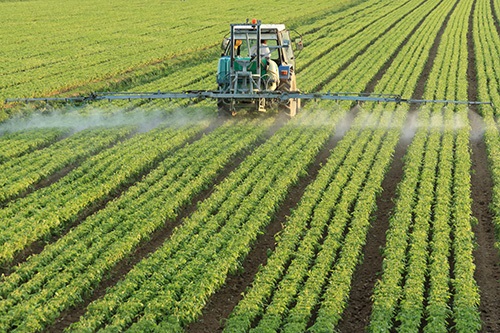
Dear friends across Canada, top scientists warn the most commonly used herbicide in the world probably causes cancer. Monsanto is demanding the World Health Organization retract their ground-breaking report. And experts say the only way to ensure the science is not silenced is if the public demands action, now. The regulatory system is renowned for being secretive and captured by the agro-chemical industry. But we have a unique moment right now — Canada is officially reassessing glyphosate, with similar processes underway in the US, Europe, and Brazil. And the Netherlands, Sri Lanka, and El Salvador are all looking at a ban. [However, it must be noted that as of today’s posting, Canada Health’s Food Safety Inspection statement is that glyphosate formulations ARE safe CP]The threat is clear — this poison is used on our food, our fields, our playgrounds, and our streets. Let’s get it suspended.
Join the urgent call and tell everyone
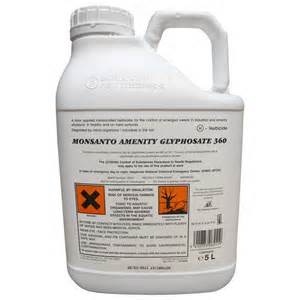
Monsanto is up in arms. Glyphosate brings in $6+ billion per year. It is the basis of RoundUp, the chemical cornerstone of Monsanto’s Genetically Modified empire. The company says the WHO report ignored studies showing glyphosate is safe. But these scientists are 17 of the world’s top oncology experts, not a bunch of crazies. They comprehensively reviewed independent studies, excluding those done by companies seeking product approval. Regulators rely mainly on tests done by the companies trying to sell the poisons!
Secret Information Makes Reporting Murky

Key results are kept from the public because they contain ‘commercially confidential information’, and 58% of the scientific panels in the EU Food and Safety Agency are linked to the sector. It’s nuts, but that is the system we have. And that’s why it’s going to take all of us to make sure this crucial independent report isn’t ignored. Some countries have already put bans on glyphosate. Now with the EU, the US, Canada, and Brazil all reviewing it, we have an incredible chance to turn the tide worldwide.
Sixty years ago Monsanto’s pesticide DDT was everywhere until the seminal book Silent Spring showed it could cause cancer — a decade later it was banned. If this could cause cancer, let’s not let it be sold for ten more years. Let’s demand emergency precautionary action now.
Join now and spread the word: https://secure.avaaz.org/en/monsanto_dont_silence_science_loc_cn/?bsOTIab&v=57275
We’ve done it before — helped win a moratorium on bee-killing neonicotinoids in the EU and stop a Monsanto mega seed factory in Argentina. Now let’s protect our health and make sure we aren’t being used as lab rats. This could be a breakthrough moment in the fight for the safe, sustainable agriculture our world needs. With hope, Bert, Marigona, Antonia, Oliver, Alice, Emily, Danny, Nataliya, Ricken and the whole Avaaz team.
More information: New study points to link between weedkiller glyphosate and cancer (FT) http://www.ft.com/cms/s/0/8b79a572-cf14-11e4-893d-00144feab7de.html#axzz3XOmCcv9c
Supplemental
Weed Killer, Long Cleared, is Doubted (New York Times) http://www.nytimes.com/2015/03/28/business/energy-environment/decades-after-monsantos-roundup-gets-an-all-clear-a-cancer-agency-raises-concerns.html
The Real Reason to Worry About GMOs (Mother Jones) http://www.motherjones.com/tom-philpott/2015/03/bittman-right-its-not-gmos-its-how-theyre-used