
Canada is at a pivotal moment in its history.
We are repositioning ourselves as a country open to investment. But we do so alongside headwinds. Trade uncertainty with our largest trading partner brings a changing geopolitical and economic reality that is forcing the country to rethink what and how we produce and trade, and now an internal conflict is testing the strength of our diverse federation of governments and its division of powers.
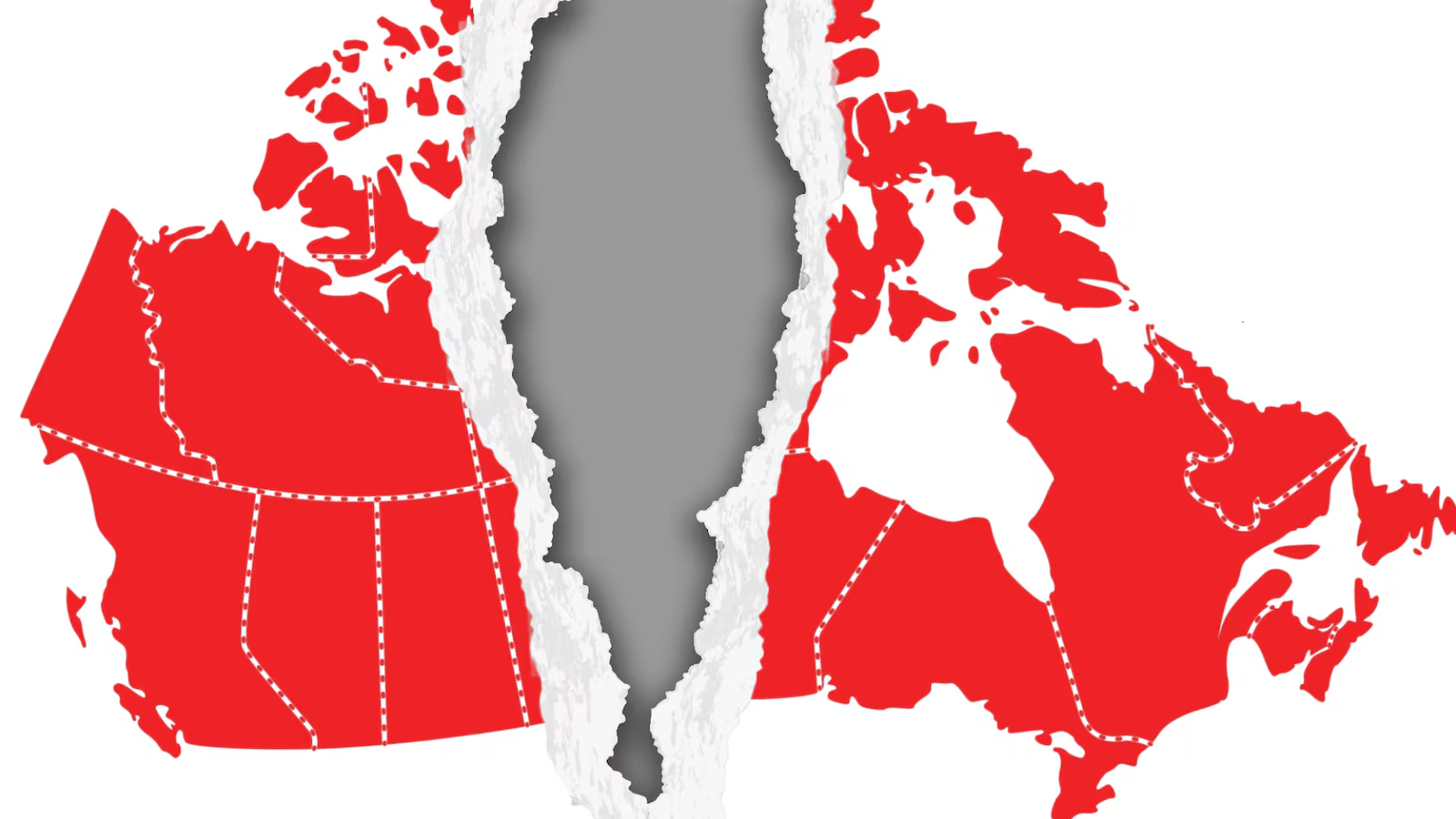
It is within this context that Albertans go to the polls on October 19, faced with 10 referendum questions. Five of these focus on immigration and citizenship; four on the Canadian constitution and provincial rights and jurisdiction; and the final question asks whether Alberta should remain a province of Canada, or commence the legal process required under the Constitution to hold a binding provincial referendum to separate from Canada.
This final question is not itself binding. (Premier Danielle Smith has said that a final question could be posed to Albertans in early 2027 if the October 19 results give her the mandate.)
No matter these details, at its heart is the question: Is Alberta better off in or outside of Canada?
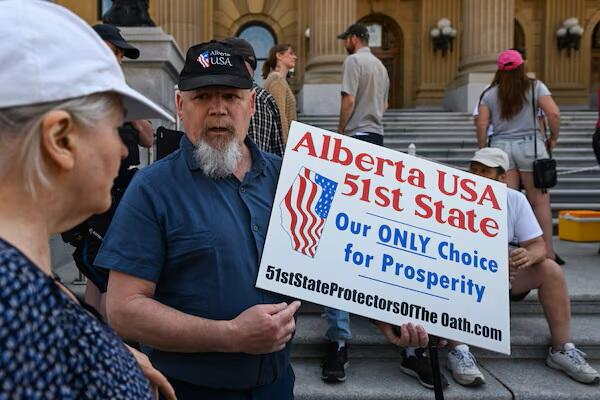
The treatment of Alberta within Canada has been a matter of intense debate within the province for decades, even centuries.
The Northwest Territories was the loose historical term traders applied to land north and west of Lake Superior, and even when its boundaries were codified in in the North-West Territories Act of 1875, it had no representation in the House of Commons or the Senate. Only in 1897 was ‘responsible government’ created.
Calls for provincehood grew louder as the population expanded and its government advocated for more financial autonomy. Ultimately, negotiations split Alberta and Saskatchewan and they entered the confederation as separate provinces in 1905. Meanwhile, the Autonomy Bills of 1905 maintained federal management of Crown lands and natural resources so Ottawa could retain control of immigration, trade, and western settlement. Only in 1930 was management of natural resources transferred to each province.
More recent examples of Alberta demanding more autonomy include the 2001 Alberta Agenda, a letter to then-Premier Ralph Klein from a number of prominent Albertans including former Prime Minister Stephen Harper, outlining several proposals to create greater autonomy within Canada. Many of these proposals mirror the autonomy Quebec enjoys within Confederation.

Albertans Are Frustrated
The current situation is in some ways a continuation of this debate, focused on how Albertans can better realize their economic potential. A number of policies over the past 50 years have frustrated Albertans, such as the National Energy Program, various changes to Canada’s regulatory approval regime, the BC oil tanker moratorium, and the oil and gas emissions cap regulation.
The Advantages Of Alberta Being A Part Of Canada
Despite these challenges, it is important to remember the enormous benefits Alberta derives (or has derived) from being a province of Canada. Examples include, but are not limited to, global trade deals, military protection, disaster relief, a stable financial system, contribution to early research on oil sands separation processes and viable uses for the resource, direct financing of a portion of Syncrude’s Mildred Lake operation – a world class facility at the time, and the migration of people to Alberta from across Canada to help build its different industries.
In the lead up to October 19, the C.D. Howe Institute and its contributors seek to share a variety of evidence-based perspectives on the potential consequences of an Alberta departure from Confederation; to bring to light the incredible complexities of the act of separation. Ultimately, this work comes to two conclusions: 1) The downsides to separation outweigh any perceived upsides. And 2) There are opportunities to strengthen the federation and Alberta’s place in it.
This series of Intelligence Memos was published throughout last week and in the leadup to a special C.D. Howe Institute event that was held on September 22 in Calgary and focused on the Alberta referendum, included Memos exploring some of the most critical policy questions of separation. Examples: monetary policy challenges, considerations for Alberta’s international competitiveness and other economic implications of separation, labour market considerations, and fiscal redistribution complexities.
Our Hope?
Our hope is that readers will gain insights into the pertinent policy issues, as well as an appreciation for the complexity of the separation process, and the consequences on Albertans, businesses, and the rest of Canada.
For the Silo, Jeremy M. Kronick- President and CEO of the C.D. Howe Institute, and Kate Koplovich – Calgary-based senior policy analyst.