Tag Archives: buying a car

Pros And Cons Of Buying A Car On Amazon Autos

Amazon’s move into online car listings through Amazon Autos in 2024 has been widely framed as a breakthrough for consumers. But, for buyers considering this new option, the real story is more nuanced. While the platform offers a familiar, streamlined shopping experience and no-haggle pricing, it does not eliminate dealerships, negotiations behind the scenes, or the traditional profit structures that shape car pricing.

A quick heads up fellow Canucks- Amazon Autos is not yet available in Canada but plans are in place for expansion so stay tuned.

Trade Offs

As more North Americans explore buying a vehicle through alternative means including Amazon, experts say the key question isn’t whether it’s easier, but whether shoppers understand the trade-offs they’re making. Knowing the pros, the cons, and the fine print can be the difference between convenience and costly compromise.

What Works, What Doesn’t, and What to Watch For When Buying a Car on Amazon

amazon autos.png

Is It A True Breakthrough?

Amazon’s move into online car listings through Amazon Autos has been widely framed as a breakthrough for consumers. But, for buyers considering this new option, the real story is more nuanced. While the platform offers a familiar, streamlined shopping experience and no-haggle pricing, it does not eliminate dealerships, negotiations behind the scenes, or the traditional profit structures that shape car pricing. As more Americans explore buying a vehicle through Amazon, experts say the key question isn’t whether it’s easier, but whether shoppers understand the trade-offs they’re making. Knowing the pros, the cons, and the fine print can be the difference between convenience and costly compromise. 

Amazon Autos, has generated headlines over the past year for a number of reasons. Some heralded the launch as a true game changer in the car market. But in reality, buying a car on Amazon is not all that different from buying a car the old fashioned way.

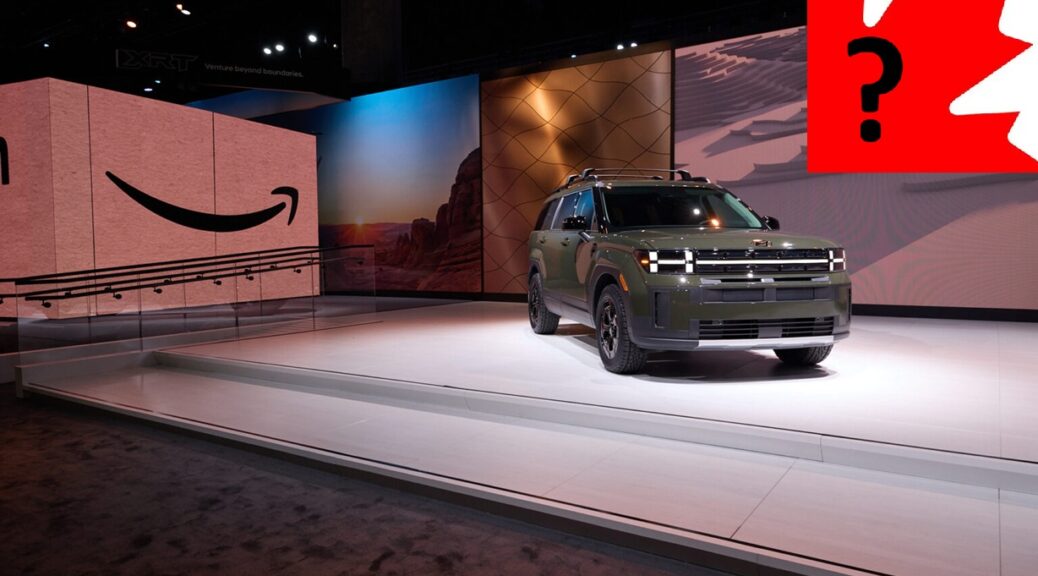
Participating automakers (like Hyundai) or dealers (like rental car giant Hertz) can now list their inventory on Amazon. But make no mistake: you’re still buying from a dealer. Amazon Autos is only acting as an online marketplace for cars, meaning that the cars you see listed are only there because traditional car dealers listed their inventory on the platform. Amazon is just making online car shopping feel like the Amazon experience that nearly 200 million Americans are familiar with.

There are pros and cons of buying a car on Amazon.

Amazon advertises no-haggle pricing, but there’s something crucial that most shoppers overlook: that rarely means you’re truly getting the best price possible. No-haggle pricing is crafted by dealers to ensure healthy profit margins on their end, while making consumers feel relieved that they don’t have to deal with unpleasant negotiations or salespeople. The truth is, buying the actual vehicle still takes place at a dealership. There are still salespeople involved. It can still be inconvenient or uncomfortable.

Dealers are thrilled with the assumption that pricing is already agreed upon before the customer even arrives. Remember, dealers have plenty of profit in the form of holdbacks, manufacturer-to-dealer cash, and even volume bonuses. That’s not to mention more money for them if you finance with them, or purchase an extended warranty or other add-on.

All of this means that you’re much more likely to overpay than if you were to go your own way and negotiate confidently.

In summary, when you buy a new or used car on Amazon, you’re still buying through a traditional dealership. Amazon doesn’t hold any of the inventory you see online, they’re merely adding the online Amazon experience many consumers are familiar with to online car shopping. In most cases, that means trading competitive pricing for convenience.

For some, that may be a compromise you’re willing to make in order to skip the haggling process. But it’s important to know that you’re limiting your ability to land a great deal when you forfeit your chance to negotiate car pricing.

Research Required

To best ensure you’re not leaving money on the table, thoroughly research the car market. Always research demand factors for the cars you’re interested in. Are you shopping for a car that’s less popular than the hottest sellers on the market? Does it sell slower than the market average in your area? If so, you’re much more likely to overpay with ‘no-haggle pricing’. Find inventory that has been sitting on the dealership lot the longest. Those are the cars that dealers are motivated to sell at a discount.

For the Silo, Justin Fischer.

Justin Fischer is an automotive retail analyst and consumer advocate at CarEdge, a leading consumer platform dedicated to empowering car shoppers to make confident, informed and financially savvy decisions.

Car Buying Tips For Beginners

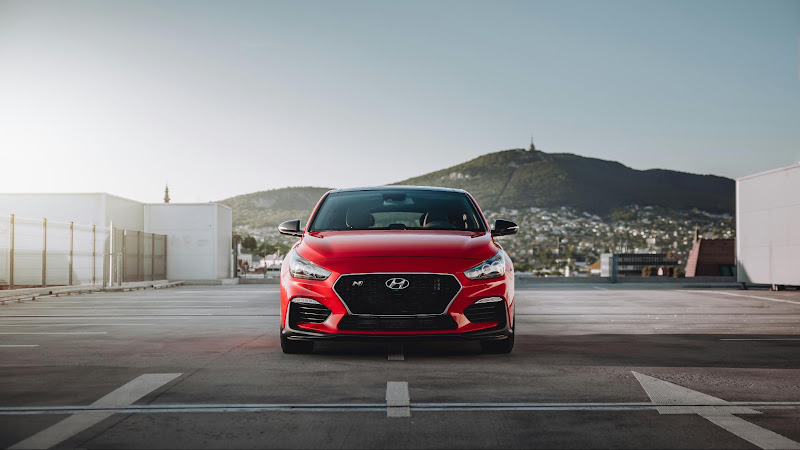
a red car parked in a parking lot

Buying a car is an exciting journey, filled with possibilities but also peppered with potential pitfalls, especially for first-time buyers. The process can seem daunting, given the vast array of options, financial considerations, and the long-term commitment to the chosen vehicle. This guide is designed to simplify the car-buying journey, offering practical tips to navigate the market, make informed decisions, and ultimately find the perfect car that meets your needs and budget. These strategies will help ensure a smoother, more enjoyable car-buying experience.

Know Your Budget

Before diving into the sea of car options, it’s crucial to have a clear understanding of your budget. This includes not only the purchase price but also the ongoing costs of ownership such as insurance, maintenance, and fuel. A realistic budget will narrow down your options and keep your financial health in check. For instance, opting for a used Hyundai Sonata in Saskatchewan might offer the balance of affordability, reliability, and features you’re looking for, without stretching your budget too thin.

When considering your budget, also think about financing options. If you plan to take out a loan, get pre-approved to understand how much you can afford and to streamline the buying process. This can also give you leverage during negotiations, as you’ll be seen as a serious buyer with financing already in hand.

Research Thoroughly

img

The importance of research cannot be overstated. Start by listing what you need in a car: size, performance, features, safety ratings, fuel efficiency, and reliability. Use online resources, consumer reports, and forums to gather information on models that fit your criteria. This is also the time to read up on common issues or recalls associated with models you’re interested in, which can save you from future headaches.

Next, explore ownership costs for your shortlisted models. Some cars may have a lower purchase price but higher maintenance costs or less favorable fuel efficiency. Websites and tools that calculate the total cost of ownership over time can provide valuable insights here, helping you make a more informed decision.

Test Drive and Inspect

Once you’ve narrowed down your options, it’s time to get behind the wheel. Test driving is not just about seeing if you like the car; it’s about ensuring everything works as it should. Pay attention to how the car handles, brakes, accelerates, and how comfortable and intuitive the interior is. For those considering a used vehicle, such as a used Hyundai Sonata, it’s advisable to bring along a trusted mechanic for a thorough inspection. This can uncover potential issues that aren’t visible to the untrained eye.

Don’t rush this step. Spending ample time test-driving the car and inspecting can prevent buyer’s remorse and ensure you’re truly happy with your choice. It’s also a good opportunity to check if the car’s space and features meet your practical needs.

Negotiate the Best Deal

img

Negotiation is part and parcel of the car-buying process. Armed with your research, you’ll be in a stronger position to discuss prices. Know the market value of the car you’re interested in and don’t be afraid to negotiate based on that knowledge. For new cars, this might mean working on the price down from the Manufacturer’s Suggested Retail Price (MSRP). For used cars understanding their market value can help you negotiate a fair price.

Remember, negotiation isn’t just about the sticker price. It can also involve terms of the warranty, interest rates on financing, and additional perks like free maintenance or accessories. Be clear about what you want, be prepared to walk away if your terms aren’t met, and always keep the conversation respectful and professional.

Finalizing Your Purchase

After negotiating a deal you’re happy with, it’s time to finalize the purchase. This involves reviewing and signing paperwork, including the bill of sale, warranty documents, and financing agreements. Make sure you understand all the terms and conditions before signing anything. It’s also a good opportunity to review any additional offers for extended warranties or service packages, weighing their costs against the potential benefits.

Before driving off the lot, ensure you have all necessary documents, such as the vehicle registration and proof of insurance. This is also the time to ask any last-minute questions about the vehicle’s features or maintenance requirements. Taking these final steps seriously will help ensure a smooth transition to becoming a happy car owner.

Smart Buying Leads to Happy Driving

Embarking on your car-buying journey with these tips in mind will set you up for a successful purchase. From understanding your budget to negotiating the best deal, each step is crucial in finding a car that fits your life. Whether you’re eyeing a brand-new model or a used car, the goal is to make an informed decision that you’ll be satisfied with for years to come. Remember, a little patience and a lot of research can lead to many happy miles on the road.