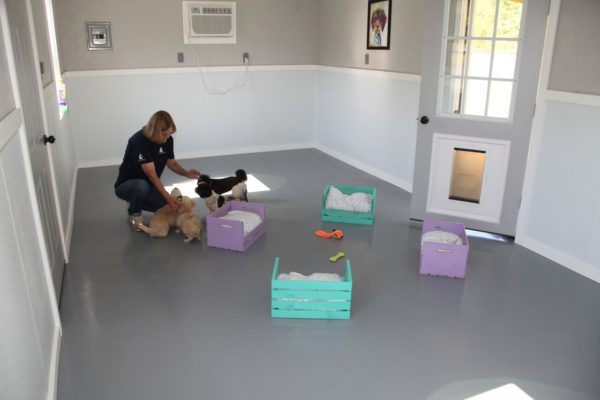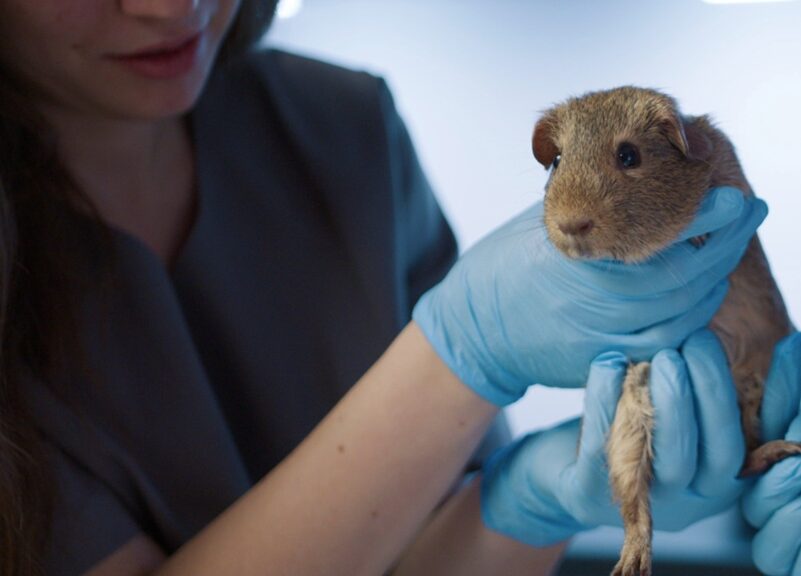
The decidedly disturbing headlines around small pets like guinea pigs and rabbits underscore an escalating ‘disposable pet’ mentality, with certain factors exacerbating the problem. Case in point, this guinea pig rescue in Nova Scotia, Canada.
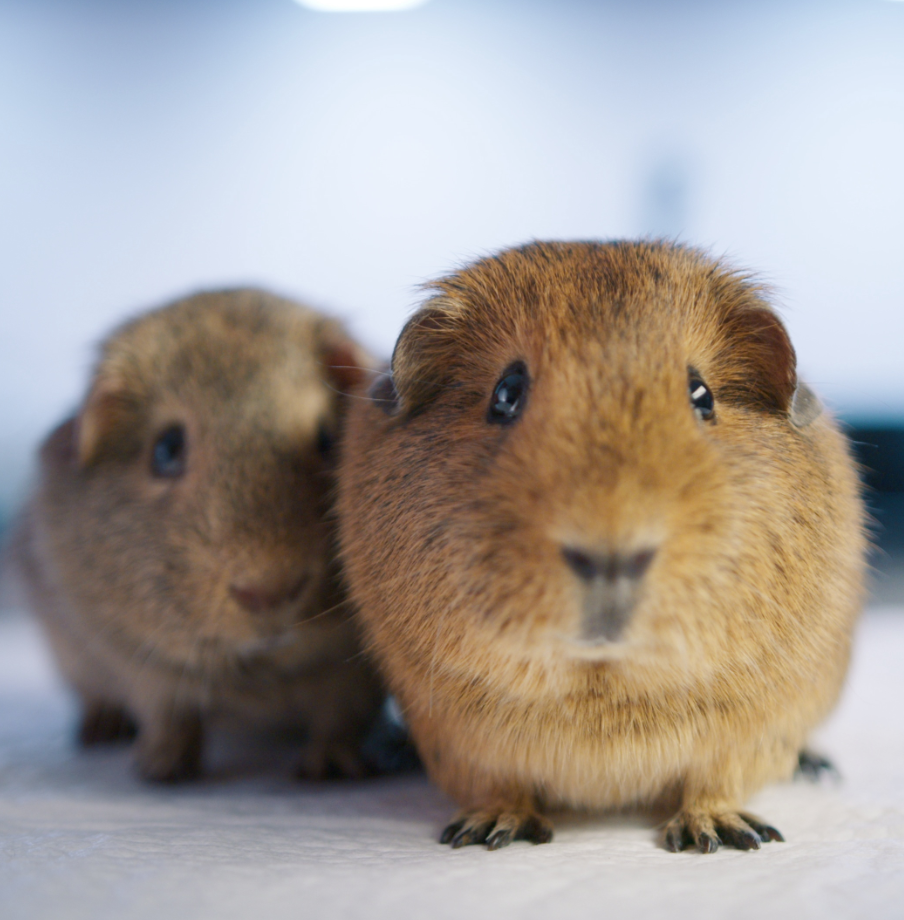
With the holidays looming, shelters are bracing for yet another spike in guinea pig surrenders in particular. Industry sources speculate there may be tens of millions of guinea pigs worldwide, yet shelter data point to troubling trends with some shelters seeing numbers more than triple since the pandemic. One facility reportedly took in over 650 guinea pigs in a single year! Sadly, this species is all too often treated as disposable.
Surveys show that roughly 7 million U.S. households own “small animals” like guinea pigs and roughly another 1 million Canadian households. The holiday season, when guinea pigs are frequently purchased as gifts, intensifies problematic ownership as many families underestimate the care required … only to relinquish these pets weeks or months later.
Clementine Schouteden, CEO of Kavee—the world’s leading guinea pig habitat brand, points out the following key issues:
- Families should use a checklist to decide if they are truly ready for a small pet like a guinea pig or rabbit
- Note the hidden costs and long-term commitments families often overlook before bringing home a guinea pig or rabbit
- There are emotional and developmental benefits guinea pigs and rabbits can bring to children when cared for responsibly
- Rising surrenders are straining shelters already overwhelmed with cats and dogs
- Reach out to shelters and advocacy groups for recommendations on reducing post-holiday pet abandonment
- Be aware that guinea pigs require larger, safer enclosures than most pet stores provide
- Better guinea pig housing, enrichment, and education can prevent health issues and neglect
- Common health problems are often tied to poor diets or improper housing—now how to spot them early
- Consider simple changes that can make homes safer and more enriching for guinea pigs and rabbits
- Be a proud part of the growing movement to elevate small pet care standards to the same level as cats and dogs
Market Trends
The small pet category may be niche, but the market data tells a compelling story.
The U.S. pet industry overall is projected to hit $157 billion usd/ $218.6 billion cad in 2025, up from $151.9 billion usd/ $211.5 billion cad in 2024, with $33.3 billion usd/ $46.4 billion cad of that dedicated to supplies, habitats, bedding, and related essentials (APPA). Within that, ~7.7 million North American households own small animals such as guinea pigs, rabbits, and hamsters (Forbes), representing a sizable and under-served customer base. Globally, the rodent pet accessories market is valued at $1.2 billion usd/ $1.7 billion cad in 2024 and forecasted to double to $2.5 billion usd/ $5.2 billion cad by 2033 (Verified Market Reports), while the guinea pig cage market alone is worth $455 million usd/ $633.6 million cad today and on track to reach $715 million usd/ $995.7 million cad by 2033 (Growth Market Reports). Complementary comfort products like cuddle cups are also on the rise, already a $134.7 million usd/ $187.6 million cad global market growing at a 7.4% CAGR.
Add to this the growing concerns in shelters and rescues about guinea pig welfare (HumanePro), and the momentum is clear: consumers, advocates, and regulators alike are demanding safer, higher-quality, and more enriching products. The fact that species-specific U.S. data for guinea pig habitats and accessories is still sparse only underscores the opportunity for Kavee to lead with content, education, and product innovation—filling a gap that few others have recognized, let alone acted on. For the Silo, Merilee Kern.
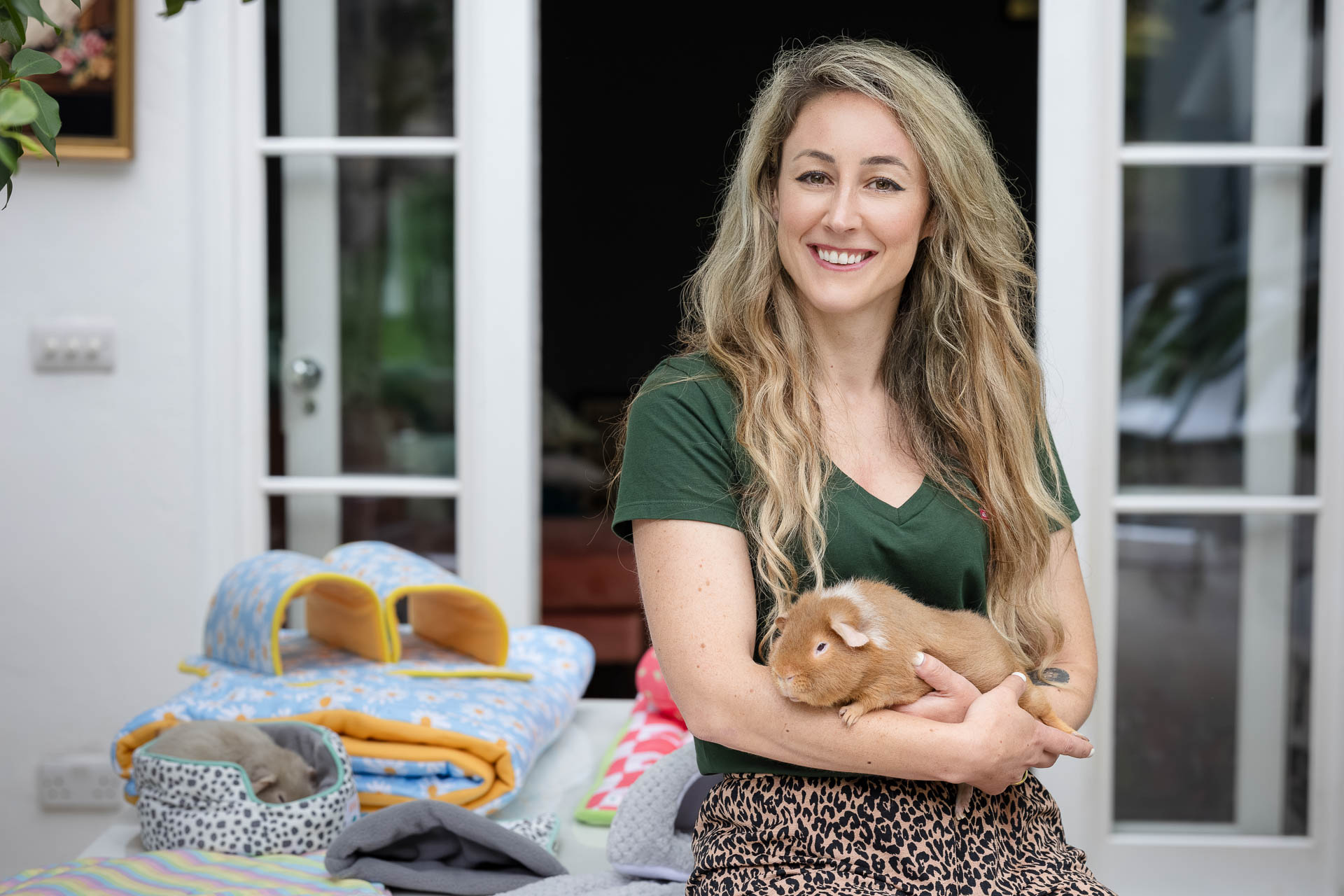
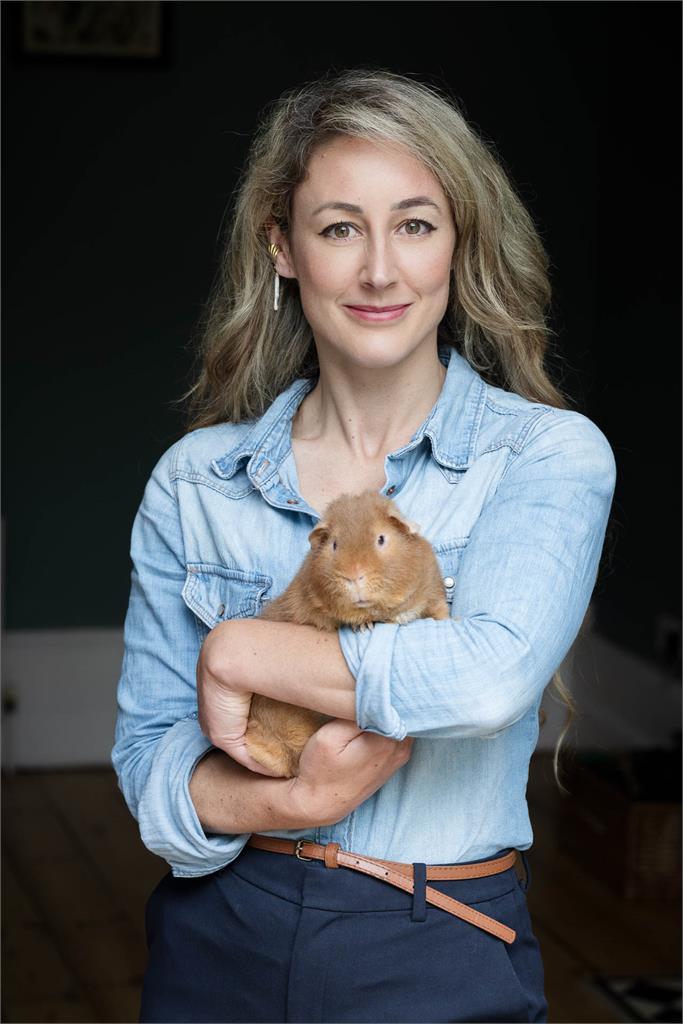
Schouteden’s journey is a masterclass in spotting underserved markets and scaling with vision. Below, she shares how a single decision transformed her entrepreneurship path, how her eCommerce brand is reshaping an overlooked corner of the pet industry and what’s next for small pet care innovation.
MK: Clementine, let’s start at the beginning. What inspired you to create Kavee?
CS: It really began with my own guinea pigs. In March 2015, I adopted Bagpipe, a long-haired Peruvian and Livingstone, a short-haired Agouti. Later, Efendi joined the family. I couldn’t bring myself to put them in a tiny pet shop cage as it just didn’t feel right. Instead, I had a friend build a large wooden cage and I set up play areas in my flat so they could explore. Watching them thrive in a spacious environment showed me how much better life could be for small pets.
MK: What sets Kavee products apart from traditional cages?
CS: We’ve always designed for the animals first. Our C&C cages are modular, easy to clean and expandable. We encourage pet parents to go larger than outdated minimums. For example, while many guidelines say a 2×3 cage is fine for two guinea pigs, at Kavee we recommend 2×4 for sows and 2×5 for boars, since they need more room to coexist peacefully. Our fleece liners, accessories and enrichment toys also bring comfort, safety and playfulness into their habitats.
MK: Kavee has grown from a startup to an international brand. What has that journey looked like?
CS: In the early days, it was just me packaging orders on weekends while still working full-time as a consultant. Within six months, demand grew and I partnered with an “impact employment” group to provide jobs for people with disabilities. That freed me to scale the business. By 2018, I left consulting to run Kavee full-time. Since then, we’ve expanded into four online stores, grown a passionate team and provided spacious homes for over 50,000 guinea pigs.
MK: Beyond products, you’ve built a strong educational and advocacy component. Why is that important?
CS: Kavee is not just about selling supplies; it’s about changing perceptions of small pets. Too often they’re seen as “starter pets” for kids, but they’re intelligent and sensitive. Through blogs, social media and the Kavee Rescue initiative, we provide guidance on diet, grooming, habitat design and more. Our team even answers customer questions about gardening for guinea pigs! That level of community engagement makes a real difference.
MK: What role does sustainability and ethical business play in Kavee’s mission?
CS: It’s at the core of what we do. Our products are designed to last, reducing waste. We carefully source safe, durable materials and we support inclusive hiring practices. Since 2023, our Kavee Rescue partnership has been another way to give back. Ultimately, if I wouldn’t use it with my own pets, it doesn’t go to market.
MK: Looking ahead, where do you see Kavee and small pet care evolving?
CS: The future lies in rethinking standards. Minimum cage guidelines are outdated and pets deserve larger, more enriching spaces. I also see small pets becoming mainstream companions for professionals and singles, not just families. At Kavee, we’ll continue innovating, expanding product ranges and advocating for animal welfare globally.
MK: What were the biggest challenges you faced as a female founder in the pet care industry?
CS: Breaking into a space that historically overlooked small pets was challenging enough, but as a female founder, I also had to fight to be taken seriously. Early on, suppliers and partners often assumed this was just a “side project.” Proving the demand, scaling internationally and building a team showed that Kavee was not just a niche brand but a movement.
MK: Was there a moment when you realized Kavee had truly “made it”?
CS: Yes. When I saw our first international orders come in, especially from the U.S., it hit me that we were filling a huge gap worldwide. Another milestone was when customers started sending photos of their piggies “popcorning” in our cages. Knowing our products were directly improving lives was the moment I felt Kavee had arrived.
MK: How do you balance innovation with customer feedback?
CS: We listen closely to our community. Many of our product upgrades, such as folding coroplast bases or fleece liners with new absorbent layers, came directly from customer suggestions. I believe true innovation happens when you combine design expertise with real-world feedback from the pawrents using the products daily.
MK: What advice would you give aspiring entrepreneurs who want to turn a passion into a business?
CS: Start small, test your idea and don’t be afraid of imperfect beginnings. Kavee began with one cage model and a very simple website. What made the difference was consistency, passion and being deeply connected to my “why,” which is improving small pet welfare. If you keep that clarity, growth will follow.
MK: As a female founder, what role do you think women play in shaping the future of entrepreneurship?
CS: Women bring unique perspectives to business, often blending empathy with innovation. In my case, it was about seeing the overlooked needs of small pets that weren’t being met and creating meaningful solutions. I believe more women in leadership will mean more industries reimagined with compassion, creativity and long-term impact at the core.
MK: How do you use your platform to inspire or empower other women in business?
CS: I make it a point to be visible and open about the realities of building a company from scratch. Sharing the challenges as well as the successes helps other women see that it is possible to turn a passion into a thriving business. I also mentor aspiring entrepreneurs, especially women, because representation and encouragement can be the push someone needs to take that first step.
MK: Looking back, what’s the most rewarding part of building Kavee?CS: Without a doubt, it is knowing we have improved the lives of thousands of animals. Every time I hear a story about a guinea pig who went from lethargic in a tiny cage to playful and thriving in a Kavee habitat, it reminds me why this journey matters. That impact is priceless.
From rescuing mice and birds as a child in rural France to transforming the global small pet industry, Clementine has proven that passion paired with innovation can create lasting change. Through Kavee, she’s redefined what it means to care for guinea pigs and rabbits. In the process she’s raising standards, fostering community and inspiring pawrents to think bigger.
In Clementine’s words: “Quite simply, if your piggies aren’t running around in their cage, something isn’t right.”
Thanks to her efforts, thousands of piggies—and the humans who love them—are finally getting it right.