Vintage mid-century modern homes are as popular today as they were when built in the 1950s and ’60s. Arts & Architecture magazine’s post-war Case Study Houses, for example, rarely come up for sale, and when they do, are usually snapped up by aficionados almost as quickly as the listing goes into print. Case Study House #16 is now for sale and priced at $5.4 million usd/ $7.4 million cad.
When World War II ended and the American troops were returning home, it was the start of the baby boom and a monumental housing shortage. Well-known architects in the country were asked to design simple, affordable homes that could be built en masse.
The magazine Arts & Architecture put out a challenge to architects that included Richard Neutra, Raphael Soriano, Craig Ellwood and Ray Eames. The Case Study Houses were numbered 1 through 28, and two apartments were included. They were built from 1945 sporadically through 1966. Thirteen were never built, and from the ones that were, at least three were later demolished. A couple of them have been renovated rather than restored, and the rest are lived in and cared for today.
NUMBER 16
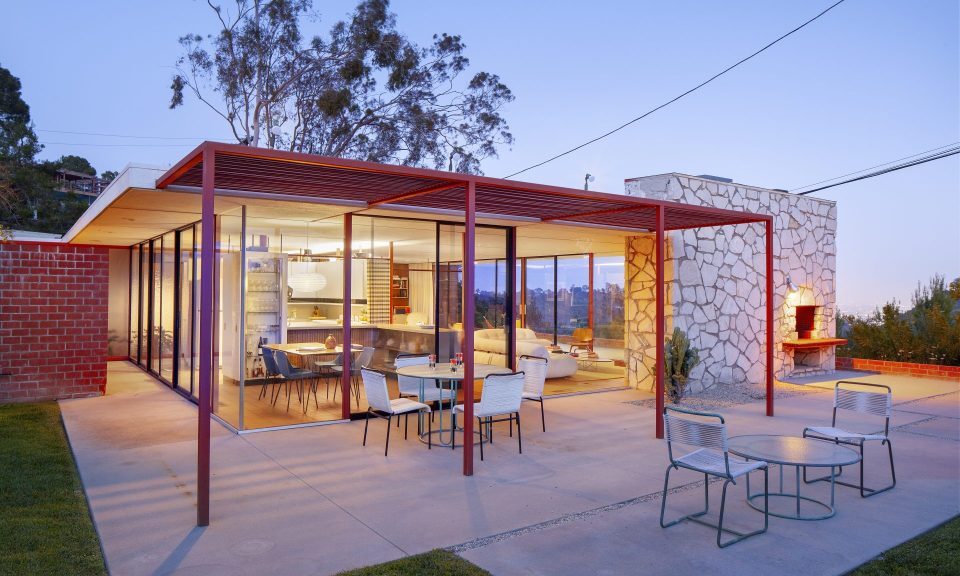
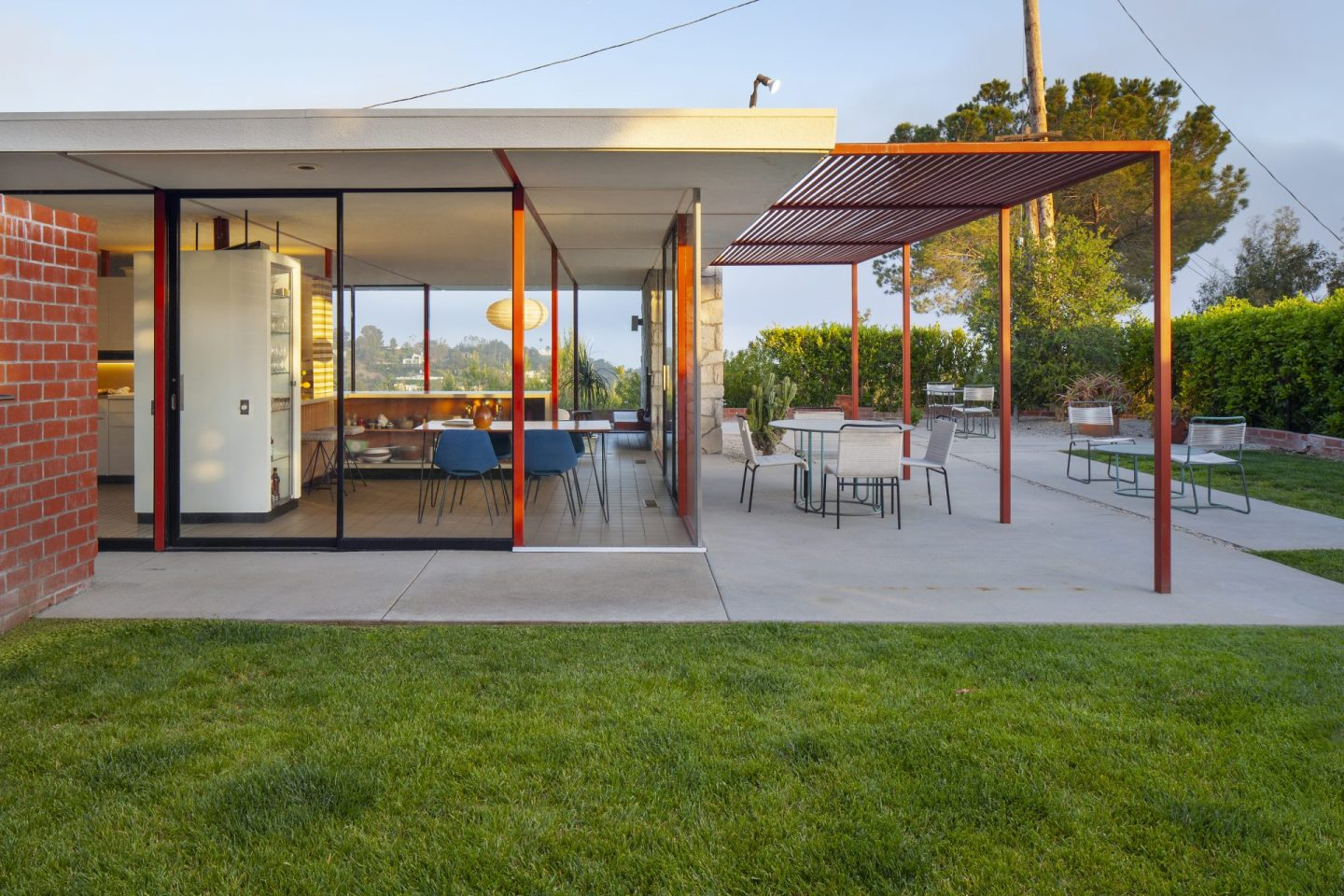
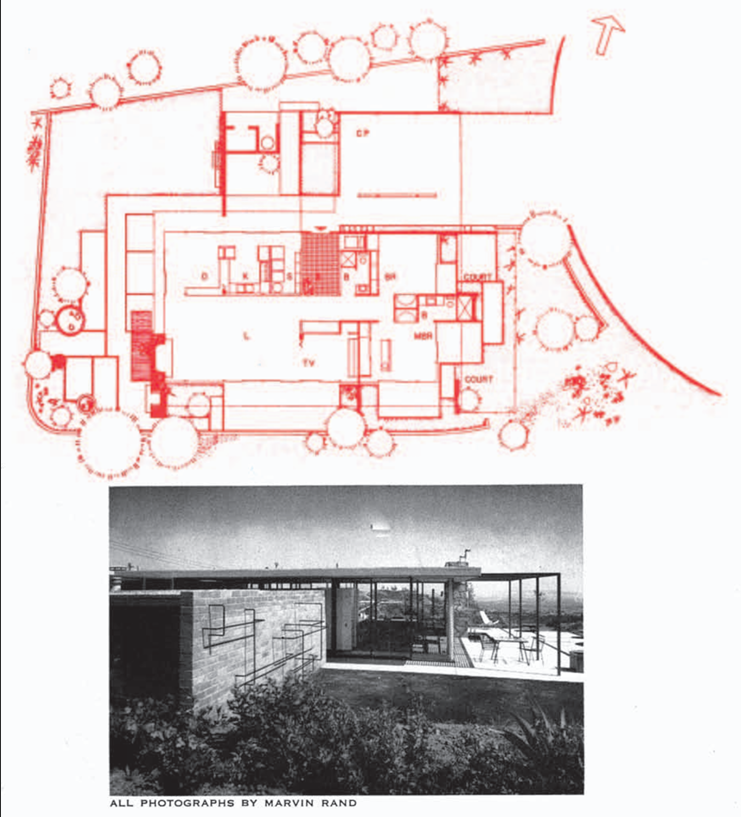
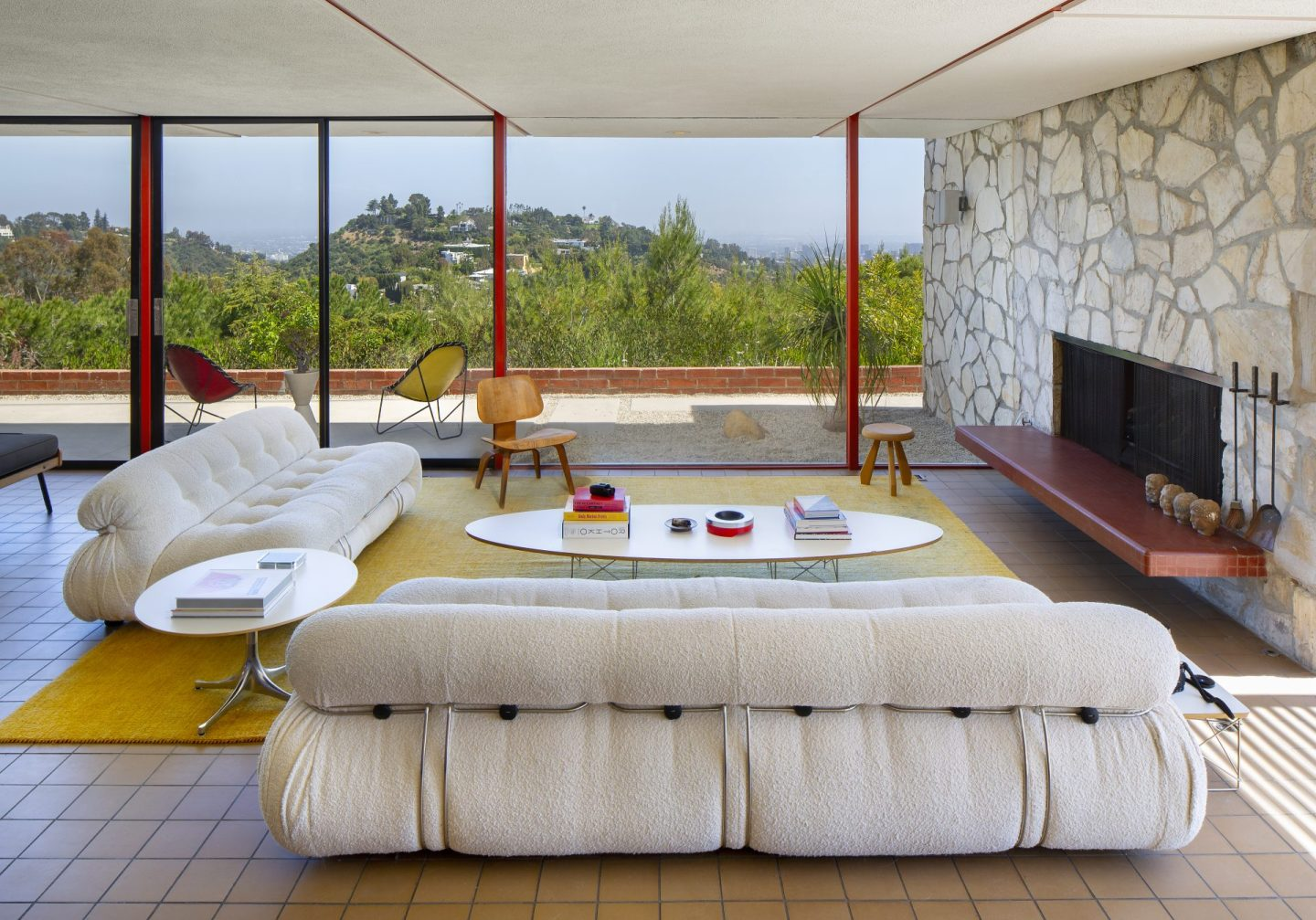
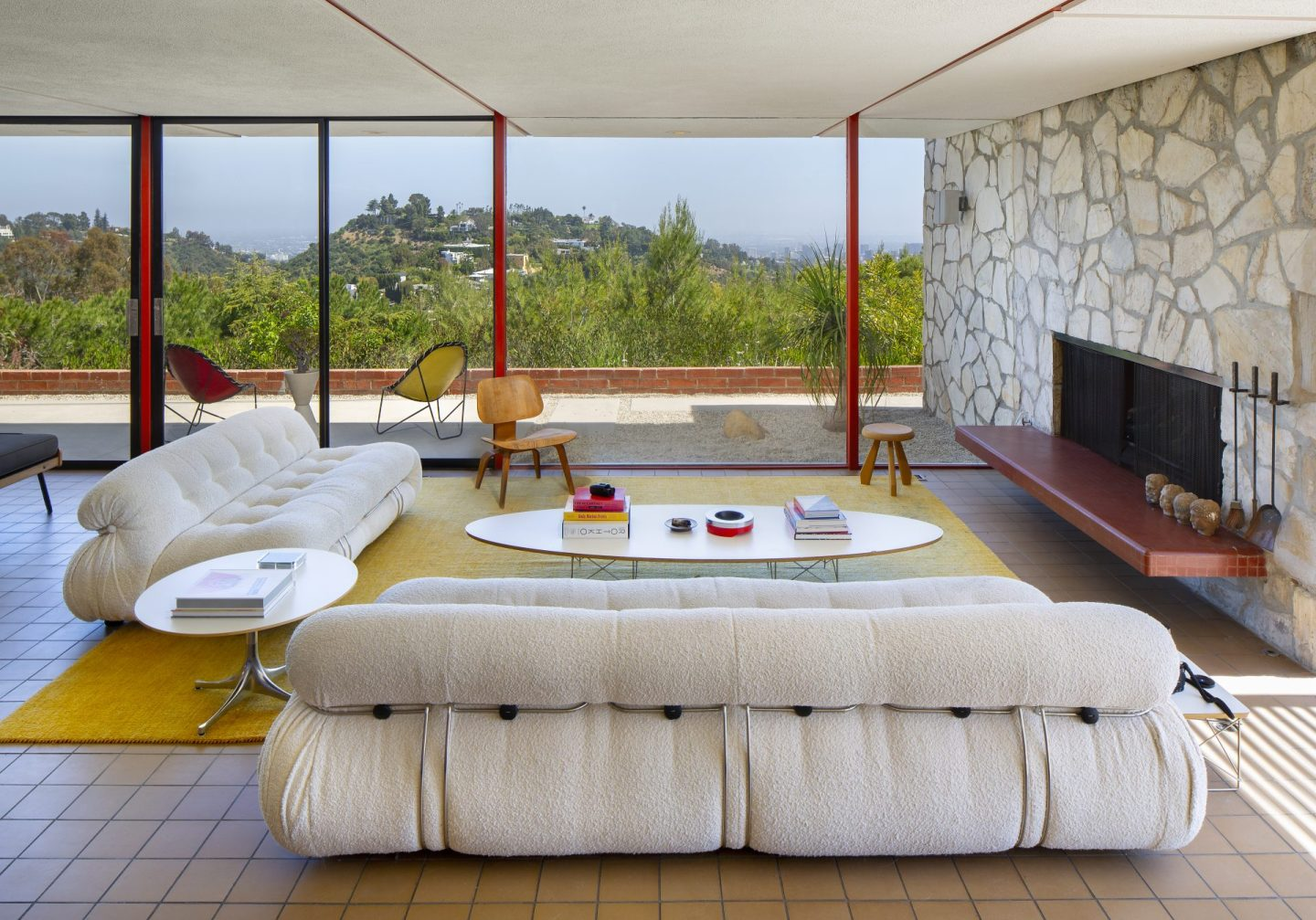
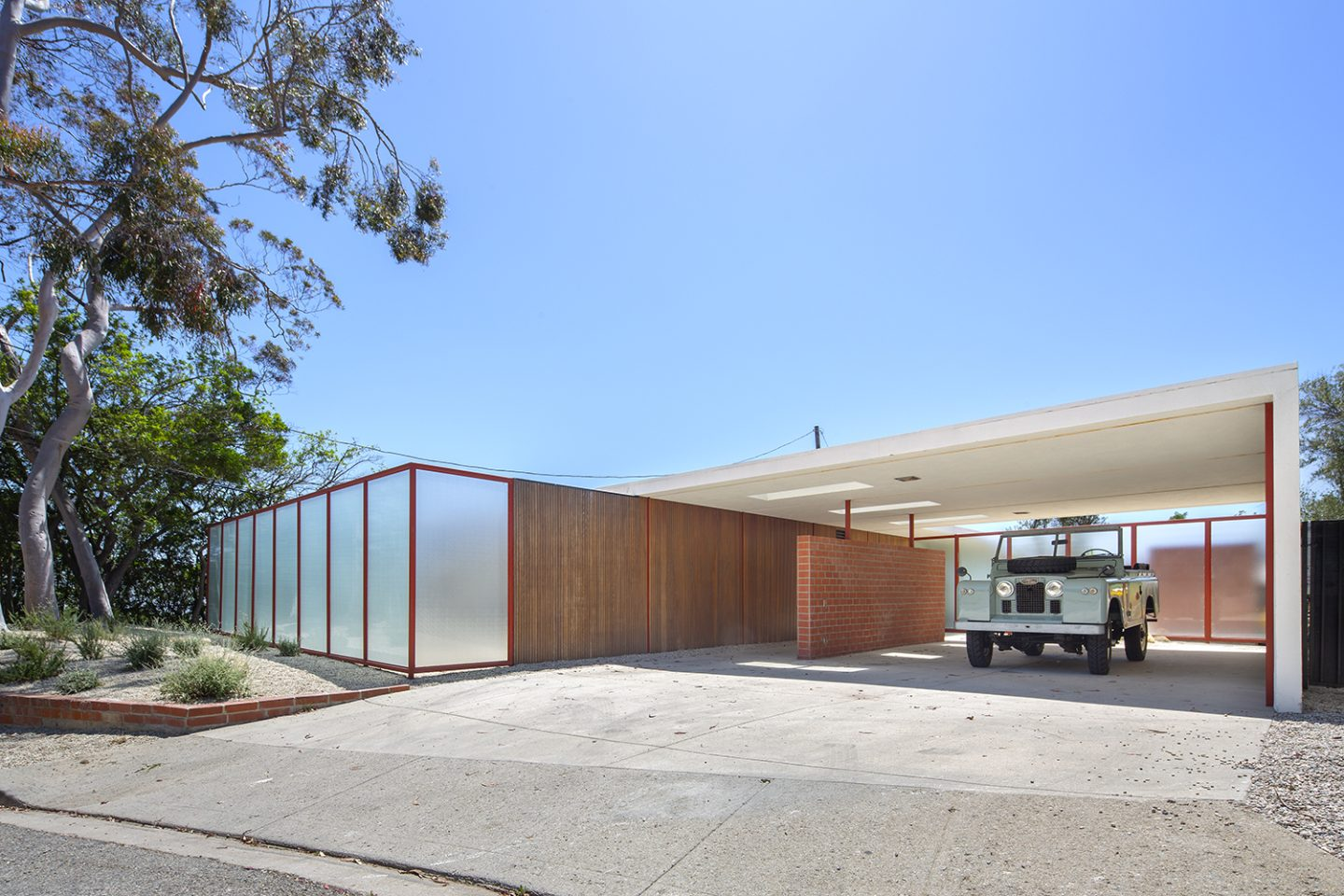
Number 16 was the first of three Case Study Houses designed by Craig Ellwood. Completed in 1953 in Bel Air, the house was innovative in its use of exposed steel-structural framing and floor-to-ceiling glass walls to optimize the views and open to the grounds, making it feel twice the size.
Ellwood was actually an engineer rather than an architect, and placed a lot of emphasis on the stability of the structure using steel, glass, and concrete built on a slab. The 1,664-square-foot home with two bedrooms and two baths is just as contemporary today as when it was built. The living room has a dramatic stone fireplace set into the glass wall that extends beyond it into a terraced area. Set into mature landscaping, the house appears to rest on a cushion of greenery.
The historic Case Study House #16 is for sale in Bel Air, Los Angeles, California. Priced at $5.4 million usd/ $7.4 million cad, the listing agent is Veronika Sznajder with Crosby Doe Associates. For the Silo, Bob Walsh/ toptenrealestatedeals.com
Frank Lloyd Wright designed over 1,000 structures (532 were completed) in his 70-years-plus career – mostly homes but also hotels, schools, churches, the Johnson Wax Headquarters and the Guggenheim Museum. This iconic American architect’s final design was the Norman Lykes House in Phoenix in the same year of his death in 1959. It is now for sale priced at USD$3.6 million and profiled at toptenrealestatedeals.com.
The Guggenheim cameo in Men In Black (1min 25secs)
Wright had been working with his apprentice, John Rattenbury, on the Lykes House sketches and had already chosen the building site for the home when he died. Having come full circle from his start in Prairie style, to textile block, to organic and, towards the end, the functional Usonian for the masses, his last designs showed a new interest in circles and curves as he created buildings in the round such as the Guggenheim and the house he built for his son, the David and Gladys Wright home also in Phoenix.
With a site on top of Palm Canyon with views of the valley, Wright began the Lykes design by replicating the curves of the mountainsides, making the home an integral part of its environment and providing big views for its owners and visitors. Though Wright passed away before finishing the working plans, the Lykes hired his apprentice, Rattenbury, to complete the plans according to the details set forth by Wright. The couple loved the completed plans, though it was another seven years before they started construction. When they did, Rattenbury oversaw the build and the home was completed in 1967. In addition to the structure itself, Wright also designed the furniture and built-ins for the home.
In 1994, new owners wanted some updating, so they called back Rattenbury to do the redesign by expanding the master bedroom, converting a workshop into a media room and combining two other bedrooms into a guest room – all without disrupting the overall design. Rather futuristic for its time, the circular and curvilinear design has become a timeless piece of architecture that continues to be copied by today’s designers and builders.
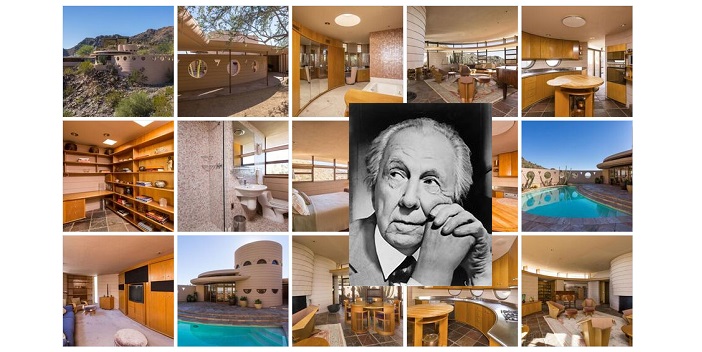
Now for sale and registered with the Frank Lloyd Wright Building Conservancy, the 2,849-square-foot home on one acre of desert plateau has three bedrooms, three bathrooms, the signature large living room fireplace intended to bring families and friends together, a lower-level media room, two home offices with built-ins of desk, cabinet storage and walls of shelving, a distinctive curved kitchen with Wright-designed island and unique under-cabinet windows and timeless stainless-steel counters, contemporary tiled large baths, and a privacy walled crescent pool patio viewed from inside through glass walls. There is also a separate large office in the round with all built-in furnishings encircled by half-moon windows. Views of valley and mountains can be seen from almost every room.
Classic last Wright design before his death, contemporary for today including lots of storage space with furniture and built-ins designed by the famous architect, the Lykes House is now for sale and priced at USD$3.6 million. For the Silo, Terry Walsh.

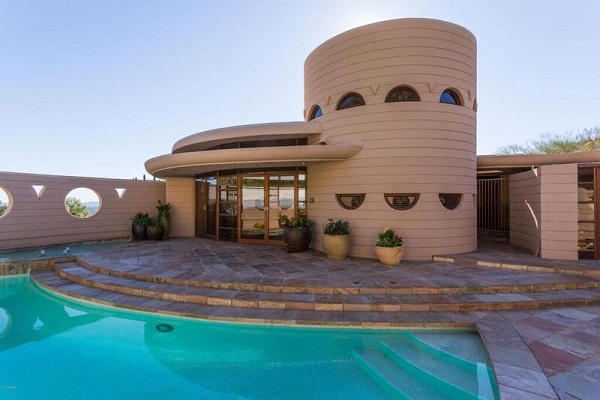 With a site on top of Palm Canyon with views of the valley, Wright began the Lykes design by replicating the curves of the mountainsides, making the home an integral part of its environment and providing big views for its owners and visitors. Though Wright passed away before finishing the working plans, the Lykes hired his apprentice, Rattenbury, to complete the plans according to the details set forth by Wright. The couple loved the completed plans, though it was another seven years before they started construction. When they did, Rattenbury oversaw the build and the home was completed in 1967. In addition to the structure itself, Wright also designed the furniture and built-ins for the home.
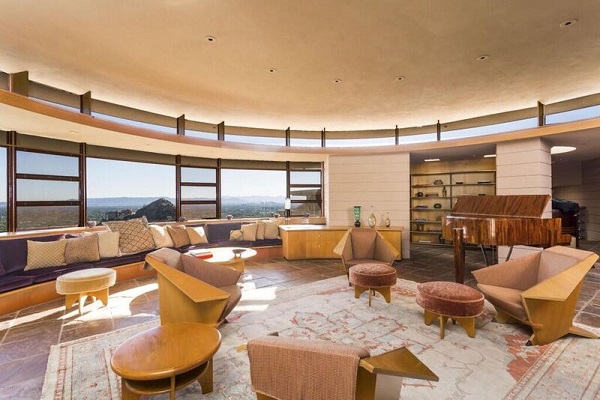 Now for sale and registered with the Frank Lloyd Wright Building Conservancy, the 2,849-square-foot home on one acre of desert plateau has three bedrooms, three bathrooms, the signature large living room fireplace intended to bring families and friends together, a lower-level media room, two home offices with built-ins of desk, cabinet storage and walls of shelving, a distinctive curved kitchen with Wright-designed island and unique under-cabinet windows and timeless stainless-steel counters, contemporary tiled large baths, and a privacy walled crescent pool patio viewed from inside through glass walls. There is also a separate large office in the round with all built-in furnishings encircled by half-moon windows. Views of valley and mountains can be seen from almost every room.
 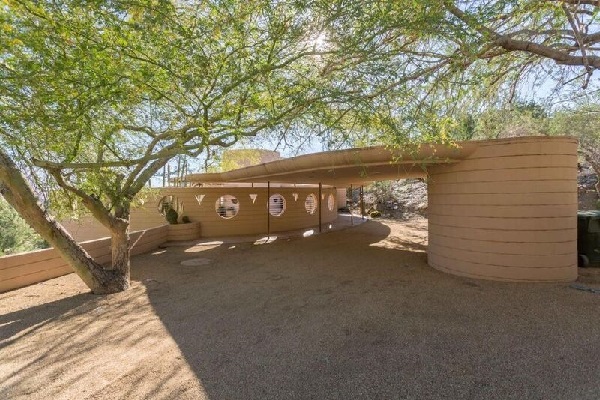 Classic last Wright design before his death, contemporary for today including lots of storage space with furniture and built-ins designed by the famous architect, the Lykes House is now for sale and priced at USD$3.6 million. For the Silo, Terry Walsh.