Tag Archives: Alaska

Last-Minute Win Spares Alaska’s Bears From Aerial Gunning- For Now

https://lh7-rt.googleusercontent.com/docsz/AD_4nXcaFCuAK3CEH6LnyifCImET2BDuU3n3ZEvuDFGdVBwtFe76IpYOuZyrDHLnTKziK8jd6L8llUsLEkveGzzXckaLcgJcl3Qxhhn6lXnIUrB-DvWYJy50w3PYfut5601c_DjbpVXIBQ?key=ArHp4kXIyrWLvYHpom9uYQ

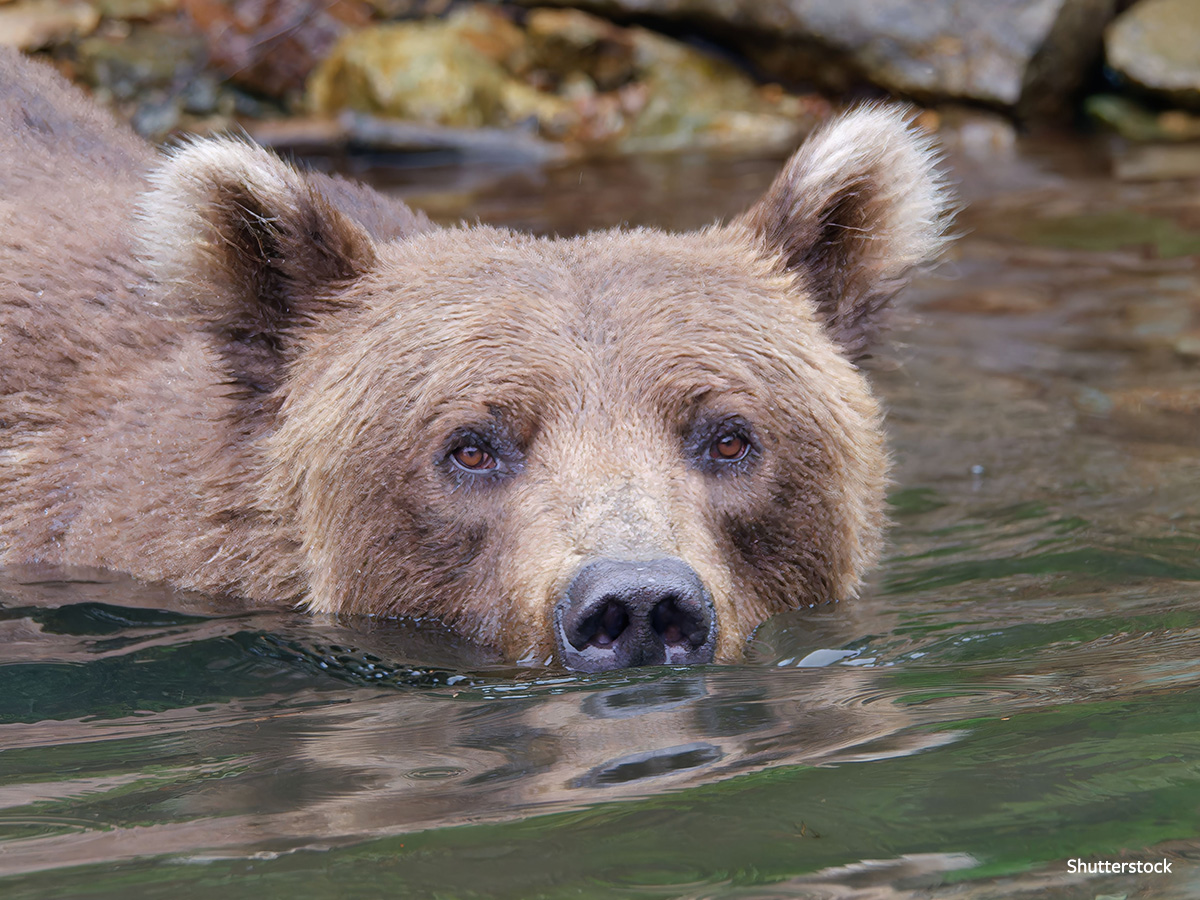
ANCHORAGE, Alaska (May, 2025) — In a major win for Alaska’s brown bears and their advocates, a US state court issued an injunction halting the controversial Mulchatna aerial gunning program just as the 2025 bear-killing season was set to begin. The ruling follows legal action by Alaska Wildlife Alliance, which argued the predator control program violates Alaska’s Constitution and due process. In Defense of Animals supporters flooded officials with over 7,000 messages urging them to abandon the program and protect Alaska’s bears.

Injunction

The injunction, granted just as the killing resumed resulting in the deaths of 11 bears, pauses aerial gunning in Units 17 and 18 of Western Alaska, where nearly 200 brown bears were killed under the program in 2023 and 2024. The court’s decision brings a wave of relief to advocates who have spent months pushing back against the scientifically unsupported and ecologically reckless killings.

“This is a crucial win for Alaska’s bears, and for everyone who believes in science-based, ethical wildlife management,” said Nicole Schmitt, Executive Director of Alaska Wildlife Alliance. “The court has again made it clear that the state cannot steamroll legal protections or ignore its own constitution in the name of predator control.”

Mulchatna Predator Control Program

The Mulchatna predator control program has faced mounting criticism for allowing indiscriminate killing of bears with no scientific basis, threatening not only individual bears but entire bear communities. Research shows older brown bears play key roles in teaching younger bears how to fish, forage, and survive — knowledge that’s lost when experienced bears are killed.

Local businesses and Alaska state senators were also urged to take a stand against the killings. Thousands of advocates pledged to boycott travel to Alaska until the aerial gunning program ends, and called on tourism organizations encouraging them to publicly oppose the practice and support ethical alternatives.

“This court decision gives Alaska’s brown bears a much-needed reprieve,” said Katie Nolan, Wild Animals Campaigner for In Defense of Animals. “Killing programs ignore the ecological importance of bears and the values of people who want to see them protected. It’s encouraging to see the courts recognize that what’s lawful also needs to be responsible.”

In Defense of Animals will continue to support Alaska Wildlife Alliance in its efforts to end the Mulchatna predator control program for good and ensure Alaska’s wild animals are treated with the respect they deserve. For the Silo, Lisa Levinson.

In Defense of Animals is a friend of The Silo and is an international animal protection organization with over 250,000 supporters and a history of defending animals, humans, and the environment, through education and campaigns as well as hands-on rescue facilities in India, South Korea, California, and rural Mississippi. www.idausa.org/wildanimals 
NORAD detects, tracks, and identifies Russian aircraft entering Canada Air Defense Identification Zones

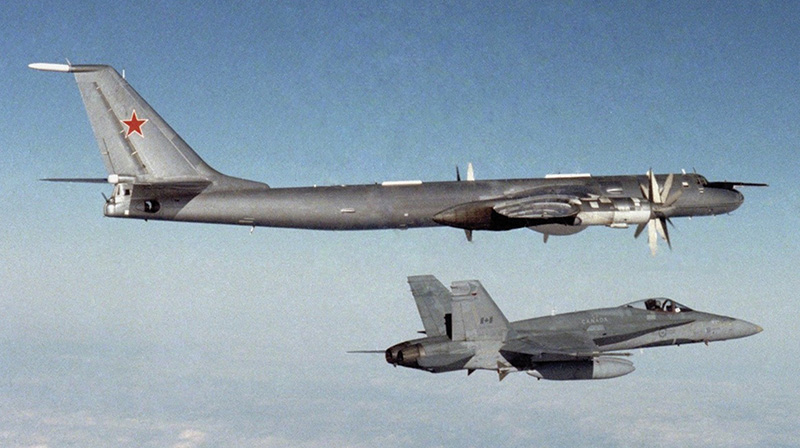
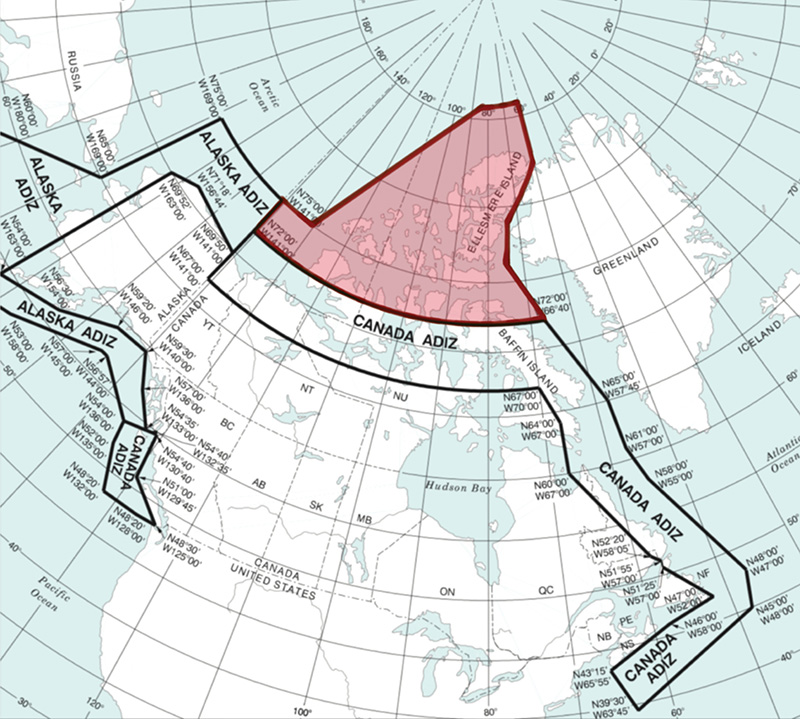
Many people are surprised to learn that for seventy-five years and counting, Russian aircraft regularly enter Canada territory. For example, on September 11, 2022, the North American Aerospace Defense Command (NORAD) detected, tracked and positively identified two Russian maritime patrol aircraft entering and operating within the Alaskan and Canadian Air Defense Identification Zones (ADIZ).

photo: DND

NORAD and USNORTHCOM are Canadian and the American bi-national military commands charged with three missions in the defense of North America: aerospace warning, aerospace control, and maritime warning.

The Russian aircraft remained in international airspace and did not enter American nor Canadian sovereign airspace.

Contrary to how you may feel about it, Russian activity in the North American ADIZ (Air Defense Identification Zone) is not seen as a threat nor is the activity seen as provocative. NORAD tracks and positively identifies foreign military aircraft that enter the ADIZ, and routinely monitors foreign aircraft movements and as required, escorts them from the ADIZ.

THULE AIR BASE, Greenland —Thule’s ballistic missile early warning radar  

The radar is operated by the 12th Space Warning Squadron, a geographically-separated unit of the 21st Space Wing. This upgrade completes another step toward a fully-operational missile defense system for the United States and Canada and friends and allies. 

NORAD employs a layered defense network of satellites, ground-based radars, airborne radar and fighter aircraft to track and identify aircraft and inform appropriate actions. We remain ready to employ a number of response options in the defense of North America and Arctic sovereignty.

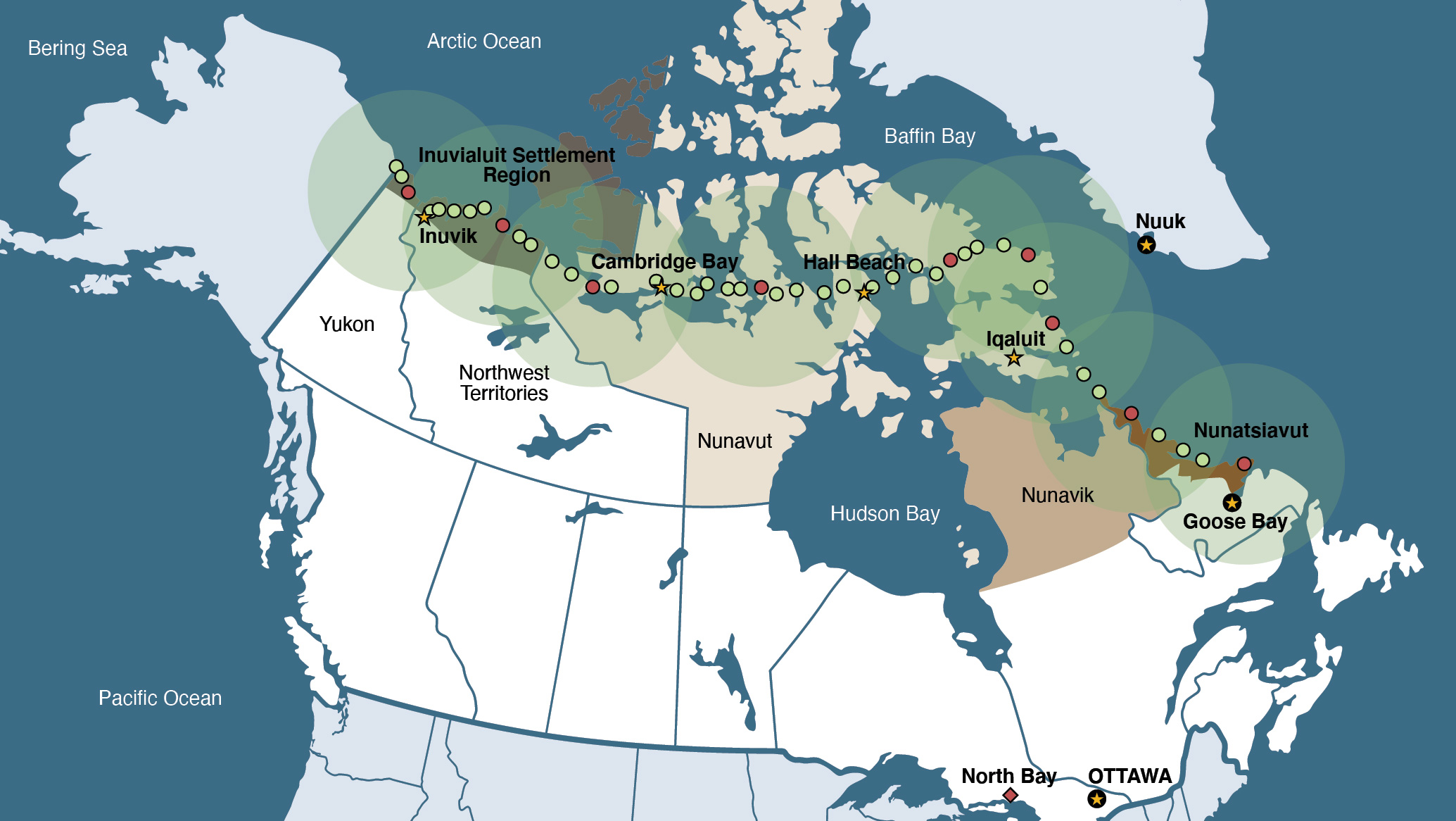
Canada’s North Warning System Radar Sites. image:cbc

Aside from Thule Air Base, Greenland, and other Alaskan air bases, defensive operations are also based out of Canadian Forces Station Alert, Nunavut; Whitehorse, Yukon; Yellowknife, Northwest Territories; 17 Wing/Canadian Forces Base Winnipeg, Manitoba; 22 Wing North Bay, Ontario and 5 Wing Goose Bay, Newfoundland and Labrador.

The expanded Canadian Air Defence Identification Zone (CADIZ).

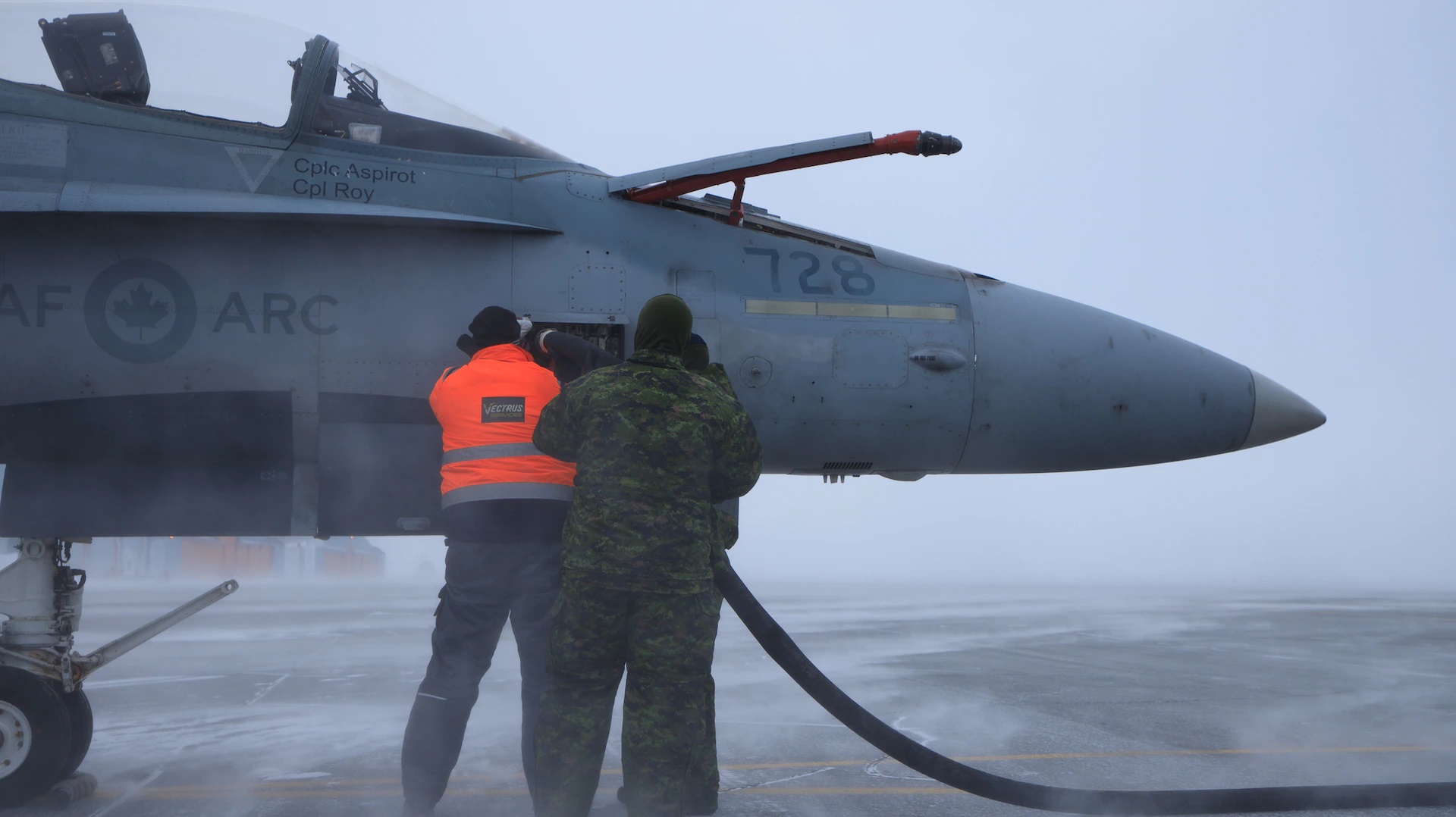
Another operation saw Canadian CF-18 fighters operating from northern airfields to intercept aircraft role-playing as threats. Fighter aircraft were supported by Royal Canadian Air Force and United States Air Force KC-135 air-to-air refuelers.

The monitoring and control of North American airspace remains a primary mission focus area for NORAD. The command maintains robust air defense capabilities to execute the airspace mission over the continental U.S., Alaska and Canada.

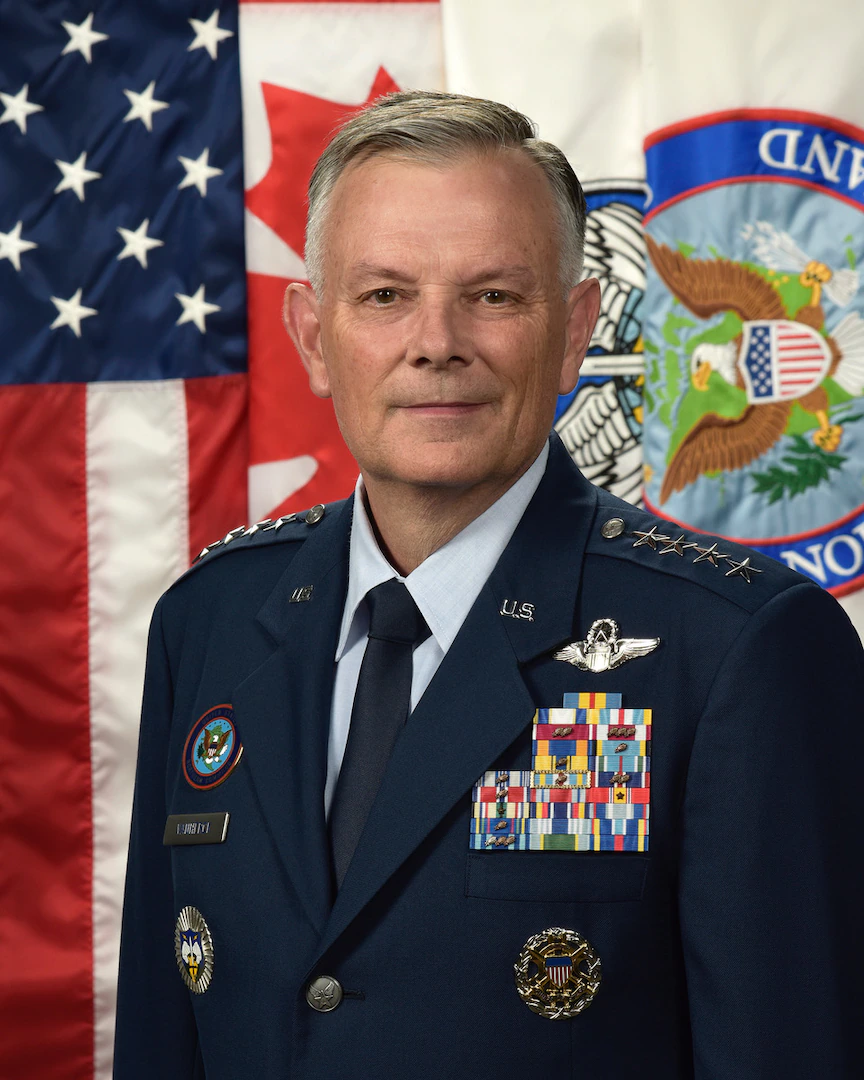
General Glen VanHerck

“Exercising in the Arctic allows us to demonstrate our resiliency and advance our operational capabilities that are critical for integrated deterrence and layered defense,” said General Glen VanHerck, NORAD/USNORTHCOM commander. “The men and women of NORAD, in Canada and the United States, remain steadfast in our sacred obligation of deterring threats, and if required, defending North America.”

For the Silo, Captain Alexandra Hejduk/ NORAD.