Tag Archives: Tibet

Diamond Cutter Sutra- Oldest Printed Book In The World Teaches Manifestation

In this TEDx talk, Michael Roach shares a teaching from the oldest printed book in the world—the Diamond Cutter Sutra—which helps us get everything we want in life, and in a way also helps the entire world.

We will be learning an ancient method known as the Four Steps, which can be applied to five different goals: financial independence for the rest of our life; great personal and professional relationships; vibrant health and energy; a clear, happy, and focused mind—and most importantly, how we can use all these to find out why we came into this world, and how we can live a life of great purpose and meaning.

Geshe Michael Roach is a Princeton University graduate who spent 25 years in a Tibetan monastery and is the first American to be awarded the degree of Geshe, or Master of Buddhism. He utilized his monastery training to help build a major New York corporation which reached $250 million usd in annual sales, and was sold to super-investor Warren Buffett in 2009.

Michael used a large portion of his business profits, and support from companies like Hewlett Packard, to found a 25-year effort to train and pay Tibetan refugees to input thousands of their endangered ancient books and make them available online for free.

We are not affiliated to Michael Roach in anyway. We are helping to spread his message to make this world a better place. Please share with your friends if you find this helpful.


The Diamond Sutra – printed May 11 AD 868
“The Diamond That Cuts Through Illusion”
A new translation In English by Alex Johnson
Read by Chris Johnys.

For The Silo, Jarrod Barker.
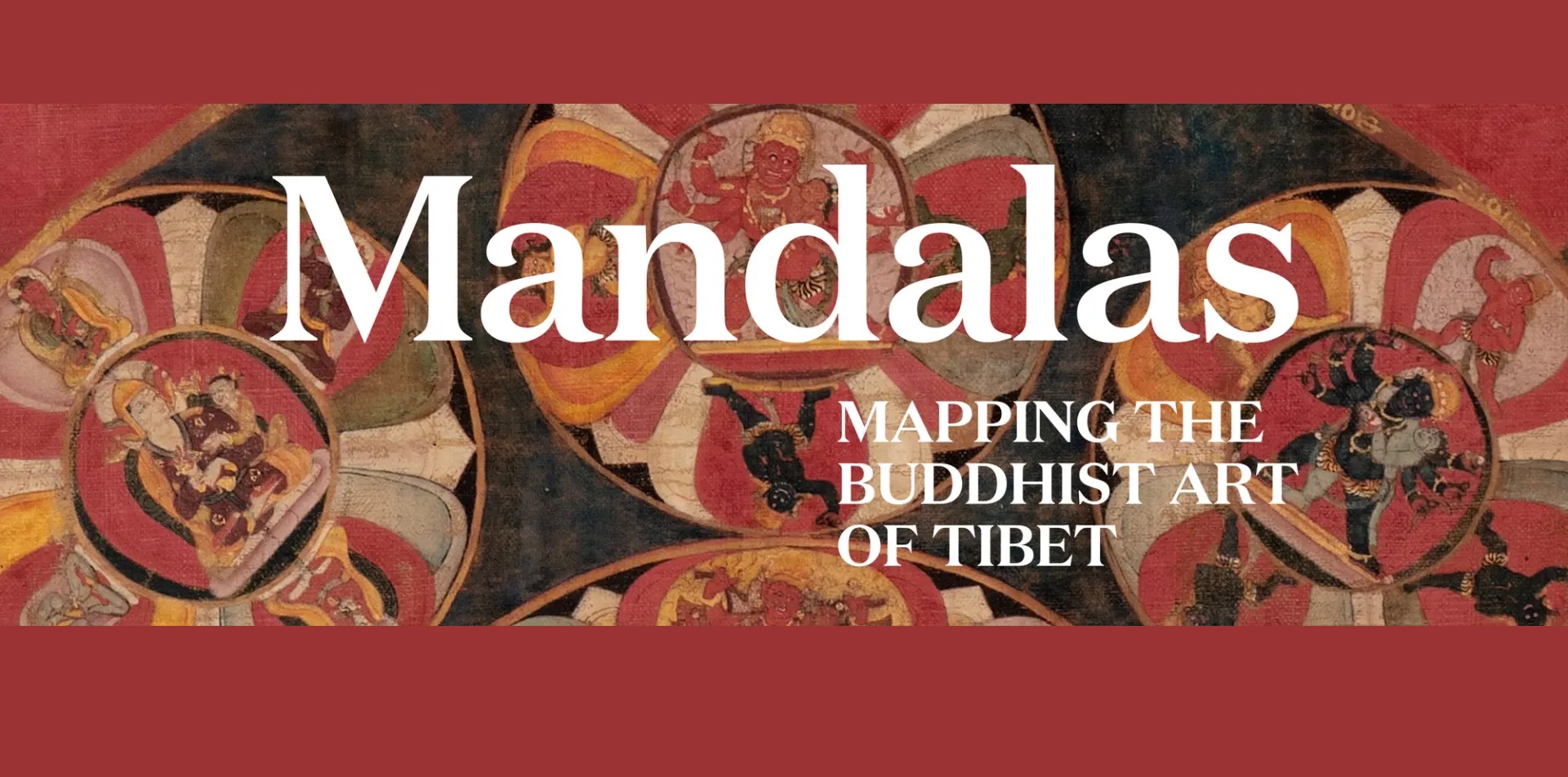
Mandalas- Buddhist Art Of Tibet Coming To The Met

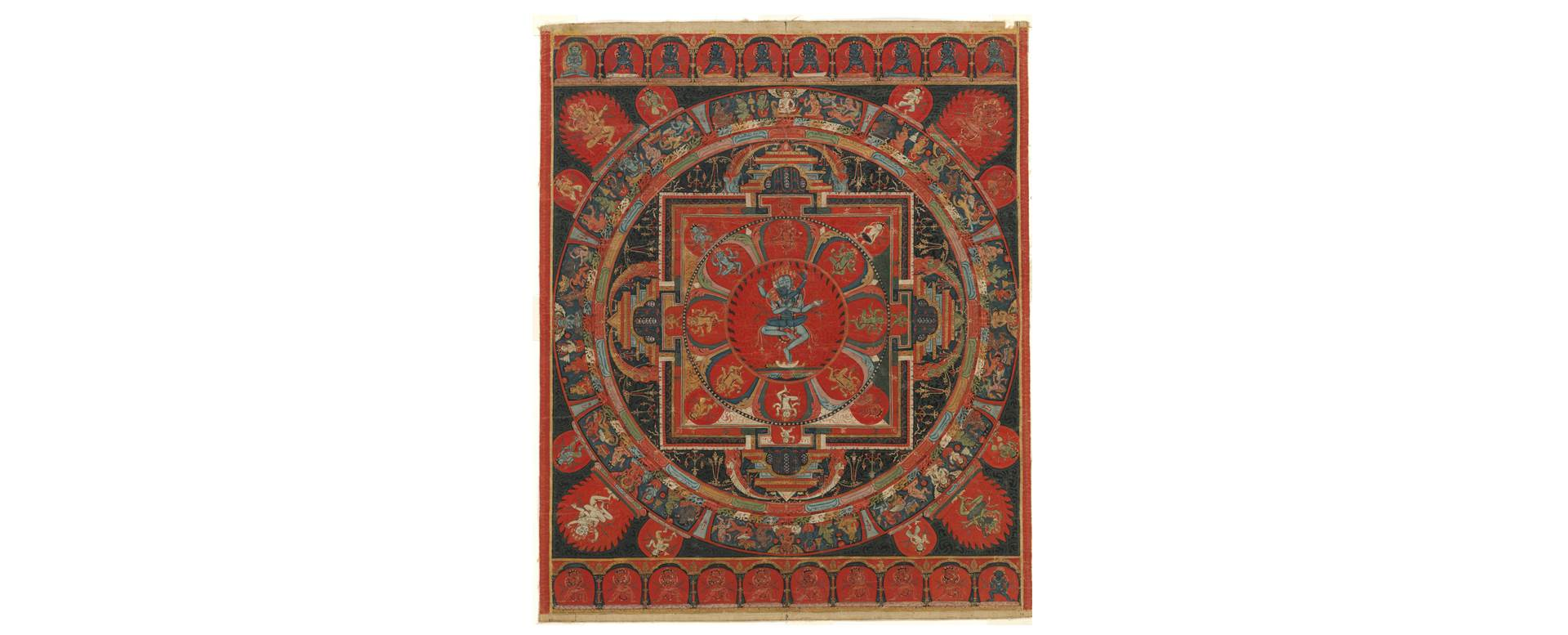
A mandala is a diagram of the universe—a map of true reality that in Tibet is used to conceptualize a rapid path to enlightenment.

September 19, 2024–January 12, 2025

Upcoming at The Met Fifth Avenue in Galleries 963–965

This exhibition explores the imagery of the Himalayan Buddhist devotional art through over 100 paintings, sculptures, textiles, instruments, and an array of ritual objects, mostly dating between the 12th and 15th centuries.

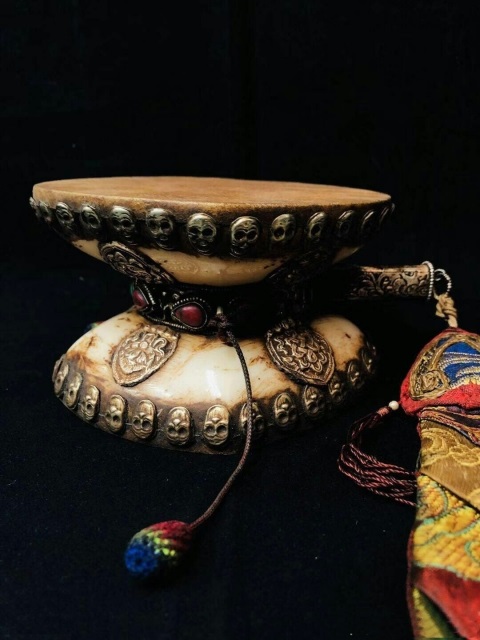
“Tibetan Dharma drum, one of the eight dharma instruments of Tibetan Buddhism, is one of the dharma instruments in Tibetan Buddhism. There are many kinds of dharma instruments, such as big drum, bronze drum, waist drum, crank drum, jie drum and gapala drum. Mainly used in buddhist celebrations, religious festivals, living Buddha sitting on the bed, kaiguang ceremony and other major festive activities. The drum hammer of a crank drum is bent, like a bow.

The drum is about one meter in diameter. When chanting, the lama holds the drum handle in his left hand and hits the accompaniment with a crank drum hammer in his right hand. Kala drum, also known as “zama ru” in Tibetan, is made of wood, ivory and human skulls. The falbala is played with the diamond bell.” rugrabbit.com

This dazzling visual experience provides a roadmap for understanding Himalayan Buddhist worship through early masterworks, juxtaposed with a newly commissioned contemporary installation by Tibetan artist Tenzing Rigdol.

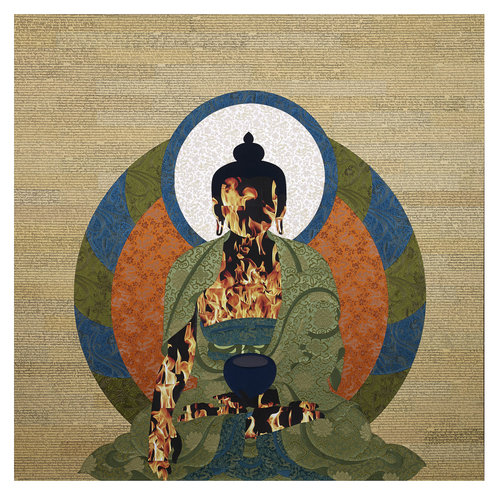
From emmanuelgallery.org- “Tenzing Rigdol’s imposing buddha silhouettes greet the viewer in their recognizable cross-legged seated positions—a posture often associated with meditation and peace—and with a stunning visual effect enhanced by the use of silks and fire imagery. The work brings vivid colors and interesting patterns to the eye, but the fires seemingly emerging from the bodies of the buddhas are also direct acknowledgements of the 155 Tibetans who have self-immolated since February 27, 2009.

In an ultimate act of sacrifice, these Tibetans set themselves on fire with the hope of bringing attention to the oppression currently faced by their society under the laws of the Chinese government. And yet, the buddhas seem peaceful, even welcoming in their balanced postures, their calming presences perfectly harmonized by an artist well-versed in representing both destruction and construction.

The contradictions on display are meant to challenge the viewer. They are simultaneously safe and subversive: beautiful to look at, devastating to comprehend. They are emblematic of this ambitious imagery created by Tenzing Rigdol, a Tibetan artist who has never set foot in Tibet.”

The Met exhibition is made possible by the Placido Arango Fund and Lilly Endowment Inc.

Additional support is provided by the Florence and Herbert Irving Fund for Asian Art Exhibitions and the E. Rhodes and Leona B. Carpenter Foundation.