
Losing a tooth changes more than your reflection. At breakfast, you may start chewing on the opposite side. In photographs, you might angle your face differently. Eventually, you notice that the gap has become part of your daily routine.
Restorative dentistry offers several ways to replace missing teeth, but choosing a solution involves more than picking the most natural-looking option. Bone health, neighboring teeth, treatment timing, and financial planning all influence what happens next. Understanding that timeline can help you rebuild your smile without making hurried decisions.
Start With a Treatment Plan You Can Actually Complete
A missing tooth may feel like one problem with one price tag. In reality, replacing it can involve examinations, imaging, preparatory treatment, surgery, and a final restoration. Not every patient needs every step, so a written treatment plan matters.
Once the dentist explains the clinical stages, you can discuss ways to spread out the cost of implants without compromising necessary care. Some practices offer installment arrangements or financing through outside lenders. Dental benefits, workplace health spending accounts, and clinically appropriate treatment stages may also help organize expenses.
Compare the total repayment amount, interest, fees, and deadlines rather than focusing only on the monthly figure. Ask which services are included in the estimate and what happens if additional treatment becomes necessary. Financial flexibility should make a sound clinical plan manageable, not pressure you into starting before you understand it.
Find Out What the Empty Space Is Doing to Your Bite
A gap is rarely completely passive. Depending on its location and how long it has been present, adjacent teeth may gradually shift, and an opposing tooth can move into the open space. These changes can complicate future restoration.
Chewing on one side may also become a habit. That doesn’t mean every missing tooth causes immediate damage, but it does make an early assessment worthwhile.
Your dentist can examine the bite, evaluate neighboring teeth, and determine whether the space needs temporary protection while you consider permanent options. The goal is to understand what’s changing before a simple replacement becomes a more complicated reconstruction.
Understand Why the Jawbone Belongs in the Conversation
Teeth help transfer chewing forces to the surrounding jawbone. After tooth loss, the bone in that area can gradually shrink because it no longer receives the same stimulation.
For some people, this means there may not be enough bone to support an implant without additional treatment. A dentist may recommend three-dimensional imaging to assess available bone and nearby anatomical structures.
Bone grafting is sometimes considered, particularly when the site has lost significant volume. It can add time and cost, and it isn’t appropriate or necessary for everyone.
This is one reason waiting indefinitely can affect treatment choices. A consultation doesn’t commit you to surgery; it gives you a clearer picture of the options available now.
Compare Implants, Bridges, and Dentures by Daily Function
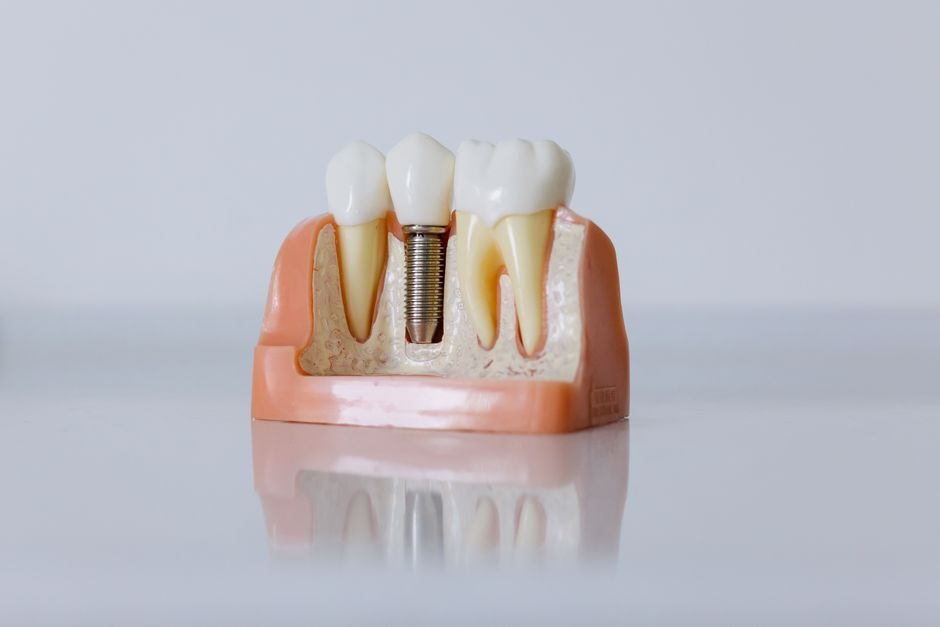
An implant-supported crown replaces a tooth without relying on neighboring teeth for support. A conventional bridge fills the space by using adjacent teeth as anchors. A removable partial denture can replace one or several teeth and is taken out for cleaning.
Each option has trade-offs. Bridges may require reshaping supporting teeth. Removable appliances can feel different during eating and speaking. Implants involve surgery, adequate healing, and sufficient healthy supporting tissue.
Ask how each choice will affect chewing, cleaning, repair needs, and future dental work. The best restoration isn’t automatically the most expensive or technologically advanced one. It’s the option that fits your oral health, preferences, and ability to maintain it.
Give Healing Its Own Place on the Calendar
Dental implants aren’t always completed in a single appointment. After placement, the implant generally needs time to integrate with the surrounding bone before the final tooth is attached.
Healing time varies with the site, overall health, bone quality, and whether grafting or other procedures are involved. Some patients can receive a temporary restoration during treatment, while others need a different interim solution.
If you have an important event approaching, discuss the timeline early. Rushing an elective stage to meet a wedding or holiday deadline may not be appropriate.
A realistic calendar also helps with budgeting, time away from work, transportation, and follow-up appointments. Predictable steps make an unfamiliar process easier to manage.
Don’t Let the New Tooth Become the Hardest One to Clean
A restoration should look natural, but it also needs to be maintainable. Food traps, awkward contours, and inaccessible spaces can make everyday cleaning frustrating.
Ask your dentist or hygienist to demonstrate how to clean around the planned restoration. Bridges may require special flossing techniques, while implant restorations need careful plaque control around the surrounding gums.
An implant cannot develop a cavity, but the tissues around it can become inflamed or diseased. Regular professional assessments remain important.
If you already struggle with brushing or cleaning between teeth, say so before treatment. Your dental team can help choose a design and hygiene routine that suit your actual habits rather than an idealized version of them.
Read the Estimate Like a Road Map, Not a Receipt
Two treatment estimates can look dramatically different while describing different scopes of care. One may include imaging, an implant, an abutment, and a crown; another may list some of those items separately.
Request an itemized explanation of preparatory work, temporary restorations, follow-up visits, and possible additional procedures. Confirm which fees are fixed and which depend on findings during treatment.
If you’re considering financing, calculate the full amount payable over the agreement’s term. A smaller monthly payment can carry a higher overall cost when interest accumulates.
Insurance coverage varies, so obtain a written benefits estimate where possible. Clarity now helps prevent financial surprises midway through care.
Think Beyond the Day Your Smile Looks Complete
The final crown or denture isn’t the end of restorative dentistry. It’s the beginning of living with a new dental appliance and keeping the surrounding mouth healthy.
Continue routine examinations, address gum inflammation promptly, and mention changes in your bite or discomfort when chewing. If you grind your teeth, ask whether protective measures are appropriate.
No restoration lasts forever without the possibility of maintenance or replacement. Planning for that reality is more useful than expecting a permanent, maintenance-free solution.
A missing tooth can make the future feel uncertain, especially when treatment seems complex or expensive. But a thoughtful sequence of clinical decisions, realistic financing, and consistent home care can turn that uncertainty into a manageable plan. The real success isn’t simply filling a gap. It’s restoring comfortable function in a way you can sustain.
For the Silo, Ashley Cooper.