Tag Archives: Paul Dashevsky

These Award Winning Tiny Homes Draw Attention As Sector Gains

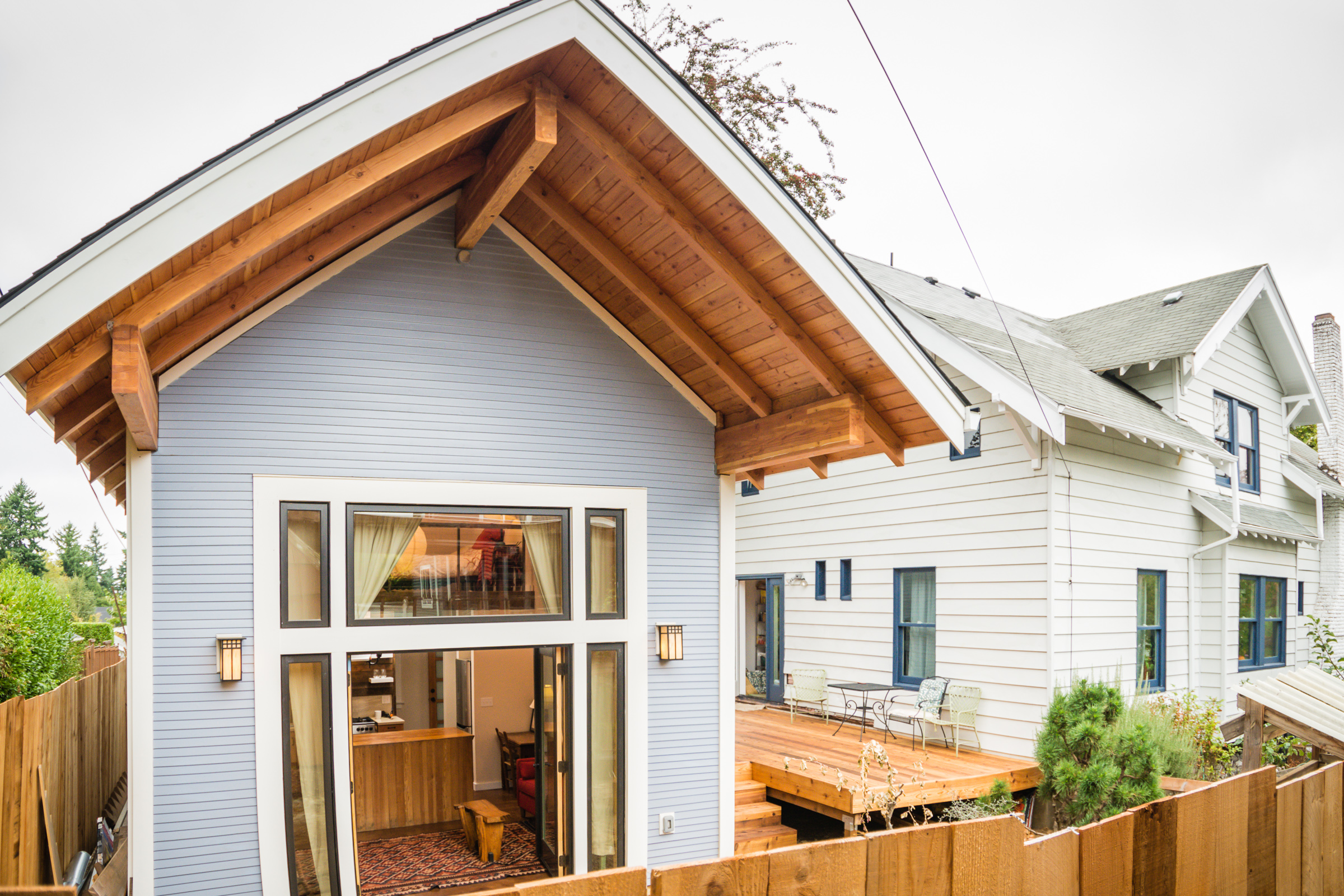
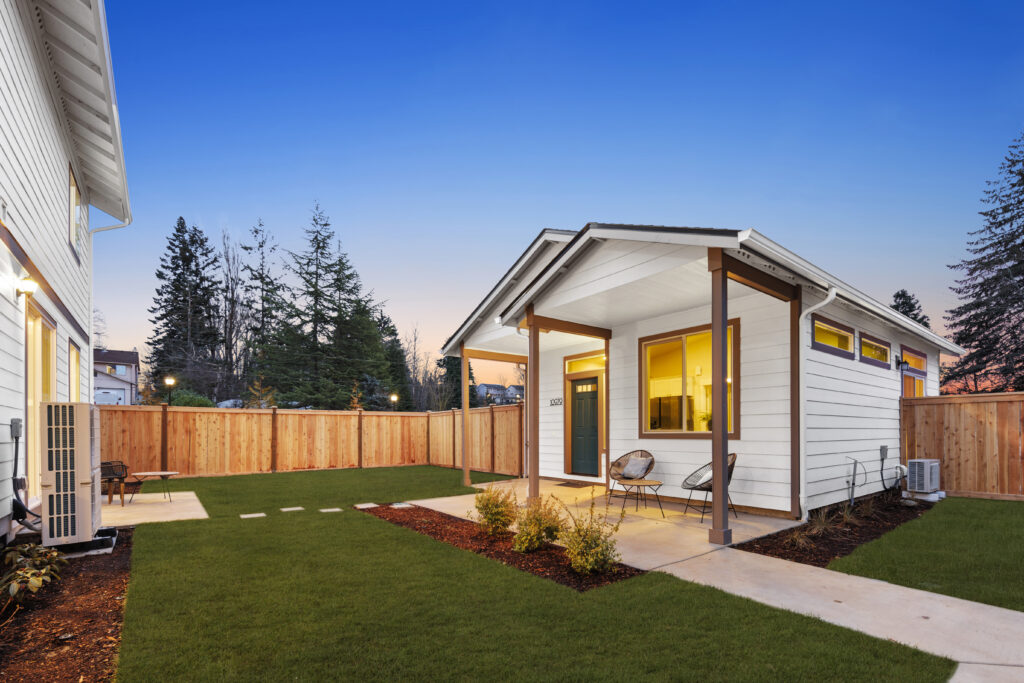
The tiny home sector is big on innovation as exemplified by a new crop of amazing Accessory Dwelling Unit (ADU) designs across the U.S. and Canada showcasing state-of-the-art architectural and interior features, thoughtful layouts and stunning aesthetics that redefine what’s possible in small-space living. Maxable—North America’s leading  provider of resources for building guest houses, casitas, in-law suites, granny flats, pool houses and other ADUs—has officially named the the #1 best ADU of 2025 and other of the ’10 Best’ for the year based on a mix of criteria: visual appeal, use of space, creativity and functionality. Multiple photos for each are showcased online demonstrating the extreme ingenuity of each build.

Every year, Maxable’s ‘Best ADU of the Year’ competition celebrates the most innovative and impressive tiny home projects from across North America. Accessory dwelling units (ADUs) that don’t just look great, but solve real challenges of space, budget, and lifestyle. And the Top 10 have just been named! “If there’s one thing we’ve learned this year, it’s that accessory dwelling units ADUs aren’t going anywhere,” says Maxable CEO Paul Dashevsky. “In fact, they’re chugging along at full force as new regulations make their mark, homeowners are letting their creativity bloom, and designers are pushing the limits of what’s possible in small-space living.”

Here is the #1 winner and other of the top 10 best ADUs that have earned their keys in 2025.
______________________________________________________


#1 Best ADU of 2025:

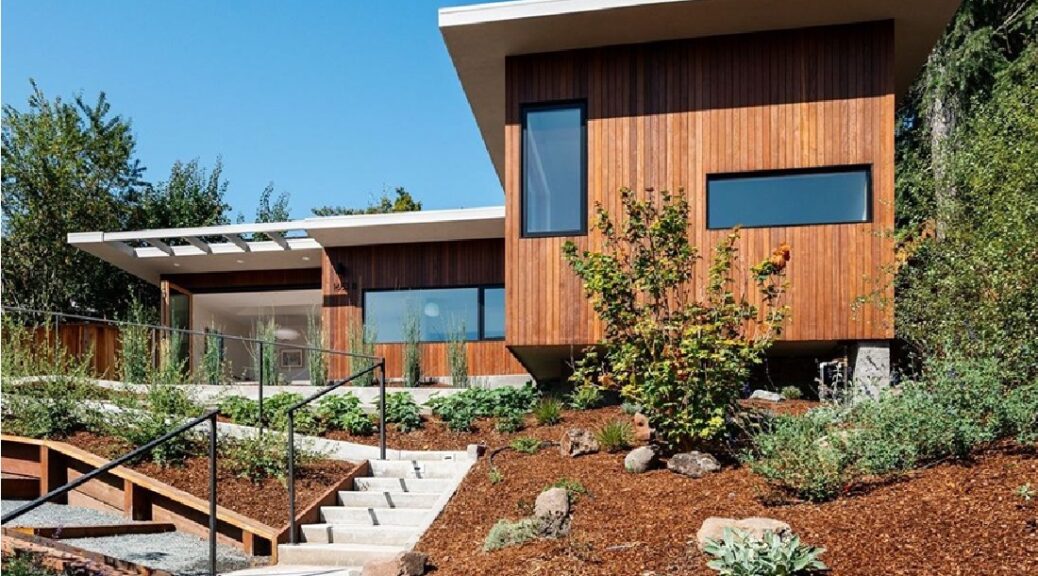
Ashby ADU, Piedmont, CA

Designer: Tuan Le Design

Builder: Atelier19AD6

Size: 800 sq ft, 2 bed, 1 bath

Built on a steep slope, the project faced challenges with utility coordination, subcontractors, supply chain delays, and neighbor considerations, yet the team navigated every obstacle to deliver a standout result. The unit is fully electric, with a heat pump, water heater, and solar panels, making it efficient and environmentally conscious. Skylights and floor-to-ceiling four-panel sliding glass doors fill the interior with natural light, creating a bright, airy atmosphere. The modern design continues on the exterior with sleek wood paneling that complements the contemporary interior. The result is a stylish, functional ADU that maximizes both the views and the livable space

 
Other Top 10 Best ADUs of 2025


Chamomile Cottage, Arlington, MA

1-adu.jpg

Modular Design and Build: Backyard ADUs

Size: 567 sq ft, 1 bed, 1 bath

If a cozy cup of tea was an ADU, we think it’d look like this! Designed to bring an aging father closer to his family and young grandchildren, this modular build balances warmth, accessibility, and beautiful design. As one of the first detached ADUs completed under Massachusetts’ new ADU law, it also marks a milestone for backyard living in the state. Built with collaboration between Backyard ADUs and a homeowner with impeccable design taste, the result is both functional and heartfelt. Chevron wood flooring, warm olive walls, and a charming fireplace make the space feel like home from the moment you step inside. Skylights fill the rooms with natural light, while the ADA-compliant bathroom ensures comfort and safety for years to come.

Alora ADU, San Diego, CA

2-adu.jpg

Designer: Ruland Design Group

Builder: Glann Fick, Coastline Construction

Size: 1,000 sq ft, 2 bed, 2 bath duplex

This project is a beautiful example of how ADUs can bring generations together while adding long-term value to a property. The homeowners created not one, but two attached backyard homes. One was designed for an aging mother, and the other for rental income to support the family. Together, the units make space for four generations to stay close while still maintaining privacy and independence. Both ADUs were designed with light, openness, and connection to the outdoors in mind. High ceilings and clerestory windows fill the interiors with natural light, while large sliding glass doors open to private patios for easy indoor-outdoor living. Each space feels modern and welcoming, complete with well-appointed kitchens and roomy islands perfect for family meals or morning coffee. It’s a true example of multigenerational living done right.

Copperline ADU, San Diego, CA

3-adu.jpg

Designer and Builder: SnapADU

Size: 980 sq ft, 2 bed, 2 bath

This Spanish-style ADU in Rancho Santa Fe was designed to blend seamlessly with the community’s strict architectural standards. The homeowner, a roofing contractor, personally installed the boosted tile roof to match the main home, turning HOA requirements into an opportunity to create a timeless retreat. Today, the ADU serves as a private space for family and guests. Every element, from hand-textured stucco to arched porch openings and copper gutters, was carefully chosen to mirror the primary residence. Inside, faux wood ceiling beams add warmth to the great room, while custom shelving and professional-grade appliances enhance the kitchen. Each bedroom features an ensuite bath and walk-in closet, with a back entrance leading to a mudroom and laundry area.

Brick House ADU, Denver, CO

4-adu.jpg

Designer and Builder: ADU4U

Size: 938 sq ft, 1 bed, 1.5 bath

This ADU project breathes new life into an old, historic building, while preserving its authentic character and respecting its roots. Building a modern structure within an 138 year old structure was an innovative solution to achieve this. In historic Curtis Park, Denver’s oldest neighborhood, an 1886 brick carriage house stands as a testament to the passage of time. The building sits inside the boundaries of Denver’s historic Curtis Park, so all exterior design and material selections had to be approved through the city’s Landmark Commission.

ADU4U turned this once-unlivable structure into a cozy, modern home while preserving its historic charm. To bring it up to today’s safety standards, the team strengthened the old brick with a new steel frame and carefully reused original materials throughout the interior. The hayloft door became the powder room door, and the old floor joists were turned into a beautiful kitchen peninsula. Now, this light-filled ADU perfectly balances historic character with modern comfort. It’s truly a shining example of how old buildings can be reimagined for today’s living.

Longview ADU, Washington D.C.

5-adu.jpg

Designer: Ileana Schinder

Builder: J Cabido Designs

This project is a creative transformation of an abandoned garage and storage space into a bright and efficient one-bedroom ADU. By keeping the original structure’s footprint, the design team minimized both construction costs and the visual impact on the surrounding property. Every detail was planned with sustainability in mind. From upgraded insulation to energy-efficient mini splits and an energy recovery ventilator, the ADU meets Washington DC’s strict environmental standards while maintaining year-round comfort. Restoring the building’s existing openings allowed natural light to flood the interior, creating a warm and inviting space that feels much larger than its footprint. The result is a thoughtful blend of preservation, sustainability, and smart design, breathing new life into what was once an overlooked structure.

Sagebrush ADU, Menlo Park, CA

6-adu.jpg

Designer: Inspired ADUs

Builder: Integrum Construction

This ADU is a masterclass in craftsmanship and timeless design. Every detail, from the cedar shake siding to the copper flashings, was carefully chosen to mirror the main home and create a seamless, cohesive look. Instead of competing with the original architecture, it enhances it, feeling like it has always been part of the property. Natural materials play a starring role here. The cedar and copper will continue to age beautifully, adding warmth and character over time. Inside, handmade tile, custom cabinetry, and a cozy loft make the space feel elevated yet inviting. Every inch was designed with intention, balancing function, beauty, and authenticity. This ADU proves that small-scale construction can be both refined and enduring.

Brushstroke ADU, Newcastle, CA

8-adu.jpg

Designer and Builder: A+ Construction ADU Builders

Size: 1,198 sq ft + 800 sq ft deck, 3 bed, 2 baths

The client didn’t want to separate three generations of their family, so they built a second home in their backyard. This ADU allows their parents to live independently with their own routines and art studio, while staying just steps from family dinners, grandkid hugs, and everyday life together. At 1,200 sq. ft., the ADU includes three bedrooms, two bathrooms, and a large open living area. The layout prioritizes comfort, easy movement, and aging-in-place, with wide circulation paths, direct deck access from the primary bedroom, and plenty of natural light. A dedicated art studio with custom cabinetry and large windows supports the grandmother’s creative routine. The best feature? An 800 sq. ft. covered deck and carefully chosen exterior finishes. All of these details make the ADU feel integrated with the main home, creating a thoughtful, functional, and long-term living space for the whole family.

Alcove ADU, Los Angeles, CA

9-adu.jpg

Designer: Homeowner

Builder: Doobek Brothers

Size: 593 sq ft, 1 bed, 1 bath

What started as a retrofit for a carport turned into a fully functional ADU, making smart use of limited space while navigating strict city codes. Because the property sits on a hillside, any addition beyond the existing roofline would have required expensive drainage to the street, so the design works entirely within the original footprint. The interior feels calm and spacious thanks to thoughtful layout, finishes, and furniture. A double wall between the kitchen and bathroom cleverly hides appliances while providing storage for cleaning supplies, making the space feel open and uncluttered. Temperature and sound insulation reduce energy costs for both units, making it highly efficient. Windows were sized to align with the upstairs unit, creating visual harmony. With parking right outside and a potential deck planned for the upper unit, this ADU demonstrates how careful design can turn code restrictions into a livable home.

Elevare ADU, San Diego, CA

10-adu.jpg

Designer: Sergio Perlata

Builder: HM Construction

Size: 479 sq ft, 1 bed, 1 bath

This daring ADU was built on top of the homeowner’s existing house to preserve the garage while creating a luxurious, functional space. What started as a bold idea and labor of love resulted in a retreat that balances comfort, style, and modern California living. The design maximizes natural light, features high-end finishes, and offers seamless indoor-outdoor flow. Privacy for the main house was carefully considered, and practical choices like spa-like micro-cement in the bathroom create a durable, low-maintenance, and rental-friendly space. More than just a guest house, this ADU is a thoughtfully crafted space that inspires relaxation and connection.

For the Silo, Jarrod Barker.

Supplemental- ANC Brantford, Ontario, Canada
AI Shows 10 Home Reno Bid Red Flags

Did you know that, every year, home renovation projects are derailed by hidden costs, vague language, and inconsistent contractor bids—pushing 78% of jobs over budget and forcing two-thirds of homeowners into debt? It’s not just homeowners who feel the pain: contractors, property managers, real estate agents, investors, and flippers all struggle to assess and compare bids quickly and accurately.

The problem is that contractor quotes are rarely “apples to apples,” often missing critical details or disguising inflated charges—making it hard to identify true scope, cost, and risk. Now, the free-to-use and industry first BidCompareAI  tool analyzes and compares multiple contractor bids, instantly identifying missing scope items, unrealistic allowances and other red flags before any work begins … often with tens of thousands of dollars on the line. In minutes, the AI generates a clear, line-by-line report that standardizes bids into transparent, actionable insights—helping homeowners avoid costly overruns, while enabling industry pros to quote with confidence, negotiate smarter, close deals faster, and protect ROI. Interest in this innovation raising industry transparency standards?

AI Reveals These Top 10 Home Renovation Bid Red Flags


First-of-its-kind free AI tool turns confusing, inconsistent contractor bids into clear, side-by-side insights—helping homeowners avoid costly overruns and enabling industry pros to quote, negotiate and close with confidence 

female-hands-counting-money-over-blueprints-at.jpg

Renovations are one of the most expensive and stressful decisions a homeowner makes. Yet 78% of projects blow their budgets, and 2 in 3 homeowners go into debt just to pay for them. Why? Because contractor bids are often riddled with hidden costs, vague language, and missing work that leave you paying more than you bargained for. Thankfully, new AI technology is now making these red flags impossible to ignore—saving homeowners thousands before a hammer is even swung. BidCompareAI is the first-ever AI tool that lets homeowners upload multiple bids and get a fast, detailed report comparing scope, pricing, and red flags—no construction expertise needed and no signup or payment required.

“Homeowners have been forced to make major financial decisions based on unclear or incomplete bids,” says GreatBuildz Co-CEO Jon Grishpul. “BidCompareAI adds instant transparency and clarity—saving people from costly mistakes before a project even starts. For contractors, property managers, and real estate professionals, it’s a credibility and efficiency tool that streamlines communication, builds trust and helps win more business.”

BidCompareAI Tight.png

Here are the top 10 red flags often hiding in contractor bids, and how the BidCompareAI tool reveals them instantly:

1. Missing Scope Items — “Surprise” Costs Waiting to Blow Your Budget

Your contractor’s quote doesn’t include demolition, cleanup, or critical tasks? That’s a ticking time bomb. Now, homeowners can catch these omissions so you never get hit with surprise charges.

2. Vague Allowances — The Fine Print That Drains Your Wallet

Ambiguous line items like “fixtures” or “materials” can mean anything. The AI tool flags vague terms so you can demand specifics upfront.

3. Unrealistically Low Bids — Too Good to Be True? Usually Are

Low-ball bids often mean corners will be cut or costs will balloon later. This AI exposes these dangerously low estimates before you get stuck with change orders.

4. Pricing Inconsistencies — Comparing Apples to Oranges?

Quotes come in all formats with wildly different terminology. This advanced technology standardizes and compares them side-by-side, so you’re not left guessing.

5. Hidden Fees — The Black Box of Renovation Budgets

Permits, procurement, and labor fees sometimes get lumped in mysteriously. The AI reveals these “hidden” charges clearly in its summary report.

6. Overlapping or Duplicate Charges — Paying Twice Without Knowing It

Some bids unknowingly charge for the same work twice. The AI delivers a line-by-line analysis that spots these costly errors fast.

7. Unclear Project Timelines — When Delays Lead to Extra Costs

Vague or missing timelines can spiral into costly delays. While timelines aren’t priced, spotting missing info helps you demand accountability.

8. Missing Cleanup and Disposal — Don’t Get Stuck with the Mess

Quotes that don’t include cleanup leave you responsible for hauling debris and disposing of waste. This AI highlights these crucial omissions.

9. Discrepancies in Material Quality — Low-Quality Where You Expected Premium

One bid may specify high-end fixtures while another hides “allowances” that could mean anything. The AI tool flags these differences so you know exactly what you’re paying for.

10. Inconsistent Labor Charges — Watch for Inflated or Unexplained Fees

Labor costs vary widely, and some bids overcharge or include unnecessary markups. This user-friendly technology points out these red flags clearly.

“This is about more than just tech,” added Paul Dashevsky, Co-CEO of GreatBuildz. “It’s about empowering homeowners to feel confident and in control of their renovation projects—and helping contractors better serve their clients.”

Renovations don’t have to be a financial nightmare. As consumer-facing AI tools proliferate across industries, the BidCompareAI innovation demonstrates how artificial intelligence can bring real-world value by making complex, high-stakes decisions—like selecting the right contractor—faster, clearer and far less stressful. For the Silo, Marsha Zorn.

Canada Next? Rise Of Driveway Tiny Houses In America

Accidental Landlords: ADU Owners Disrupt Rental Markets From Driveways

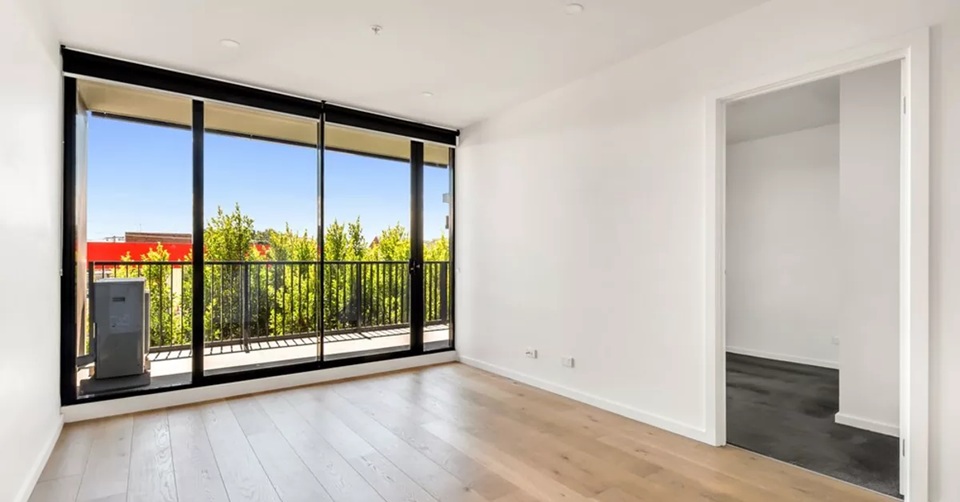
Here in Canada we have been pre-programmed to some extent about the possibility and perhaps inevitability of living in a tiny home- and one that we won’t even own. In some cases, these homes seem to be little more than utility sheds fitted with utilities and small appliances but there are exceptions like this exceptionally designed ADU.

In America, many ADU (Accessory Dwelling Unit) owners didn’t set out to be landlords, but new laws and economic pressures there are turning suburban homeowners into accidental real estate moguls. With situations the same here in Canada and with migrant levels increasing month after month, can we expect to see more and more cities following Ottawa’s lead in tiny home renting? It sure seems like a strong possibility.

Let’s Look At The USA

As state and city-level ADU laws continue to loosen across the U.S., a growing wave of suburban homeowners are becoming first-time landlords, many without ever intending to enter the real estate game. These decentralized landlords are renting out backyard cottages, granny flats and in-law suites, garage conversions and prefab units—quietly changing the economics of their neighborhoods and offering a hyperlocal solution to the housing shortage.


Accidental Landlord Essentials: What to Know Before Renting Out Your ADU

Right after housing family, passive rental income is one of the top reasons people want to build an ADU on their property, and we can definitely see why. Becoming a landlord is a great way to supplement your income and create a healthy nest egg for retirement or savings. But, it’s important to remember that being landlord is still considered a job with responsibilities. There are certain expectations that should be adhered to in order to ensure your tenant(s) are comfortable in your ADU, ensuring prolonged success.

So, what makes the difference between an “okay” landlord and a fantastic landlord with happy tenants? Here are some key things to know before you start renting out your new unit.

What do I need before I rent out my ADU?

Before renting out your ADU, you will need two crucial things: a Certificate of Occupancy and landlord insurance.

Certificate of Occupancy

In the USA, there is an important document called a Certificate of Occupancy, issued by the local building department, confirming that the accessory dwelling unit (ADU) complies with all relevant building codes and regulations and is safe for occupancy. To obtain a Certificate of Occupancy, you will need to schedule an inspection of your ADU to ensure it meets all required standards for habitability, fire safety, and structural integrity.

Once you have obtained the necessary Certificate of Occupancy and ensured compliance with local regulations, you can proceed with renting out your ADU.

Landlord Insurance

It’s also a good idea to consider obtaining landlord insurance to protect your property and assets as a rental property owner. Landlord insurance, also known as rental property insurance, is a type of insurance policy specifically designed to protect property owners who rent out their properties to tenants. Here are some key aspects of landlord insurance:

  1. Property Coverage: This aspect of landlord insurance typically covers the physical structure of the rental property, including the dwelling itself and any structures on the property, such as garages or sheds. It can protect against damage caused by covered perils like fire, vandalism, or natural disasters.
  2. Liability Coverage: Landlord insurance often includes liability coverage, which protects you financially if a tenant or visitor is injured on your rental property and holds you liable. This coverage can help pay for legal fees, medical expenses, and damages if you’re found responsible for an accident or injury.
  3. Loss of Rental Income: If your rental property becomes uninhabitable due to a covered loss, such as fire or storm damage, landlord insurance can provide compensation for the lost rental income during the time it takes to repair or rebuild the property. This coverage can help mitigate the financial impact of a temporary loss of rental income.
  4. Additional Coverages: Depending on the policy and insurer, landlord insurance may offer additional coverages or optional endorsements to address specific risks or circumstances. These could include coverage for landlord liability arising from wrongful eviction or discrimination claims, coverage for theft or vandalism by tenants, or coverage for legal expenses related to evictions.

It’s important to note that in America, landlord insurance is distinct from homeowners insurance, which is intended for owner-occupied properties. Landlord insurance policies are tailored to the unique risks and responsibilities of rental property ownership, providing coverage for situations that may not be addressed by standard homeowners insurance.

Once you have these two things in place, you can move on to establishing the lease terms of your ADU.

What should rental lease terms be for an ADU?

The great thing about owning your own ADU is that you can set any rules you want. All of this should be laid out in a lease so that all parties can have the rules in writing and you can avoid any conflict in the future. Here are just a few things you should think about including in your lease:

  • When is rent due?
  • Is this a long-term lease (1+ years) or month-to-month
  • Do you allow pets? Size, type, and quantity restrictions? Is a deposit and pet rent required?
  • Is smoking allowed?
  • Are utilities included?
  • Is parking included?
  • Will the tenant have access to yard space or other outdoor areas?
  • When do quiet hours begin?

This is just a sample of things you should be thinking about when drafting your lease.

While you do have free reign in placing any rules for your ADU (as long as you don’t violate any laws) you should also think about what will be on people’s checklists in your area. Living close to a college campus for example, will likely attract students looking for short-term housing. Living close to a high population area where parking can be tough, you’ll have tons of rental applications if you offer free parking.

There are plenty of lease agreement templates that you can find online, but make sure you read them carefully and edit as needed to make sure they cover everything you require.

If you’d rather go the easier route, you can always hire a property management company who can draft the lease and collect the signatures for you. We’ll go more into property managers later.

How do you figure out the charge for rent?

There’s no one-size fits all answer to this question. The rent you can charge for your ADU will depend on city, neighborhood, ADU size, amenities, number of bedrooms and more. But, by doing some quick research you can arrive to a baseline number that makes sense for your ADU.

To start, check out similar listings in your area to get a general range of how much rent you can charge for your ADU. Sites like Zillow, Apartments.com, Craigslist, and Trulia are great places to look first. Especially look at going rates in your specific neighborhood. Rental rates can fluctuate heavily from neighborhood to neighborhood within the same city, so you want to make sure you’re not pricing your ADU too high or low for your immediate area.

Next, take your amenities into consideration. A washer and dryer in the unit is a hot commodity that people will be willing to shell out a few extra dollars for.

If you want to add these types of amenities to your unit, make sure you discuss it with your designer so that they can make the space for them in the designs. 

Also, look back at your lease and what you’re offering. Qualities like included utilities, pet friendly, and a month-to-month lease mean you can charge a little bit extra.

Take a look at where your property is located. Units closer to popular locations like a trendy shopping strip or a university call for slightly higher rent whereas ADUs in more suburban or rural areas will benefit from having lower rent.

Once you’ve settled on a final price, consider knocking back a few dollars. Doing this, you’ll attract a larger pool of tenants. The tenant ultimately get approved will feel like they’re getting a great deal and will be more likely to hold on to that rental for longer. It’s a win situation for you too since you won’t have to worry about losing money replacing tenant after tenant that’s searching for a more affordable home.

With your rental rate and lease terms ironed out, you can start advertising your ADU, but it’s critical you adhere to anti-discrimination laws like the Fair Housing Law.

What is the Fair Housing Law?

“The Fair Housing Act protects people from discrimination when they are renting or buying a home, getting a mortgage, seeking housing assistance, or engaging in other housing related activities.” -Hud.gov

This law in America protects individuals from housing discrimination based on the following:

  • Race or ancestry
  • Religion
  • Disability, mental or physical
  • Sex, gender
  • Sexual orientation
  • Gender identity
  • Marital/familial status
  • Source of income (e.g., alimony, child support, Section 8, vouchers, etc)

When Americans are listing their ADU, they should also avoid using terminology like “ideal for a student” or “looking for a couple” as these can be considered discriminatory. Keep listings simple and stick to just mentioning the great features of your ADU.

What’s expected from me as a landlord?

Being a landlord isn’t just kicking back and collecting rent checks. Keep in mind that as a landlord you have a few responsibilities.

You should be the first point of contact for repairs, complaints, upkeep, etc. Accidents are bound to happen. Having a list of reliable professionals that you can contact to fix things around the unit is a smart idea. Here’s just a quick list of professionals you should consider having on your list:

  • Plumber
  • Electrician
  • Gardener
  • Roofer
  • General handyperson
  • Exterminator

If you want to save an extra dollar, you can also teach yourself to do easy beginner level repairs like unclogging drains.

Being easy to reach and quick to act when your tenant needs something fixed is an excellent way to keep your tenant happy and ensure they’ll stick around for the long run.

But, what if you own multiple properties or work full time and can’t be on-call 24/7? That leads us to our next topic.

Do I need to hire a property management company?

If you’re mostly home or have a lot of free time, you can probably handle all of the responsibilities on your own. Otherwise, you’ll want to hire a property manager.

They’ll be in charge of preparing leases and getting them signed, repairs, advertising and finding tenants, collecting and depositing checks, and pretty much everything else.

Property management companies will typically charge 5-10% of your rental revenue for their services, so think carefully before you decide to hire them on. As we mentioned before, if you’re capable of handling the responsibilities on your own, then you’ll probably be able to skip on it.

Can any American rent out their ADU on Airbnb or other short-term rental platforms?

It depends on your local laws. Many cities in America have placed restrictions on short-term rentals (typically stays under 30 days), especially when it comes to ADUs. Some jurisdictions allow it only if the homeowner lives on the property, while others ban it altogether or require a permit. These rules are often different from those that apply to your main home, so it’s important to research carefully. Violating local ordinances could lead to hefty fines.

The main purpose some states have made ADUs so accessible is because the government wants to encourage the development of more long-term housing. So, renting your ADU as a vacation rental defeats the purpose and is often not encouraged.

Defining your goals and what you want to get out of your rental is the first step towards becoming a successful landlord. For the Silo, Paul Dashevsky.

With several decades of experience in the construction and renovation business, Paul Dashevsky is Co-CEO of MaxableSpace.com—the industry-leading ADU property design / build / construction resource website for granny flats, in-law suites, guest houses, casitas and other types of Accessory Dwelling Units. Paul is also Co-CEO of GreatBuildz—a freeservice that matches homeowners with reliable, pre-screened general contractors. He may be reached at www.greatbuildz.com.