Tag Archives: Made in Japan

How Japan’s Government Created the World’s Most Sinister Cars

You know the look: A long, low-slung sedan finished in shiny black paint with equally bright chrome rolls through town. Beige, burgundy, and blue cars move out of the way, magnetically repelled by the menacing four-door. 

This threatening style has been idolized by Hollywood since the 1960s, perhaps most famously in the unfortunately short-lived ABC television program The Green Hornet, in which actor Van Williams drove a Chrysler Imperial modified by Dean Jeffries. It was painted black, of course, and the chrome slats that ran horizontally across its huge grille clearly meant business—even on the 19-inch TV screens that took up considerable living room real estate in a 1960s home. 

Black paint, while popular today, was a daring, high-style choice in the 1960s that was not-so-subtly influenced by the largely chauffeur-driven cars that carried around heads of state and other major politicians. For instance, the Soviet Union’s KGB notoriously drove around in black-painted GAZ Chaika sedans that had a distinctly Detroit-inspired appearance. (The irony of which seems to have been lost.) 

An outsider might not expect Japan, where the pavement has been specifically engineered to be quiet, to have a small but mighty homegrown industry producing the world’s most ominous cars.

Nissan

The Japanese Royal Family Needed a Ride of Their Own

Dating back more than 1400 years, Japan’s Imperial Household Agency does just what its name suggests: it manages the royal family’s affairs. This is no easy task for a country so steeped in tradition. In fact, the Imperial Household Agency has more than 1000 civil servants, which stands in marked contrast to the self-funded, non-governmental managers of, say, the British and Swedish royal families. 

The Imperial Household Agency’s wide-ranging list of tasks includes everything from ensuring that the Emperor’s family is comfortable and healthy to organizing and overseeing ceremonies. In the early 1960s, the Imperial Household Agency called automakers together and told them to submit designs for an official state vehicle. The car needed to have four doors, be reasonably spacious, and have a prestigious but not overly ostentatious appearance. 

Nissan

Prior to World War II, the Emperor’s vehicle fleet consisted of large, imported cars from brands like Rolls-Royce and Daimler. The company’s nascent automotive industry focused on small, mostly work-oriented vehicles. By the early 1960s, Japan’s recovery from the war’s devastating effects was well underway, fueled heavily by Western investment. While Japan didn’t give up on its traditions, the bright lights of Tokyo had a strong American influence. So too did the country’s cars, like the Toyota Crown that looked like last season’s Chevy. So when the Imperial Household Agency came calling, it should come as no surprise that the results looked rather Detroit-ish.

The winner was a brand you might not have heard of: Prince Motor Company. Founded in 1947, Prince was Japan’s short-lived flagship automaker in the early 1960s, though it was in the midst of being folded into Nissan.

The Prince Royal that got the royal nod, so to speak, was based on the Prince Gloria, a vehicle already used by the Japanese government in an official capacity. The Prince Royal was extended to provide those in back with stretch-out legroom, and the rear doors were modified to open coach-style for easier and more elegant access. While not a particularly showy car, the Prince Royal has an understated elegance. Its stacked headlights recall the Ford Galaxie and the big W108-generation Mercedes-Benz models. The tall greenhouse, on the other hand, is a nod to practicality rather than style. Inside, in the Japanese luxury tradition, the wool seats make nary a peep as passengers slide across. Leather would be rather squeakier.

Prince Royal gained the Imperial Household car
The Prince Royal gained the Imperial Household Agency’s nod as transport for the Emperor of Japan. These cars served until 2006, when they were replaced by a special version of the Toyota Century.Nissan

Underhood, the Prince Royal utilized a 6.4-liter V-8—not Japan’s first, but only a couple of years after the so-called “Toyota Hemi.” An eight-cylinder design was, admittedly, an odd choice; while inherently fairly smooth, the engine was undoubtedly a costly thing to develop. Fewer than 10 were ever built, one of which lives at the unusual and yet highly appealing Nissan Engine Museum and Guest Hall next to the company’s powertrain factory in Yokohama, Japan.

Just five Prince Royals were built, and they stayed in service for a staggering 40 years, when they were replaced by a limousine version of the Toyota Century. But the Century doesn’t really owe its status to the Prince Royal. It should thank the Nissan President, a model that was developed back when Nissan and Prince were quasi-competitors.

1982 President Type-C
Into the 1980s, the Nissan President retained a classic, but hardly ostentatious, look as seen on this 1982 President Type-CNissan

The President, as its name suggests, was intended from the start as a government vehicle. Unlike Toyota’s Crown, the first Japanese car to use a V-8, the President was developed in direct response to the Imperial Household Agency’s request. At nearly 200 inches long, the President was a very large sedan by Japanese standards. Its styling is contemporary if a bit bland, even in comparison to the Prince Royal. Horizontal headlights embedded in a broad, generic grille give way to fenders that had an almost Ford Falcon modesty to them. There’s a bit more drama at the rear with big NISSAN badging. Copious chrome lines the rocker panels.

While the Prince Royal ended up being chosen to transport the Emperor, Nissan’s President didn’t go home empty-handed. Instead, it was used by the country’s Prime Minister. Government versions were only minimally modified compared to the President models sold through Nissan’s dealership network in Japan, though official-use models were invariably painted black. Those available to consumers came in a slightly wider range of colors. The President was a sign that its owner—and, most likely, the person riding in the back—had arrived. It was the Lincoln Continental of its era. Today, when government spending is closely watched by a hawkish public, there is no U.S.-market comparison.

Nissan wool upholstery
In Japan, fabric upholstery like the wool seen in the 1973 Nissan President remains an indicator of a high-end vehicle because it makes no sound as a human slides across it.Nissan

Nissan didn’t dominate government contracts, but it was a commanding presence into the late 1980s. Then, almost inexplicably, the brand gave up. Its chrome-laden second-generation President, which was based on an early 1970s design, was replaced with a comparatively plebian design that would be sold in the U.S. as the Infiniti Q45. That’s not to say that the Q45 was a dud, but its big plastic bumpers and, in Japanese-market spec, Jaguar-ish grille were not in keeping with tradition. The Imperial Household Agency famously rejected a stretched version of the 1990 President in favor of the Toyota Century.

Toyota’s Century Begins

The original Toyota Century was overshadowed, at least to a degree, by the Nissan President that beat it to the market in Japan and initially secured more government contracts.Toyota

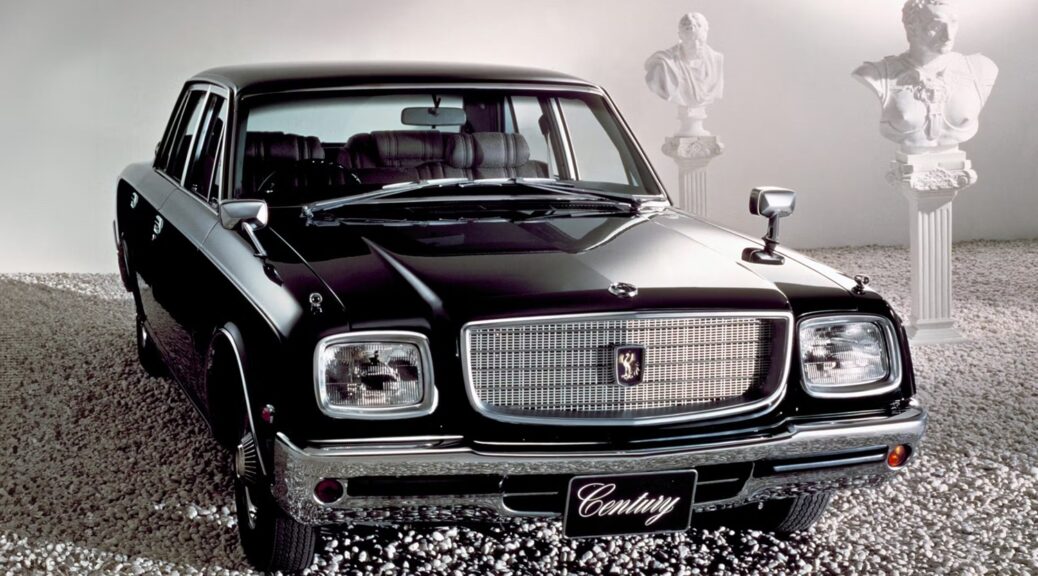
Thanks in part to the floodgates of 25-year-old vehicles from Japan, the Toyota Century has something of a cult status among enthusiasts in the U.S. today. It was not always this way; while the Century was undoubtedly a high-tech vehicle at its 1967 debut, the Imperial Household Agency initially passed it up in favor of the Nissan President. However, the Century’s rise coincided with Toyota’s phenomenal growth in the 1970s and 1980s, when it began to overtake Nissan as the premier Japanese automaker.

The original Century ran for three decades, always with V-8 power. Despite the fact that its specs and power could have appealed to buyers in Europe and, especially, the U.S., it was rarely sold in left-hand-drive markets. (Toyota flirted with the idea in the early 2000s before concluding that the conservative Century would be no match for the comparatively flamboyant Mercedes-Benz S-Class.)

Toyota

Yet it’s the Century that endures in Japan, an icon in its own time. The Emperor of Japan rides around in a stretched one, approved by the Imperial Household Agency, of course. The redesigned model that arrived in 2018 carries on the 1960s original style in marked contrast to the edgy, modern look found in any Toyota or Lexus model. There’s even an SUV version now, though its front-wheel-drive architecture and hybrid V-6 powertrain mean it’s more like a snazzy Toyota Highlander than a bespoke Emperor-hauler.

Toyota

Clearly, the Century has won out, so much so that Toyota recently announced it will position the Century as its own brand as a more conservative sibling to Lexus. It did face some limited competition from Mitsubishi with its mid-1960s Debonair. While the Mitsubishi, with its slab sides and fenders that leap forward past its grille, is basically a rolling villain, the four- or six-cylinder sedan lacked the interior volume and the power to compete with the Century or the President. Its angular 1986 replacement, which looked sort of like a K-Car with fender mirrors, was anything but debonair.

Mitsubishi Debonair front three quarter
Though its effort was comparatively short-lived, the Mitsubishi Debonair boasted a fantastic name and slab-sided Lincoln Continental-inspired looks, if not Conti-style proportions.Mitsubishi

The Yakuza Turns State Cars Into Mafia Cars

Nobody does organized crime like the Japanese—and that is not meant as a compliment. The Yakuza, as the Japanese crime syndicates are broadly known, hit its peak right around the time when the decidedly more upstanding Imperial Household Agency was asking automakers to design a state vehicle.

Those vehicles were soon appropriated by the Yakuza. In retrospect, they have a sinister, angry look. If the bad guy in a period flick drives a car in Tokyo, it’ll be a President, a Century, or perhaps an early Debonair. Set in 1999, HBO’s Tokyo Vice puts the Q45-adjacent Nissan President front and center. While it may not have been the vehicle of choice for the Emperor, that era’s President was the car to have for the heads of organized crime. Perhaps that’s why Nissan steered away from tradition with its final redesign, a swoopy model unsuccessfully sold here as the Infiniti Q70.

1990 Nissan President
The 1990 Nissan President abandoned the 1960s-style chrome bumpers of its predecessors.Nissan

These big, black sedans have an authoritarian presence. Their drivers may think they have impunity. Not only are their cars imposing, but they look official—even if those inside are doing anything but official business. Yakuza members often mounted curtains inside their Presidents and Centurys, a style known as VIP that persists today—albeit in a much broader and harder-to-define look. 

We have no direct equivalent in Canada or the US., at least in terms of how the criminal underground appropriated cars meant for high-ranking government officials. The Crown Victorias once favored by Canadian and American cops lack the luxury and exclusivity of a Century or President. A Chevy Tahoe can’t be all that menacing if you can find dozens of them in the carpool line at your local elementary school. And while our head of state has long had a highly modified Cadillac-ish limousine, which has been described as a tank with a limousine body, it lacks a showroom counterpart. That said, the crested wreath brand made a strong appearance in the late-1990s/early-2000s setting of HBO’s The Sopranos.

It’s a different story in Japan, though. There, a government official arrives in black-and-chrome style—as dictated, if indirectly—by the edicts set forth by the Imperial Household Agency. The automotive equivalent of a tuxedo is, after all, always in style. For the Silo, Andrew Ganz/Hagerty.
Newly Improved Moving Coil Cartridges To Propel Your Record Listening

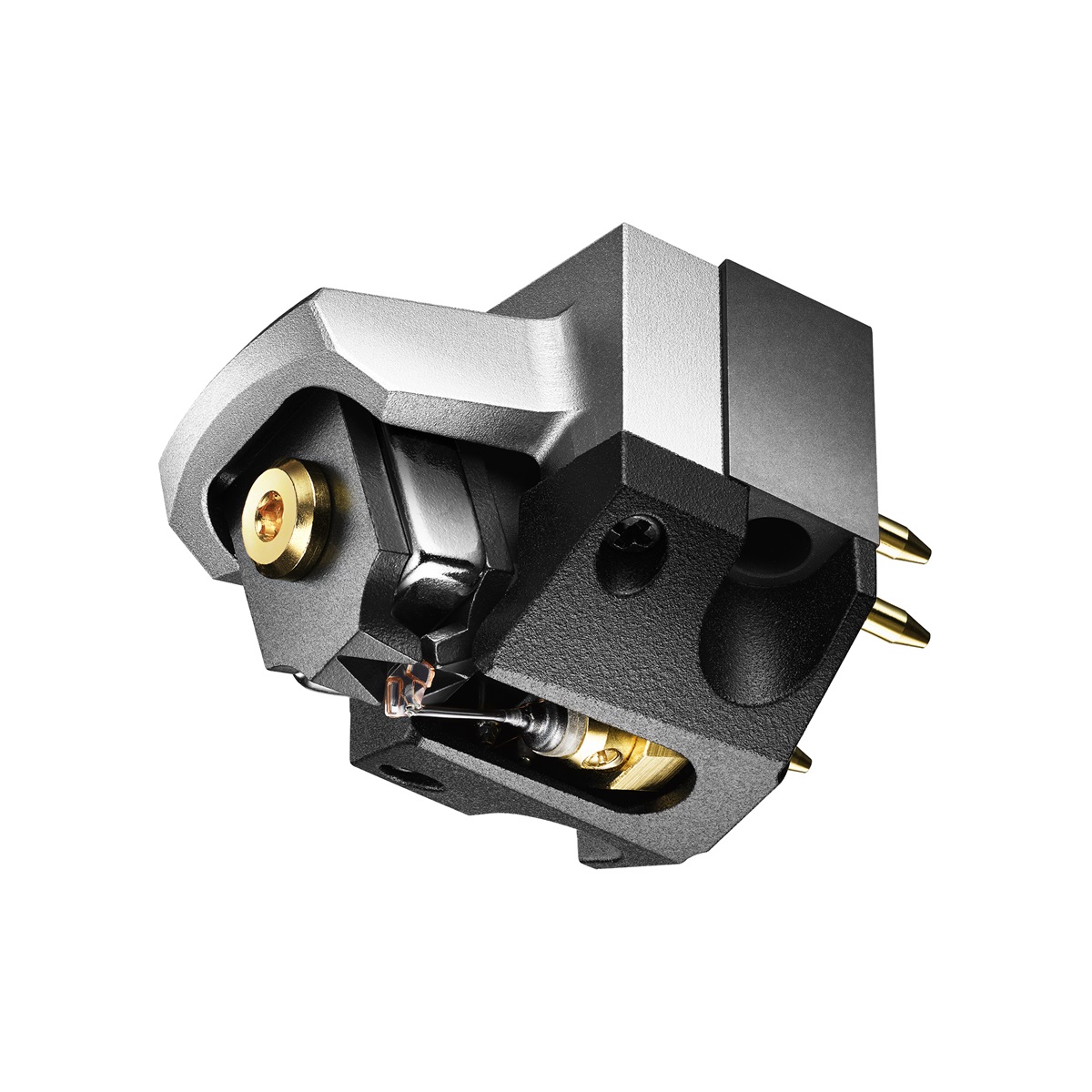
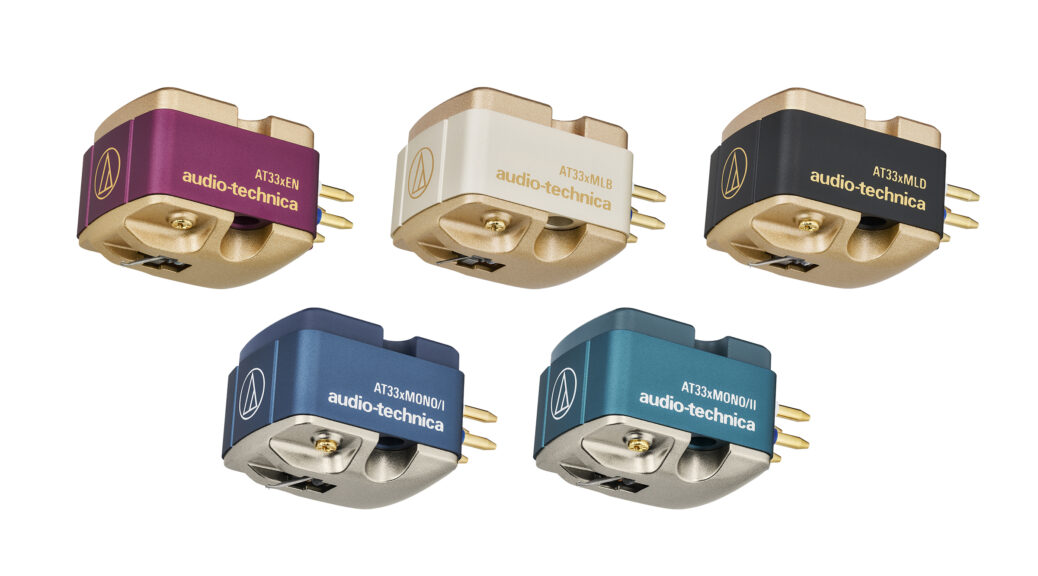
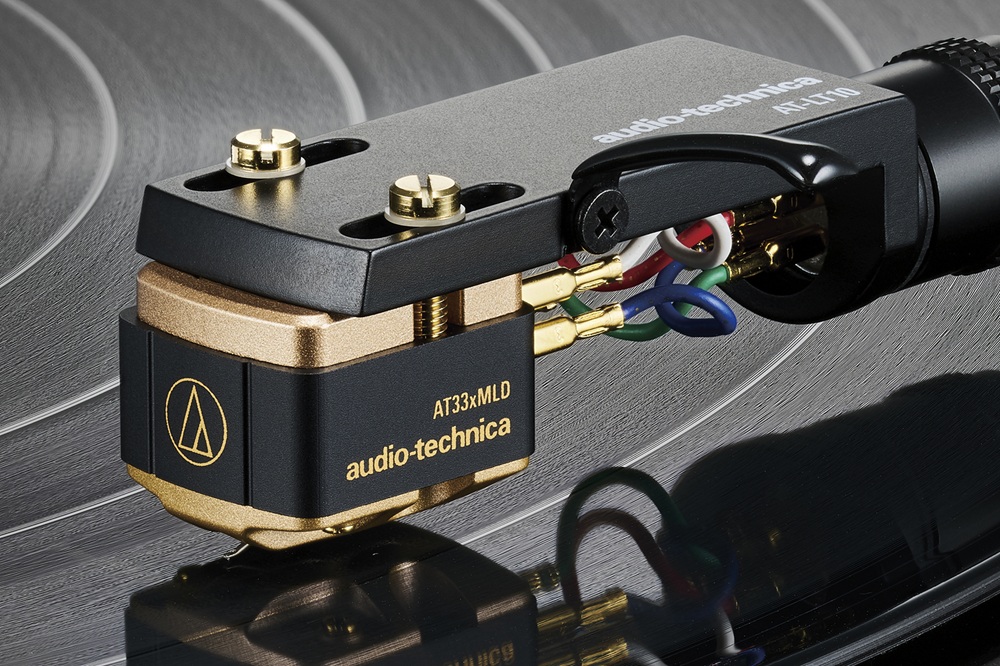
Our friends at Audio-Technica have debuted their improved AT33x Series moving coil phono cartridges and you are gonna love them!

Stow, OH, October, 2025 — Audio-Technica announces the introduction of its AT33x dual moving coil phono cartridges, featuring a host of sonic and engineering upgrades over the previous AT33 Series. The new lineup offers five models including two dedicated mono cartridges, all designed to deliver warm, full-bodied and balanced sound along with easier installation.

“The AT33 Series has long enjoyed a cult following among moving coil fans in the know,” said Bob Peet, Audio-Technica Global Product Manager – Analog Products. “With the introduction of the AT33x models, listeners can enjoy even better sound in a variety of systems. We continue to support listeners seeking exceptional performance and high value in high-end stereo moving coil cartridges, as well as enthusiasts who enjoy their classic monophonic LPs.”

The new AT33x lineup includes the following:
AT33xMLB – microlinear nude stylus, solid boron tapered cantilever, $899 usd/ $1,257 cad
AT33xMLD – microlinear nude stylus, duralumin tapered pipe cantilever, $799 usd/ $1,117 cad
AT33xEN – 0.3 x 0.7 mil elliptical nude stylus, duralumin tapered pipe cantilever, $699 usd/ $977 cad


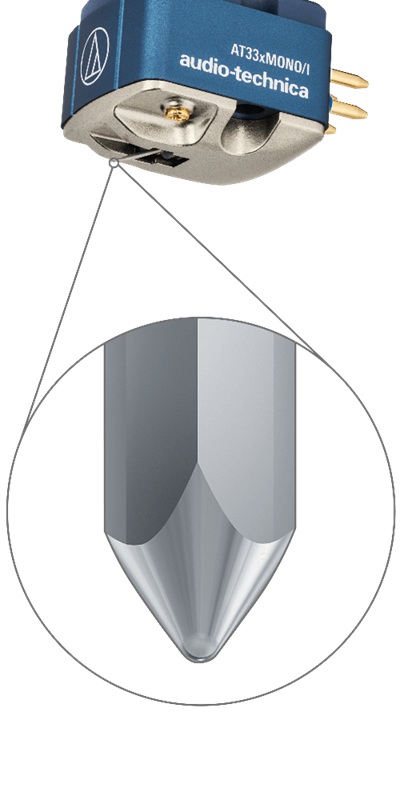
AT33xMONO/I – mono, 0.65 mil conical nude stylus, duralumin pipe cantilever, $649 usd/ $907 cad
AT33xMONO/II – mono, 0.65 mil conical nude stylus, duralumin pipe cantilever, $449 usd/ $623 cad

All AT33x Series cartridges are all hand-crafted in Japan.

All feature Audio-Technica’s unique dual moving coil structure with independent left and right coils, which provides exceptional channel separation, imaging and tracking capability for the stereo models, and sound quality that is dynamic yet delicate and refined. The AT33xMONO/I and AT33xMONO/II are configured as a true mono design that is unaffected by any vertical noise components picked up from the record groove. (They are also ideal for mono playback on a stereo system.)

All models have threaded mounting holes for easier installation and feature composite cartridge bodies made of die-cast zinc, aluminum and high-rigidity polymer to ensure clear, detailed sound with freedom from unwanted resonances. Rigid, dense die-cast zinc is used for the cartridge base for additional resonance suppression and to add clarity to the bass and midrange.

Every cartridge in the series utilizes PCOCC (pure copper by Ohno continuous casting) and gold-plated cartridge pins to ensure maximum signal transmission and musical clarity. Depending on the model, AT33x Series cartridges employ either neodymium or samarium cobalt high-strength magnets for responsive, high-resolution vinyl playback. A newly-developed suspension and rubber damper design (with lower compliance than other Audio-Technica cartridges) enable every AT33x model to be used with a variety of tonearms.

All are available now. For the Silo, Jarrod Barker.

Audio-Technica was founded in 1962 with the mission of producing high-quality audio for everyone. As we have grown to design critically acclaimed headphones, turntables and microphones, we have retained the belief that great audio should not be enjoyed only by the select few, but accessible to all. Building upon our analog heritage, we work to expand the limits of audio technology, pursuing an ever-changing purity of sound that creates connections and enriches lives

A Geek’s Guide To Microfiber Towels

Microfibers were invented by Japanese textile company Toray in 1970, but the technology wasn’t used for cleaning until the late 1980s.

The key, as the name suggests, is in the fiber: Each strand is really tiny—100 times finer than human hair—which allows them to be packed densely on a towel. That creates a lot of surface area to absorb water and pick up dust and dirt. Plus, microfibers have a positive electric charge when dry (you might notice the static cling on your towels), which further helps the towel to pick up and hold dirt. “They tend to trap the dirt in but not allow it to re-scratch the finish,” explains professional concours detailer Tim McNair, who ditched old T-shirts and terry cloths for microfibers back in the 1990s.

These days, the little towels are ubiquitous and relatively cheap, but in order to perform wonders consistently, they need to be treated with respect. Below, a miniature guide to microfibers.

Care for Your Towels: Dos and Don’ts

“They’re just towels,” you might say to yourself. But if you want them to last and retain their effectiveness, microfiber towels need more care than your shop rags:

DO: Keep your microfiber towels together in a clean storage space like a Rubbermaid container. They absorb dirt so readily that a carelessly stored one will be dirty before you even use it.

DON’T: Keep towels that are dropped on the ground. It’s hard to get that gunk out and it will scratch your paint.

DO: Reuse your towels. “I have towels that have lasted 15 years,” says McNair. That said, he recommends keeping track of how they’re used. “I’ll use a general-purpose microfiber to clean an interior or two, and I’ll take them home and wash them. After about two, three washings, it starts to fade and get funky, and then that becomes the towel that does lower rockers. Then the lower rocker towel becomes the engine towel. After engines, it gets thrown away.”

DON’T: Wash your microfibers with scented detergent, which can damage the fibers and make them less effective at trapping dirt. OxiClean works great, according to McNair.

DO: Separate your microfibers from other laundry. “Make sure that you keep the really good stuff with the really good stuff and the filthy stuff with the filthy stuff,” says McNair.

DO: Air-dry your towels. Heat from the dryer can damage the delicate fibers. If you’re in a rush, use the dryer’s lowest setting.

How Do You Know Microfiber Is Split Or Not?

A widespread misunderstanding is that you can “feel” if a microfiber towel is made from split microfiber or not by stroking it with your hand. This is false!

The theory is that if it feels like the towel “hooks” onto tiny imperfections on dry  unmoisturized hands, this is because the fibers are split and they microscopically grab your skin. Although this is partially true, you cannot feel split microfiber “hook” onto your skin. These microscopic hooks are way too small to feel, but do generate a general surface resistance called “grab”. Yet, this is not the “individual” hooking sensation you feel when you touch most microfiber towels. It’s the tiny loops in loop-woven microfiber that are large enough to actually feel grabbing imperfections on your hands (minute skin scales). 

Try it for yourself: gently stroke a loop-weave microfiber towel of any kind, split or not. If your hands are dry and unmoisturized, you will feel the typical “hooking” sensation most people hate. It’s simply the loops that catch around the scales on your skin like mini lassos. Take a picture of the microfiber material with your smartphone, zoom in and you can clearly see the loops.

Now try stroking a cut microfiber towel which is not loop-woven, split or not, and it will not give that awful hooking sensation. If you take a picture of this material, you will see a furry surface without those loops. Because there are no loops, it won’t “hook”.

Now you know the truth: it’s the loops that latch onto your skin when you touch a microfiber towel, regardless if the towel is split microfiber or not. Tightly woven microfiber towels without pile (e.g. glass towels) can also have the “hooking” effect, caused by the way their fibers are woven, but less pronounced than loop weave towels.

Another misunderstanding is that a towel that is made of non-split microfiber will “push away” water and is non-absorbent. This also is not true!

Although a non-split microfiber fiber is not absorbent, water is still caught in between the fibers. You can do the test: submerge a 100% polyester fleece garment (check the label), which is always non-split fiber, in a bucket of water and take it out after about 10 sec. Wring it out over an empty bucket and you’ll see that it holds quite a bit of water, meaning it is absorbent.

So, another myth is busted: non-split microfiber can’t be determined simply by testing if it holds water. You can however test how much water it holds. Compare it to a similar dry-weight towel that is known to be split 70/30 microfiber: Submerge both in a bucket of water. If they hold about the same amount of water, they are both split microfiber. If the 70/30 towel holds more than twice as much water, the test towel is more than likely non-split material.   

How do you know if Microfiber is split or not?

A widespread misunderstanding is that you can “feel” if a microfiber towel is made from split microfiber or not by stroking it with your hand. This is false!

The theory is that if it feels like the towel “hooks” onto tiny imperfections on dry  non-moisturized hands, this is because the fibers are split and they microscopically grab your skin. Although this is partially true, you cannot feel split microfiber “hook” onto your skin. Our friends at classiccarmaintenance.com have more to say about this- “these microscopic hooks are way too small to feel, but do generate a general surface resistance called “grab”.” Yet, this is not the “individual” hooking sensation you feel when you touch most microfiber towels. It’s the tiny loops in loop-woven microfiber that are large enough to actually feel grabbing imperfections on your hands (minute skin scales). 

Try it for yourself: gently stroke a loop-weave microfiber towel of any kind, split or not. If your hands are dry and unmoisturized, you will feel the typical “hooking” sensation most people hate. It’s simply the loops that catch around the scales on your skin like mini lassos. Take a picture of the microfiber material with your smartphone, zoom in and you can clearly see the loops.

Now try stroking a cut microfiber towel which is not loop-woven, split or not, and it will not give that awful hooking sensation. If you take a picture of this material, you will see a furry surface without those loops. Because there are no loops, it won’t “hook”.

Now you know the truth: it’s the loops that latch onto your skin when you touch a microfiber towel, regardless if the towel is split microfiber or not. Tightly woven microfiber towels without pile (e.g. glass towels) can also have the “hooking” effect, caused by the way their fibers are woven, but less pronounced than loop weave towels.

Another misunderstanding is that a towel that is made of non-split microfiber will “push away” water and is non-absorbent. This also is not true!

Although a non-split microfiber fiber is not absorbent, water is still caught in between the fibers. You can do the test: submerge a 100% polyester fleece garment (check the label), which is always non-split fiber, in a bucket of water and take it out after about 10 sec. Wring it out over an empty bucket and you’ll see that it holds quite a bit of water, meaning it is absorbent.

So, another myth is busted: non-split microfiber can’t be determined simply by testing if it holds water. You can however test how much water it holds. Compare it to a similar dry-weight towel that is known to be split 70/30 microfiber: Submerge both in a bucket of water. If they hold about the same amount of water, they are both split microfiber. If the 70/30 towel holds more than twice as much water, the test towel is more than likely non-split material.   

Tim’s Towels

The budget pack of microfiber towels will serve you fine, but if you want to go down the detailing rabbit hole, there’s a dizzying variety of towel types that will help you do specific jobs more effectively. Here’s what McNair recommends:

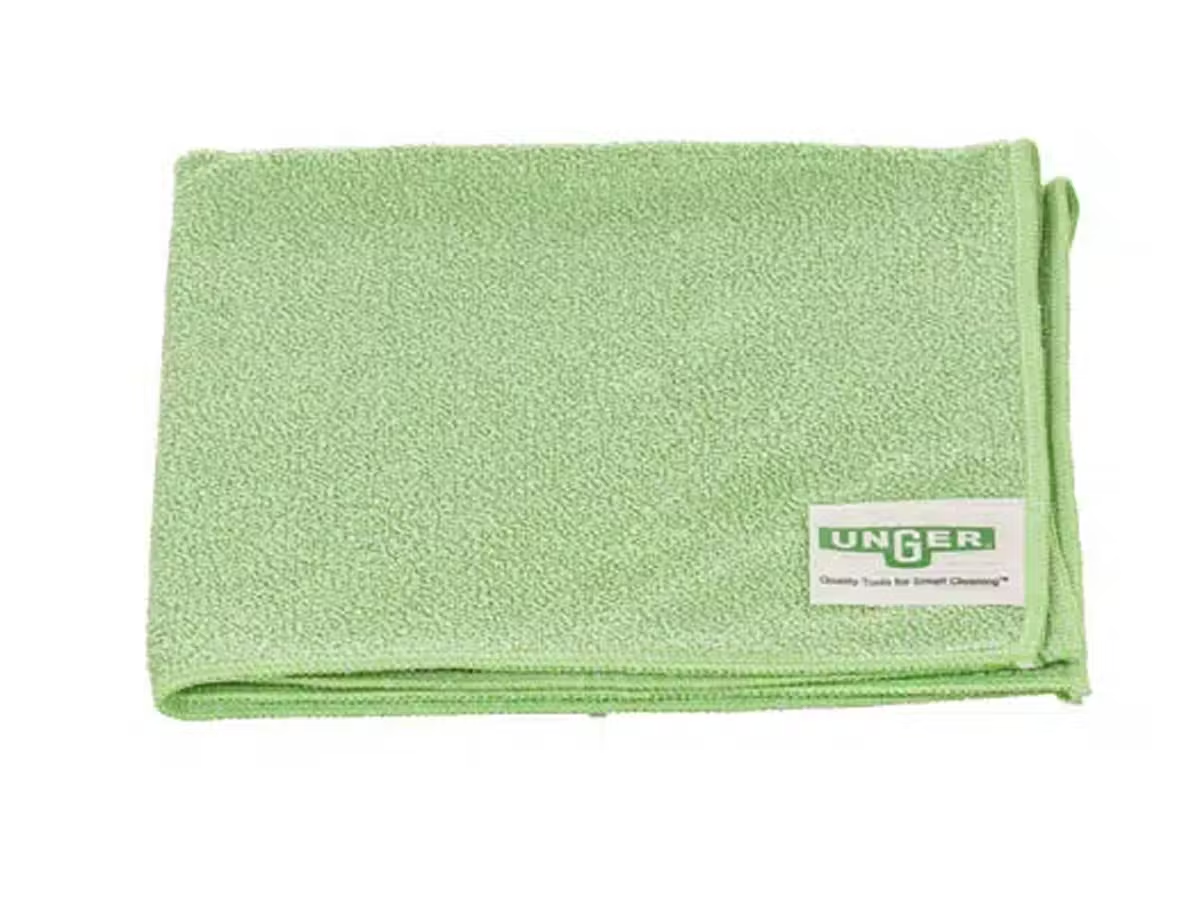
General Use: German janitorial supply company Unger’s towels are “the most durable things I’ve ever seen,” says McNair.

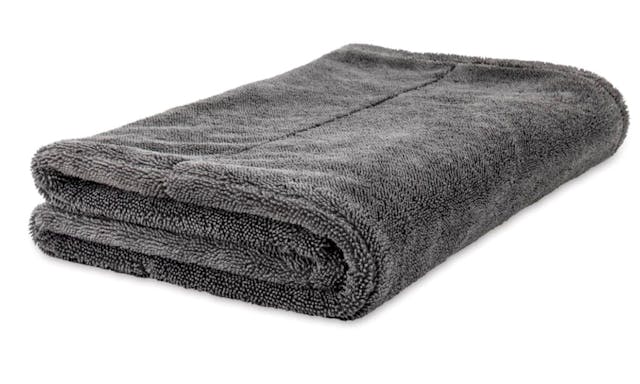
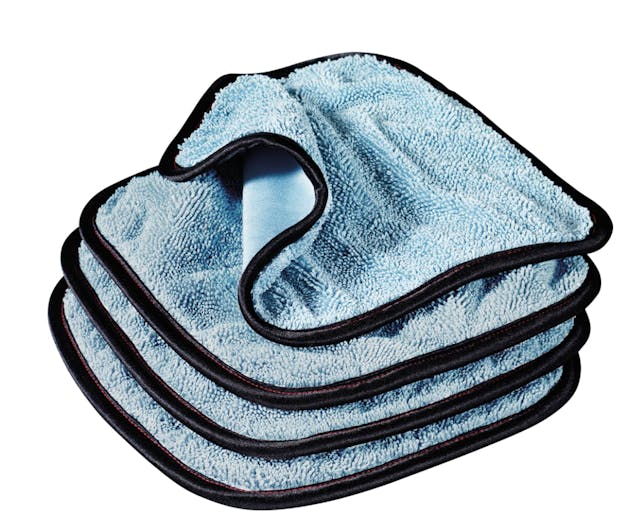
Drying: Towels with a big heavy nap are great for drying a wet car (but not so great for taking off polish).

Griot's Garage blanket towel
Griot’s Extra-Large Edgeless Drying towel, $45usd/ $65.09cad Griot’s Garage

Polishing: Larger edgeless towels are good at picking up polishing compound residue without scratching the paint.

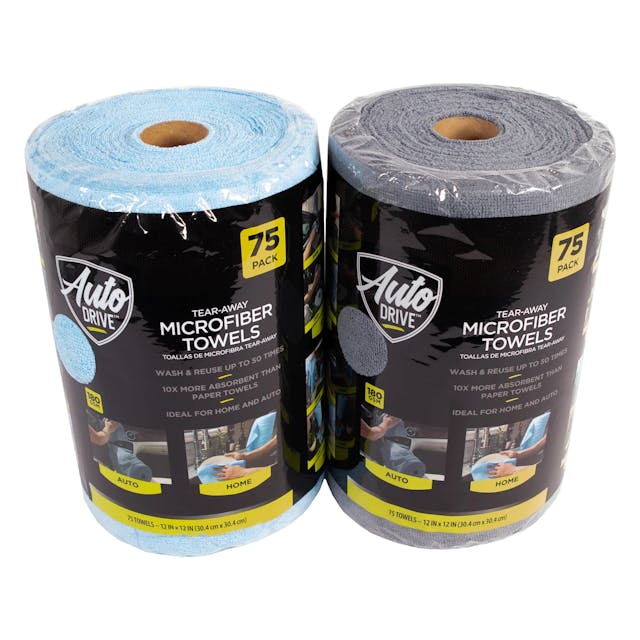
Wheels and other greasy areas: This roll of 75 microfiber towels from Walmart is perfect for down-and-dirty cleaning, like wire wheels. When your towel gets too dirty, throw it away and rip a new one off the roll.

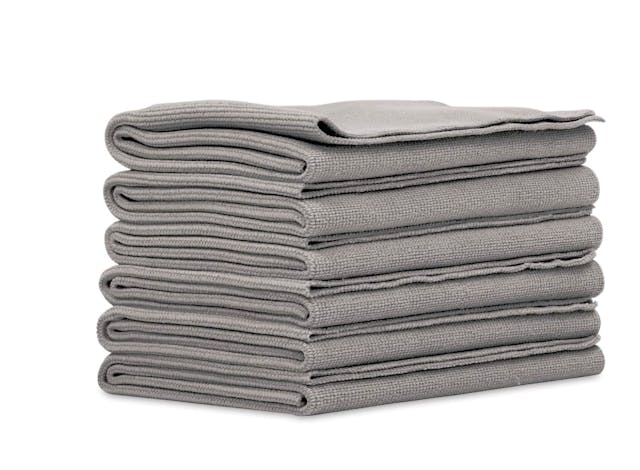
Glass: There are specific two-sided towels for glass cleaning. One side has a thick nap that is good for getting bugs and gunk off the windshield. The other side has no nap—just a smooth nylon finish—that’s good for a streak-free final wipe down.

Griot's Garage glass towels
Griot’s Dual Weave Glass Towels, Set of 4, $20usd/ $28.93 cad Griot’s Garage

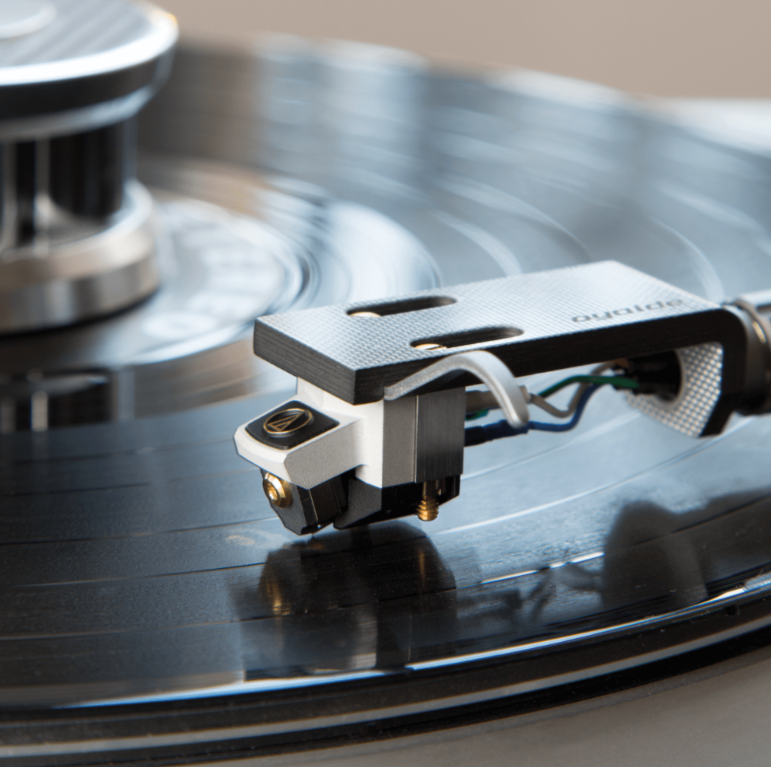
$7500 Phono Cartridge Supercharges Record Players

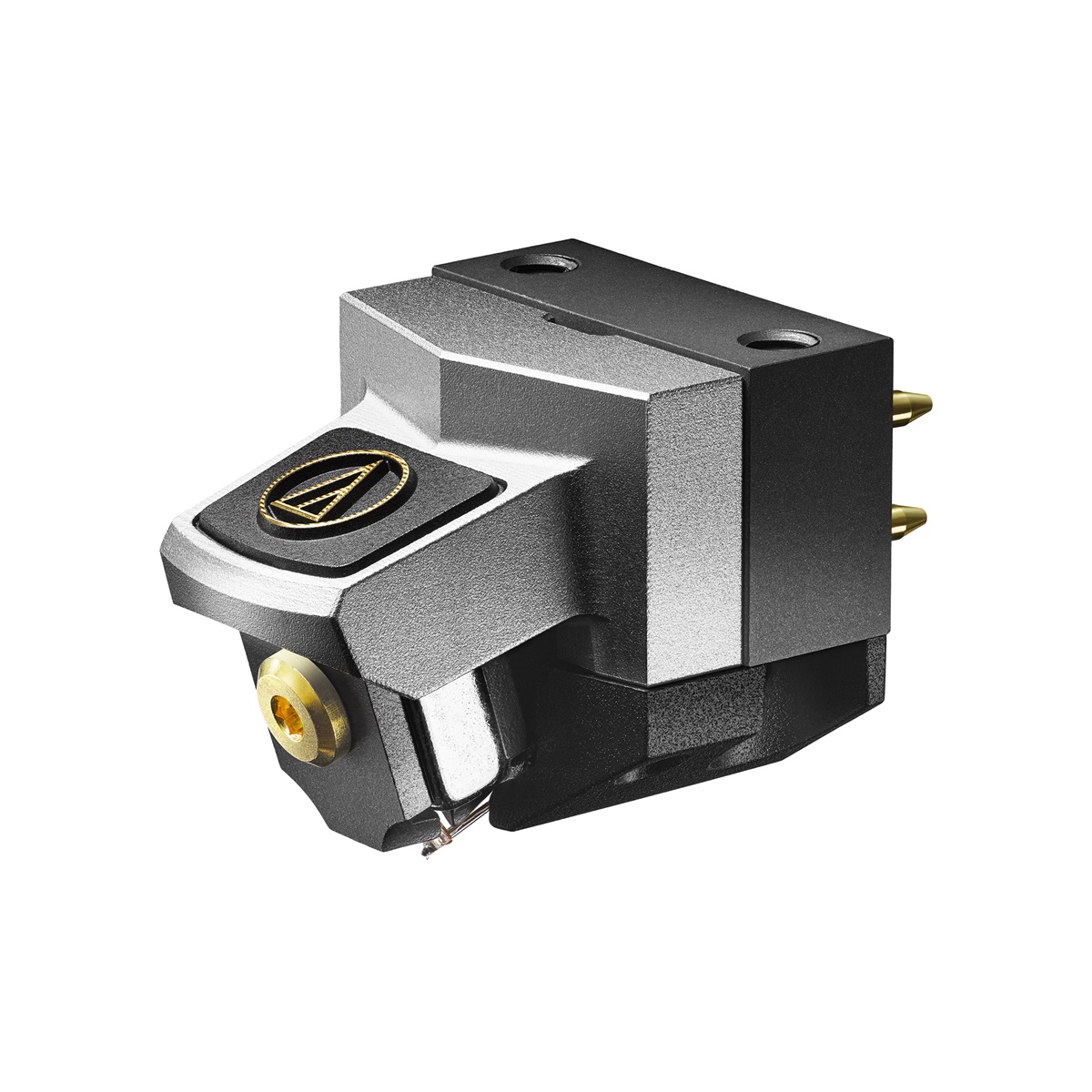
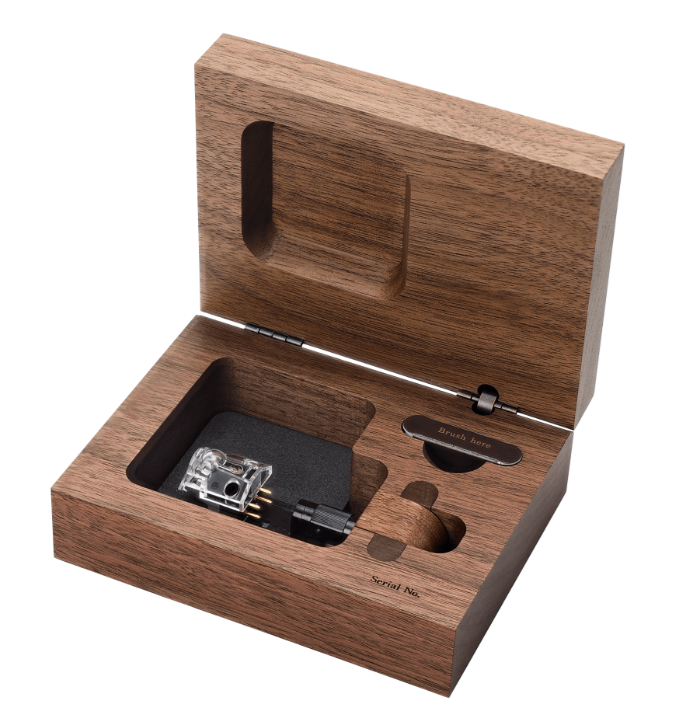
STOW, OHIO, June, 2024 — Audio-Technica today announced the introduction of its new top-of-the-line phono cartridge, the AT-ART1000X Direct Power Stereo Moving Coil Cartridge. Hand built in Tokyo, Japan, the AT-ART1000X builds upon the engineering excellence of the previous rave-reviewed AT-ART1000 with improvements in design and materials, and threaded mounting holes for easier installation.

Innovative New Design

Unlike conventional moving coil cartridges, the AT-ART1000X’s Direct Power System places its dual moving coils on top of the stylus tip rather than at the base of the cantilever, enabling the cartridge to deliver extraordinary fidelity with greater musical detail. The AT-ART1000X’s coils are now rectangular rather than round, which positions more of their surface area in the magnetic field. This provides improved reproduction of record groove modulations, along with a higher output voltage for better signal-to-noise ratio and an expanded low-frequency range.

“By placing the moving coils, which convert the motion of the stylus and cantilever into electrical signals, directly on top of the stylus, the effects of the cantilever’s length and material type are minimized,” noted Yosuke Koizumi, Audio-Technica Cartridge Engineer. “This design and the additional refinements we’ve made to the AT-ART1000X achieve a new level of sonic realism, with remarkable resolution, tonal and spatial accuracy, and dynamic impact.”

Pure Copper Coils Make A Difference

Each of the AT-ART1000X’s two moving coils is made of 20 µm diameter PCOCC (Pure Copper by Ohno Continuous Casting) wire, hand-wound in eight turns to create a 1.1 mm x 0.6 mm (0.043 in x 0.024-inch) rectangle. The coils are contained in an ultra-thin 25 µm (0.98 mil) special film and housed in an 0.5 mm (0.020-inch) gap of the powerful magnetic circuit (smaller than the previous 0.6 mm gap), enabling each coil to generate a higher 0.22 millivolt output with a 3.5-ohm coil impedance, despite having a non-magnetic core.

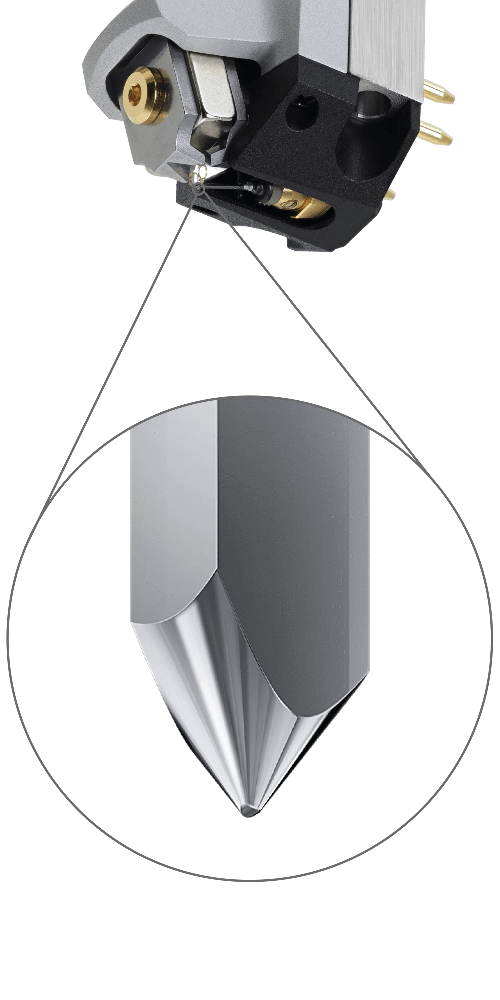
The AT-ART1000X employs a special line-contact stylus and solid boron cantilever for superb accuracy in tracking the record groove.

The support base for the magnetic circuit, stylus and cantilever is made from titanium. The base, and the cartridge’s aluminum housing and hard plastic cover all operate together to disperse any internal resonances that would otherwise affect sound quality. In addition, a special coating protects the magnetic circuit from corrosion. The musical result is rich, natural full-bodied reproduction of vocals and instruments, with weight, presence, and depth, presented on an expansive soundstage.

The Audio-Technica AT-ART1000X Direct Power Stereo Moving Coil Cartridge is now available at US$5,499.00/ CAD$7,574. For the Silo, Jamie Bobek.

Why Huusk Knives From Japan Are The Best For Chefs

BEAUTIFUL AND UNIQUE HUUSK KNIVES ARE ESSENTIAL FOR EVERY DEVOTED CHEF

Huusk have designed the most exceptional chef’s kitchen knife the world has ever seen. People around the world demanded a special knife with more control and balance and they have delivered.

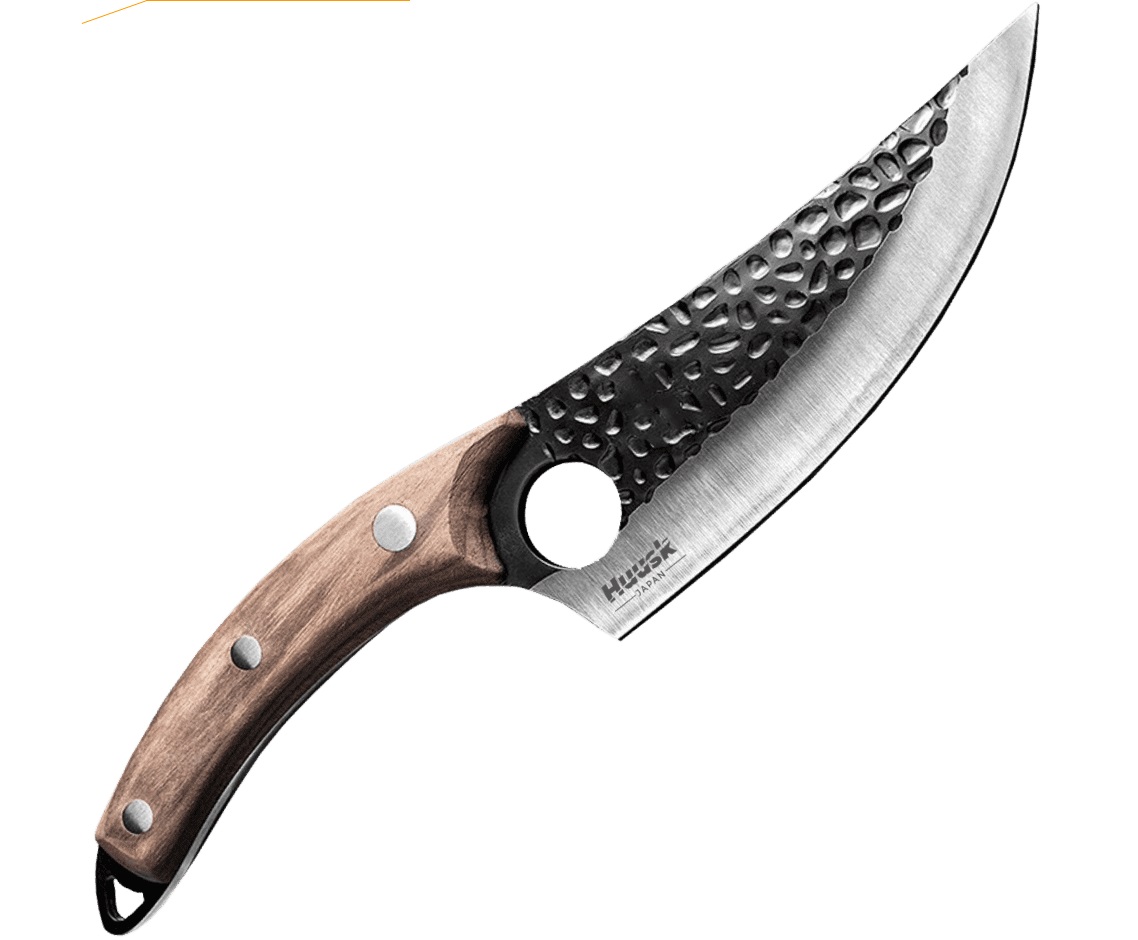
Huusk chef’s knife features a precision, laser-carved index finger hole for superior control. The blade is composed of high quality stainless steel ensuring a sharp, quality knife for the years to come. Premium beech wood handle is probably the most comfortable and secure handle ever created.

PERFECT GRIP

The handles consist of high quality Beech Wood. This is a type of hard wood with a characteristic dark texture, creating a perfect grip.

pointer to the page

PRECISELY CRAFTED TO THE LAST DETAIL

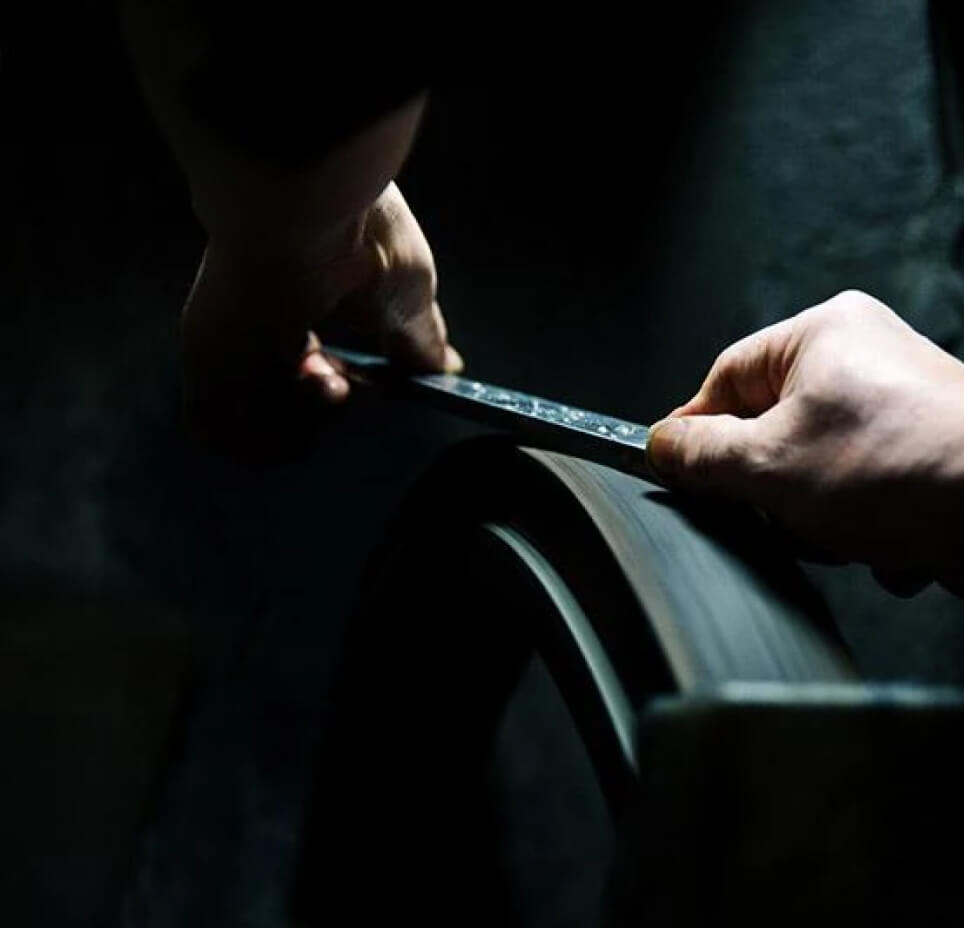
Each and every detail has been checked and taken into account, providing you the best quality knives.

pointer to the page

PLEASURABLE IN EVERY WAY

All Huusk knives are extremely sharp. They are perfectly balanced, which makes it comfortable to hold the knives. Cooking has never been more fun.

TECHNIQUES PASSED ON THROUGH GENERATIONS

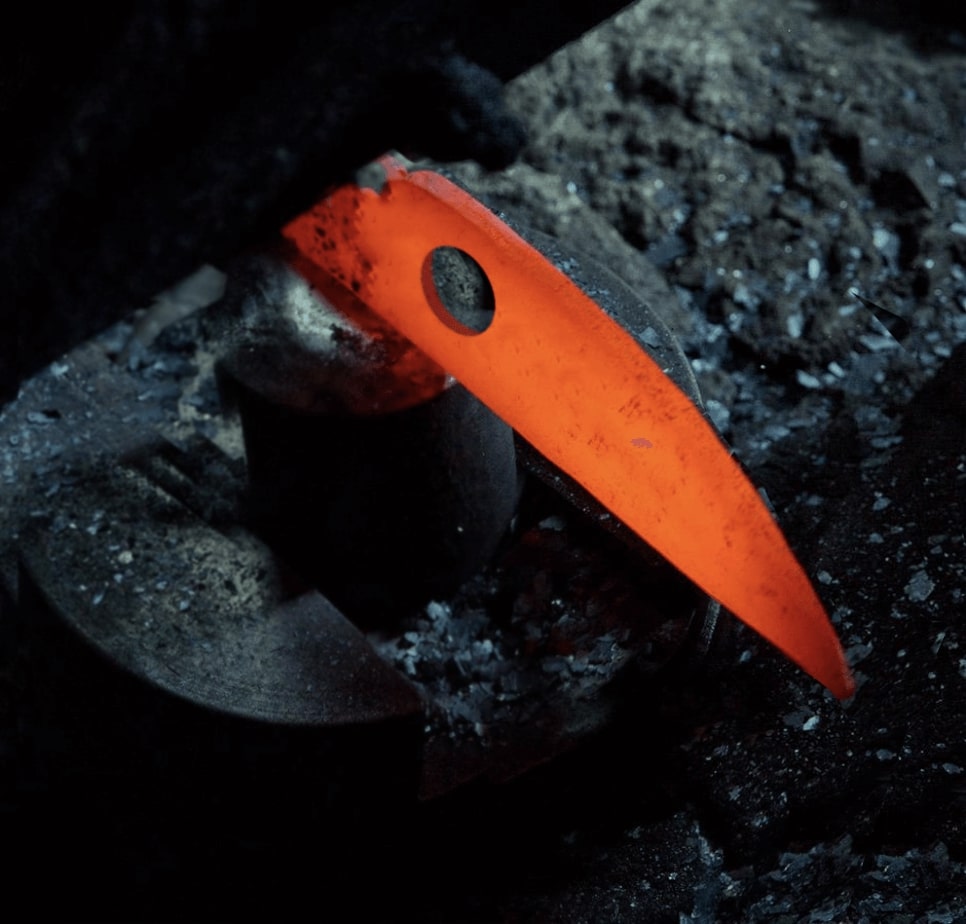
The use of high quality stainless steel to craft flawless, durable and beautiful knives inspired by Centuries-old Japanese knife making traditions is what lies at the heart of these kitchen must haves. Each Huusk knife is carefully crafted using a 138-step design and goes through rigorous quality testing procedures before every shipment.

IN LOVE WITH THE ART OF KNIFE MAKING

Huusk knives were created out of passion for the art of cooking because they wanted to revolutionize the market by being the first to ever create a specialized Kitchen Knife with a unique blade. These traditional knife making techniques combined with a modern approach resulted in this fabulous Huusk chef’s knife.

SHARPNESS VS. COMFORT – WHY NOT HAVE IT ALL?

Some knives are sharp, but they come with the cost and risk of being fragile and therefore prone to chipping and oxidation. Huusk believe real kitchen chefs should never have such problems so all Huusk knives are made to exact specifications to be extremely sturdy and sharp. Quality stainless steel and beech handle guarantees great performance.