Tag Archives: environmentaldefence.ca

Ontario Strips 106 Species At Risk Of Protection

Ontario Government Strips 106 Species at Risk of all Provincial Recognition

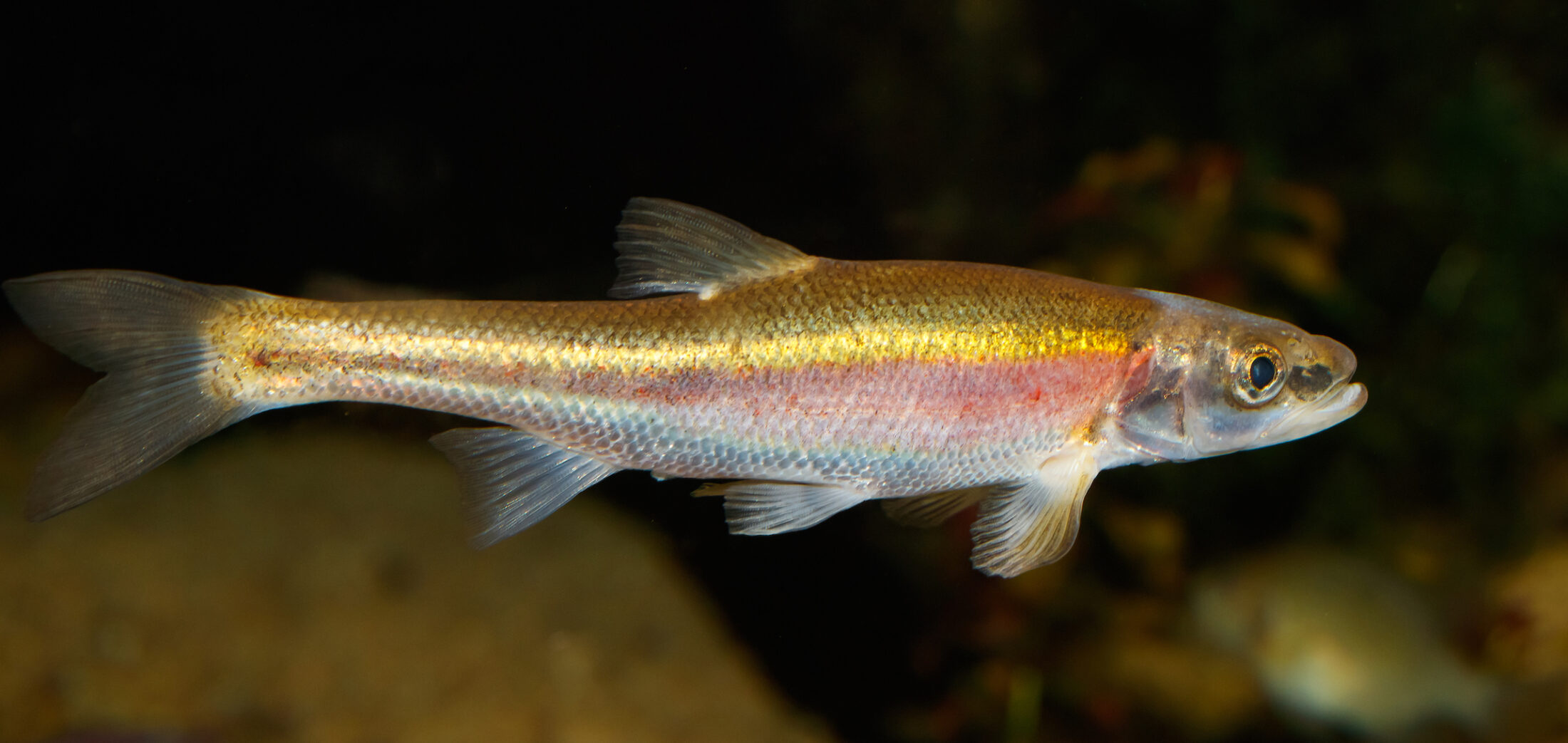
Late last week, it was announced that the Ontario government will cease to recognize more than 106 different species at risk, ranging from the Eastern Mole, Eastern Musk Turtle and Cougars, to the endangered Red Side Dace and Red-Headed Woodpecker. This is directly related to the passing of Bill 5 six months ago.

Do you disagree with this decision?


There’s still time to make comments on the amendments to the Species Conservation Act, 2025 on the Environmental Registry of Ontario. The commenting period is open until November 16.

Click here to tell Ontario how you feel.
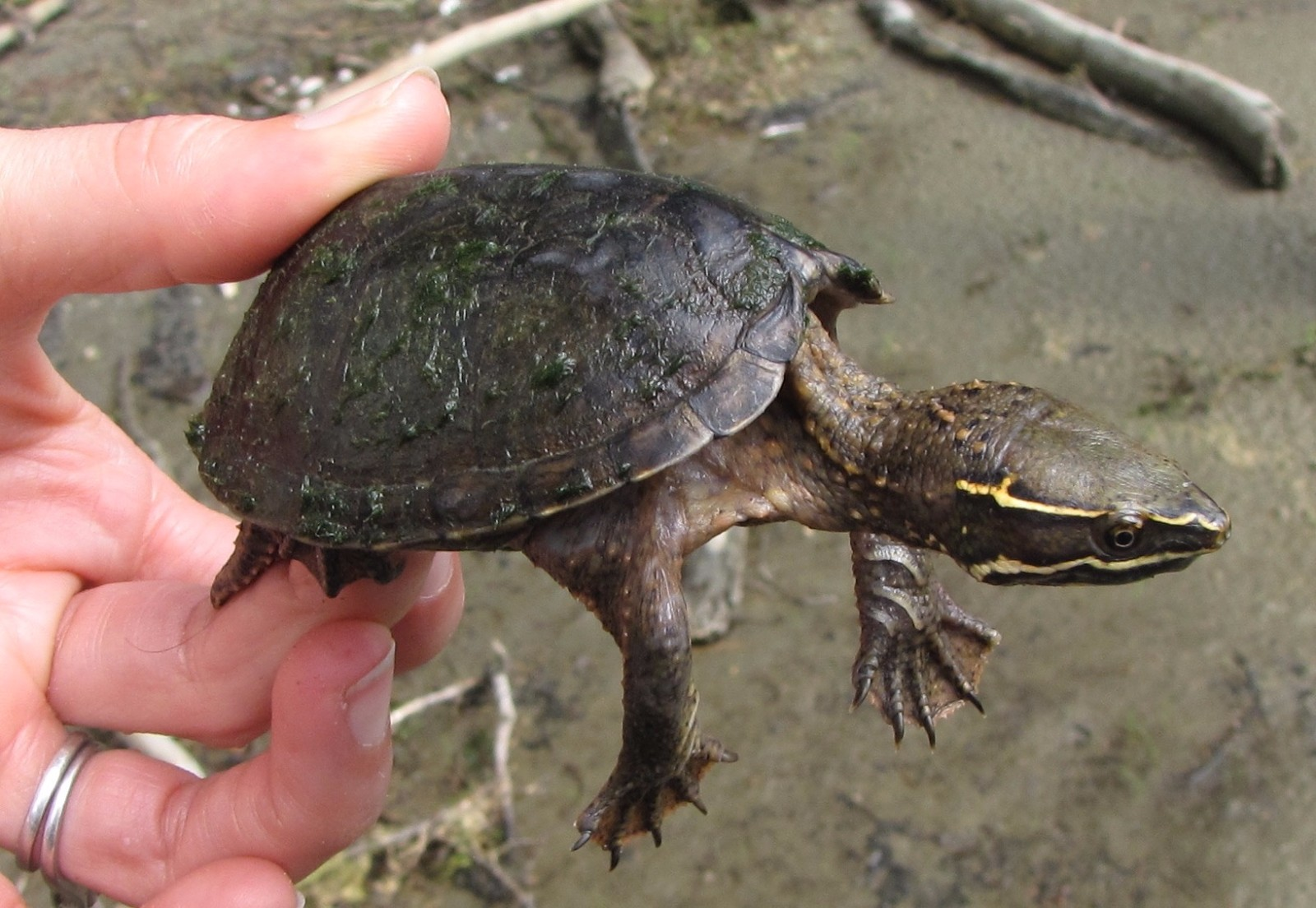
Eastern Musk Turtle

Statement from Phil Pothen, Counsel and Ontario Environment Program Manager, and Rebecca Kolarich, Water Program Manager

Toronto | Traditional territories of the Mississaugas of the Credit, the Anishinaabeg, the Haudenosaunee, and the Wendat – Nearly 4 months after Progressive Conservative MPPs forced approval of a law that will repeal Ontario’s Endangered Species Act, the Ontario government is confirming experts’ gravest warnings about what it will mean for at-risk plants and wildlife.  The Ontario government has announced that once the law comes into force, it will cease even to recognize more than 106 different species at risk, ranging from the Eastern Mole, Eastern Musk Turtle and Cougars, to the endangered Redside Dace, and Red-headed Woodpecker.
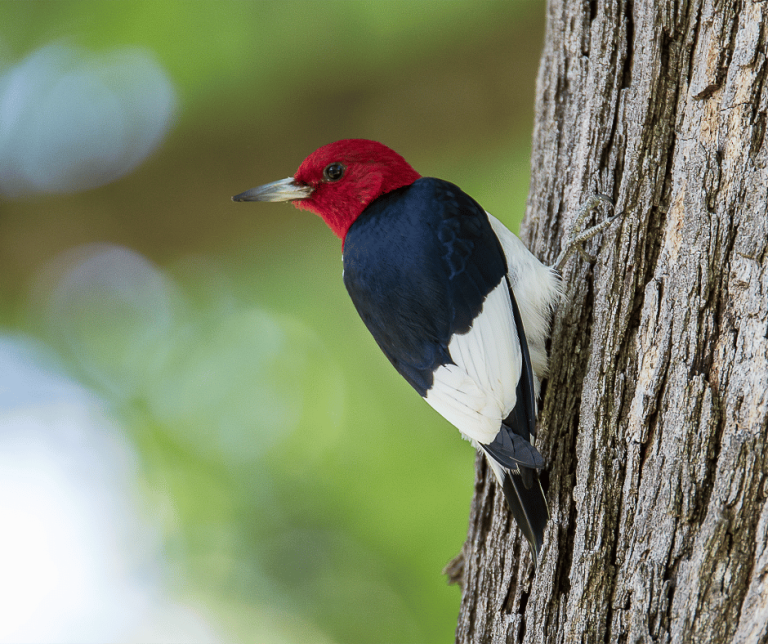
This decision should light a fire under the federal government to strictly enforce the existing federal Species at Risk Act and existing habitat protection orders in Ontariobut also to expand and broaden federal protections and monitoring. Federal protections will now be the only real protection for many habitats. In particular, because the Ontario government will remove all provincial recognition of endangered and threatened birds and fish, the government of Canada should issue emergency protection orders that extend to all species and habitats previously protected provincial habitat regulations and the Ontario Species at Risk list. 

The  Ontario government also intends to remove all recognition of species that are currently recognized as being of  “special concern” and monitored due to their susceptibility to identified threats. This means that federal agencies will step up their monitoring of these species’ federal jurisdiction. 

Premier Ford has shown a pattern of constantly prioritizing his developer friends and unnecessary projects over wildlife and nature. The federal government must not do the same. Now more than ever, it is crucial that the federal government uphold and enforce the appropriate federal laws and deny the approval of permits that would allow harmful development projects to destroy critical habitat.  For the Silo, Tim Gray/Environmental Defence.

ABOUT ENVIRONMENTAL DEFENCE (environmentaldefence.ca): Environmental Defence is a leading Canadian environmental advocacy organization that works with government, industry and individuals to defend clean water, a safe climate and healthy communities.
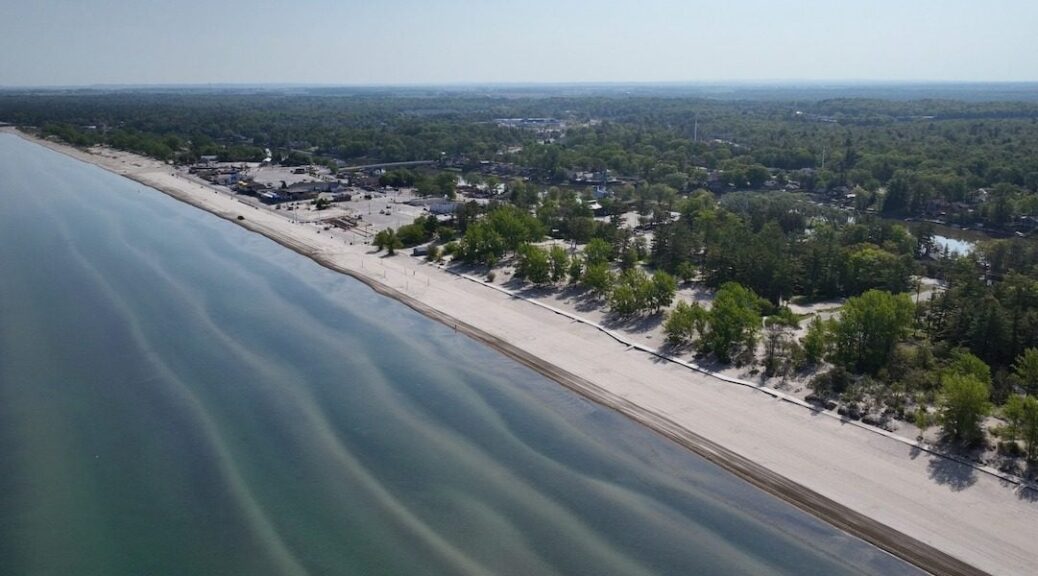

Ontario To Sell 60% of Wasaga Beach Provincial Park Beachfront for Development

This is just a first step- The law protecting other Provincial Parks is also in the government’s cross-hairs

Toronto, Ontario Canada | Traditional territories of the Mississaugas of the Credit, the Anishinaabeg, the Haudenosaunee, and the Wendat – The Ontario government is proposing to sell key parts of Ontario’s second most-visited Provincial Park (2023 data) for a development scheme.  The area on the chopping block includes roughly 60% of the Park’s celebrated Georgian Bay shoreline lands and critical habitat of the endangered piping plover.  These sensitive areas rely on the Provincial Park’s protections to safely coexist with beachgoers and other recreational users.

Possibly even more concerning, the government is targeting the Provincial Parks and Conservation Reserves Act (PPCRA) that protects all of Ontario Parks and Conservation Reserves.

The PPCRA currently requires that elected MPPs approve any significant removal of provincial park land.  Rather than simply complying with that requirement and obtaining that approval for Wasaga Beach Provincial Park, the government is proposing currently unspecified “legislative amendments” to the PPCRA itself. The government notice says the amendments are “to remove” land. Because of this, Environmental Defence is concerned that the Provincial government intends to weaken the process requirements for removing Park or Conservation Reserve lands seeing as the current law would not itself need to be changed if its process requirements, including a Legislative Assembly vote on the park area changes, are followed.

“Provincial Parks belong to the people of Ontario and are meant to be protected forever. It is appalling that the current government is trying to give away big parts of one of our most popular parks, and make changes to the legislation that protects all of our Provincial Parks ” said Tim Gray, Executive Director of Environmental Defence. “These beachfront lands on Georgian Bay are worth millions of dollars and are owned by the people of Ontario. They should never be a part of a tourism development”.

Background

Ecological values in the The Wasaga Beach Provincial Park lands to be lost include:

  • Known piping plover habitat, which is listed as endangered under both the federal Species at Risk Act and the provincial Endangered Species Act.
  • Mature sand dunes, which provide important ecological and stabilizing functions including providing a protective buffer against high water, wind and storm events for private or adjacent lands, which is an important role as the climate changes.
  • Significant vegetation communities and provincially significant wetlands.
  • “The Point” located in Beach Area 1 which is one of those targeted to be removed is designated as a provincially significant earth science Area of Natural and Scientific Interest (ANSI)

Transferring ownership of Wasaga Beach Provincial Park lands is not required to support beach-related tourism re-development plans in the Town of Wasaga Beach.  On the contrary, it is thanks to the active protection of the Recovery Program at Wasaga Beach Provincial Park that piping plovers and their habitat can coexist with a thriving beach destination.  

Hundreds of thousands of Ontarians enjoy the beaches each year, The Provincial Park and Conservation Reserves land disposition is regulated under Sections 9(3) and 9(4) of the Provincial Parks and Conservation Reserves Act. Section 9(4) specifies that “The Lieutenant Governor in Council may not order the disposition of an area of a provincial park or conservation reserve that is 50 hectares or more or 1 per cent or more of the total area of the provincial park or conservation reserve, unless,  

(a)  the Minister first reports on the proposed disposition to the Assembly;

(b)  the Minister tables the proposed new boundaries of the provincial park or conservation reserve with the Assembly; and

(c)  the Assembly endorses the proposed new boundaries of the provincial park or conservation reserve.  2006, c. 12, s. 9 (4).”

For the Silo, Tim Gray.

Resources

Provincial Parks and Conservation Reserves Act: https://www.ontario.ca/laws/statute/06p12#BK10

Wasaga Beach Provincial Park land removal and proposed amendments to Provincial Parks and Conservation Reserves Act, EBR posting: https://ero.ontario.ca/notice/025-0694

Wasaga Beach Provincial Park: Beach Management Secondary Plan:

https://www.ontario.ca/page/wasaga-beach-provincial-park-beach-management-secondary-plan

Wasaga Beach Provincial Park Management Plan: https://www.ontario.ca/page/wasaga-beach-provincial-park-management-plan

Federal Action Plan for the piping plover: https://www.registrelep-sararegistry.gc.ca/virtual_sara/files/plans/ap_piping_plover_circumcinctus_ontario_0511_e.pdf

This press release was re-issued to address the following issues: 

  • The ERO posting from the Province of Ontario includes a general map without calculations of the areas proposed for land disposition in the Wasaga Beach Provincial Park. EDC’s third party GIS consultant included the lakebed abutting the beaches in the original calculations found in EDC’s media statement. Those figures have now been corrected to recognize that under the current provincial proposal the lakebed would not be transferred to the Town of Wasaga Beach.
  • To clarify that the Provincial government has not yet released for review draft wording or a clear description of its proposed changes to the PPCRA and that it is EDC’s opinion that these changes will be focused on making this and future park land removals easier by weakening transparency and the necessity of a Legislative vote on future boundary changes.
  • The park land is to be sold for an undisclosed sum, not given away as described in our original release.

ABOUT ENVIRONMENTAL DEFENCE (environmentaldefence.ca): Environmental Defence is a leading Canadian environmental advocacy organization that works with government, industry and individuals to defend clean water, a safe climate and healthy communities.
Weak Labeling Rules for Canadians

From toothpaste to shampoo, to all-purpose cleaner and dish soap, cleaning and personal care products are essentials that we use every day.

Whether we choose a product based on the price or the brand, we often don’t realize that the ingredients in these products can contain harmful ingredients not indicated on the labeling.

product labelling

Findings from focus groups conducted by Environics Research on behalf of Environmental Defence show that long-term health impacts are not at the top of consumers’ minds when choosing which cleaning or personal care products to buy. That’s not because people don’t care about the chemicals that they’re exposed to, but because interviewed Canadians trust that the products found on store shelves are tested and proven to be safe by government agencies and industry. Sadly though, under current regulations Canadian manufacturers don’t need to prove that chemicals are safe before they’re added to products. (Listen to Executive Director Tim Gray on Radio Canada International speak about this issue).

Cleaning products such as window, counter and toilet bowl cleaners are not required to have a full ingredient list. Although an ingredient list is required on cosmetics and personal care products, it is often incomplete. What many people don’t know is that in order to get that citrus-y or fresh scent found in our deodorants, cleansers and moisturizers, manufacturers are only required to mention “parfum” or “fragrance” on the label without listing the actual chemicals. This is due to an outdated legal exemption that deems scents a “trade secret”.

It’s on you to look it up to see what you’re ingesting or putting on your skin…but we’re not scientists. Within reason, they should be putting warnings on stuff.

Why Canada needs to strengthen its product labeling rules

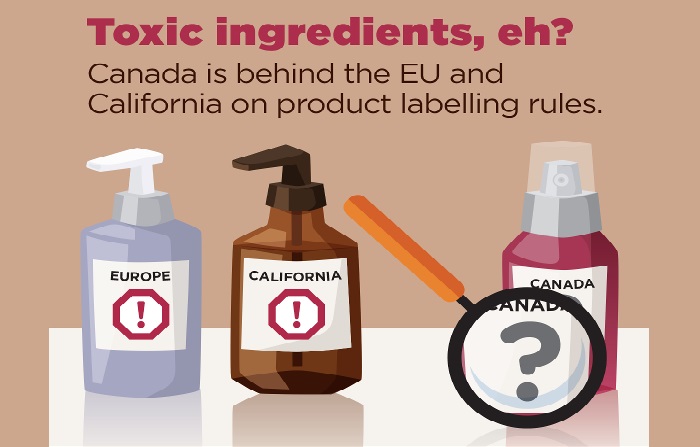
Warning labels have been used for decades as a useful tool to inform consumers of potential health risks associated with using a certain product. Mandatory warning labels on tobacco products have helped reduce smoking rates around the world by informing the public about the dangers of smoking.

Another example comes from Proposition 65 in California which requires manufacturers to put warning labels on their products if they contain specific chemicals of concern, such as BPA. To avoid warning labels, manufacturers are reformulating their products to remove harmful chemicals.

Policies in the European Union require the use of graphic health warning labels on cleaning products to caution consumers of possible skin irritation, chronic health hazards and if a product may be toxic to aquatic life.

product labelling

Canada needs to step up and do the same. That’s why we are calling on the federal government to update its labeling rules and make full ingredient disclosure and easy-to-understand warning labels a reality.

What you can do?

1. Make your voice heard and tell the Canadian government to strengthen Canada’s toxics regulations.

2. When you shop for cleaning or personal care products, always check the ingredient list (if provided) for harmful ingredients – especially those listed in our Toxic Ten Pocket Guide.

3. Go the extra step and look for eco-certified alternatives that use plant-based ingredients instead of harmful chemicals.

For the Silo, Sarah Jamal.