Tag Archives: construction

These Award Winning Tiny Homes Draw Attention As Sector Gains

The tiny home sector is big on innovation as exemplified by a new crop of amazing Accessory Dwelling Unit (ADU) designs across the U.S. and Canada showcasing state-of-the-art architectural and interior features, thoughtful layouts and stunning aesthetics that redefine what’s possible in small-space living. Maxable—North America’s leading  provider of resources for building guest houses, casitas, in-law suites, granny flats, pool houses and other ADUs—has officially named the the #1 best ADU of 2025 and other of the ’10 Best’ for the year based on a mix of criteria: visual appeal, use of space, creativity and functionality. Multiple photos for each are showcased online demonstrating the extreme ingenuity of each build.

Every year, Maxable’s ‘Best ADU of the Year’ competition celebrates the most innovative and impressive tiny home projects from across North America. Accessory dwelling units (ADUs) that don’t just look great, but solve real challenges of space, budget, and lifestyle. And the Top 10 have just been named! “If there’s one thing we’ve learned this year, it’s that accessory dwelling units ADUs aren’t going anywhere,” says Maxable CEO Paul Dashevsky. “In fact, they’re chugging along at full force as new regulations make their mark, homeowners are letting their creativity bloom, and designers are pushing the limits of what’s possible in small-space living.”

Here is the #1 winner and other of the top 10 best ADUs that have earned their keys in 2025.
______________________________________________________


#1 Best ADU of 2025:

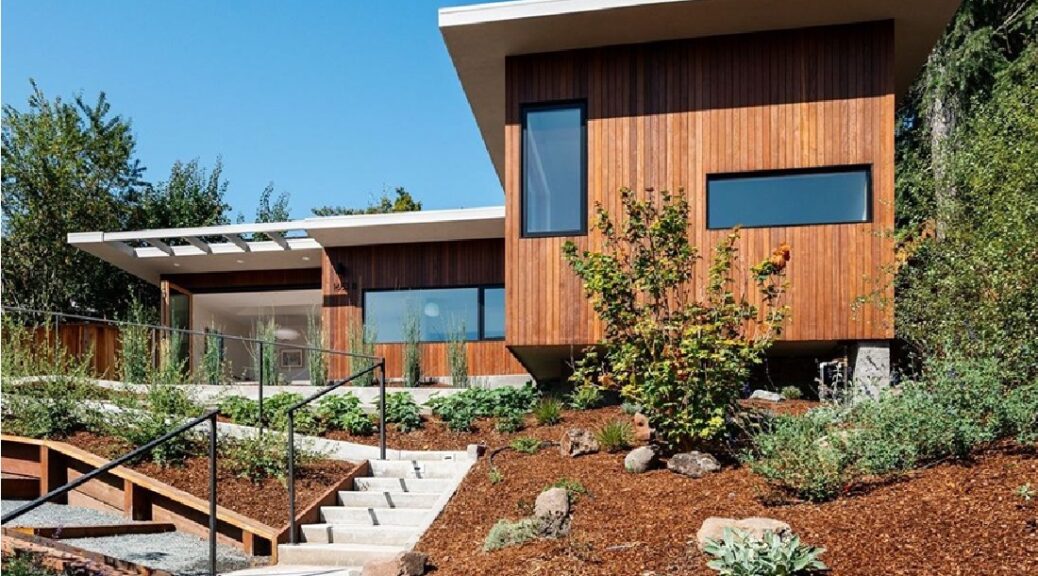
Ashby ADU, Piedmont, CA

Designer: Tuan Le Design

Builder: Atelier19AD6

Size: 800 sq ft, 2 bed, 1 bath

Built on a steep slope, the project faced challenges with utility coordination, subcontractors, supply chain delays, and neighbor considerations, yet the team navigated every obstacle to deliver a standout result. The unit is fully electric, with a heat pump, water heater, and solar panels, making it efficient and environmentally conscious. Skylights and floor-to-ceiling four-panel sliding glass doors fill the interior with natural light, creating a bright, airy atmosphere. The modern design continues on the exterior with sleek wood paneling that complements the contemporary interior. The result is a stylish, functional ADU that maximizes both the views and the livable space

 
Other Top 10 Best ADUs of 2025


Chamomile Cottage, Arlington, MA

1-adu.jpg

Modular Design and Build: Backyard ADUs

Size: 567 sq ft, 1 bed, 1 bath

If a cozy cup of tea was an ADU, we think it’d look like this! Designed to bring an aging father closer to his family and young grandchildren, this modular build balances warmth, accessibility, and beautiful design. As one of the first detached ADUs completed under Massachusetts’ new ADU law, it also marks a milestone for backyard living in the state. Built with collaboration between Backyard ADUs and a homeowner with impeccable design taste, the result is both functional and heartfelt. Chevron wood flooring, warm olive walls, and a charming fireplace make the space feel like home from the moment you step inside. Skylights fill the rooms with natural light, while the ADA-compliant bathroom ensures comfort and safety for years to come.

Alora ADU, San Diego, CA

2-adu.jpg

Designer: Ruland Design Group

Builder: Glann Fick, Coastline Construction

Size: 1,000 sq ft, 2 bed, 2 bath duplex

This project is a beautiful example of how ADUs can bring generations together while adding long-term value to a property. The homeowners created not one, but two attached backyard homes. One was designed for an aging mother, and the other for rental income to support the family. Together, the units make space for four generations to stay close while still maintaining privacy and independence. Both ADUs were designed with light, openness, and connection to the outdoors in mind. High ceilings and clerestory windows fill the interiors with natural light, while large sliding glass doors open to private patios for easy indoor-outdoor living. Each space feels modern and welcoming, complete with well-appointed kitchens and roomy islands perfect for family meals or morning coffee. It’s a true example of multigenerational living done right.

Copperline ADU, San Diego, CA

3-adu.jpg

Designer and Builder: SnapADU

Size: 980 sq ft, 2 bed, 2 bath

This Spanish-style ADU in Rancho Santa Fe was designed to blend seamlessly with the community’s strict architectural standards. The homeowner, a roofing contractor, personally installed the boosted tile roof to match the main home, turning HOA requirements into an opportunity to create a timeless retreat. Today, the ADU serves as a private space for family and guests. Every element, from hand-textured stucco to arched porch openings and copper gutters, was carefully chosen to mirror the primary residence. Inside, faux wood ceiling beams add warmth to the great room, while custom shelving and professional-grade appliances enhance the kitchen. Each bedroom features an ensuite bath and walk-in closet, with a back entrance leading to a mudroom and laundry area.

Brick House ADU, Denver, CO

4-adu.jpg

Designer and Builder: ADU4U

Size: 938 sq ft, 1 bed, 1.5 bath

This ADU project breathes new life into an old, historic building, while preserving its authentic character and respecting its roots. Building a modern structure within an 138 year old structure was an innovative solution to achieve this. In historic Curtis Park, Denver’s oldest neighborhood, an 1886 brick carriage house stands as a testament to the passage of time. The building sits inside the boundaries of Denver’s historic Curtis Park, so all exterior design and material selections had to be approved through the city’s Landmark Commission.

ADU4U turned this once-unlivable structure into a cozy, modern home while preserving its historic charm. To bring it up to today’s safety standards, the team strengthened the old brick with a new steel frame and carefully reused original materials throughout the interior. The hayloft door became the powder room door, and the old floor joists were turned into a beautiful kitchen peninsula. Now, this light-filled ADU perfectly balances historic character with modern comfort. It’s truly a shining example of how old buildings can be reimagined for today’s living.

Longview ADU, Washington D.C.

5-adu.jpg

Designer: Ileana Schinder

Builder: J Cabido Designs

This project is a creative transformation of an abandoned garage and storage space into a bright and efficient one-bedroom ADU. By keeping the original structure’s footprint, the design team minimized both construction costs and the visual impact on the surrounding property. Every detail was planned with sustainability in mind. From upgraded insulation to energy-efficient mini splits and an energy recovery ventilator, the ADU meets Washington DC’s strict environmental standards while maintaining year-round comfort. Restoring the building’s existing openings allowed natural light to flood the interior, creating a warm and inviting space that feels much larger than its footprint. The result is a thoughtful blend of preservation, sustainability, and smart design, breathing new life into what was once an overlooked structure.

Sagebrush ADU, Menlo Park, CA

6-adu.jpg

Designer: Inspired ADUs

Builder: Integrum Construction

This ADU is a masterclass in craftsmanship and timeless design. Every detail, from the cedar shake siding to the copper flashings, was carefully chosen to mirror the main home and create a seamless, cohesive look. Instead of competing with the original architecture, it enhances it, feeling like it has always been part of the property. Natural materials play a starring role here. The cedar and copper will continue to age beautifully, adding warmth and character over time. Inside, handmade tile, custom cabinetry, and a cozy loft make the space feel elevated yet inviting. Every inch was designed with intention, balancing function, beauty, and authenticity. This ADU proves that small-scale construction can be both refined and enduring.

Brushstroke ADU, Newcastle, CA

8-adu.jpg

Designer and Builder: A+ Construction ADU Builders

Size: 1,198 sq ft + 800 sq ft deck, 3 bed, 2 baths

The client didn’t want to separate three generations of their family, so they built a second home in their backyard. This ADU allows their parents to live independently with their own routines and art studio, while staying just steps from family dinners, grandkid hugs, and everyday life together. At 1,200 sq. ft., the ADU includes three bedrooms, two bathrooms, and a large open living area. The layout prioritizes comfort, easy movement, and aging-in-place, with wide circulation paths, direct deck access from the primary bedroom, and plenty of natural light. A dedicated art studio with custom cabinetry and large windows supports the grandmother’s creative routine. The best feature? An 800 sq. ft. covered deck and carefully chosen exterior finishes. All of these details make the ADU feel integrated with the main home, creating a thoughtful, functional, and long-term living space for the whole family.

Alcove ADU, Los Angeles, CA

9-adu.jpg

Designer: Homeowner

Builder: Doobek Brothers

Size: 593 sq ft, 1 bed, 1 bath

What started as a retrofit for a carport turned into a fully functional ADU, making smart use of limited space while navigating strict city codes. Because the property sits on a hillside, any addition beyond the existing roofline would have required expensive drainage to the street, so the design works entirely within the original footprint. The interior feels calm and spacious thanks to thoughtful layout, finishes, and furniture. A double wall between the kitchen and bathroom cleverly hides appliances while providing storage for cleaning supplies, making the space feel open and uncluttered. Temperature and sound insulation reduce energy costs for both units, making it highly efficient. Windows were sized to align with the upstairs unit, creating visual harmony. With parking right outside and a potential deck planned for the upper unit, this ADU demonstrates how careful design can turn code restrictions into a livable home.

Elevare ADU, San Diego, CA

10-adu.jpg

Designer: Sergio Perlata

Builder: HM Construction

Size: 479 sq ft, 1 bed, 1 bath

This daring ADU was built on top of the homeowner’s existing house to preserve the garage while creating a luxurious, functional space. What started as a bold idea and labor of love resulted in a retreat that balances comfort, style, and modern California living. The design maximizes natural light, features high-end finishes, and offers seamless indoor-outdoor flow. Privacy for the main house was carefully considered, and practical choices like spa-like micro-cement in the bathroom create a durable, low-maintenance, and rental-friendly space. More than just a guest house, this ADU is a thoughtfully crafted space that inspires relaxation and connection.

For the Silo, Jarrod Barker.

Supplemental- ANC Brantford, Ontario, Canada

New Environmental Product Declarations For Canadian Made Wood Products

The Canadian Wood Council has released new Environmental Product Declarations for 5 Canadian manufactured wood products.

“The release of these new EPDs reinforces our commitment to transparency and sustainability in the wood products sector.”

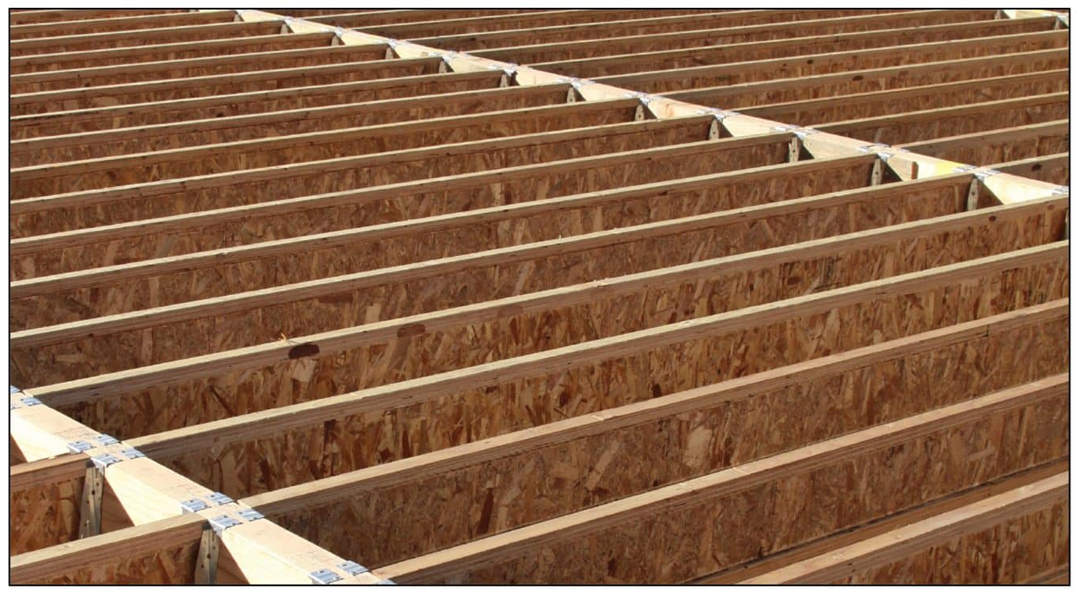
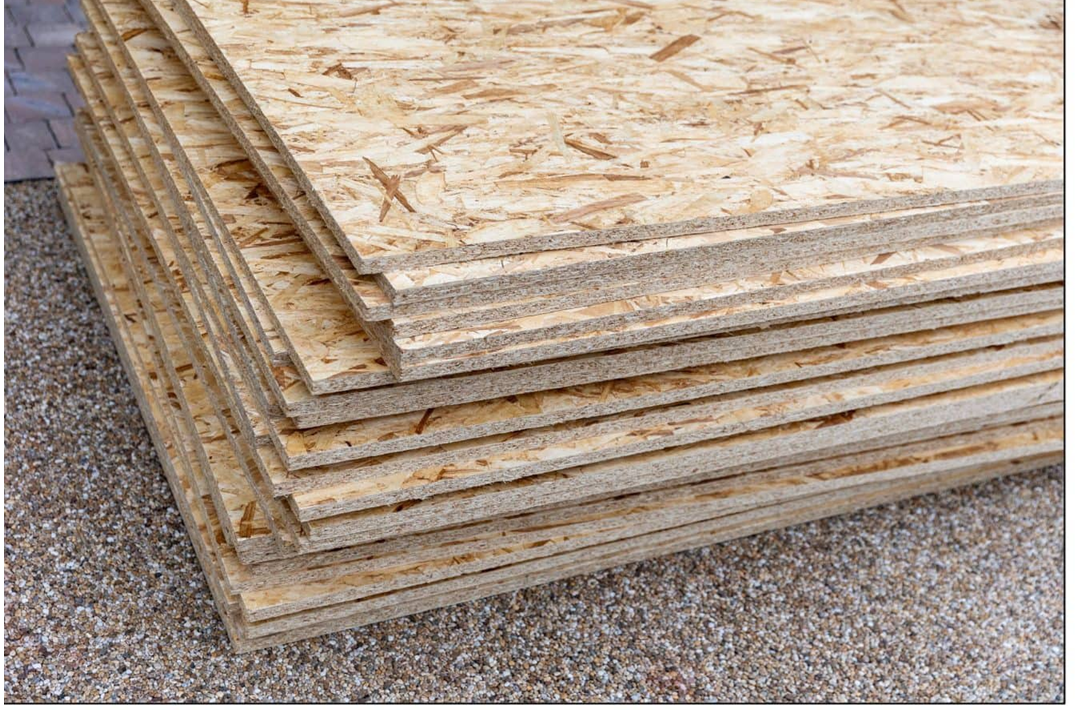
The Canadian Wood Council (CWC) is pleased to announce the release of five new Environmental Product Declarations (EPDs) for Canadian softwood lumber, oriented strand board (OSB), plywood, trusses, and prefabricated wood I-joists. These EPDs provide comprehensive, transparent environmental data on the potential impacts associated with the cradle-to-gate life cycle stages of these essential wood products.

“The release of these new EPDs reinforces our commitment to transparency and sustainability in the wood products sector,” said Peter Moonen, National Sustainability Manager at the Canadian Wood Council. “By providing robust, science-based environmental information, we’re equipping the industry with the tools needed to demonstrate the environmental benefits of wood and support low-carbon construction.

Developed as Type III declarations by region for business-to-business use across the Canadian industry, they comply with the most stringent international standards, including ISO 21930, ISO 14025, ISO 14040, ISO 14044, applicable product category definition rules, and ASTM’s general program instructions for Type III EPDs. This ensures complete and credible information on the environmental impact that has been verified by an external source. The new EPDs will be able to help designers, construction companies and decision-makers make informed choices about sustainable materials.

“The publication of the new Environmental Product Declarations reinforces our commitment to transparency and environmental responsibility in the wood sector,” says Peter Moonen, National Director of Sustainability for the Canadian Wood Council. “By providing reliable, science-backed environmental data, we are giving industry the tools to demonstrate the environmental benefits of wood and to support low-carbon construction.”

For the Silo, Sarah Hicks.

Environmental Product Declarations can be downloaded from the Canadian Wood Council’s Digital Resource Centre: www.cwc.ca.

How Do You Make Expanding Foam At Home?

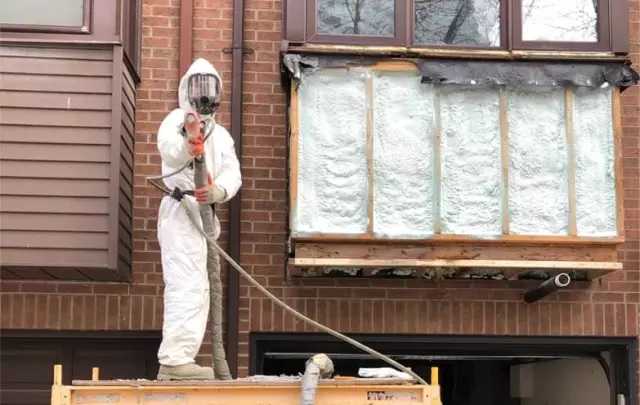
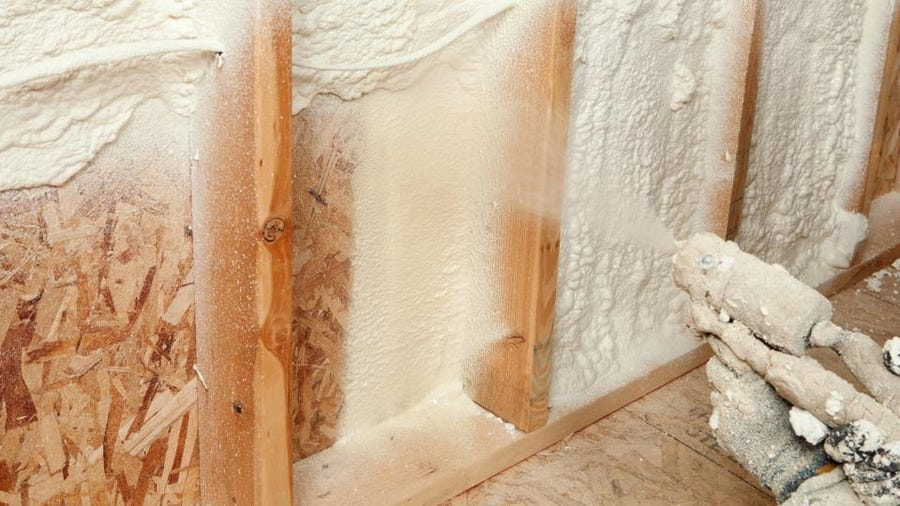
Expanding foam is a versatile material that is commonly used in construction, DIY projects, and home repairs. It is a polymer foam that expands upon application and hardens to fill gaps, cracks, and voids. Expanding foam is useful for insulating walls, sealing leaks, and stabilizing structures. While it is readily available for purchase at hardware stores and home improvement centers, it is also possible to make expanding foam at home. Visit here to learn more.

Making expanding foam at home is a cost-effective alternative to purchasing premade foam. It also allows you to customize the foam to your specific needs and preferences. In this guide, we will walk you through the steps of making expanding foam at home.

Step 1: Gather materials

To make expanding foam at home, you will need the following materials:

  1. A mixing container
  2. A stirring stick
  3. Polyurethane resin
  4. Isocyanate
  5. A catalyst
  6. A foaming agent

Step 2: Measure out the ingredients

The ratio of ingredients needed to make expanding foam varies depending on the desired consistency and expansion rate. A common ratio is 2 parts polyurethane resin to 1 part isocyanate and a small amount of catalyst and foaming agent.

Measure out the ingredients using a mixing container or a measuring cup. It is important to be precise with the measurements to ensure that the foam expands and hardens properly.

Step 3: Mix the ingredients

Pour the polyurethane resin and isocyanate into the mixing container. Use the stirring stick to mix the ingredients together until they are fully combined.

Step 4: Add the catalyst and foaming agent

Once the polyurethane resin and isocyanate are fully combined, add a small amount of catalyst and foaming agent. The exact amount of catalyst and foaming agent needed will depend on the size of the batch and the desired expansion rate.

Step 5: Stir the mixture

Stir the mixture until the catalyst and foaming agent are fully incorporated. It is important to stir the mixture thoroughly to ensure that the foam expands and hardens properly.

Step 6: Pour the foam into the desired area

Pour the foam into the area where it is needed. The foam will begin to expand as soon as it comes into contact with the air. Use a tool, such as a spatula or putty knife, to shape the foam as desired.

Step 7: Allow the foam to harden

Allow the foam to harden completely before handling or using it. The drying time will depend on the size of the batch and the desired expansion rate.

Benefits Of Expanding Foam

Expanding foam is a versatile and widely used material in construction, DIY projects, and home repairs. It is a polymer foam that expands upon application and hardens to fill gaps, cracks, and voids. Expanding foam is useful for a variety of purposes, including insulation, sealing leaks, and stabilizing structures. In this article, we will explore the many benefits of expanding foam and how it can be used in a variety of applications.

  • Insulation: One of the primary benefits of expanding foam is its ability to insulate a space. When applied to walls, attics, or crawl spaces, expanding foam can help to keep a building or home warm in the winter and cool in the summer. This can save energy and reduce heating and cooling costs. Expanding foam is also effective at blocking drafts, which can further improve energy efficiency.
  • Sealing leaks: Expanding foam can be used to seal leaks around windows, doors, pipes, and other openings. It is an effective way to prevent water damage and improve the overall energy efficiency of a building or home.
  • Stabilizing structures: Expanding foam can be used to stabilize structures, such as foundations, roofs, and walls. It is often used in situations where traditional methods of repair are not feasible, such as when access to the damaged area is limited.
  • Filling gaps and cracks: Expanding foam is an excellent material for filling gaps and cracks in walls, floors, and other surfaces. It can be used to fill small gaps and cracks as well as larger voids.
  • Durability: Expanding foam is a durable material that can withstand a range of temperatures and weather conditions. It is resistant to water, moisture, and rot, making it an ideal choice for use in damp or humid environments.
  • Easy to use: Expanding foam is easy to apply and does not require any special tools or equipment. It can be applied using a simple nozzle or applicator and hardens quickly, making it convenient to use.
  • Customizable: Expanding foam can be customized to suit specific needs and preferences. The expansion rate and consistency of the foam can be adjusted by adjusting the ratio of ingredients used to make it. This allows for a wide range of applications and allows the foam to be tailored to specific requirements.
  • Versatility: Expanding foam can be used in a wide range of applications, including construction, home repairs, and DIY projects. It is an effective material for filling gaps and cracks, sealing leaks, insulating spaces, and stabilizing structures.

Conclusion:

Making expanding foam at home is a cost-effective and customizable alternative to purchasing premade foam. With the right materials and a little bit of elbow grease, you can easily make expanding foam at home. Just follow the steps outlined in this guide and you’ll be on your way to using your very own homemade expanding foam in no time.

Signs That You Need A Drywall Repair

If you notice anything on your drywall that doesn’t seem right, then it may be time to contact a professional who can help you identify the problem and ensure everything is repaired properly. 

Here are signs that you need a drywall repair

Cracks and indentations in walls and ceilings

If you notice cracks and indentations in your home’s walls, ceilings, and floors, it could be a sign of bigger problems. Cracks are often caused by settling or shifting. When this happens over time (and it can happen very quickly), there’s usually nothing you can do but patch up the crack as best as possible before continuing with other repairs on your home.

The same goes for indentations—if they’re too deep or wide-spread to fix easily with paint or filler material like spackle (which is designed to fill holes), then they may indicate that something more serious has happened, like water damage from pipes breaking under pressure inside them; this would require professional help from professionals such as an inspector who inspects homes after major storms pass through an area, so he knows what kind of work needs doing before further progress takes place on any given project!

Sticking doors or windows

  • Check for loose hinges or screws: If your door is sticking, you might notice that the door has been sticking for a while. This could be because of loose hinges or screws on either side of the door.
  • Look for cracks in the frame: If there are cracks in your frame, they could cause your doors to stick. Look at them close up with a magnifying glass (if necessary). If they look damaged, consider having them fixed by a wall repair professional so that they don’t cause any more trouble later down the road!

Water stains on ceilings or walls

If you notice water stains on your ceiling or walls, it’s a sign of a leak in your home. Leaks can be caused by many different sources, including plumbing and roofing. If you have leaks on both sides of the wall, two leaks are likely happening at once—and both need to be fixed!

If you find that one side of an area has been affected by rainwater and condensation (from heating or cooling), contact an expert to help determine what needs fixing before further damage occurs.

Paint chips easily off drywall

Chipping paint is a sign of drywall damage. If you notice that your paint chip easily, it’s time to call a professional. You don’t want to spend money on repairs when there are signs that could have been caught before the problem occurred.

If you have chipped walls or ceilings and wonder what caused them (and how long ago), pay attention! If the damage was caused by water seeping through cracks in the foundation or other parts of your house, then this is most likely the cause of your chipping paint problems—especially since ceiling panels tend to crack more than wall surfaces do due to their thicker construction material and weight distribution issues with hanging objects like lights fixtures and fans above them.”

Mold growth

Mold growth is a sign of water damage. Water can seep in through the smallest crack and cause mold to grow. If you notice that your walls are covered in black or white spots, it could indicate that your drywall has been affected by mold.

Mold can spread easily because:

  • It grows very fast; within 24 hours, it may be two feet thick!
  • It’s resistant to many cleaning products and chemicals (soaps, detergents) that are designed for other purposes, such as cleaning up spills on kitchen countertops or floors where kids have been playing soccer all day long without any protection whatsoever; these products don’t work well against molds because they leave behind residues which support continued growth once again.

Drywall repairs are more complex than you may be tempted to think, and that’s why you need an experienced repair company to do the work. For the Silo, Anna Kendrick.

Why Radiation Protection Makes Sense- even at ‘Low’ Exposure levels

Geiger CounterRadiation is all around us.

  It occurs naturally in our environment, coming to us from the sun, from the soil and foods that we eat, and in the air that we breathe. It is omnipresent across a diverse cross section of industries. We tend to associate radiation with the nuclear industry, but the reality is that we come across radiation sources in numerous other areas:  construction, health care, oil and gas, research, manufacturing, food processing – to name just a few.

With radiation being everywhere in our lives, it is not surprising that it garners a lot of attention, curiosity and, often, worry.

With more than 15 years as a career radiation protection professional, I’ve had to respond to many occupational radiation safety questions — some have related to regulations and compliance, others to potential health effects of exposure and ways to minimize such exposure. In all cases, it is best to rely on well established radiation physics concepts and scientific data, where available.

While there is not much that we can do to escape natural background radiation exposure, we do want to avoid any unnecessary exposure to high levels of radiation, such as the potential hazard due to elevated radon (a radioactive gas) in our homes and workplaces.

How to Protect Yourself From Harmful Mobile Cell Phone RF-EMF Radiation -  TurboFuture

Radon testing of homes is the simplest first step you can take to protect yourself and your family from radon gas, but all too often we do not make the time to educate ourselves and make this a priority. Workplaces are required to have a radiation protection program in place that is appropriate for the type of radiation and potential risk in their industry. But it takes time and investment to develop these programs, and it requires the commitment of both employers and workers to put these programs into practice.

Our challenge is that radiation and its associated risks are not always well understood.

On the one hand, we do not wish to alarm anyone unnecessarily, yet we want to make sure that the public, workers and employers are aware of the steps they need to take to stay safe.  Remember, we are talking about an “invisible” hazard that very rarely causes ill health effects in the short-term. Additionally, the existing radiation protection models are built on what we call the linear no-threshold concept, which, in simple terms, is based on studies of the atomic bomb survivors from the Second World War in Japan and other high-exposure situations, and extrapolates the information to the potential health effects of low exposures.

Low Levels Radiation

An agency of the World Health Organization (WHO) recently published a study on the health effects of low-level exposure to radiation that provides data to support the validity of the linear no-threshold model. We encourage all who read the study (available at The Lancet Haematology) to not get alarmed and to keep the study conclusions in perspective.

It suggests that extended exposure to low level of radiation increases the risk of developing leukemia.

A frightening statement, but we have to keep in mind that the increased risk is small, in line with what we have estimated based on the modeling concepts. This boils down to two things: first, it is important that we continue to apply the ALARA principle — “As Low as Reasonably Achievable” — to all our of interactions with radiation; and second, that we continue to view the numbers associated with radiation and risk in the proper context. The study points to a “small increase” of risk of dying from cancer from low levels of radiation exposure.

Let’s put this into perspective. 

If we extrapolate this study’s conclusions for nuclear workers to persons living near Canadian nuclear plants, people are 6,000 times more likely to die in a car accident, than to die from leukemia due to doses received from reactor plant emissions. Yet most of us think nothing of driving to work, driving our kids to school, or driving to visit friends and family.  The radiation risk is there, but it is significantly smaller than the risks we accept every day, often without even thinking or worrying about them.

More research is required on the health risks from low-level radiation exposure, and there are efforts underway around the world to make it happen. At the Radiation Safety Institute, we will be looking forward to hearing about more study results.  In the meantime we invite all people who are interested in the subject of radiation safety, who have a question or a concern, to reach out to our Free Information Service at 1-800-263-5803 or by e-mail at [email protected]. Let’s keep the conversation going.  For the Silo, Laura Boksman Chief Scientist at the Radiation Institute of Canada.

Click to view on I-tunes

Nashville Population Rise Sparks Demand for Condo Development

Meg Epstein, founder of CA South Development and Condo Queen of Nashville, has funded over $200 million usd in the expansion of condo projects aimed towards bridging the gap of disproportionate construction of properties in Downtown Nashville.

According to the U.S Census Bureau, Nashville, Tennessee has witnessed a steady hike in population within the metro area as it’s averaging approximately 100 new residents per day. Forbes lists the city as the 7th on America’s Fastest Growing City List. The resulting and overwhelming demand for housing in the metro area has lead to an influx of rental properties, leaving a shortage of condos and townhomes despite an increasing demand for them. Another report projects the supply to increase but will still fall short of the overall demand within the city for 2018, consisting of only a two-month supply of condo units. 

Nashville Condo Shortage
GERMANTOWN WATERFRONT CONDOS, NASHVILLE, TN – IN PROGRESS. Boutique new construction development of 35 luxury, waterfront condos nestled between the historic neighborhood of Germantown and Downtown. River Tower offers a relaxed balance between the natural elements of the Cumberland River and the eclectic destinations, venues, restaurants and professional office spaces of downtown Nashville. Features will include spacious balconies that cantilever over the water, superior modern interior architecture and finishes, and Wolf-Subzero appliances.

Per Meg Epstein, founder of CA South Development, Nashville’s disproportionate emphasis on apartment construction is unsustainable. Even with the increased demand to build properties to accommodate the population increase, Epstein points out the issue of banks favoring apartment projects for construction instead of condos or townhomes.

Banks favor apartment projects, since they don’t mind recouping their investment over a period of years,” said Epstein. “However, market trends indicate condos are a far better investment option.”

The Wall Street Journal reports that millennials have “flocked to downtowns to live closer to jobs, transit and urban amenities, and the National Realtors Association reports that millennials now represent 36% of recent homebuyers. The fact that 29% of Nashville’s population falls into the 20 to 39 age group may help to explain the rising demand for urban condos. Epstein anticipates a continued population surge in Nashville and believes residential development will remain a smart bet. PwC ranks Nashville #9 for “Overall Real Estate Prospects” and #5 for “Investment”, and Forbes lists it at #6 in its “Where to Invest in Housing in 2018” analysis.

Today, Epstein is in the process of constructing condo homes to not only correct the supply imbalance in the region but to serve the consumer needs of millennials.

Meg Epstein

In fact, one of Epstein’s projects, River Tower, a 35-unit development, emulates urban centers from all-across the United States with its modern design and proximity to the Cumberland River and Germantown, mirroring real-estate paradigms of Brooklyn, Boston and Tampa. Nashville’s “Condo Queen” is putting her ardent vision for Nashville’s condo market to the test as her decade of construction expertise is being applied to blossoming the city’s residential neighborhoods with the development of a mixed-use, retail and 312-unit condo development in Downtown and two mid-rise condo homes south of the Gulch and in range of 8th Avenue South.  For the Silo, Ashley Richardson. Featured image- mixed use condo living Downtwon. 77-Unit Condo building with retail below. Modern aesthetic appointments & amenities blend seamlessly with sustainable design elements to shine a light on the benefits of a home based in form & function. Delivery Fall 2019.