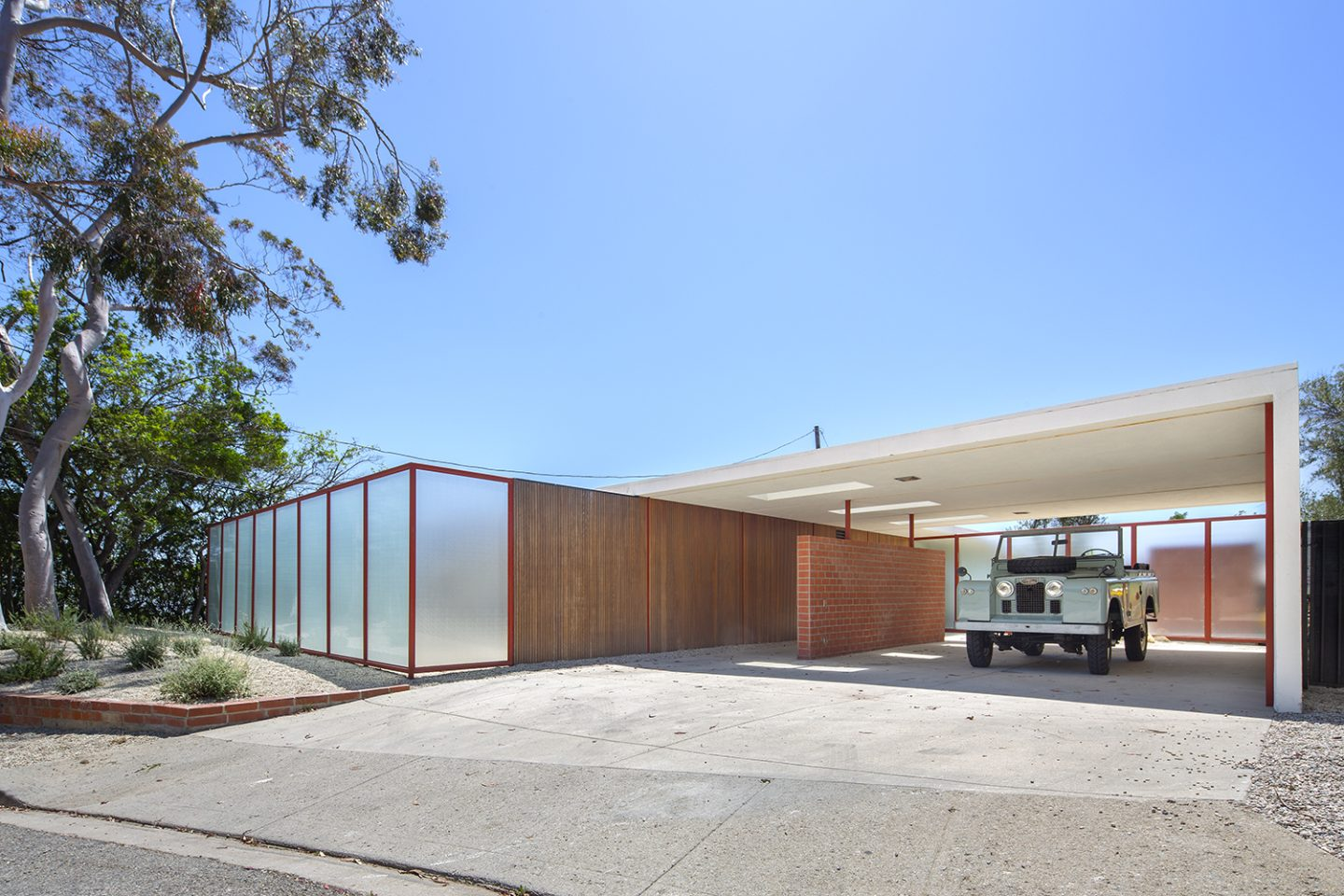
Vintage mid-century modern homes are as popular today as they were when built in the 1950s and ’60s. Arts & Architecture magazine’s post-war Case Study Houses, for example, rarely come up for sale, and when they do, are usually snapped up by aficionados almost as quickly as the listing goes into print. Case Study House #16 is now for sale and priced at $5.4 million usd/ $7.4 million cad.
When World War II ended and the American troops were returning home, it was the start of the baby boom and a monumental housing shortage. Well-known architects in the country were asked to design simple, affordable homes that could be built en masse.
The magazine Arts & Architecture put out a challenge to architects that included Richard Neutra, Raphael Soriano, Craig Ellwood and Ray Eames. The Case Study Houses were numbered 1 through 28, and two apartments were included. They were built from 1945 sporadically through 1966. Thirteen were never built, and from the ones that were, at least three were later demolished. A couple of them have been renovated rather than restored, and the rest are lived in and cared for today.
NUMBER 16
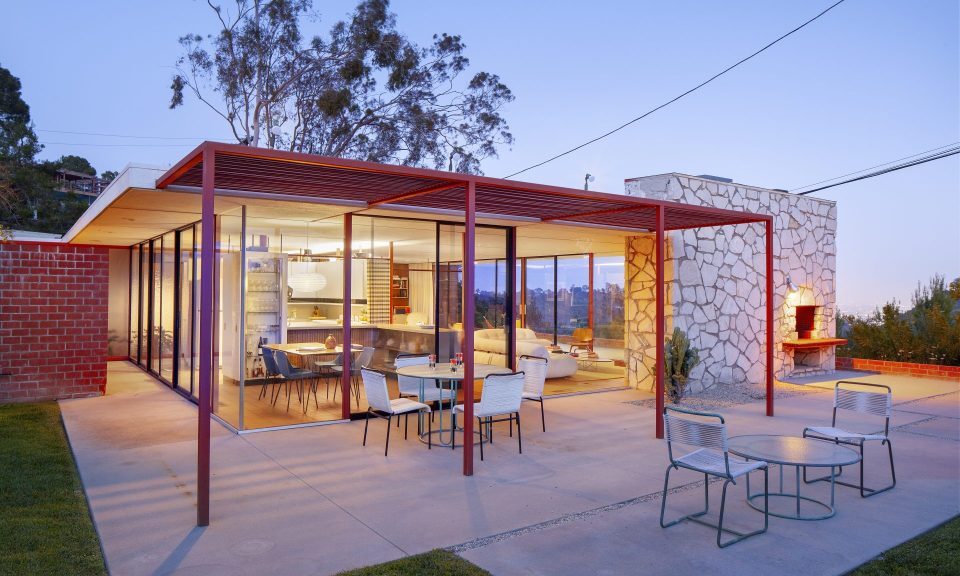
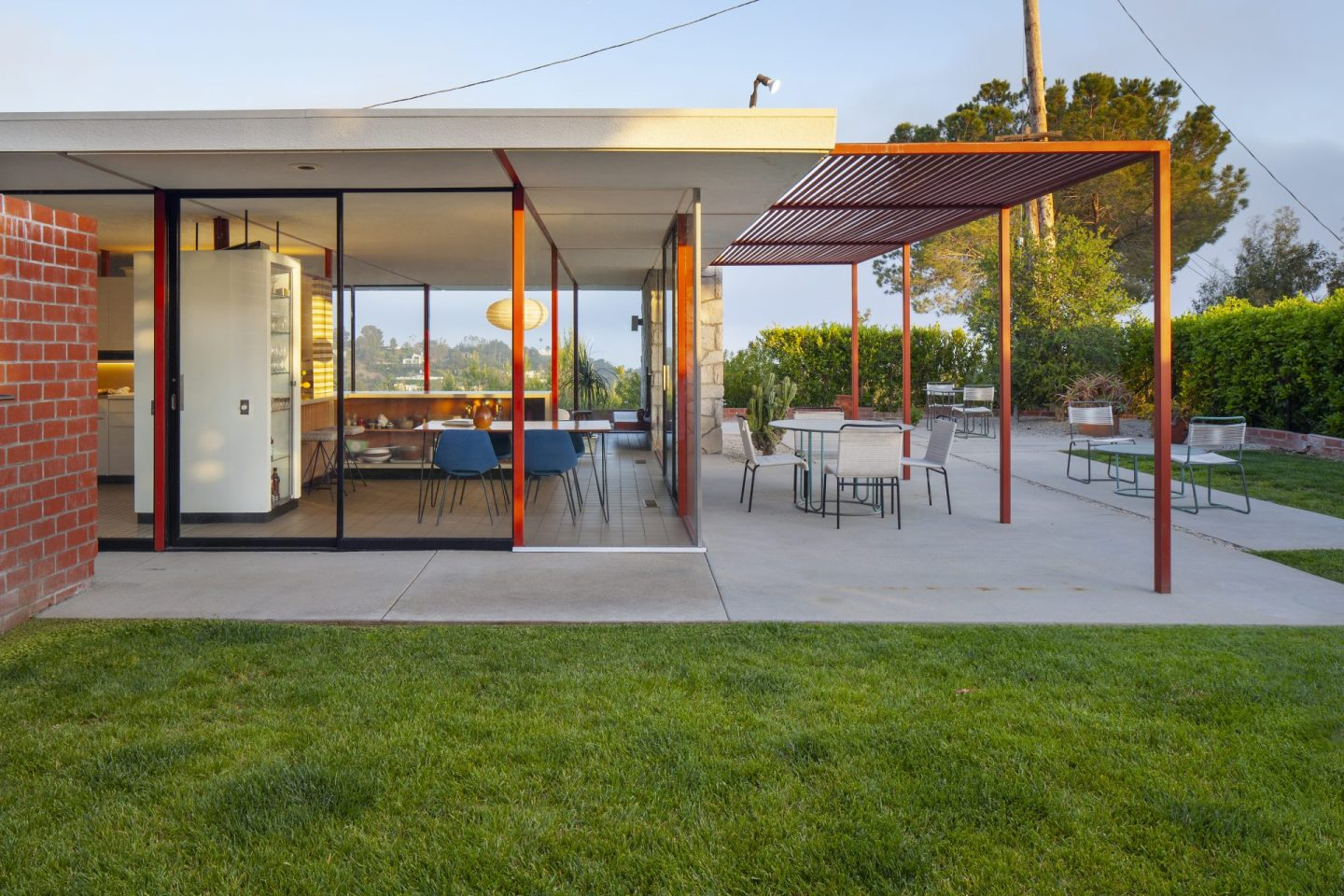
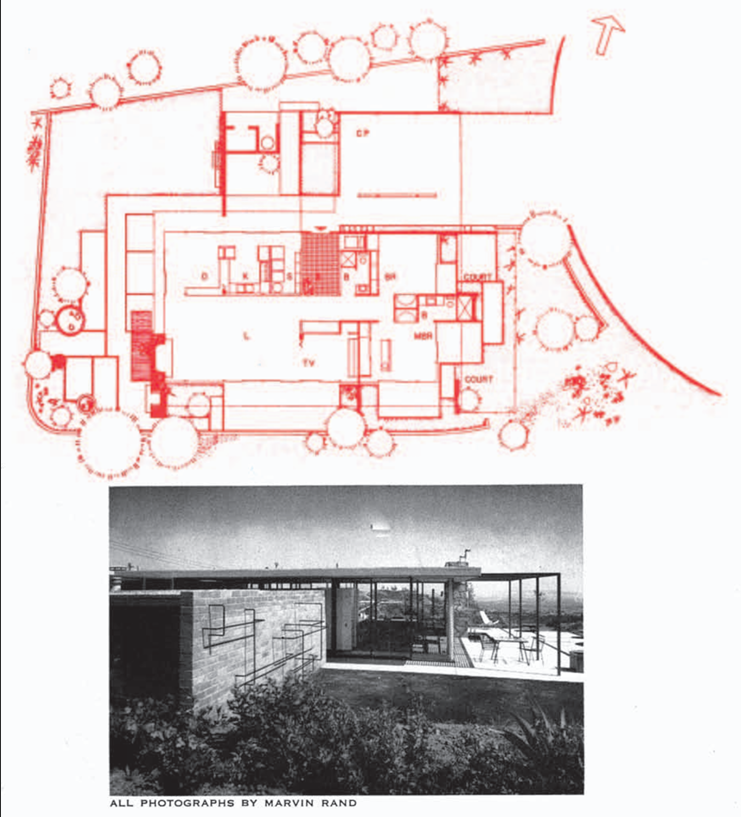
Number 16 was the first of three Case Study Houses designed by Craig Ellwood. Completed in 1953 in Bel Air, the house was innovative in its use of exposed steel-structural framing and floor-to-ceiling glass walls to optimize the views and open to the grounds, making it feel twice the size.
Ellwood was actually an engineer rather than an architect, and placed a lot of emphasis on the stability of the structure using steel, glass, and concrete built on a slab. The 1,664-square-foot home with two bedrooms and two baths is just as contemporary today as when it was built. The living room has a dramatic stone fireplace set into the glass wall that extends beyond it into a terraced area. Set into mature landscaping, the house appears to rest on a cushion of greenery.
The historic Case Study House #16 is for sale in Bel Air, Los Angeles, California. Priced at $5.4 million usd/ $7.4 million cad, the listing agent is Veronika Sznajder with Crosby Doe Associates. For the Silo, Bob Walsh/ toptenrealestatedeals.com
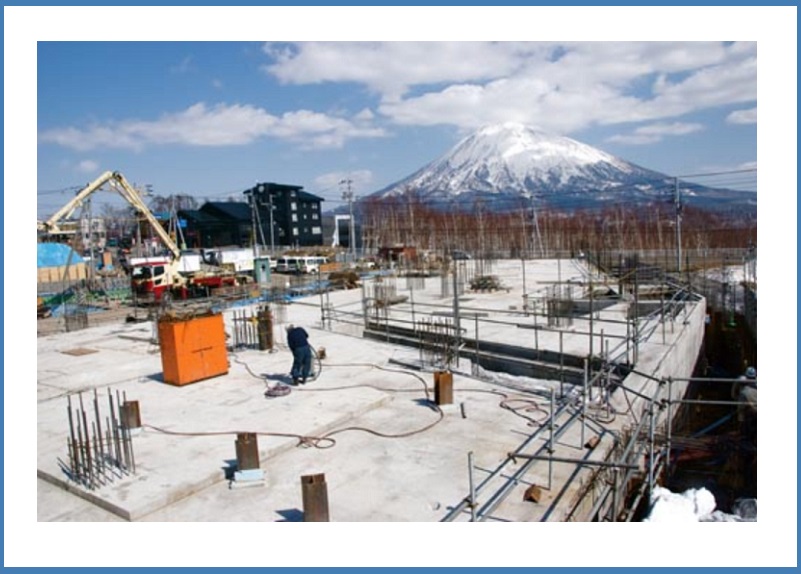
Concrete workers are unsung heroes. Their work doesn’t end, even when winter hits and the temperature drops.
Unlike people who work in the warmth of an indoor space, they may not have the luxury of avoiding the harsh weather.
Without the right precautions, they may suffer from problems such as hypothermia, frostbite, or trench foot. The wet weather can also increase their risk of injury. If the weather is extremely harsh, then work can be called off for safety reasons.
However, workers who are trained and experienced to work in cities that experience colder climates usually adapt well. For example, if you need someone to help you with concrete cutting in Calgary – then you can easily find a reputable and professional locally owned and operated company that’s been serving clients in cold climates for decades.
Here are a few ways concrete contractors adapt to the winter:
#1 They Pay Attention to the Weather Forecast
When working outside, contractors pay attention to the weather forecast. They identify potential weather-related issues so that they can prepare in advance. They also try to use daylight to their advantage and have artificial light to help if necessary.
#2 They Protect Their Body
When working in the cold, concrete contractors usually wear multiple layers. Some also wear insulated clothes, which shield the skin from moisture, and thermal undergarments. The outer layers are waterproof and quickly removable. On their heads, they may wear a wool liner under their hard hat.
In the winter, contractors may take more short breaks to warm up their bodies or their clothes. They may also try to get the most work done during the warmest part of the day. The buddy system also comes in handy during the winter, where partners can look out for each other.
#3 They Protect Their Hands
Gloves are especially important in the winter. Many contractors prefer leather gloves because they’re more resistant than cotton gloves, which can get damp. When the temperature drops to less than 20 C, they may switch to mittens. However, mittens aren’t always practical for work.
#4 They Protect Their Feet
Waterproof boots are a must in the winter. Contractors may treat their leather boots to waterproof them further and wear insulated socks. They may also wear multiple layers of socks, with the outer sock being the largest size. Some carry extra socks in case they need to work outdoors for longer periods.
#5 They Protect Their Equipment
After donning the proper equipment, concrete contractors also take precautions with their equipment. They avoid using cold tools because this can lead to problems. Instead, the tools are warmed up before they can contact concrete.
Tools with metal handlebars are treated with extra caution. Metal handles are covered with an insulating material to protect workers. Usually, contractors only use equipment that’s designed to be handled with gloves or mittens. Contractors may also use powerful tools that are integrated with dust collection to avoid cutting wet.
These are a few ways concrete contractors adapt to the winter when doing outdoor work. With the right precautions and appreciation from their clients, they get the job done correctly and safely.