Tag Archives: collecting

These Classic Cars Gaining Value In A Slowing Market

We’ve passed the mid-way point in the year, and driving season is in full swing. In the classic car market, the first half has been a roller coaster with an optimistic start in January, then a steady softening as we made it through spring. Moving into the second half of the year, and with this week’s newest release of the Hagerty Price Guide, it seems that trend is primed to continue.

That’s not the case with everything, though.

Our friends at Hagerty did watch some vehicles buck the trend and post some meaningful gains in value. Here are just a few of the more newsworthy winners this past quarter (measured by average value increase across all four condition ratings).

Got questions about how they arrived at these changes? You can read more about the methodology behind the Hagerty Price Guide here.

1970-76 Plymouth Duster
Plymouth-Duster-rear-three-quarter-crop
Plymouth

Average increase: +32%

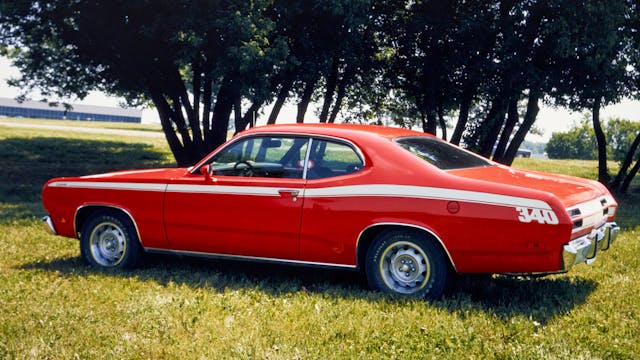
Based on the A-Body along with the Valiant and Dodge Dart, Plymouth’s Duster offered the Mopar faithful a sporty, compact car on a budget. Much like its market competitors (Chevy Nova, Ford Maverick, AMC Hornet), Dusters could be had with everything from a fuel-sipping six-cylinders to fire-breathing V-8s, along with some truly outrageous graphics packages. A Duster 340 making 275hp was king of the hill for this series, eventually being replaced by a more moderately rated Duster 360, choked down by smog regulations and lower compression. Like the Mopars of today, a dizzying number of different packages were available, from the Gold Duster and Space Duster to the efficiency-minded Feather Duster.

This spring, Dusters performed exceptionally well, racking up big gains in public sales, listings and insurance quotes. Standard 318-powered cars can still be had cheaply, and $18,000-$20,000 usd / $24,640 cad- $27,380 cad (via exchange rate at time of posting) will land you a good (#3) condition car. The spicier 340-powered cars will reach into the $30,000 usd- $41,060 cad range, which is still a lot of muscle for the money, but an average increase of 32% is shocking for a 50-plus-year-old car from a brand that’s been dead for nearly 25.

So, what gives? Why the sudden jump?

Well, for one, cheaper cars are still performing well, and even though the majority of muscle cars are softening in value, they’re still inexpensive fun. Our theory, though, is pop culture. Around the time Duster prices started climbing, a new crime series debuted on Max. The name of the show, funny enough, is Duster, and it prominently features a Duster 340. Coincidence? Perhaps, but we’ve seen this phenomenon before. As an honorable mention, the sibling Dodge Dart also experienced a bump, but at a more modest 17% average gain. You can bet that Dusters will be a car to watch for a while, strong sales usually bring more and more quality examples to market, offering further insights into this unexpected jump.

2024 Porsche 911 S/T
Porsche 911 ST heritage appearance package
Porsche

Average increase: +25%

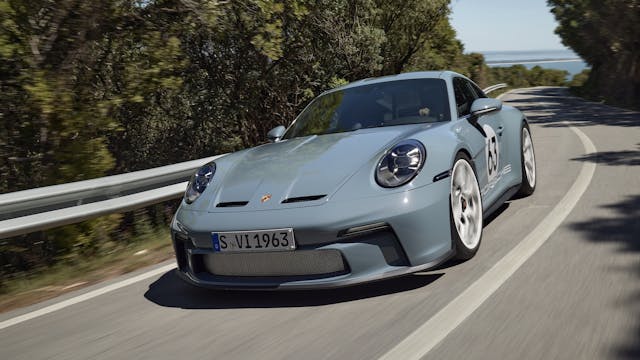
Yes it’s exclusive and yes it’s expensive, so it’s probably easy to tune out and move on, but hear me out. The S/T is not just some badge-engineered 911 that Porsche overcharged for. It’s an obsessively lightened 911 with the high-revving engine out of the GT3, and it’s actually both quicker and lighter than a GT3. It’s more exclusive as well, with just 1960 cars produced worldwide. Not necessarily rare, but you’re gonna have to work to stumble across one. Ultimately, if you’re a Porsche fan with the money, this is a car to have.

Just as impressive as the raw performance is the market performance. The standard MSRP last year was $292,000 usd – $399,689 cad without optional extras, and that’s if you could manage to secure an allocation from your local dealer. The market for these cars is simple supply and demand. Porsche made them just scarce enough that buyers are willing to shell out major money. Public transactions have shown that buyers are willing to pay $700,000 usd- $958,160 cad or more to get their hands on one. The case of the 911 S/T also shows the world that there is still an appetite for cars geared towards hyper-enthusiasts; they want performance-focused cars, and they want them with a manual transmission. More companies should get the hint. While most of us will never afford something like a 911 S/T, or perhaps wouldn’t care to own one if we could, the insane enthusiast response to it may be the wake up call to all manufacturers to start making cars we actually want.

1979-94 Saab 900
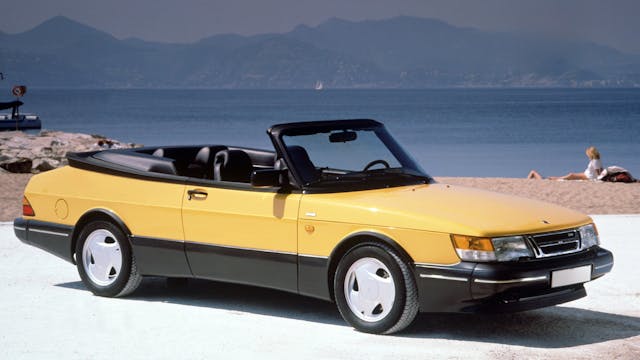
Saab-900-Turbo-Cabriolet-front-three-quarter-yellow
Saab

Average increase: +20%

This sweet Swede is one rad ride. I know because I have owned and enjoyed three Saab 900 cars over the years including a beauty 5 speed with moonroof which I regret selling to this day. If Saab does anything well, it’s coming up with something truly unique. This company, which is also well-known for its aeronautical division, does an exceptional job of combining practicality and safety along with a dash of the sportiness of a Saab 37 Viggen fighter jet. This mid-size automobile came in standard commuter trim, but a warmed-over Turbo and SPG version could be had to satiate the hot hatch enthusiasts.

The Saab might be a bit of an oddity or a cult vehicle here in the states, but it does carry strong enthusiast interest. It is really everything that embodies the coolness and nostalgia of the 1980s and 1990s, and they’re generally affordable. Even with the strong percentage increase, a base 900 can be scored for under $10,000 usd- $13,690 cad in good condition, while a Turbo can be picked up in the mid-teens. If you’re after the more taut and sporty SPG, be prepared to shell out around $26,000 usd- $35,590 cad for a decent one. If you’re after a fun and funky car from the ’80s, the 900 is worth a look, and with market activity picking up, more may be coming out of the woodwork. Fortunately they remain relatively affordable, just not as dirt cheap as they used to be.

1978-87 Subaru Brat
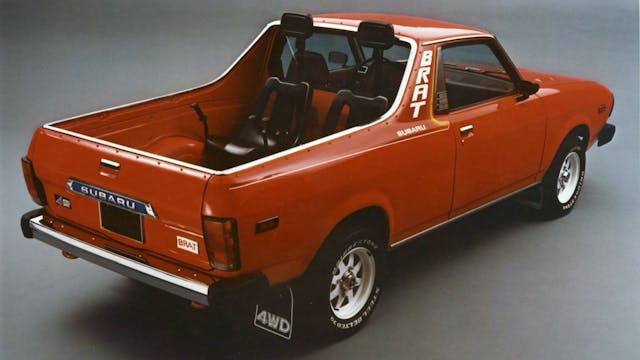
Subaru Brat studio rear three quarter
Subaru

Average increase: +18%

Subaru’s Bi-drive Recreational All-terrain Transporter, or Brat, was one of many small Japanese trucks coming into the US in the 70s and 80s. Except it wasn’t a truck, technically, but we’ll cover that in a minute. Based on a car chassis, much like the Ranchero or El Camino, it was small yet capable, featuring a single-range four-wheel drive system, not far removed from the all-wheel drive setup for which Subaru is so well regarded today. Where things go off the rails a bit is when you look in the truck bed. Like I said, it’s a truck, but not technically. In the back, there is a pair of jump seats affixed to the back, which in the legal sense made the Brat a car. This was a workaround from the U.S. tariff scheme, which taxed imported cars at a rate of 2.5% instead of the 25% for trucks.

These are funky vehicles that could only have existed in the 1980s, when Japanese manufacturers were trying everything. They’re incredibly well loved around the world and are seeing an uptick in popularity here in the U.S. They’re still moderately affordable; a good example will fetch nearly $20,000 usd- $27,380 cad these days, but due to recent transactions, that’s up noticeably from the recent past. While not as commonly seen as other Japanese trucks of the era, these things are cool as hell and certainly a conversation starter, so we expect interest will stay strong.

1973-91 Chevrolet/GMC Suburban
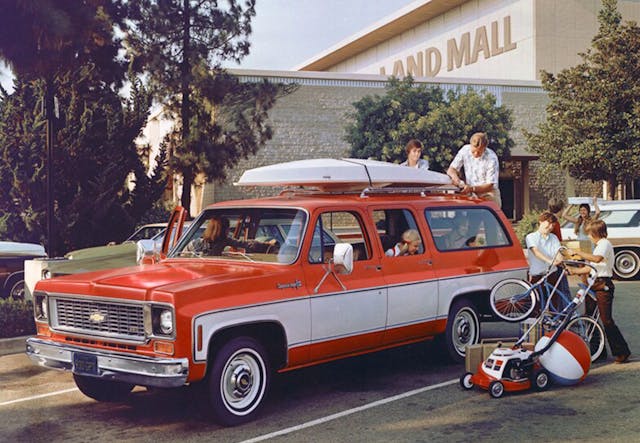
1974 Chevy Suburban front three-quarter
GM

Average increase: +12%

North America’s longest serving nameplate is still the mighty Suburban, lasting an astonishing 90-years, and counting.

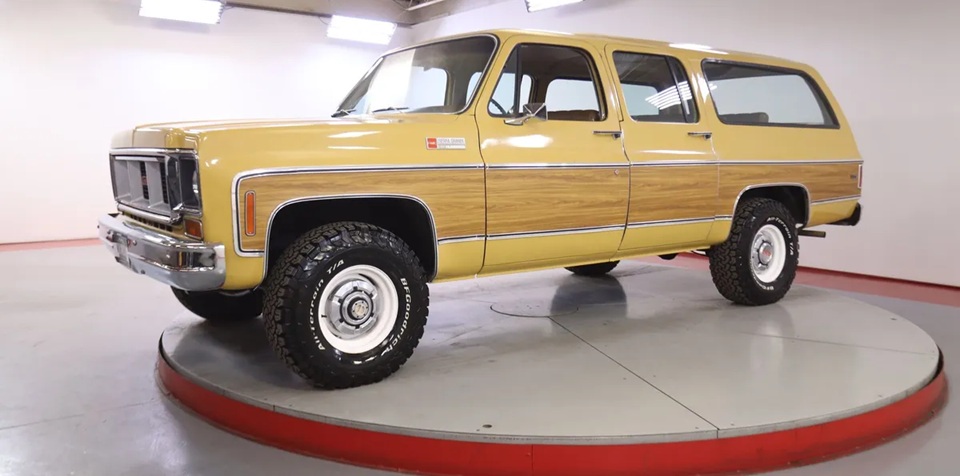
It began as a truck-based station wagon in the 1930s, but the Suburban we know and love today saw its roots planted in 1973. The update to GM’s truck line, known by enthusiasts today as the “square body” saw the Suburban go from a three-door to four-door for better passenger accessibility, and it dripped in creature comforts missing from previous models. Better sound deadening, cushy seats and multiple trim levels evolved the Suburban from a utilitarian people hauler to more of a luxury truck. This design stuck around until 1991, when GM added the Suburban and Blazer to the GMT400 line. The rest, as they say, is history. Suburbans would become more and more cushy (and expensive), making them somewhat of a discreet status symbol today.

The 1973-91 Suburban is a sweet spot for enthusiasts; they’re plentiful compared to earlier series, parts are easy to come by, and they are extremely usable. They’re also still pretty affordable compared to the pickups and Blazers from the same era. A good condition Suburban can be scored for under $20,000 usd-$27,380 cad , even for the 4×4 versions. We’ve observed an uptick in sales and market activity with these trucks, and combined with our quote data suggesting that Suburban owners are averaging on the younger side, this could be a strong indicator that this bump in value will stick or even grow over time.

For the Silo, Jarrod Barker courtesy of friends at Hagerty Insurance.
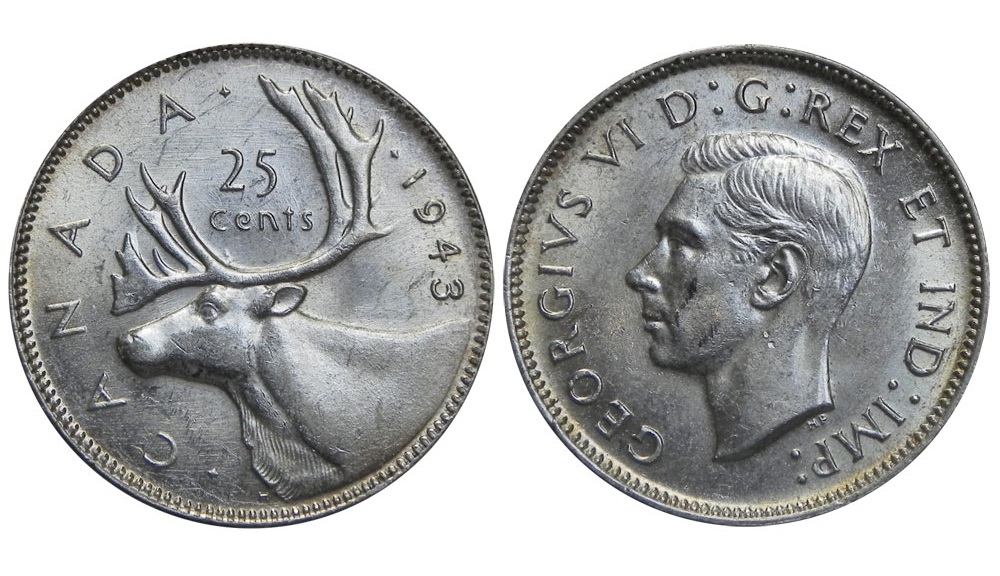
Where To Sell Your Old Coins In Toronto

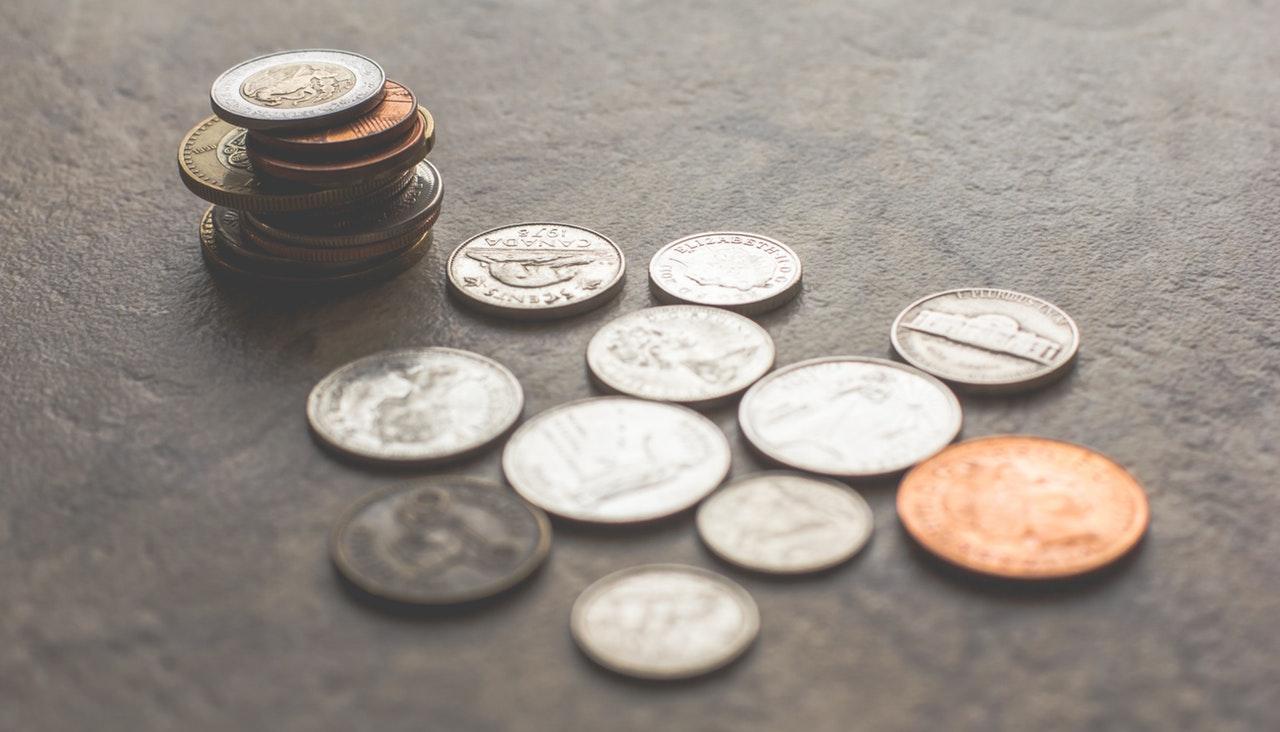
C:\Users\Renae\Downloads\amount-blur-change-1006060.jpg

There could be a number of reasons why you are looking to sell coins in Toronto. Maybe you inherited a whole bunch and you aren’t quite sure what to do with them – or maybe you are collector and want to sell off a few for a bit of extra money. You could also be someone who found a stash of old coins at home and are wondering if any are rare and can be worth something.

In either case, it’s important that you go to a trusted source that can ensure you are getting the right value for your coins. If you visit Muzeum.ca/pages/coins you will see that they offer free evaluations by experts who can tell you if you have something worthwhile on your hands.

What They Buy

This Toronto storefront of the famous Great Canadian Roadshow will buy Canadian and American coins, but because of their large network of collectors they are able to take any kind of gold or silver coin off your hands.

Gold Coins

  • Worldwide from any nation (Austrian, Mexican, etc.)
  • American – Gold Eagle, Liberty Head, Indian Head
  • Olympic
  • Centennial
  • Royal Canadian Mint

Silver Coins

  • Worldwide from any nation (Austrian, Mexican, etc.)
  • Canadian dated 1968 and Earlier
  • American dated 1964 and Earlier
    • JFK Half Dollars 1969 and Earlier
  • British Coins dated 1946 and Earlier 

They will also buy numismatic, commemorative, proof, and uncirculated coins.

What Makes a Coin Valuable?

There are a number of factors that go into what makes coinage valuable – precious metal content being one of them. If coinage is made of gold or silver it will be worth money purely based on the fact that it is made of precious metals.

Typically, Canadian and American coins from the mid-1960s and earlier were made of silver, making them more valuable than coinage dated later. This is because after the Great Depression it became harder to make coins out of silver, so they began to make them out of bronze, copper, and/or steel.

But even then some coins like the Canadian 1948 silver dollar (dubbed the “King of Canadian Silver Dollars”) can be worth a lot of money simply because so few of them were minted. In fact, though 18,780 coins were minted only a few are said to have survived. Therefore, rarity is another determining factor of coinage value.

Another factor is the design of the coin and whether or not there were any errors in its production. Take, for instance, the 1906 Canada “Small Crown” Quarter where the crown was printed in error with a smaller crown than what it should have. These few misprints can be worth almost $1,000.

Finally, coinage maintains its value when it is well taken care of. A scale of 1 to 70 is used to determine the grade of a coin. Mint condition, uncirculated, or dated coinage is usually rated between 65 and 70.

Only One Way to Be Sure

After all is said and done, the only way you can tell for sure how much your coins might be worth is by taking them in to get evaluated. An expert will be able to check whether your items are authentic based on multiple factors including weight, precious metals, design, and minting.

Real Meteorite Part Of New Royal Canadian Mint Coin

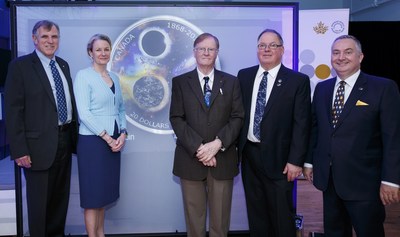
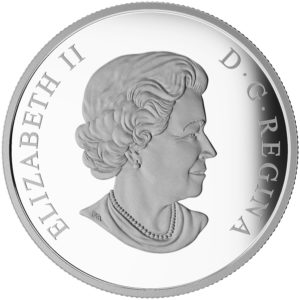
TORONTO, June, 2018 /CNW/ – The Royal Canadian Mint has created a truly out-of-this-world collectible by adding a genuine meteorite fragment to limited edition silver coins marking the 150th anniversary of the Royal Astronomical Society of Canada.  This vividly illustrated coin, unveiled at a special ceremony in Toronto attended by RASC officials and former Canadian astronaut Dave Williams.  It is available for purchase as of today.

“One hundred and fifty years of research, education and discovery by the Royal Astronomical Society of Canada is an engaging story to share with Canadians,” said Sandra Hanington, President and CEO of the Royal Canadian Mint.  “It is only fitting that RASC’s many scientific achievements be recognized on a vividly coloured coin, which breaks barriers of its own by featuring a shard of a real meteorite.”

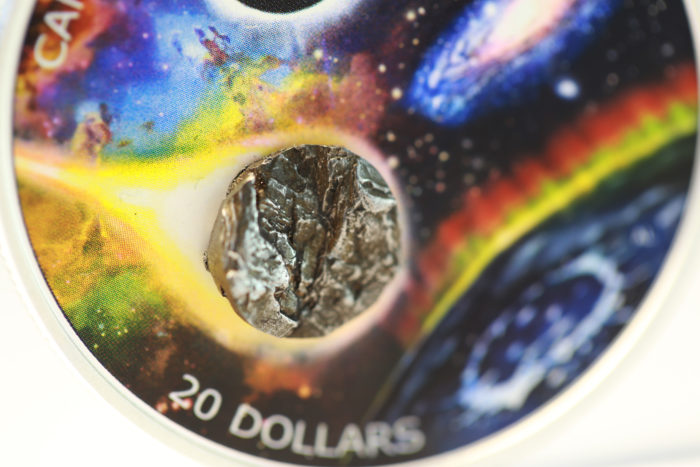
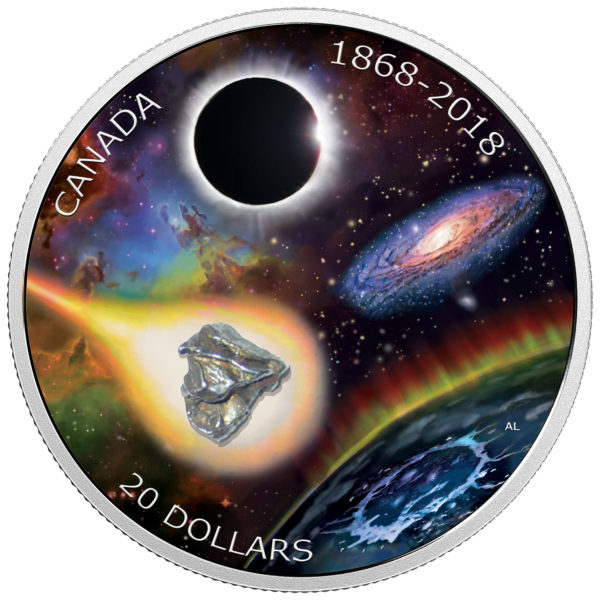
Designed by Canadian artist Alexandra Lefort, the reverse design of this coin features a deep space vista enhanced by engraved textural details and full colour.  Prominent design elements include the Eagle Nebula and its pillars of interstellar gas and dust, which are known as the Pillars of Creation. Also featured are the Moon, the Andromeda Galaxy (nearest to our own) and a blazing meteorite, enhanced by a genuine iron meteorite fragment from the Campo del Cielo meteorite field.

Canada Meteorite Coin

“The RSAC is excited to be celebrating our 150th anniversary with the issuance of a coin that symbolically depicts the important contributions of Canadian astronomers,” said Randy Attwood, executive director of the Royal Astronomical Society of Canada.

The 2018 $20 Fine Silver Coin – 150th Anniversary of the Royal Astronomical Society of Canada has a limited mintage of 5,500 and retails for $149.95CDN. It can be ordered by contacting the Mint at 1-800-267-1871 in Canada, 1-800-268-6468 in the US, or online at www.mint.ca. Please mention The Silo when calling. The coin will also soon be available at the Royal Canadian Mint’s boutiques in Ottawa and Winnipeg, as well as through the Mint’s global network of dealers and distributors, including participating Canada Post outlets.

Canada Meteorite Coin Reverse

About the Royal Canadian Mint
The Royal Canadian Mint is the Crown corporation responsible for the minting and distribution of Canada’s circulation coins. An ISO 9001 certified company the Mint is recognized as one of the largest and most versatile mints in the world, offering a wide range of specialized, high quality coinage products and related services on an international scale. For more information on the Mint, its products and services, visit. www.mint.ca

Writer Releasing Video Arcade Game Dragon’s Lair Book

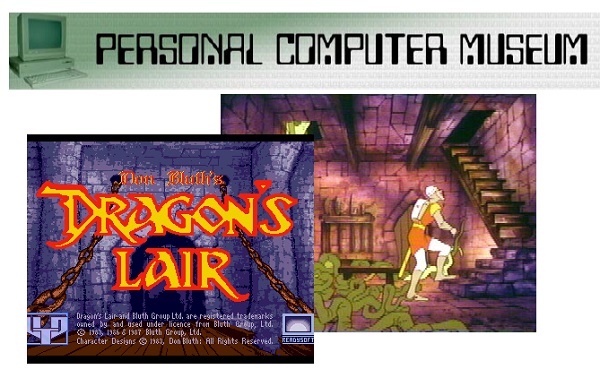
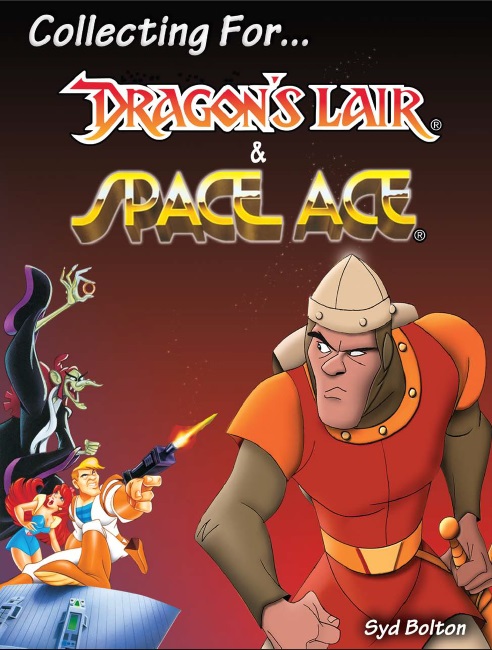
Collecting for Dragons Lair and Space AceBrantford, ON. The Personal Computer Museum is publishing a brand new book called “Collecting for Dragon’s Lair and Space Ace” (ISBN 978-1490383583) that covers two of the most loved LaserDisc video games ever made. Dragon’s Lair officially turned 30 years old on June 19, 2013.

Written by Syd Bolton, who (according to the CBC) has the largest collection of video games in Canada.

Collecting for Dragon’s Lair and Space Ace not only chronicles the hundreds of home releases of games, clothing, collectible merchandise, magazines, toys and more, but also includes an incredible amount of behind-the-scenes information on the development of the games which continue to see home releases right up until this year.

“Along with an introduction that’ll likely slap a nostalgic smile across your face, Syd Bolton has exhaustively aggregated and annotated virtually every Dragon’s Lair and Space Ace video game and merchandise known to modern man” says Marc Saltzman, syndicated gaming and technology columnist, author, TV and radio show host. “While it’s a specialist’s book, game enthusiasts, retro fans, and old folks will find it a fun read” says Steven Kent, noted video game historian and author of “The Ultimate History of Video Games”.

The book will ship next week (July 24, 2013) and can be ordered through the website

www.collectingfor.com, which will contain support materials for the book shortly. The book will also be available on Amazon.com next week. It is 170 pages, 8.5″x11″, full color and perfect bound.

Dragon’s Lair recently celebrated its 30th anniversary and was the first fully animated LaserDisc video game. It generated millions in sales and revived, for a short time, the ailing arcade industry. The follow-up, Space Ace, was released in the Spring of 1984. Unfortunately, the arcade business continued to decline. Both games have been available for home computers and game consoles since 1984 spanning hundreds of releases and also spawned many related items.


Interest in the franchise has continued to this day and there is even a new documentary film “Inside the Dragon’s Lair” in the works which is expected to release in 2014. For the Silo, by Syd Bolton. 


Canadian Penny May Bring $250,000 US At Auction

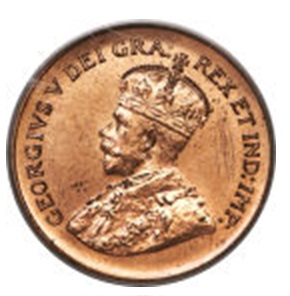
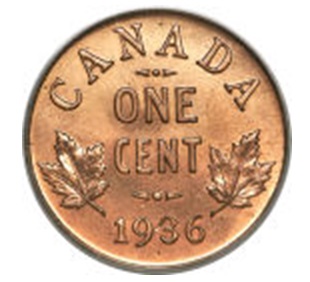
The legendary Pittman-Krause     1936 Canadian Dot Cent, the most famous coin in Canadian  numismatics and one of just three known — and indeed one of the most famous  coins in the world — is expected to bring more than $250,000 when it  crosses the auction block as the feature lot in Heritage Auctions’ April 18-23 CICF World &     Ancient Coins Signature® Auction at the Crowne Plaza Hotel in  Rosemont, IL.

“We presented the Pittman-Krause Dot Cent nine years ago  and are now ready to help write a new chapter for this famous coin,”     said Warren Tucker, Vice President of World Coins at Heritage. “It’s being offered as part of the excellent Nikita Collection of Canadian Coins, where it went after Heritage auctioned it off from The Chet Krause Collection in 2004.”

The George V 1936 Dot Cent,     KM28, MS63 Red PCGS, Ex: John Jay Pittman Collection, as it is known by its full name, is far and away the most famous of the three known Dot cents, having been stolen from the Pittman home in 1964 and later returned (with scratches in the right obverse field) in an envelope with other coins.


dotpenny2


While the Dot Cent is the star of the auction, collectors will find international numismatic treasures from all over the world, and from across the epochs, to satisfy most every collecting taste.

“Our CICF auction has become quite an extraordinary  event, with a broad range of numismatic interests, in a relatively short  amount of time,” said Cristiano Bierrenbach, Vice President of  International Numismatics at Heritage, “due to the hard work of the team at Heritage, the foresight of our consignors and the enthusiasm of  collectors. From Goetz medal dies, to Ancients, European, Latin America and  beyond, this auction offers more than 5,800 lots that will appeal to every  taste in the hobby.”

[ read more » ]

This auction is open for bidding now at www.HA.com/coins.