Did you know that the majority of Ontario Wasaga beaches are no longer protected, including critical piping plover habitat? That’s because the Ontario government recently removed Wasaga’s beaches from the Provincial Park and are giving them to the municipality despite fierce opposition from Ontarians, including many of you.
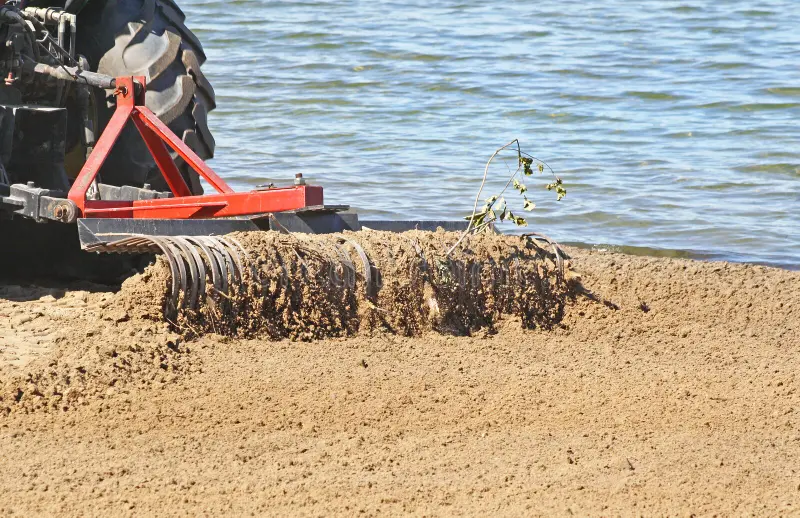
Wasaga’s beaches are the birthplace of 70 percent of all Ontario-fledged piping plovers that have survived to adulthood since the species returned to Ontario in 2007. This irreplaceable habitat is now at immediate risk from destructive mechanical beach and sand dune raking planned by the Town Council for as soon as this spring.
Emergency Order
Although Wasaga’s beaches are no longer in a Provincial Park, there is still a way to protect the piping plover. The Federal government can and should issue an Emergency Order under the Species at Risk Act to protect this endangered shorebird from the destruction of the places where it eats and raises its young.
While this solution seems obvious, ensuring the Federal government does the right thing is not guaranteed. That’s why we urgently need your help. We want to launch a comprehensive public awareness campaign to mobilize Ontarians to push the federal government to fulfill its responsibility and protect Wasaga’s critical piping plover habitat. Will you help us?
Mechanical Raking Of Beaches
Time is running out. The Town of Wasaga Beach has already purchased mechanical raking equipment and announced a development plan that would bring beach clearing and raking to known piping plover nesting and feeding sites.
Mechanical beach raking destroys the natural debris piping plovers need to nest, forage, and hide from predators. Evidence from other Ontario beaches shows that once raking occurs, plovers often fail to return. With only three other active breeding sites left in Ontario, the loss of Wasaga would be catastrophic.
Environmental Defence has successfully fought and saved the homes of this bird before. After years of advocacy, we stopped the illegal bulldozing of piping plover habitat at Saugeen Beach (formerly known as Sauble Beach), and we will use our experience to fight the habitat destruction now threatening Wasaga. We know that only the immediate action of the federal government stands between the loss and the survival of the endangered piping plover on Wasaga’s beaches. The time for action is now.
Tourism Balance Can Be Established
The Town of Wasaga Beach is, and can continue to be, both a thriving home for endangered piping plovers and a world-class tourism destination. Together, we must demand that the federal government issue an Emergency Act under the Species at Risk Act and prevent the irreversible loss of Wasaga’s piping plover habitat. We hope we can count on your support by clicking here.
A lot has been said, lately, about the increased activity and severity of storm systems around the World in the last 30 years.. Most will tell you it is because of the increased amount of Carbon Dioxide in the atmosphere, some would even hazard the aberrations are caused by deities seeking retribution for our collective sins…
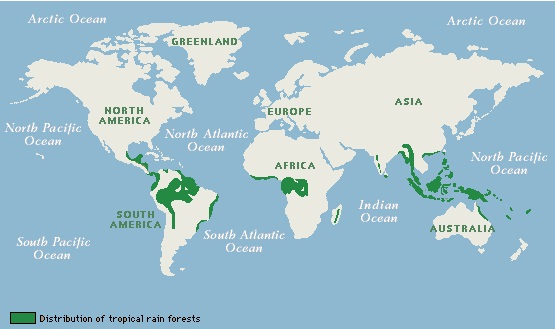
But the truth is, the balance maintained for millions of years in the weather patterns of this planet have been dented, impacted, and thrown off kilter by our own change of tastes.. The larger homes of today’s tastes often include “Exotic Hardwood” floors from non-domestic species imported from third World countries, just trying to make a dime from their only primary crop,.. timber.. Another reason for the felling of trees was to create farmland for the Third World’s bulging populations.. This has led to the clear-cutting of massive stands of Equatorial Forests on the order of hundreds of square miles, of of these massive trees, at a time..
One must consider the impact of this act.. The average large tree, in North America, has the cooling effect of 15 room-size air conditioners… The average large tree in the Amazon or Indonesian Archipelago can has the cooling effect of 100 or more air conditioners…
To demonstrate the physics, 1 pound of water, heated to increase the temperature one degree Fahrenheit, would take 1 BTU of energy… This is an even measurement throughout the change from a solid (ice) to a gas (steam), or, 212 degrees, Fahrenheit, OR, 180 BTU.. The amount of energy necessary to change the state of that 1 pound of water to steam, is 965 BTU… If you can imagine that an average North American tree can evaporate 30 gallons of water, an hour, or, remove 231,600 BTU’s per hour of heat energy from the atmosphere, and, an an average Equatorial Forest tree can remove as much as 180 gallons of water per hour, or, 1,389,600 BTU per hour.., THEN, you can imagine the effect of the removal of a Million of these trees on the stability of the moderation in the balancing of storm systems that these important Equatorial Forests have…
The loss of this amount of Equatorial Forest has had a devastating affect on the World’s weather systems over the last 25 years
Storms, particularly in Europe and the U.S., have been dramatically more severe… One never, ever, heard of a thunderstorm in Europe, some 30 years ago, packing winds of up to 125 miles per hour.. Now, they are almost a common occurrence.. One storm, in the South of France, in the Autumn of 1997, destroyed a forest of ancient oak and ash trees that were planted by workers under the auspices of King Louis the thirteenth..
Though a large part of the felled trees were salvaged by sawyers cutting board stock out of the logs, the forest was destroyed, and, only lately replanting efforts have made an impact on the landscape…
“WE are known by our acts, but suffer, our choices..”