Tag Archives: Carrera

The Inimitable Mezger Engine

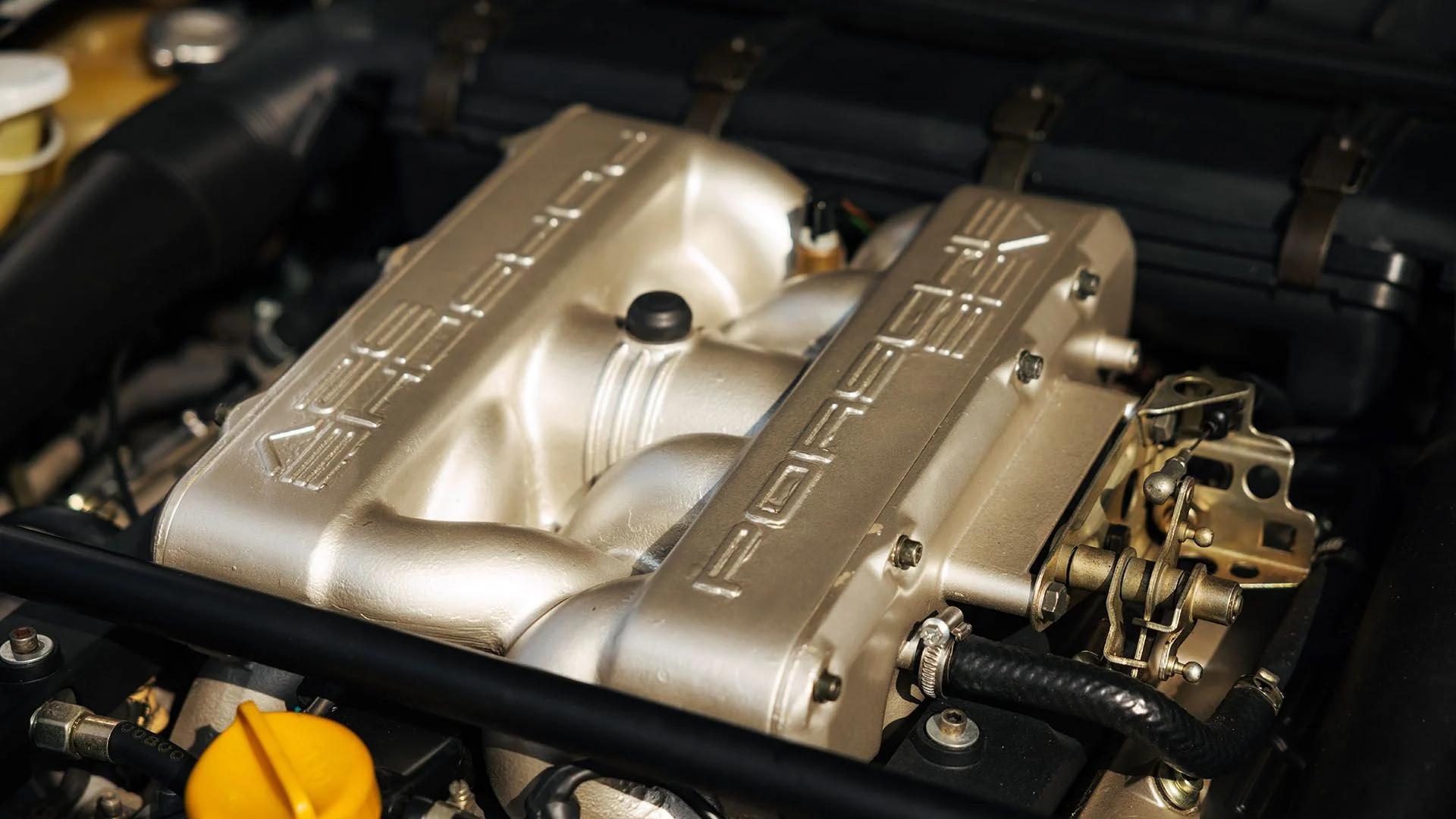
Take it from our friends at rennlist, Porsche has built some truly remarkable engines over the years. The air-cooled 911/83 engine that powered the 1973 911 2.7L Carrera RS is just one example. But if you were asked to go on and list the ten all-time greatest Porsche engines there is a good chance the list would be dominated by various Mezger engines.

The 12-cylinder found in the Le Mans-winning Porsche 917? That’s a Mezger. The 3.6L flat six in the 996 GT3? That’s a Mezger. The 4.0L in the 997 GT3 RS 4.0? That’s a Mezger.

How about going all the way back to the original 901/911 engine? Yup, that’s a Mezger.

But what is a Mezger engine, and why are they so special? That is what we are going to discuss here today. We have come up with 9 reasons why the Mezger engine is so special. And there is no other place to begin the discussion than the legendary man behind these engines, Hans Mezger.
1. Hans Mezger

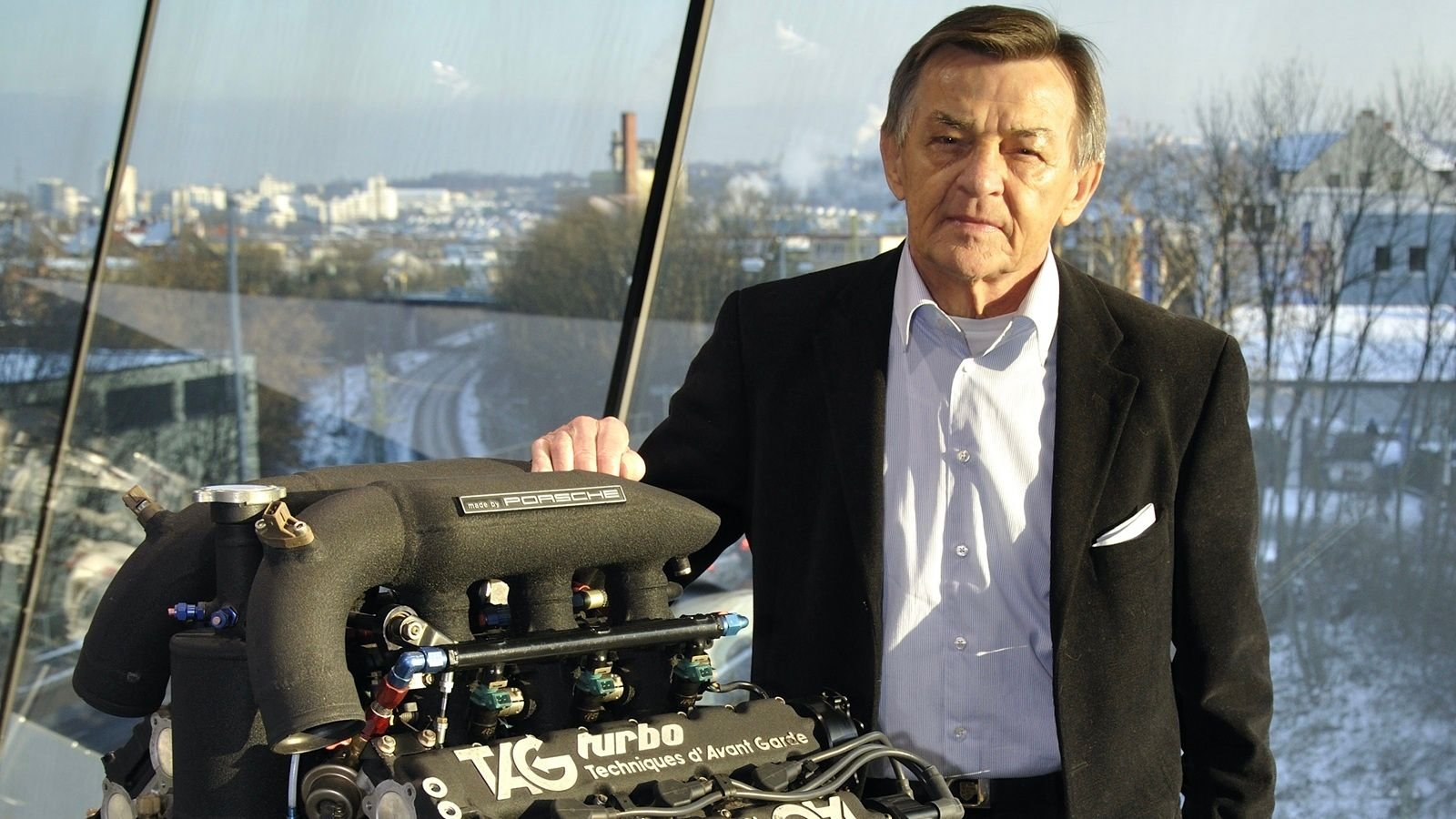
A single slide can in no way capture all that the legendary Hans Mezger accomplished. He joined Porsche back in October of 1956. He loved Porsche sports cars, but his first job was working on diesel engine development. In 1960, he began to work on the type 753 flat-eight engine for Porsche’s first Formula 1 car. Soon after he designed the 6-cylinder boxer engine for the 901/911. He was then promoted to the head of race car design. He was responsible for the 917 and the 12-cylinder engine that powered it to Porsche’s first Le Mans victory in 1970. He then was responsible for the turbocharged 917/10 and 917/30 cars that dominated Can Am. He designed and developed the six-cylinder turbo engines for the Type 935 and 936 race cars.

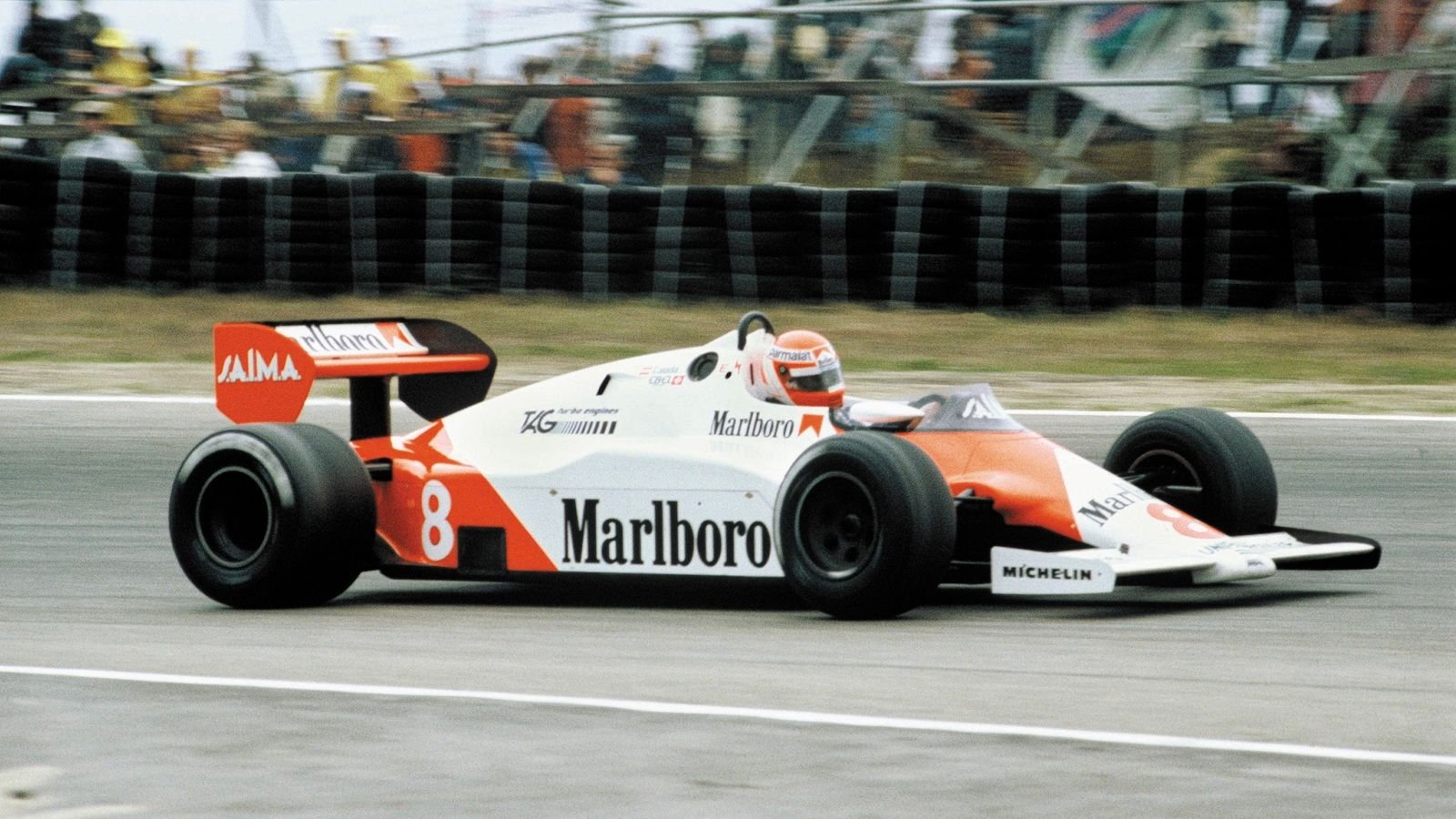
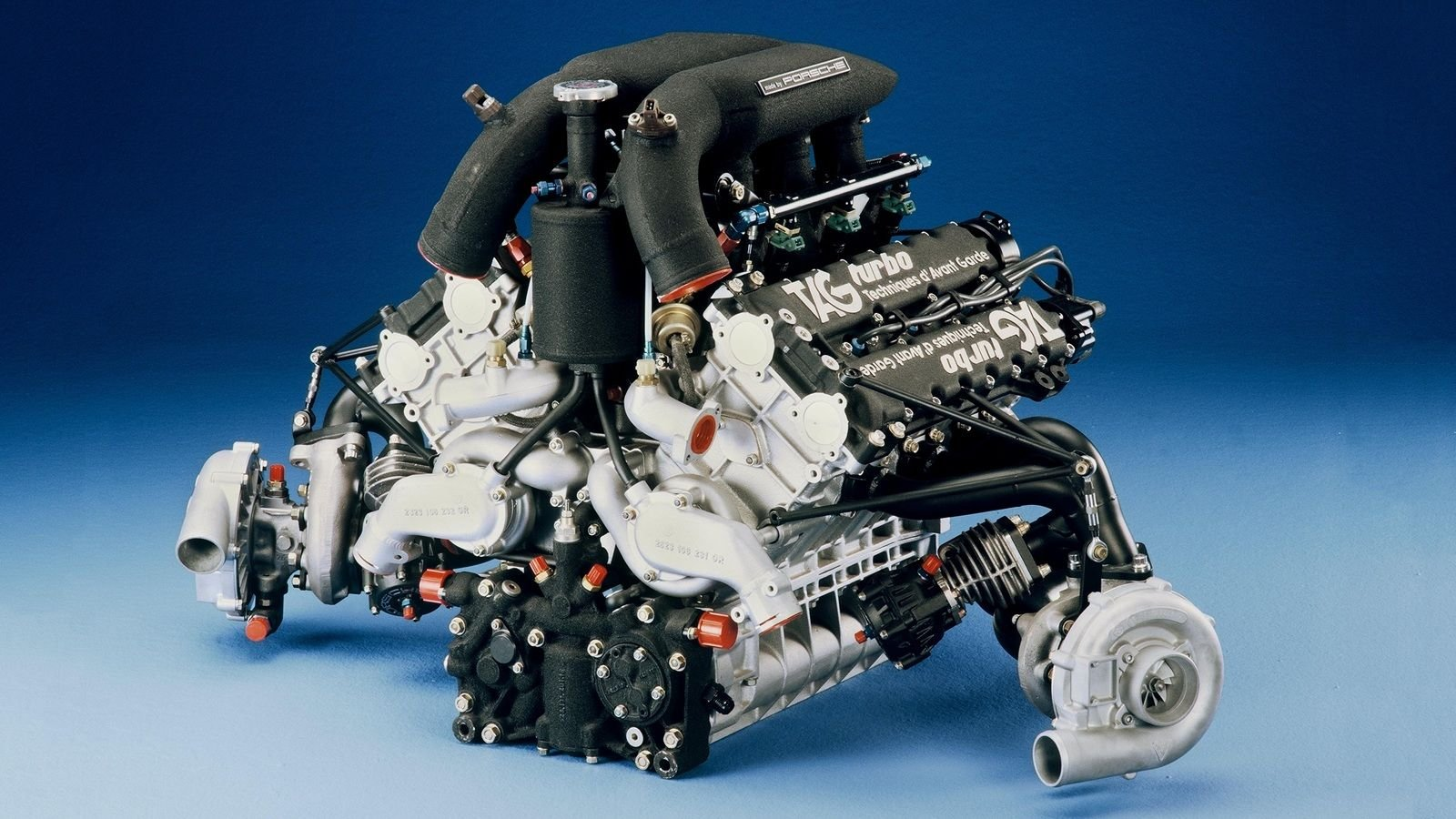
Mezger designed the 1.5L V6 engine known as the TAG Turbo that powered the McLaren Formula 1 cars to championships in 1984, 1985 and 1986. His engines would eventually be found in the most performance-oriented Porsche road cars such as the 996 GT3, GT2 and Turbo. Mezger remained closely connected with the Porsche brand until he passed away on June 10, 2020, at the age of 90.
2. Motorsport Pedigree

Mezger built engines for the most demanding races in the world. His engines that were put into Porsche road cars have the same engineering approach. These engines are designed for long-term high performance. They are essentially overbuilt for road use. These engines were not designed to meet a certain price point. They were designed to provide the best performance. There were no corners cut with any Mezger engine.
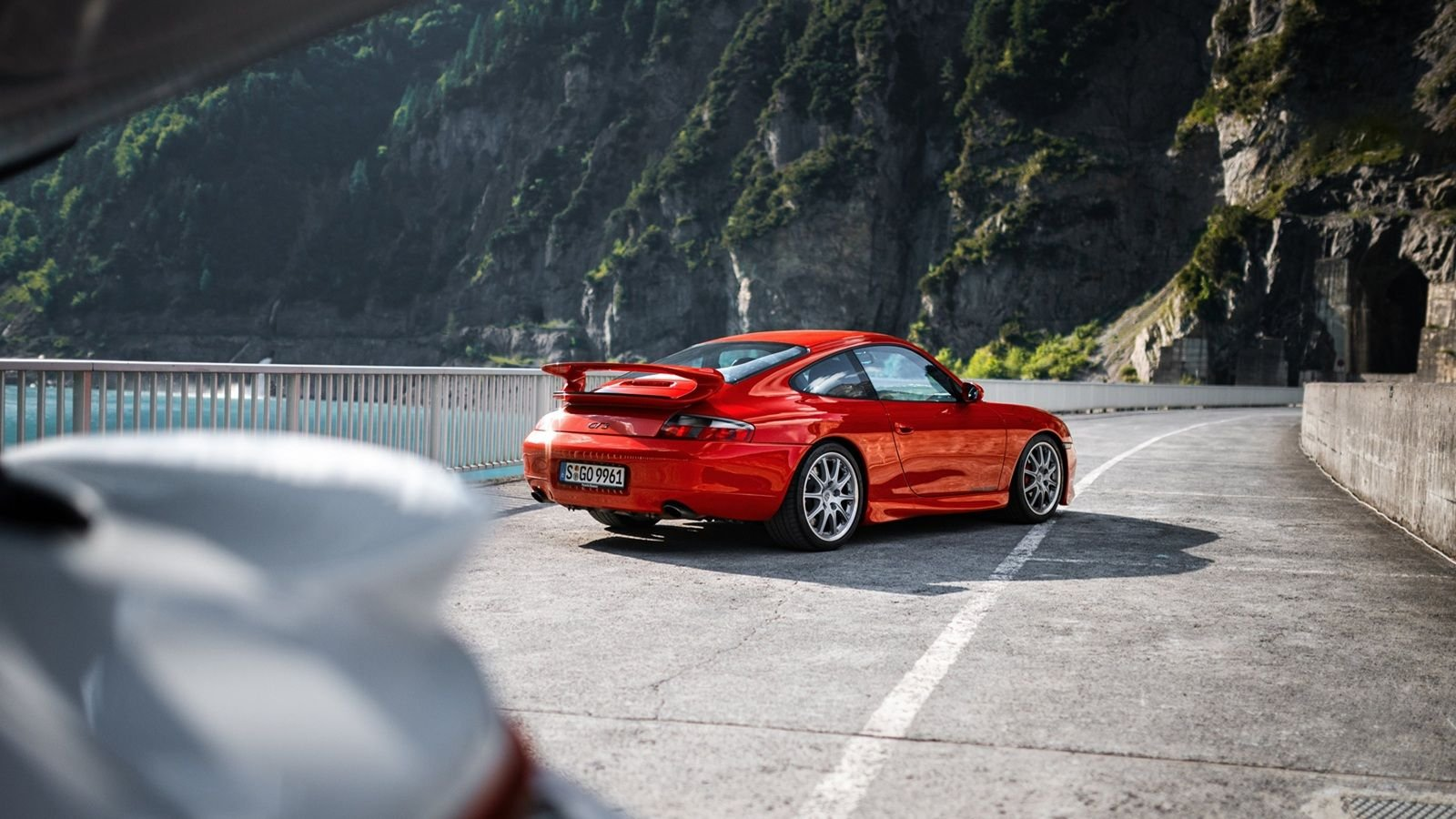
3. Birth of the GT3

Many people view the 911 GT3 models as the pinnacle of the 911 range. One of the main reasons why is because of the track-focused, high-revving flat-six engine out back. It all started with the M96.79 engine found in the 996 GT3. The European market got the GT3 a few years before us and had the M96.76 engine, but the point is the same. The GT3 legend began in large part because of the incredible engine that powered it. This dry sump engine could rev to 8,200 rpm all day long. The engine was derived from the Porsche 911 GT1-9,8 which happened to win a little race called the 24 Hours of Le Mans. The street version of this engine is nearly bulletproof,f and the GT3 legend was born.
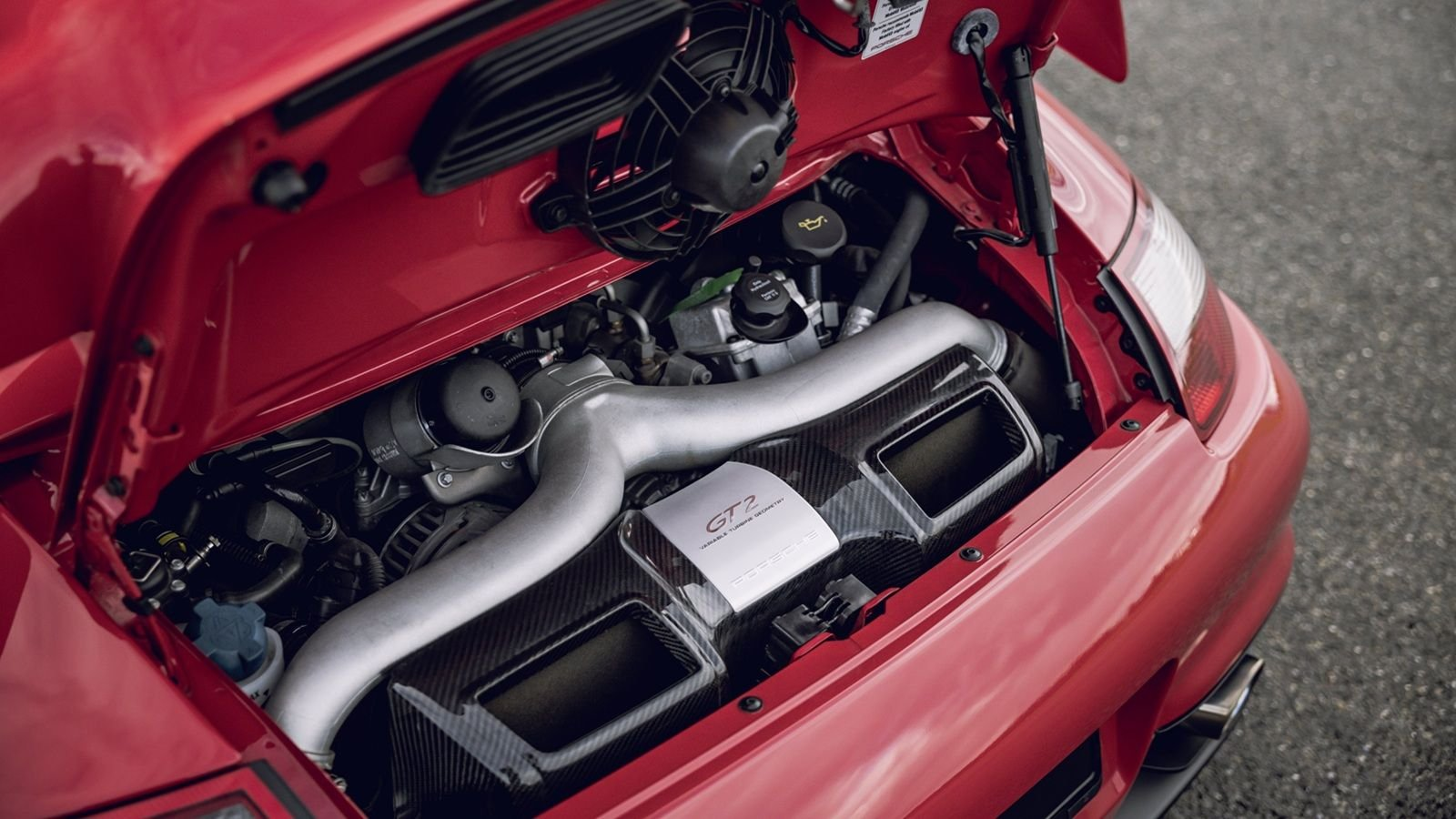
4. Turbocharged Versions

If the GT3 was just not powerful enough for you, Porsche had a solution. The GT2 and Turbo also used Mezger engines, but with a pair of turbochargers. They are not as high-revving as the normally aspirated units, but they offer more power and a lot more torque. And these engines are just as reliable.
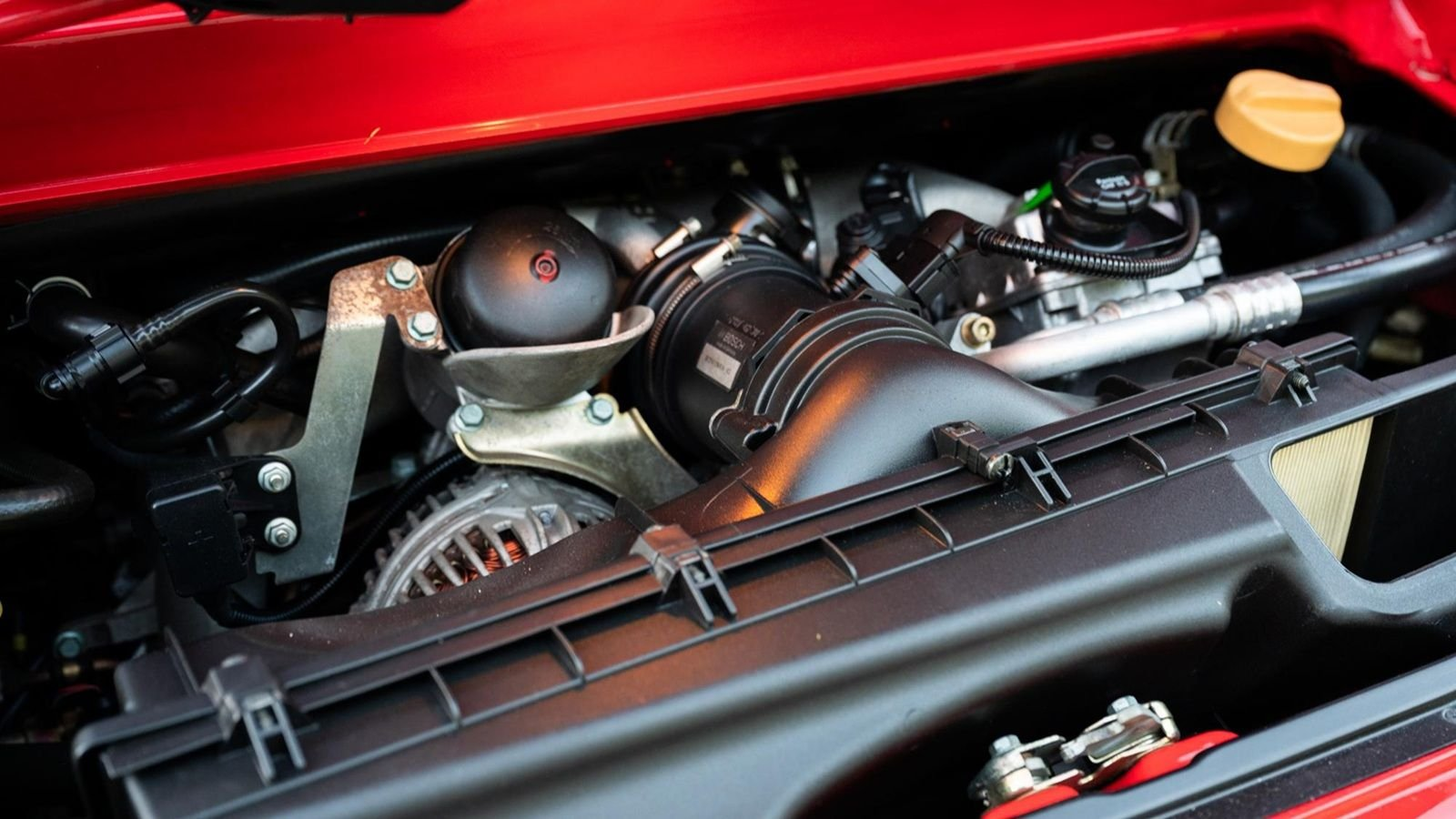
5. Reliability

The Mezger engines are not just more powerful but also more reliable. The knock on the M96 and M97 engine series has long been the IMS bearing. But the Mezger versions don’t have the same design. Instead, they use plain bearings that are pressure-fed engine oil for lubrication. These bearings don’t fail. That alone makes the Mezger significantly more reliable.

6. Sound

Even if these engines were not more durable and powerful, people would buy them for their sound alone. It is not just their high-revving nature in naturally aspirated form. But the design of the engine itself, with features such as dual timing chains that give these engines a more characterful sound. They are more gravely and “motorsporty” sounding than the non-Mezger engines.
7. Power Upgrades

These engines were overbuilt and as such, are typically able to comfortably handle more power if you want to modify them. The turbo versions can easily be tuned to reliably make more power. Of course, every engine has its limitations, but the Mezger engine is robust enough to make more power without hurting reliability.
8. The 997 GT3 RS 4.0

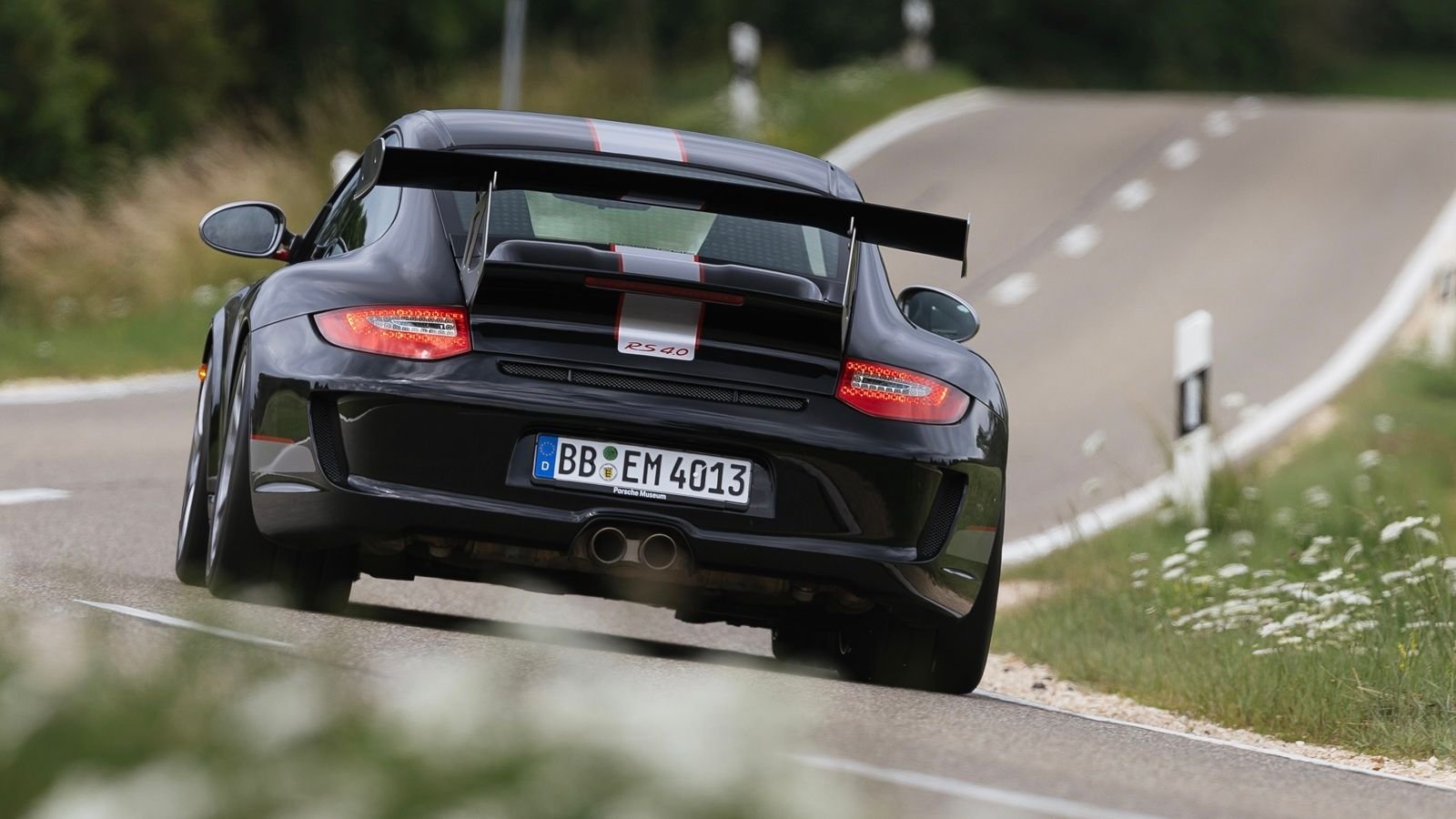
Many people consider the 997 GT3 RS 4.0 to be the best Porsche 911 road car of all time. It just so happens to be equipped with the last Mezger engine. A 4.0L jewel making nearly 500 naturally aspirated horsepower. The engine revs to 8,500 rpm and has more character in it than an entire truckload of new 992.2 Carreras. The 4.0L marked the end of an era. It is the last and possibly the best road-going Mezger engine ever produced.

9. Rarity and Desirability

Not every Porsche got a Mezger engine. Technically, all the air-cooled 911s have a Mezger-designed engine, but they have been out of production for over a quarter of a century now. Only a small percentage of water-cooled Porsche engines were a Mezger design. And Porsche is not building any more of them. So, what is out there today is all that will ever be out there. These engines are found in the most desirable Porsche models, and these cars are collectible today and will continue to be collectible for the foreseeable future. If you buy a Porsche with a Mezger engine today, the chances are good that it will be worth the same or even more tomorrow. For the Silo, Joe Kucinski.

Images: Porsche

>>Join the conversation about the Mezgar engine right here via our friends at Rennlist.com.
An Ultimate 1980s Porsche: Clubsport 928

Lot 106 | The Porsche Auction in partnership with Air|Water | Auction Estimate: $275,000 usd – $375,000 usd/ $378,000 cad- $516,000 cad

INQUIRE

Ahh the 1980s. What a time to have lived through….when the panache of the laid back 1970s transformed into an MTV generation that fueled itself with (briefly) New Coke, parachute pants, Mr. T and Miami Vice. You may already know about “the car”- the one that taught Tom Cruise how to drive a stick and made famous the line “Porsche, there is no substitute”, but as the decade closed and styles began to change so too did the vastly misunderstood yet gorgeous 928.

Enter the 1989 Clubsport

For Sale 1989 Porsche 928 Club Sport

For Sale 1989 Porsche 928 Club Sport

For Sale 1989 Porsche 928 Club Sport

For Sale 1989 Porsche 928 Club Sport

For Sale 1989 Porsche 928 Club Sport

For Sale 1989 Porsche 928 Club Sport

Highlights

  • A matching numbers German-market example initially retained by the Porsche factory per its Porsche Germany build sheet
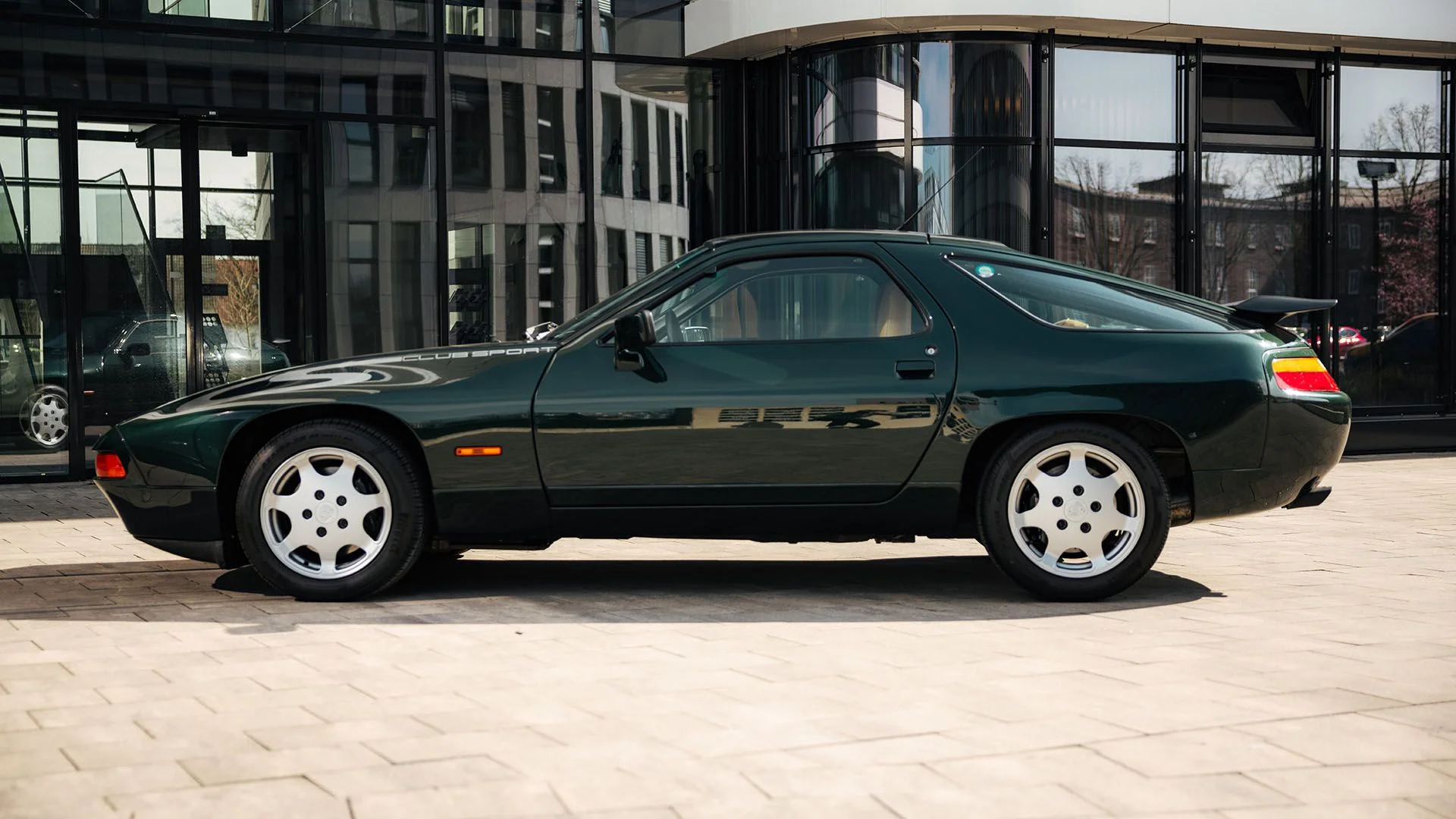
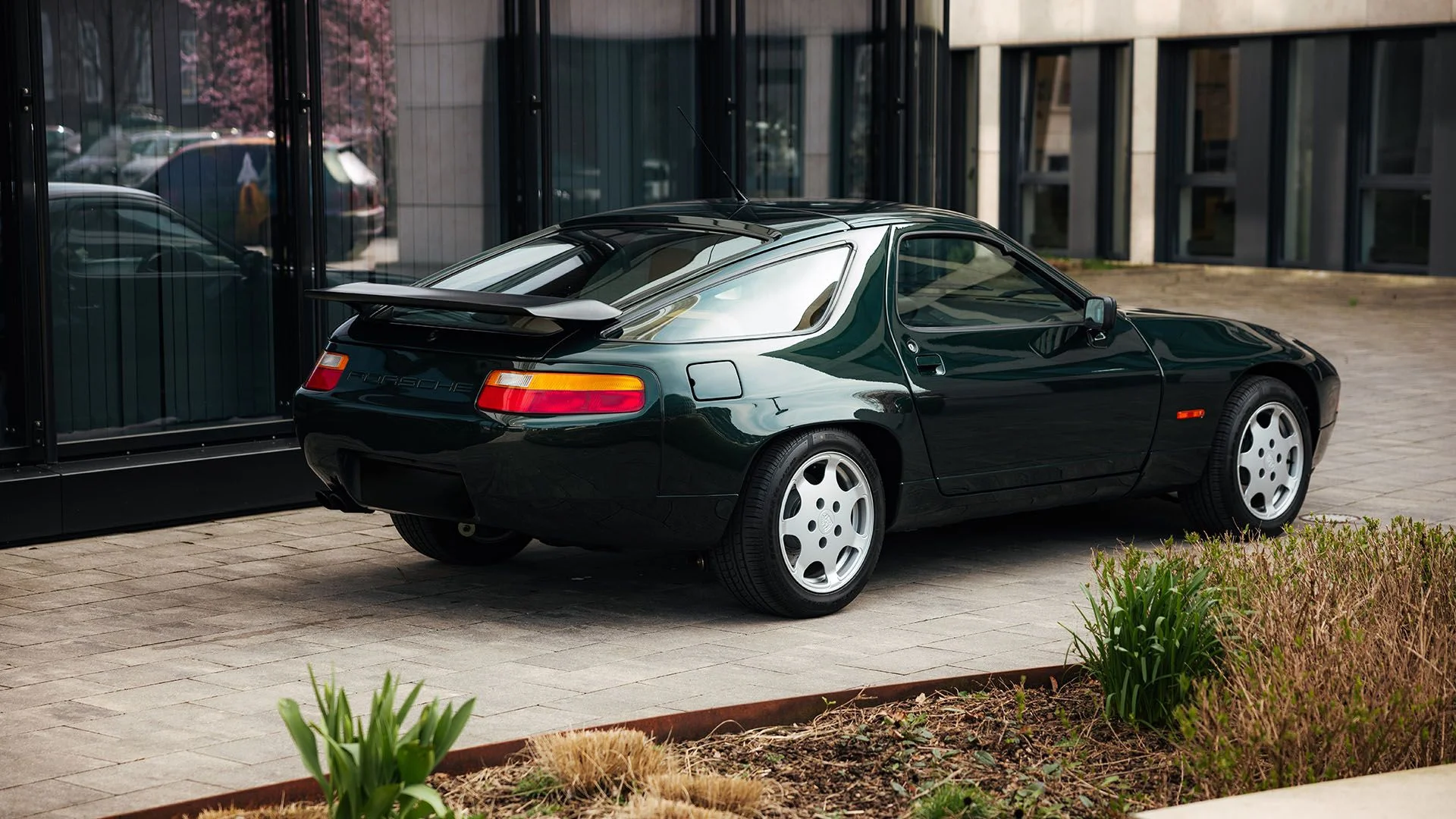
  • One of just seven lightweight 928s optioned with the “M637” Club Sport package built for 1989, one of Porsche’s rarest creations
  • Special lightweight Club Sport package features include the absence of a sunroof, a lighter exhaust, a lack of undercoating, and lighter magnesium-alloy wheels
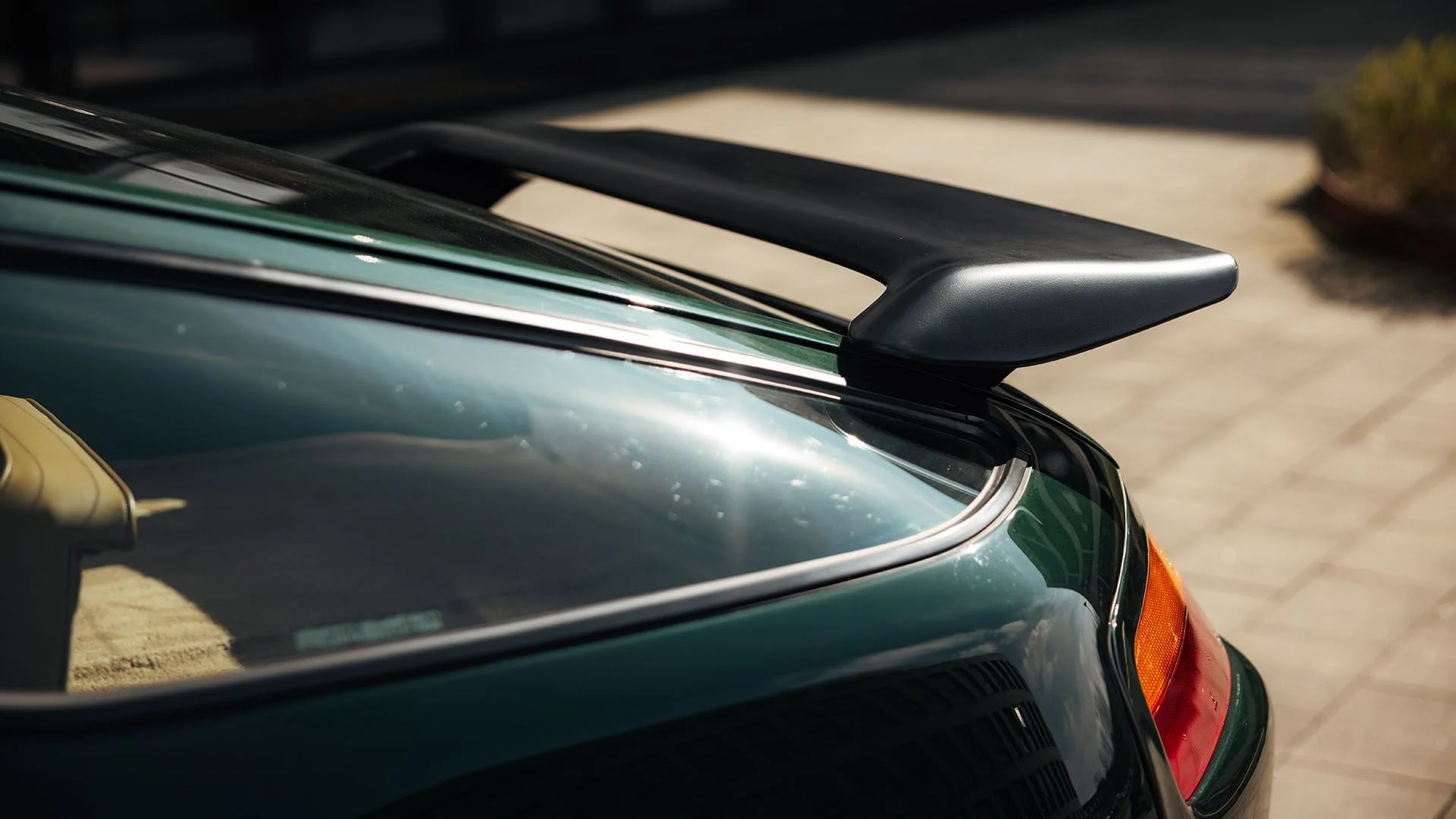
  • Special sporting Club Sport package features include manual sport seats, short throw shifter, limited-slip differential, lowering by 20 mm, 150 mm wider track, and special badging
  • Fitted from the factory with special “SP” stamped “M28/41” 5.0-liter V8 engine producing a conservatively factory rated 320 PS
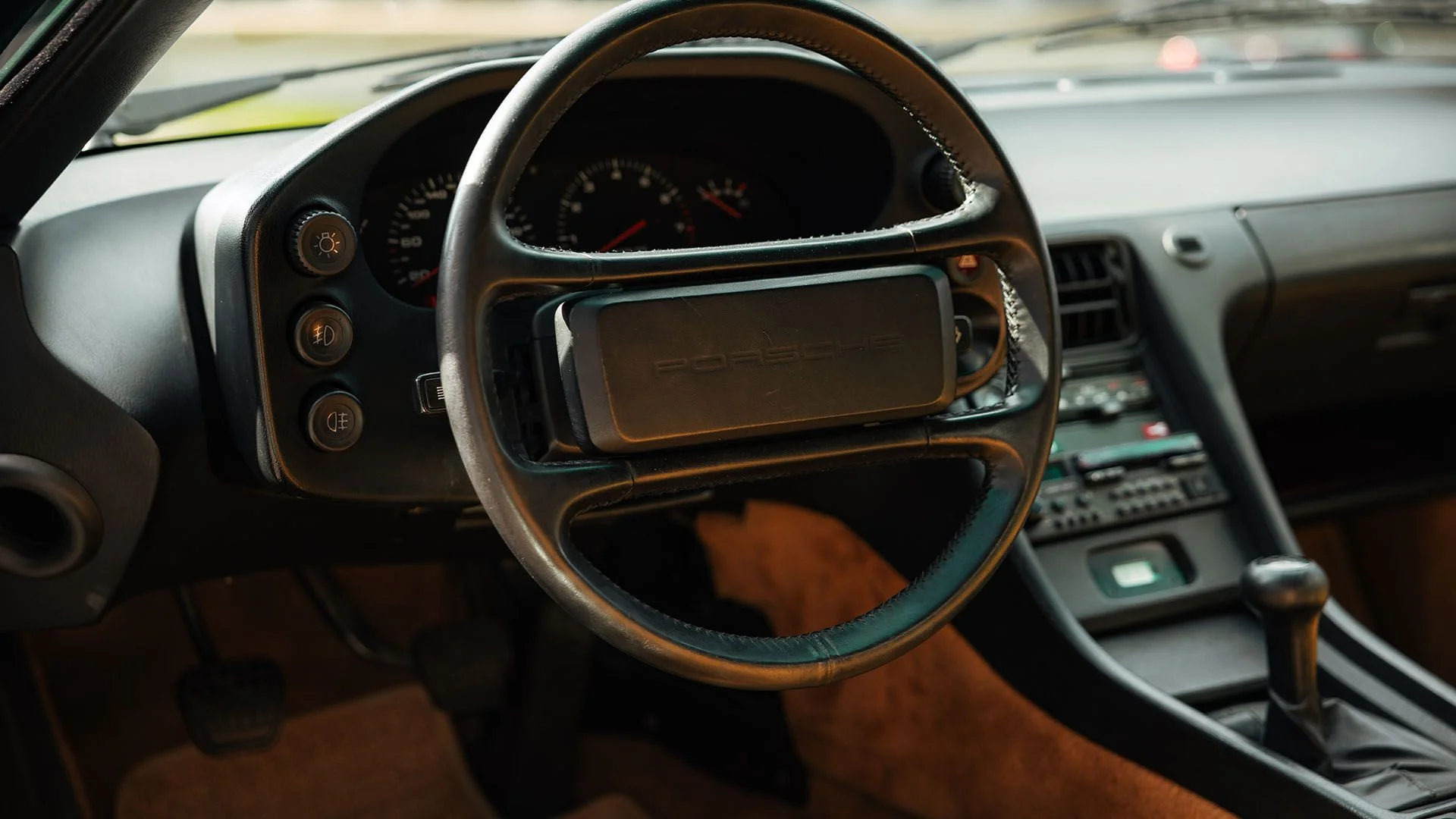
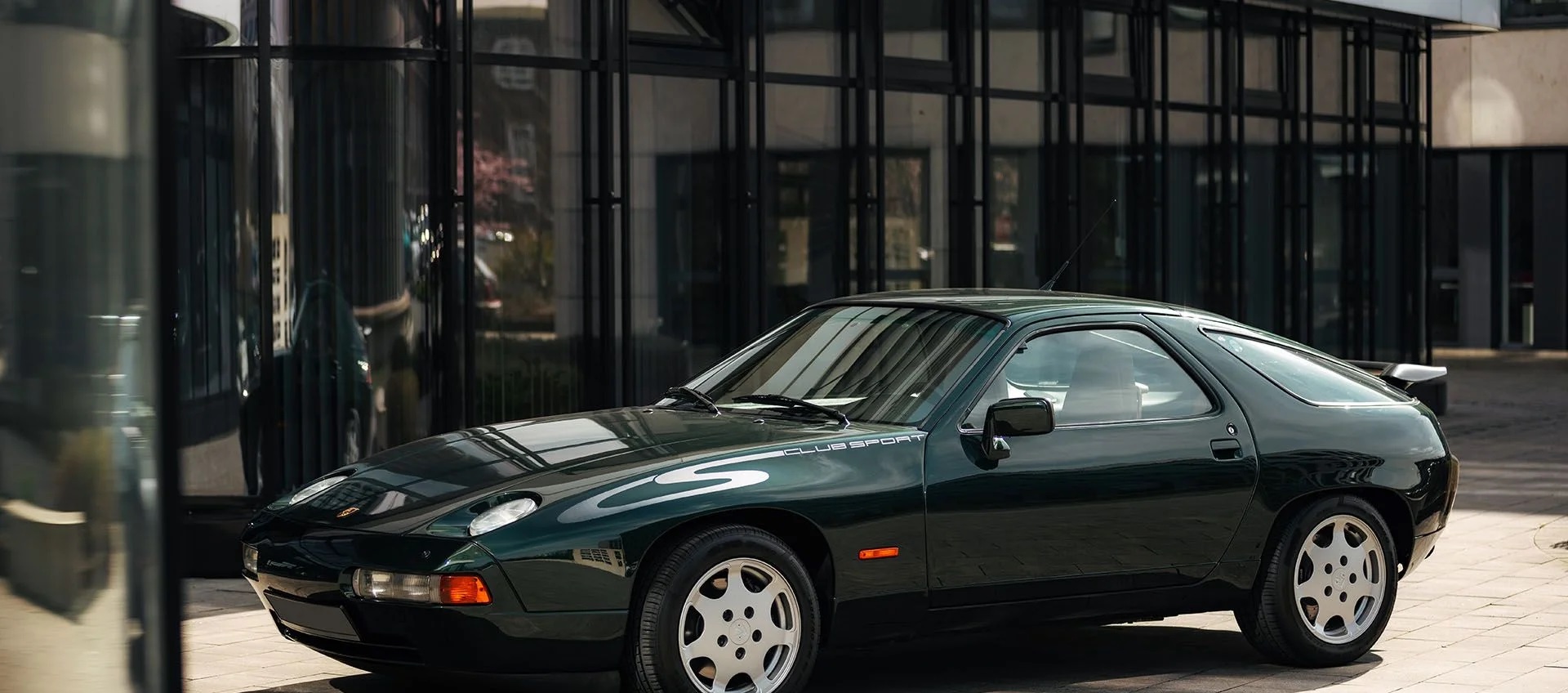
  • The only 928 Club Sport finished in Forest Green Metallic (Tannengrün Metallic) over a Cashmere Beige and Black leather interior
  • Over € 65,000 invested between 2019 and 2021

Description

Chassis No. WP0ZZZ92ZKS840540
Engine No. 81K 00246 SP

There are rare Porsches that many know about — the 997-generation 911 Speedster (356 total) and 2010 911 Sport Classic (250 total) come to mind — yet there are those special cars built in low double-digit quantities that are exceedingly uncommon and far less known. Take this lightweight series of 911s, for example. Just 20 1967 911 Rs were produced, only 21 1984 911 SCRS, and just seven years later Porsche produced 22 Carrera 4 Lightweights. The 911 wasn’t the only model in Porsche’s lineup that received the lightweight treatment in small quantities, and it was the 928 on which Porsche engineers interestingly focused their weight saving efforts.

Their initial efforts focused on four prototypes gifted as company cars to each of the four factory 962 sports racing prototype drivers that season: Jochen Mass, Derek Bell, Hans Stuck, and Bob Wollek. All four loved the changes made to their prototypes intended to comfortably transport them across the continent at high rates of speed to the European races. In fact, Derek Bell enjoyed his so much he kept it as his daily driver for 18 years! With such a positive reception, Porsche made these changes available to the public the next year as “M637” Club Sport option. Those 928s optioned with M637 were approximately 120 kilograms lighter than their S4 stablemates due to the removal of comfort features like the rear wiper, a portion of the wiring harness, and PVC undercoating.

Heavier parts were lightened. The exhaust system, a smaller AC compressor, and magnesium wheels special to the Club Sport were added. In addition, the 928 Club Sport featured stronger acceleration due to a modified final drive ratio, short shifter, a limited-slip diff, a transmission without vibration dampening, and sports seats. The Club Sport also featured lowering by 20 millimeters and a 150 millimeter wider track along with special badging. Finally, the Club Sport was fitted from the factory with a special “SP” stamped 5.0-liter V8 engine likely producing more than the conservatively estimated 320 PS, due to special camshafts, a 1 mm increase in valve lift, a modified engine control unit, and a higher rev limit. Following their tried-and-true path, Porsche, along with their racing drivers, developed a 928 with more power, lighter weight, and better handling — a true Porsche Club Sport!

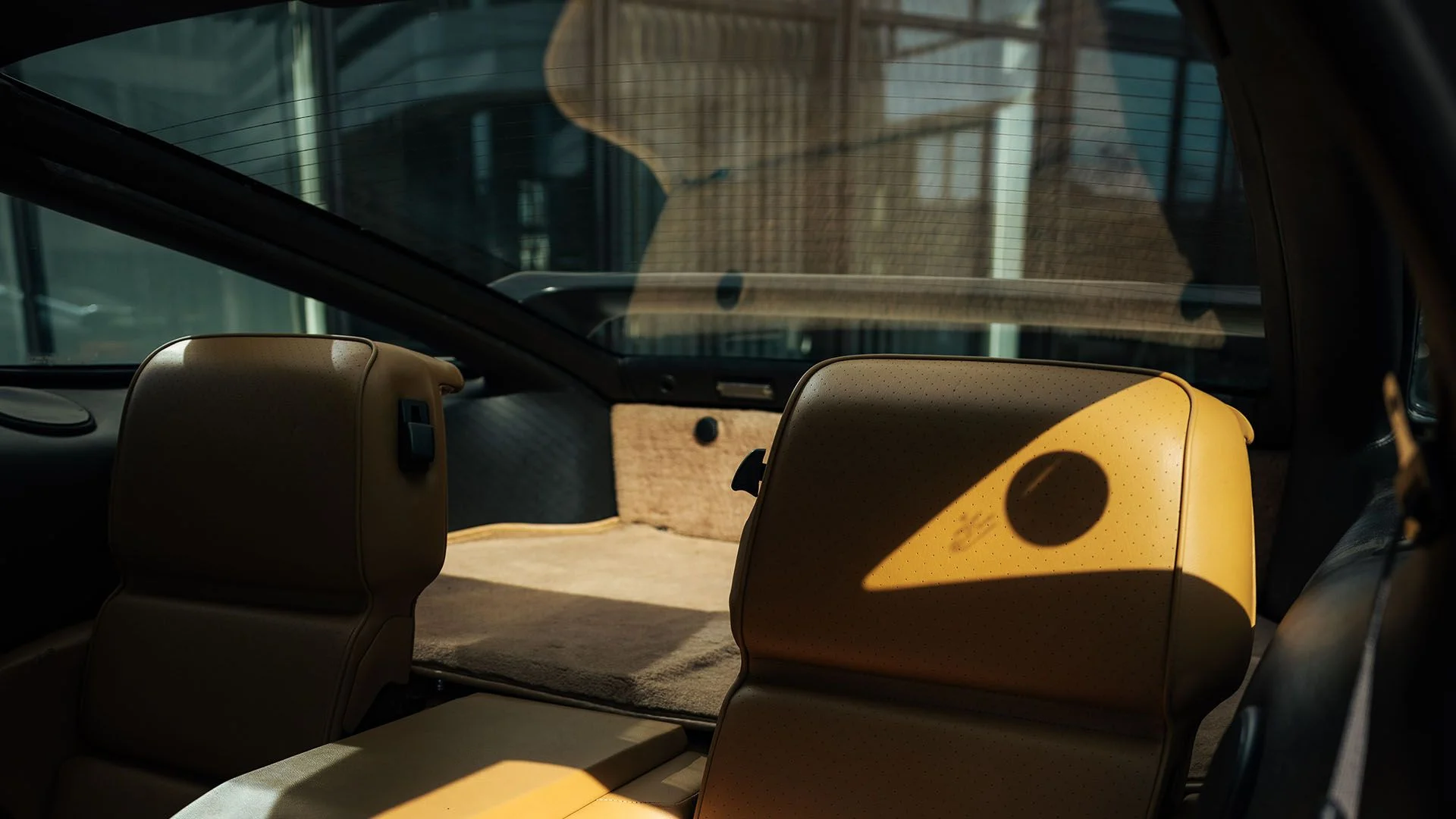
This matching numbers 928 Club Sport on offer is one of just seven production lightweights built for 1989 and is the only example finished in Forest Green Metallic over a Cashmere Beige and Black leather interior. It was originally retained by Porsche AG as a special “Werkswagen” company car for longtime Porsche employee Bernd Kahnau. Kahnau was no mere employee. After his father’s passing – a longtime Porsche employee himself — in 1979, Kahnau was personally recruited to work for Porsche at the request of Ferry Porsche. The former BMW employee quickly became immersed in all manner of important development projects, most notably as a production planner for the 928, 911 Club Sport, 911 Speedster, and 911 models from the 993 to 991.

Beyond being equipped with the highly desirable Club Sport package, this rare 928 was optioned by Kahnau with air conditioning, a tinted windshield, and a Blaupunkt Bremen radio in addition to the sporting items inherent in ordering a Club Sport. It is said that Kahnau was very attached to his Club Sport, as the green on tan livery matched the colors of his English country house! He owned it for approximately two years before it eventually landed with an individual based in Switzerland, where it was located until at least 2019.

Most recently, under current ownership, this matching numbers Club Sport has been the focus of a lavish amount of attention totaling over €65,000 worth of repairs and servicing between 2019 and 2021. Most importantly, following a 33-point Porsche inspection at 120,800 kilometers in 2019, the car visited Landsharks in 2020 for a new water pump, fresh coolant and engine oil, filters, and an oil pan gasket. At the same time the thermostat was replaced, along with the clutch disk and pressure plate, and engine electrical items including the ignition cable, distributor cap and rotor, spark plugs, and two knock sensors.

Underneath, the Club Sport received new brake discs and pads front and rear, a new brake master cylinder, the replacement of the center catalytic converter with lambda probe, and a fresh battery. This work along with other sundry items and parts totaled €22,736.91. Following an accident to the rear of the car, additional invoices from Landsharks that year show the Club Sport was the recipient of cosmetic attention as well with interior saddlery work, a new windshield, new seals, unibody work to repair the rear accident damage, and fresh paint in its original shade of Forest Green Metallic. In 2021, the air conditioning system was refurbished with a new compressor, dryer and a system clean with new liquids and fluids. Today, this rare, well-preserved 928 Club Sport with its matching number engine and transmission is offered with 122,748 kilometers at cataloging with a copy of its Porsche Germany build sheet, recent service paperwork, and manuals.

For the Silo, Bastian Voigt/Hagerty.