Maximizing Property Potential Via Popular Home Expansions

For many homeowners, the need for more space arrives long before the desire to move. Growing families, remote work, multigenerational living, and changing lifestyles are pushing homeowners to rethink how their existing homes can evolve. Home additions have become one of the most practical ways to gain space, improve comfort, and increase property value without starting over in a new location. Yet deciding which type of addition makes sense requires a clear understanding of costs, construction complexity, and long term return on investment.
Across the United States as in Canada, home addition costs vary widely depending on region, labor availability, building codes, and design choices. In America, the average cost of a home addition often exceeds the commonly cited figure of $51,000 usd/ $70,000 cad, especially for projects involving plumbing, structural changes, or second story construction. Per square foot costs typically range from roughly $100 usd/ $137 cad to $500 usd/ $684 cad, depending on the type of addition and level of finish. Understanding these ranges helps homeowners plan realistically and avoid budget shock midway through construction.
A dry addition or a wet addition?
One of the most important distinctions in home additions is whether a project is considered a dry addition or a wet addition. Dry additions include spaces such as bedrooms, living rooms, offices, or sunrooms that do not require plumbing. These additions are generally less expensive because they avoid water lines, drains, and complex waterproofing requirements. Wet additions include kitchens, bathrooms, and laundry rooms, which add cost due to plumbing work, additional permits, and stricter building code requirements. Knowing which category your project falls into is one of the most reliable ways to estimate overall expense early in the planning process.
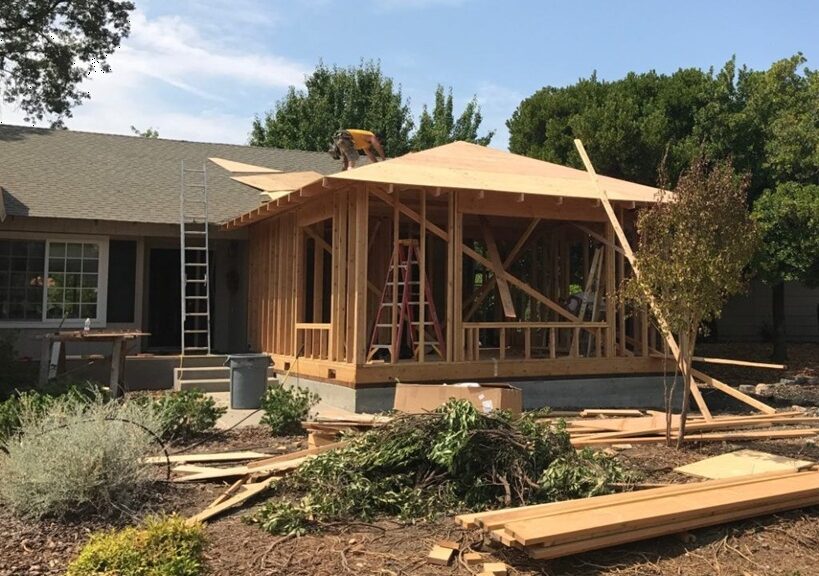
Room additions, often called bump outs, are among the most approachable projects for homeowners looking to add space without a full-scale renovation. These additions typically extend an existing room by a few feet to create more usable square footage. Nationally, bump outs often cost between $250 usd/ $342 cad and $500 usd/ $685 cad per square foot, depending on size and finish. While smaller in scope, they can dramatically improve daily living by relieving cramped layouts and improving functionality.
Adding a second story
Second story additions represent one of the most transformative but also most expensive home addition options. By building upward rather than outward, homeowners can double their living space without sacrificing yard area. These projects often range from $300 usd/ $410 cad to $500 usd/ $685 cad per square foot and require extensive structural reinforcement. Foundations, load bearing walls, and framing may need upgrades to support the added weight. Plumbing, electrical systems, and roofing are also typically impacted. While the upfront cost is significant, second story additions can deliver substantial long term value, particularly for homeowners committed to staying in place for many years.
Sunrooms offer a different kind of expansion, focusing on light, comfort, and connection to the outdoors. These spaces are often used as family rooms, dining areas, or quiet retreats. Costs typically fall between $200 usd/ $274 cad and $400 usd/ $547 cad per square foot, with total project budgets ranging from $40,000 usd/ $55,000 cad to $90,000 usd/ $123,000 cad or more. Three season sunrooms tend to be less expensive, while fully insulated, climate controlled spaces cost more but offer year round usability. Energy efficiency requirements and insulation quality play a major role in pricing.

The most cost effective way to add livable space
Garage conversions are one of the most cost-effective ways to add livable space because they utilize an existing structure. Nationally, these projects often range from $120 to $200 per square foot, with total costs commonly between $20,000 usd/ $27,300 cad and $50,000 usd/ $68,400 cad. Conversions typically involve insulation, drywall, flooring, electrical upgrades, and heating or cooling systems. Adding a bathroom increases both cost and value, but requires plumbing work and additional permits. For homeowners seeking flexibility without major exterior changes, garage conversions often deliver strong value.
Over the garage additions combine vertical expansion with efficient land use. These projects create new living space above an existing garage and commonly cost between $250 usd/ $340 cad and $400 usd/ $550 cad per square foot. Structural reinforcement is often required, and design integration with the main house is critical. When executed well, over the garage additions add bedrooms, guest suites, or home offices without reducing yard space, making them appealing in many suburban and urban settings.
ADU- aka the accessory dwelling unit
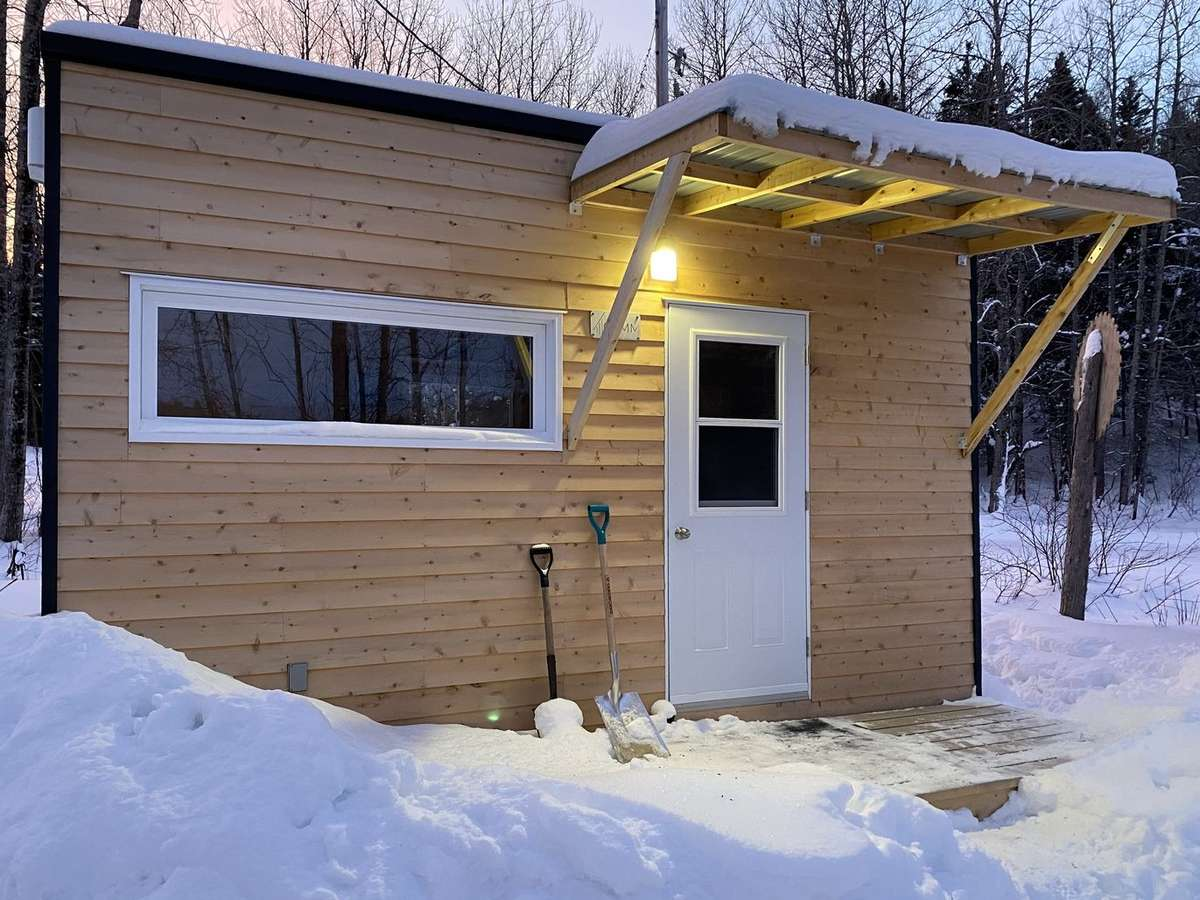
Accessory dwelling units have become increasingly popular as homeowners look for rental income opportunities or space for extended family. ADU costs vary widely but often fall between $100,000 usd/ $137,000 cad and $300,000 usd/ $410,400 cad depending on size, design, and site conditions. Well planned ADUs can generate significant returns through rental income while increasing overall property value. In many markets, returns between 50 and 80 percent are possible when long term income and appreciation are considered together.
The most complex home improvement

Kitchen expansions and additions are among the most complex home improvement projects. Building a new kitchen or expanding an existing one typically ranges from $50,000 usd/ $68,400 cad to $150,000 usd/ $205,200 cad or more. These projects involve plumbing, gas lines, electrical systems, ventilation, and often structural changes. High quality finishes, appliances, and cabinetry can significantly increase costs, but kitchens consistently rank among the highest value improvements for resale.
Expensive to be sure
Bathroom additions and expansions also carry meaningful costs but deliver strong returns. Adding a new bathroom often ranges from $30,000 usd/ $41,000 cad to $75,000 usd / $102,600 caddepending on size and plumbing complexity. Expanding an existing bathroom typically costs less but still requires careful planning around waterproofing, ventilation, and fixture selection. Bathrooms add both daily convenience and resale appeal, particularly in homes with limited existing bath space.
What type of addition should you choose?
Choosing the right type of home addition requires balancing personal lifestyle needs with financial considerations. Homeowners should assess how they use their space today, how that use may change in the future, and which additions offer the greatest functional improvement. Equally important is considering how future buyers might perceive the added space. Additions that align with common buyer preferences tend to deliver stronger returns.

Successful home additions are built on careful planning. Hidden costs such as permit fees, utility upgrades, and structural repairs can emerge once construction begins. Understanding local building requirements, maintaining detailed budgets, and setting aside contingency funds are critical steps. Consulting experienced professionals early in the process helps homeowners avoid delays, unexpected expenses, and design mistakes that can be costly to correct later.
It’s not just about square footage
Ultimately, home additions are not just about adding square footage. They are about adapting a home to better serve the people who live there. When thoughtfully planned, an addition can improve daily life, increase long term property value, and allow homeowners to remain in communities they love. With clear expectations, realistic budgets, and informed decision making, home additions can be one of the most rewarding investments a homeowner makes. For the Silo, Jon Grishpul/ Greatbuildz.com.