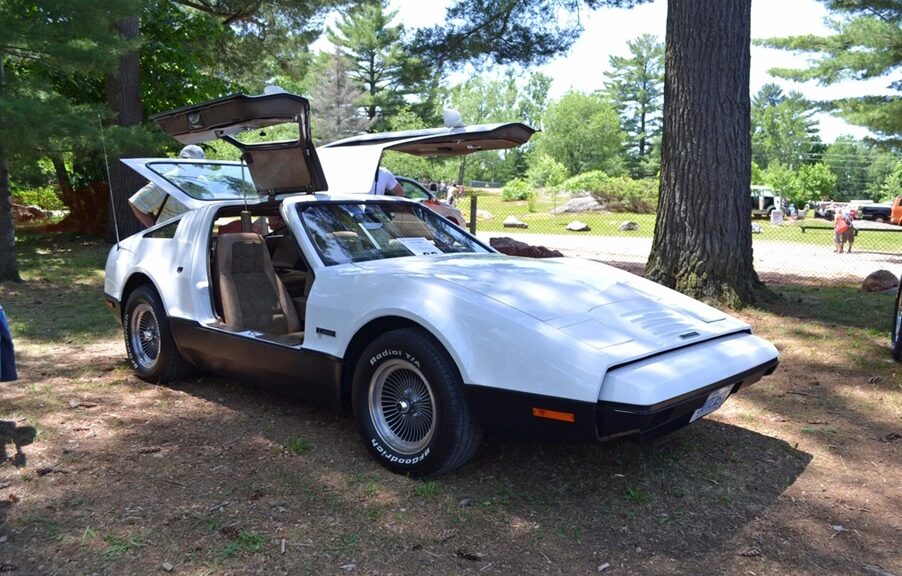
Summer, and thus driving season, is currently in full swing for much of Canada. Most of us that have them are trying to drive our classics every chance we get. Here are some vital reminders to heed if your vintage ride gets called up into everyday action.
Where I live is currently in the beautiful pocket of time where the mornings are cool yet bright and the sun only really gets hot in the middle of the afternoon. All of my cars love this weather, and I love driving just that little bit more. So I’m trying to drive as much as I can, and if you are doing the same, here are a handful of reminders for the times your vintage ride gets called up into more routine service.
Before we dive in though, it’s worth mentioning that old cars were once new cars. Someone drove and treated my Chevrolet Corvair the way I currently behave while behind the wheel of my wife’s Jeep Renegade—a daily driver. Traffic 30, 40, or even 90 years ago was radically different than traffic today, and many of our common-sense habits have shifted meaning to the point that what makes total sense for you in your old car will look insane to a common road user. While old cars require an additional amount of care and attention to be used regularly, driving your car is the best thing you can do for it. Don’t be scared of using the car exactly how it was intended.
Old cars have old brakes
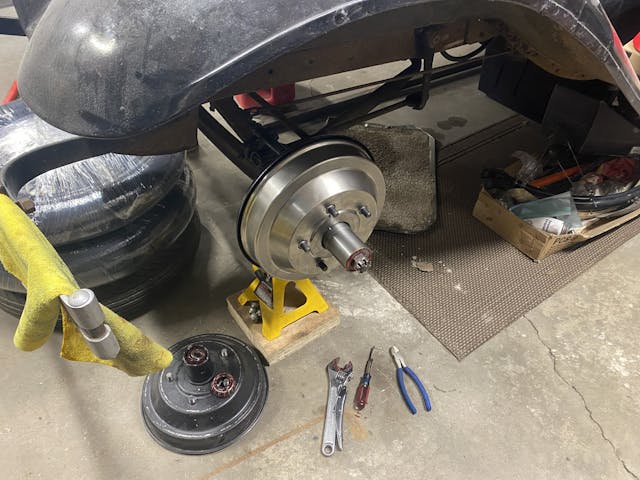
It’s easy to get lured into driving like those around you, but be careful. Without notice, you’ll find yourself tailgating at the same distance as the modern cars, and when that line of cars taps the brakes, suddenly the concept of 5-mph bumpers doesn’t seem so comical.
Vintage brakes can be made to work very well with a bit of care and attention, but even I have to admit vintage designs and materials just cannot compare to modern brakes—that is before even mentioning driver assist systems like anti-lock braking or emergency braking. Give yourself plenty of room.
Check your fluids often
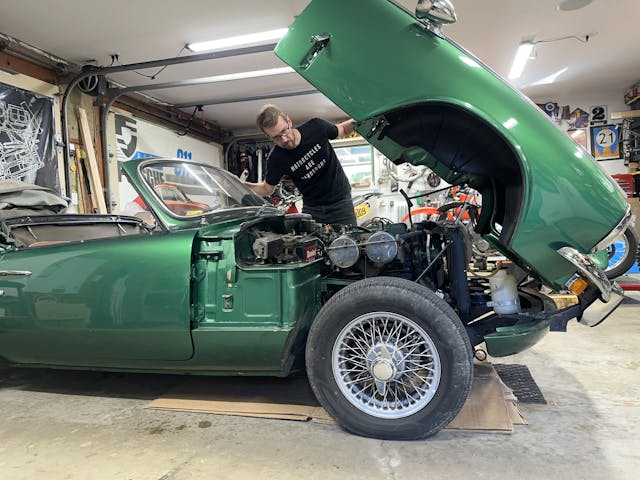
Modern cars have spoiled us with the ability to drive thousands of miles without opening the hood. Regardless of how you feel about the separation between driver and mechanic over time, driving your vintage car on more than just a couple weekends a month requires staying on top of topping of fluids.
Old engines can and often do consume oil at a rate much higher than modern engines. Add in even just a small leak and suddenly the bottom of the dipstick is bone dry and before long, so is the oil pickup. Engine oil also helps cool an engine, so keeping oil topped up helps for multiple reasons beyond just proper lubrication. Also keep an eye on brake fluid and coolant.
Get used to the gauges
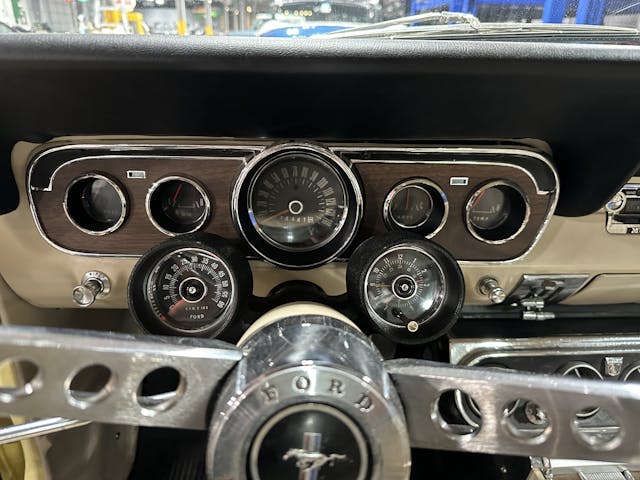
Modern car gauges are “normalized,” meaning that they often will be basically stationary while driving despite slight fluctuation in the pressures, temperatures, and levels they monitor. On older cars, a coolant temp gauge might rise slightly when caught at a long stoplight, but it might not actually be a cause for concern. Most automotive engines operate best when coolant temps are between 180 and 210 degrees Fahrenheit. Modern gauges will be stationary for that entire range, but an old-school mechanical gauge will transmit everything. This means coolant temp could drop slightly when you turn on the heater, or increase some with long periods of idling or while an air conditioner is cycling.
Make your escape plans

Even in great condition, aging cars can and do break down. Think through what common failures might occur with your car and formulate a plan for how you will handle the situation. This can mean packing a tool kit, re-upping your roadside assistance membership, or choosing routes and times of day that will help ensure you have a smooth trip. Some vintage cars will have zero trouble in modern traffic, but if yours tends to overheat or get cranky sitting still, make sure that you scout an escape route, should you get snarled in traffic. Being stuck on the side of the road is infinitely better than being stuck in the middle of the road. Trust me. There are a few roads around town that I avoid in my vintage cars due to the lack of shoulder or safe place to veer off. Paranoid? Maybe a little, but I don’t want to get hit while sitting on the side of the road.
Be aware of your tires
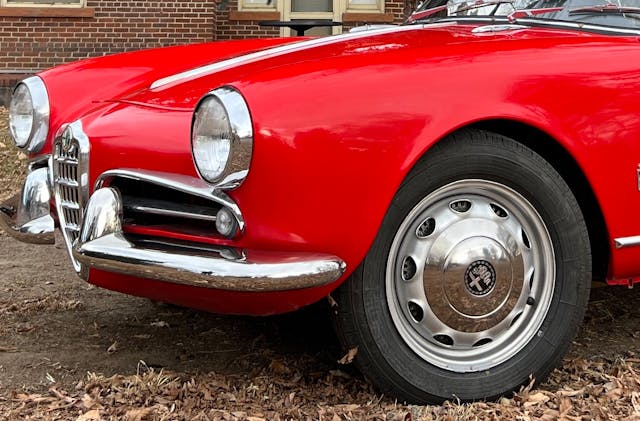
Modern tires are downright amazing and often go underappreciated. Since vintage cars get less mileage than their modern counterparts, a lot more people are willing to drive on older or poor-condition tires, sometimes out of pure ignorance or from lack of inspection. Tread depth and age are big considerations, but if you’re running modern reproductions of older tire designs, there is also the way those tires handle water. Siping and water control have a huge impact on handling and braking. You might have brand-new tires, but if the design is 50 years old, they are going to handle that way. Again, not a bad thing, but something to adjust to. For the Silo, Kyle Smith.