
| The Met Receives Landmark Gift of More Than 500 of the Finest Guitars from the Golden Age of American Guitar Making With this collection, the Museum will become an epicenter for the celebration and study of this iconic instrument |
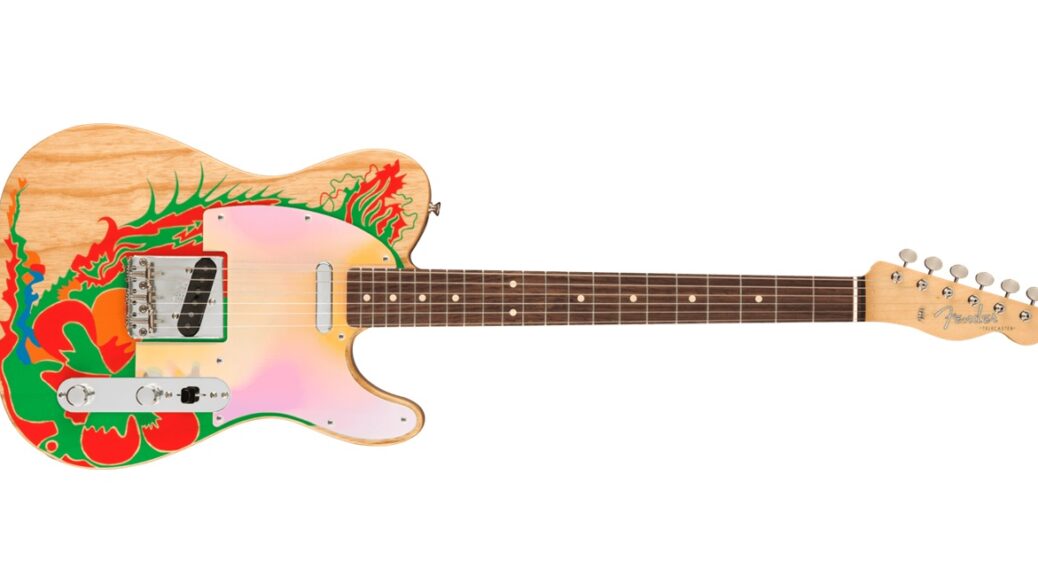
| (New York, May, 2025)—The Metropolitan Museum of Art announced today that it has received a landmark gift of more than 500 of the finest guitars from the golden age of American guitar making, spanning the years 1920 to 1970. This new collection of the most important guitars, anchored by a major gift from collector Dirk Ziff, will showcase the profound impact this celebrated instrument has had on popular music, culture, society, politics, and religion in America—and then resonated around the world. The collection displays the diversity of the guitar in all its forms—including electric, acoustic, archtop, bass, resonator, and lap steel—as well as related stringed instruments and amplifiers. “This is truly a trailblazing and transformative gift, positioning the Museum to be the epicenter for the appreciation and study of the American guitar,” said Max Hollein, The Met’s Marina Kellen French Director and Chief Executive Officer. “We are immensely grateful to Dirk and his longtime advisor, Perry Margouleff, for their extraordinary commitment to assembling this world-class, one-of-a-kind collection over the course of decades. The guitar has been of singular importance to popular music of the past century and was used by musicians across geographic, racial, and economic backgrounds. This seminal American object of our time has had a profound impact on global culture, art, and society. These guitars are examples of outstanding artistry and craftsmanship as well as visually powerful tools of expression and distinction. This gift celebrates the innovators, inventors, and manufacturers who created many different forms of the guitar to meet the needs of individual musicians, while also telling the stories of American music through the 20th century.” The collection includes a wide range of iconic examples, such as: Leo Fender’s first guitar, made in 1948; a Gibson 1955 J-50 acoustic guitar used by Delta blues musician Mississippi John Hurt; the 1941 Epiphone “Clunker,” an experimental prototype modified by Les Paul that was used in recordings and broadcasts by guitarist and vocalist Mary Ford and that is one of several guitars from Les Paul’s personal collection; the 1959 sunburst Les Paul guitar used by Keith Richards during The Rolling Stones’ first appearance on The Ed Sullivan Show in 1964, which ignited interest in this legendary model; the “Futura” guitar owned by blues guitarist Ponty Gonzalez around 1956 that led the Gibson company to create the futuristic Explorer model in 1958; and the Martin OM-45 guitar made by the C. F. Martin guitar company in 1930 that was the primary instrument of cowboy musician Roy Rogers. Some of the guitars included in this gift were featured in The Met’s widely popular and well-received special exhibition Play It Loud: Instruments of Rock & Roll (2019). The donors and The Met have agreed that these carefully preserved instruments must remain alive and accessible. Almost all continue to be in prime playable condition and will be used frequently for special performances, recordings, and educational programs, including study by contemporary guitar builders. A number of the guitars will be on temporary display in the current Musical Instruments galleries prior to going on view in the new gallery dedicated to celebrating the American guitar. Mr. Ziff said, “Since embarking on this journey with Perry in 1987, our objective has been to assemble a comprehensive collection of American guitars, many of them historic and culturally significant, and preserve them for the benefit of future generations. We always saw ourselves as custodians, not owners. It is genuinely thrilling to see our vision validated at the greatest cultural institution in the world. As someone who grew up in New York City and has been going to The Met since childhood, I am honored to help play a role in broadening the Museum’s reach and impact by making these great instruments accessible to legions of guitar lovers from all over the world.” The collection exemplifies the visual design history of the guitar in the 20th century and how the instrument’s aesthetics evolved from small “parlor” guitars with Victorian-era decoration, to art deco–inspired archtop guitars, to the mid-century designs of the electric guitar informed by the major influence of the automobile and the fascination with the television age and space exploration—hence the legendary 1950s Fender model names “Telecaster” and “Stratocaster.” The collection is a celebration of industrial art, demonstrating innovative engineering, outstanding craftsmanship, and timeless 20th-century design aesthetics that, in many cases, remain entirely unchanged since their introduction and are as modern and relevant today as when they were first conceived. To this day, they remain the aspirational working instruments of choice for the finest guitar players around the world. Jayson Kerr Dobney, Frederick P. Rose Curator in Charge of the Department of Musical Instruments at The Met said, “This is not just a once-in-lifetime gift; it is a once-in-a-century opportunity for the Museum—a visionary, comprehensive collection of American guitars, unparalleled in both its breadth and variety. The guitar was the driving force of 20th-century popular music. It changed culture and it changed the world. Now that Dirk and Perry have entrusted us with this amazing collection, we will work to create a unique and immersive permanent experience for our visitors that showcases these instruments and tells the powerful story of their evolution.” The Met’s collection of musical instruments—which demonstrates the technical and social importance of instruments while also presenting them, with their visual and tonal beauty, as art objects themselves—includes approximately 5,000 examples from 300 BC to the present, representing six continents and the Pacific Islands. The Department of Musical Instruments currently has an outstanding collection of European guitars from the 17th to the 19th century and includes a famed collection of classical guitars. STATEMENT FROM JIMMY PAGE “When it first came on the horizon that The Metropolitan Museum of Art would have a feature exhibit celebrating the instruments of Rock & Roll, I was more than happy to loan a number of my most important guitars, amplifiers, effects, and even costumes. I was particularly excited to display my Telecaster—which I had hand-painted myself. As a student in art college, I never would have imagined that one of my paintings would find its way into one of the most prestigious art museums in the world! My hope was that, by loaning my instruments, others would join in this celebration and lend their instruments as well. As it turned out, everyone was inspired and loaned an incredible array of musical instruments for this exhibition, which would become known as Play It Loud: Instruments of Rock & Roll. The exhibit exceeded everyone’s expectations in terms of attendance as people traveled from around the world to enjoy this unique experience. This was a true win-win situation for everybody, including the guitars in general. As a result of this incredible exhibition, I have now been made aware that The Met is building a permanent gallery to celebrate the American guitar. To know that there is so much passion behind this project is thrilling. I would like to take my hat off to the people who have been behind this—and to The Met for its dedication to construct something that is going to be of such great importance for generations to come. An inspirational arena for people old and young alike. I am most curious to see how the young people are going to expand the guitar in the future. This gallery will truly be an epicenter and inspiration for the celebration of the guitar.” For the Silo, Meryl Cates, Ann Bailis. |
Featured image– Jimmy Page reproduction via Fender of his original hand painted Telecaster.