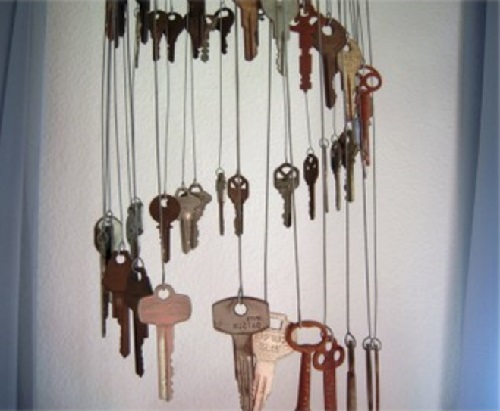
Strength in numbers- windchime made from collection of lost keys
When searching for your true identity in life, who you are as a person, it can be beneficial to figure out who you are NOT, as well.
You’re probably not perfect, because face it, none of us are. But being PERFECT may not even really be possible. Being PERFECT may not be what we want in life. Don’t we just want to be who we are? Don’t we just want to be seen as individuals, and valued members of earth? But if we can’t see who we are, how can we expect others to?
Finding ourselves isn’t just as simple as waking up one day and realizing who we are. It takes time. It could even take a LIFEtime. But if you are dedicated to the task, eventually when you look in the mirror your image will be clear. It’s almost like trying to find a lost set of keys, you know that at the moment you don’t know where there are, but eventually they have to show up. And once they do, you will be able to drive your car wherever you would like. In other words, once you find yourself and are comfortable in your own skin, and your own mind, you will be able to take control of your life, and go in any and every direction that you’ve always wanted to.
Now that being said, LOSING yourself again is always a possibility. Be honest, you’ve lost your keys more than once, that’s for sure. When our situation changes, we have to change and adapt, but knowing the core of who we are can help us quickly reign our true being back in.
Often, if not always, we want everything to be perfect. We want love, we want peace, we want a successful career, but hitting rock bottom can be the best antidote for finding yourself. When you feel like you’re in the dark, and nothing seems even remotely right, and you feel all alone, you only have yourself to talk to. You have an opportunity to peer deep into your soul, and pull out the contents that have never seen the light of day. In your darkest hour, you may find the light that will guide you for the rest of your years.
As Tom Cochrane once said, “Life’s like a road that you travel on/ When one day’s here and the next day gone.” All you have to do, is find those keys, and drive that car. For the Silo, Brent “B-FLIX” Flicks.
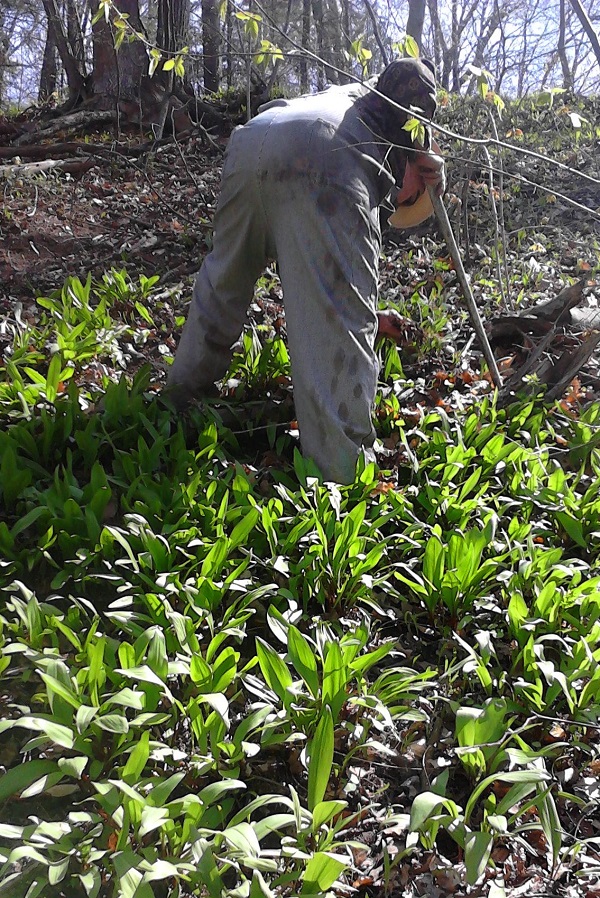
It’s coq-a-leeky time. For the past several years my friend House and I go out to our secret spot in a nearby woods and harvest wild leeks.
They grow three quarters of the way down a steep hill so the element of danger grows stronger every year with aging limbs. Let me tell you, it’s damn hard using a shovel on a steep hill when you can’t balance on one leg. Jeanine’s advice as I was leaving “try not to fall down the hill” Exactly. I had my cell phone with me but realized that if either of us went down there would be no immediate rescue.
We made a pact to leave the fallen man behind and press on should disaster strike. The soil was wet this year, so it was an easier job digging them out. It only took us about an hour to fill our recyclable shopping bags. When we had successfully dragged ourselves back up the incline we paused to sit on a fallen tree and observe the moment. We discussed as we always do how it would be great to build a camping platform at this spot and retreat here when our “other” worlds became too much. The annual pipe dream.
As the sun filtered through the trees we watched the dogs for awhile as they ran around with noses to the ground. Then, as every year we validated the ritual as something important to us that we will repeat faithfully for as long as we are able. Pause. Time to make our way back through the difficult new growth.
It takes Jeanine a long time to clean the leeks, and take off the little hairy bits on the ends, but she doesn’t seem to mind. We both know what’s coming. That night we make our version of Coq-a-leeky soup, a perennial spring favourite of many cultures including the Scottish. We get a pot of chicken broth simmering and drop in about 8 full cloves of garlic, and a couple of cut up potatoes. We let that simmer until the potatoes are quite soft ( about 15 min). Next we throw in the chopped up wild leeks (use everything) and give it about another 10 minutes. A little pepper, or soya if want to give it an Asian flavour. But not so much as to cover the subtle flavor of the leeks. No oil or fat is involved and we love the flavor. Most importantly, it is an amazing spring tonic. I notice I have better energy the next morning.
Jeanine talks about how in France it is common for people to do a “cure” from time to time. Short of an absolute fast which can be debilitating and potentially dangerous, they simply restrict themselves for a few days to eating small amounts of only one simple, nutritious thing . Some use fruit, others fish or vegetable stock, etc. Currently it is not the only thing we are eating so it can’t be considered a full cure, but we have been predominantly eating just the leek soup since, and will continue until it’s gone.
By the way, we wrap the cleaned leeks in paper towels and store them in the crisper. There are a lot of other creative and delicious ways to cook these little treasures. I recommend trying to get your hands on some while they’re in season. It’s worth the effort. For the Silo, Phil Ross.
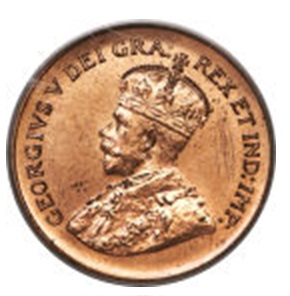
“We presented the Pittman-Krause Dot Cent nine years ago and are now ready to help write a new chapter for this famous coin,” said Warren Tucker, Vice President of World Coins at Heritage. “It’s being offered as part of the excellent Nikita Collection of Canadian Coins, where it went after Heritage auctioned it off from The Chet Krause Collection in 2004.”
The George V 1936 Dot Cent, KM28, MS63 Red PCGS, Ex: John Jay Pittman Collection, as it is known by its full name, is far and away the most famous of the three known Dot cents, having been stolen from the Pittman home in 1964 and later returned (with scratches in the right obverse field) in an envelope with other coins.
While the Dot Cent is the star of the auction, collectors will find international numismatic treasures from all over the world, and from across the epochs, to satisfy most every collecting taste.
“Our CICF auction has become quite an extraordinary event, with a broad range of numismatic interests, in a relatively short amount of time,” said Cristiano Bierrenbach, Vice President of International Numismatics at Heritage, “due to the hard work of the team at Heritage, the foresight of our consignors and the enthusiasm of collectors. From Goetz medal dies, to Ancients, European, Latin America and beyond, this auction offers more than 5,800 lots that will appeal to every taste in the hobby.”
BRANTFORD, ON –– The Woodland Cultural Centre is proud to announce the launch of their first exhibit for 2013, “Spirit of Community: People and Neighbourhoods”. This all-new exhibit will officially open Monday January 21st, 2013.
Exploring the heart of Six Nations, this exciting exhibit examines the community, people, places and landscape that make it so unique. Featured in this exhibit are some of the finest examples from Woodland’s historical photography archive, as well as contemporary works by artists Anthony Henhawk Jr, Patricia Hess, Brenda Mitten, and Shelley Niro. The contemporary and historical material work together to create an engaging look at the Six Nations community.
An historical council house photograh from the Woodland historical photography collection.
“Understanding the roots of a community is so important to understanding it as a whole”, said Janis Monture, Executive Director of the Woodland Cultural Centre. “With the help of these amazing artists, I feel that we’ve been able to create a comprehensive portrait of Six Nations and its people.”
Running until March 31st, 2013, “Spirit of Community: People and Neighbourhoods” will officially open Monday January 21st, 2013 upon the opening of the museum. All visitors are invited to learn the history, and experience the culture of Six Nations.
Established in 1972, the Woodland Cultural Centre has been an integral cultural and educational centre within the Brantford and Six Nations communities. Its goal is to protect, promote, interpret, and present the history, language, intellect and cultural heritage of the Anishinaabe and Onkwehon:we people. Providing several permanent and short-term exhibits, the Woodland Cultural Centre also focuses on language and cultural preservation that includes several special events such as arts and crafts workshops, Snowsnake tournaments, and much more.
Canada states that new ePassports do not contain biometric data but the ICAO (see supplemental) set standards for passports internationally and do require biometric data. “..1.3 ICAO’s adoption of a blueprint for Biometric ID in MRTDs in May 2003, after extensive work undertaken since 1997, represents an important step forward in machine- assisted identity confirmation. This involved the selection of facial recognition as the globally interoperable biometric FAL/12-WP/83 – 2 – technology, in combination with contactless IC chips for data storage in a logical data structure (LDS), using a modified public key infrastructure (PKI) scheme to prevent unauthorized alteration…” from http://www.icao.int/Meetings/FAL12/Documents/fal12wp083_en.pdf
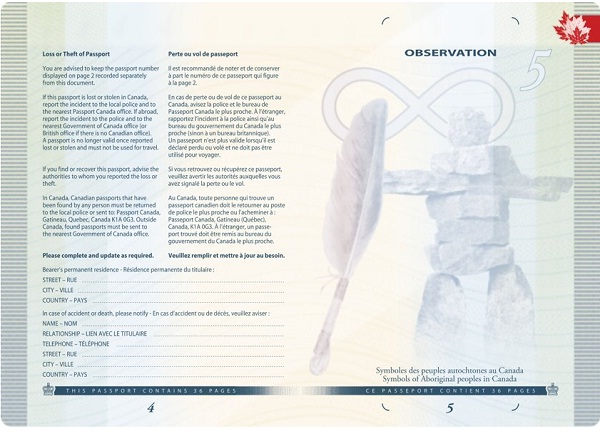
Gatineau, Québec, October 26, 2012 – Foreign Affairs Minister John Baird today announced that Canada’s new ePassport will be full of iconic images that will make Canadian passports more attractive and more secure.
“The new ePassport will be more reflective and representative of who we are as Canadians,” said Baird during an event at the newly renamed Canadian Museum of History. “These images showcase Canada’s history and the building of our great nation while adding essential new security features for the 21st Century.”
The new images will also serve to keep the Canadian passport one of the world’s most secure travel documents. The complexity of the images is – first and foremost – a security feature that makes the passport more difficult to counterfeit.
“Our government is tremendously proud of Canada’s rich history. We urge all Canadians to learn more about the events and people that shaped Canada and the great sacrifices made to secure our freedom,” added Baird.
A look at the inside of the new Canadian ePassports image courtesy of ppt.gc.ca
Countries around the world review their passport designs and security features periodically to stay steps ahead of counterfeiters. The new-look ePassport will help facilitate legitimate trade and safe, secure travel which, in turn, helps create jobs, growth and long-term prosperity for Canadians.
The first 5-year ePassports will be issued in select locations during the first quarter of 2013. Production will ramp up through the spring resulting in the full availability of both a 5- and 10- year ePassport in early summer.
For a look at [ more of ] the images included in the new ePassport, please visit the new section on Passport Canada’s website, which features images and descriptions of the new passport design: www.pptc.gc.ca/eppt/photos.aspx?lang=eng.
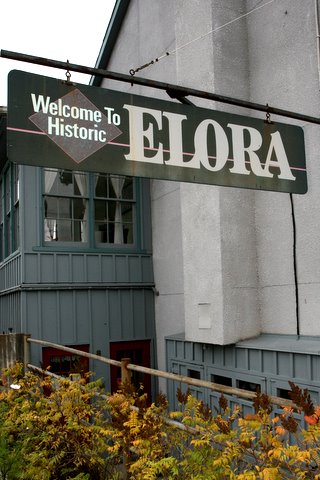
It’s worth saying again: One of the prettiest villages in Ontario is Elora. It’s so nice very time I visit this village of 5, 500 I want to move here. A lot of people have done just that. Elora is a place that grows on you from the minute you arrive. Over dinner at a local favourite eatery, The Shepherd’s PubI struck up a conversation with Nadine McEwen and Stan Winegard who told me they moved here about two and a half years ago from Timmons. Stan said, “It’s a real pretty place and a very welcoming community with an active artistic community. Since Nadine is a sculptor, it fits perfectly into our life style”. Even the owners of this authentic British pub had moved to Elora from Guelph just a few months ago. Throughout the weekend I bumped into others who made the move. Well now, let me think more about this moving thing.
Known for its unique limestone architecture, Elora was founded in 1832 by Captain William Gilkison, a British officer recently returned from India.
Shopping
Elora is an artists’ community specializing in handcrafted and one-of-kind items. The two main streets to stroll are Mills and Metcalfe.
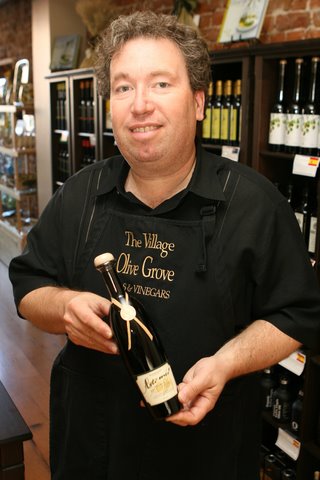
One stand out worth finding on Mill Street, near The Shepherd’s Pub, is The Village Olive Grove (it was the free olive oil tastings sign outside the store that first caught my eye). I met one of the owners, David Medeiros (He’s from Toronto). Medeiros believes their shop is the only one in Canada selling exceptional olive oils and vinegars from around the world. A few other shops that caught my eye were; Sante’s it’s a natural grocery store with organic and fair-trade foods and gifts. A Weed Bit Natural features hemp products and organic clothing. Jammed Lovely is filled with unique one of a kind gift items. Sweet Trash has clothing and accessories from the 1920’s and onwards. At Grand Gourmet KitchenwareI had to have some of the items explained to me as to what they were. You can tell how much time I spend in the kitchen.
The Village Olive Grove occassionally has free olive oil tastings.
Culinary Walking Tour
If you arrive on a Saturday sign up at the Village Olive Grove for the $10.00 walking tour between 1 and 3 pm. During the tour, you’ll sample specially created dishes from eight restaurants while learning about the history and architecture of the area.
One of the prettiest villages in Ontario-
Holiday Happenings
-Santa Claus Parade, Saturday, November 26 and Parade of Lights begin at 6pm.There’s another parade in nearby Fergus on December 3rd at 1:30 pm.
-Starlight Shopping November 24-25 until 9pm.
-Elora Centre for the Arts Show and Sale, December 8-22.
-The annual Elora Festivals Singers’ Christmas Concert series in December is an annual rite of winter.
The Elora Gorge
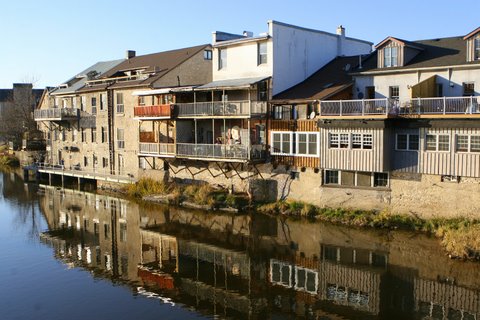
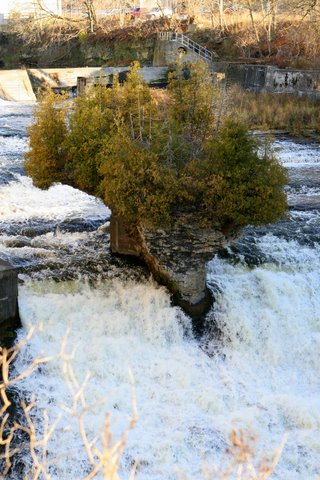
Here’s the gorge part. Elora is located on the Grand River where the Elora Gorge begins. The gorge has a waterfall that forms behind the Elora Innand continues for 4 kilometres. The Elora Inn is currently closed for renovations. In the middle of the falls is the, “Tooth of Time”. This is a huge rock that has become the symbol of the village of Elora.
The Elora gorge on the Grand River has a waterfall that forms behind the Elora Inn and continues for 4kms.
Where to Stay
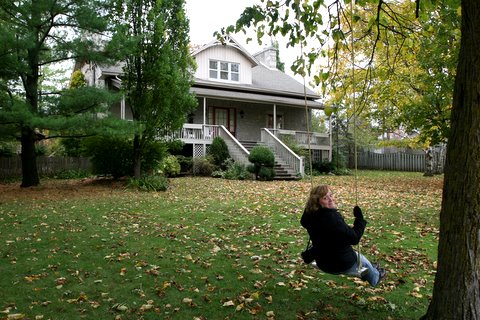
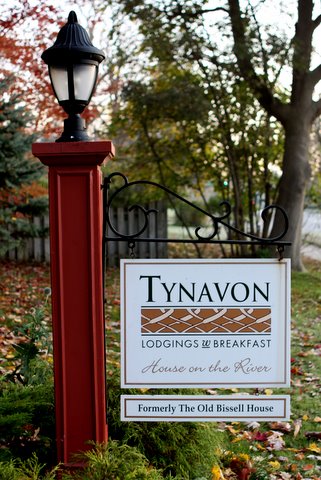
I picked the Tynavon Bed and Breakfast (Tynavon means House by-the-River in Scots Gaelic) to be home for the weekend. This quaint circa 1856 home at 84 Mill Street is a short walk from downtown. It has a gracious verandah overlooking the Grand River. Expect to pay around $125.00 a night for one of the best sleeps you’ll ever have and a scrumptious breakfast. (Silo Direct Link to Tynavon Bed and Breakfastor 1-866-334-3305).
Welcoming gate post- the Tynavon B and B
Here’s the goat part.
When you force yourself to leave Elora take a 10 minute trip on Highway 6 north to Arthur, Ontario. That’s where you’ll find River’s Edge Goat Dairy.(Silo Direct Link to Goat Milk Products Website or 1-800-209-7330) at 8102 Wellington Road 109, Arthur. If you have children with you they’ll love it. Chances are you’ll find owners Katie Kormet or Will Makxam tending to their herd of 120 mature does. The farm produces, with hard work, milk as well as cheese, yogurt and even soap.
Will told me- “We are a small goat dairy, and we process all of our own milk but we also raise the male goats for meat. In general, we tell our frequent customers, if our chain is down, come on in we are open. However, if our chain is up, we are unavailable but not necessarily closed or away. Not only are we artisan cheese makers, we are farmstead cheese makers. Not many farmers who do it all. We feed and milk our animals and make cheese on the farm. We are a provincially licensed dairy plant, like all other commercial dairy plants in the province. Our advantage: we use the freshest milk and process it into milk yogurt or cheese sooner than our competitors.
Visitors are welcome to visit the farm (no charge) and you might see the goats being milked. River’s Edge Goat Dairy hours of operation vary. Katie said, “Call us ahead of time to see if we’ll be home”.
What’s that Big red capital ‘C’ circling? Santa’s glass of holiday wine punch!
With dinner or dessert, as a gift or enjoyed over conversation, the versatility of wine is rarely more apparent than over the holiday season. With a little bit of foresight and planning, you can make this Christmas and New Year’s extra special with a drink that not only brings people together, but also enhances the flavours of your Christmas feast.
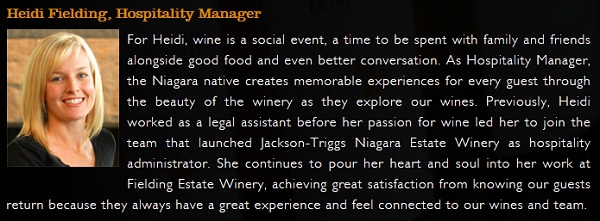
“Wine makes the perfect gift, whether it is for a co-worker or your spouse, and it really is the finishing touch to a great party, ” says Heidi Fielding, the Hospitality Manager at Beamsville’s http://www.fieldingwines.com Fielding Estate Winery. “Knowing which wines best complement which foods and flavours adds a layer of sophistication to your party, and knowing the perfect wine to serve at every step of the party adds an element of organization and flow.”
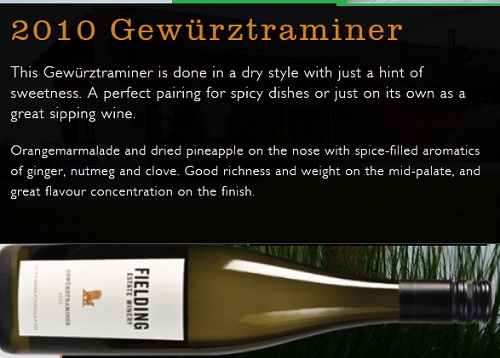
Thinking roast duck or ham for Christmas dinner? The Fielding ‘traminer is a fantastic match. CP
Here are some of the many ways Heidi suggests you can incorporate wine into your holidays:
Gifts for coworkers. Buying gifts for coworkers is always a difficult task, but a bottle of wine is a gift that works for just about anybody. There is a full slate of Ontario VQA wines available for less than $20, many of which have a universal appeal and stand well on their own or matched with food. Consider a medium-bodied and versatile wine that goes well with everything from appetizers to red meats.
Gifts for loved ones. Just as wines make a good gift for friends or coworkers, higher end wines are ideal for those who are special to you. A
fine wine is a shared experience and fodder for fond memories.
The House Party. Serving wine to your Christmas party guests is a classy and simple gesture that makes a good party great. It’s not a given that all of your guests will be serious wine drinkers, so serving a light white wine is a great idea that will generally please most.
Cocktail Hour/Appetizers. Wine isn’t just for the main course. Picking the right wine to go with your appetizers, or a good wine that can stand on its own, is a definite crowd pleaser.
Christmas Dinner. Not sure which wine to serve with turkey? Definitely a Chardonnay or http://www.fieldingwines.com/store/prod/50 Pinot Noir are perfect with turkey and all the traditional Christmas dishes. These wines are rich enough without overpowering the flavours and spices. A dry Rose is also a great choice and looks very festive at the dinner table.
Hostess Gift. When someone goes through the time and effort of planning a Christmas party, it is a good idea to extend your gratitude with a small gift of appreciation. Take the time to visit an Ontario winery to find a truly special bottle of wine that may not be found in the LCBO.
About Fielding Estate Winery
Fielding Estate Winery is a unique, award-winning winery with an inviting atmosphere located on Niagara’s Beamsville Bench. Fielding’s Muskoka-inspired wine lodge nestled at the foot of the Niagara Escarpment offers stunning views across the winery’s vineyard to Lake Ontario and Toronto’s skyline. This vista is the dominating feature as you sample of some of Ontario’s finest VQA wines, made from grape varieties that perform best in Niagara’s unique microclimate vineyards — Riesling, Pinot Gris and Chardonnay for whites, and Pinot Noir and Merlot for reds. With three gold medals, Fielding was the most decorated winery at the 24th annual Cuvée Awards in March 2012 and General Manager Curtis Fielding was named 2012 Grape King recognizing viticulture excellence. CP
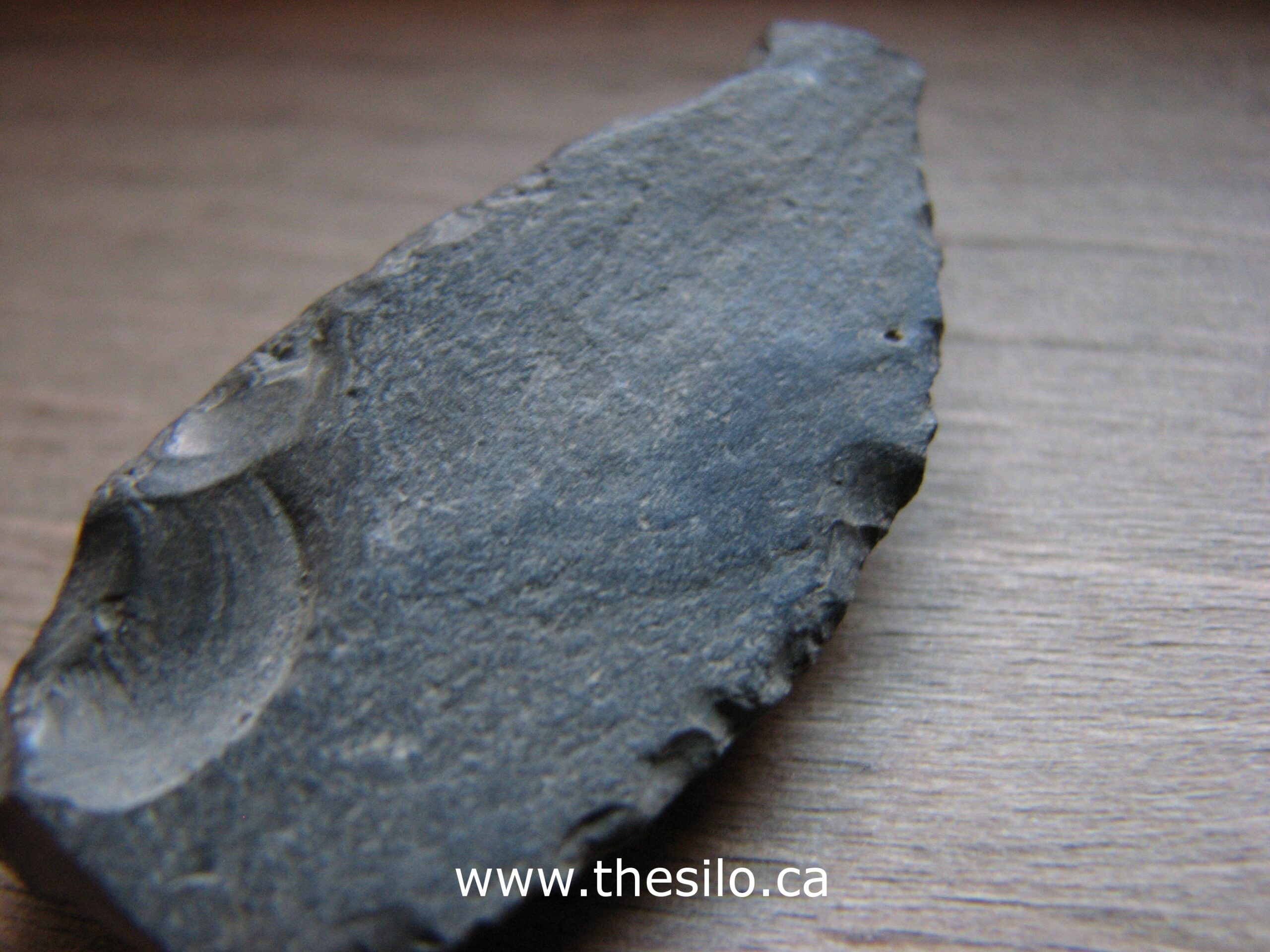
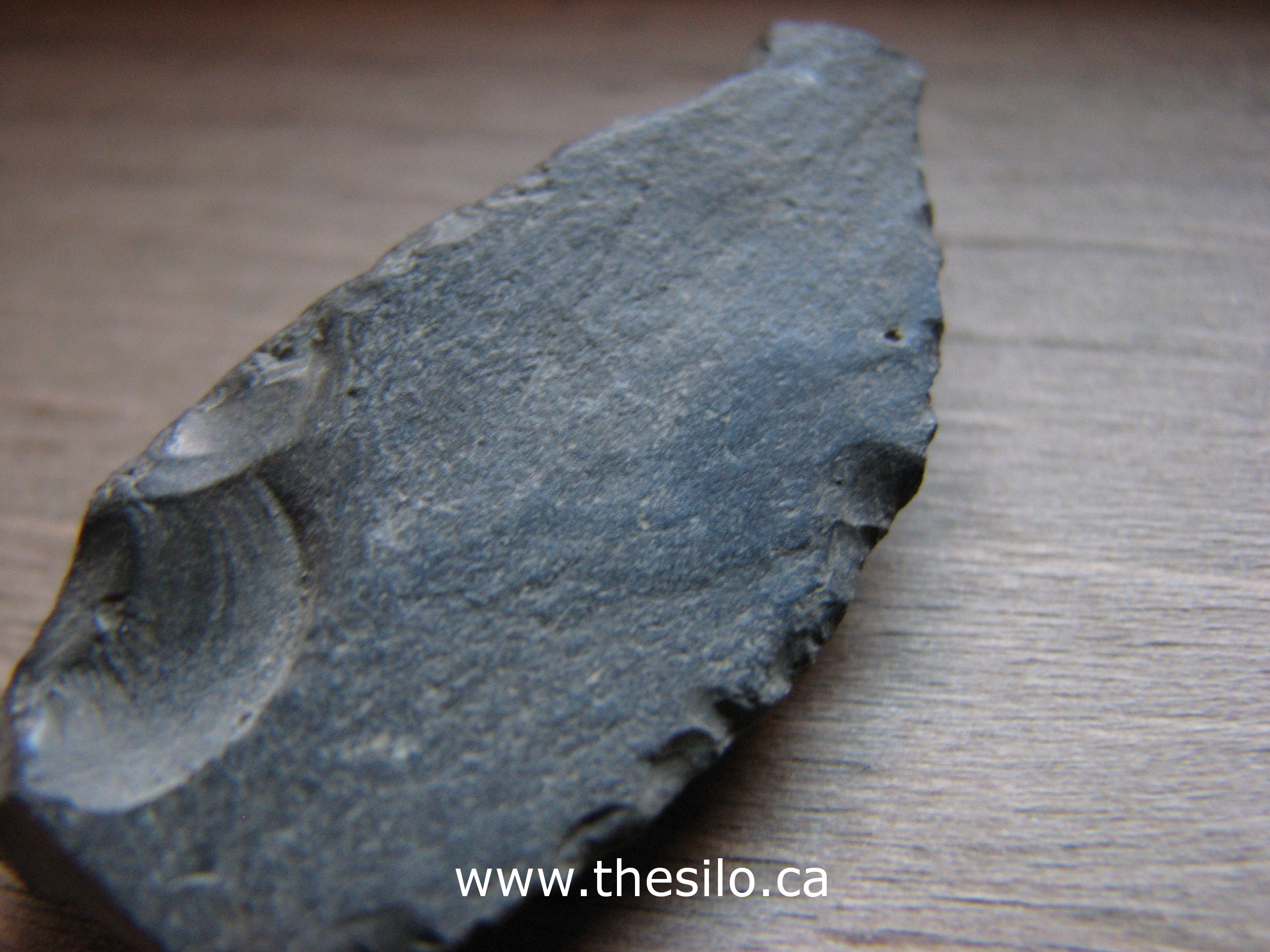
Flaking and percussion bulbs point towards human manufacture
This stone shows signs of ancient human manufacture. Percussive bulbs result from being hammered and chipped, and facial flaking along the sides are strong indicators. It was retrieved in April 2010 from the then drained shoreline of Silver Lake millpond in Port Dover, Ontario. In the vicinity of the stone were animal bones and glacial till.
Provide clear standards and guidelines for the preservation of provincial heritage properties.
Enhance protection of heritage conservation districts, marine heritage sites and archaeological resources.
Even when cultural artifacts are not immediately discovered, a cultural assessment must take place to establish any archaeological remains. The Cayuga Bridge construction project was delayed due to this requirement.
Eva Brook was born in 1867, the year of confederation and, interesting as well, the incorporation of Moosehead Beer. Auspicious beginnings. Her Simcoe family owned The Brook Woollen Mill, and like many privileged children of her time she attended private school. She was fortunate to study art under Frederick Bell Smith, the renowned Canadian-Victorian painter, at Alma College in St. Thomas. Brook would later return to Alma as a teacher, and in fact headed the art department there.
In the 1890’s Eva emigrated to Mexico, where it seems she operated a bookstore, and where she may also have re-connected with her soon-to-be husband A.W. (Will) Donly, who she had known from school. After their marriage in Norfolk, the couple returned to Mexico where Will had taken the post of Canadian Trade Commissioner.
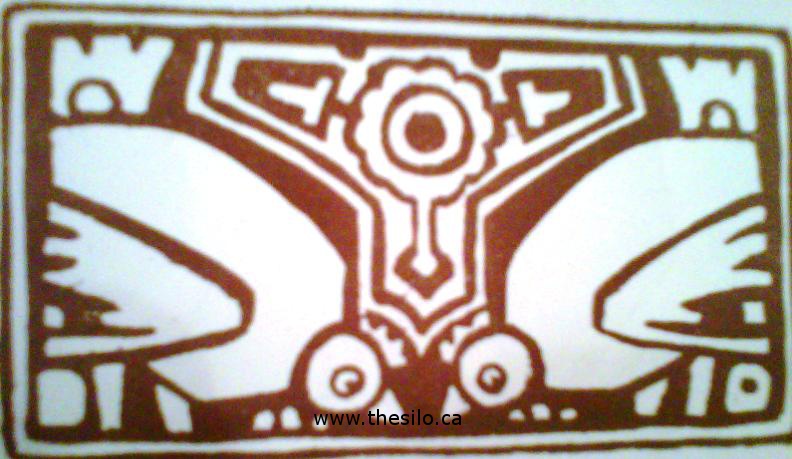
Eva’s skill as an artist continued to develop against the backdrops of her upper-class life in a diplomatic household, as well as the unrest following the 1910 Mexican revolution (though her paintings, as shown, do not reference the violence of that time). She made friends with the archaeologist Zelia Nuttal, who had developed a system for decoding the symbols of pre-Colombian art, and the current exhibition contains ceramics Brook-Donly decorated based on the Nuttal codex, as well pieces from her collection of Aztec pottery and artifacts.
After the Donly’s return to Canada Eva embraced the emerging, modern painting style of Tom Thomson and The Group of Seven, and her work began receiving more attention. In The Review of the Royal Canadian Exhibition, an article which appeared in Canadian Forum, December 1920, she is mentioned alongside Arthur Lismur, Franklin Carmichael and A.Y. Jackson. There are some hilly landscapes in some of her work that appear to directly quote Jackson’s treatment of the same.
It may be hard to fathom now but in 1920 The Group of Seven represented a revolution in Canadian painting, rankling the sensibilities of many established and more naturalistic artists. That Eva was attracted to their work, and understood it, suggests a progressive spirit–that is if picking up and moving to Mexico in the 1890’s was not enough for you. Any doubt will surely be erased by her decision to study with the American artist and designer Ralph Johonnot. His use of colour was vivid and idiosyncratic and his images, as one writer of the time put it, were like “illustrations for a fairy tale.” Brook Donly’s experiments with this style veritably leap out from among her other paintings as if they were sitting under a black light.
The impact of Mexico continued to feature in her art through the 20’s as well. If she picked up an interest in pattern design from Johonnot, she combined it to great effect with Aztec and Maya motifs to create striking, two-colour images for ceramics.
Eva Brook Donly was an early figure of the Simcoe establishment and one of the first members of the Norfolk Historical Society. For the Silo, Chris Dowber.