Tag Archives: collecting art

The Biggest Art Collecting Mistake I Made

Before I started collecting art, I dipped my toe in the water by buying prints and art posters (the latter still has a soft spot in my heart). One thing that often gets overlooked when collecting works on paper in the pursuit of affordable art is just how expensive framing is. Now, when given a choice between a painting on canvas or paper, I’ll sometimes choose the former to avoid the cost of framing.
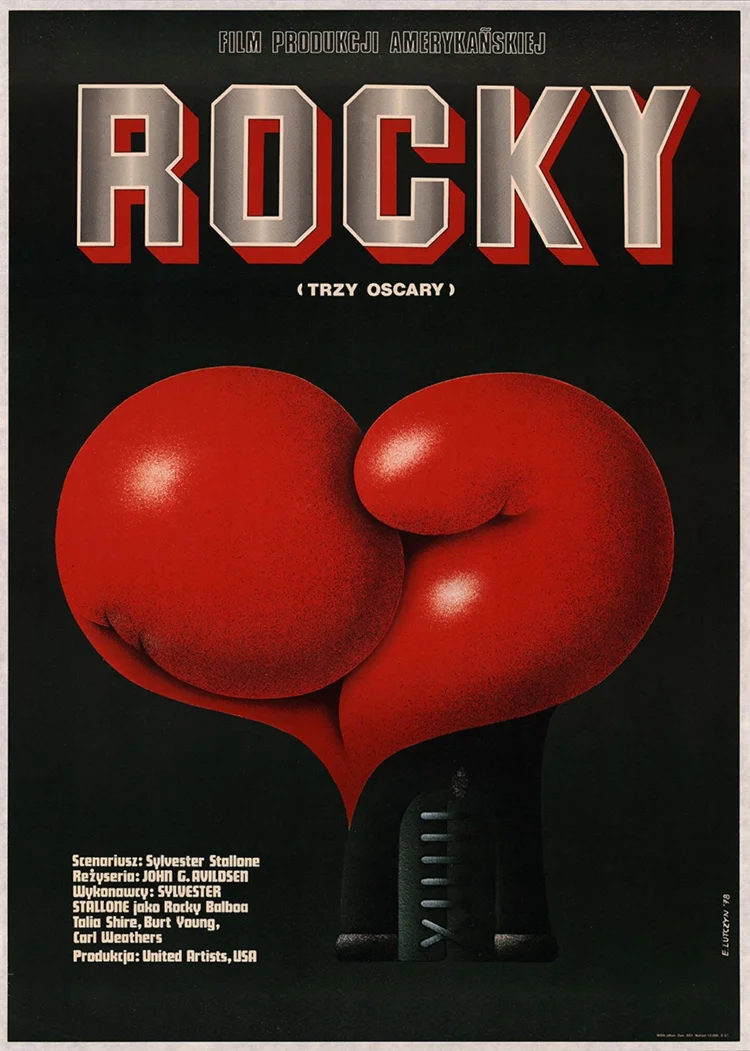
Polish Rocky Poster

Polish Back to the Future poster.

Years and years ago, on a trip to Cincinnati for the FotoFocus Biennial, I picked up this Polish theatre poster for a production of Who Killed Virginia Woolf. I love the history of Polish film posters, which have a distinct style that circumvented strict rules of the Stalinist regime around art making (you can read more about the history of that here). I love the weirdness and darkness of the posters, and with this particular poster, I love(d) the deeply pigmented pink.

Now I present my biggest art mistake:

The poster four years ago:
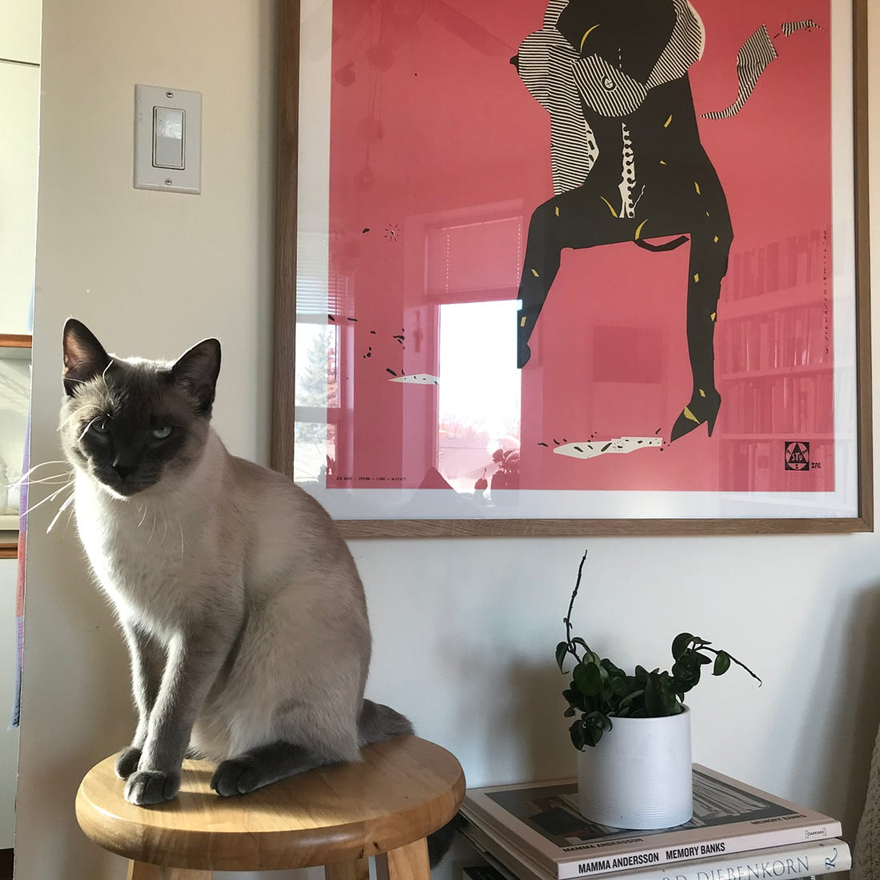
Hi, Raffi

And the poster now:
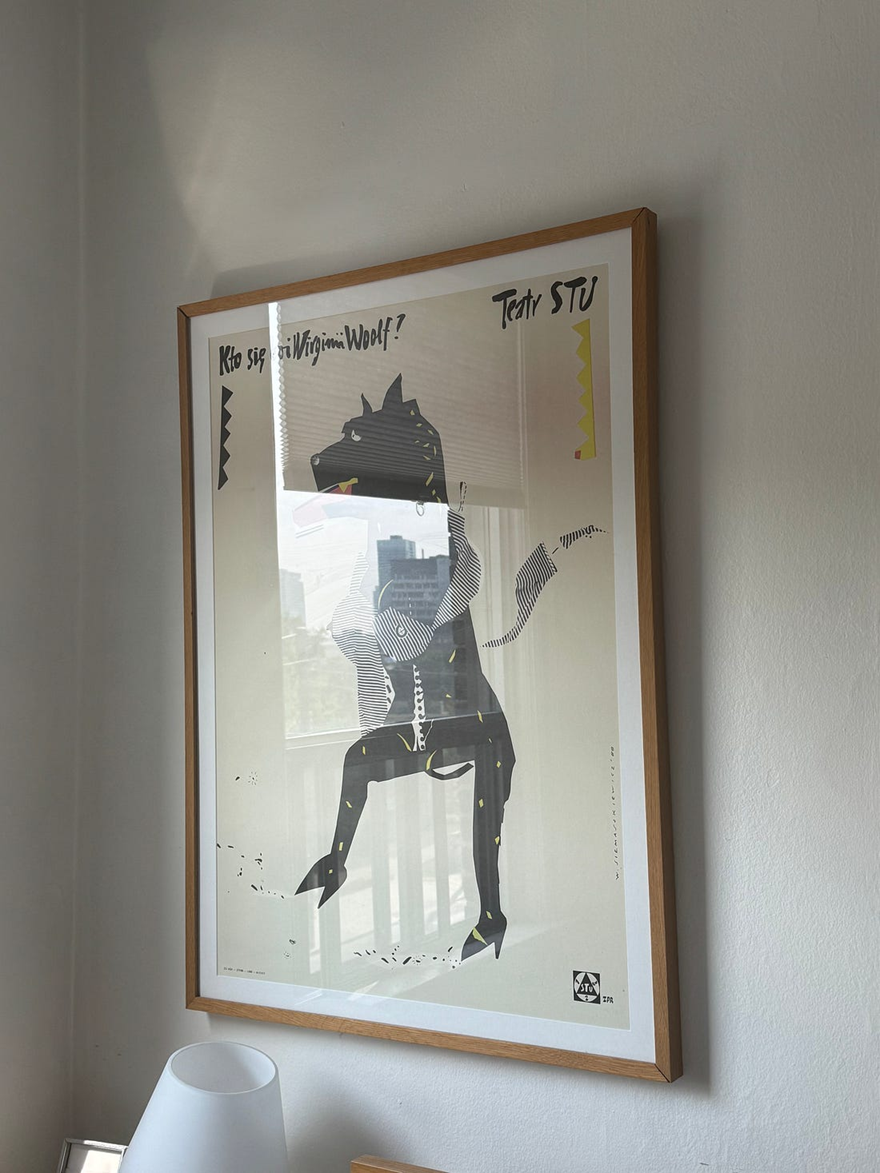
I’m sure being directly beside a window doesn’t help matters

All the pink pigment is gone. Remember when Kim Kardashian wore Marilyn Monroe’s dress to the Met Gala and everyone was furious that she ruined something archival? That’s basically how I feel.
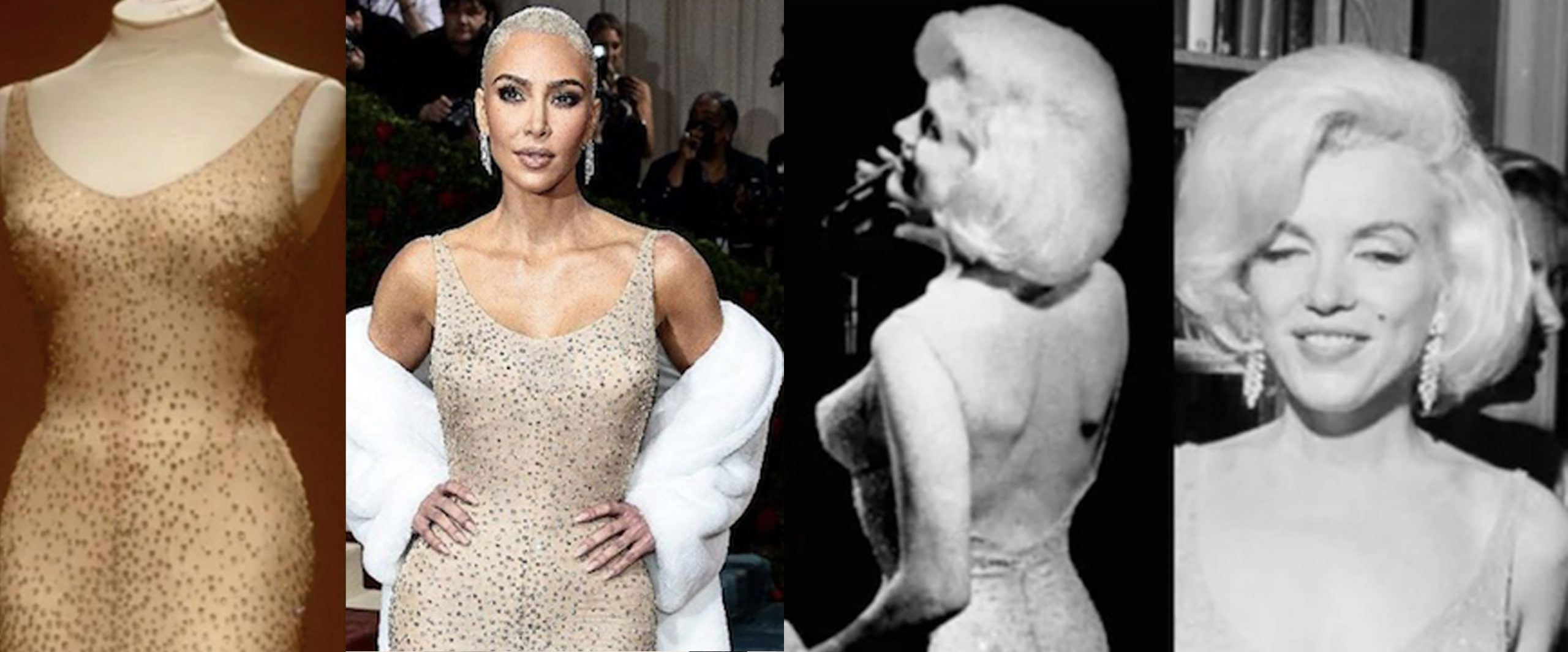
Lesson Learned: Go for the more expensive glass or acrylic option!

I emailed Mitch Robertson at Superframe, a top-of-the-line frame shop in Toronto, to ask about how I could have prevented this. His first response was to express disbelief: Were they really the same poster? Yes, unfortunately, it is.

He followed up with an in-depth breakdown of why the glass, specifically the UV protection, is important to consider when framing:

For art or anything that is light sensitive, the type of glass or acrylic used is one of the most important decisions in framing. The sun and any source of UV light can bleach or shift the colours in a print or photograph in particular and warm colours like red are the most susceptible.

To prevent this, clients should choose a glass or acrylic with a high UV filter. Standard glass and acrylic typically block around 50% of UV light. Conservation options block 99% of UV light but look much like regular glass. Finally, low reflection glass and acrylics offer a much better viewing experience and offer 92 to 99% UV protection.

There is a price difference between the three levels so deciding which option is right for you can depend on budget as well as the location the art will hang as well as how vulnerable the art is to UV light. A reputable framer should have a range of options available and can explain the pros and cons for each.

While the glazing is a very important part of the decision for protecting your new art, other factors such as how the art is hinged and the quality of matboard and backing will also affect the art over time and can lead to discoloration if the materials and hinging methods are not to museum standards.

Mitch’s response demonstrated something I came to learn the hard way: it’s not the time to cut costs when choosing the type of UV glass. A sidenote is I’ve also had polaroids fade after framing in store-bought frames, so if there are family photos that are important, the same lesson applies.

I then started thinking about a conversation I had in 2021 with Monique Palma Whittaker, an art conservator who works between Toronto and Italy. We discussed the importance of collectors being stewards of artworks, propelling them into the future for the next generation. This conversation has always stuck with me because it answers a question I think about often: What is the purpose of art collecting? The answer might be as simple as taking care of art for our lifetime, so that it can exist into the future. It’s a question of maintaining history!

When collecting, it’s not just about the cost of the artwork, but the cost to properly take care of it for its lifespan. If that price is too high, whether it be framing or a properly temperature-controlled room, then it’s better to collect something you can holistically afford to take care of. For the Silo, Tatum Dooley.
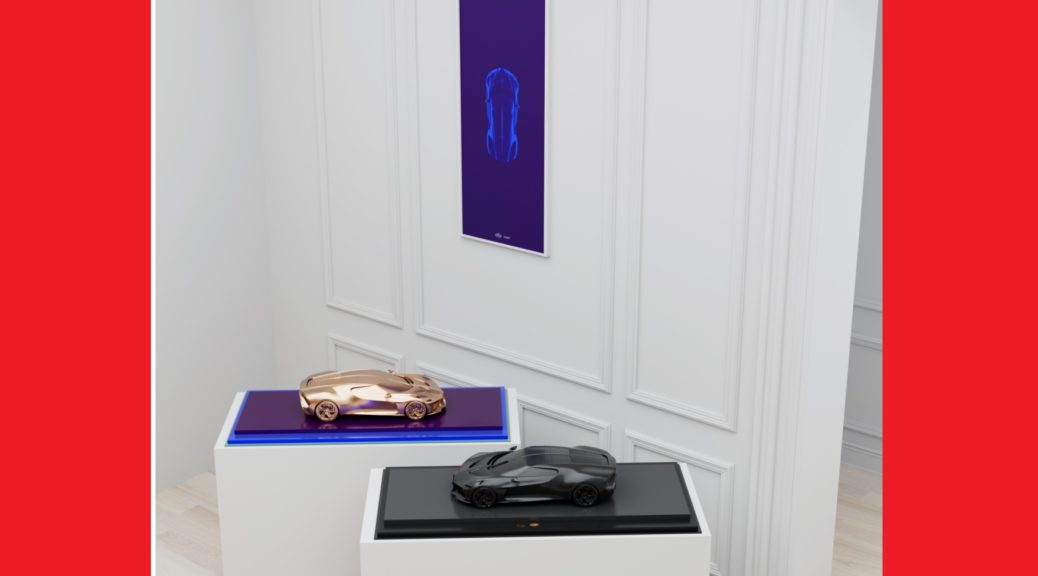

Auction House Making News Today Via Asprey Bugatti NFT And Sculpture

Today the Phillips auction house will showcase a one-of-a-kind NFT that will certainly appeal to both art and automobile collectors.

As a part of its 20th Century & Contemporary Art Evening Sale in London, Phillips will auction a 1-of-1 Bugatti NFT, with a starting bid of more than 350k. The NFT is paired with a physical, handmade sculpture designed in rose gold by the iconic Asprey brand.

“This is the first masterpiece derived from the Asprey Bugatti partnership, following the hugely successful sell out of the smaller 261 collection, inspired by pop art and the current digital art movement. The NFT enables the artwork to link to two physical sculptures in the blockchain, preserving provenance and authenticity. The NFT is a secondary feature that simply enables the sculpture and artworks to co-exist together in a unique narrative, a moment in history for the art of Asprey and Bugatti.”

Ali Walker, Asprey Studio’s Chief Creative Officer

Raising fascinating questions around ownership and the object, NFTs and blockchain technology have become increasingly prominent aspects of our contemporary landscape.

You can read more about the the auction, which will take place around 2 p.m. ET today by clicking here.

The auction has drawn so much attention that an online sportsbook BetOnline.ag has even created odds for the highest bid, setting the “over/under” at 500k.

Asprey and Bugatti began its digital and physical collaboration more than three months ago when it announced an NFT collection in partnership with Exclusible. That collection consisted of 261 unique tokens with different color combinations.

Like today’s auction, each of the 261 NFTs from the “La Voiture Noire” collection were paired with handmade sculptures redeemable by the holder at a future date. The sterling silver sculptures were handcrafted at Asprey’s London workshop by master silversmiths so no two pieces will be identical.

From the Philips auction page: THIS LOT IS A “NON-FUNGIBLE TOKEN” (NFT)
35
Asprey Bugatti
La Voiture Noire
Token ID: 1
Contract Address: 0x9250…F0c4
Non-Fungible Token: ERC-721
PNG: 1.49 MB (1,565,152 bytes), 2835 x 6803 pixels
Minted on 27 April 2022, this work is unique.


Please note the buyer of this NFT will have the option of ordering up to two physical sculptures, to be created by Asprey London Limited following the Auction.

“This exclusive partnership with Asprey will enable Bugatti customers and enthusiasts to enjoy our design values from a new perspective through this stunning Masterpiece. Featuring a Bugatti masterpiece at a prestigious contemporary art auction using NFT technology to fuse the art and the sculptures, embodies the spirt of innovation at Bugatti”

Wiebke Stahl, Managing Director of Bugatti International

Today’s physical item will be linked to the corresponding NFT via a QR code, serial number and color combination (unique base), and it will also include the Asprey and Bugatti logos. The physicals are expected to be redeemable in three months.

The current floor price on OpenSea is 12 ETH (At time of article, 1 ETHERIUM = $1,312.62 cad / $1,019.75 usd). The sales volume is 693 ETH, with an average sale of 10 ETH.

Asprey Bugatti NFT owners will be whitelisted for the Asprey Studio Club (ASC) Genesis membership in July. Genesis members will receive a physical gold signet ring with a founder edition engraving, along with special benefits such digital airdrops, whitelist for future drops, exclusive event/gallery invitations and more.

ASC members will also be able to display and offer for purchase their Asprey Bugatti NFT/sculpture on the first floor of the Asprey Studio showroom in the affluent Mayfair district of London.

Heritage Auction Featured Renoir’s Personal Items

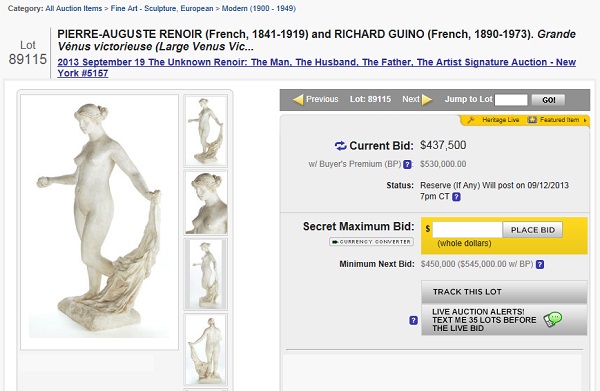
PIERRE-AUGUSTE RENOIR (French, 1841-1919) and RICHARD GUINO (French, 1890-1973) Grande Vénus victorieuse (Large Venus Victorious), 1914-15  Original plaster  71 inches (180.3 cm) high  Published by Vollard, Paris  THE RENOIR COLLECTION  With her weight rested on her right hip, holding a drape in her left hand and the golden apple in her right, this standing female nude is said to be the culmination of Renoir's sculptural works. Transforming paradox into perfection, Renoir marries contradictory attributes to personify his idea of female quintessence. Vénus victorieuse the Woman is majestic yet simple, engaged and yet isolated, familiar but also obscure. With this sculpture, Renoir redefines classical theme and form to portray the eternal beauty of Woman - a leitmotiv apparent in much of his work.  LITERATURE:  P. Haesaerts, Renoir Sculptor, New York, 1947, p. 24, no. 6, illustrations of another cast pls. XIV-XXI.  NOTE:  This original foundry plaster is not copyright protected. images :ha.com
PIERRE-AUGUSTE RENOIR (French, 1841-1919) and RICHARD GUINO (French, 1890-1973)
Grande Vénus victorieuse (Large Venus Victorious), 1914-15
Original plaster
71 inches (180.3 cm) high
Published by Vollard, Paris
THE RENOIR COLLECTION
With her weight rested on her right hip, holding a drape in her left hand and the golden apple in her right, this standing female nude is said to be the culmination of Renoir’s sculptural works. Transforming paradox into perfection, Renoir marries contradictory attributes to personify his idea of female quintessence. Vénus victorieuse the Woman is majestic yet simple, engaged and yet isolated, familiar but also obscure. With this sculpture, Renoir redefines classical theme and form to portray the eternal beauty of Woman – a leitmotiv apparent in much of his work.
LITERATURE:
P. Haesaerts, Renoir Sculptor, New York, 1947, p. 24, no. 6, illustrations of another cast pls. XIV-XXI.
NOTE:
This original foundry plaster is not copyright protected.
images :ha.com


The single largest archive of Pierre-Auguste Renoir’s personally-owned objects — from his signature polka-dot scarf to the original plaster maquette of La Grande Venus Victrix — will highlight an expansive grouping dedicated to the Impressionist icon in Heritage Auctions’ The Renoir Estate Collection Signature® Auction, Sept. 19 in New York.

The collection is an intimate glimpse inside the personal and professional life of the master painter through a trove of important documents, including his marriage certificate, photographs and letters written to Renoir from friends and contemporaries such as Monet, Manet, and Rodin. The collection also features a selection of original sculptural plaster maquettes created at Renoir’s estate in Cagnes, France, in the twilight of his career. Battling severe arthritis, Renoir collaborated with a young and able-handed artist, Richard Guino, at his dealer Ambroise Vollard’s suggestion.

Together, Renoir and Guino selected which drawings and paintings would work as sculptures, and they set to work. Included among the sculptural offerings is likely the auction’s top lot — a 72 inch tall original plaster maquette for La Grande Venus Victrix, the Roman goddess.


This museum-level collection is superb in its completeness and reveals volumes about the man and his art,” said Brian Roughton, Managing Director of Fine Art at Heritage Auctions. “It touches every corner of his life and represents the last time this collection will appear assembled ever again. In addition to the personal letters and objects, we’re also thrilled to have the opportunity to offer 20 carefully collected original plaster maquettes.”

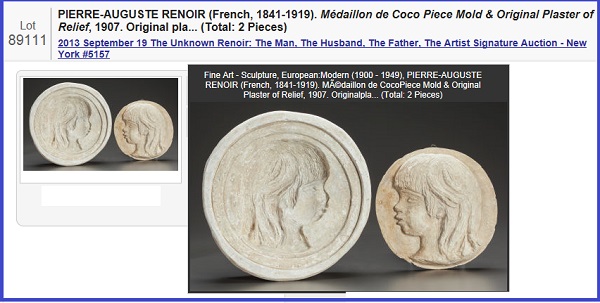
PIERRE-AUGUSTE RENOIR (French, 1841-1919) Médaillon de Coco Piece Mold & Original Plaster of Relief, 1907  Original plaster  8-1/2 inches (21.6 cm) (relief diameter)  11-1/2 inches (29.2 cm) (diameter with borders)  Published by Hodebert, Paris & Flechtheim, Berlin  THE RENOIR COLLECTION    Renoir's first sculptural work, this medallion and the bust of his youngest son, Claude "Coco" Renoir are the only two sculptures Renoir executed entirely with his own hands. The work was intended to decorate the fireplace in the dining room of Les Collettes at Cagnes, where it was displayed once finished.  Estimate: $20,000 - $30,000. LITERATURE:  P. Haesaerts, Renoir Sculptor, New York, 1947, p. 19, no. 1, illustration of another cast pl. III.
PIERRE-AUGUSTE RENOIR (French, 1841-1919)
Médaillon de Coco Piece Mold & Original Plaster of Relief, 1907
Original plaster
8-1/2 inches (21.6 cm) (relief diameter)
11-1/2 inches (29.2 cm) (diameter with borders)
Published by Hodebert, Paris & Flechtheim, Berlin
THE RENOIR COLLECTION
Renoir’s first sculptural work, this medallion and the bust of his youngest son, Claude “Coco” Renoir are the only two sculptures Renoir executed entirely with his own hands. The work was intended to decorate the fireplace in the dining room of Les Collettes at Cagnes, where it was displayed once finished.
Estimate: $20,000 – $30,000. LITERATURE:
P. Haesaerts, Renoir Sculptor, New York, 1947, p. 19, no. 1, illustration of another cast pl. III.


Among the maquettes, Heritage is offering “Coco,” one of the only plaster maquettes that Renoir produced himself, depicting his young son Claude.

American Medal of Honor awarded to Renoir

The staggering amount of life documents, awards and ephemera includes rarities such as an American Medal of Honor awarded to Renoir at the 1883 Foreign Exhibition and an album of candid family photographs featuring Henri Matisse among other notable artists of the day. The archive also includes rarely seen objects likely made for the artist’s eyes only, such as a diminutive polychrome ceramic vase and sugar bowl thrown and painted with his son, Jean, at Les Collettes as Jean recuperated from War injuries at Les Collettes.


Renoir's pince-nez, spectacles popular in the 19th century supported without earpieces by pinching the bridge of the nose, in a hinged leather case with royal purple velvet lining. Estimate: $1,000 - $1,500.  Artist Unknown:.  Condition Report*: 4.25 x 1.5 inches
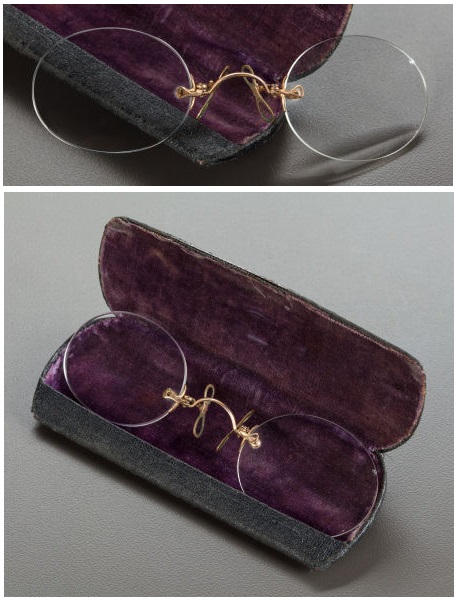
Renoir’s pince-nez, spectacles popular in the 19th century supported without earpieces by pinching the bridge of the nose, in a hinged leather case with royal purple velvet lining. Estimate: $1,000 – $1,500.
Artist Unknown:.
Condition Report*:
4.25 x 1.5 inches