Tag Archives: Atari Video Computer System

Spacewar! The First Videogame Demoed in 1961

Spacewar! the first digital video game first ran as a demo in 1961 on an DEC Digital Equipment Corporation PDP-1 (Programmed Data Processor-1) computer and holds a central place in the development of video games as a cultural form.

VideogamesAsArtPDP

Made In house

Spacewar! was created by a group of students and researchers (including Steve Russell) at the Massachusetts Institute of Technology (MIT) in 1961, conceived of as a demonstration for the new Digital Equipment Corporation PDP-1 computer.
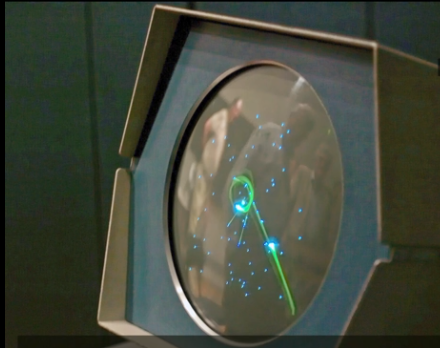
The completed game premiered at the 1962 Science Open House at MIT, and was later shared and modified at computer labs around the United States. This “computer toy” influenced untold technological advances and gave rise to the cultural phenomenon now known as video games.

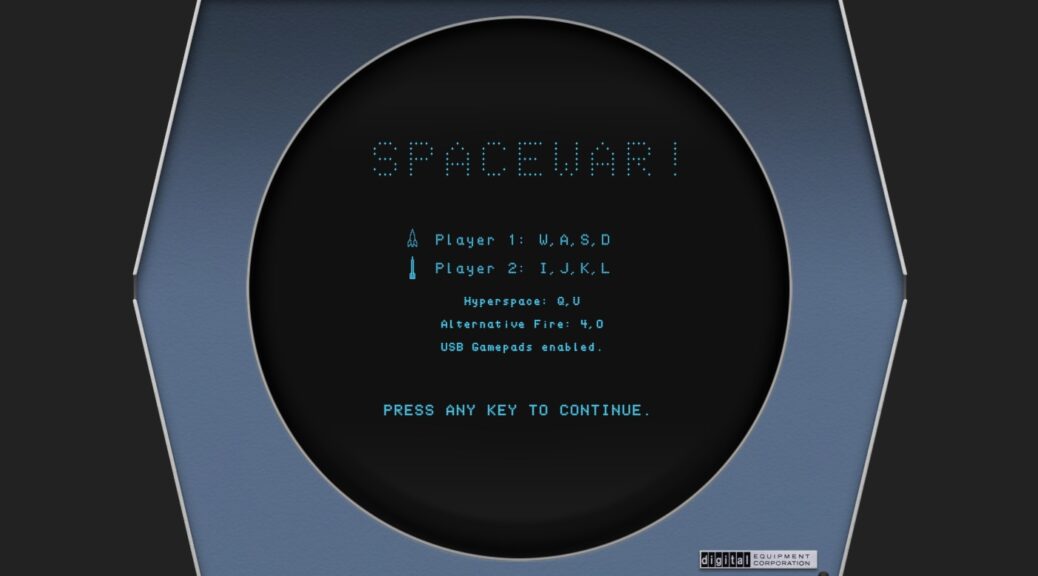
Play an accurate online version of Spacewar! on a simulated PDP-1 here.

All the Basic Building Blocks Of Modern Videogames

Among other things, Spacewar! set the template for the game development industry and its relationship to technology, established shooting as a core game mechanic, and inspired space and science fiction themes for future games including the Atari classic Asteroids and many others. Spacewar! was even an early cartridge game ported to the Atari VCS / 2600 in 1978 and deserves extra consideration for being an important title for the collector- it was one of the first home adaptations of a computer game.

How Videogames Are Classified As Age Appropriate

Christmas is coming and  kids across Canada and the World will be telling their parents, and Santa Claus himself, about the latest and greatest video game excitement they want under the tree on the big day. Buying age-appropriate videogames can be a daunting proposition but a great place to start if you’re feeling overwhelmed is the Entertainment Software Rating Board’s video game classification system, a series of easy-to-use ratings designed to help parents pick out the right games for their kids.

The Entertainment Software Rating Board was established by the video game industry in 1994 to provide age-based purchasing guidelines for games. ESRB rankings, which are used in both Canada and the United States, have been applied to nearly 20,000 individual video game titles since then, making it easier to decide what to bring home by providing a snapshot of what’s in the box.

The ESRB assigns virtually every video game on the market one of four rankings: E (Everyone), T (Teen), M (Mature) and AO (Adults Only.) The E rating indicates that a game is suitable for all players, while games rated T are considered appropriate for gamers aged 13 and up. Games with an M rating are for players who are at least 17 years old, and AO games are reserved for those of at least 18 years of age and generally aren’t sold by mainstream retailers. Age ratings are prominently displayed on the front of the game box, while “content descriptors” on the back provide details about specific game content, like alcohol and drug references, mature humour, strong language and violence.

ESRB ratings are a fantastic tool and studies by the U.S. Federal Trade Commission have consistently shown that the video game industry boasts better rating compliance than any other entertainment medium in North America- better, even, than MPAA ratings for movies. But ultimately, only parents can decide what their kids should play. Not sure about what they’re asking for? Check the box and then make the call.

To learn more about video game ratings, have a look at the Rating Board’s website  where you can also access a detailed list of all currently-rated games. For the Silo, Andy Chalk.