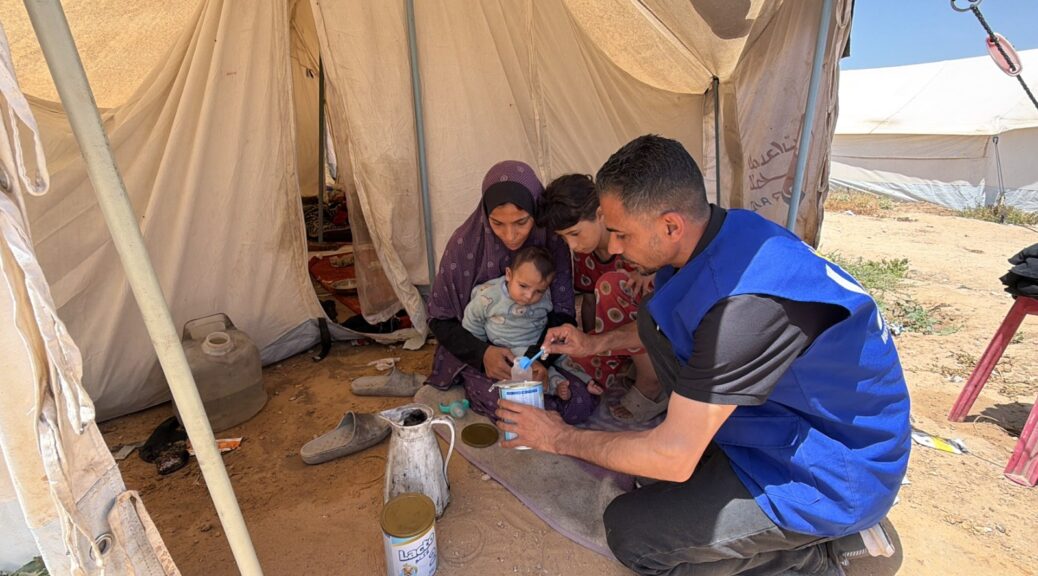
Thousands of Widows, Women and Girls Face Hunger, Displacement and Loss of Healthcare
The suffering of women in the Gaza Strip is no longer limited to the consequences of war and early widowhood. It has extended into severe humanitarian challenges that have forced hundreds of thousands of women to shoulder the responsibility of supporting their families and caring for their children alone, amid repeated displacement, the absence of adequate shelter, shortages of food and clean water, and the deterioration of healthcare services.
Reports issued by UN Women reveal that more than 38,000 women and girls have been killed since October 2023, while more than 172,000 have been injured. In addition, approximately 11,700 women and girls have sustained severe injuries resulting in permanent disabilities. This creates long-term burdens for injured women and their families, particularly given the limited availability of rehabilitation, treatment, and specialized care services.
Organized Camps to Protect Women, Their Orphans and Older People
To discuss the humanitarian situation facing Palestinian women, we spoke with Vicki Roob, Director of International Affairs at LIFE for Relief and Development, which ranked fifth among the best-performing organizations working in Palestine during the war, according to Charity Navigator assessments.
Roob discussed the scale of the suffering, saying:
“One of the most significant social changes highlighted by UN Women is that approximately 86,290 households in Gaza are now headed by women.
“These women’s responsibilities extend beyond providing food and meeting daily needs. They must also secure shelter, protect their children, follow up on their education, and care for their physical and psychological health, all amid the absence of stable sources of income.”
Abu Suhaib, LIFE’s Office Director in the Gaza Strip, added:
“Since the beginning of the war, we have made women a priority in our humanitarian assistance, particularly widows who have no one to support them. This is why we developed the idea of establishing organized LIFE camps across northern, central, and southern Gaza.
“We established nine camps that provided shelter for 62,000 families, supplying them with insulated tents that offer protection from summer heat and withstand rain, flooding, and cold weather during winter. These tents are also designed to accommodate repeated displacement when necessary.
“Within the camps, multiple restroom facilities have been provided to ensure safety and privacy for women and girls, alongside the distribution of dignity kits and food parcels.
“LIFE also works to provide ready-to-eat meals, meat, canned food parcels, drinking water, water tanks, medicines, and hospital supplies throughout the Strip.
“We also support women in Gaza by caring for their orphaned children through shopping vouchers covering their essential needs, supporting their continued education, and providing winter clothing, heating supplies, and protection from summer heat, insects, and rainwater for families living outside the camps.
“In addition, we provide solar energy systems and fuel-powered generators to help facilitate medical examinations for women and their children who require comprehensive healthcare.”
Pregnant and Breastfeeding Women: Food Insecurity and Lack of Healthcare
Dr. Amal Al-Sharabi, an obstetrician and gynecologist working at a hospital in central Gaza, describes the challenges facing pregnant and breastfeeding women:
“Pregnant and breastfeeding women are facing increasing health challenges as a result of damage to medical facilities, shortages of medicines and medical supplies, and difficulties accessing hospitals and specialized healthcare centers.
“The risks facing mothers include malnutrition, anemia, high blood pressure, bleeding, and infections, in addition to the lack of pregnancy monitoring services, safe childbirth care, and postpartum healthcare.
“During this year alone, more than 3,950 miscarriages have been recorded, while the rate of cesarean deliveries has reached 49.2%.
“The risks do not end with childbirth. Mothers face difficulties obtaining adequate nutrition and postpartum medical care, in addition to shortages of supplies for newborns. This further increases the physical and psychological pressures on mothers.
“Approximately 790,000 women and girls are facing crisis levels of food insecurity. Many mothers are forced to reduce their own meals or give up part of their food portions so that their children can eat.
“Furthermore, shortages of safe drinking water, cooking fuel, and food preparation facilities make obtaining a safe and balanced meal a daily challenge, particularly in displacement camps that lack basic services.”
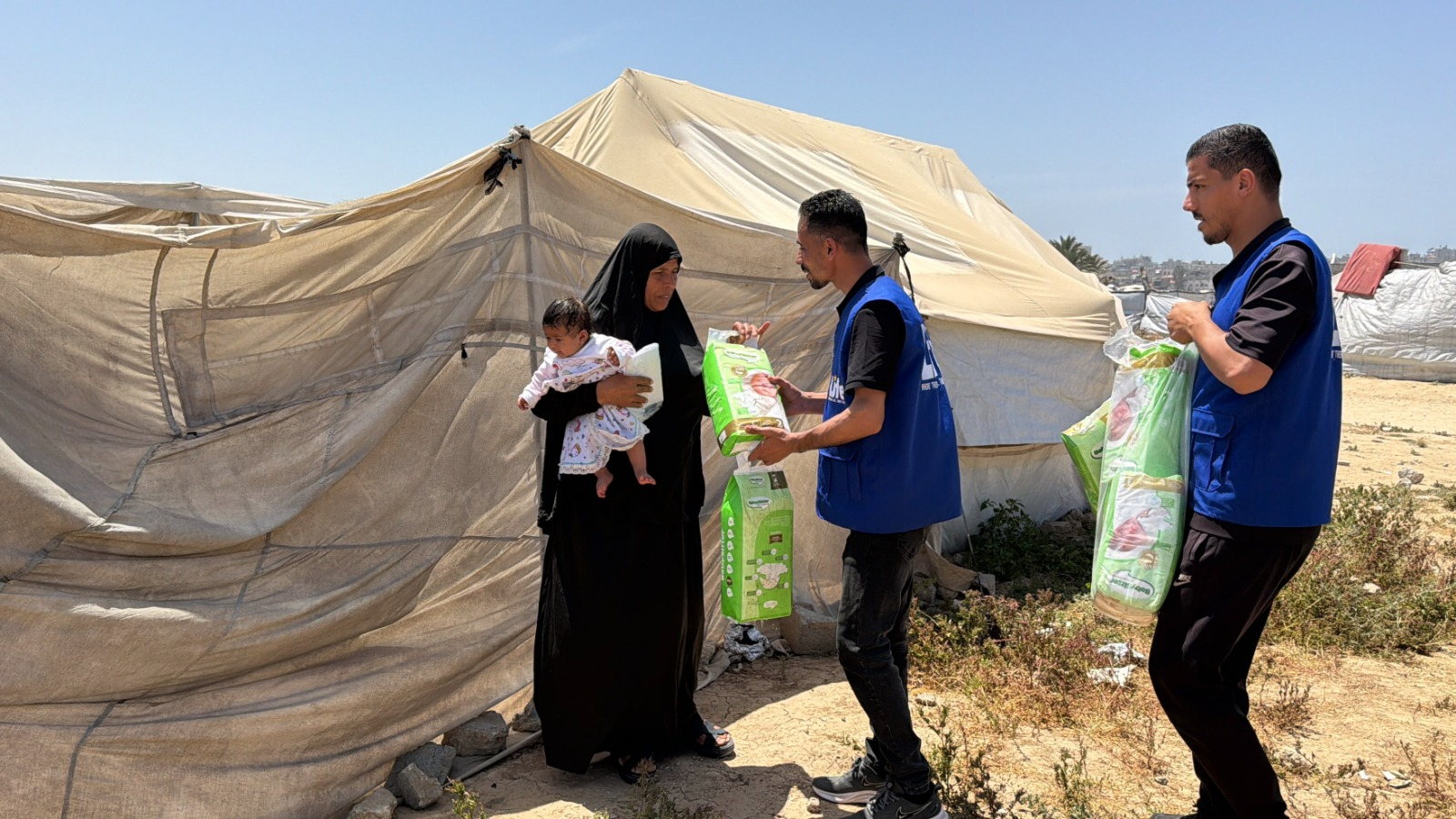
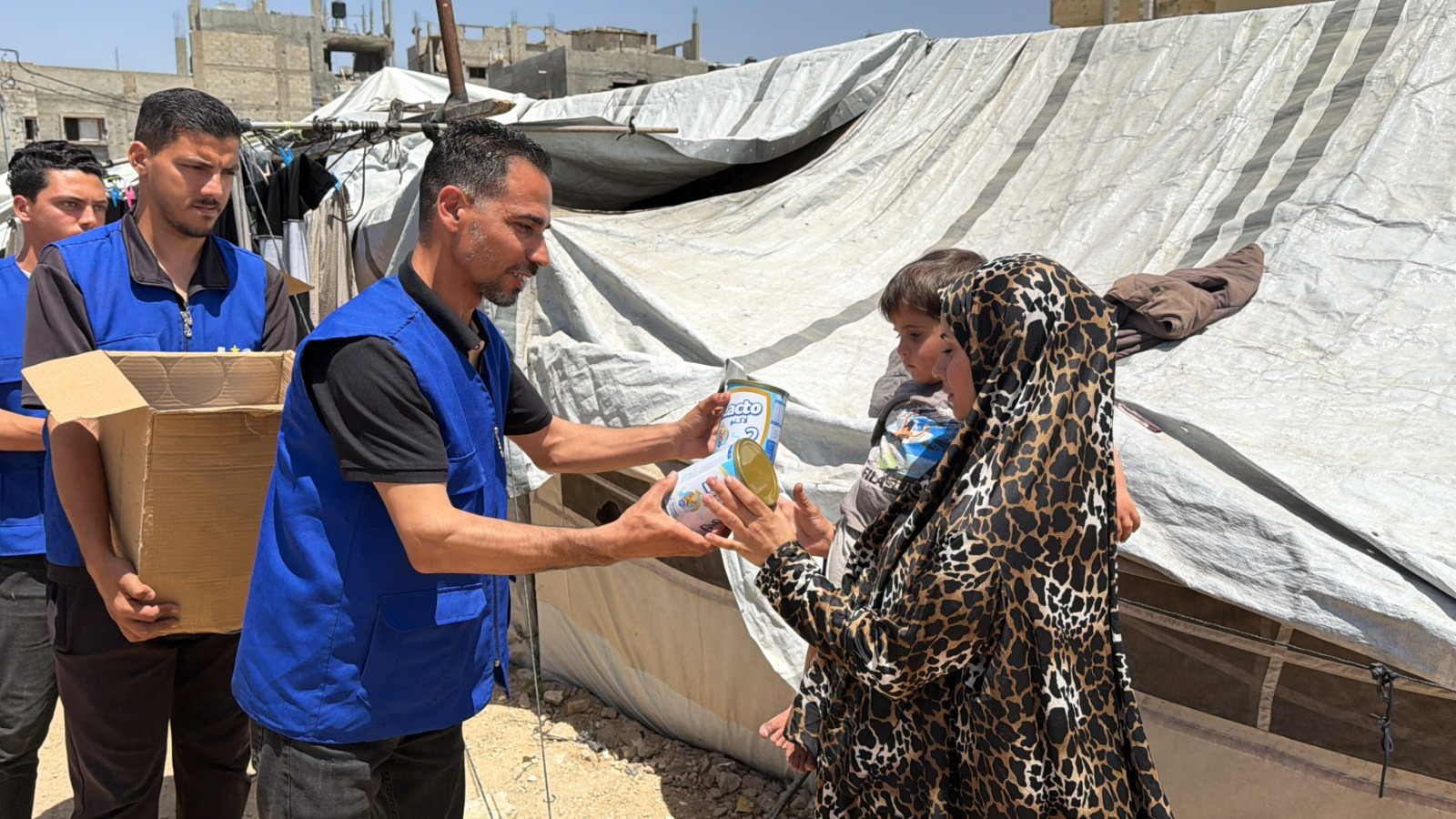
For this reason, LIFE’s team has worked to support pregnant women by providing food fortified with vitamins and the medicines they need. Breastfeeding mothers are also supported with fortified infant formula and all essential supplies for their babies, helping mothers feel more secure and reassured.
Menstruation and Sanitation Facilities: The Hidden Suffering of Women in Gaza
Fatima, a volunteer with LIFE’s Gaza team, highlights another aspect of the crisis:
“One of the less visible aspects of the humanitarian crisis in media coverage is the daily struggle associated with personal hygiene and menstrual needs.
“Approximately 700,000 women and girls face difficulties managing their menstrual needs due to shortages of sanitary pads, clean water, and suitable bathing and toilet facilities, particularly in overcrowded shelters and tents.
“Women and girls lack privacy and safe sanitation facilities. Some are forced to reduce their water consumption or change the times at which they use sanitation facilities to avoid overcrowding and unsafe conditions.
“These circumstances affect women’s health, dignity, and ability to carry out their daily lives normally and safely. They also restrict women’s and girls’ ability to access sanitation facilities, obtain assistance, and move around displacement sites safely and with dignity.
“Those most vulnerable to these risks include women with disabilities, older women, pregnant and breastfeeding women, adolescent girls, and women living without companions or adequate family support.”
Women with Disabilities and Older Women: A Double Burden
Turkish human rights activist Hanan Al-Tatar discusses the challenges facing women with disabilities and older women:
“The effects of war are intensified for women with disabilities and older women because of difficulties with mobility, accessing humanitarian assistance and healthcare services, and the absence of accessible facilities in many shelters.
“A woman who uses a wheelchair may struggle to reach toilets or water and food distribution points, while older women require regular medication, healthcare, and assistance with their daily needs.
“Women who have sustained permanent disabilities as a result of the war face additional challenges related to rehabilitation, treatment, and obtaining assistive devices, as well as difficulties returning to work or achieving economic independence.
“These circumstances highlight the need for humanitarian assistance to go beyond the general distribution of food and essential supplies. Assistance must take into account the different needs of women and girls according to their ages, health conditions, abilities, and family circumstances.”
Women at the Heart of the Crisis: Painful Stories from Gaza
The suffering is evident in the stories of women living through the crisis in Gaza.
Shireen, a mother of nine children, says:
“Before the war, I lived a comfortable life with my husband. Suddenly, after losing him, as well as my sister and her husband, I became responsible for all these children.
“In our area, women cannot move around freely to secure a living in the same way men can. I am afraid to go out looking for assistance because I do not know where I would leave the little ones.
“With repeated displacement, I have become physically weak, unable to concentrate properly, and exhausted. But receiving food parcels has preserved my dignity and spared me from having to beg for food to feed the orphans every day.”
Sara, a 22-year-old woman who has become responsible for supporting her parents and six orphaned children, shares a similar experience:
“Every day, I struggle to provide the basic necessities that will simply keep my family alive. I live with constant fear that I will be unable to protect my family from hunger or cold, and I cannot find anyone to help me.
“When God granted me a tent in one of LIFE’s camps, I finally felt safe. I placed my trust in God after finding somewhere that could help me continue living.”
Fadwa adds:
“Living in a LIFE camp has provided me with a dignified life. However, women living outside the camps still need medicines, medical supplies, pregnancy monitoring services, safe childbirth care, and postpartum services, in addition to treatment for anemia and malnutrition and adequate food and nutritional supplements for pregnant and breastfeeding women and children.
“Sanitary pads, personal hygiene supplies, and underwear must also be distributed. Clean water, bathing facilities, and safe toilets that guarantee privacy must be provided.
“This winter, it is essential to secure suitable shelters, tents, blankets, and safe spaces that protect women and girls from violence and exploitation.
“There is also an urgent need for psychological and social support services for women, mothers, and children; emergency cash assistance for female-headed households; and employment opportunities and small-scale projects that strengthen women’s economic independence.
“Supporting girls’ return to education and providing safe learning environments are equally important.”
For the Silo, Tasneem Elridi.