Take it from our friends at rennlist, Porsche has built some truly remarkable engines over the years. The air-cooled 911/83 engine that powered the 1973 911 2.7L Carrera RS is just one example. But if you were asked to go on and list the ten all-time greatest Porsche engines there is a good chance the list would be dominated by various Mezger engines.
The 12-cylinder found in the Le Mans-winning Porsche 917? That’s a Mezger. The 3.6L flat six in the 996 GT3? That’s a Mezger. The 4.0L in the 997 GT3 RS 4.0? That’s a Mezger.
How about going all the way back to the original 901/911 engine? Yup, that’s a Mezger.
But what is a Mezger engine, and why are they so special? That is what we are going to discuss here today. We have come up with 9 reasons why the Mezger engine is so special. And there is no other place to begin the discussion than the legendary man behind these engines, Hans Mezger.
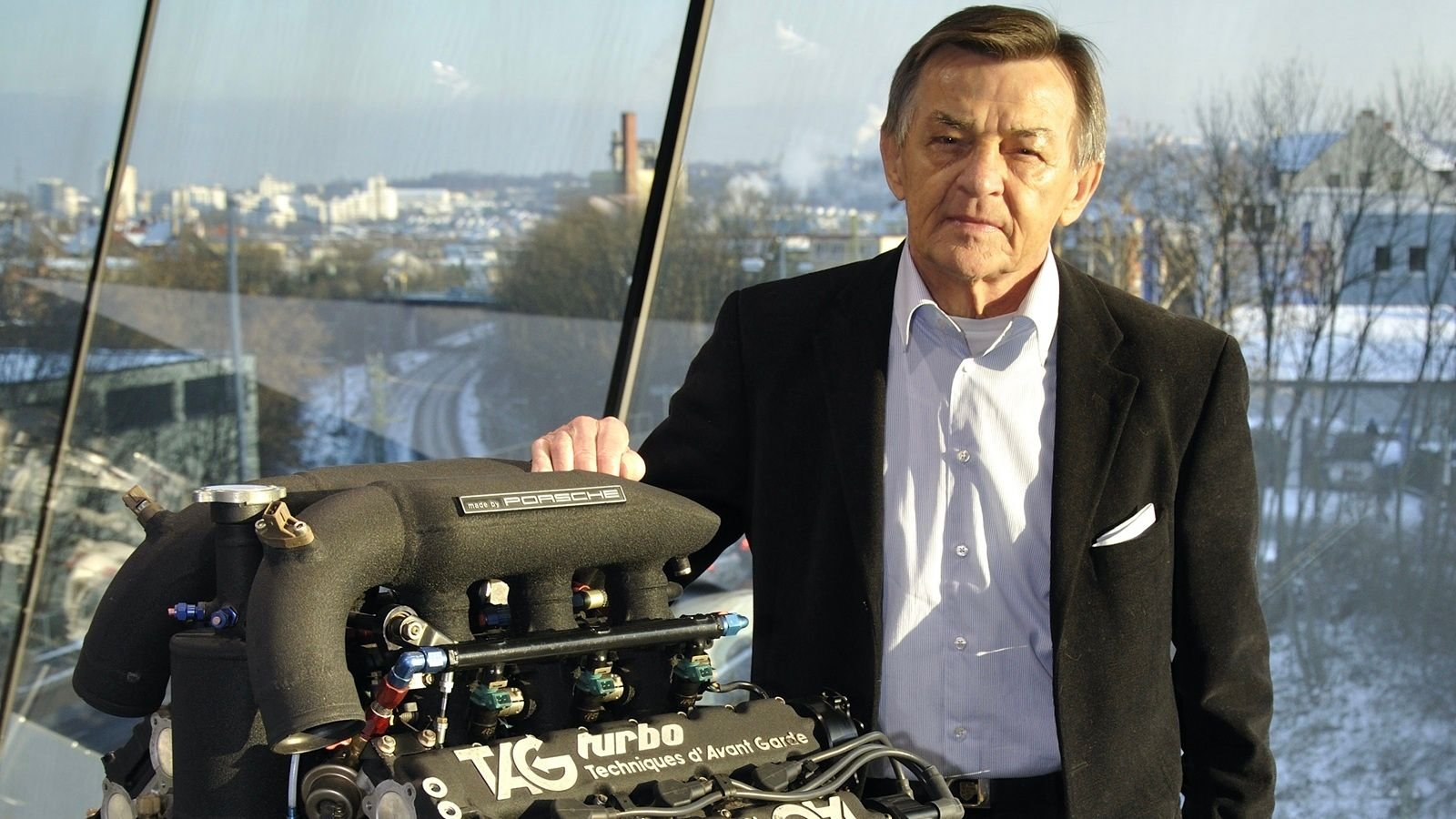
1. Hans Mezger
A single slide can in no way capture all that the legendary Hans Mezger accomplished. He joined Porsche back in October of 1956. He loved Porsche sports cars, but his first job was working on diesel engine development. In 1960, he began to work on the type 753 flat-eight engine for Porsche’s first Formula 1 car. Soon after he designed the 6-cylinder boxer engine for the 901/911. He was then promoted to the head of race car design. He was responsible for the 917 and the 12-cylinder engine that powered it to Porsche’s first Le Mans victory in 1970. He then was responsible for the turbocharged 917/10 and 917/30 cars that dominated Can Am. He designed and developed the six-cylinder turbo engines for the Type 935 and 936 race cars.
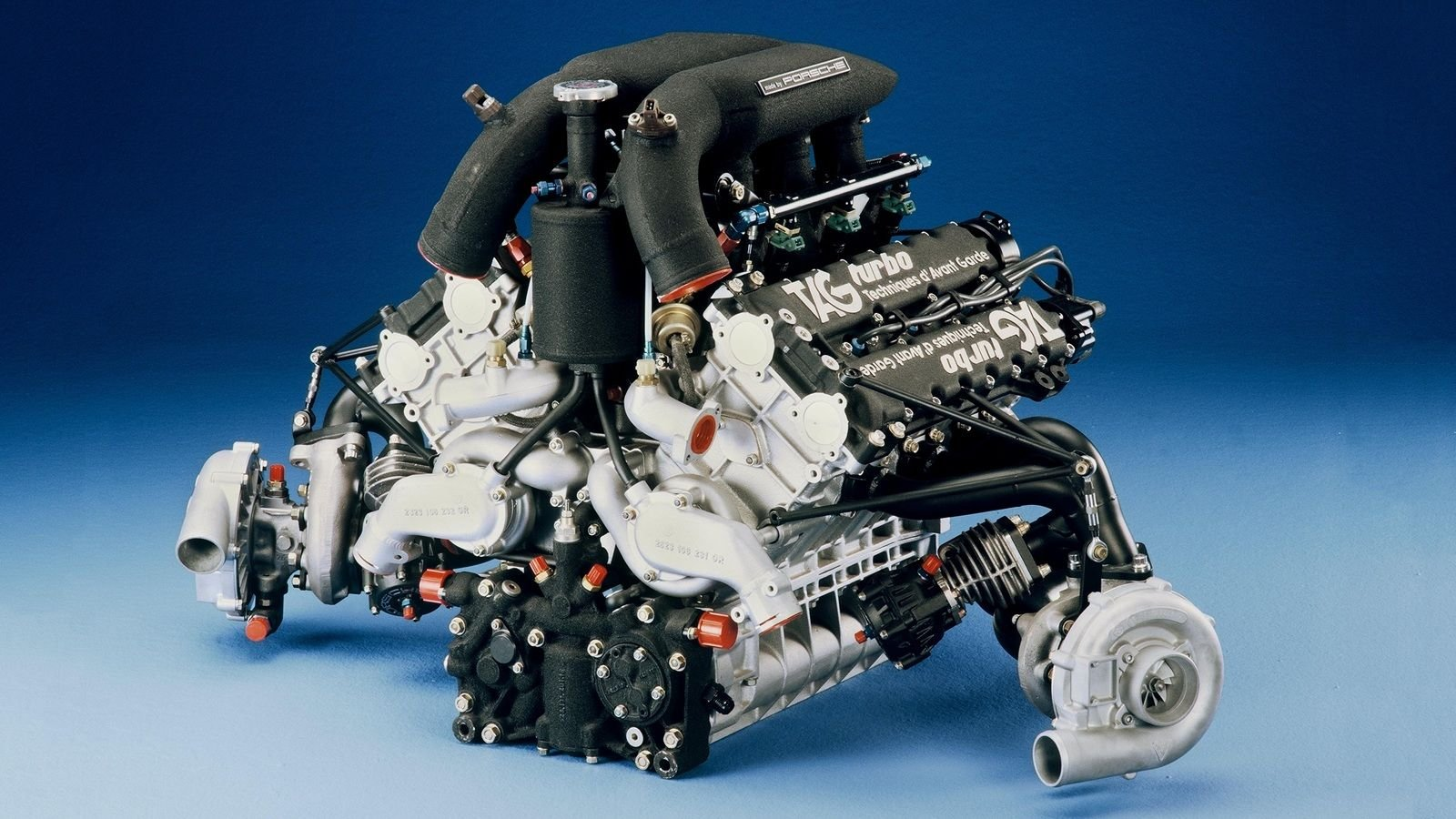
Mezger designed the 1.5L V6 engine known as the TAG Turbo that powered the McLaren Formula 1 cars to championships in 1984, 1985 and 1986. His engines would eventually be found in the most performance-oriented Porsche road cars such as the 996 GT3, GT2 and Turbo. Mezger remained closely connected with the Porsche brand until he passed away on June 10, 2020, at the age of 90.
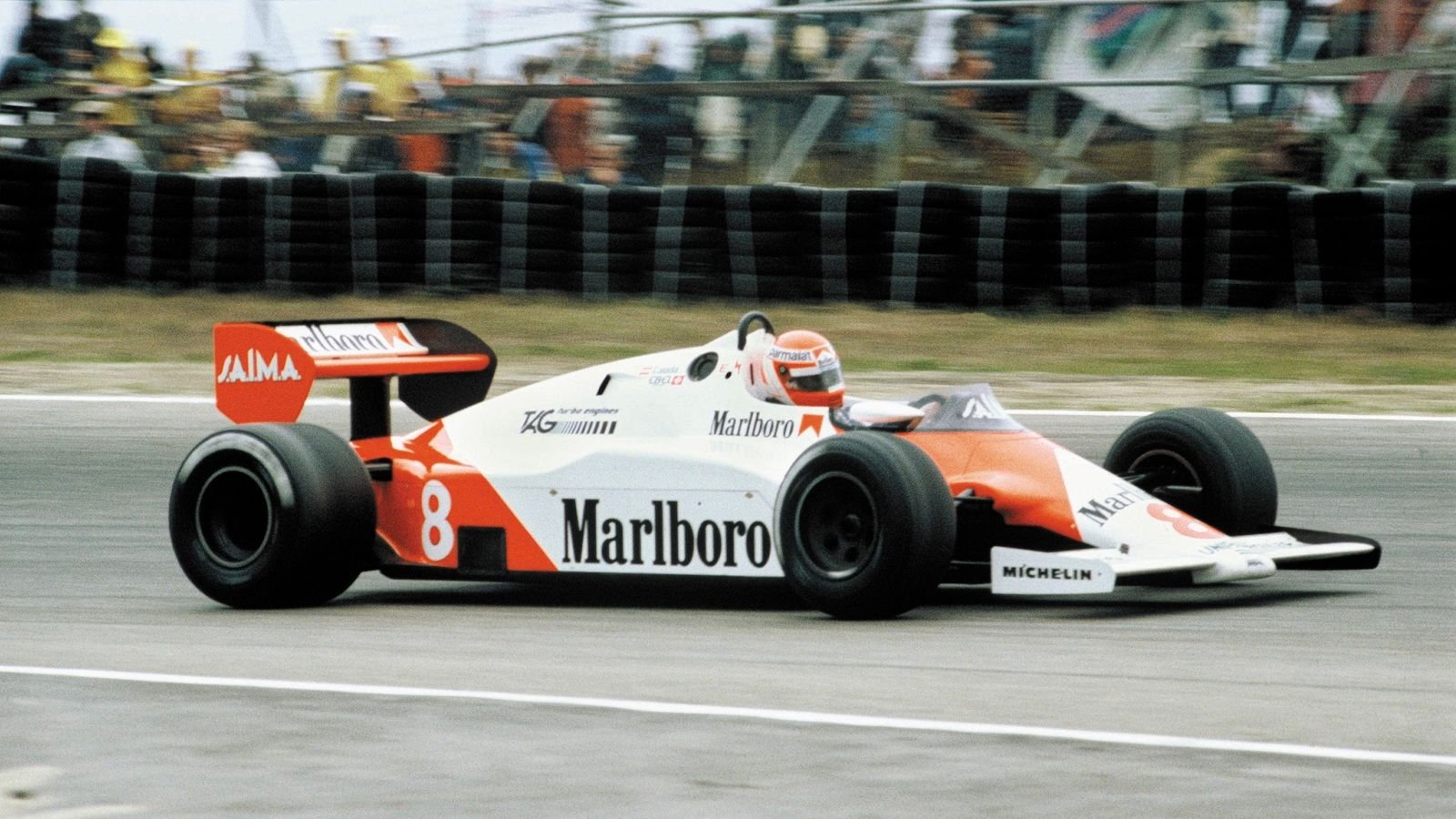
2. Motorsport Pedigree
Mezger built engines for the most demanding races in the world. His engines that were put into Porsche road cars have the same engineering approach. These engines are designed for long-term high performance. They are essentially overbuilt for road use. These engines were not designed to meet a certain price point. They were designed to provide the best performance. There were no corners cut with any Mezger engine.
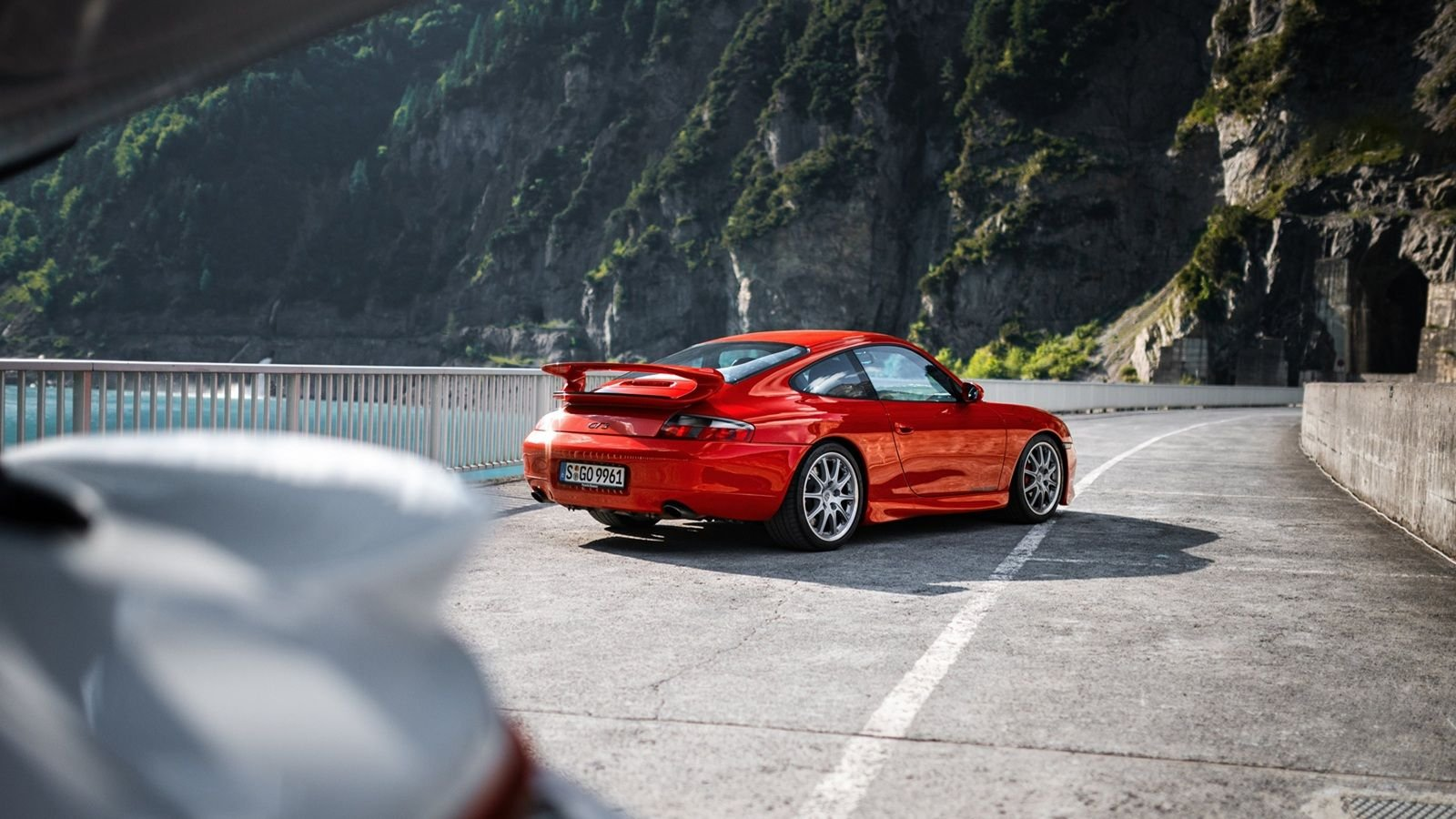
3. Birth of the GT3
Many people view the 911 GT3 models as the pinnacle of the 911 range. One of the main reasons why is because of the track-focused, high-revving flat-six engine out back. It all started with the M96.79 engine found in the 996 GT3. The European market got the GT3 a few years before us and had the M96.76 engine, but the point is the same. The GT3 legend began in large part because of the incredible engine that powered it. This dry sump engine could rev to 8,200 rpm all day long. The engine was derived from the Porsche 911 GT1-9,8 which happened to win a little race called the 24 Hours of Le Mans. The street version of this engine is nearly bulletproof,f and the GT3 legend was born.
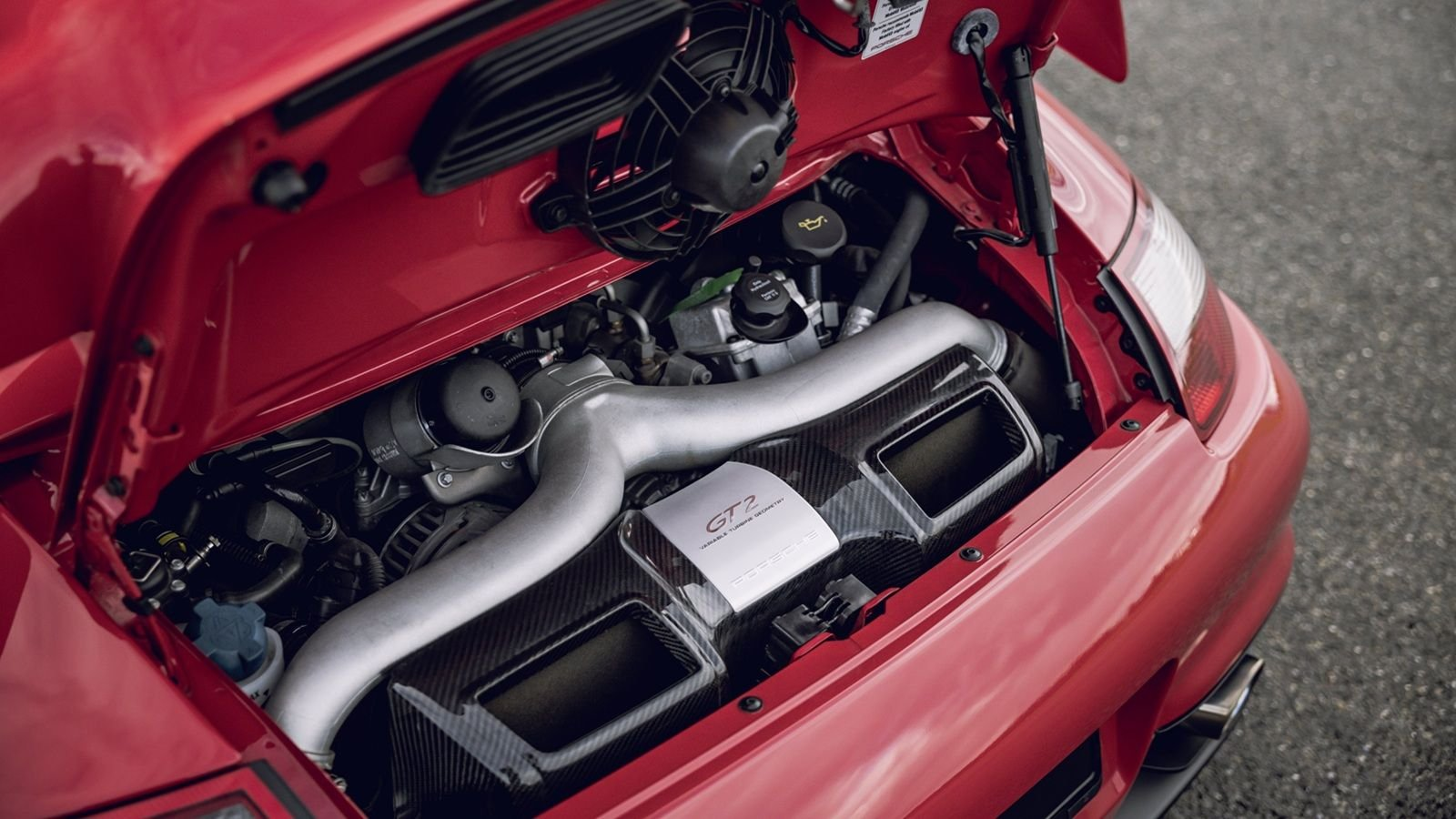
4. Turbocharged Versions
If the GT3 was just not powerful enough for you, Porsche had a solution. The GT2 and Turbo also used Mezger engines, but with a pair of turbochargers. They are not as high-revving as the normally aspirated units, but they offer more power and a lot more torque. And these engines are just as reliable.
5. Reliability
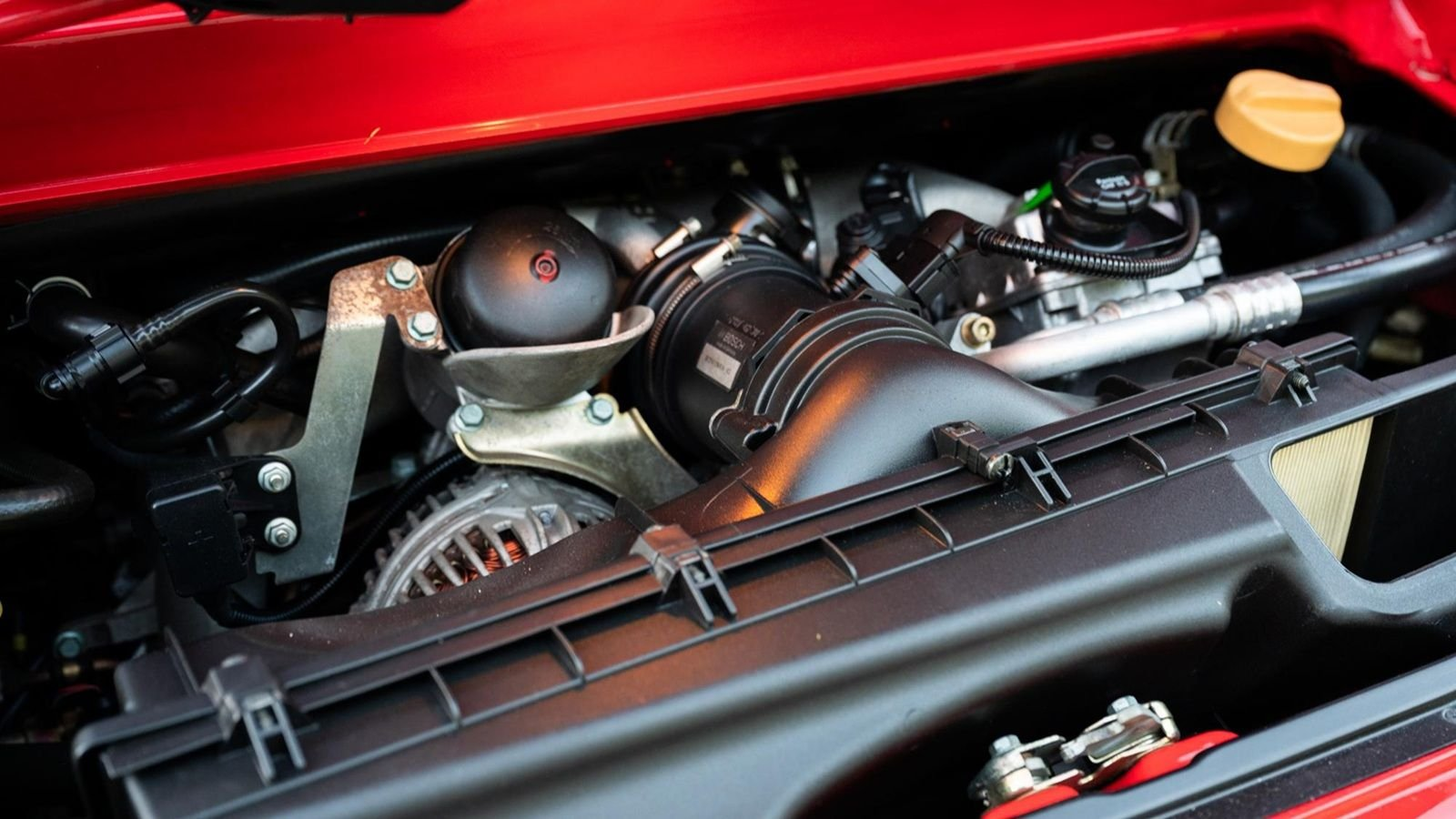
The Mezger engines are not just more powerful but also more reliable. The knock on the M96 and M97 engine series has long been the IMS bearing. But the Mezger versions don’t have the same design. Instead, they use plain bearings that are pressure-fed engine oil for lubrication. These bearings don’t fail. That alone makes the Mezger significantly more reliable.
6. Sound
Even if these engines were not more durable and powerful, people would buy them for their sound alone. It is not just their high-revving nature in naturally aspirated form. But the design of the engine itself, with features such as dual timing chains that give these engines a more characterful sound. They are more gravely and “motorsporty” sounding than the non-Mezger engines.
7. Power Upgrades
These engines were overbuilt and as such, are typically able to comfortably handle more power if you want to modify them. The turbo versions can easily be tuned to reliably make more power. Of course, every engine has its limitations, but the Mezger engine is robust enough to make more power without hurting reliability.
8. The 997 GT3 RS 4.0
Many people consider the 997 GT3 RS 4.0 to be the best Porsche 911 road car of all time. It just so happens to be equipped with the last Mezger engine. A 4.0L jewel making nearly 500 naturally aspirated horsepower. The engine revs to 8,500 rpm and has more character in it than an entire truckload of new 992.2 Carreras. The 4.0L marked the end of an era. It is the last and possibly the best road-going Mezger engine ever produced.
9. Rarity and Desirability
Not every Porsche got a Mezger engine. Technically, all the air-cooled 911s have a Mezger-designed engine, but they have been out of production for over a quarter of a century now. Only a small percentage of water-cooled Porsche engines were a Mezger design. And Porsche is not building any more of them. So, what is out there today is all that will ever be out there. These engines are found in the most desirable Porsche models, and these cars are collectible today and will continue to be collectible for the foreseeable future. If you buy a Porsche with a Mezger engine today, the chances are good that it will be worth the same or even more tomorrow. For the Silo, Joe Kucinski.
Images: Porsche
>>Join the conversation about the Mezgar engine right here via our friends at Rennlist.com.