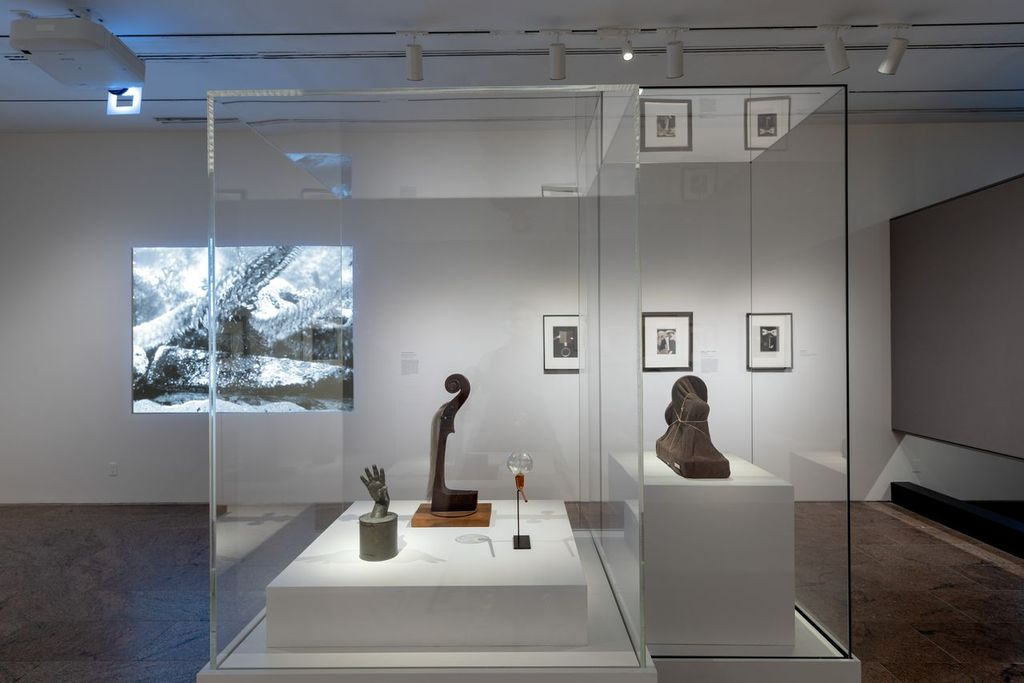
Installation view of Man Ray: When Objects Dream, on view September 14,2025–February 1, 2026at The Metropolitan Museum of Art. Photo by Anna-Marie Kellen, Courtesy of our friends at The Met.
American artist Man Ray (1890–1976) was a visionary known for his radical experiments that pushed the limits of photography, painting, sculpture, and film. In the winter of 1921, he pioneered the rayograph, a new twist on a technique used to make photographs without a camera. By placing objects on or near a sheet of light-sensitive paper, which he exposed to light and developed, Man Ray turned recognizable subjects into wonderfully mysterious compositions.
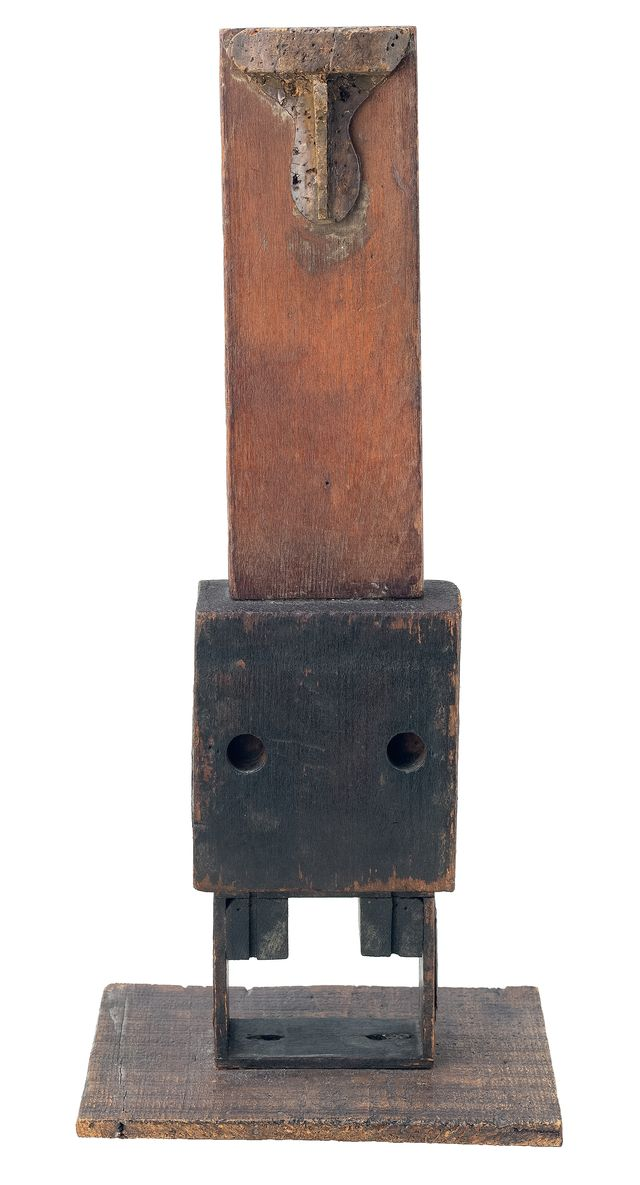
By itself. 1918. Man Ray (American, 1890–1976)By Itself I1918Wood,iron, and cork17 1/4 × 7 11/16 × 7 5/16 in. (43.8 × 19.5 × 18.6 cm)LWL–Museum für Kunst und Kultur, Münster, Germany© Man Ray 2015 Trust / Artists Rights Society (ARS), NY /ADAGP, Paris 2025
Introduced in the period between Dada and Surrealism, the rayographs’ transformative, magical qualities led the poet Tristan Tzara to describe them as capturing the moments “when objects dream.”
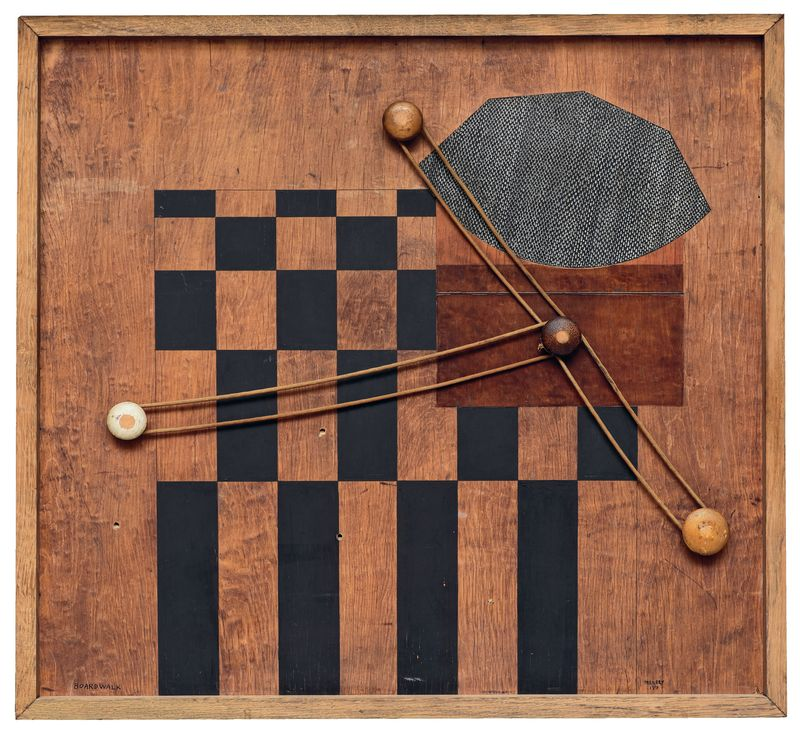
Boardwalk. 1917. Man Ray (American, 1890–1976) Boardwalk1917Oil, wood handles, and yarn on wood 26 9/16 × 29 × 15/16 in. (67.4 × 73.6 × 2.4 cm)Staatsgalerie Stuttgart, acquired 1973 with Lotto Funds© Man Ray 2015 Trust / Artists Rights Society (ARS), NY /ADAGP, Paris 2025
Location of the exhibition and floorplan
The exhibition will be the first to situate this signature accomplishment in relation to Man Ray’s larger body of work of the 1910s and 1920s. Drawing from the collections of The Met and more than 50 U.S. and international lenders, the exhibition will feature approximately 60 rayographs and 100 paintings, objects, prints, drawings, films, and photographs—including some of the artist’s most iconic works—to highlight the central role of the rayograph in Man Ray’s boundary-breaking practice.
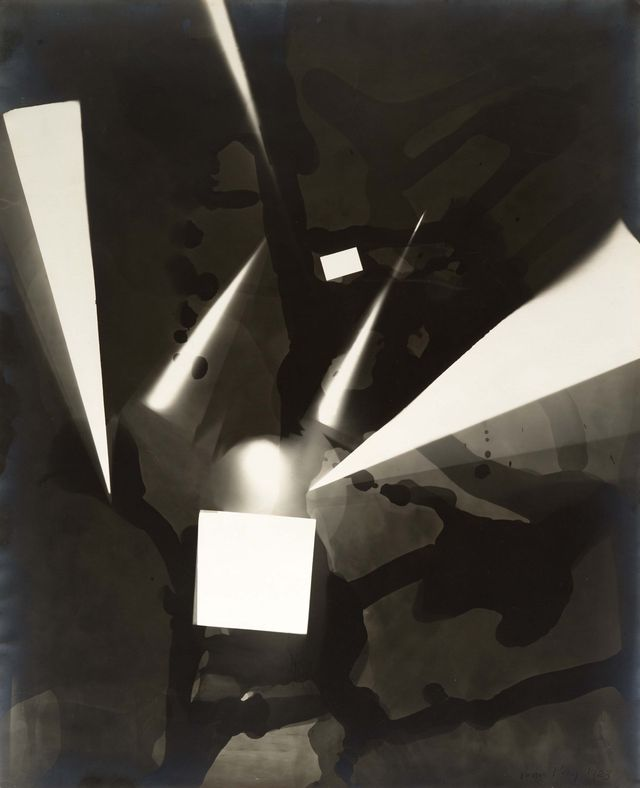
Rayograph. 1923-1928 Man Ray (American, 1890–1976)Rayograph1923–28Gelatin silver print19 5/16 x 15 11/16 in. (49 x 39.8 cm)The Metropolitan Museum of Art, New York, Gilman Collection,Purchase, The Horace W. Goldsmith Foundation Gift, throughJoyce and Robert Menschel, 2005 (2005.100.140)Image © The Metropolitan Museum of Art, photo by MarkMorosse© Man Ray 2015 Trust / Artists Rights Society (ARS), NY /ADAGP, Paris 2025
“Before my eyes an image began to form, not quite a simple silhouette of the objects as in a straight photograph, but distorted and refracted … In the morning I examined the results, pinning a couple of the Rayographs—as I decided to call them—on the wall. They looked startlingly new and mysterious.” — Man Ray
September 14, 2025–February 1, 2026Upcoming at The Met Fifth Avenue in Gallery 199 Free with Museum admission Accessibility information
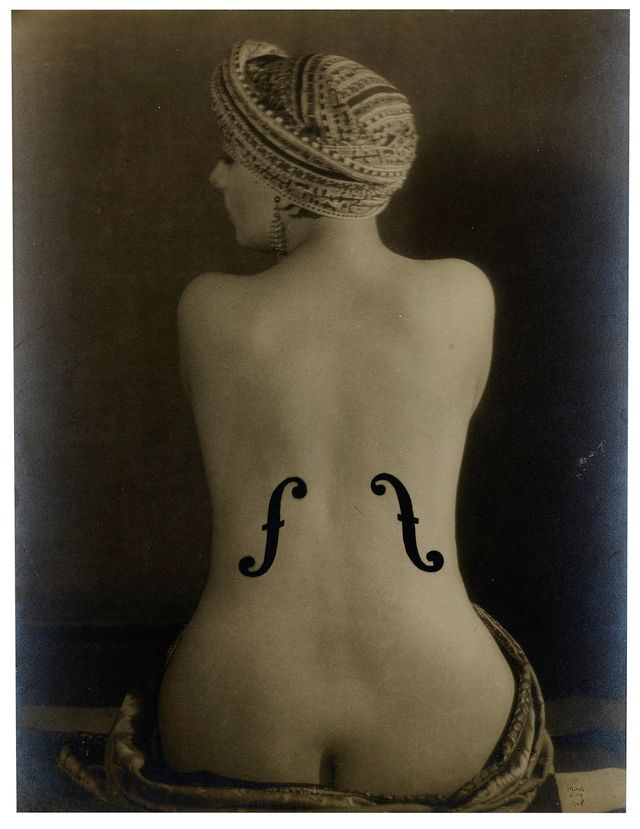
Le violon d’Ingres 1924. Man Ray (American, 1890–1976)Le violon d’Ingres1924Gelatin silver print19 1/8 × 14 3/4 in. (48.5 × 37.5 cm)The Metropolitan Museum ofArt, New York, Bluff Collection,Promised Gift of John A. PritzkerPhoto by Ian Reeves© Man Ray 2015 Trust /Artists Rights Society (ARS), NY /ADAGP, Paris 2025
The exhibition is made possible by the Barrie A. and Deedee Wigmore Foundation.
Major funding is provided by Linda Macklowe, the Horace W. Goldsmith Foundation, The Daniel and Estrellita Brodsky Foundation, The International Council of The Metropolitan Museum of Art, Andrea Krantz and Harvey Sawikin, and Schiaparelli.
Additional support is provided by the Vanguard Council.
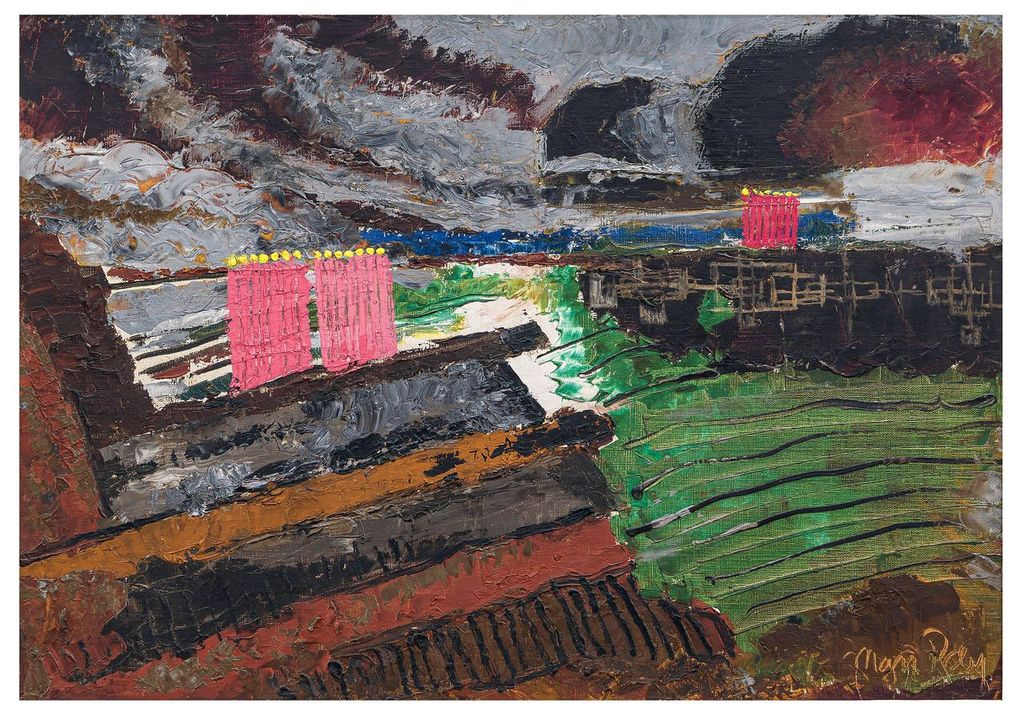
Swedish Landscape. 1926. Man Ray (American, 1890–1976)Paysage suédois(Swedish Landscape)1926Oil on canvas18 × 25 1/2 in. (45.7 × 64.8 cm)The Mayor Gallery, London Photo courtesy of The Mayor Gallery, London© Man Ray 2015 Trust / Artists Rights Society (ARS), NY /ADAGP, Paris 2025
Related programs are a part of the Bluff Collaborative for Research on Dada and Surrealism at The Met.
The catalogue is made possible by the Mellon Foundation.
Additional support is provided by James Park, the Carol Shuster-Polakoff Family Foundation, and Sharon Wee and Tracy Fu.
Exhibition Catalog
Man Ray: When Objects Dream
This volume is the first in-depth study of Man Ray’s groundbreaking rayographs of the 1920s and their interconnections with his Dada and Surrealist works.
For the Silo, Jarrod Barker.