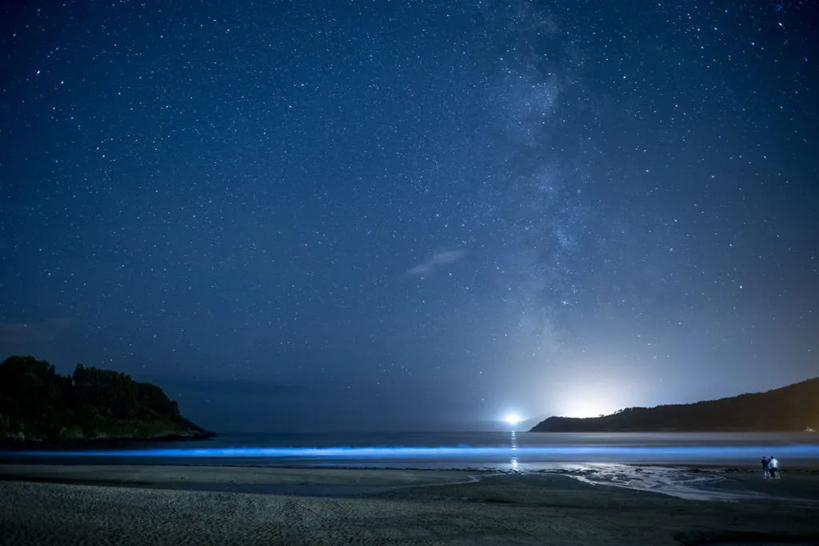
A great night for stargazing. The Milky Way over a bioluminescent sea at Estorde beach, Galicia, Spain. Photo by Brais Lorenzo/Anadolu Agency via Getty Images
What a phenomenal week it’s been here in Almería Spain. If you’ve ever wanted to spend five nights surrounded by brilliant minds talking about the wonders of the universe—all for free—then the 13th Astronomy Days at Teatro Apolo was the place to be.
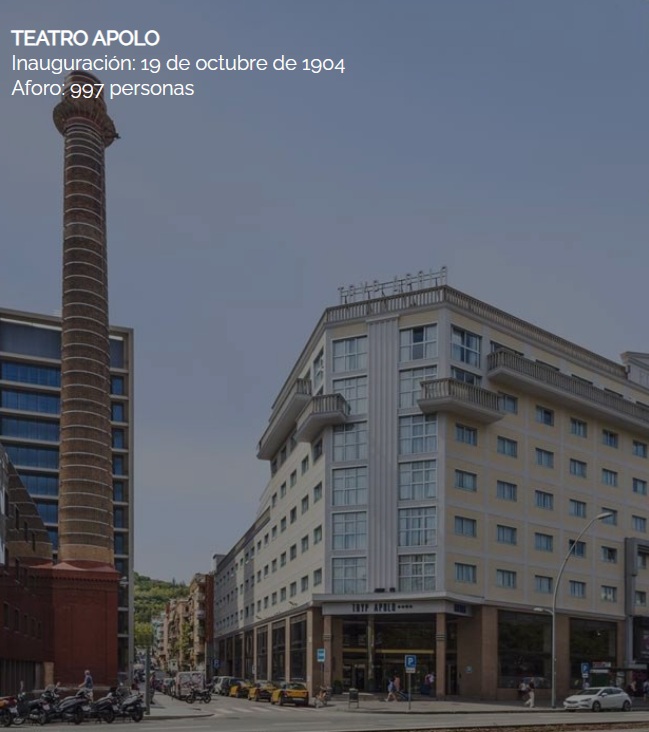
Every evening from Monday to Friday, I joined a packed house at the Teatro Apolo, right on Rambla Obispo Orbera, for one of the most engaging, inspiring, and surprisingly personal science events I’ve ever attended.
As someone with a love for astronomy (but definitely not a scientist), I wasn’t sure what to expect. Would it be too technical? Would the speakers feel out of reach? Turns out—not at all. The talks were not only fascinating, but the speakers themselves were so kind and approachable. I got to chat with all of them after their presentations, and almost everyone was fluent in both English and Spanish, which made the whole experience super welcoming.
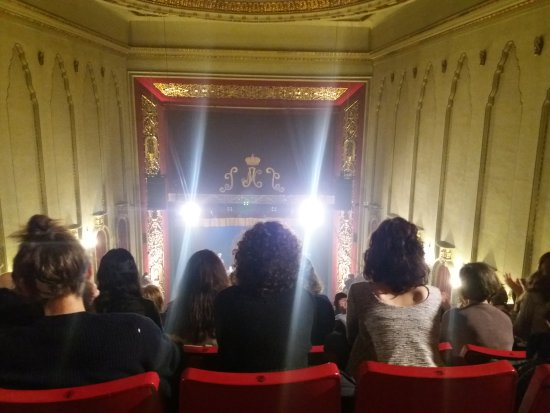
Here’s a recap of this unforgettable journey through the stars:
Monday, May 12 – John Mather
The week kicked off in the best way imaginable—with John Mather, Nobel Prize winner and NASA legend. He talked about the James Webb Space Telescope (JWST), and let me tell you: hearing about its mission straight from someone who helped design it was something else.
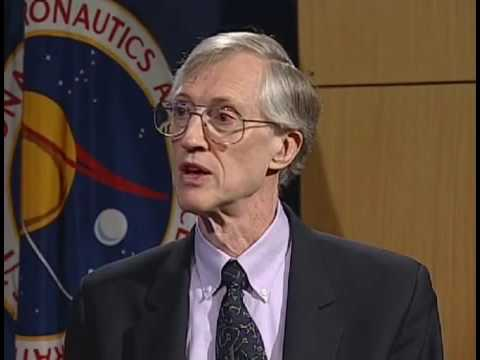
He explained how JWST is literally letting us see the earliest galaxies, basically time-travelling with light, in a way that even I could follow—and I only passed physics with a B.
After the talk, I was lucky enough to have a quick chat with him. He was gracious, humble, and even cracked a joke about how working with ancient starlight makes you feel a little ancient yourself.
Tuesday, May 13 – John E. Beckman
Next up was John Beckman from the Institute of Astrophysics of the Canary Islands (IAC). Originally from the UK, he’s spent most of his career here in Spain, and you can tell he really loves sharing his knowledge.
His talk was all about galaxies—how they form, why they behave the way they do—and it was filled with this kind of poetic curiosity about the universe. He made the whole room feel like part of the story.
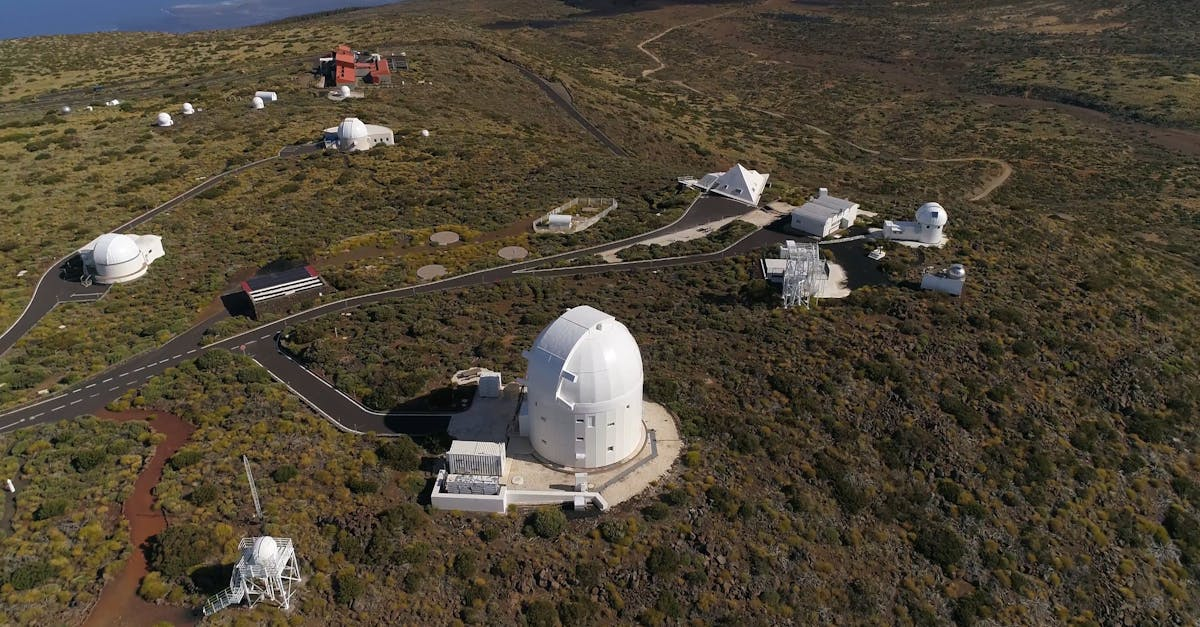
Institute of Astrophysics- The Canary Islands
He stuck around after the lecture, chatting with attendees like we were old friends. I asked him what keeps him inspired after decades of research, and he simply said, “The universe never runs out of surprises.”
Wednesday, May 14 – Martín Guerrero Roncel
Wednesday’s speaker was Martín Guerrero Roncel from the Institute of Astrophysics of Andalusia (IAA), and his passion was contagious. He dove into the bizarre beauty of planetary nebulae—those colourful clouds of gas released by dying stars.
I had no idea how important these structures are in spreading elements across galaxies. His visuals were stunning, and his explanations were super clear, even when things got a little technical.
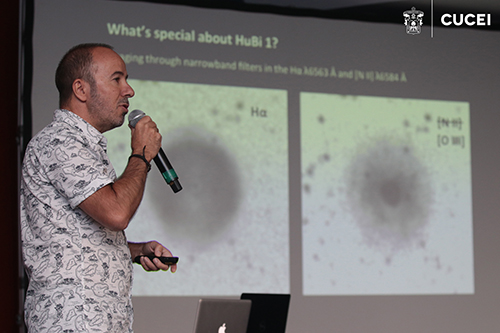
Afterwards, he was more than happy to answer everyone’s questions (and there were a lot), with patience and genuine enthusiasm. Super approachable and just a cool guy overall.
Thursday, May 15 – Sara García Alonso
Thursday brought us the incredible Sara García Alonso—astronaut candidate, molecular biologist, and all-around badass. She talked about her scientific work, the future of space missions, and what it’s like being one of the few selected to train as a European astronaut.
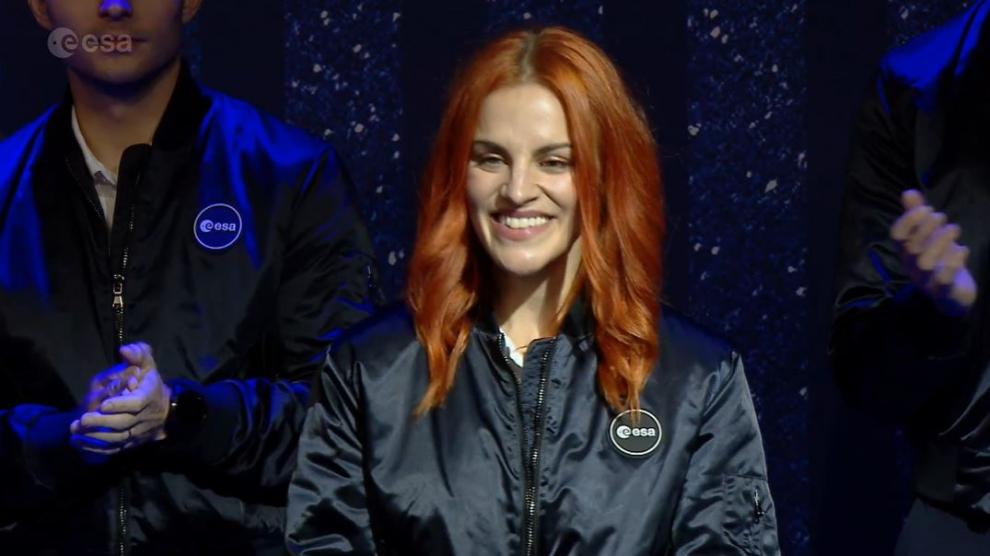
She brought this vibrant energy to the room, blending her love of biology and space exploration into a really inspiring talk. It was especially amazing to see so many young women and girls in the audience visibly lighting up as she spoke.
Friday, May 16 – Eva Villaver Sobrino
The week wrapped up with a bang with Eva Villaver Sobrino, the director of Space at the Spanish Space Agency. Her talk was both visionary and grounded—she spoke not just about scientific discoveries, but also about the future of Spain’s role in space exploration, the importance of collaboration across countries, and the ethical responsibilities we have as we reach further into the cosmos.
She’s been involved in some of the biggest European space missions, and her ability to combine scientific rigour with a big-picture vision of humanity’s place in the universe really struck a chord.
Questions afterward felt like chatting with a wise mentor. She encouraged everyone to keep asking questions and stay curious, no matter their background or age.
Final Thoughts
By the end of the week, I felt like my brain had been stretched in the best possible way. I learned about dying stars, distant galaxies, cutting-edge telescopes, and even the biology of space travel. But more than that, I walked away feeling deeply inspired.
What really made the event special was the human connection. Every speaker stayed around to talk, sign books, take photos, or just share a quiet word. No egos, no academic walls—just real people sharing their love for science.
Huge thanks to the organizers and to Teatro Apolo for making this all happen—and for making it free and open to everyone. Events like this remind us why curiosity matters and how lucky we are to have such brilliant minds willing to share their time and passion.
Already counting down to next year. Until then—keep looking up! For the Silo, Sandia Martin.